
Search
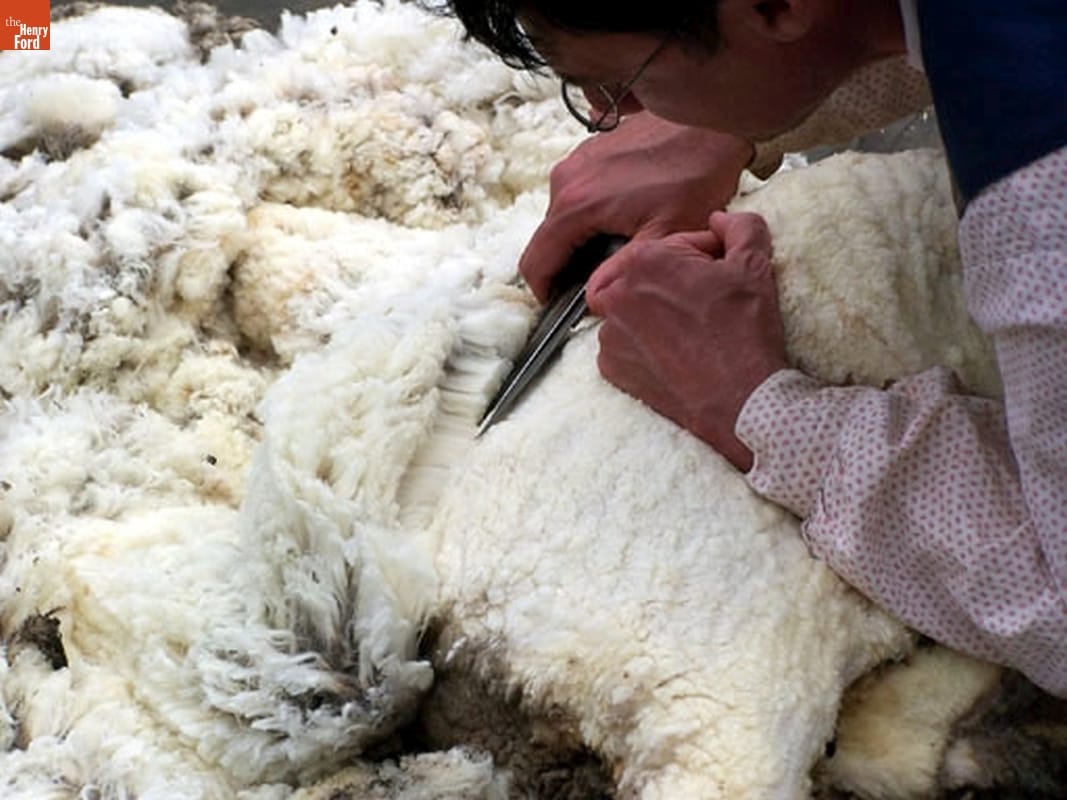
- Demonstrating Blade-Shearing of Merino Sheep in Greenfield Village, May 2005 - Heavy coats of fine wool made Merino sheep a popular breed among nineteenth-century wool producers. Every spring, shearers carefully navigated blade shears to remove each sheep's thick fleece -- a process that could take several hours. More than a century later, presenters demonstrate this labor-intensive blade-shearing process at Firestone Farm in Greenfield Village.
- May 01, 2005
- Collections - Artifact
Demonstrating Blade-Shearing of Merino Sheep in Greenfield Village, May 2005
Heavy coats of fine wool made Merino sheep a popular breed among nineteenth-century wool producers. Every spring, shearers carefully navigated blade shears to remove each sheep's thick fleece -- a process that could take several hours. More than a century later, presenters demonstrate this labor-intensive blade-shearing process at Firestone Farm in Greenfield Village.
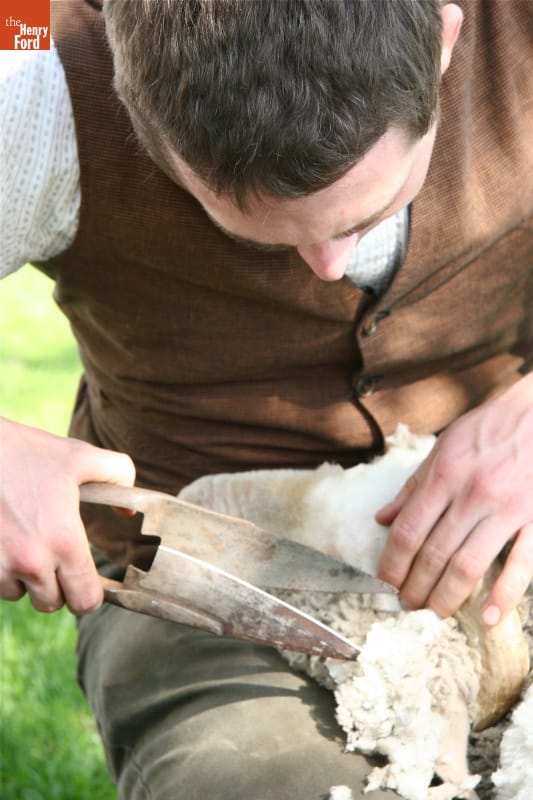
- Demonstrating Blade-Shearing of Merino Sheep in Greenfield Village, April 2010 - Heavy coats of fine wool made Merino sheep a popular breed among nineteenth-century wool producers. Every spring, shearers carefully navigated blade shears to remove each sheep's thick fleece -- a process that could take several hours. More than a century later, presenters demonstrate this labor-intensive blade-shearing process at Firestone Farm in Greenfield Village.
- April 29, 2010
- Collections - Artifact
Demonstrating Blade-Shearing of Merino Sheep in Greenfield Village, April 2010
Heavy coats of fine wool made Merino sheep a popular breed among nineteenth-century wool producers. Every spring, shearers carefully navigated blade shears to remove each sheep's thick fleece -- a process that could take several hours. More than a century later, presenters demonstrate this labor-intensive blade-shearing process at Firestone Farm in Greenfield Village.
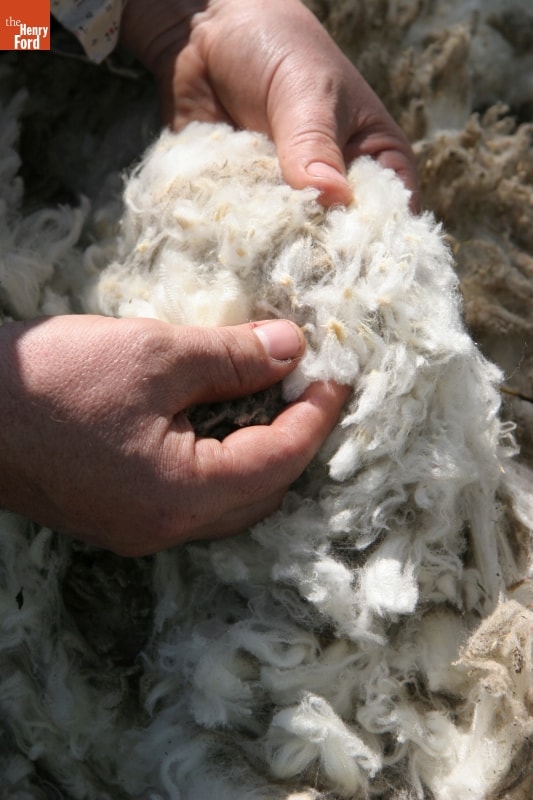
- Lanolin in Wool from Merino Sheep-Shearing, Greenfield Village, April 2010 - The skin of Merino sheep secretes an excess of lanolin. Clumps of this protective waxy substance often remain in the fleece after shearing. A warm, soapy wash of the fleece removes lanolin, along with dirt and matted wool, before raw wool is processed into yarn or fabric.
- April 30, 2010
- Collections - Artifact
Lanolin in Wool from Merino Sheep-Shearing, Greenfield Village, April 2010
The skin of Merino sheep secretes an excess of lanolin. Clumps of this protective waxy substance often remain in the fleece after shearing. A warm, soapy wash of the fleece removes lanolin, along with dirt and matted wool, before raw wool is processed into yarn or fabric.
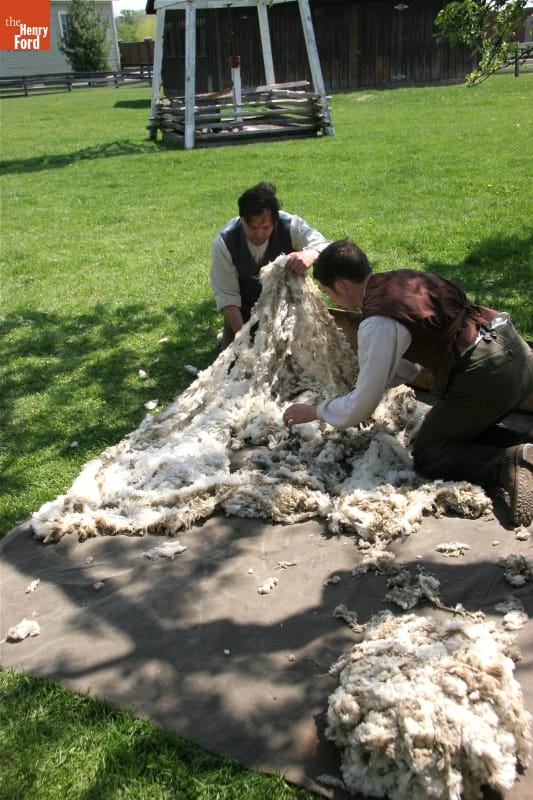
- Skirting the Wool Fleece from Merino Sheep-Shearing Demonstration, Greenfield Village, April 2010 - Heavy, yet fine fleeces made Merino sheep a popular breed among nineteenth-century wool producers. Every spring, after carefully navigating blade shears to cut away each sheep's thick fleece, farmers removed especially dirty or coarse sections of wool. This process, called skirting, helped maximize profit, as farmers and wool buyers negotiated a price per pound of wool based on fleece quality.
- April 30, 2010
- Collections - Artifact
Skirting the Wool Fleece from Merino Sheep-Shearing Demonstration, Greenfield Village, April 2010
Heavy, yet fine fleeces made Merino sheep a popular breed among nineteenth-century wool producers. Every spring, after carefully navigating blade shears to cut away each sheep's thick fleece, farmers removed especially dirty or coarse sections of wool. This process, called skirting, helped maximize profit, as farmers and wool buyers negotiated a price per pound of wool based on fleece quality.
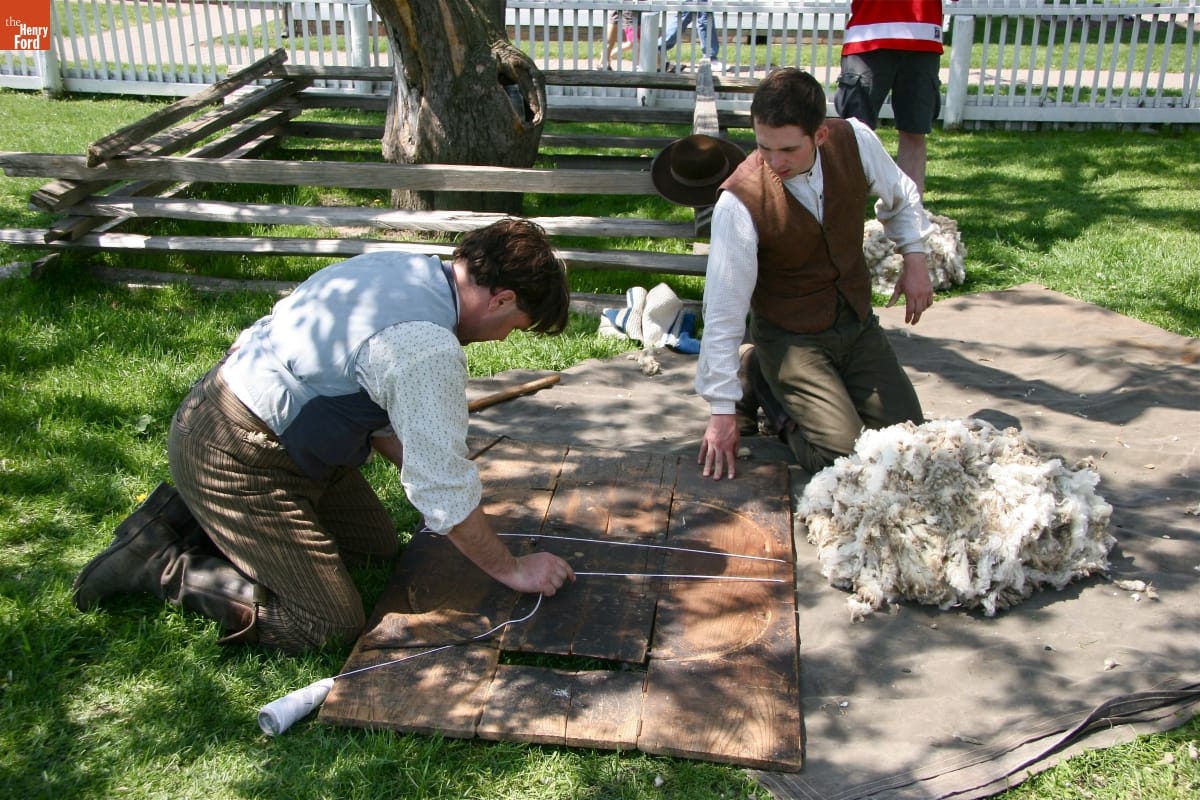
- Preparing the Wool Fleece for Weighing, Merino Sheep-Shearing Demonstration at Greenfield Village, April 2010 - Heavy coats of valuable wool made Merino sheep a popular breed among nineteenth-century wool producers. Every spring, shearers carefully navigated blade shears to remove each sheep's fleece by hand. Shearing as much usable wool as possible was key to maximizing profit, as farmers and wool buyers negotiated a price per pound of wool.
- April 30, 2010
- Collections - Artifact
Preparing the Wool Fleece for Weighing, Merino Sheep-Shearing Demonstration at Greenfield Village, April 2010
Heavy coats of valuable wool made Merino sheep a popular breed among nineteenth-century wool producers. Every spring, shearers carefully navigated blade shears to remove each sheep's fleece by hand. Shearing as much usable wool as possible was key to maximizing profit, as farmers and wool buyers negotiated a price per pound of wool.
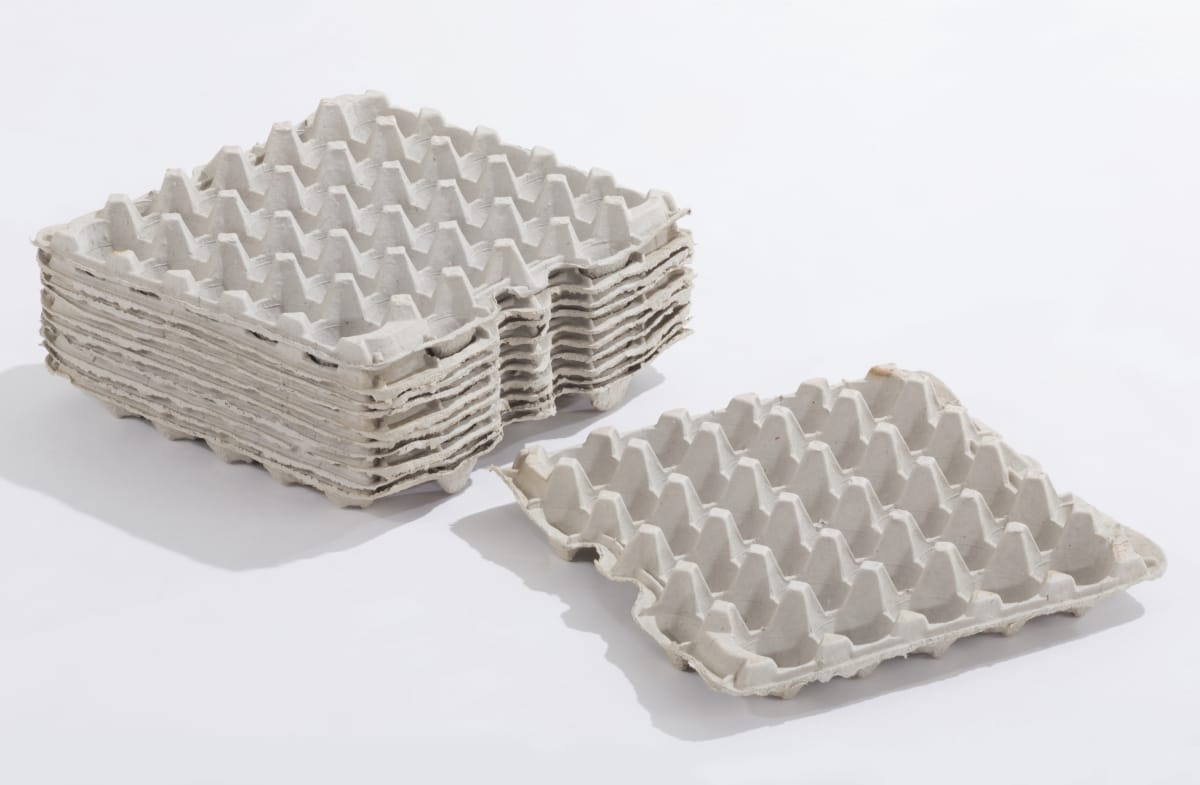
- Pressed Paper Egg Tray, 1930-2000 - Pressed paper egg trays provided padding between layers of eggs packed for transport from farms to urban markets. Each tray, or flat, held 30 eggs and fit easily within the standard wholesale package -- a wooden box (and later a wire cage). These packages held twelve flats -- a total of thirty dozen (360) eggs!
- 1930-2000
- Collections - Artifact
Pressed Paper Egg Tray, 1930-2000
Pressed paper egg trays provided padding between layers of eggs packed for transport from farms to urban markets. Each tray, or flat, held 30 eggs and fit easily within the standard wholesale package -- a wooden box (and later a wire cage). These packages held twelve flats -- a total of thirty dozen (360) eggs!
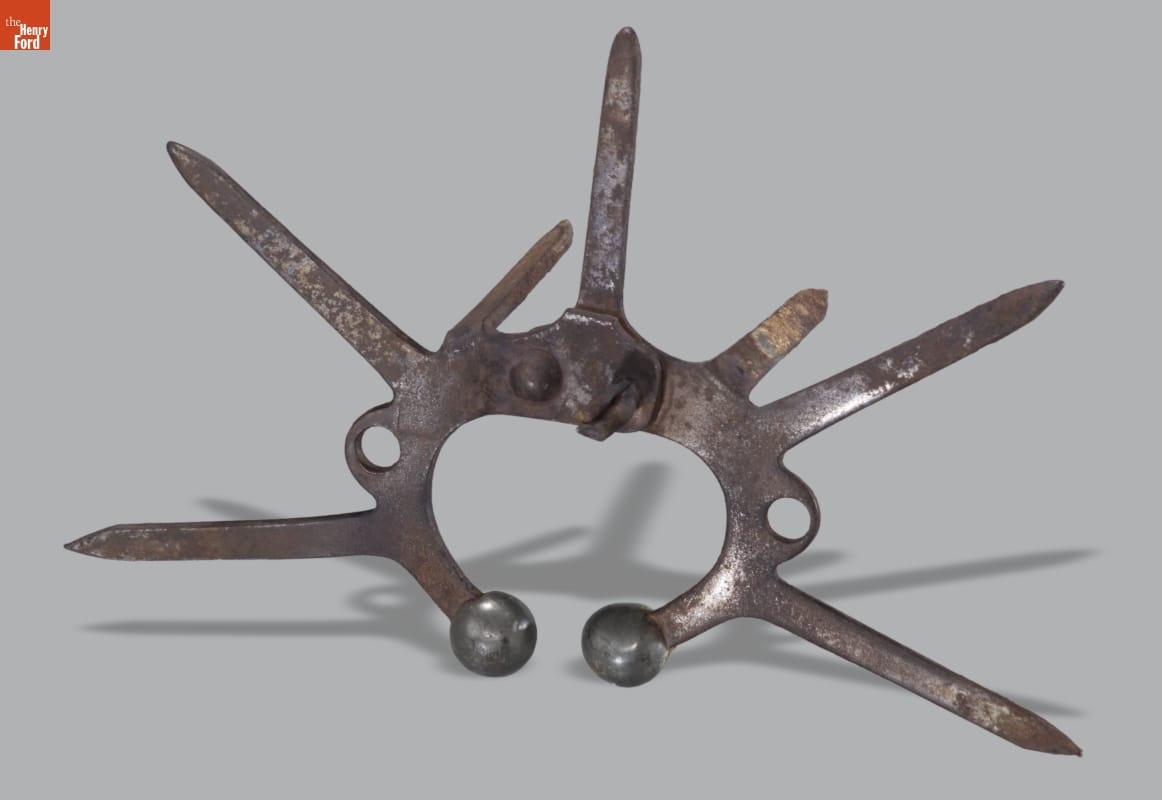
- Calf Weaner -
- Collections - Artifact
Calf Weaner
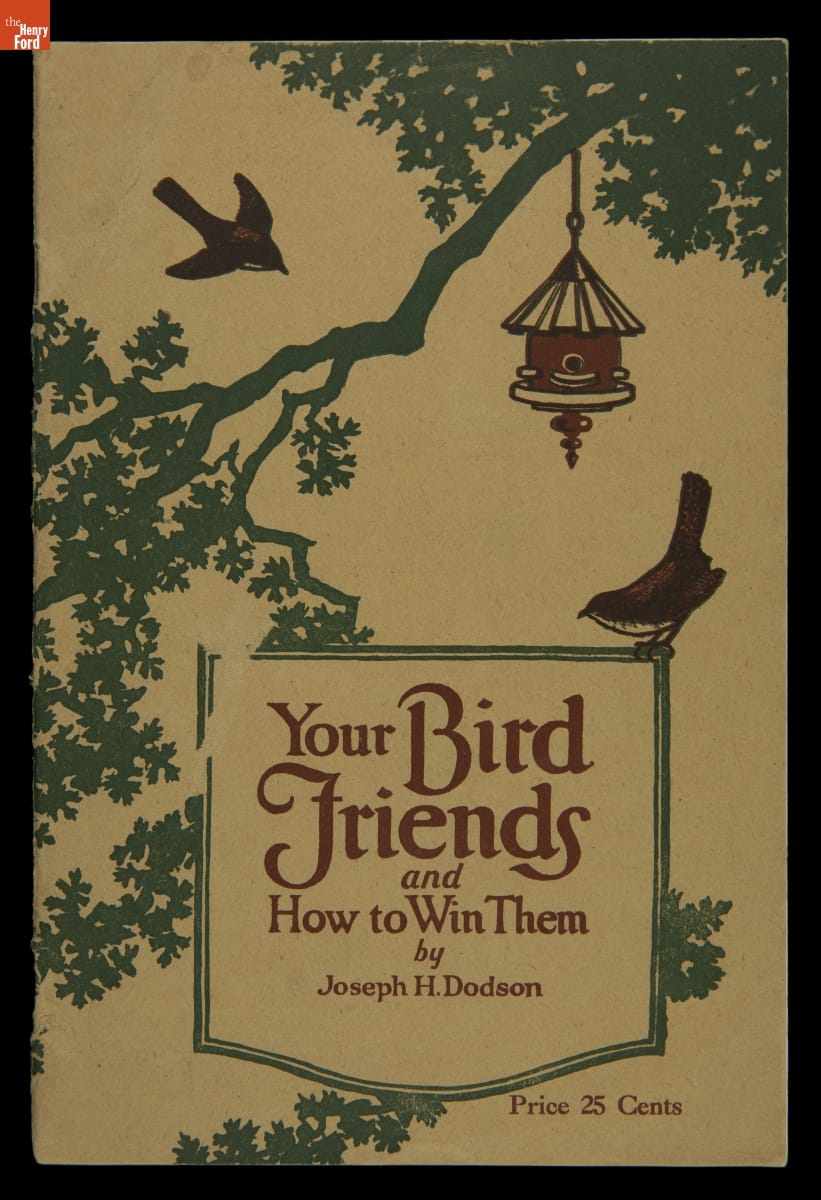
- "Your Bird Friends and How to Win Them," 1928 - Joseph Dodson used his observations of songbird behavior to design products for his company, Dodson Bird Houses. In the company's catalog, <em>Your Bird Friends and How to Win Them</em> (1928), customers could choose from dozens of unique houses, feeders, and baths designed for different species' needs. It also featured essays on how to attract and care for wild birds.
- 1928
- Collections - Artifact
"Your Bird Friends and How to Win Them," 1928
Joseph Dodson used his observations of songbird behavior to design products for his company, Dodson Bird Houses. In the company's catalog, Your Bird Friends and How to Win Them (1928), customers could choose from dozens of unique houses, feeders, and baths designed for different species' needs. It also featured essays on how to attract and care for wild birds.
- "Plans for a Small Barn," 1945 -
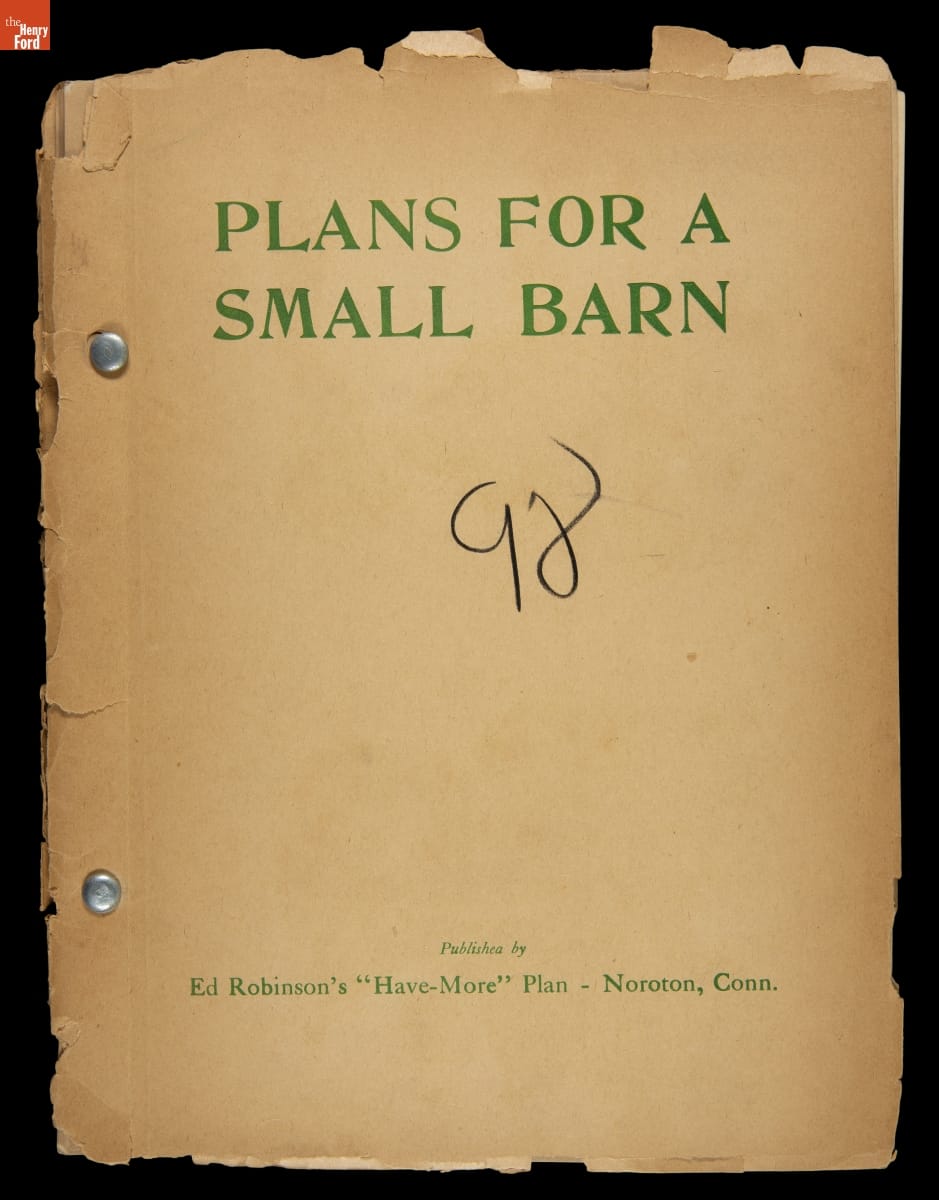
- 1945
- Collections - Artifact
"Plans for a Small Barn," 1945
- Milk Goats, Farmers' Bulletin No. 920, February 1918 -
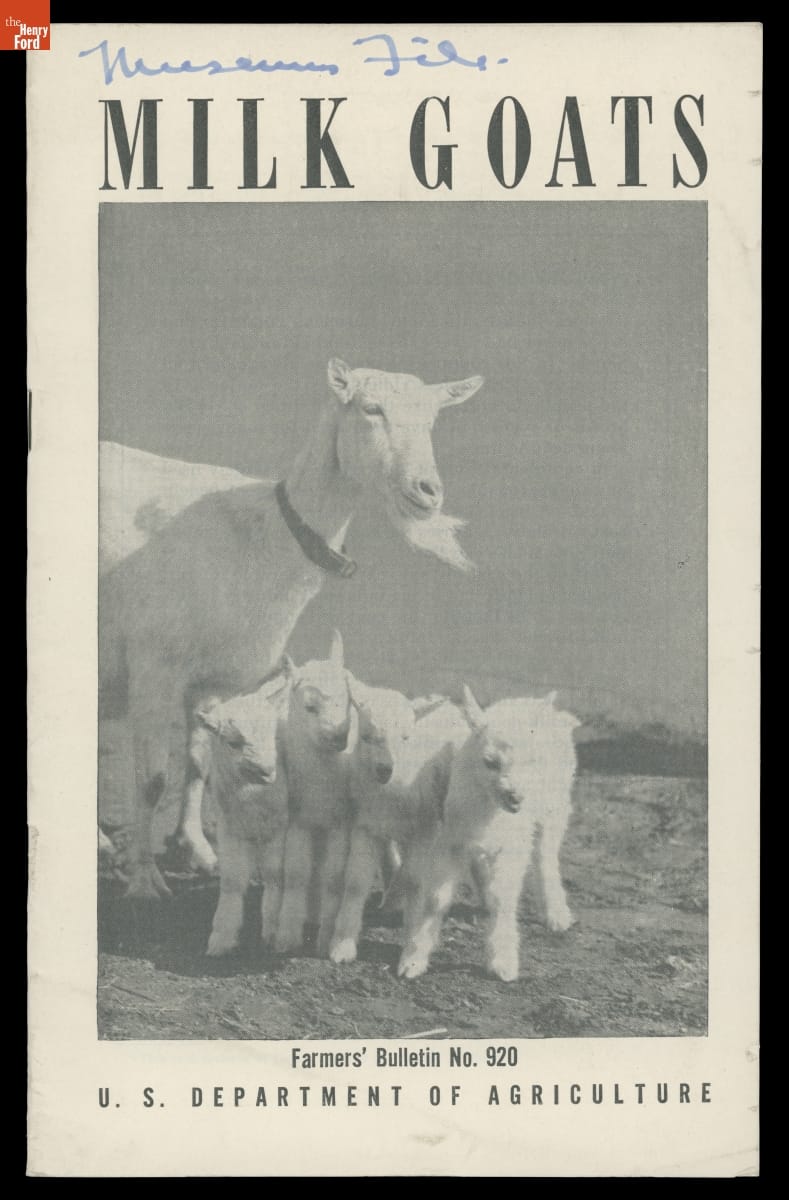
- February 01, 1918
- Collections - Artifact
Milk Goats, Farmers' Bulletin No. 920, February 1918