
Search
- Program, "Mendelssohn Quintette Club Concert," Young Men's Hall, Detroit, Michigan, November 7, 1871 -
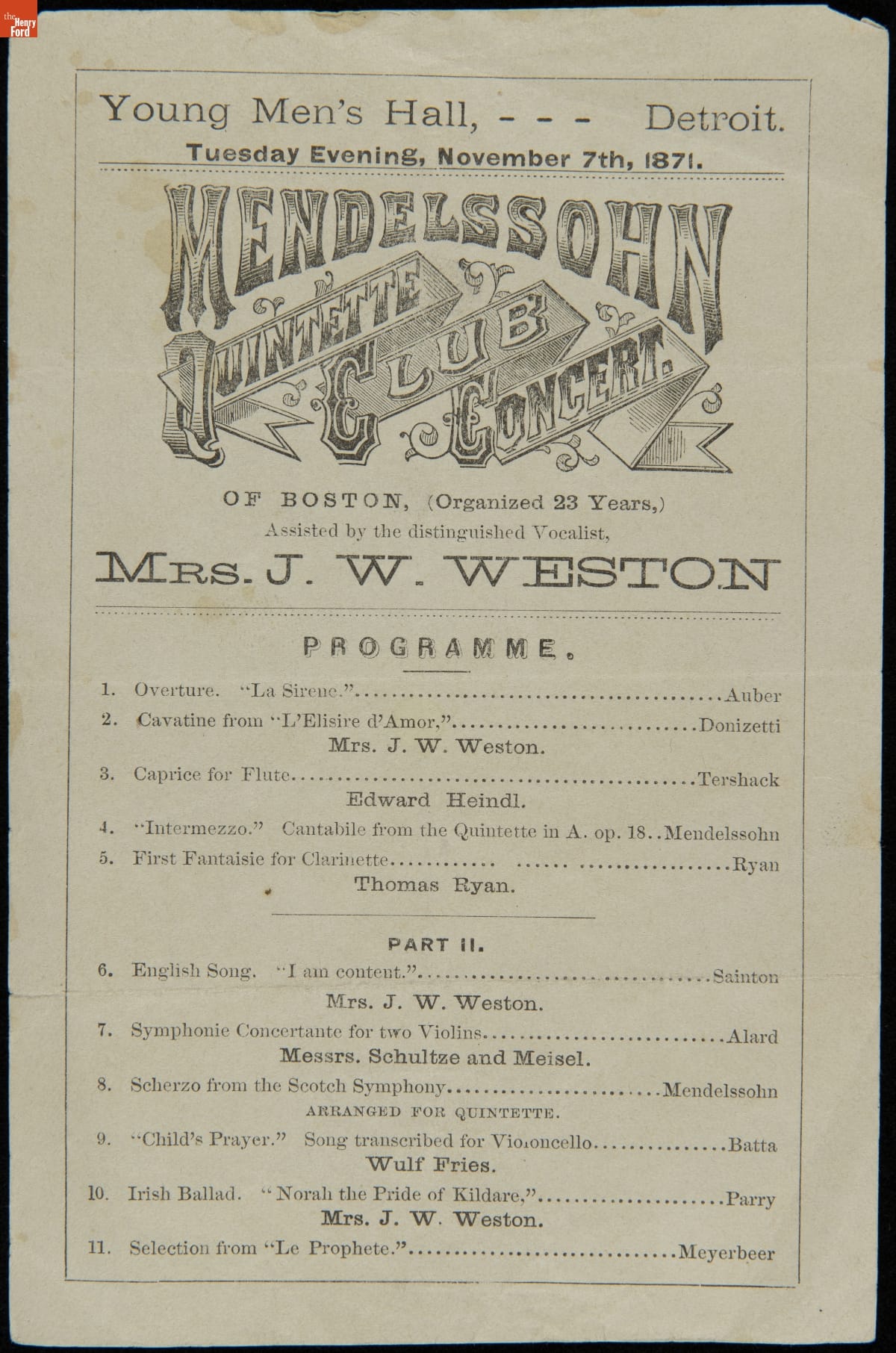
- November 07, 1871
- Collections - Artifact
Program, "Mendelssohn Quintette Club Concert," Young Men's Hall, Detroit, Michigan, November 7, 1871
- Program, "Grand Amateur Concert!," Court House, Detroit, Michigan, October 31, 1866 -
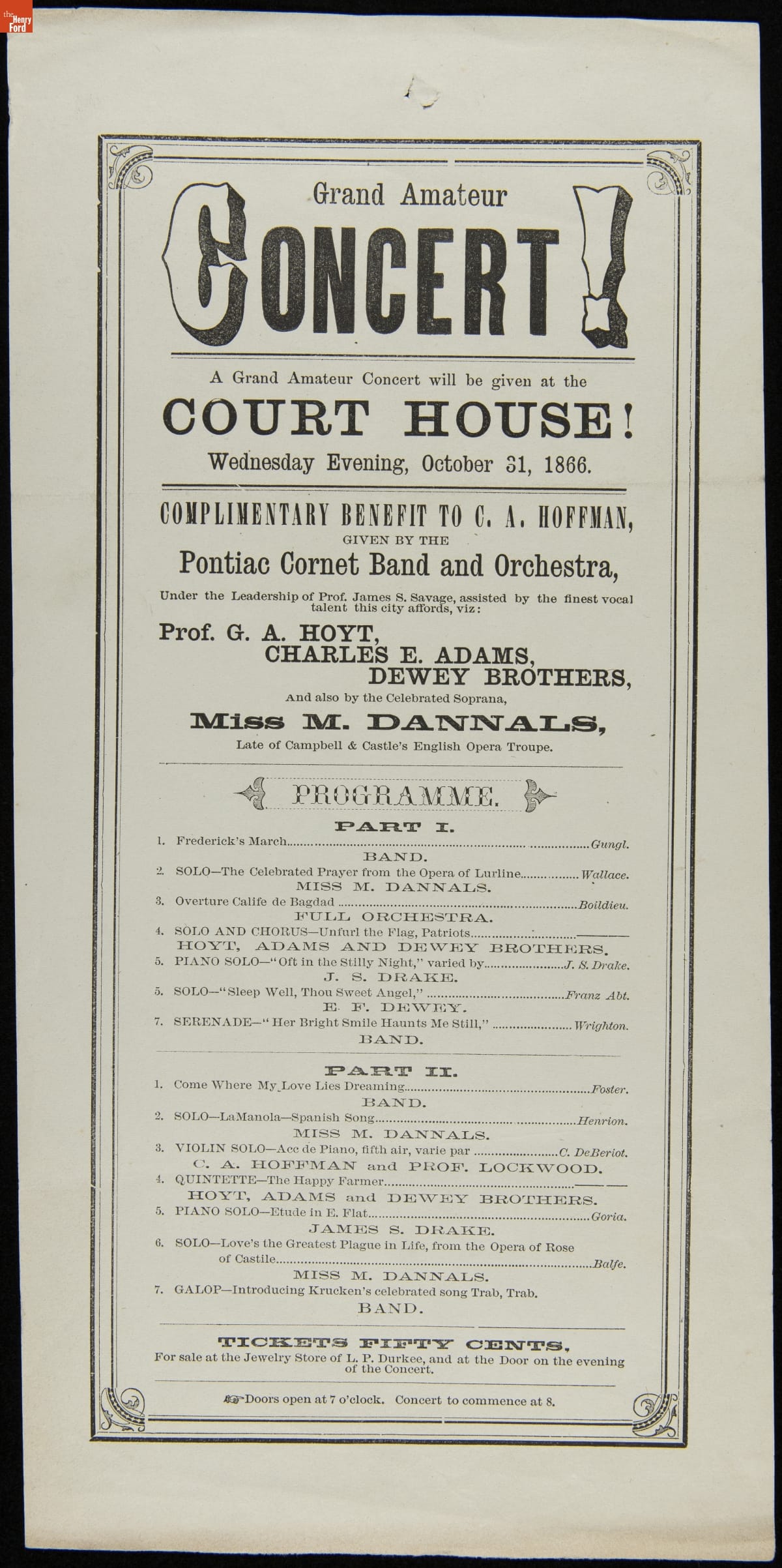
- October 31, 1866
- Collections - Artifact
Program, "Grand Amateur Concert!," Court House, Detroit, Michigan, October 31, 1866
- Patent Cider Mill, 1837 -
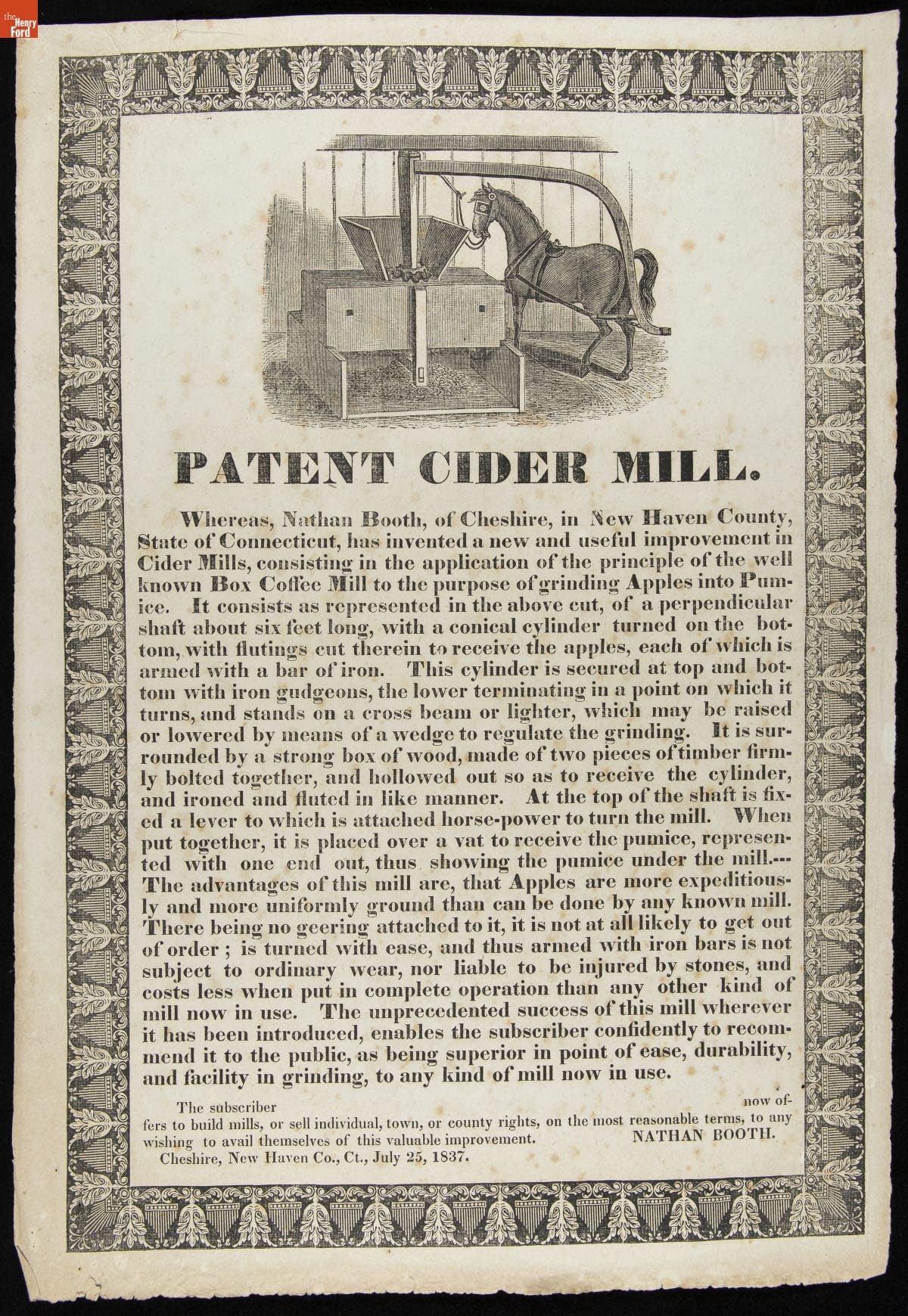
- July 25, 1837
- Collections - Artifact
Patent Cider Mill, 1837
- Chicago and Northwestern Railway Advertising Broadside, 1868 - President Lincoln designated Council Bluffs, Iowa, as the official eastern terminus of the First Transcontinental Railroad. (Though the Missouri River wasn't bridged until 1872, making Omaha, Nebraska, the effective terminus until then.) The transcontinental route connected with the rest of the eastern U.S. railroad network via the Chicago & North Western Railway, completed to Council Bluffs from Chicago in 1867.
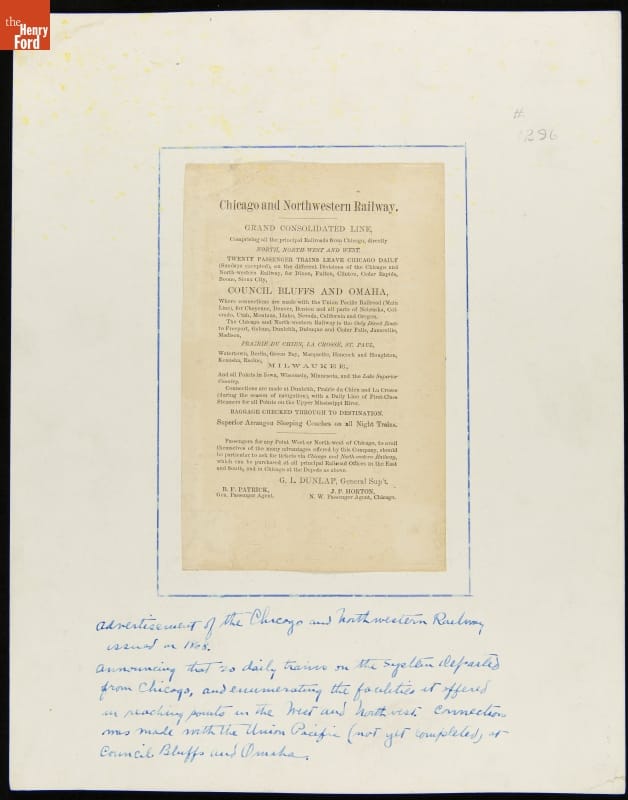
- 1868
- Collections - Artifact
Chicago and Northwestern Railway Advertising Broadside, 1868
President Lincoln designated Council Bluffs, Iowa, as the official eastern terminus of the First Transcontinental Railroad. (Though the Missouri River wasn't bridged until 1872, making Omaha, Nebraska, the effective terminus until then.) The transcontinental route connected with the rest of the eastern U.S. railroad network via the Chicago & North Western Railway, completed to Council Bluffs from Chicago in 1867.
- Program, "Jubilee Concert," Pontiac, Michigan, January 21, 1870 -
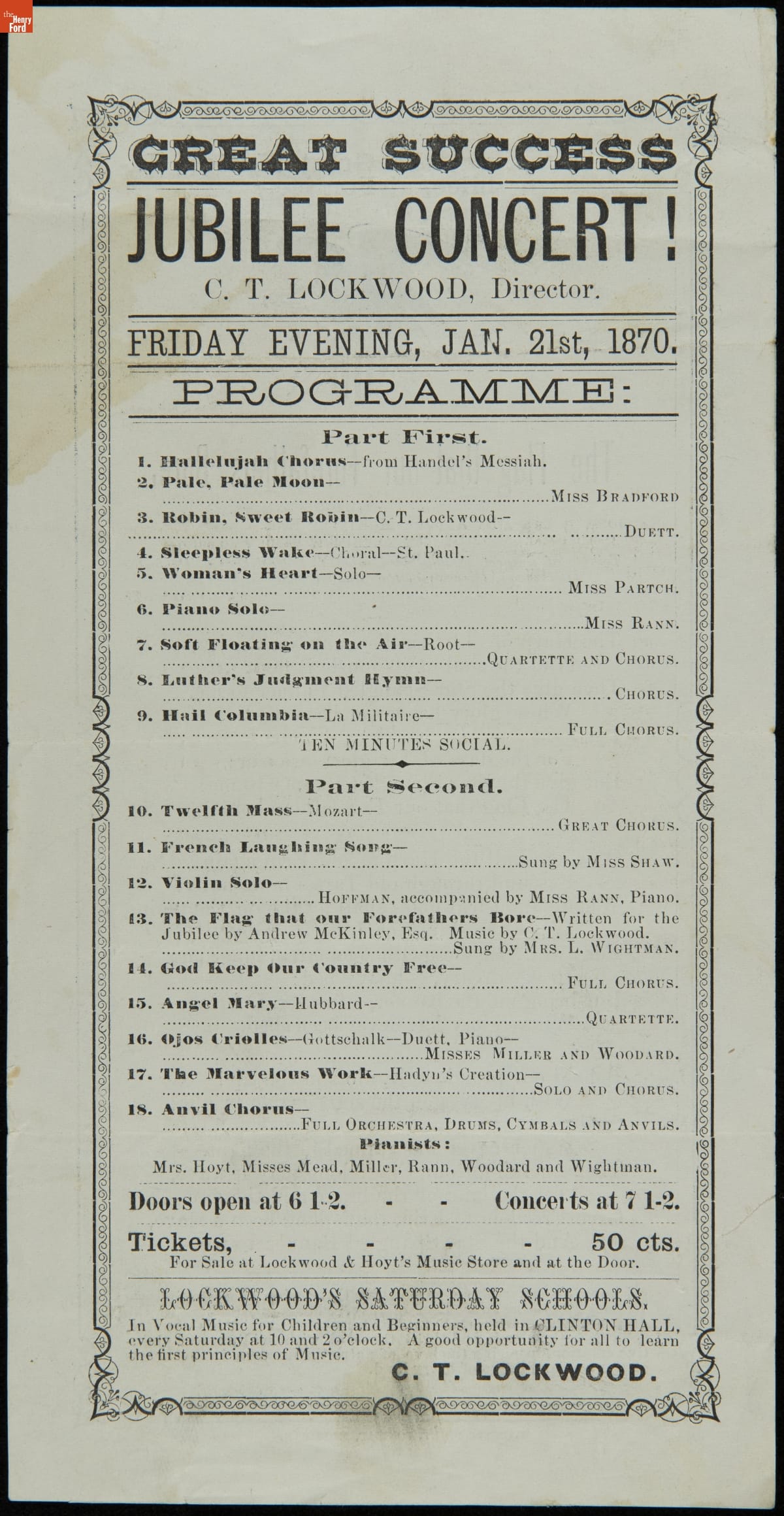
- January 21, 1870
- Collections - Artifact
Program, "Jubilee Concert," Pontiac, Michigan, January 21, 1870
- American Electrical Heating Company Advertising Broadside, "American Beauty Twin Radiant Electric Heater," circa 1925 -
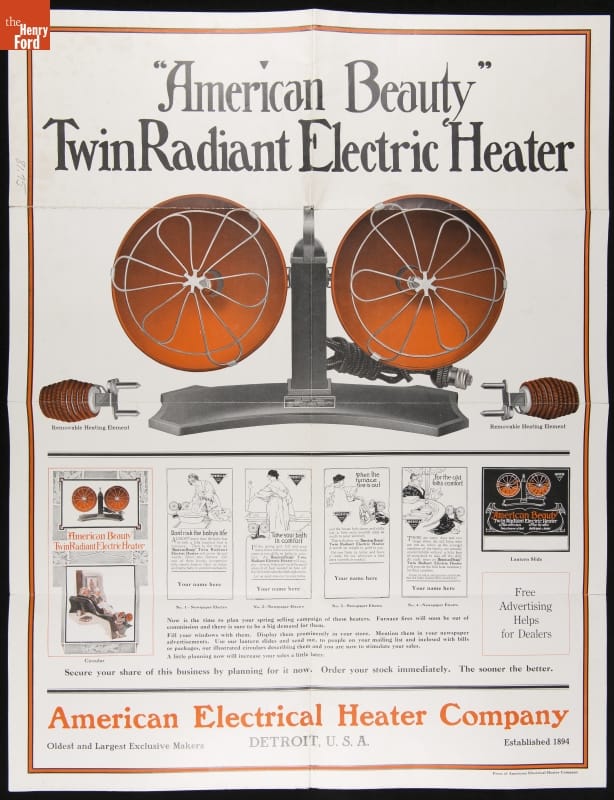
- circa 1925
- Collections - Artifact
American Electrical Heating Company Advertising Broadside, "American Beauty Twin Radiant Electric Heater," circa 1925
- Advertising Broadside, "New Stove For 1860 American Cousin" -
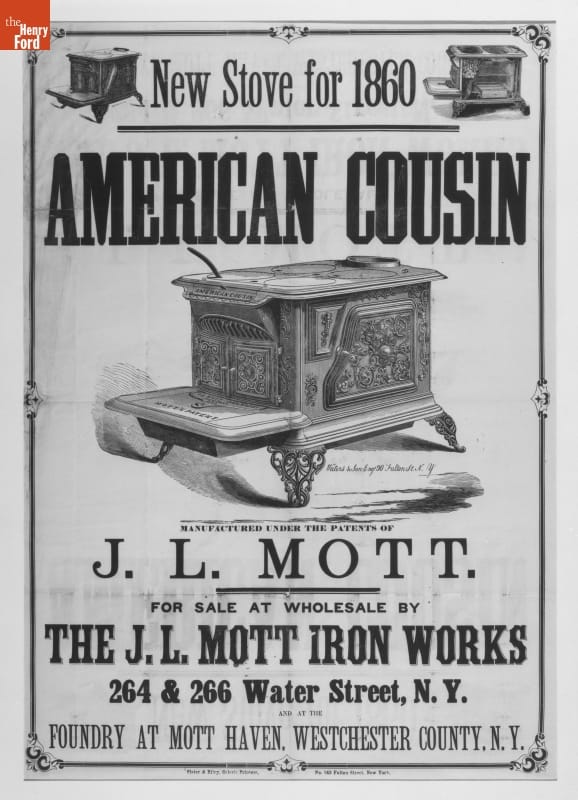
- 1860
- Collections - Artifact
Advertising Broadside, "New Stove For 1860 American Cousin"
- "Republicans Attend! To the Independent Electors of the State," 1804 -
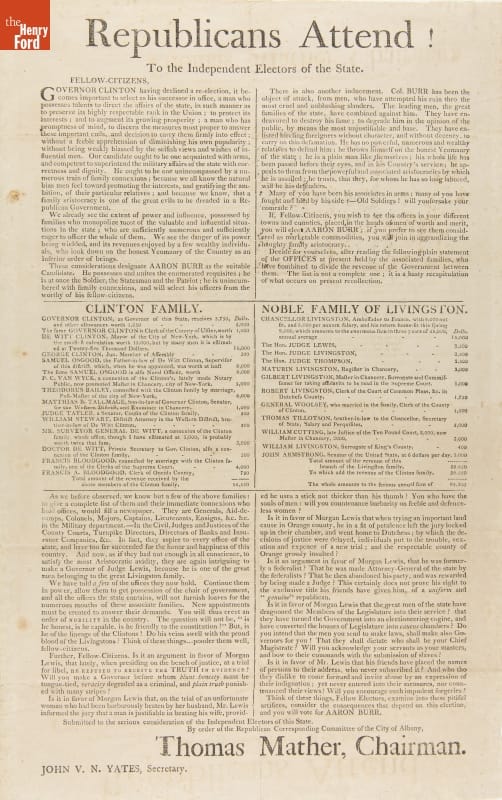
- 1804
- Collections - Artifact
"Republicans Attend! To the Independent Electors of the State," 1804
- Broadside, "The American's Creed," circa 1919 -
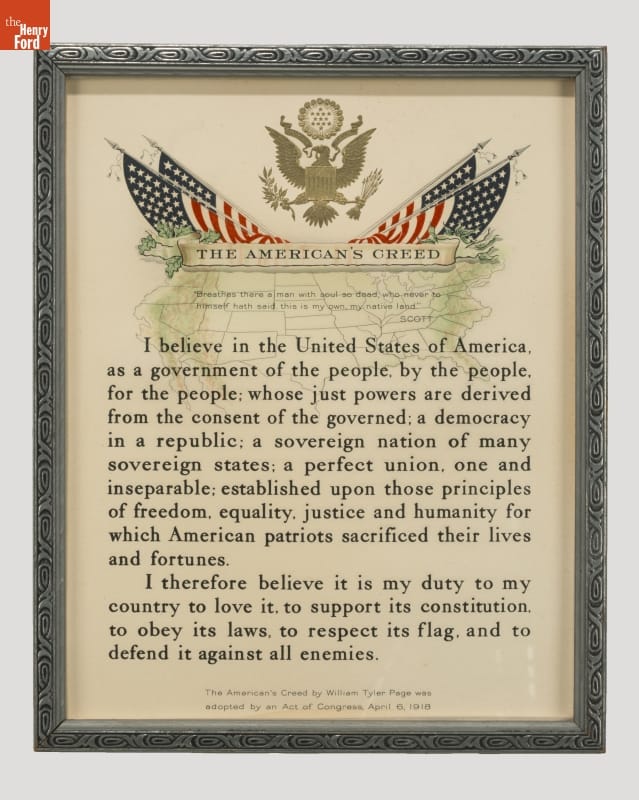
- circa 1919
- Collections - Artifact
Broadside, "The American's Creed," circa 1919
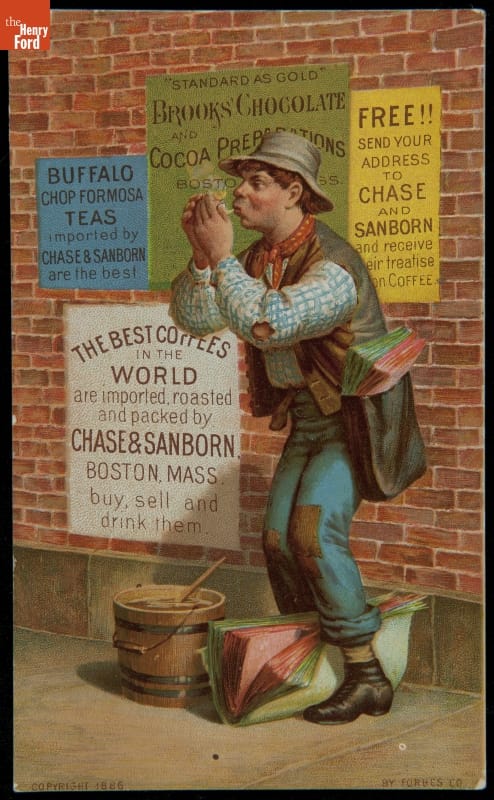
- Trade Card for Chase & Sanborn Coffee, Boston, Massachusetts, 1886 - In the last third of the nineteenth century, an unprecedented variety of consumer goods and services flooded the American market. Advertisers, armed with new methods of color printing, bombarded potential customers with trade cards. Americans enjoyed and often saved the vibrant little advertisements found in product packages or distributed by local merchants. Many survive as historical records of commercialism in the United States.
- 1886
- Collections - Artifact
Trade Card for Chase & Sanborn Coffee, Boston, Massachusetts, 1886
In the last third of the nineteenth century, an unprecedented variety of consumer goods and services flooded the American market. Advertisers, armed with new methods of color printing, bombarded potential customers with trade cards. Americans enjoyed and often saved the vibrant little advertisements found in product packages or distributed by local merchants. Many survive as historical records of commercialism in the United States.