
Search
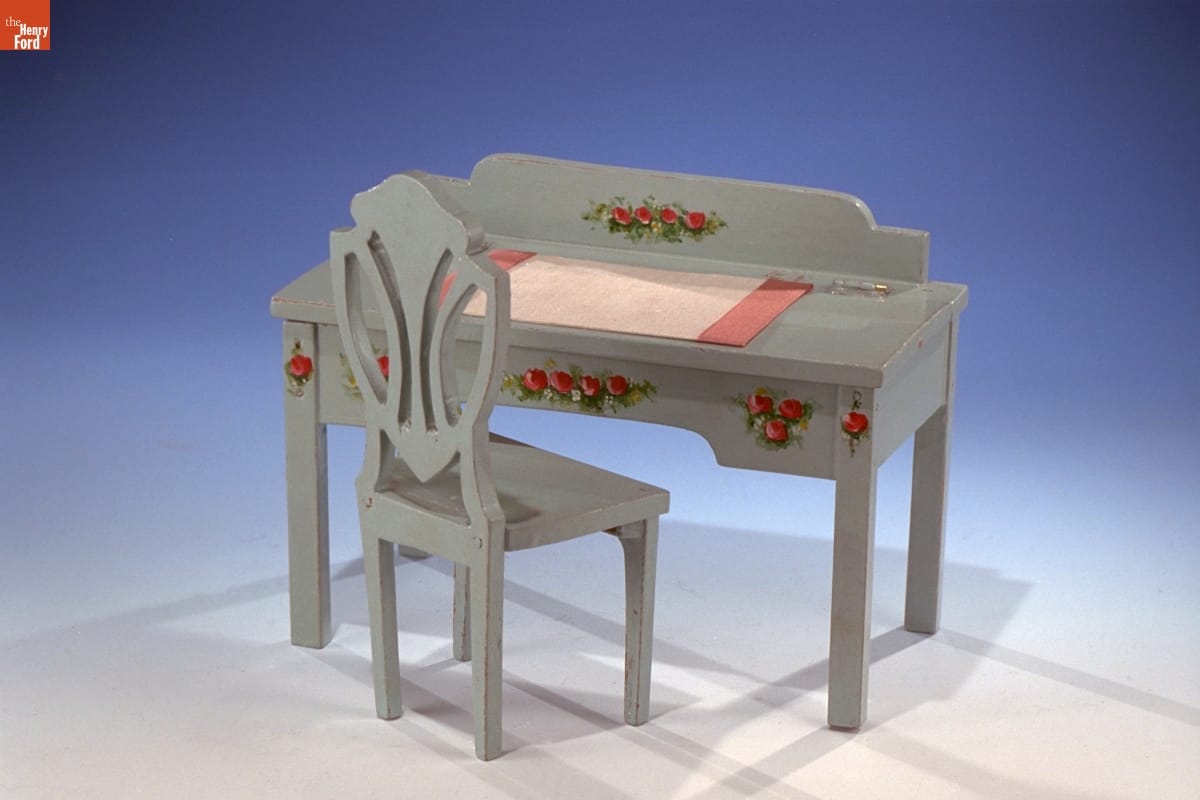
- Doll Desk and Chair, 1915-1921 -
- 1915-1921
- Collections - Artifact
Doll Desk and Chair, 1915-1921
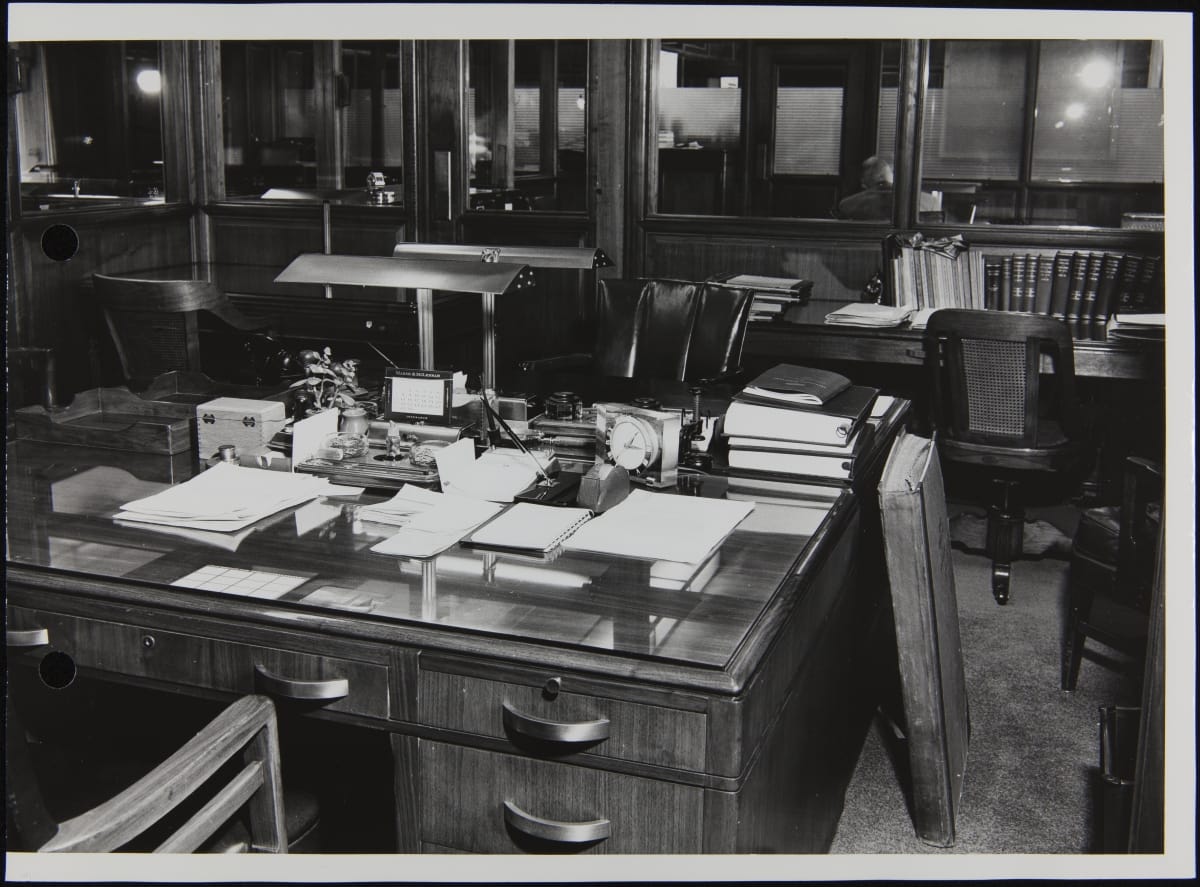
- Office of H. R. Waddell in the Ford Engineering Laboratory, September 1952 - In 1923, H.R. Waddell joined the mailing department at Dearborn Publishing Company -- one of Henry Ford's many businesses outside Ford Motor Company. The next year, he was transferred to the Office of Henry Ford, where he was given secretarial duties. Mr. Waddell's responsibilities increased over time. This photo shows his office in the Ford Engineering Laboratory.
- September 17, 1952
- Collections - Artifact
Office of H. R. Waddell in the Ford Engineering Laboratory, September 1952
In 1923, H.R. Waddell joined the mailing department at Dearborn Publishing Company -- one of Henry Ford's many businesses outside Ford Motor Company. The next year, he was transferred to the Office of Henry Ford, where he was given secretarial duties. Mr. Waddell's responsibilities increased over time. This photo shows his office in the Ford Engineering Laboratory.
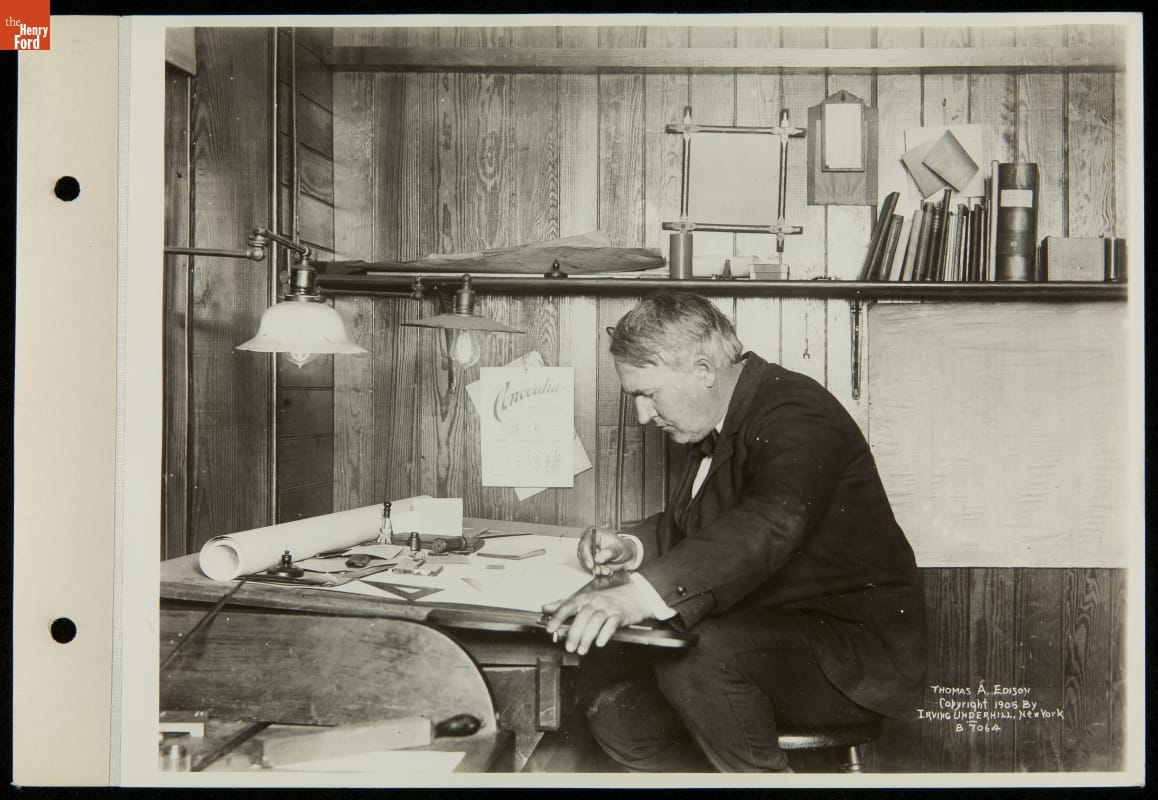
- Thomas Edison at His Laboratory in West Orange, New Jersey, 1898 - This photograph shows inventor Thomas Alva Edison at work in his West Orange, New Jersey, laboratory. Edison directed teams of research assistants here for nearly fifty years -- from 1887 until his death in 1931. More than half of Edison's 1,093 patents resulted from the collaborative work done in this complex, which became a model for modern research and development laboratories.
- November 05, 1929
- Collections - Artifact
Thomas Edison at His Laboratory in West Orange, New Jersey, 1898
This photograph shows inventor Thomas Alva Edison at work in his West Orange, New Jersey, laboratory. Edison directed teams of research assistants here for nearly fifty years -- from 1887 until his death in 1931. More than half of Edison's 1,093 patents resulted from the collaborative work done in this complex, which became a model for modern research and development laboratories.
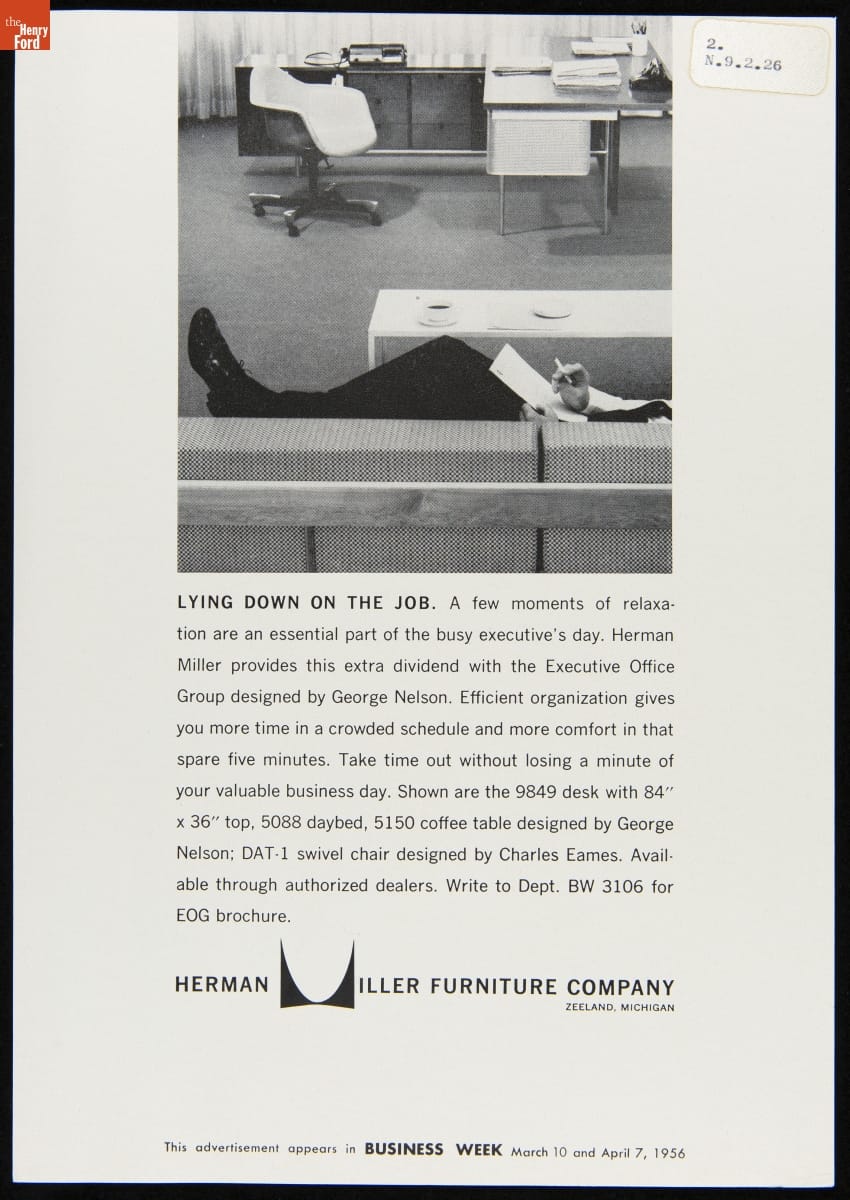
- "Lying Down On The Job," Herman Miller Advertisement, March-April 1956 -
- 10 March 1956-07 April 1956
- Collections - Artifact
"Lying Down On The Job," Herman Miller Advertisement, March-April 1956
- Thomas Edison with an "Ediphone" Dictation Machine at His Desk in the West Orange Laboratory, 1911 -
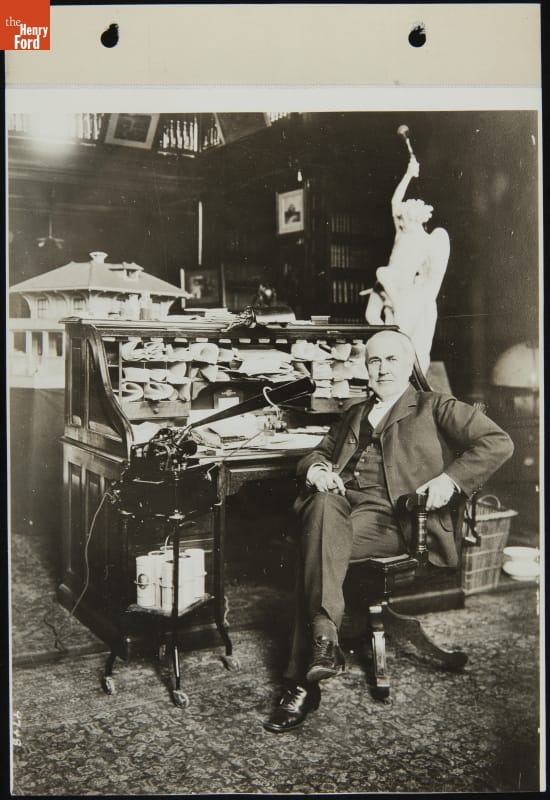
- November 20, 1911
- Collections - Artifact
Thomas Edison with an "Ediphone" Dictation Machine at His Desk in the West Orange Laboratory, 1911
- A Nun and Her Students in a Classroom at St. Hedwig School, South Bend, Indiana, 1950 -
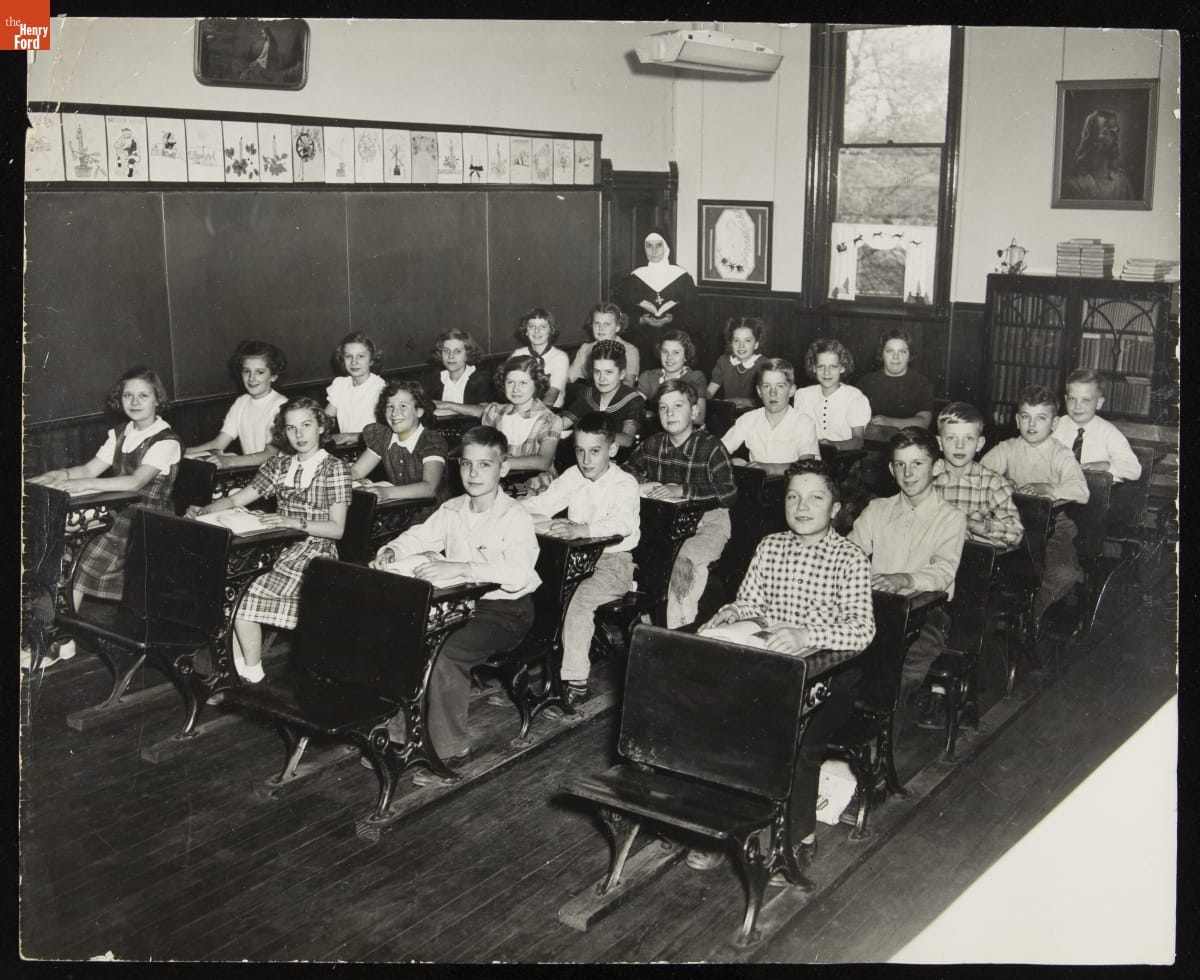
- 1950
- Collections - Artifact
A Nun and Her Students in a Classroom at St. Hedwig School, South Bend, Indiana, 1950
- Secretary Desk, circa 1870 - Secretary desks are offices and work spaces. They provide a writing surface, storage space and book shelves. But some are much more -- they are symbols of the owner's education, wealth and social status. James Latta -- a Harvard graduate, successful businessman and special commissioner to the 1873 Vienna Exposition -- had this imposing piece of furniture made for his home in Washington, D.C.
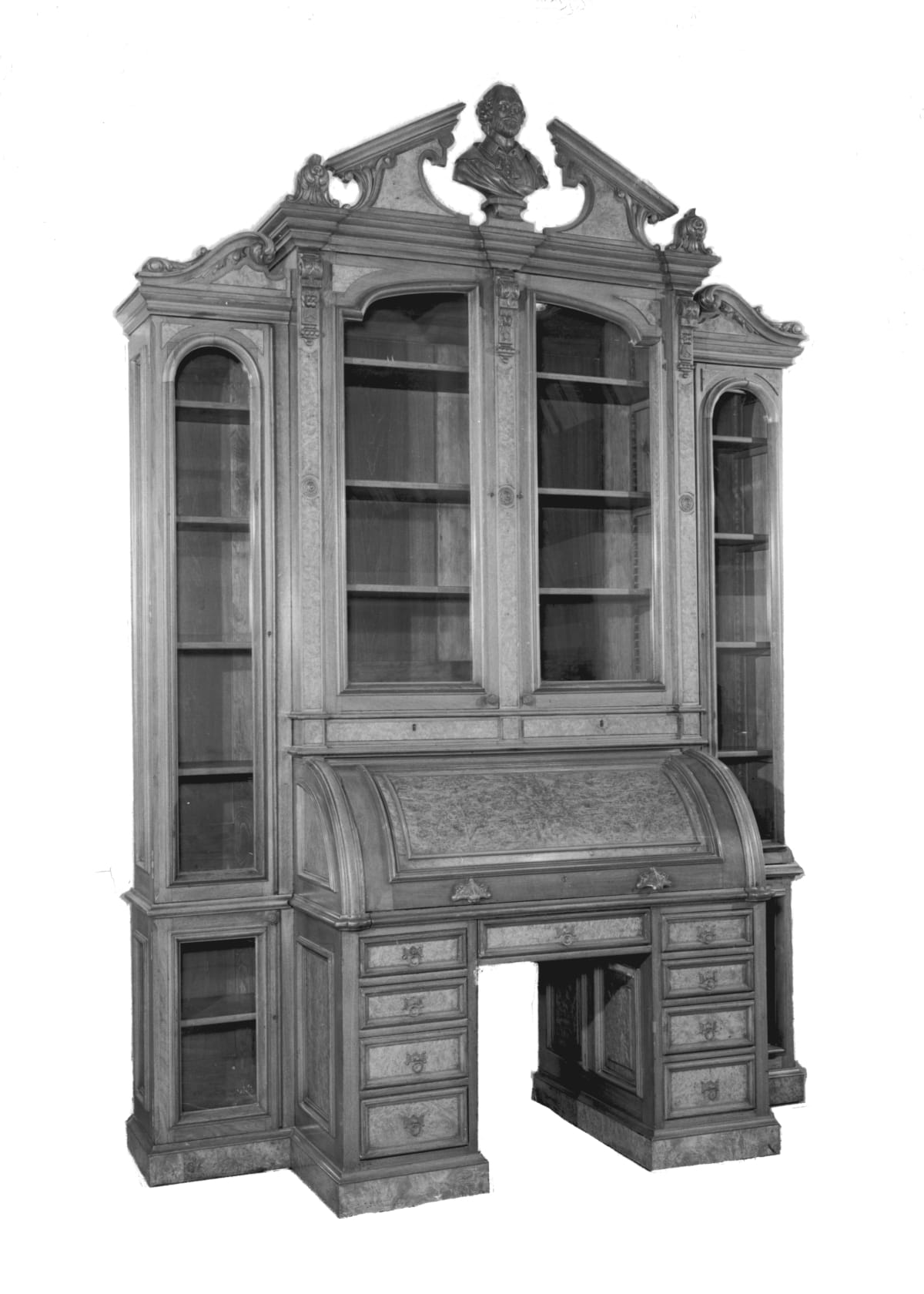
- circa 1870
- Collections - Artifact
Secretary Desk, circa 1870
Secretary desks are offices and work spaces. They provide a writing surface, storage space and book shelves. But some are much more -- they are symbols of the owner's education, wealth and social status. James Latta -- a Harvard graduate, successful businessman and special commissioner to the 1873 Vienna Exposition -- had this imposing piece of furniture made for his home in Washington, D.C.
- Desk Lamp -
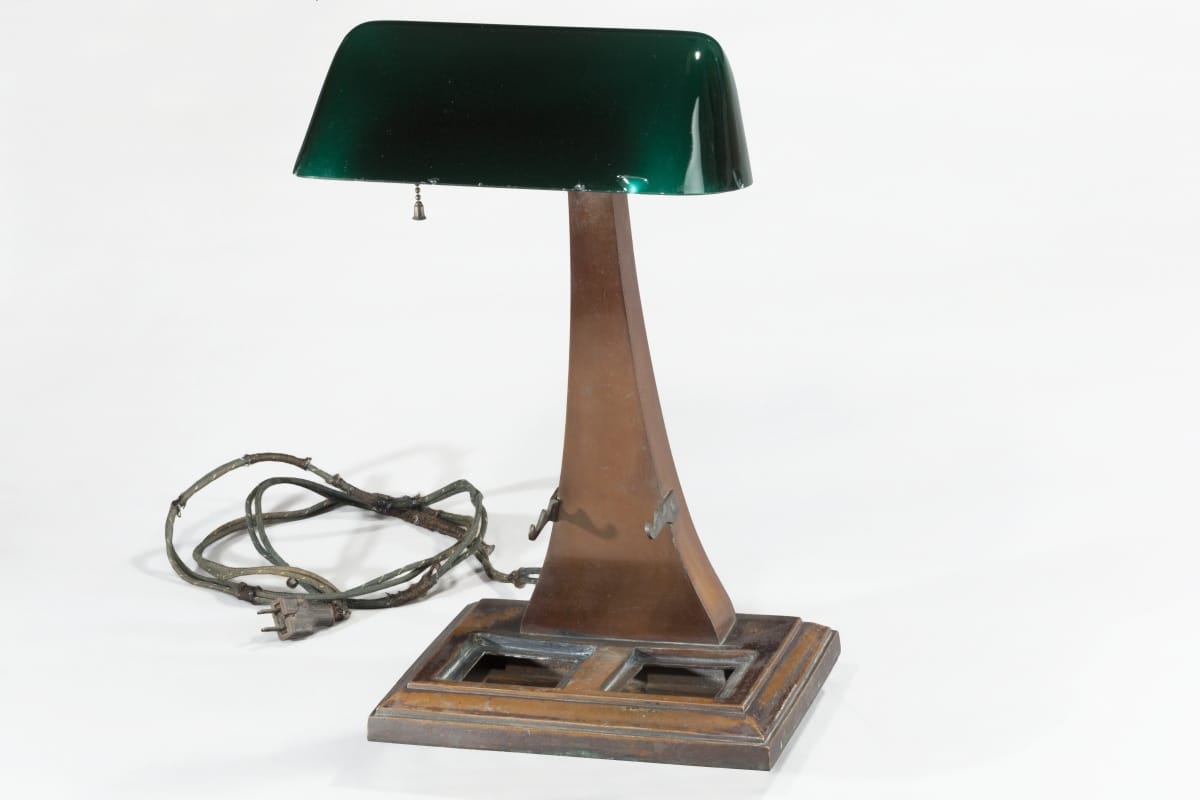
- 1905-1930
- Collections - Artifact
Desk Lamp
- Miniature Desk, 1850-1920 -
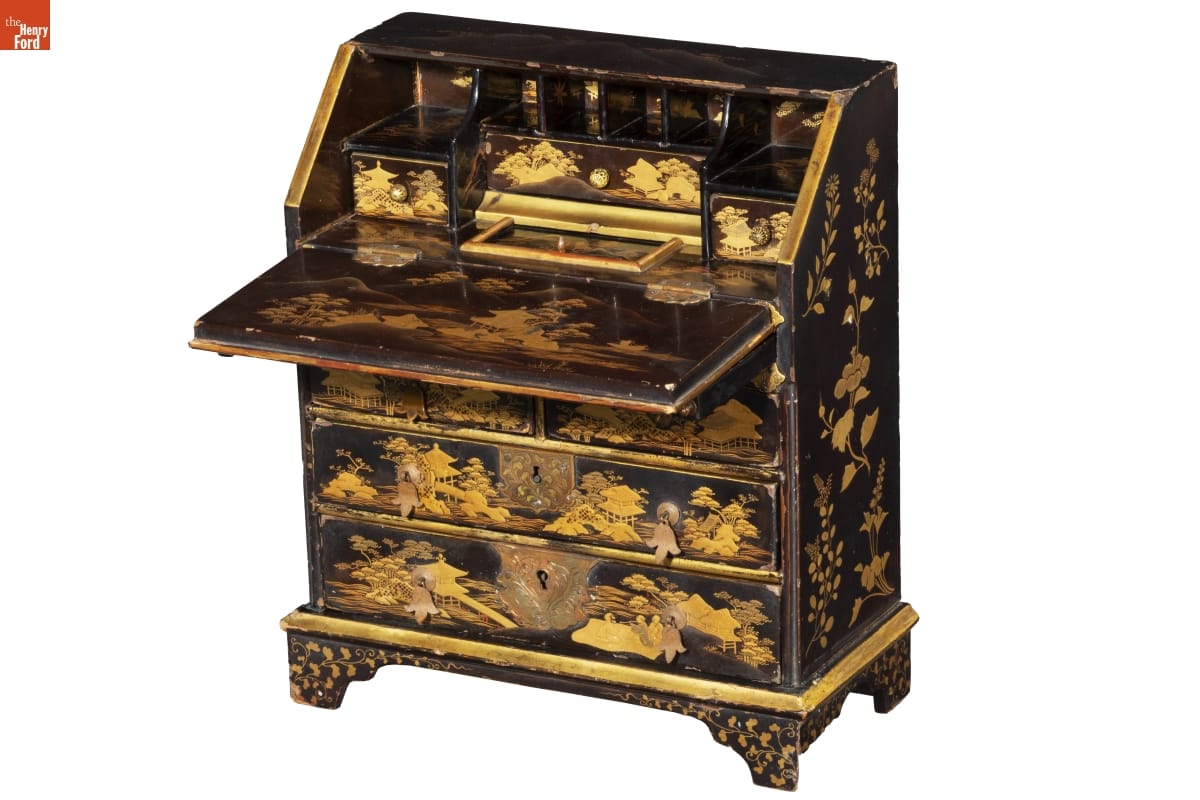
- 1850-1920
- Collections - Artifact
Miniature Desk, 1850-1920
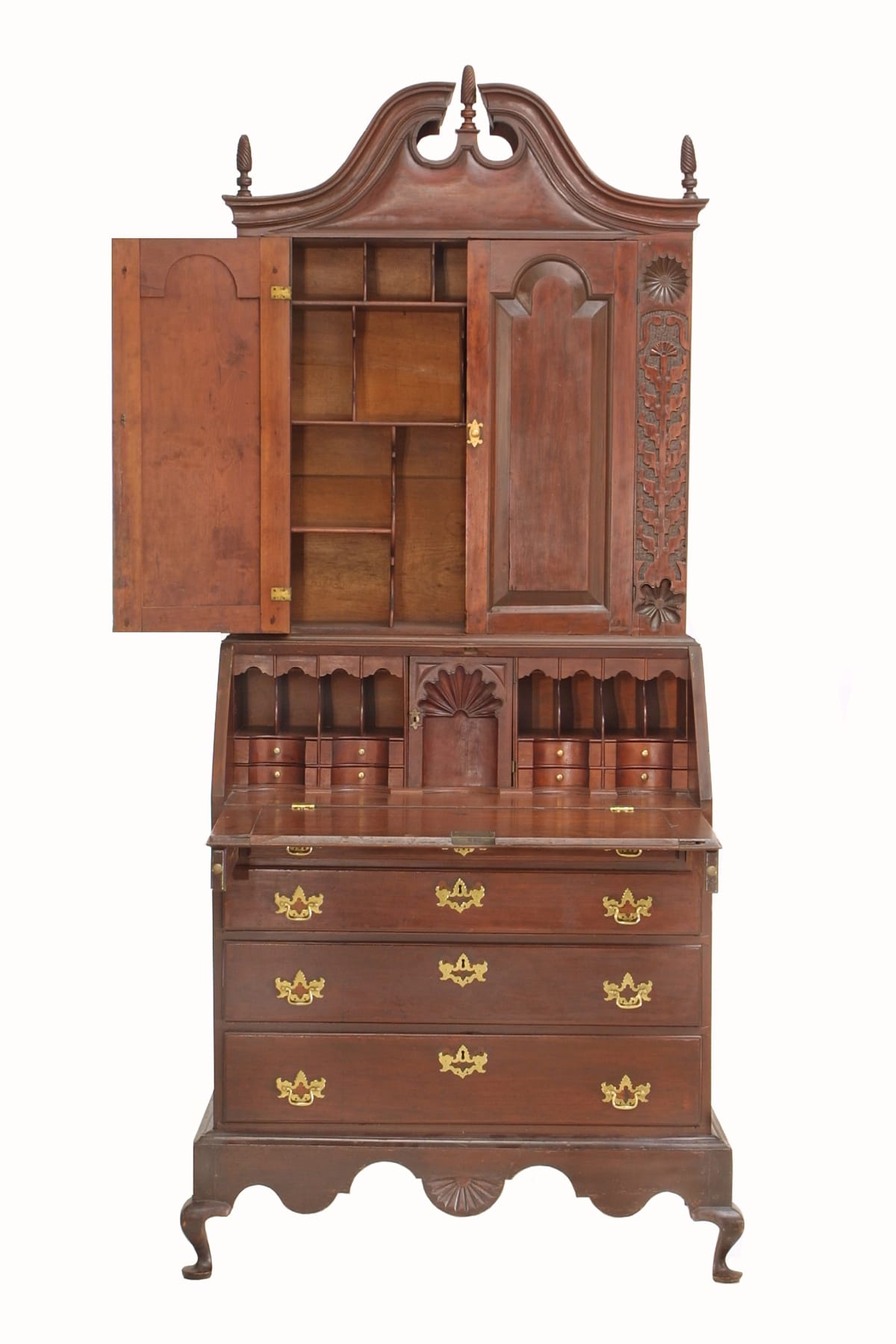
- Secretary Desk, 1760-1780 - American businessmen and merchants in the mid-18th century used secretary desks as home offices. These large desks provide a writing surface, shelves for books and a storage space for papers -- perhaps even a secret drawer for important documents. Placed in a parlor or other public room, this secretary projected the owner's wealth and social status to visitors.
- 1760-1780
- Collections - Artifact
Secretary Desk, 1760-1780
American businessmen and merchants in the mid-18th century used secretary desks as home offices. These large desks provide a writing surface, shelves for books and a storage space for papers -- perhaps even a secret drawer for important documents. Placed in a parlor or other public room, this secretary projected the owner's wealth and social status to visitors.