
Search
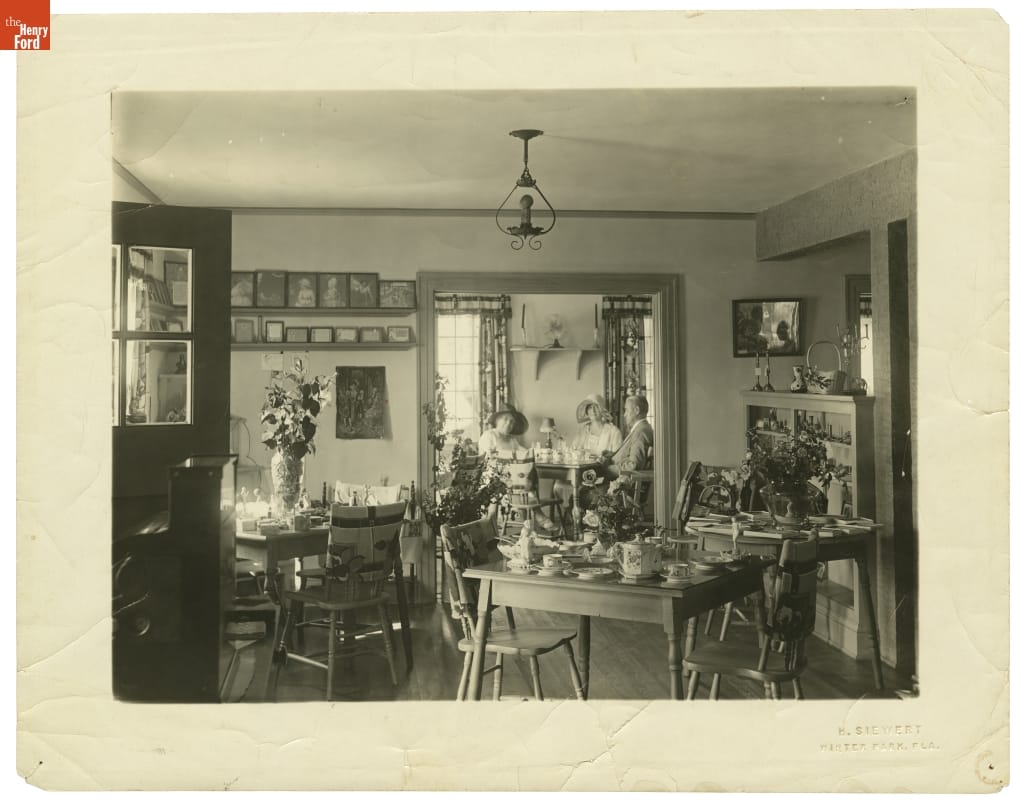
- People Seated at Table in a Tearoom, circa 1930 - One dining option for early motorist was local tearooms. These establishments provided a comfortable and relaxed atmosphere. This photograph, taken about 1930, shows a group of diners at a tearoom in Florida.
- circa 1930
- Collections - Artifact
People Seated at Table in a Tearoom, circa 1930
One dining option for early motorist was local tearooms. These establishments provided a comfortable and relaxed atmosphere. This photograph, taken about 1930, shows a group of diners at a tearoom in Florida.
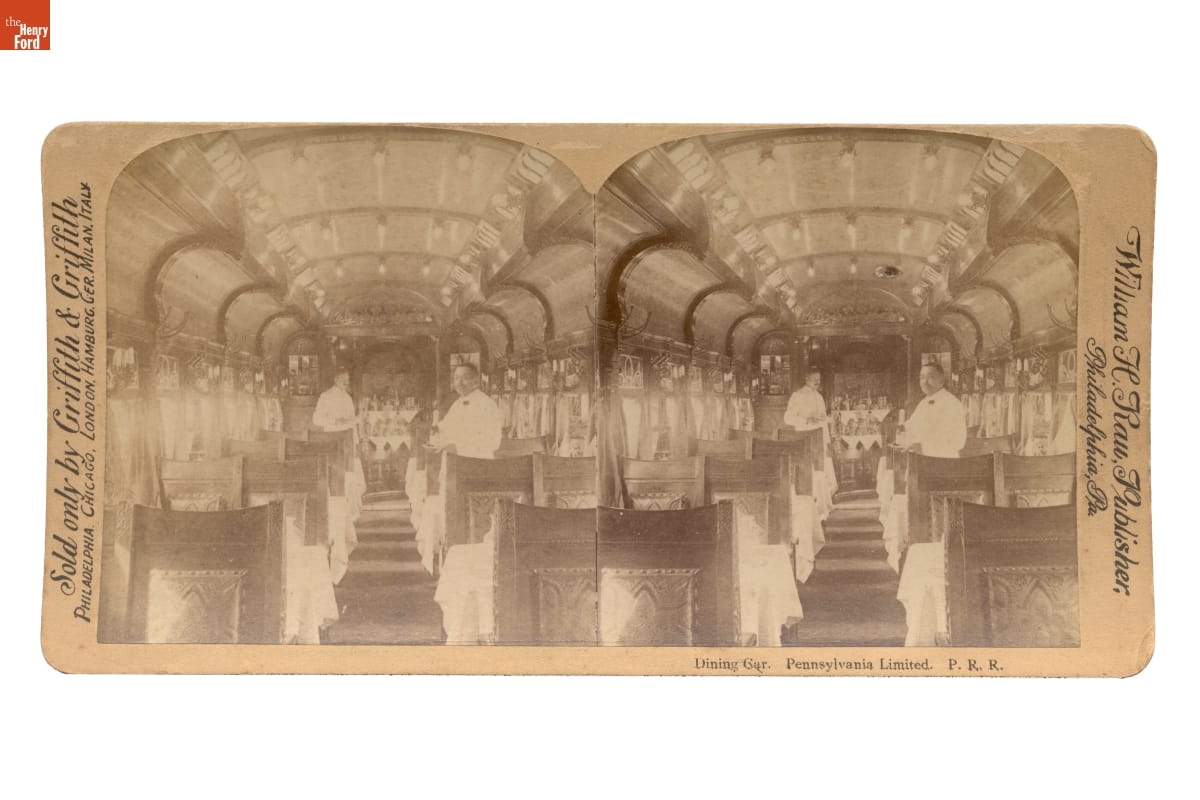
- Dining Car, Pennsylvania Limited, Pennsylvania Railroad, circa 1900 - Railroads took pride in their dining cars. They were expensive to operate, but quality food and service helped a railroad distinguish itself from competitors. For African Americans, working on a railroad dining car was one of the few avenues available to enter the Black middle class in the 19th and early 20th centuries.
- circa 1900
- Collections - Artifact
Dining Car, Pennsylvania Limited, Pennsylvania Railroad, circa 1900
Railroads took pride in their dining cars. They were expensive to operate, but quality food and service helped a railroad distinguish itself from competitors. For African Americans, working on a railroad dining car was one of the few avenues available to enter the Black middle class in the 19th and early 20th centuries.
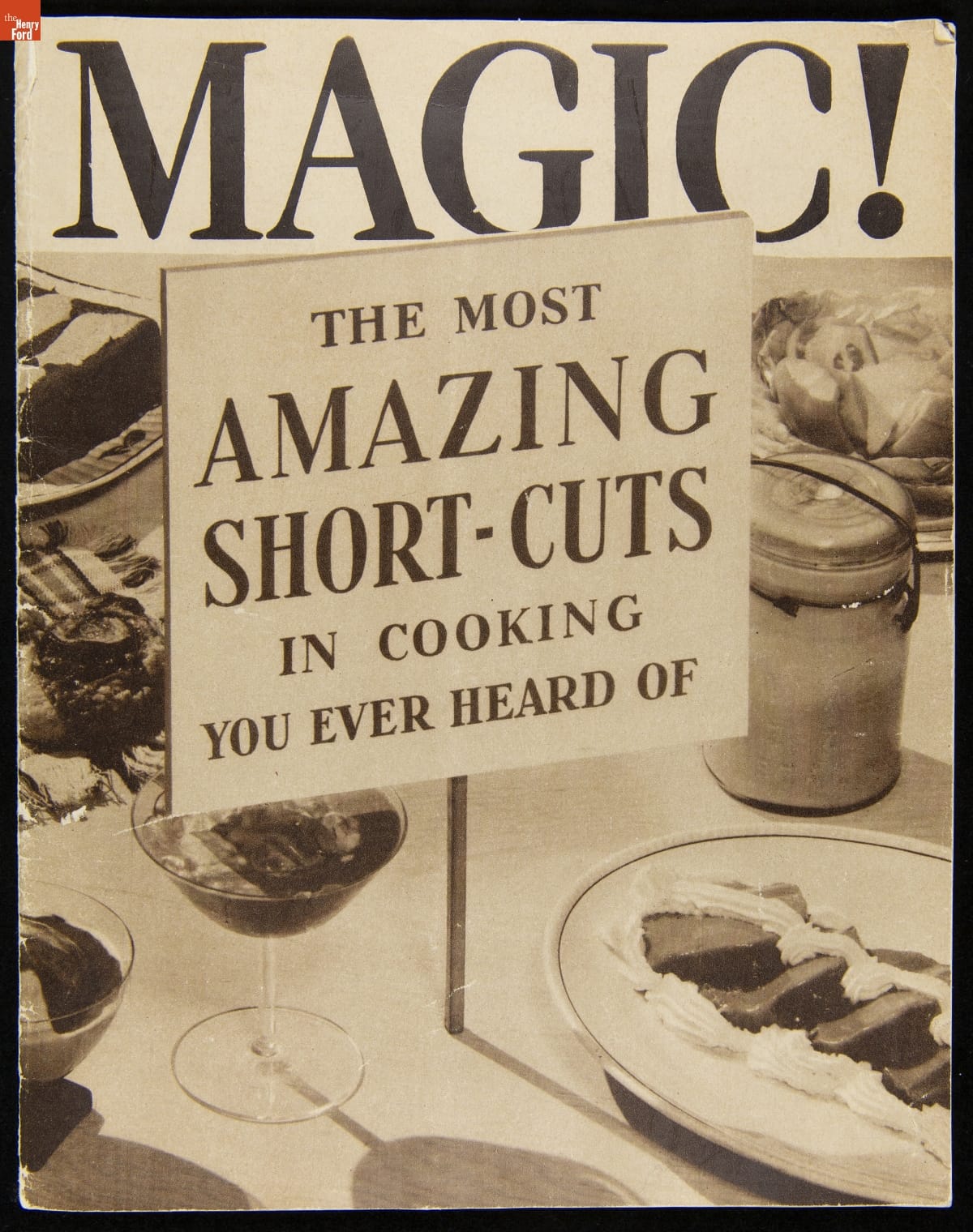
- Recipe Booklet, "MAGIC! The Most Amazing Short-Cuts in Cooking You Ever Heard Of," circa 1930 -
- circa 1930
- Collections - Artifact
Recipe Booklet, "MAGIC! The Most Amazing Short-Cuts in Cooking You Ever Heard Of," circa 1930
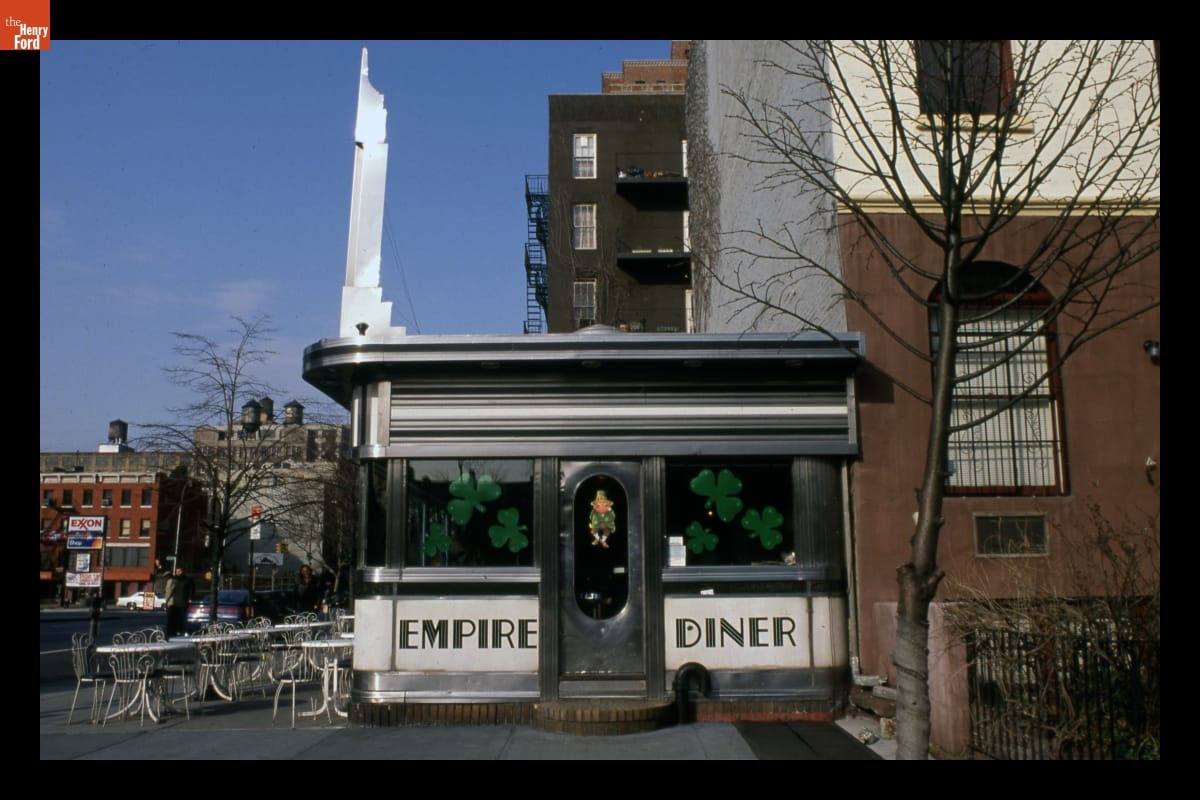
- Empire Diner at 10th Ave. and West 22nd St., New York City, March 1992 -
- March 01, 1992
- Collections - Artifact
Empire Diner at 10th Ave. and West 22nd St., New York City, March 1992
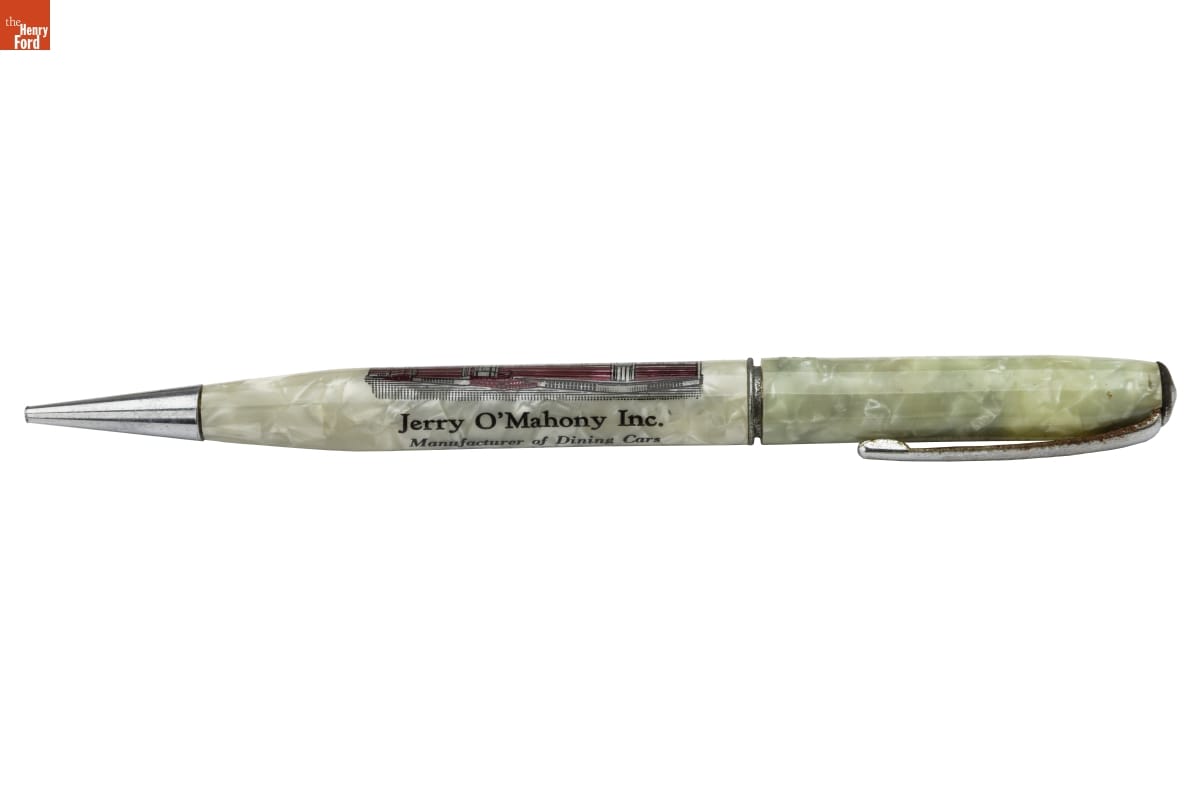
- "Jerry O'Mahony, Inc." Mechanical Pencil, 1945-1949 -
- 1945-1949
- Collections - Artifact
"Jerry O'Mahony, Inc." Mechanical Pencil, 1945-1949
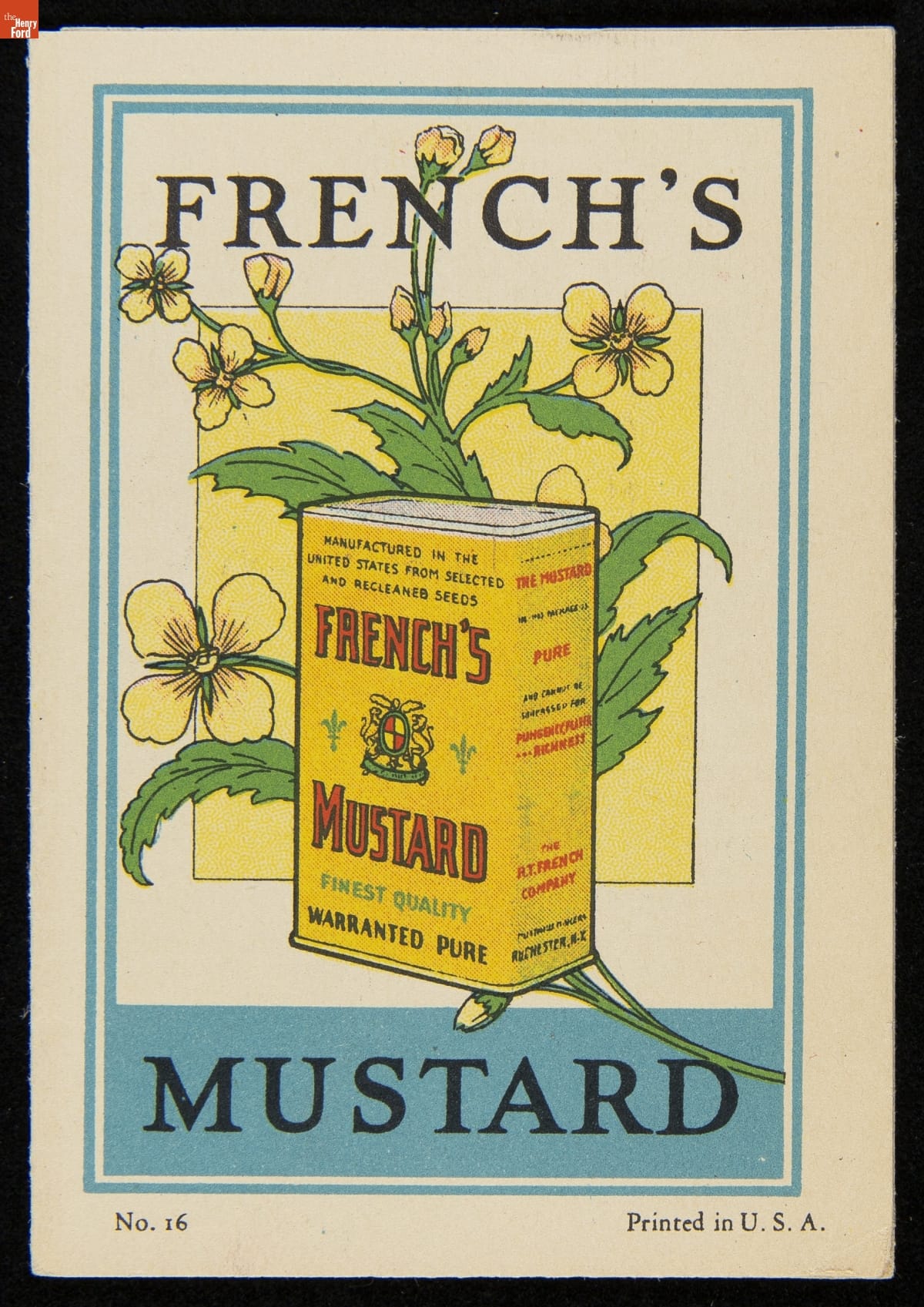
- French's Mustard Recipe Booklet No. 16, 1926 - In 1904, the R.T. French Company introduced its Cream Salad Mustard. Prior to this, mustard was stone ground, thick, and often grainy, but French's new processed condiment was mild in flavor and easy to spread. It soon became a staple in American ballparks, where hot dogs were common fare. This recipe booklet offered additional uses, making it a favorite condiment in home kitchens as well.
- 1926
- Collections - Artifact
French's Mustard Recipe Booklet No. 16, 1926
In 1904, the R.T. French Company introduced its Cream Salad Mustard. Prior to this, mustard was stone ground, thick, and often grainy, but French's new processed condiment was mild in flavor and easy to spread. It soon became a staple in American ballparks, where hot dogs were common fare. This recipe booklet offered additional uses, making it a favorite condiment in home kitchens as well.
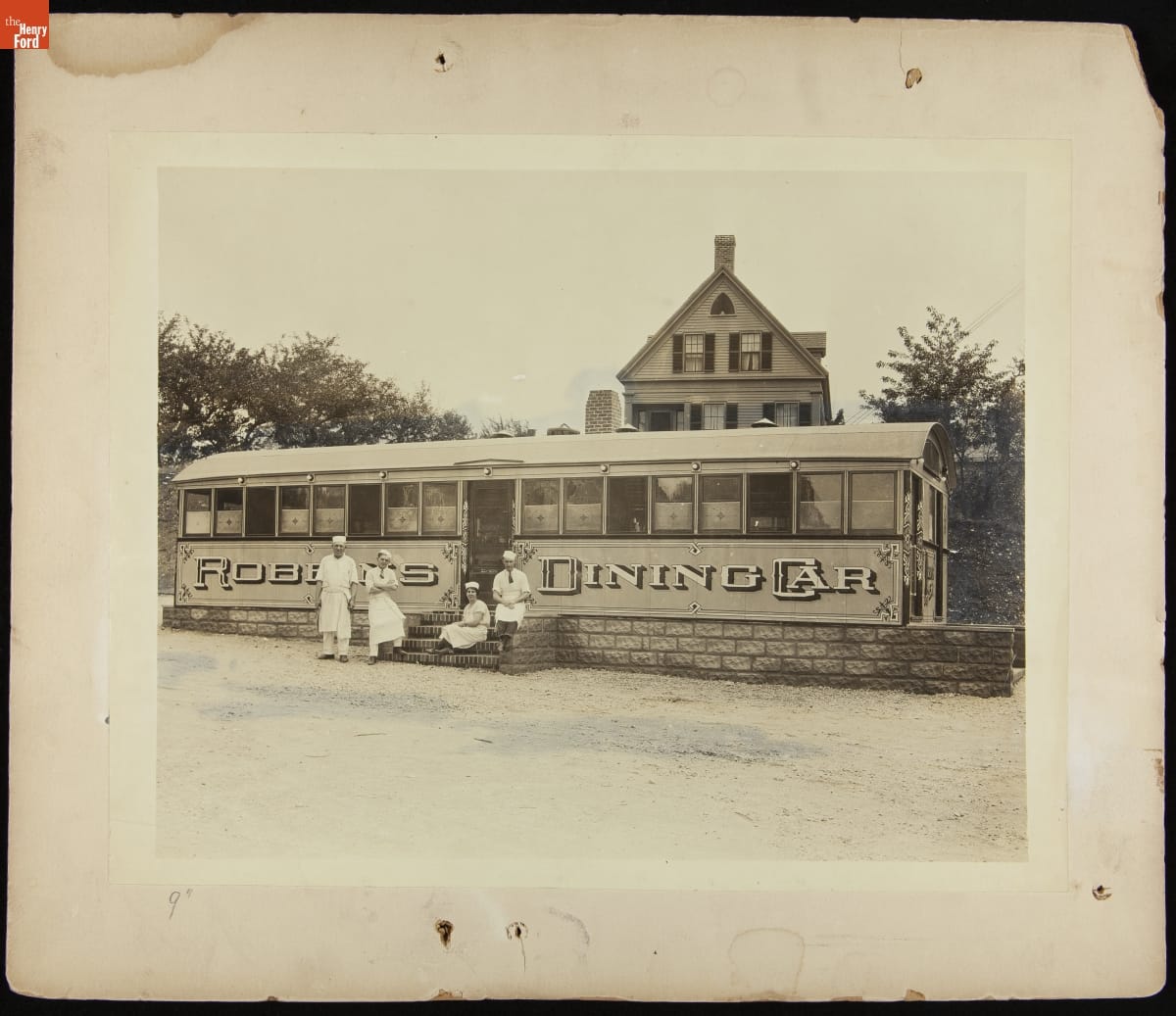
- Robbins Dining Car, Nantasket, Massachusetts, circa 1925 - This item comes from the collection of Richard J. S. Gutman, the leading expert on American diners, which was amassed in the course of a thesis, then four books, numerous articles, exhibitions, restorations, and other consulting projects. This photographic print features four employees -- all sporting clean aprons -- at Robbins Dining Car, a huge unit located near the Nantasket, Massachusetts, beach.
- 1925
- Collections - Artifact
Robbins Dining Car, Nantasket, Massachusetts, circa 1925
This item comes from the collection of Richard J. S. Gutman, the leading expert on American diners, which was amassed in the course of a thesis, then four books, numerous articles, exhibitions, restorations, and other consulting projects. This photographic print features four employees -- all sporting clean aprons -- at Robbins Dining Car, a huge unit located near the Nantasket, Massachusetts, beach.
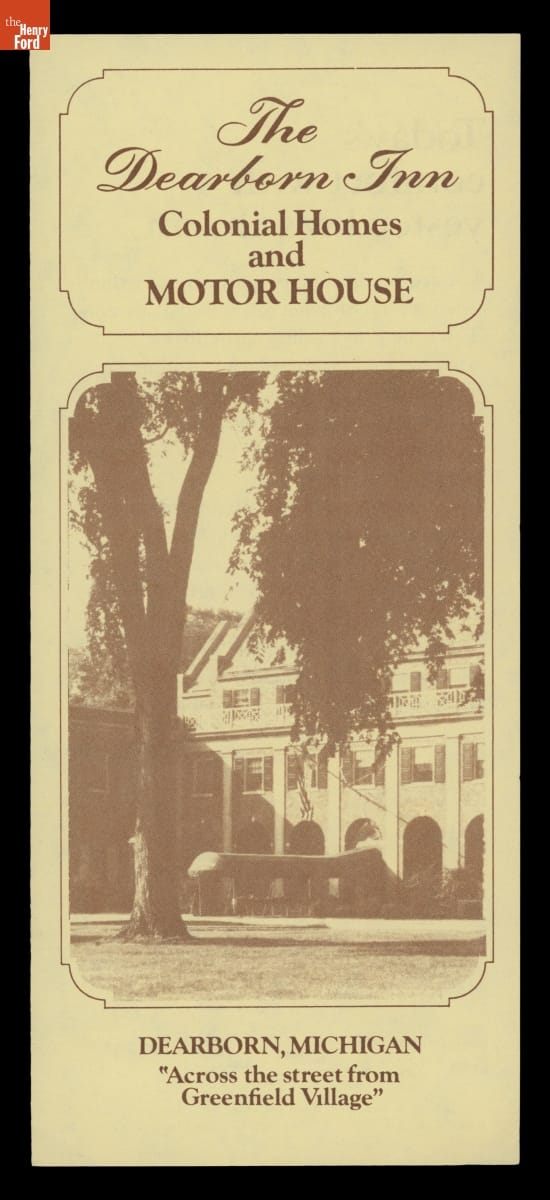
- "The Dearborn Inn Colonial Homes and Motor House," circa 1985 - Edsel and Henry Ford conceived the Dearborn Inn as a business opportunity when it opened in 1931. Initially, the inn hosted pilots and travelers transiting through the nearby Ford Airport, but after the airport closed, it served visitors to Dearborn and Ford Motor Company. From the 1950s into the late 1980s, the inn was managed by the Edison Institute.
- circa 1985
- Collections - Artifact
"The Dearborn Inn Colonial Homes and Motor House," circa 1985
Edsel and Henry Ford conceived the Dearborn Inn as a business opportunity when it opened in 1931. Initially, the inn hosted pilots and travelers transiting through the nearby Ford Airport, but after the airport closed, it served visitors to Dearborn and Ford Motor Company. From the 1950s into the late 1980s, the inn was managed by the Edison Institute.
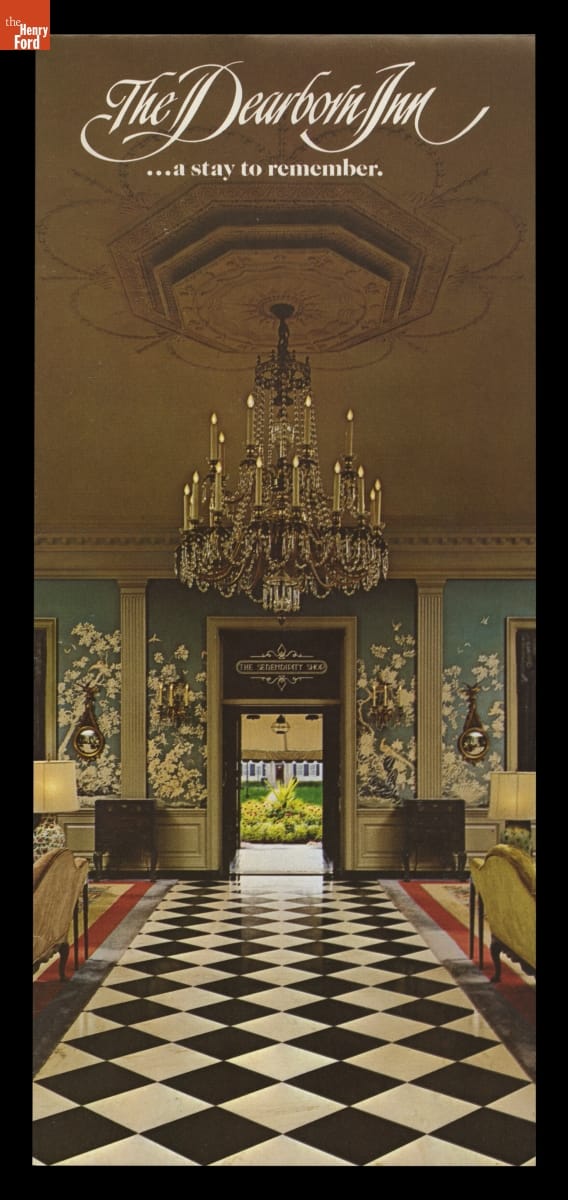
- "The Dearborn Inn... A Stay to Remember," 1980-1989 - Edsel and Henry Ford conceived the Dearborn Inn as a business opportunity when it opened in 1931. Initially, the inn hosted pilots and travelers transiting through the nearby Ford Airport, but after the airport closed, it served visitors to Dearborn and Ford Motor Company. From the 1950s into the late 1980s, the inn was managed by the Edison Institute.
- 1980-1989
- Collections - Artifact
"The Dearborn Inn... A Stay to Remember," 1980-1989
Edsel and Henry Ford conceived the Dearborn Inn as a business opportunity when it opened in 1931. Initially, the inn hosted pilots and travelers transiting through the nearby Ford Airport, but after the airport closed, it served visitors to Dearborn and Ford Motor Company. From the 1950s into the late 1980s, the inn was managed by the Edison Institute.
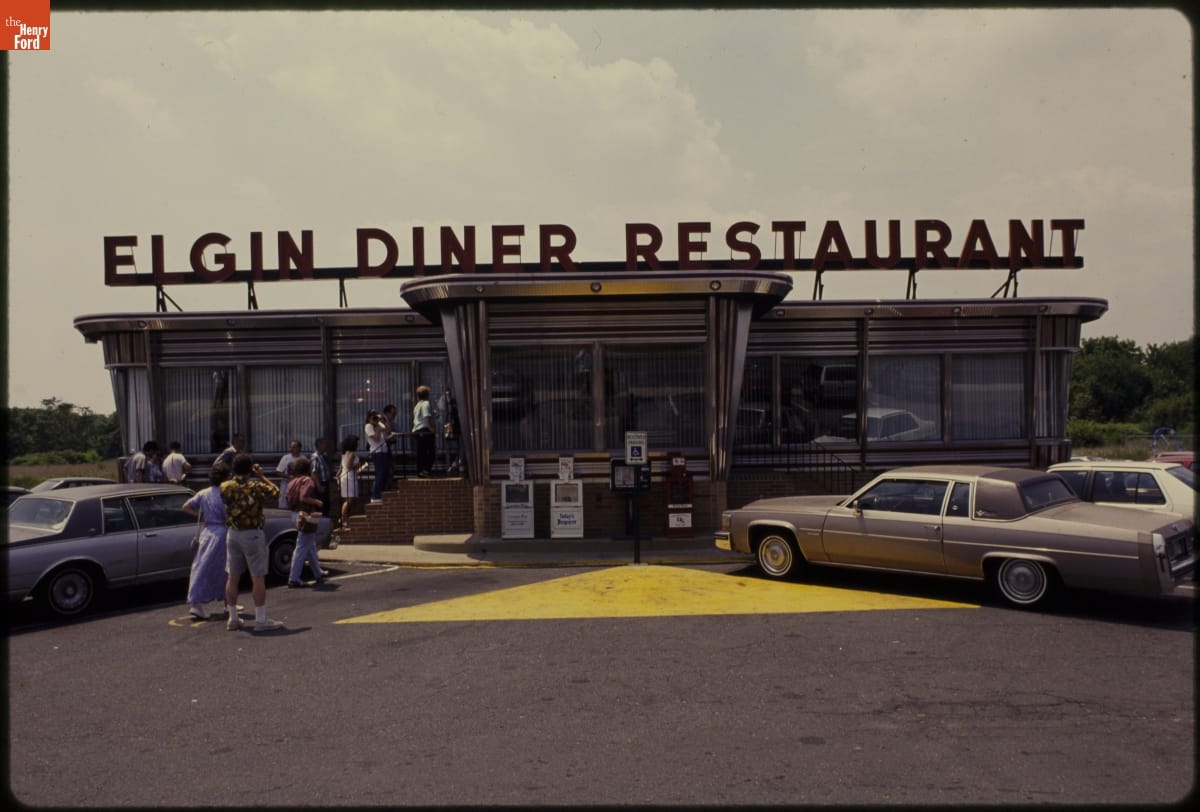
- Elgin Diner, Camden, New Jersey, 1993 -
- 1993
- Collections - Artifact
Elgin Diner, Camden, New Jersey, 1993