
Search
- Dropleaf Table, 1730-1770 - Tables provide useful, multi-purpose space -- but sometimes their size gets in the way. For 18th-century Americans, a drop-leaf table offered an ideal solution. With the leaves extended the table could be used for dining, working or game playing. When not needed, the table's top folded down and the table could be moved easily to another room or pushed against a wall.
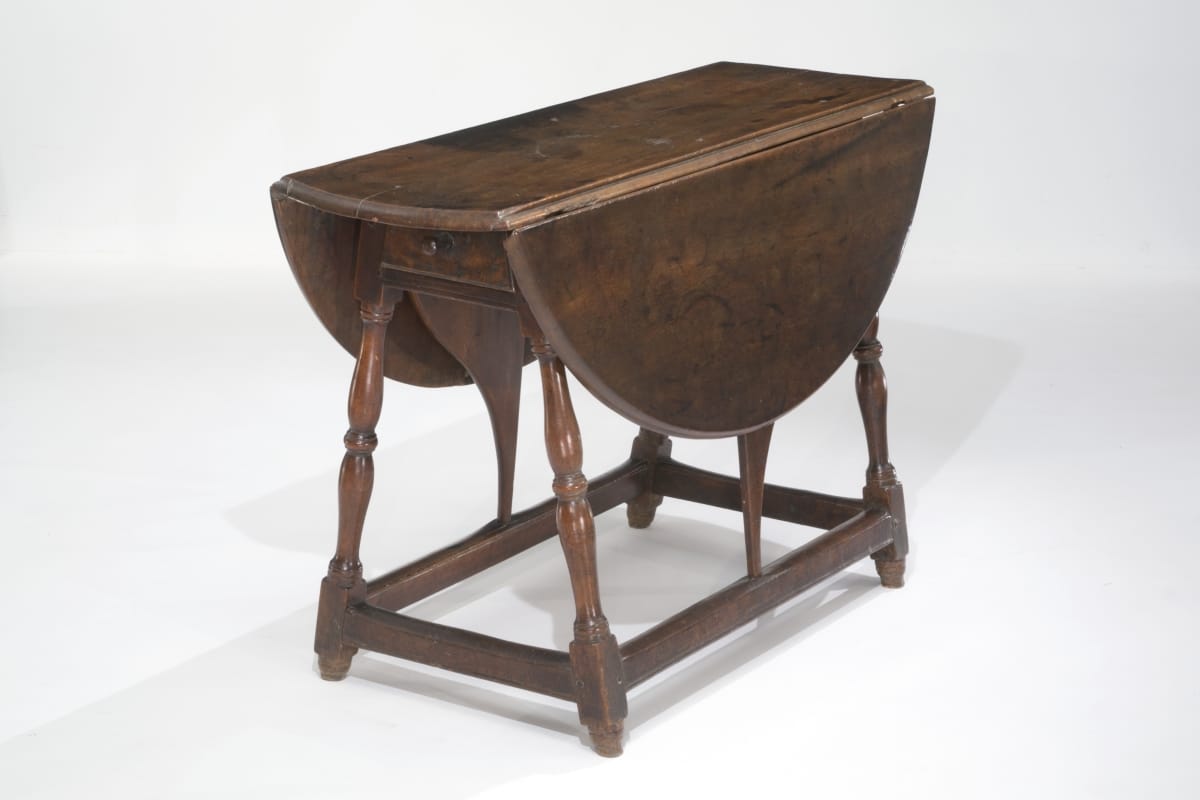
- 1730-1770
- Collections - Artifact
Dropleaf Table, 1730-1770
Tables provide useful, multi-purpose space -- but sometimes their size gets in the way. For 18th-century Americans, a drop-leaf table offered an ideal solution. With the leaves extended the table could be used for dining, working or game playing. When not needed, the table's top folded down and the table could be moved easily to another room or pushed against a wall.
- Dropleaf Table, 1840-1860 -
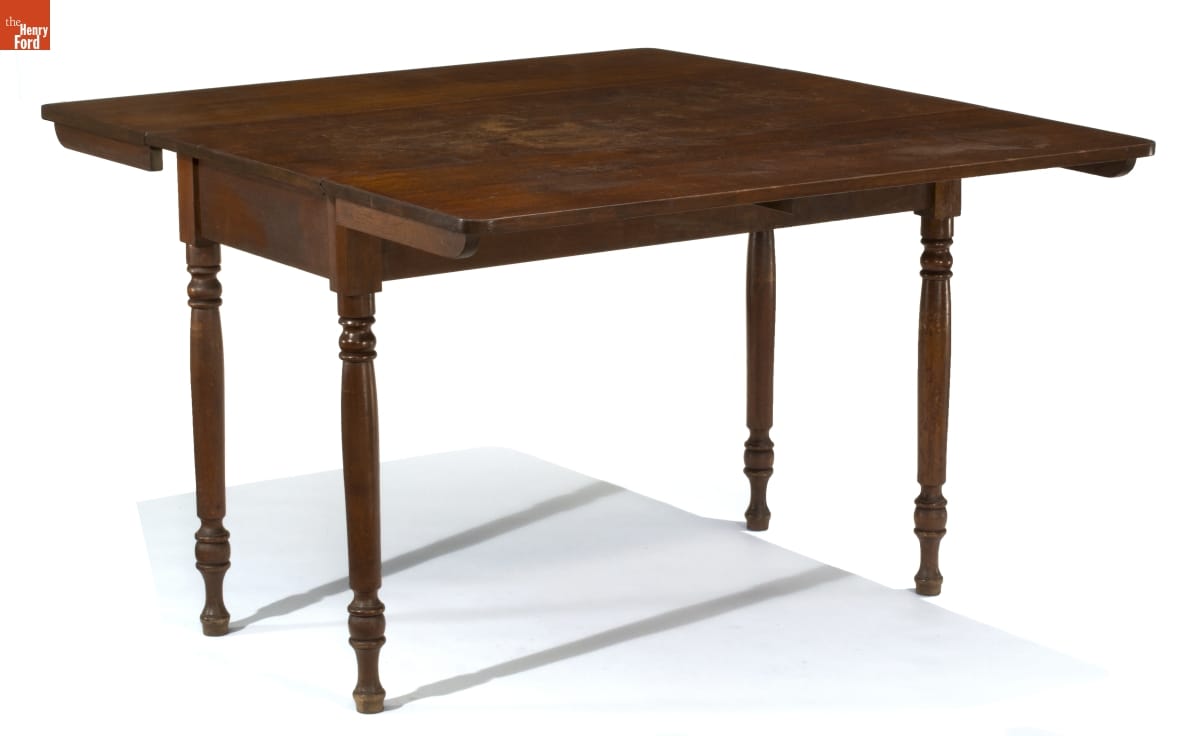
- 1840-1860
- Collections - Artifact
Dropleaf Table, 1840-1860
- Dropleaf Table, 1740-1770 - Tables provide useful, multi-purpose space -- but sometimes their size gets in the way. For 18th-century Americans, a drop-leaf table offered an ideal solution. With the leaves extended the table could be used for dining, working or game playing. When not needed, the table's top folded down and the table could be moved easily to another room or pushed against a wall.
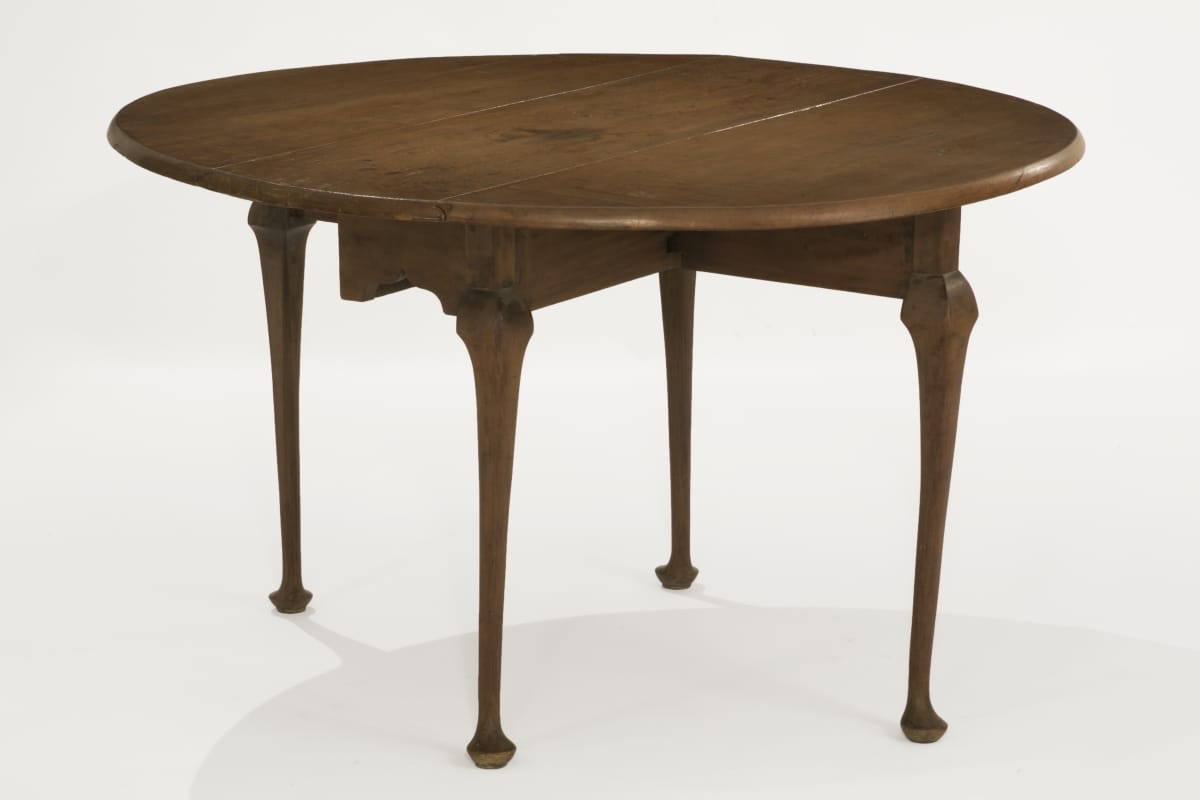
- 1740-1770
- Collections - Artifact
Dropleaf Table, 1740-1770
Tables provide useful, multi-purpose space -- but sometimes their size gets in the way. For 18th-century Americans, a drop-leaf table offered an ideal solution. With the leaves extended the table could be used for dining, working or game playing. When not needed, the table's top folded down and the table could be moved easily to another room or pushed against a wall.
- Dropleaf Table, 1760-1780 -
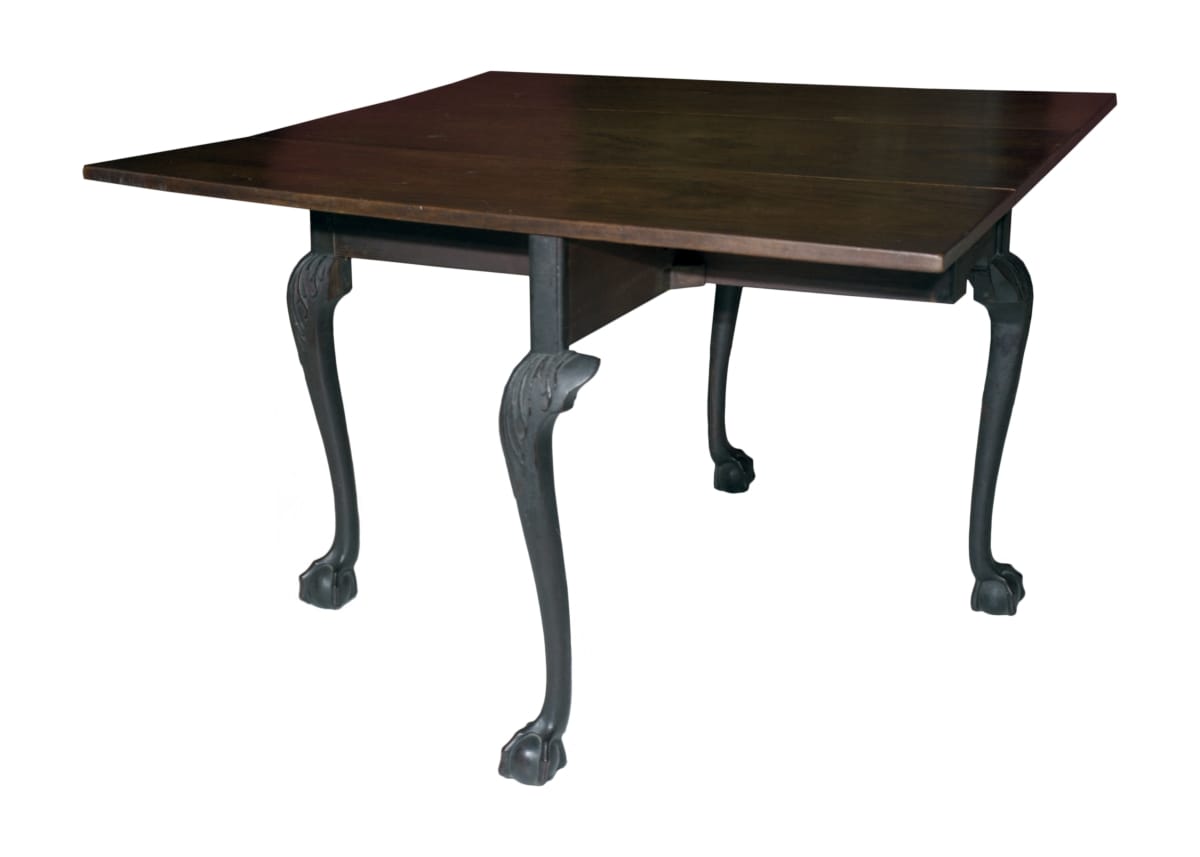
- 1760-1780
- Collections - Artifact
Dropleaf Table, 1760-1780
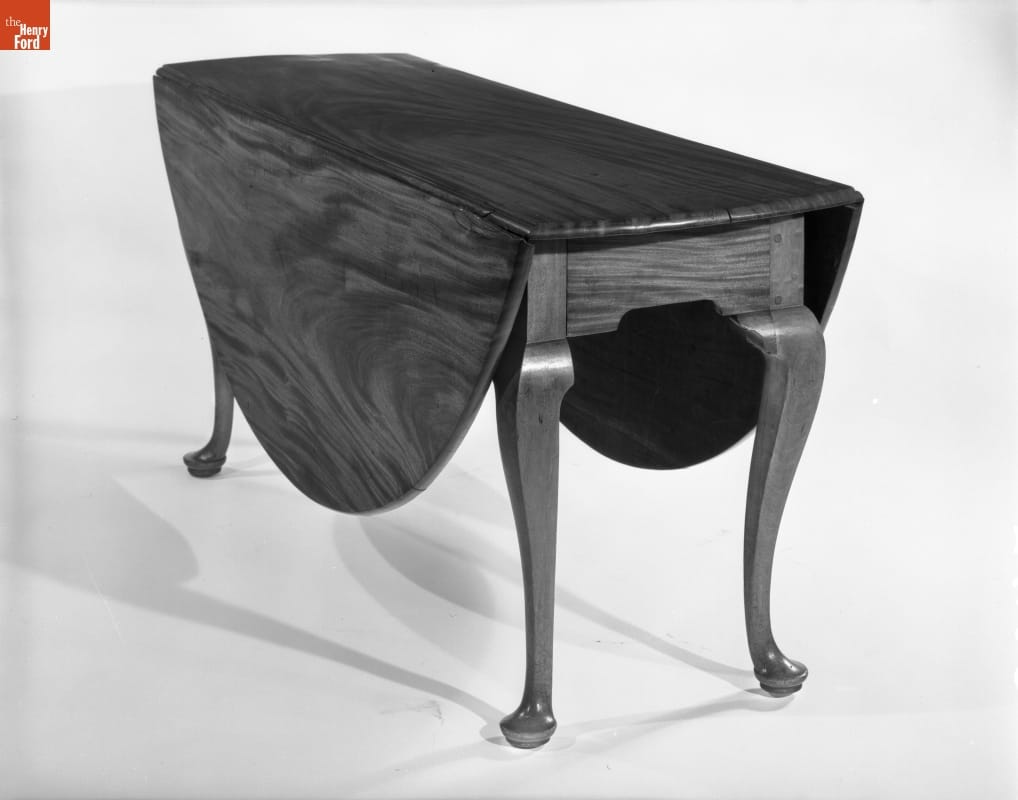
- Dropleaf Dining Table, 1740-1765 - Tables provide useful, multi-purpose space -- but sometimes their size gets in the way. For 18th-century Americans, a drop-leaf table offered an ideal solution. With the leaves extended the table could be used for dining, working or game playing. When not needed, the table's top folded down and the table could be moved easily to another room or pushed against a wall.
- 1740-1765
- Collections - Artifact
Dropleaf Dining Table, 1740-1765
Tables provide useful, multi-purpose space -- but sometimes their size gets in the way. For 18th-century Americans, a drop-leaf table offered an ideal solution. With the leaves extended the table could be used for dining, working or game playing. When not needed, the table's top folded down and the table could be moved easily to another room or pushed against a wall.
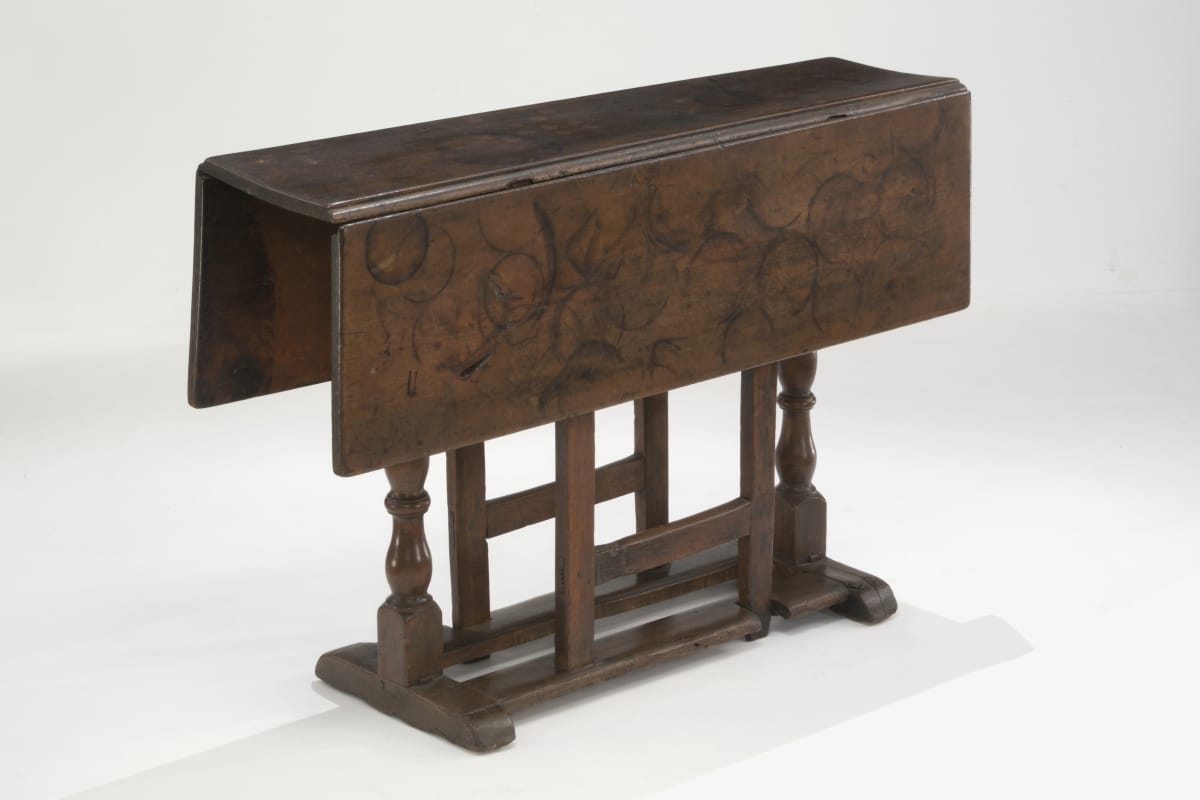
- Gate-leg Table, 1725-1750 - Colonial Americans used gate-leg tables chiefly for dining, but also for working, writing and game playing. These tables -- with their gate-framed legs that swing out to support the table leaves -- came in many sizes. And when not needed, these tables could be easily folded, moved from room to room, or placed against a wall to save space.
- 1725-1750
- Collections - Artifact
Gate-leg Table, 1725-1750
Colonial Americans used gate-leg tables chiefly for dining, but also for working, writing and game playing. These tables -- with their gate-framed legs that swing out to support the table leaves -- came in many sizes. And when not needed, these tables could be easily folded, moved from room to room, or placed against a wall to save space.
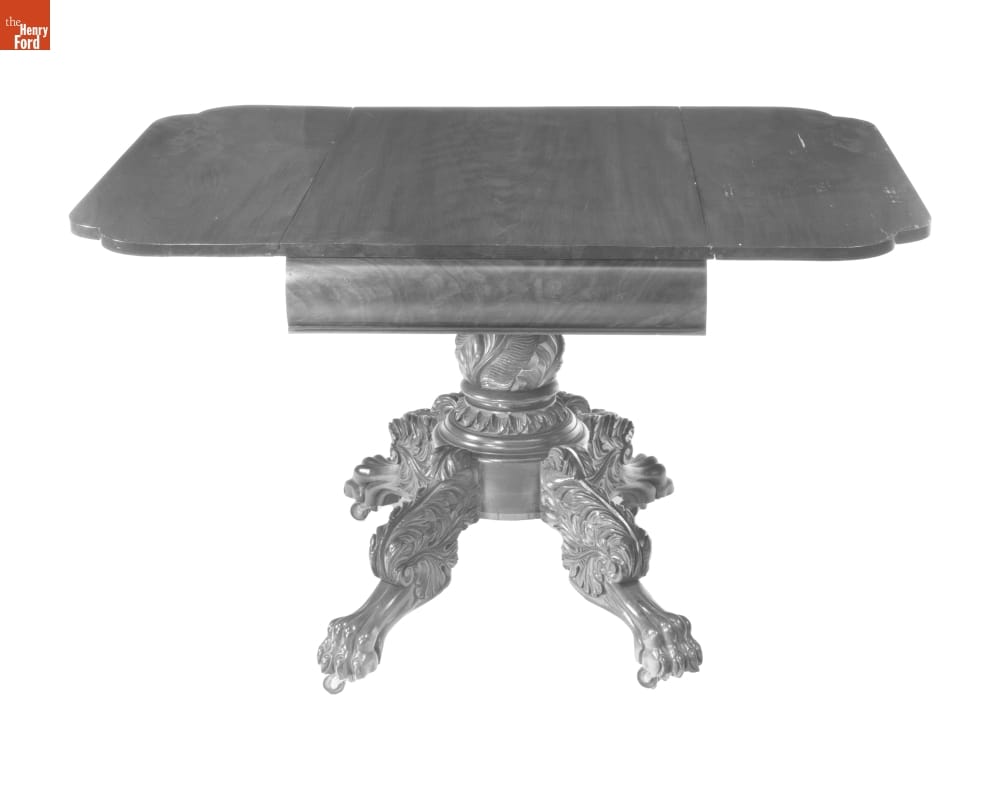
- Table, Used as a Writing Desk by Mark Twain, 1830-1860 - This table belonged to Mark Twain (1835-1910), American author and humorist whose real name was Samuel L. Clemens. The author wrote at this table during the later years of his life. Twain's daughter Clara gave it to Henry Ford, along with a portrait of her father.
- 1830-1860
- Collections - Artifact
Table, Used as a Writing Desk by Mark Twain, 1830-1860
This table belonged to Mark Twain (1835-1910), American author and humorist whose real name was Samuel L. Clemens. The author wrote at this table during the later years of his life. Twain's daughter Clara gave it to Henry Ford, along with a portrait of her father.