
Search
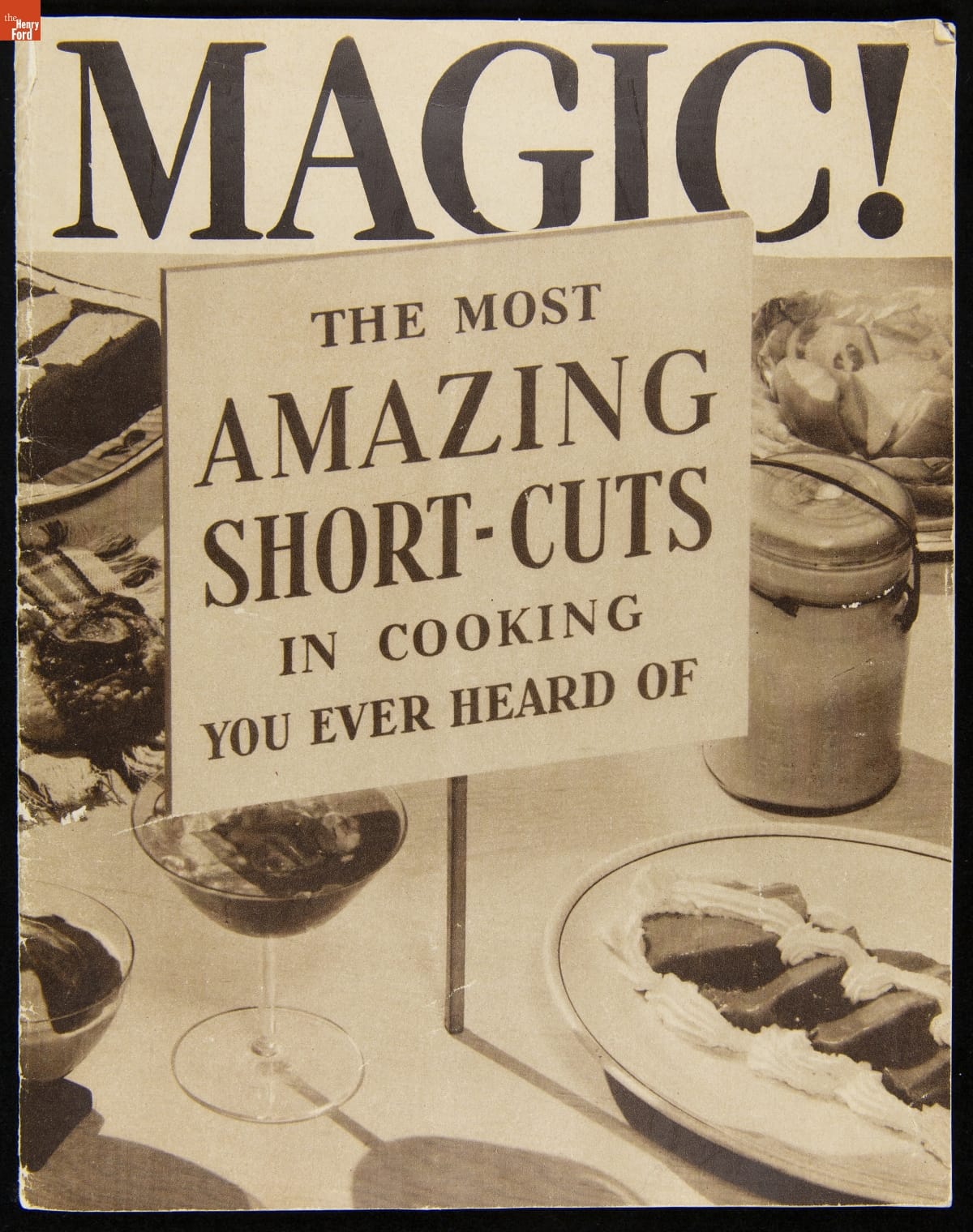
- Recipe Booklet, "MAGIC! The Most Amazing Short-Cuts in Cooking You Ever Heard Of," circa 1930 -
- circa 1930
- Collections - Artifact
Recipe Booklet, "MAGIC! The Most Amazing Short-Cuts in Cooking You Ever Heard Of," circa 1930
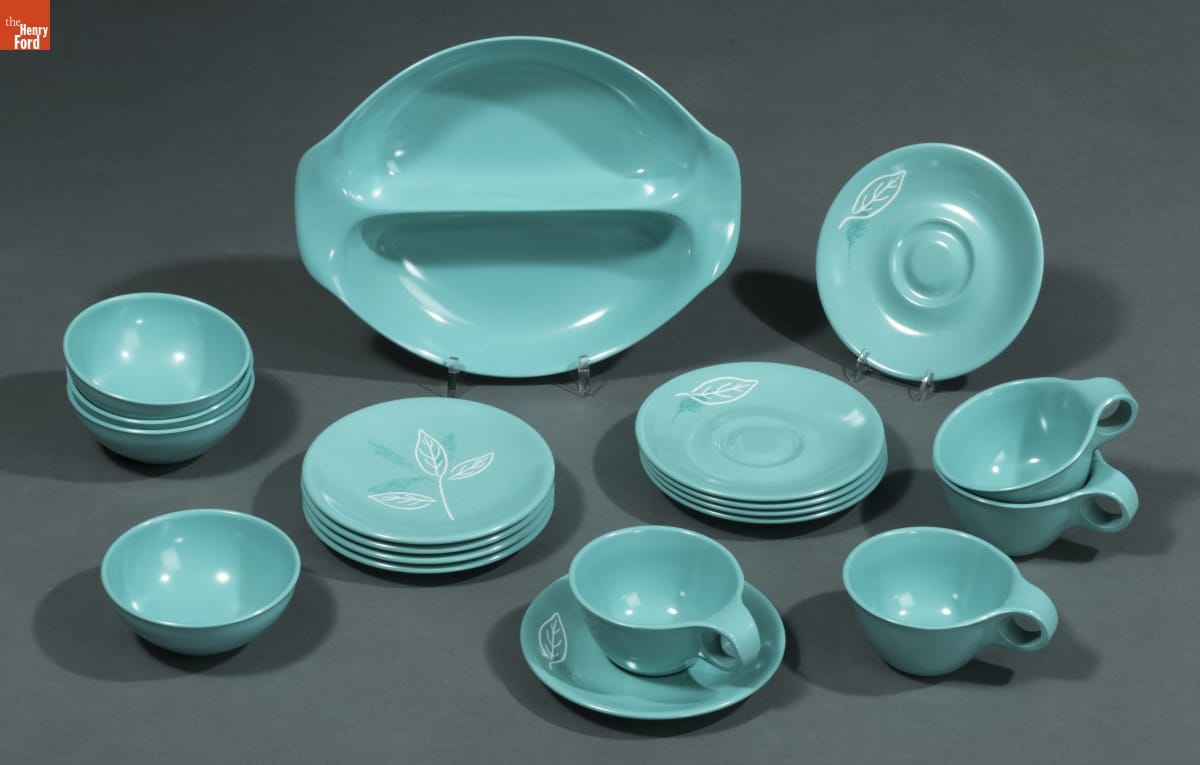
- Set of Melamine Tableware, 1950-1960 - During the early 1950s, plastic dinnerware in the form of melamine was introduced to the American market. By 1956, twenty-five percent of Americans owned at least a pair of these plates. Industrial designers Russel and Mary Wright were famous for producing aesthetically pleasing ceramic dinnerware as early as the 1930s. This set, in fashionable turquoise, was the Wrights' first design in plastic.
- 1950-1960
- Collections - Artifact
Set of Melamine Tableware, 1950-1960
During the early 1950s, plastic dinnerware in the form of melamine was introduced to the American market. By 1956, twenty-five percent of Americans owned at least a pair of these plates. Industrial designers Russel and Mary Wright were famous for producing aesthetically pleasing ceramic dinnerware as early as the 1930s. This set, in fashionable turquoise, was the Wrights' first design in plastic.
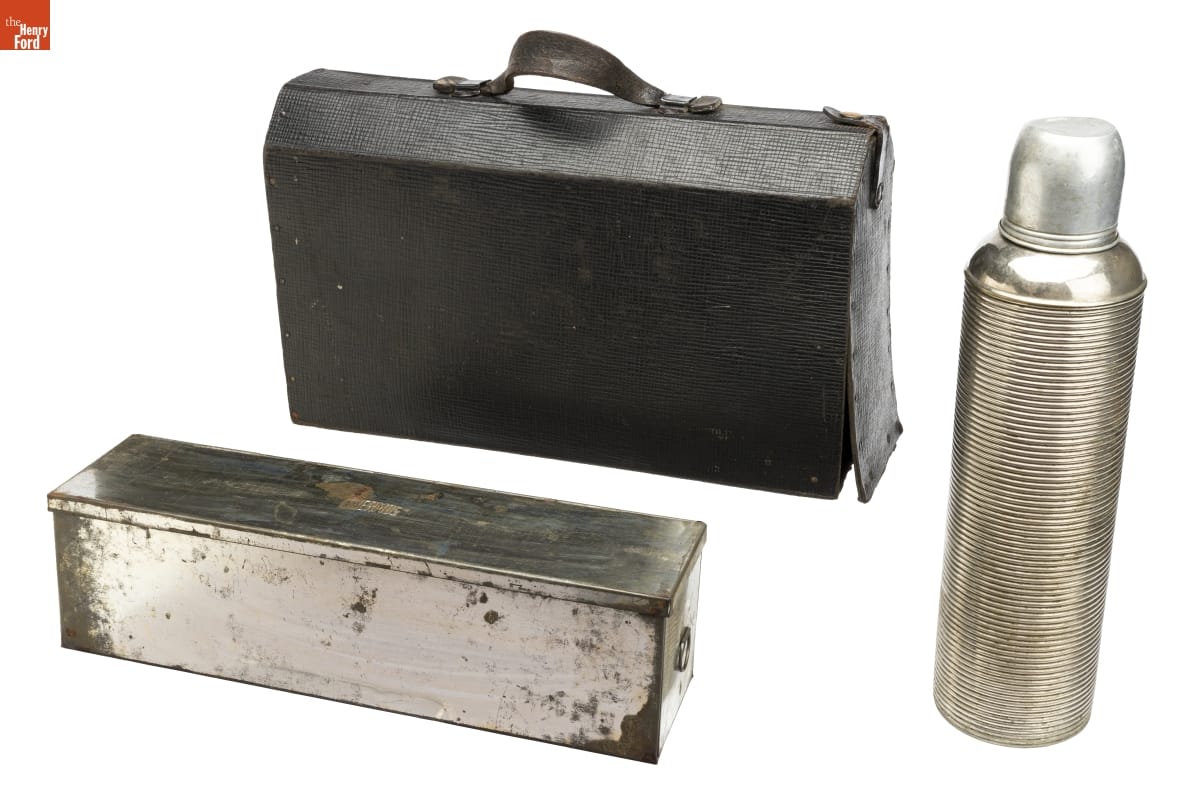
- Lunch Box, 1910-1956 -
- 1910-1956
- Collections - Artifact
Lunch Box, 1910-1956
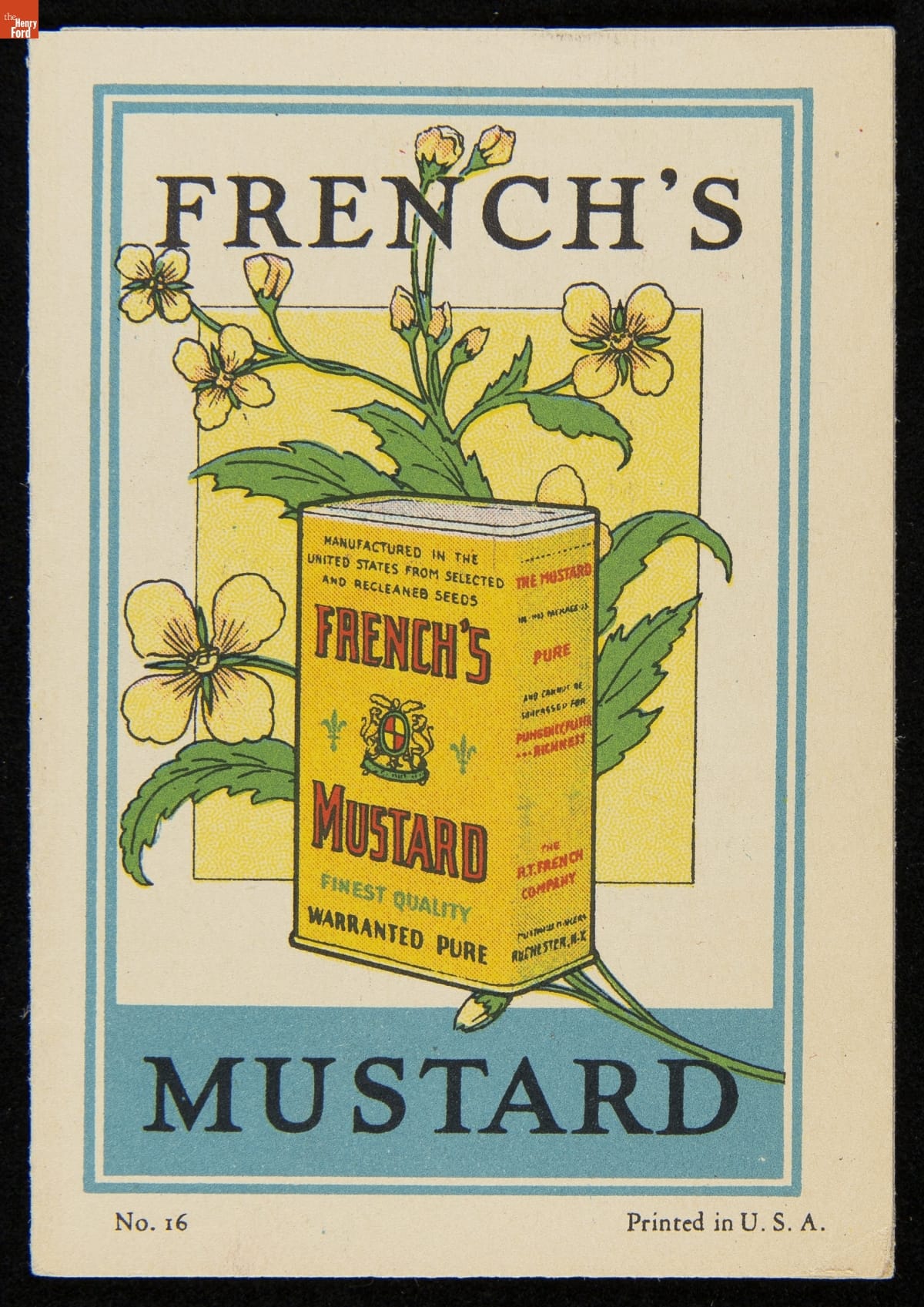
- French's Mustard Recipe Booklet No. 16, 1926 - In 1904, the R.T. French Company introduced its Cream Salad Mustard. Prior to this, mustard was stone ground, thick, and often grainy, but French's new processed condiment was mild in flavor and easy to spread. It soon became a staple in American ballparks, where hot dogs were common fare. This recipe booklet offered additional uses, making it a favorite condiment in home kitchens as well.
- 1926
- Collections - Artifact
French's Mustard Recipe Booklet No. 16, 1926
In 1904, the R.T. French Company introduced its Cream Salad Mustard. Prior to this, mustard was stone ground, thick, and often grainy, but French's new processed condiment was mild in flavor and easy to spread. It soon became a staple in American ballparks, where hot dogs were common fare. This recipe booklet offered additional uses, making it a favorite condiment in home kitchens as well.
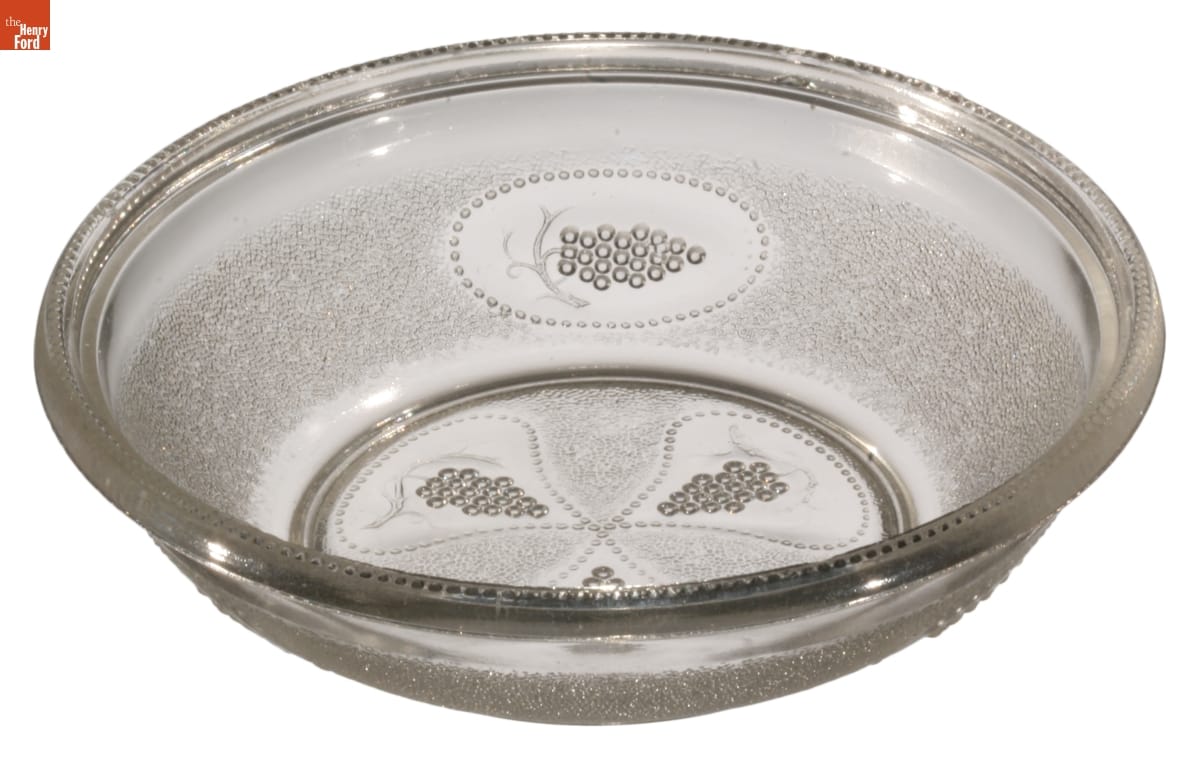
- Bowl, 1869-1871 - The Boston Silver Glass Company was established in East Cambridge, Massachusetts, in about 1857. Starting in 1869, the company produced pressed glass tableware in its "beaded grape medallion" pattern. The inexpensive glassware came in various forms: plates, dishes, bowls, compotes, goblets, and pitchers, among others. The company operated until about 1871.
- 1869-1871
- Collections - Artifact
Bowl, 1869-1871
The Boston Silver Glass Company was established in East Cambridge, Massachusetts, in about 1857. Starting in 1869, the company produced pressed glass tableware in its "beaded grape medallion" pattern. The inexpensive glassware came in various forms: plates, dishes, bowls, compotes, goblets, and pitchers, among others. The company operated until about 1871.
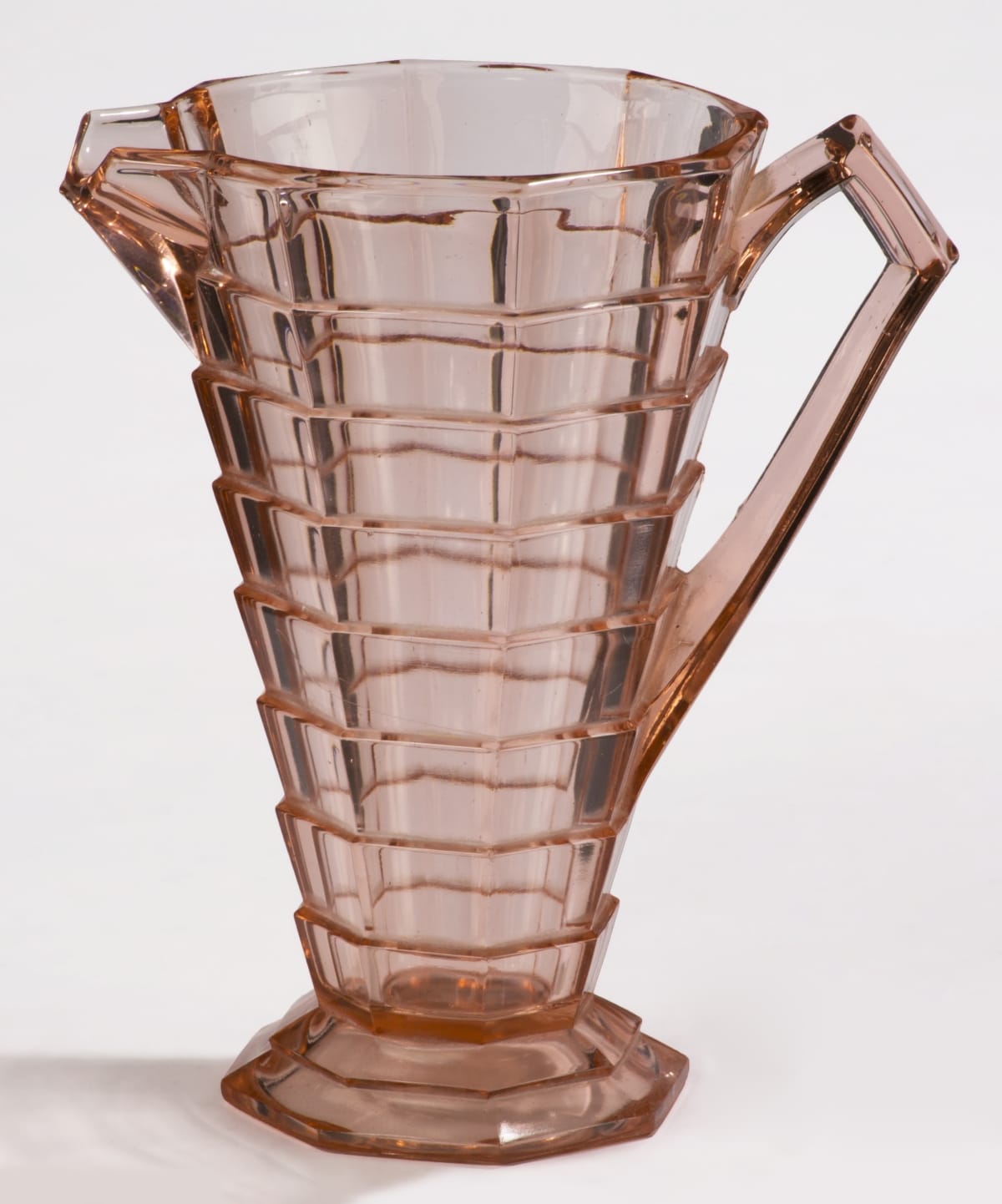
- Pitcher, 1926-1931 - This footed pitcher is part of a larger dinnerware service produced by the Indiana Glass Company of Dunkirk, Indiana. Known as "Depression Glass" these wares were distributed free, or at low cost, in the United States around the time of the Great Depression of the 1930s. The stepped or zig-zag design is the epitome of the Art Deco style, popular at that time.
- 1926-1931
- Collections - Artifact
Pitcher, 1926-1931
This footed pitcher is part of a larger dinnerware service produced by the Indiana Glass Company of Dunkirk, Indiana. Known as "Depression Glass" these wares were distributed free, or at low cost, in the United States around the time of the Great Depression of the 1930s. The stepped or zig-zag design is the epitome of the Art Deco style, popular at that time.
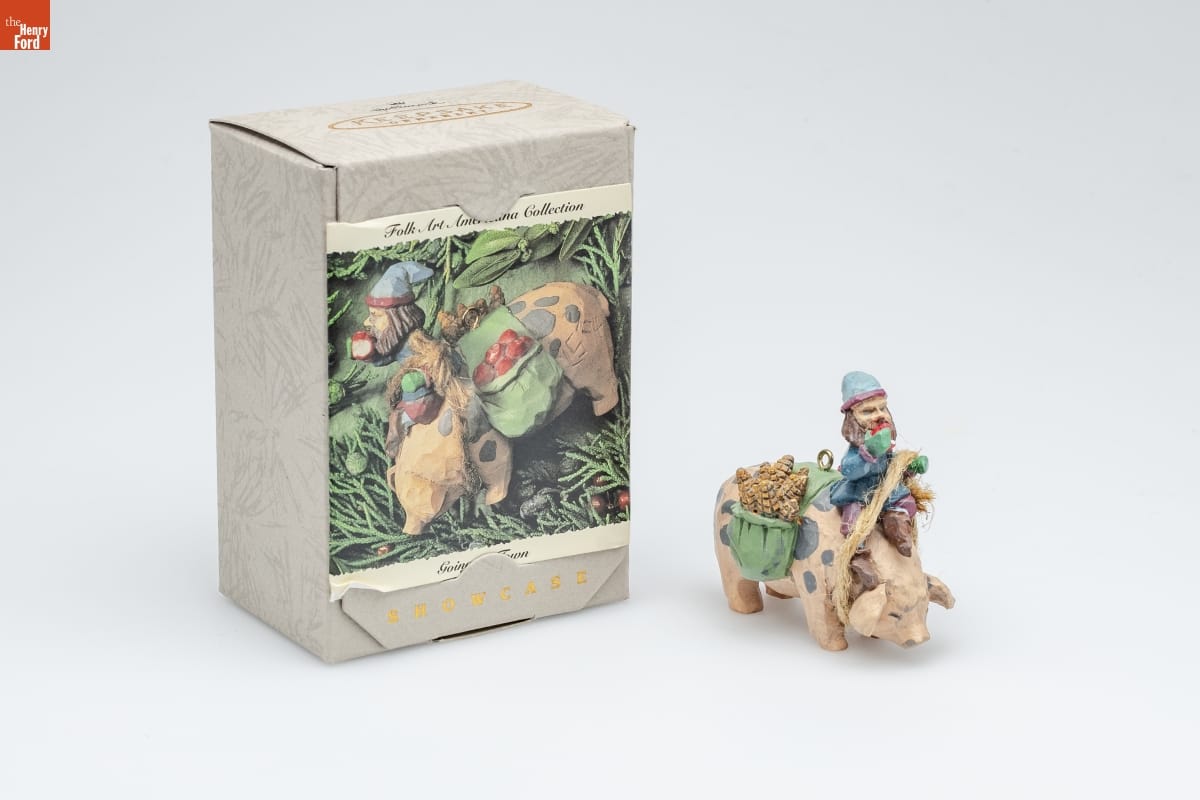
- Hallmark "Folk Art Americana Collection: Going to Town" Christmas Ornament, 1994 - Already known for greeting cards, Hallmark introduced a line of Christmas ornaments in 1973. The company's annual release of an increasing array of ornaments revolutionized Christmas decorating, appealing to customers' interest in marking memories and milestones as well as expressing one's personality and unique tastes.
- 1994
- Collections - Artifact
Hallmark "Folk Art Americana Collection: Going to Town" Christmas Ornament, 1994
Already known for greeting cards, Hallmark introduced a line of Christmas ornaments in 1973. The company's annual release of an increasing array of ornaments revolutionized Christmas decorating, appealing to customers' interest in marking memories and milestones as well as expressing one's personality and unique tastes.
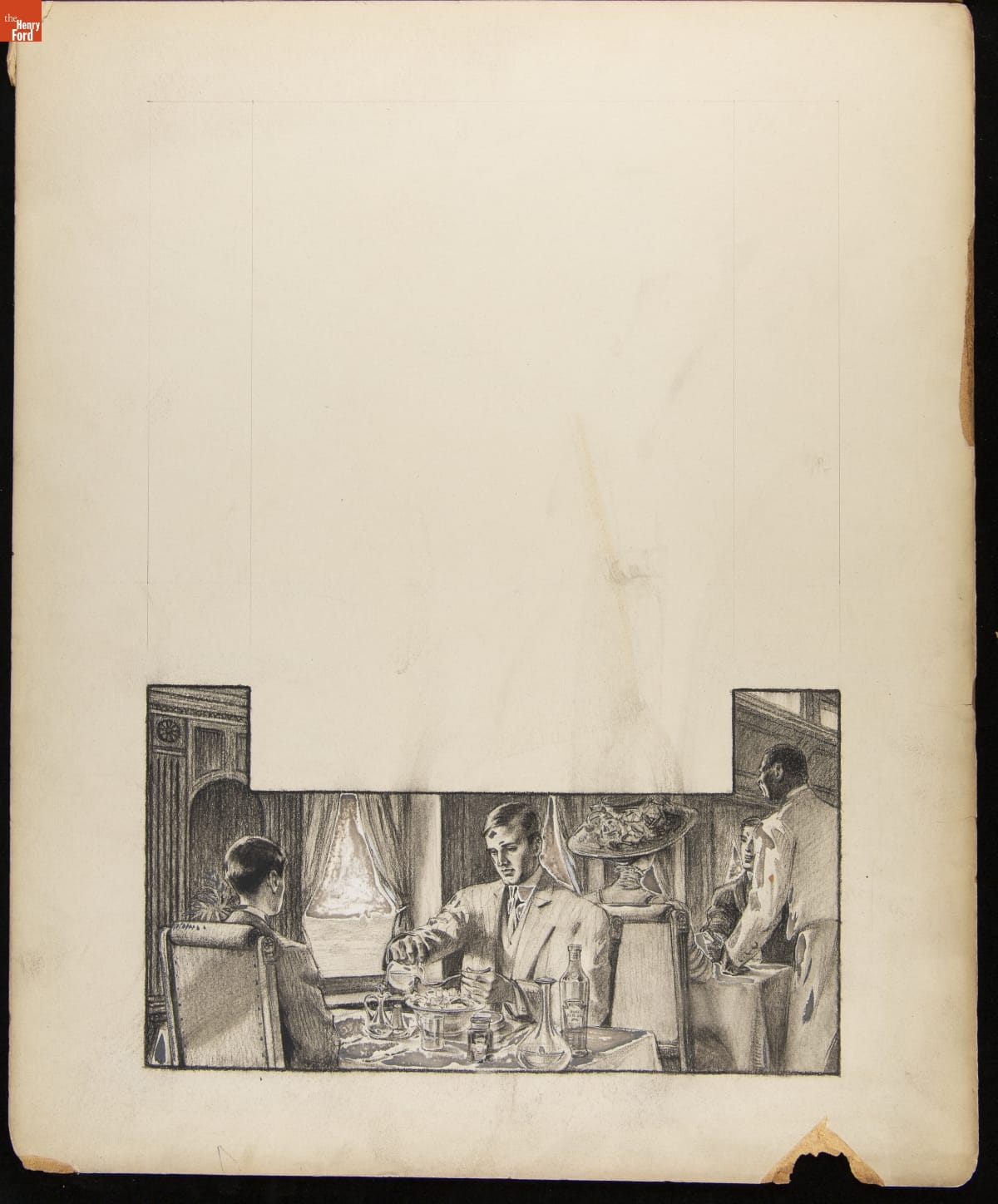
- Advertising Layout Drawing of a Man and Boy Dining in a Restaurant with Heinz Products, October 6, 1909 - The H.J. Heinz Company published pamphlets, brochures, and booklets that detailed the company's history and manufacturing process. Sometimes, hand-drawn images accompanied text related to a specific topic. This advertising layout drawing of a man and a boy dining with Heinz products on the table was drawn for publication purposes and would have accompanied text promoting Heinz products.
- October 06, 1909
- Collections - Artifact
Advertising Layout Drawing of a Man and Boy Dining in a Restaurant with Heinz Products, October 6, 1909
The H.J. Heinz Company published pamphlets, brochures, and booklets that detailed the company's history and manufacturing process. Sometimes, hand-drawn images accompanied text related to a specific topic. This advertising layout drawing of a man and a boy dining with Heinz products on the table was drawn for publication purposes and would have accompanied text promoting Heinz products.
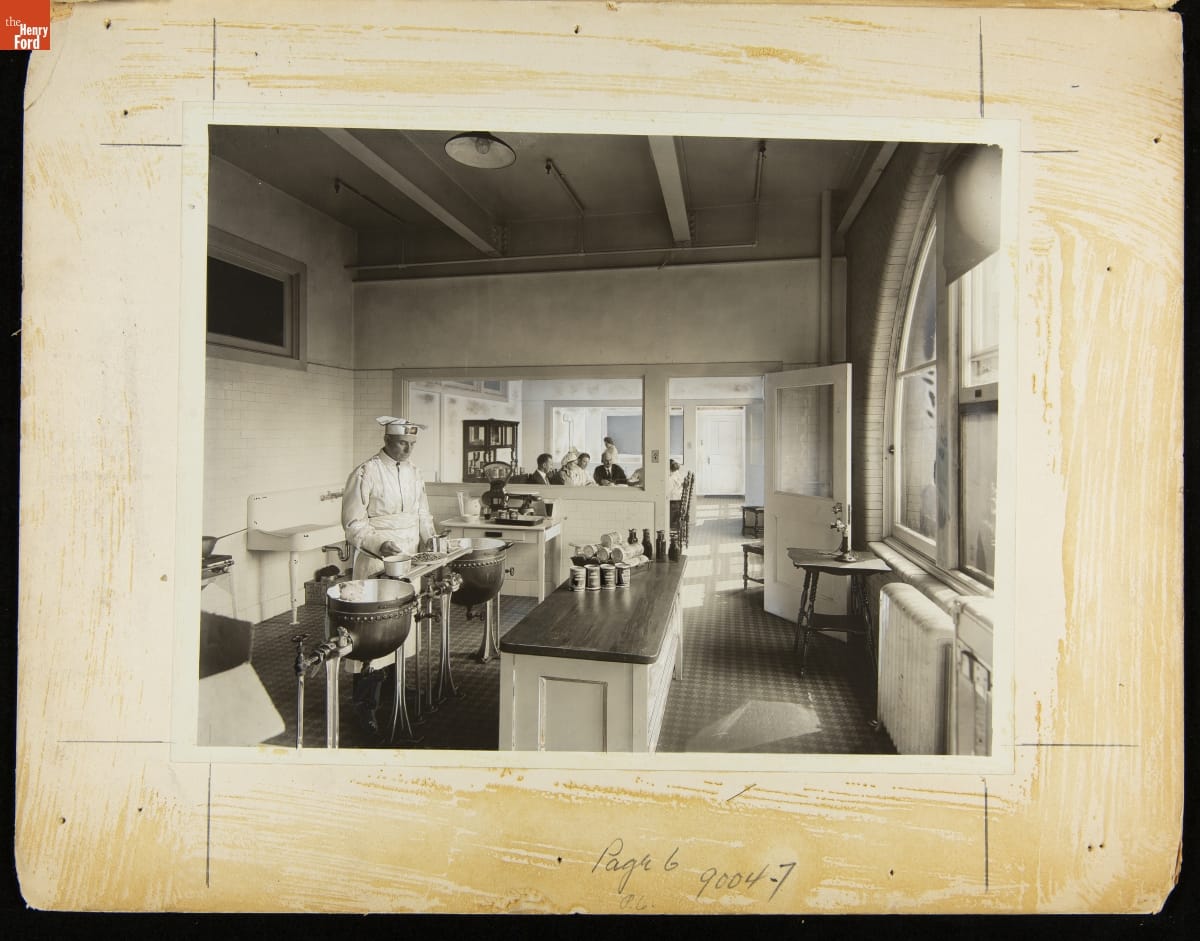
- Advertising Layout Photograph of Heinz Taste Testing Room, circa 1915 - Photographs of the H.J. Heinz factory -- including buildings, employees, transportation methods, and the manufacturing process -- were often taken and then modified for advertising and publications. This advertising layout features a modified photograph of the Heinz taste-testing room where products are tested to ensure a consistent taste and quality.
- circa 1915
- Collections - Artifact
Advertising Layout Photograph of Heinz Taste Testing Room, circa 1915
Photographs of the H.J. Heinz factory -- including buildings, employees, transportation methods, and the manufacturing process -- were often taken and then modified for advertising and publications. This advertising layout features a modified photograph of the Heinz taste-testing room where products are tested to ensure a consistent taste and quality.
- Advertising Layout Illustration for Heinz Spaghetti, circa 1930 - The H.J. Heinz Company marketed its products everywhere from stores to various publications and even on streetcars. This advertising layout represents one of the steps in the marketing process in which the drawing or illustration, size, color, and arrangement are taken into consideration before the final advertisement is created.

- circa 1930
- Collections - Artifact
Advertising Layout Illustration for Heinz Spaghetti, circa 1930
The H.J. Heinz Company marketed its products everywhere from stores to various publications and even on streetcars. This advertising layout represents one of the steps in the marketing process in which the drawing or illustration, size, color, and arrangement are taken into consideration before the final advertisement is created.