
Search
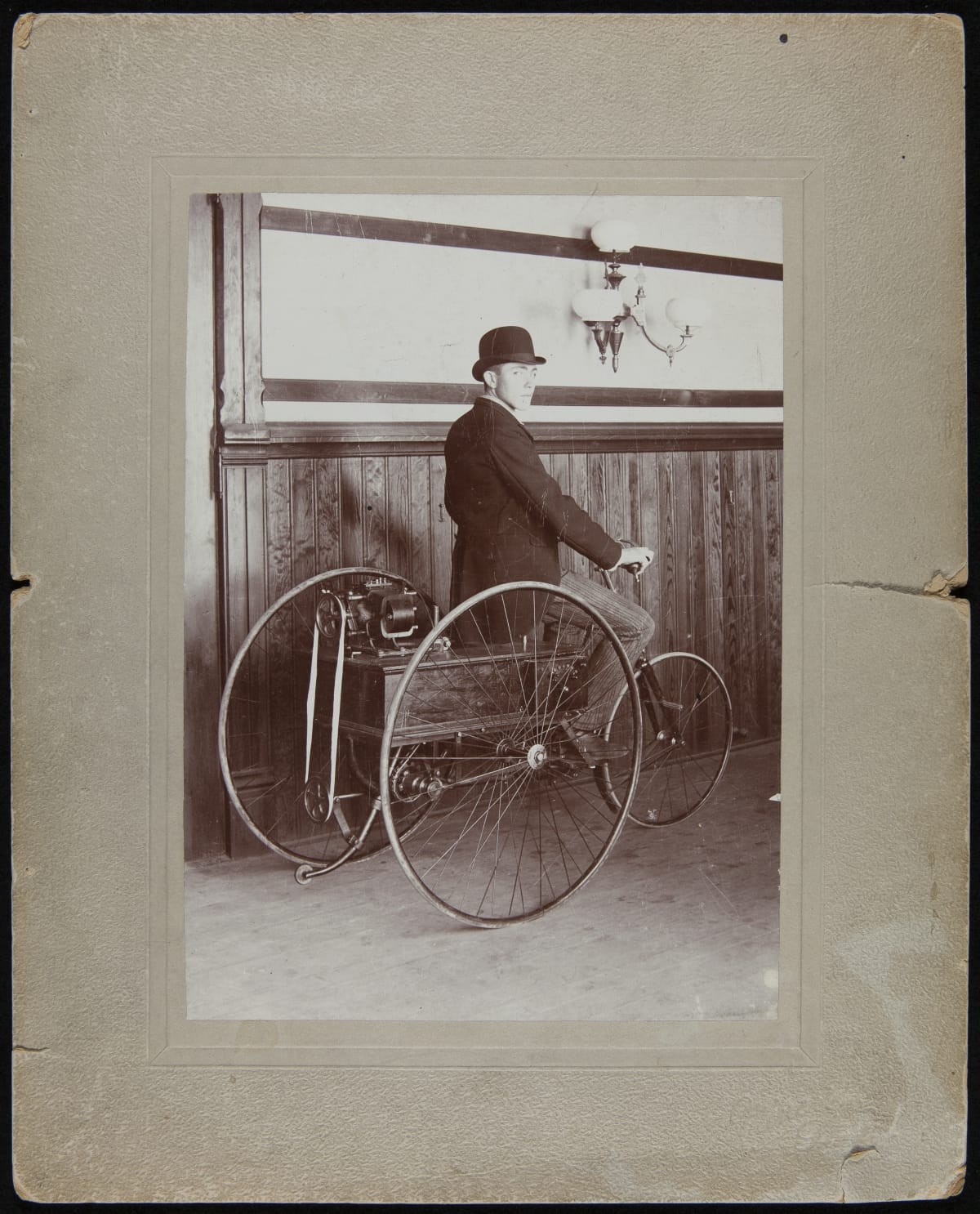
- M. M. M. Slattery's Electric Tricycle, circa 1910 - Marmaduke Slattery, chief electrician at the Fort Wayne Jenney Electric Light Company, had this electric tricycle built in 1889. Slattery powered his tricycle with storage batteries--probably of his own design--which reportedly could run for nine hours. Slattery died in 1892 but the vehicle must have remained in the Indiana city--this image was taken around 1910 by a Fort Wayne photographer.
- circa 1910
- Collections - Artifact
M. M. M. Slattery's Electric Tricycle, circa 1910
Marmaduke Slattery, chief electrician at the Fort Wayne Jenney Electric Light Company, had this electric tricycle built in 1889. Slattery powered his tricycle with storage batteries--probably of his own design--which reportedly could run for nine hours. Slattery died in 1892 but the vehicle must have remained in the Indiana city--this image was taken around 1910 by a Fort Wayne photographer.
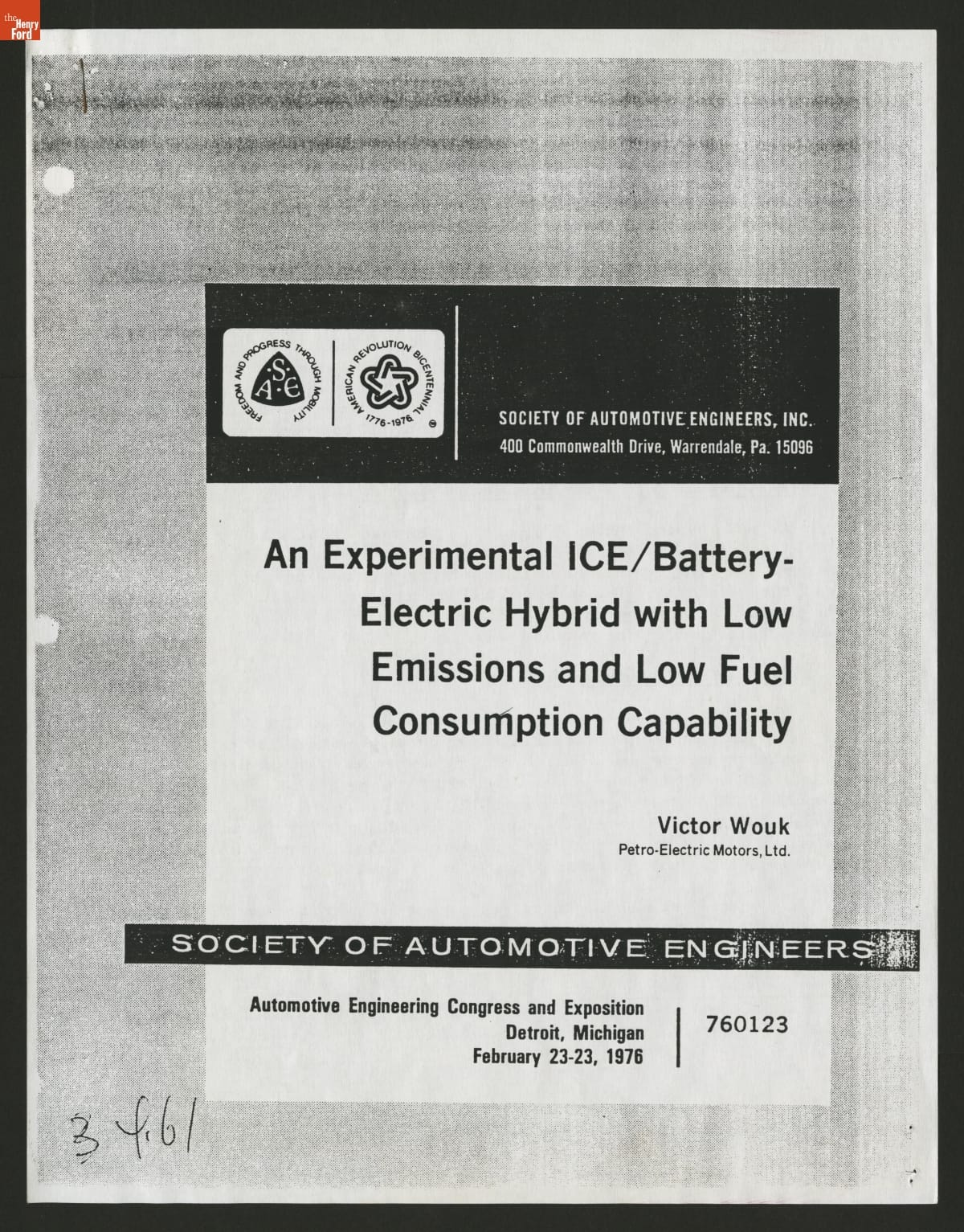
- An Experimental ICE/Battery-Electric Hybrid with Low Emissions and Low Fuel Consumption Capability, February 23, 1976 - In 1974, electrical engineer Victor Wouk entered a gasoline-electric hybrid in an Environmental Protection Agency competition to encourage development of low-polluting cars. It was the only vehicle to meet the emissions requirements. This 1976 paper on gasoline-electric hybrids is one of more than 100 Wouk wrote between 1974 and 2000.
- February 23, 1976
- Collections - Artifact
An Experimental ICE/Battery-Electric Hybrid with Low Emissions and Low Fuel Consumption Capability, February 23, 1976
In 1974, electrical engineer Victor Wouk entered a gasoline-electric hybrid in an Environmental Protection Agency competition to encourage development of low-polluting cars. It was the only vehicle to meet the emissions requirements. This 1976 paper on gasoline-electric hybrids is one of more than 100 Wouk wrote between 1974 and 2000.
- Child Charging a Rauch & Lang Electric Car in a Home Garage, 1917 - Safety was a frequent theme in electric automobile advertising. Certainly, electric cars were safer to start than hand-cranked gasoline cars. But manufacturers also stressed that electrics were safe to charge. This illustration, from a 1917 Rauch and Lang Carriage Company catalog, vividly makes the point with a child holding the plug while mother turns on the power.

- 1917
- Collections - Artifact
Child Charging a Rauch & Lang Electric Car in a Home Garage, 1917
Safety was a frequent theme in electric automobile advertising. Certainly, electric cars were safer to start than hand-cranked gasoline cars. But manufacturers also stressed that electrics were safe to charge. This illustration, from a 1917 Rauch and Lang Carriage Company catalog, vividly makes the point with a child holding the plug while mother turns on the power.
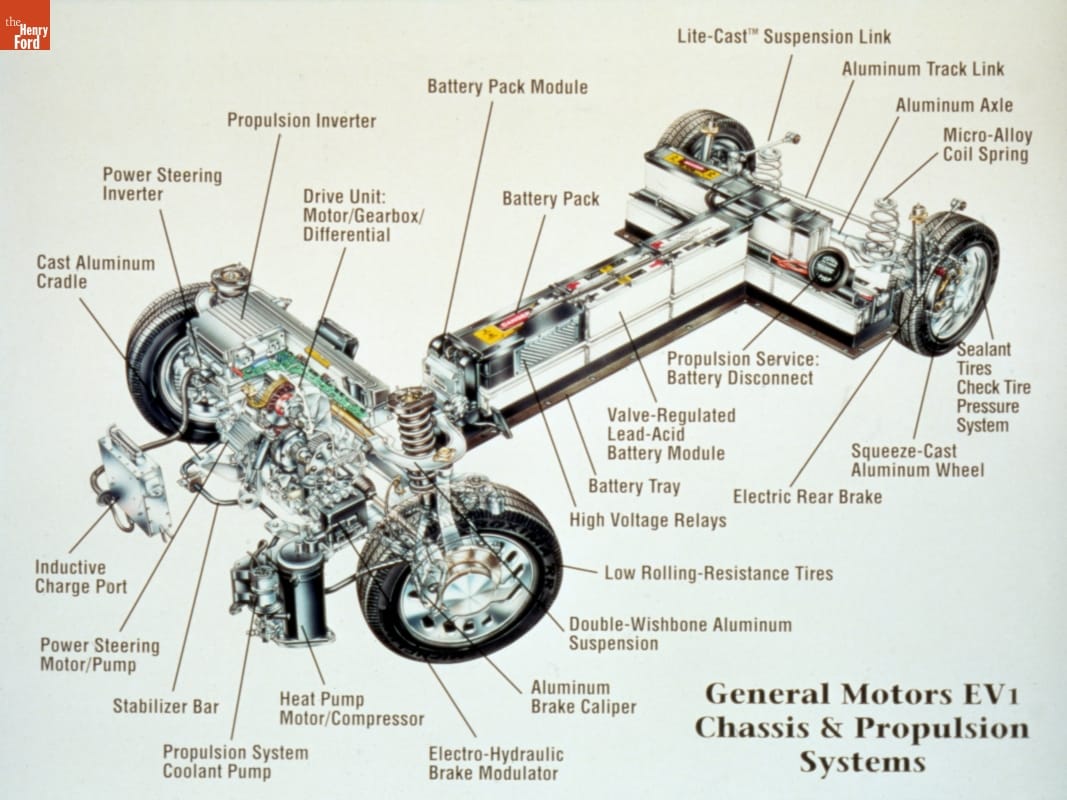
- Diagram of a General Motors EV1 Car Chassis, 1997-2002 - This diagram shows the layout of the General Motors' EV1. Heavy batteries were well distributed to even out the weight, helping the car's handling. The vehicle's range was 70 to 90 miles with special lead-acid batteries exclusive to the EV1. In 1998, GM switched to longer range nickel-metal-hydride batteries.
- 1997-2002
- Collections - Artifact
Diagram of a General Motors EV1 Car Chassis, 1997-2002
This diagram shows the layout of the General Motors' EV1. Heavy batteries were well distributed to even out the weight, helping the car's handling. The vehicle's range was 70 to 90 miles with special lead-acid batteries exclusive to the EV1. In 1998, GM switched to longer range nickel-metal-hydride batteries.
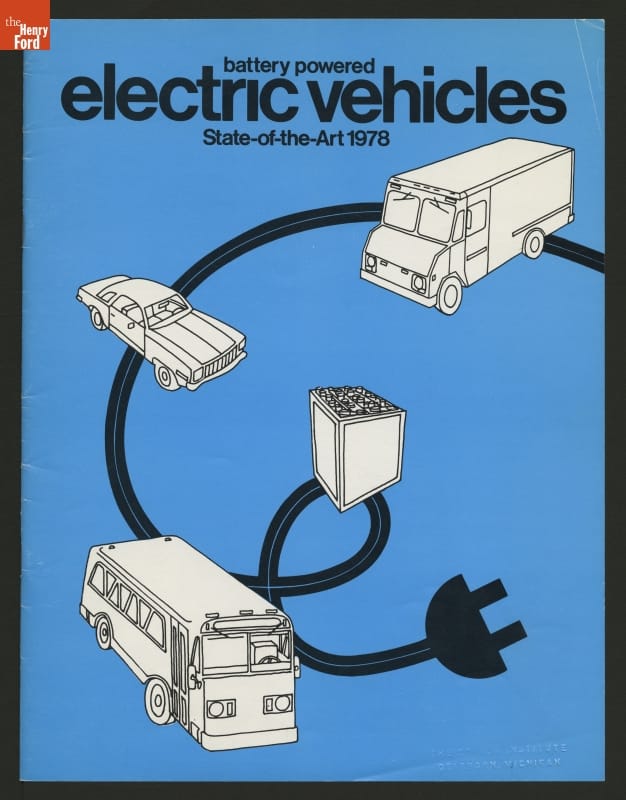
- Battery Powered Electric Vehicles: State of the Art 1978 - This informational book promotes the value of battery-powered vehicles.
- 1978
- Collections - Artifact
Battery Powered Electric Vehicles: State of the Art 1978
This informational book promotes the value of battery-powered vehicles.
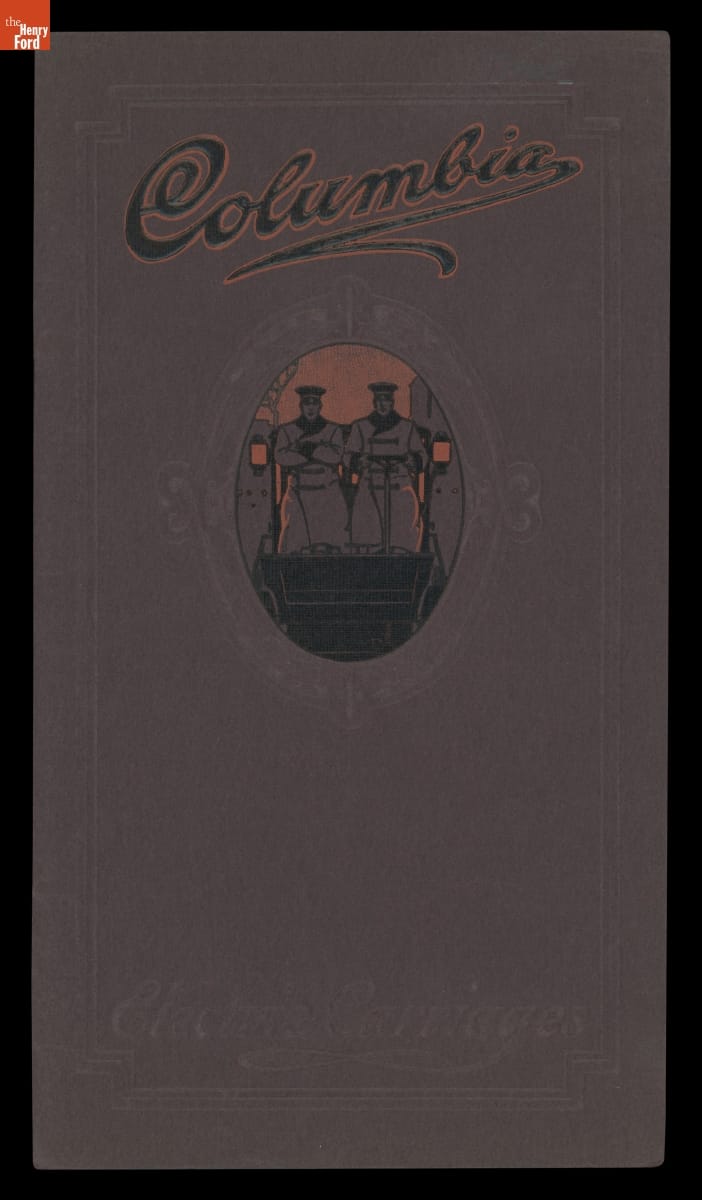
- "Columbia Electric Carriages," 1905 - Columbia, built by the Pope Manufacturing Company of Hartford, Connecticut, was America's leading bicycle brand in the late 19th century. Founder Albert A. Pope hoped to duplicate that success with automobiles. Both electric and gasoline Columbia motor vehicles were produced in a range of body styles. But high prices hampered sales, and the last Columbia cars were built in 1913.
- 1905
- Collections - Artifact
"Columbia Electric Carriages," 1905
Columbia, built by the Pope Manufacturing Company of Hartford, Connecticut, was America's leading bicycle brand in the late 19th century. Founder Albert A. Pope hoped to duplicate that success with automobiles. Both electric and gasoline Columbia motor vehicles were produced in a range of body styles. But high prices hampered sales, and the last Columbia cars were built in 1913.
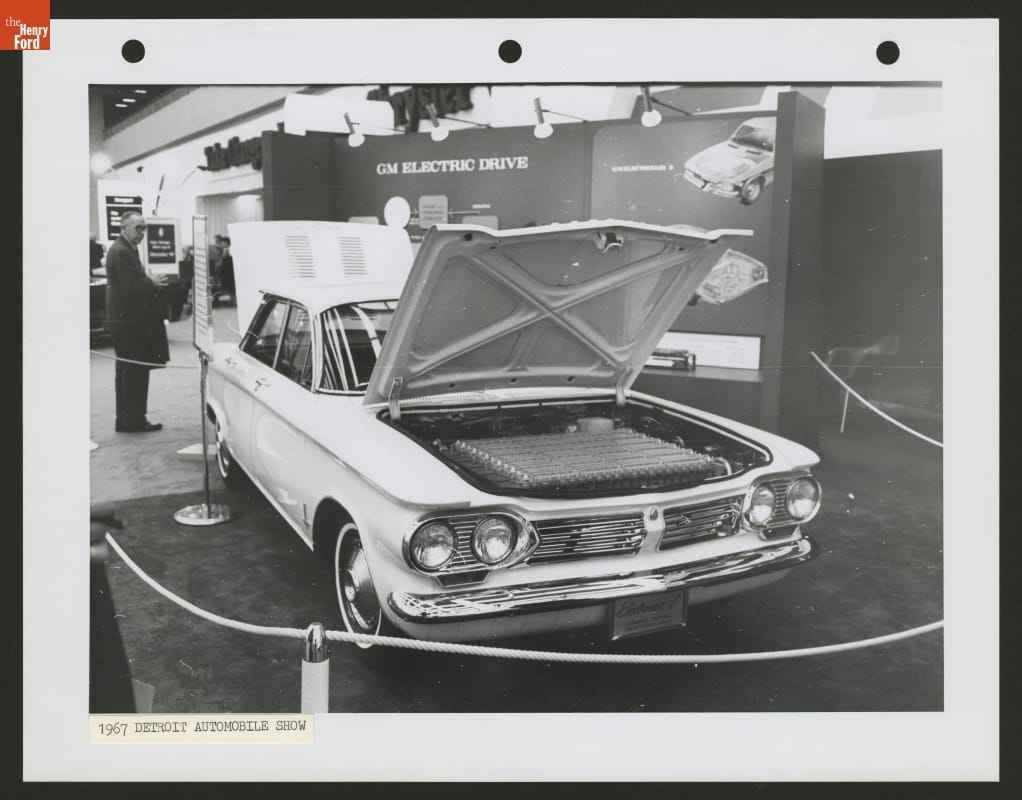
- Electric Corvair at Detroit Automobile Show, 1967 - This photograph shows a Chevrolet Corvair with something new under the hood. General Motors exhibited this experimental fuel-cell-powered vehicle at the 1967 Detroit Auto Show. Fuel cells produce electricity through a chemical reaction. They don't rely on petroleum, and water -- not toxic emissions -- is their byproduct.
- 1967
- Collections - Artifact
Electric Corvair at Detroit Automobile Show, 1967
This photograph shows a Chevrolet Corvair with something new under the hood. General Motors exhibited this experimental fuel-cell-powered vehicle at the 1967 Detroit Auto Show. Fuel cells produce electricity through a chemical reaction. They don't rely on petroleum, and water -- not toxic emissions -- is their byproduct.
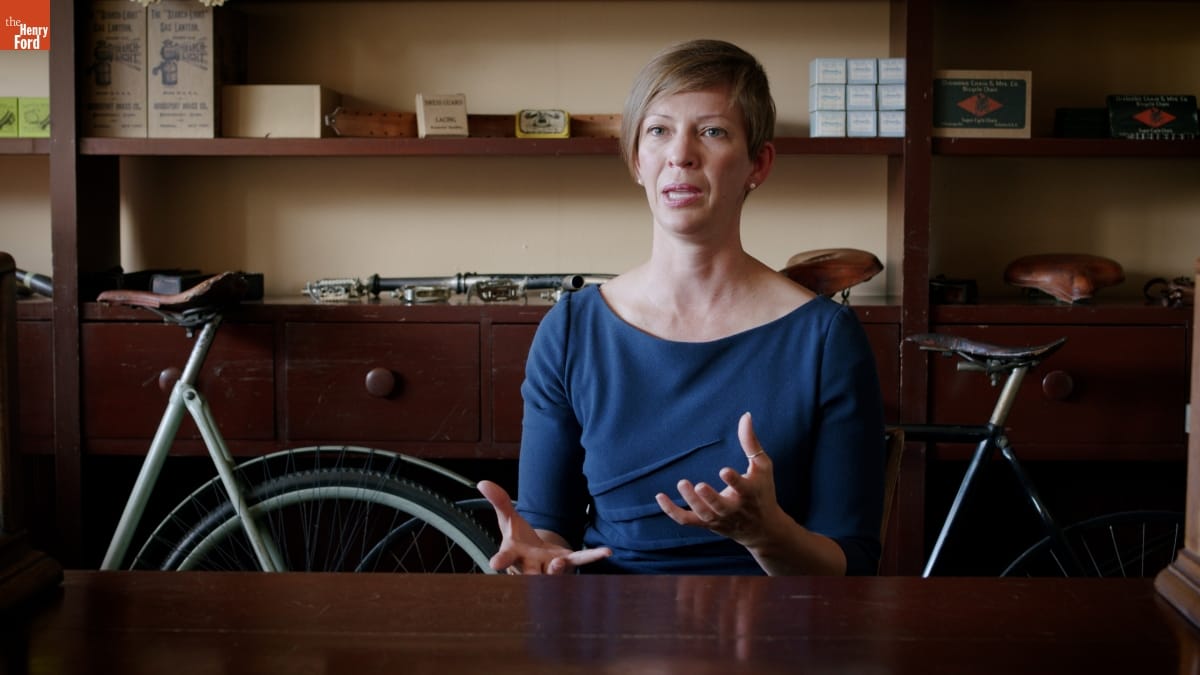
- "Residency during COVID-19," Clip for Interview with Jessica Robinson, August 28, 2020 - Jessica Robinson, co-founder of Detroit Mobility Lab, Michigan Mobility Institute, and Assembly Ventures, was the Spring 2020 Entrepreneur-in-Residence at The Henry Ford, funded by the William Davidson Foundation Initiative for Entrepreneurship. During her interview, Robinson describes how her organizations -- and her residency projects -- encourage technological education in the midst of dramatic new transportation technologies.
- August 28, 2020
- Collections - Artifact
"Residency during COVID-19," Clip for Interview with Jessica Robinson, August 28, 2020
Jessica Robinson, co-founder of Detroit Mobility Lab, Michigan Mobility Institute, and Assembly Ventures, was the Spring 2020 Entrepreneur-in-Residence at The Henry Ford, funded by the William Davidson Foundation Initiative for Entrepreneurship. During her interview, Robinson describes how her organizations -- and her residency projects -- encourage technological education in the midst of dramatic new transportation technologies.
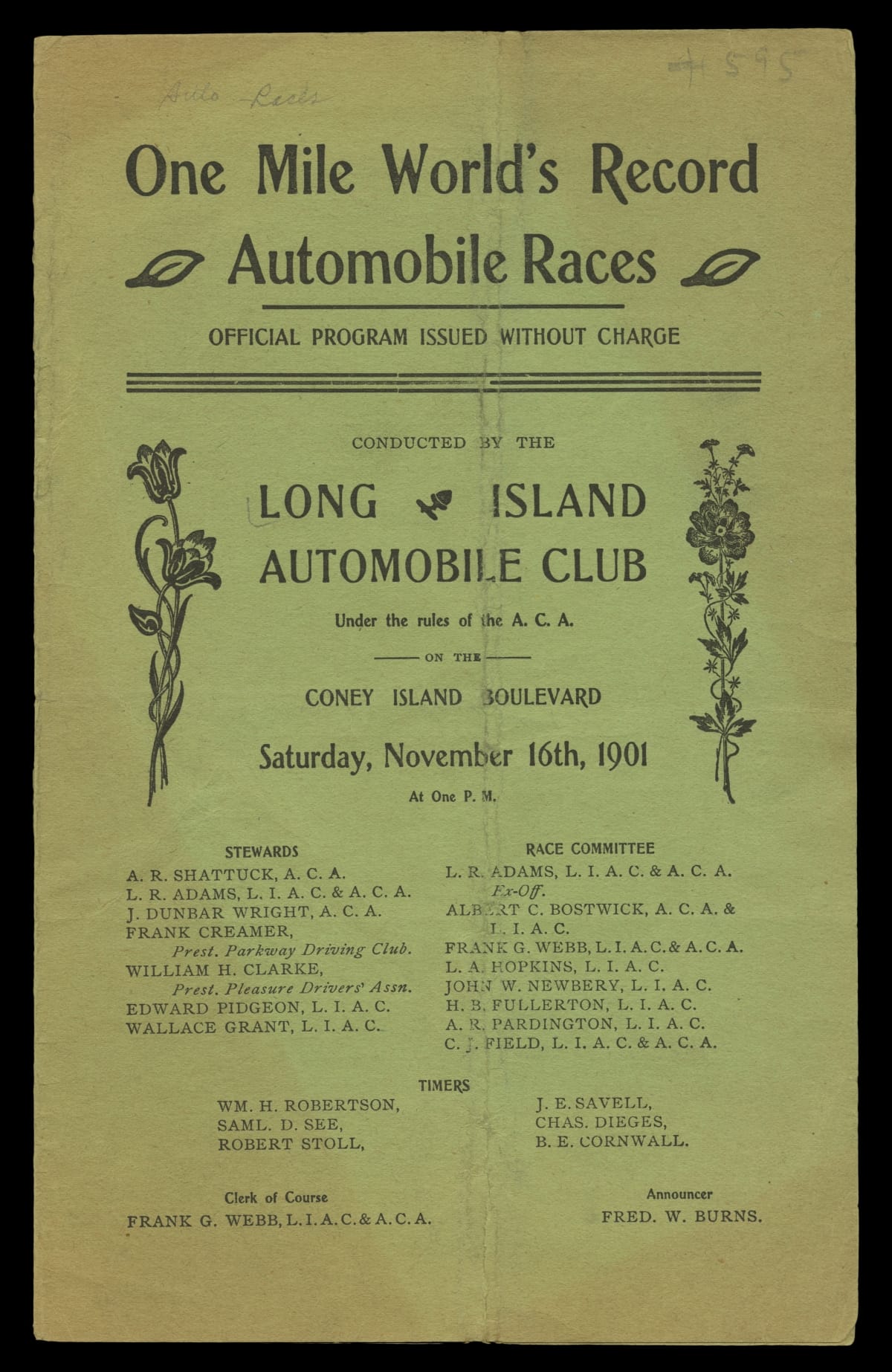
- Program for "One Mile World's Record Automobile Races," Brooklyn, New York, November 16, 1901 - Andrew Riker made headlines in November 1901 when his battery-powered "Torpedo" racer hit 57.1 miles per hour in a race at Coney Island, New York. It was a world speed record for electric automobiles. Despite his success, Riker soon determined that the automobile's future lay with a different fuel. In 1902, he joined Locomobile and started designing gasoline-powered cars.
- November 16, 1901
- Collections - Artifact
Program for "One Mile World's Record Automobile Races," Brooklyn, New York, November 16, 1901
Andrew Riker made headlines in November 1901 when his battery-powered "Torpedo" racer hit 57.1 miles per hour in a race at Coney Island, New York. It was a world speed record for electric automobiles. Despite his success, Riker soon determined that the automobile's future lay with a different fuel. In 1902, he joined Locomobile and started designing gasoline-powered cars.
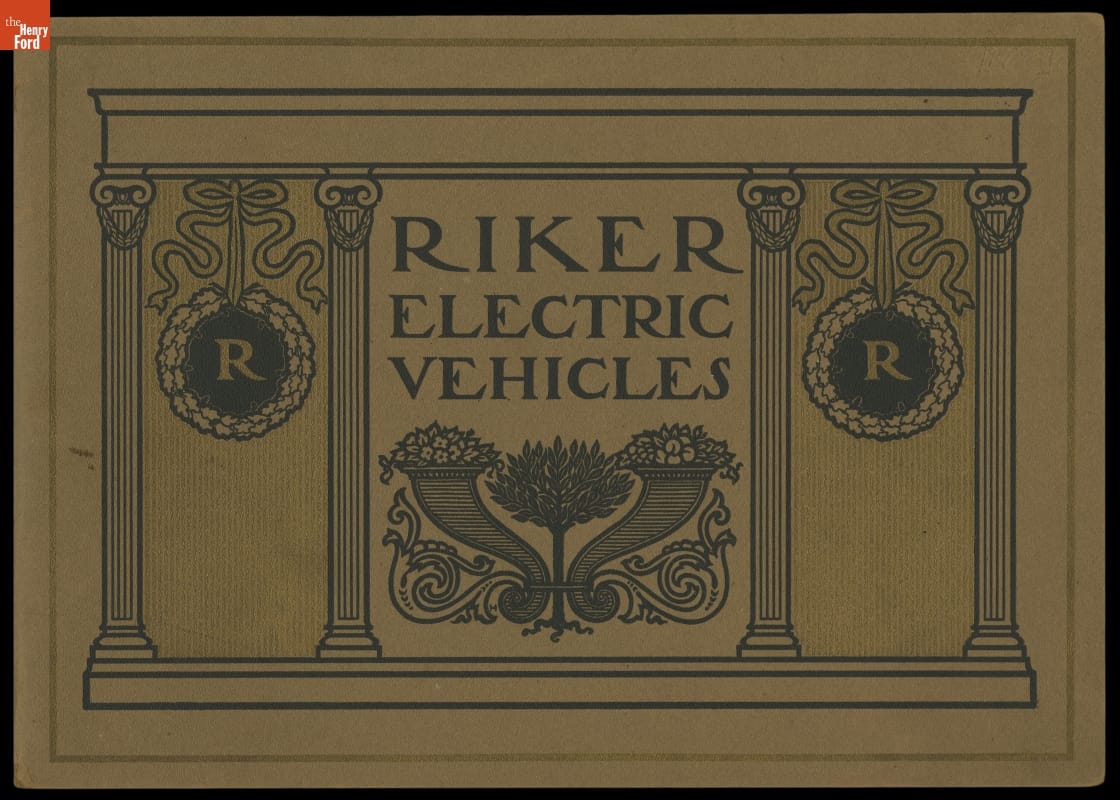
- Riker Electric Vehicles Sales Catalog, 1900 - The Riker Electric Vehicle Company, formed by inventor Andrew Riker, became known for producing electric touring cars and commercial trucks. This catalog from 1900 shows the company's line of electric vehicles. Riker later developed internal-combustion engines for the Locomobile Company of America.
- 1900
- Collections - Artifact
Riker Electric Vehicles Sales Catalog, 1900
The Riker Electric Vehicle Company, formed by inventor Andrew Riker, became known for producing electric touring cars and commercial trucks. This catalog from 1900 shows the company's line of electric vehicles. Riker later developed internal-combustion engines for the Locomobile Company of America.