
Search
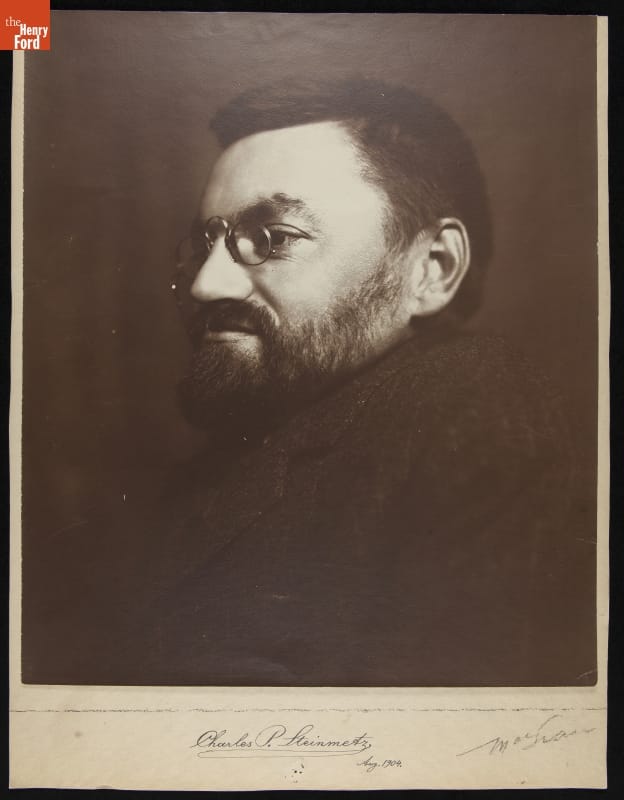
- Charles Steinmetz, August 1904 - Charles Steinmetz excelled at applying mathematical theory and scientific methods to practical engineering, helping define the role of "scientist-engineer" in the American electrical industry. Steinmetz developed important theories on alternating currents, conducted breakthrough experiments on power loss, and authored a number of influential textbooks. His innovations shaped the electrical engineering profession and improved and expanded electrical distribution systems.
- August 01, 1904
- Collections - Artifact
Charles Steinmetz, August 1904
Charles Steinmetz excelled at applying mathematical theory and scientific methods to practical engineering, helping define the role of "scientist-engineer" in the American electrical industry. Steinmetz developed important theories on alternating currents, conducted breakthrough experiments on power loss, and authored a number of influential textbooks. His innovations shaped the electrical engineering profession and improved and expanded electrical distribution systems.
- Insulated Line Pulley, 1880-1920 -
- 1880-1920
- Collections - Artifact
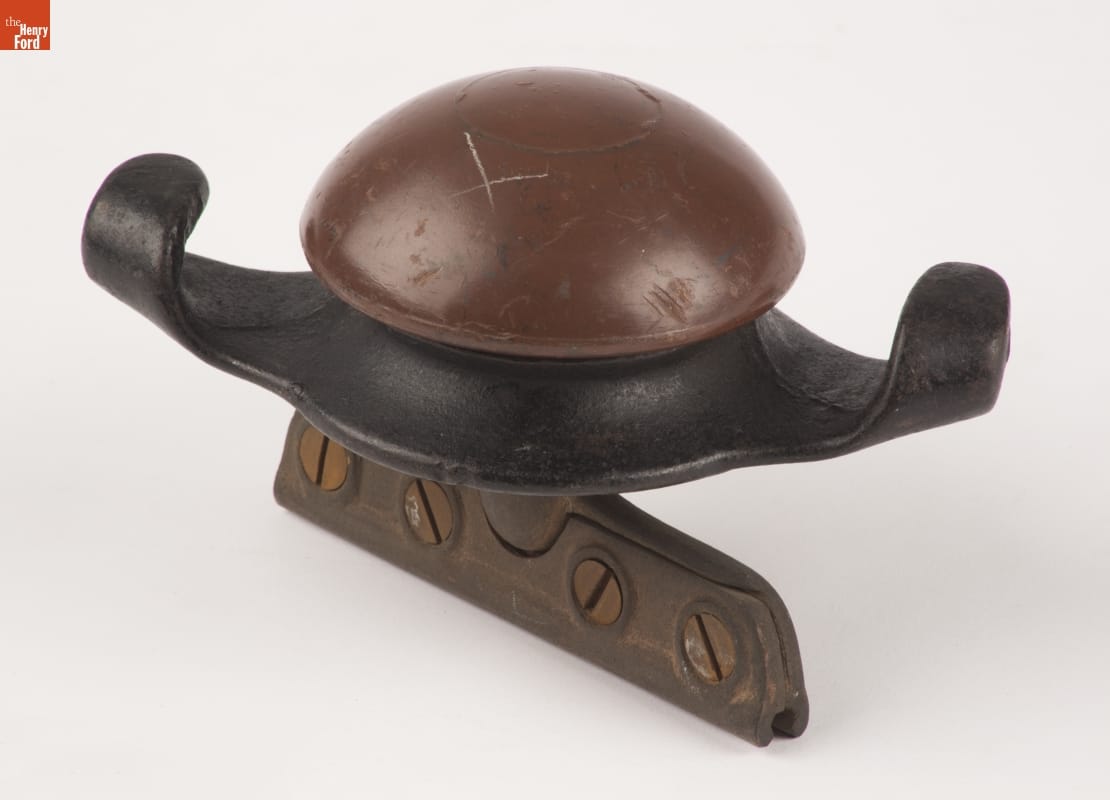
Insulated Line Pulley, 1880-1920
- "Grunow Recipes by Dorothy Ayers Loudon," circa 1934 -
- circa 1934
- Collections - Artifact
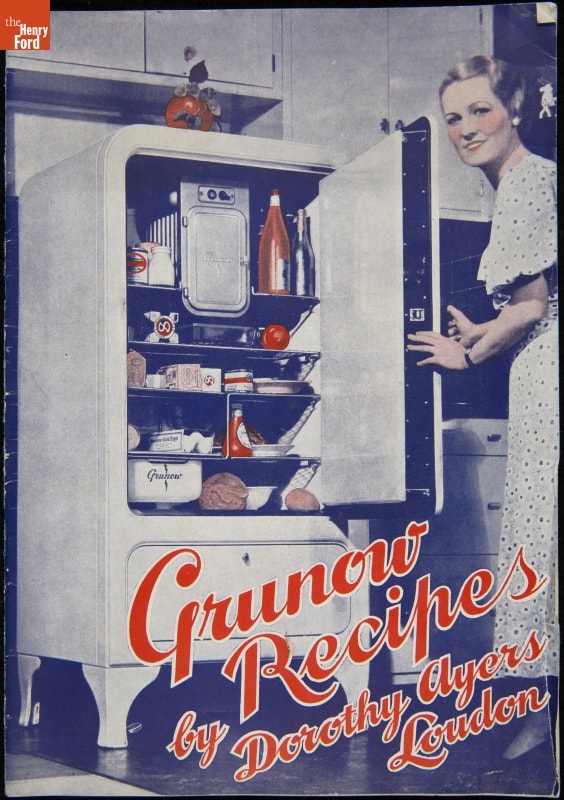
"Grunow Recipes by Dorothy Ayers Loudon," circa 1934
- "Making the Most of Your Electrolux with Practical Recipes," 1932 -
- 1932
- Collections - Artifact
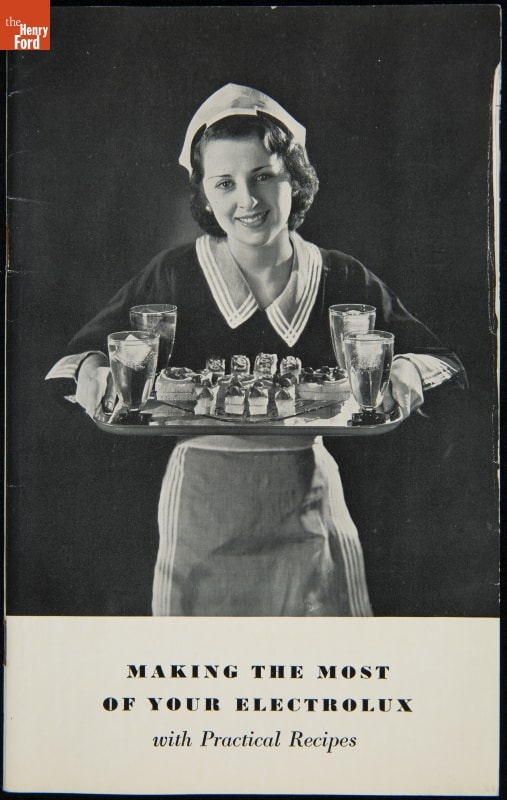
"Making the Most of Your Electrolux with Practical Recipes," 1932
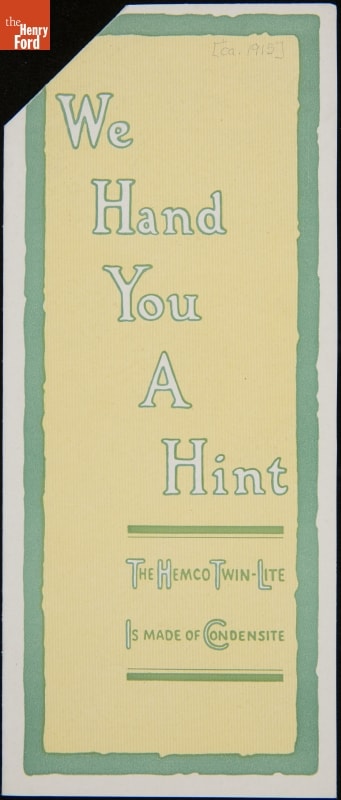
- We Hand You a Hint: The Hemco Twin-Lite is Made of Condensite, circa 1915 - Chemically synthetic plastics were developed in the early 1900s to replace shellac and hard rubber -- naturally derived substances increasingly in demand for various industrial applications. The Condensite Company of America formed in 1910 to sell a new material first developed at Thomas Edison's West Orange laboratory for phonograph records. Durable and nonconductive, Condensite was well suited for electrical products.
- circa 1915
- Collections - Artifact
We Hand You a Hint: The Hemco Twin-Lite is Made of Condensite, circa 1915
Chemically synthetic plastics were developed in the early 1900s to replace shellac and hard rubber -- naturally derived substances increasingly in demand for various industrial applications. The Condensite Company of America formed in 1910 to sell a new material first developed at Thomas Edison's West Orange laboratory for phonograph records. Durable and nonconductive, Condensite was well suited for electrical products.
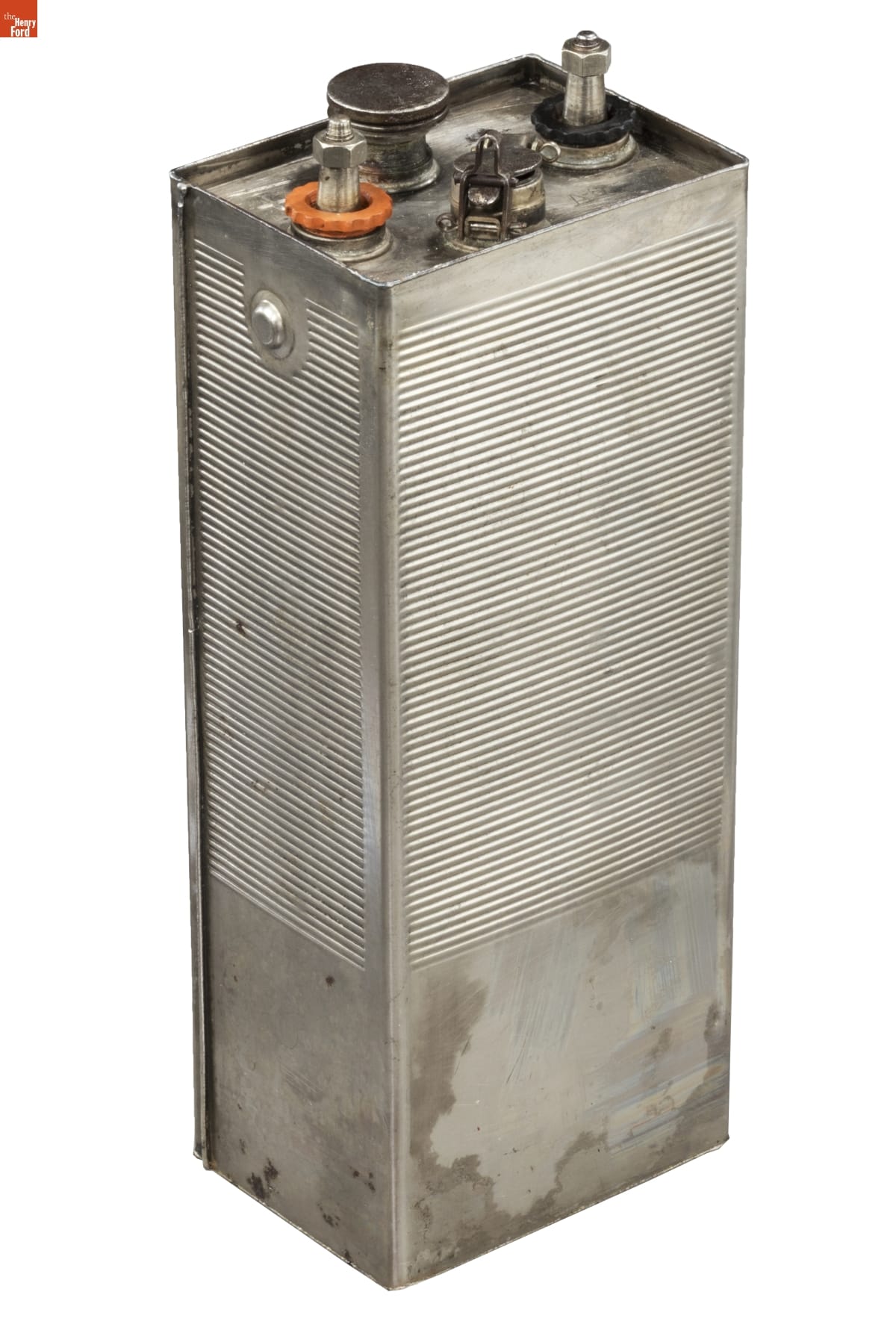
- Edison Type A-6 Storage Battery, 1908-1928 -
- 1908-1928
- Collections - Artifact
Edison Type A-6 Storage Battery, 1908-1928
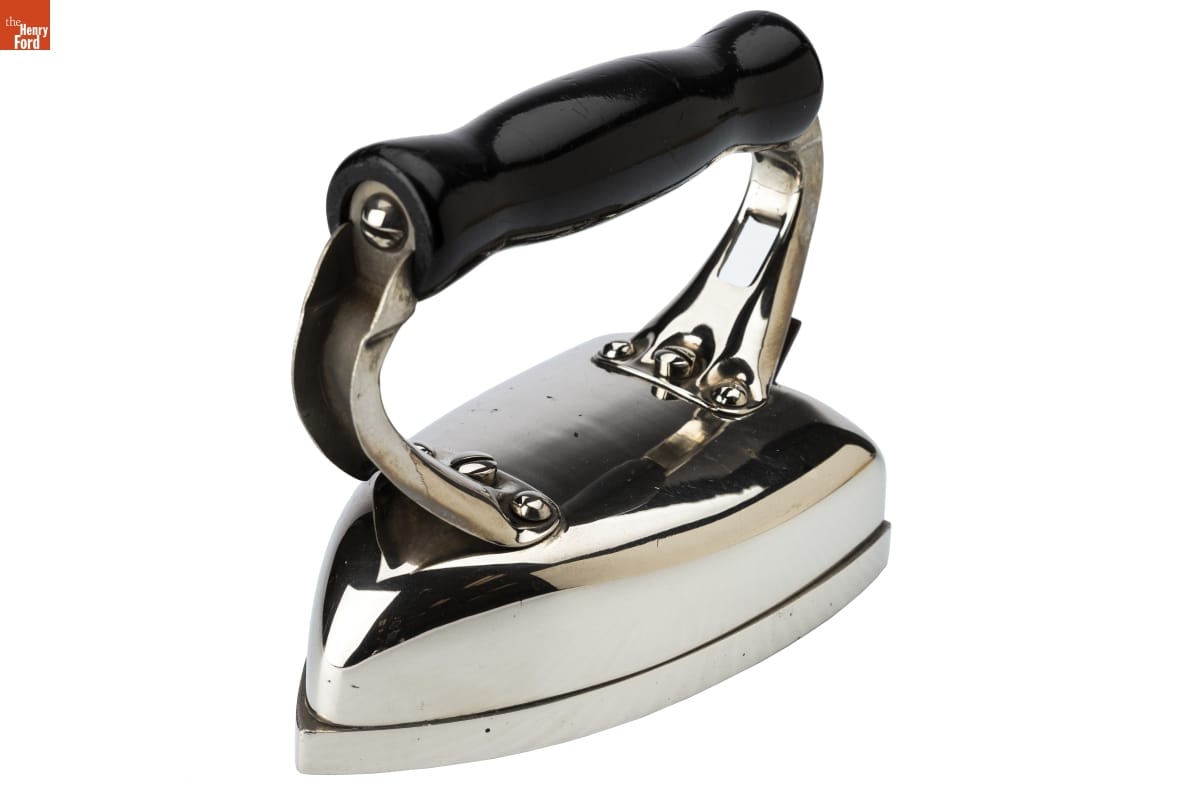
- Westinghouse Electric Iron, 1908-1918 -
- 1908-1918
- Collections - Artifact
Westinghouse Electric Iron, 1908-1918
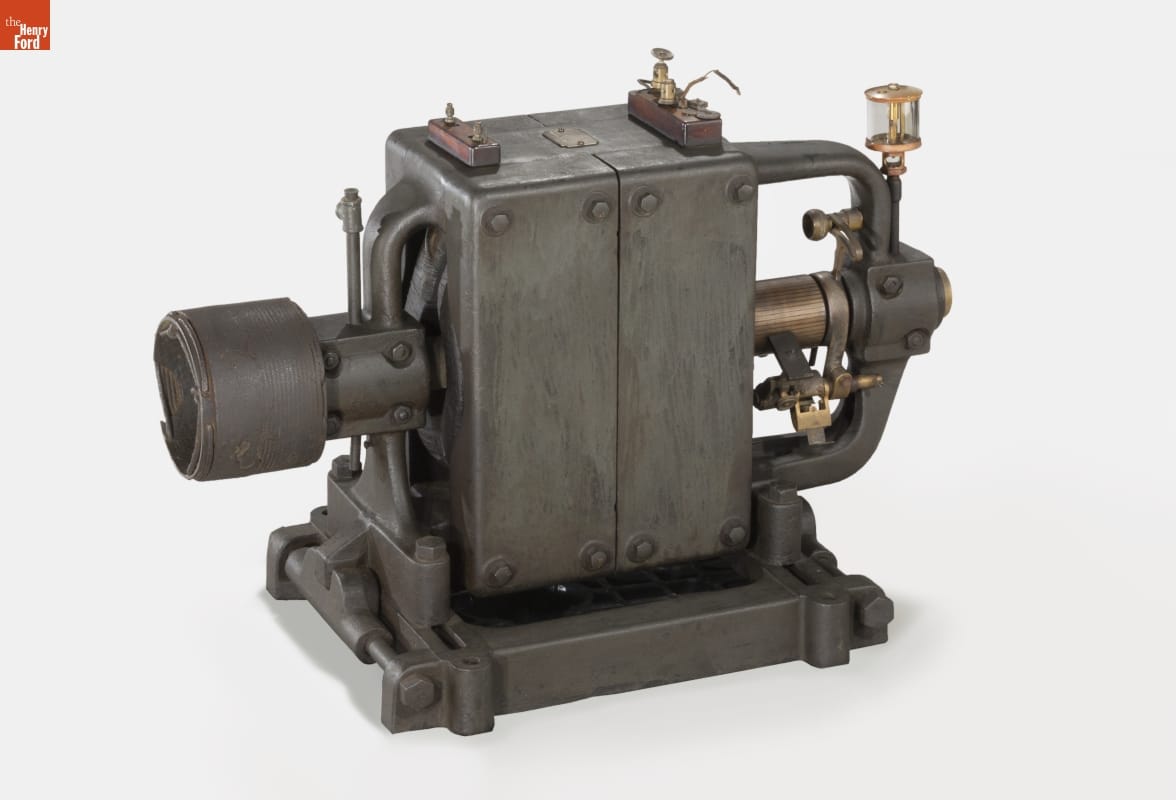
- Eickemeyer Dynamo, Used by the Haxton Canning Company, 1889 - Rudolf Eickemeyer developed his "ironclad" dynamo in the 1880s. The unique method of construction--its heavy iron field coil construction and iron sheathing--gave the dynamo its nickname. It was compact, rugged and efficient, though the ironclad design made it difficult to cool. This dynamo supplied power for the lighting system and small motors at the Haxton Canning Company in Oakfield, New York, for 15 years.
- 1889
- Collections - Artifact
Eickemeyer Dynamo, Used by the Haxton Canning Company, 1889
Rudolf Eickemeyer developed his "ironclad" dynamo in the 1880s. The unique method of construction--its heavy iron field coil construction and iron sheathing--gave the dynamo its nickname. It was compact, rugged and efficient, though the ironclad design made it difficult to cool. This dynamo supplied power for the lighting system and small motors at the Haxton Canning Company in Oakfield, New York, for 15 years.
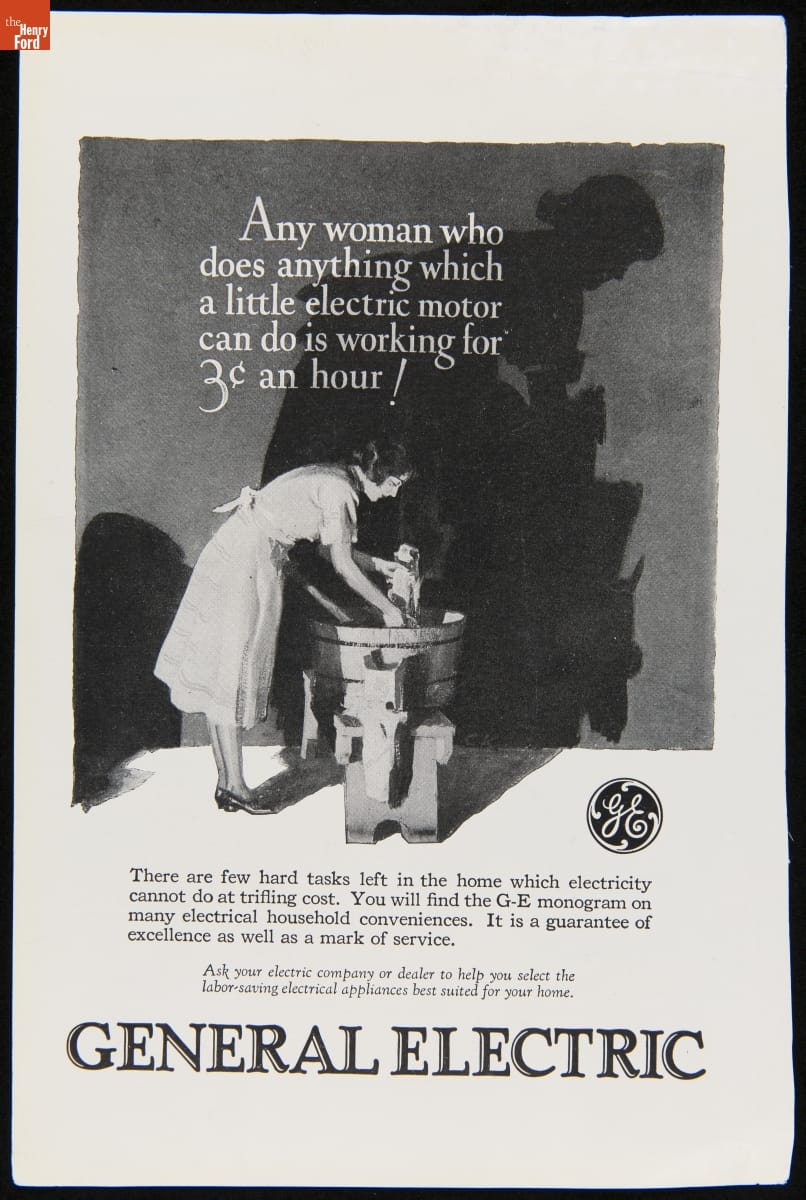
- General Electric Household Appliances Advertisement, circa 1926 -
- September 01, 1926
- Collections - Artifact
General Electric Household Appliances Advertisement, circa 1926
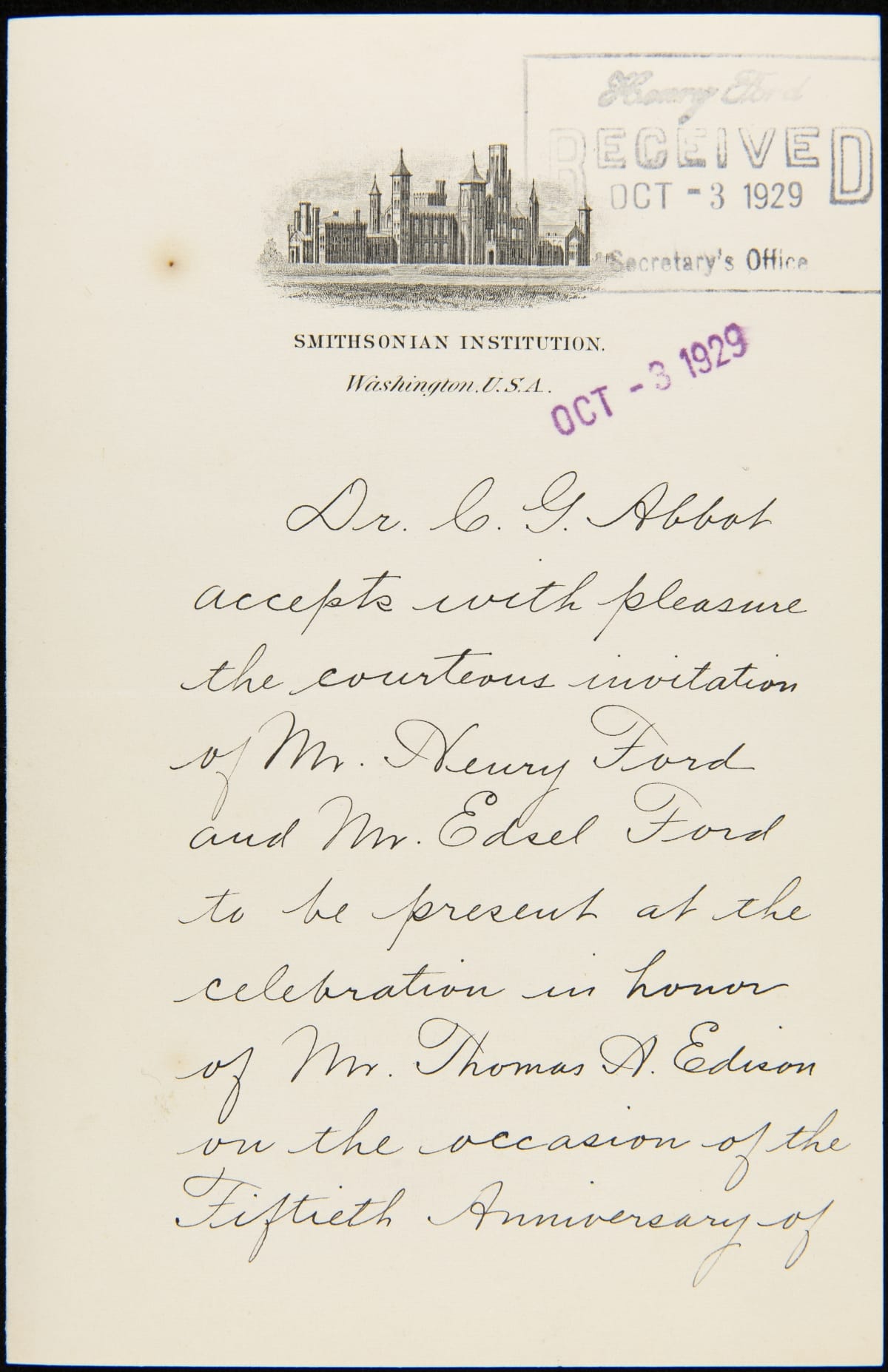
- Letter from Charles Greely (C.G.) Abbot to Henry Ford and Edsel Ford regarding Invitation to Light's Golden Jubilee, October 1, 1929 - On October 21, 1929, Henry Ford hosted an event, Light's Golden Jubilee, which celebrated the 50th anniversary of Thomas Edison's invention of the incandescent lamp. The event also served as the official dedication of The Edison Institute, Ford's museum complex named in honor of his friend. Among the invited guests was Secretary of the Smithsonian Dr. C.G. Abbott, who accepted the Ford's courteous invitation.
- October 21, 1929
- Collections - Artifact
Letter from Charles Greely (C.G.) Abbot to Henry Ford and Edsel Ford regarding Invitation to Light's Golden Jubilee, October 1, 1929
On October 21, 1929, Henry Ford hosted an event, Light's Golden Jubilee, which celebrated the 50th anniversary of Thomas Edison's invention of the incandescent lamp. The event also served as the official dedication of The Edison Institute, Ford's museum complex named in honor of his friend. Among the invited guests was Secretary of the Smithsonian Dr. C.G. Abbott, who accepted the Ford's courteous invitation.