
Search
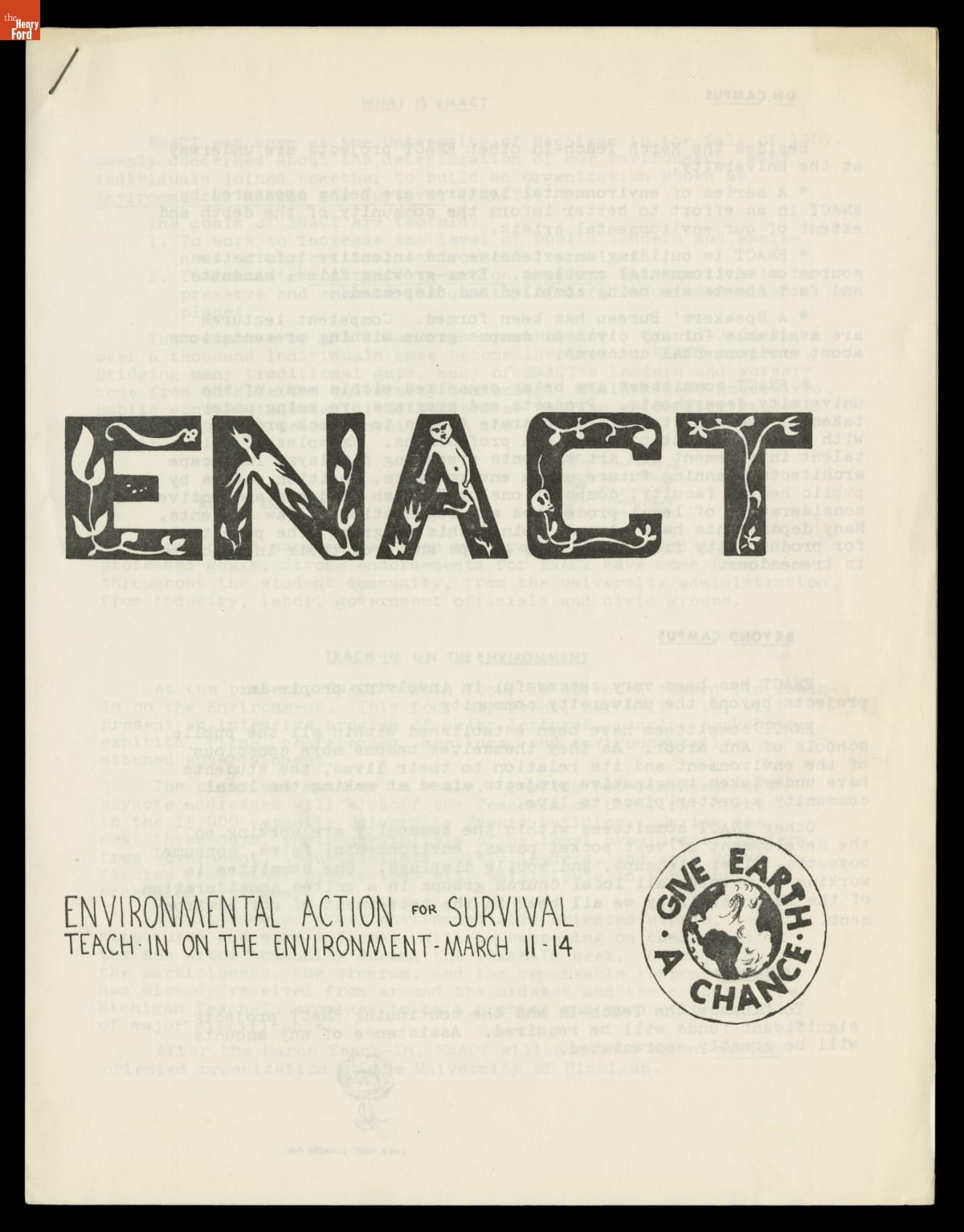
- ENACT Environmental Action for Survival Teach-In on the Environment, March 11-14, 1970 - University of Michigan students formed Environmental Action for Survival (ENACT) in 1969. They promoted their 4-day "Teach-in on the Environment," on March 11-14, 1970, as a prototype for the national environmental teach-in planned for April 22, 1970, later known as Earth Day. The leaflet called for community and youth engagement and information sharing "to preserve and enhance the quality of life on our despoiled planet."
- March 01, 1970
- Collections - Artifact
ENACT Environmental Action for Survival Teach-In on the Environment, March 11-14, 1970
University of Michigan students formed Environmental Action for Survival (ENACT) in 1969. They promoted their 4-day "Teach-in on the Environment," on March 11-14, 1970, as a prototype for the national environmental teach-in planned for April 22, 1970, later known as Earth Day. The leaflet called for community and youth engagement and information sharing "to preserve and enhance the quality of life on our despoiled planet."
- Impossible Beef Packaging, 2024 -
- 2024
- Collections - Artifact
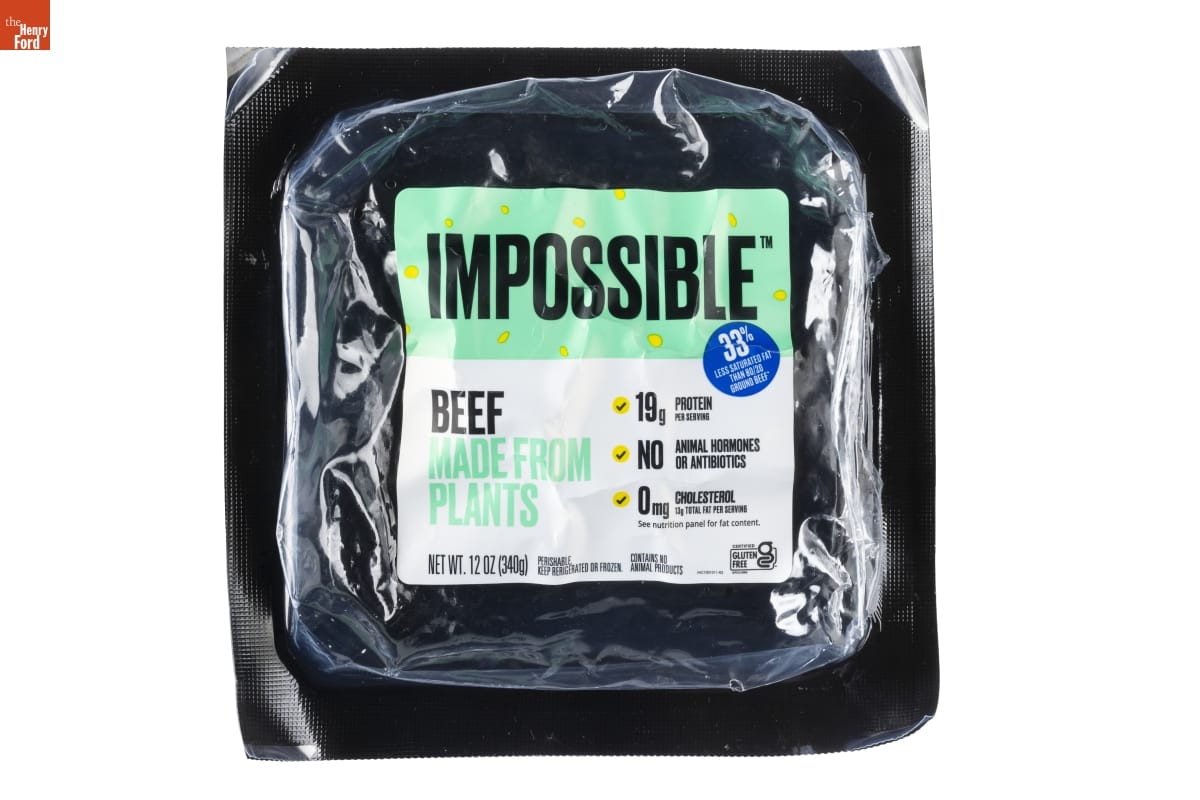
Impossible Beef Packaging, 2024
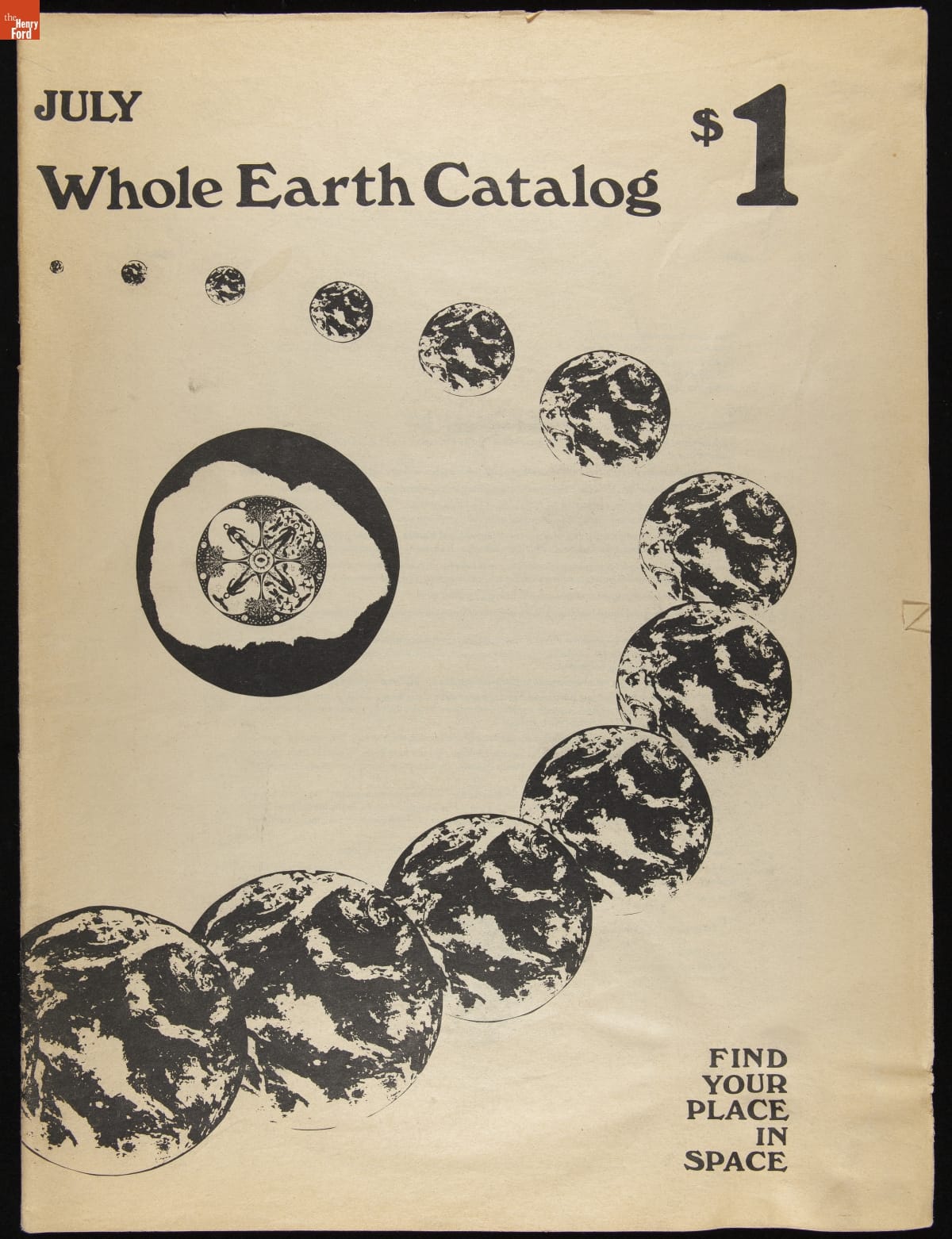
- Whole Earth Catalog: Find Your Place in Space, July 1970 - Biologist Steward Brand founded the Whole Earth Catalog in 1968, to connect counterculture and back-to-the-land communities with innovators in the fields of technology, design, and architecture. The cover of each edition, like this from July 1970, featured images of earth taken from outer space. Brand believed showing this would change people's perceptions of their responsibility for the globe.
- July 01, 1970
- Collections - Artifact
Whole Earth Catalog: Find Your Place in Space, July 1970
Biologist Steward Brand founded the Whole Earth Catalog in 1968, to connect counterculture and back-to-the-land communities with innovators in the fields of technology, design, and architecture. The cover of each edition, like this from July 1970, featured images of earth taken from outer space. Brand believed showing this would change people's perceptions of their responsibility for the globe.
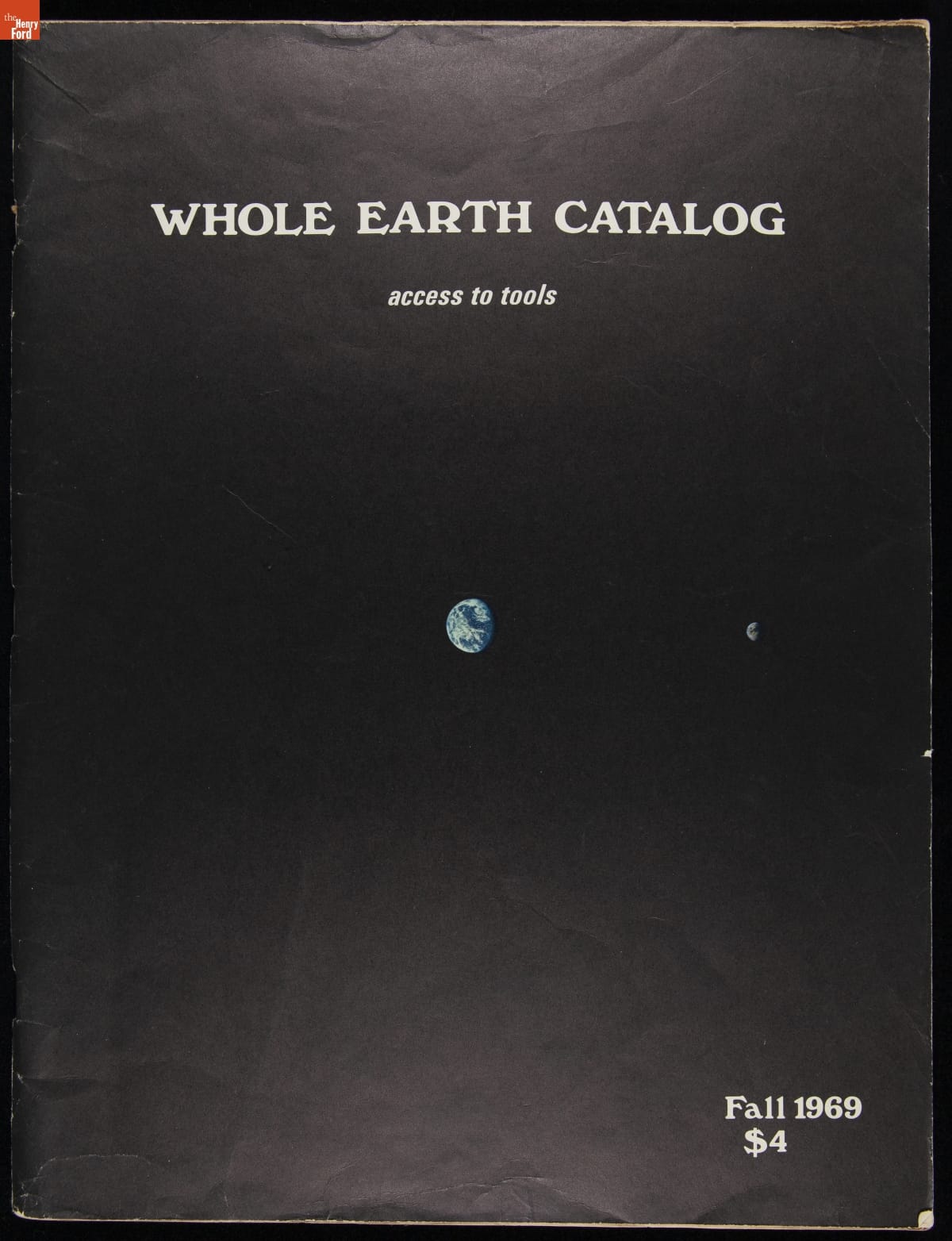
- Whole Earth Catalog: Access to Tools, Fall 1969 - Biologist Steward Brand founded the Whole Earth Catalog in 1968, to connect counterculture and back-to-the-land communities with innovators in the fields of technology, design, and architecture. The cover of each edition, like this from Fall 1969, featured images of earth taken from outer space. Brand believed showing this would change people's perceptions of their responsibility for the globe.
- 1969
- Collections - Artifact
Whole Earth Catalog: Access to Tools, Fall 1969
Biologist Steward Brand founded the Whole Earth Catalog in 1968, to connect counterculture and back-to-the-land communities with innovators in the fields of technology, design, and architecture. The cover of each edition, like this from Fall 1969, featured images of earth taken from outer space. Brand believed showing this would change people's perceptions of their responsibility for the globe.
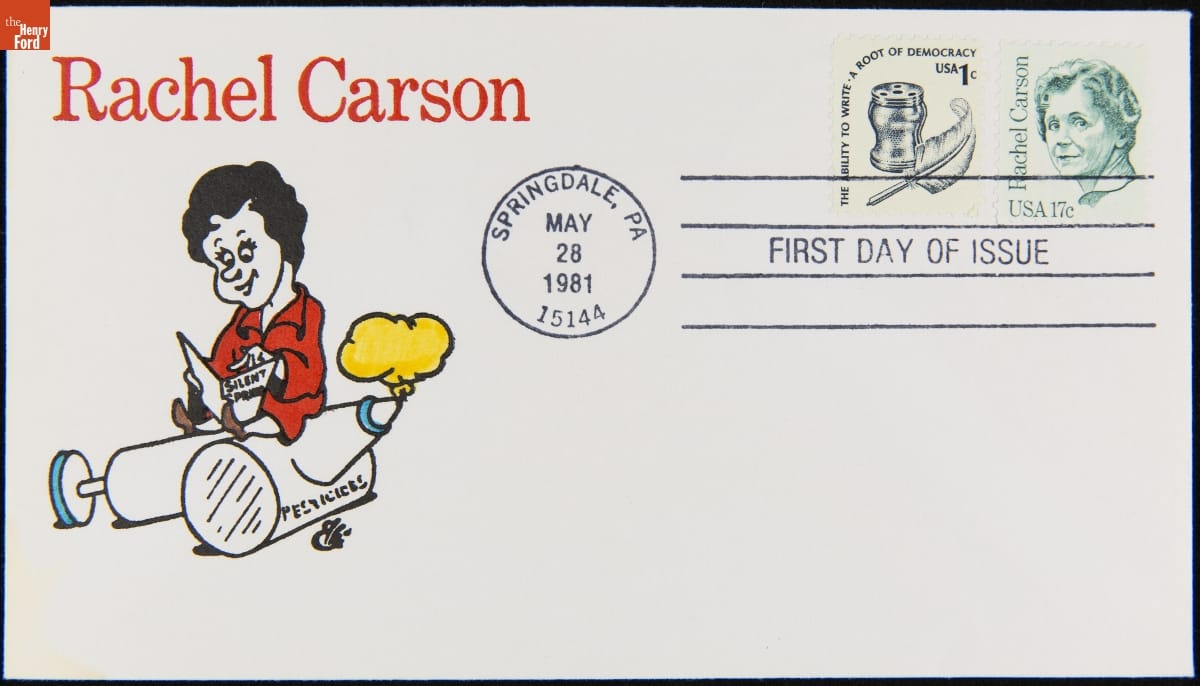
- First Day Cover Honoring Rachel Carson, May 28, 1981 - Marine biologist Rachel Carson helped spark the environmental movements of the 1960s with her book <EM>Silent Spring</EM>. It described how widespread pesticide use, in particular DDT, was harming and killing birds and other animals as well as threatening the health of humans. Her book helped the general population understand the interconnected nature of ecosystems and how localized polluting affects larger natural systems.
- May 28, 1981
- Collections - Artifact
First Day Cover Honoring Rachel Carson, May 28, 1981
Marine biologist Rachel Carson helped spark the environmental movements of the 1960s with her book Silent Spring. It described how widespread pesticide use, in particular DDT, was harming and killing birds and other animals as well as threatening the health of humans. Her book helped the general population understand the interconnected nature of ecosystems and how localized polluting affects larger natural systems.
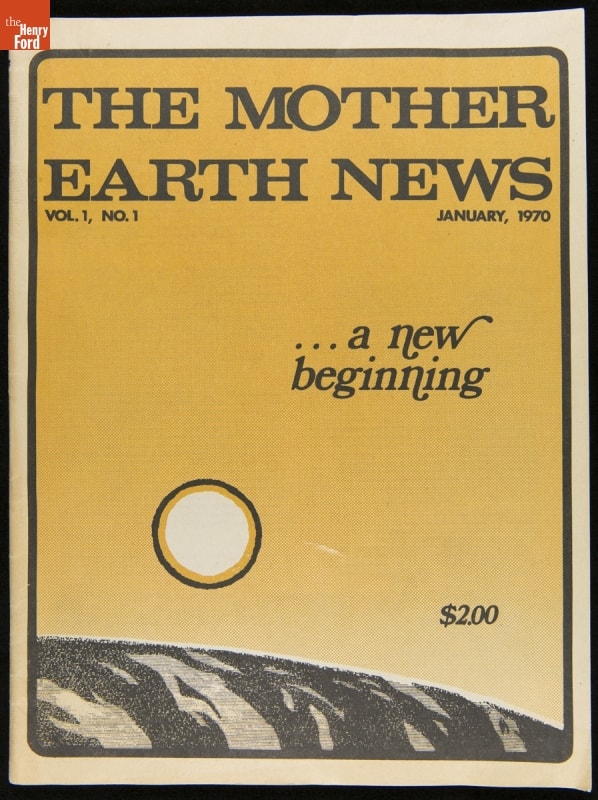
- "The Mother Earth News," January 1970 - <em>The Mother Earth News</em> appealed to young, "hip" readers who invested in back-to-the-land philosophies and do-it-yourself approaches. Launched in January 1970, it remains in publication as the longest-running magazine devoted to readers who want to live in a more sustainable way.
- January 01, 1970
- Collections - Artifact
"The Mother Earth News," January 1970
The Mother Earth News appealed to young, "hip" readers who invested in back-to-the-land philosophies and do-it-yourself approaches. Launched in January 1970, it remains in publication as the longest-running magazine devoted to readers who want to live in a more sustainable way.
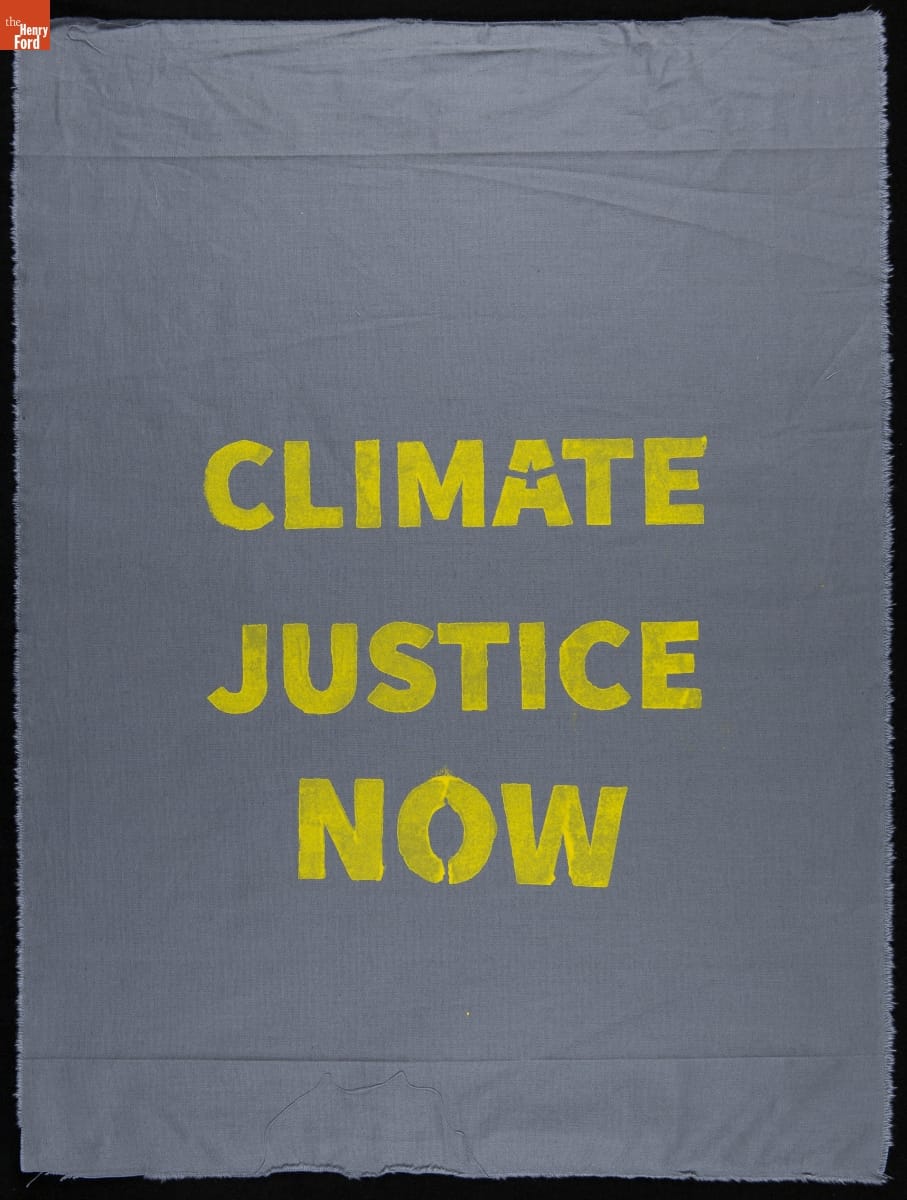
- Poster for the Detroit Climate Strike, "Climate Justice Now," September 20, 2019 - In 2019, people around the world participated in the Global Climate Strike. Artist Ellen Rutt used recycled materials to create posters for the Detroit event. These posters call attention to the world's dependence on fossil fuels and the urgent threat of climate change. They also advocate for a Green New Deal -- policy that addresses climate change while providing economic and social opportunity.
- September 20, 2019
- Collections - Artifact
Poster for the Detroit Climate Strike, "Climate Justice Now," September 20, 2019
In 2019, people around the world participated in the Global Climate Strike. Artist Ellen Rutt used recycled materials to create posters for the Detroit event. These posters call attention to the world's dependence on fossil fuels and the urgent threat of climate change. They also advocate for a Green New Deal -- policy that addresses climate change while providing economic and social opportunity.
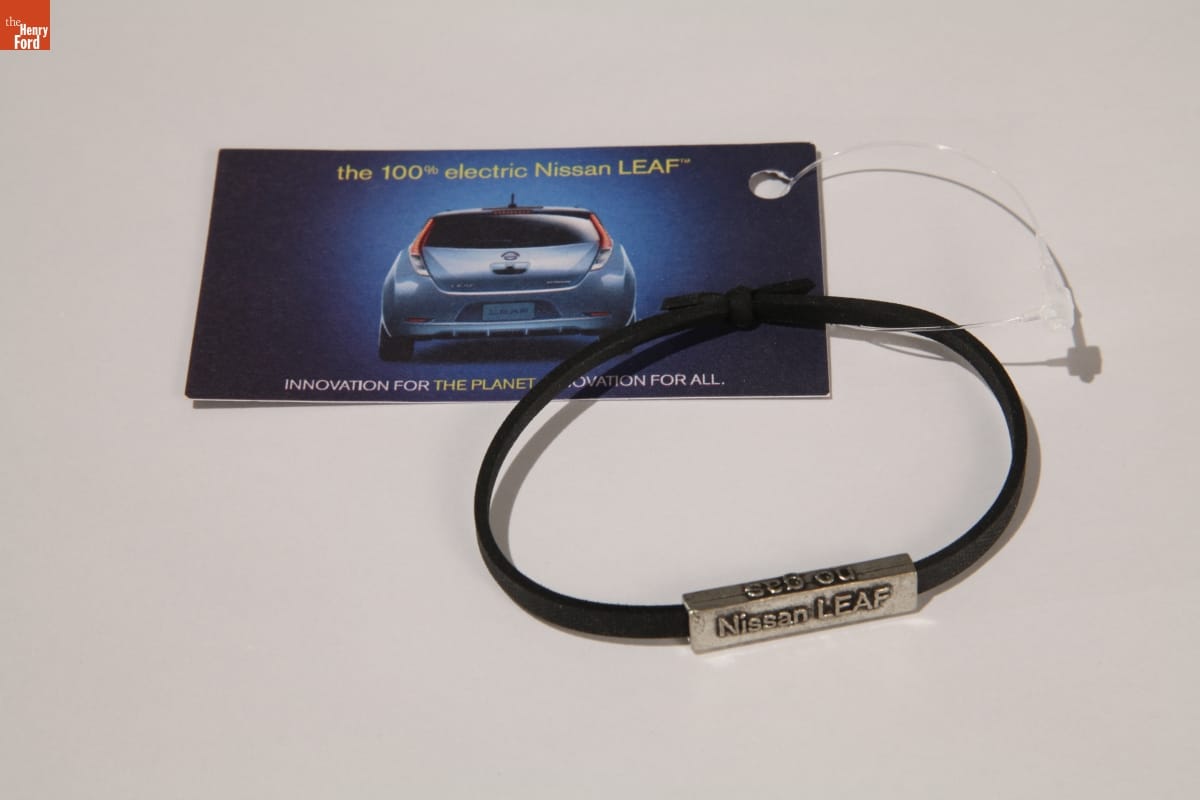
- Nissan Leaf Bracelet, 2011 - Promotional giveaways can make advertising messages more personal than billboards or magazine ads. As environmentalism continued to motivate people to reduce, reuse, and recycle, producers responded by recycling materials into branded giveaways. Nissan handed out bracelets made from recycled materials to supporters of zero-emission vehicles like the electric Nissan Leaf.
- 2011
- Collections - Artifact
Nissan Leaf Bracelet, 2011
Promotional giveaways can make advertising messages more personal than billboards or magazine ads. As environmentalism continued to motivate people to reduce, reuse, and recycle, producers responded by recycling materials into branded giveaways. Nissan handed out bracelets made from recycled materials to supporters of zero-emission vehicles like the electric Nissan Leaf.
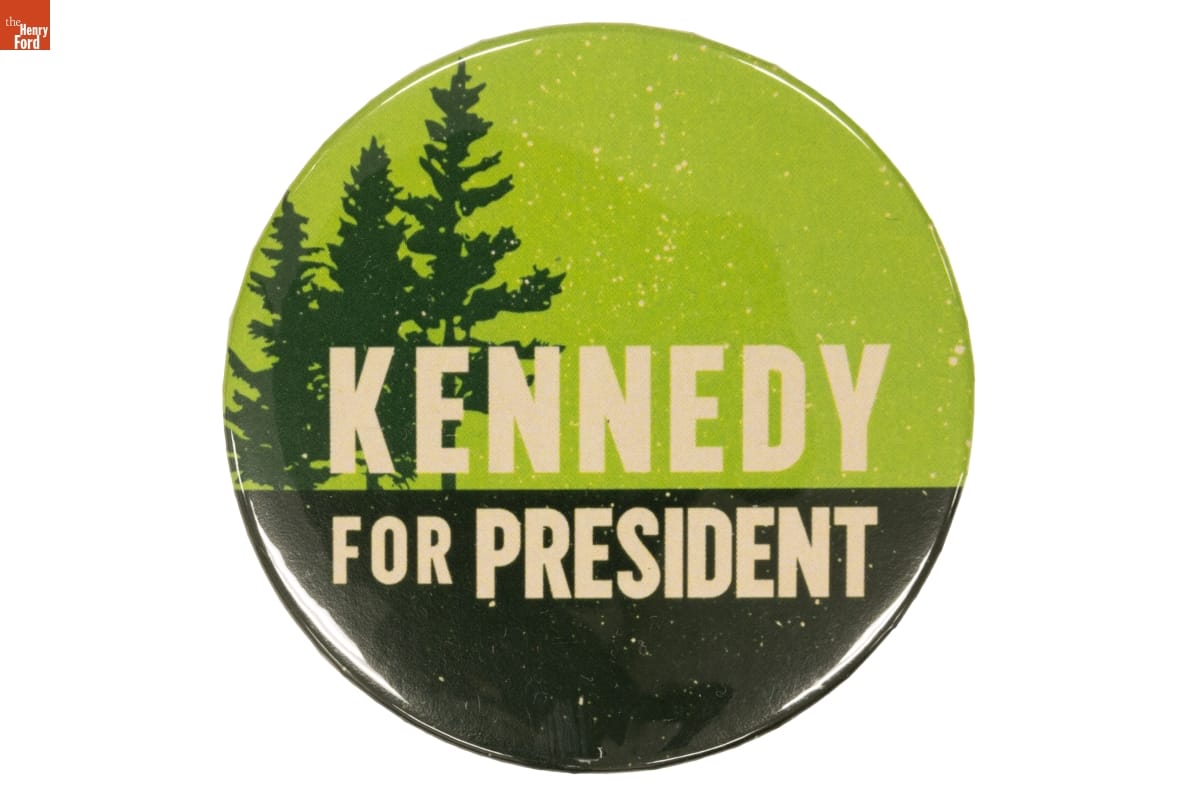
- "Kennedy for President" Button, 2024 - Robert F. Kennedy Jr., a member of the political Kennedy family (son of Robert Kennedy Sr.), announced his run for president in April 2023. Kennedy, an environmental lawyer and a vaccine skeptic, ran first as a Democrat, then as an Independent before suspending his campaign in August 2024. He threw his support behind the eventual winner, Republican Donald Trump.
- 2024
- Collections - Artifact
"Kennedy for President" Button, 2024
Robert F. Kennedy Jr., a member of the political Kennedy family (son of Robert Kennedy Sr.), announced his run for president in April 2023. Kennedy, an environmental lawyer and a vaccine skeptic, ran first as a Democrat, then as an Independent before suspending his campaign in August 2024. He threw his support behind the eventual winner, Republican Donald Trump.
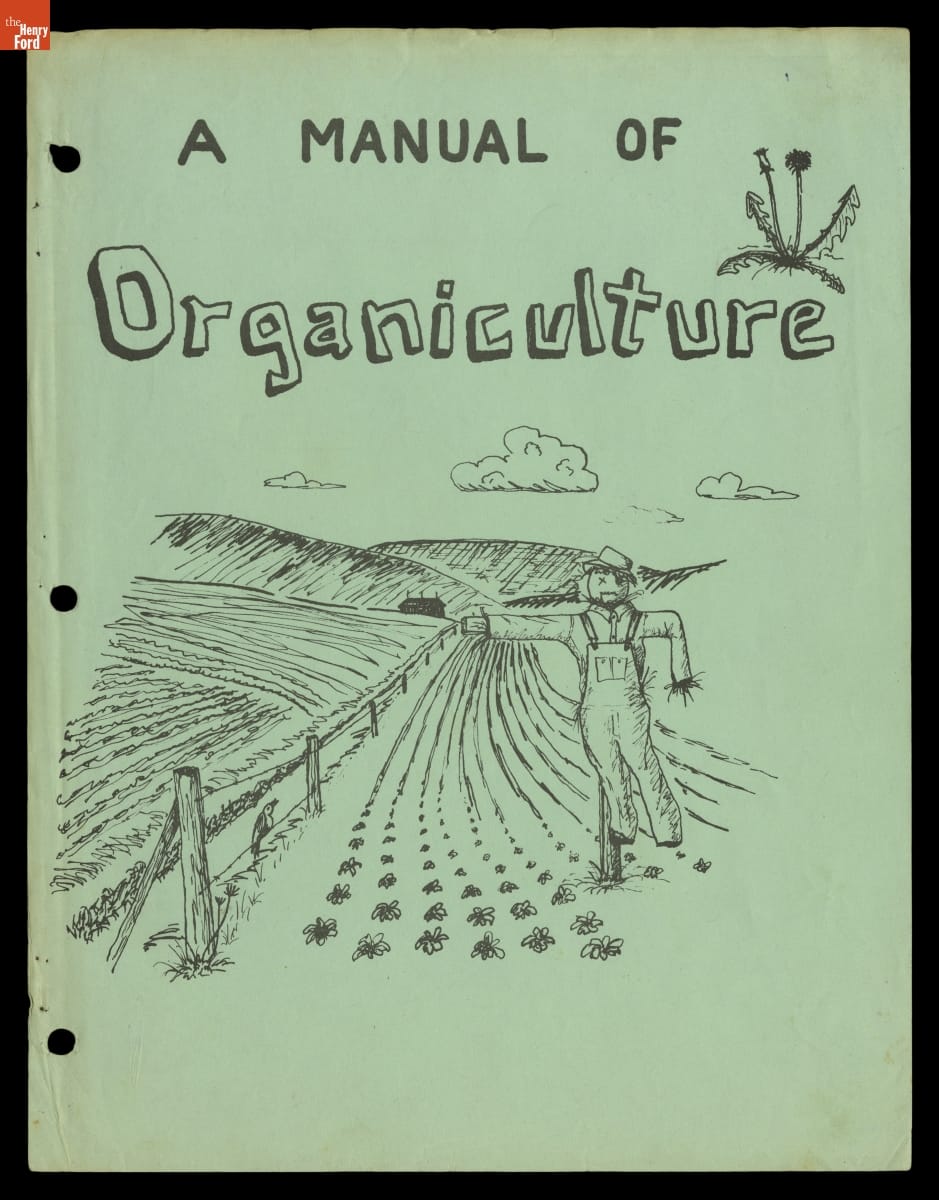
- "A Manual on Organiculture, Organic Gardening and Farming" -
- circa 1975
- Collections - Artifact
"A Manual on Organiculture, Organic Gardening and Farming"