
Search
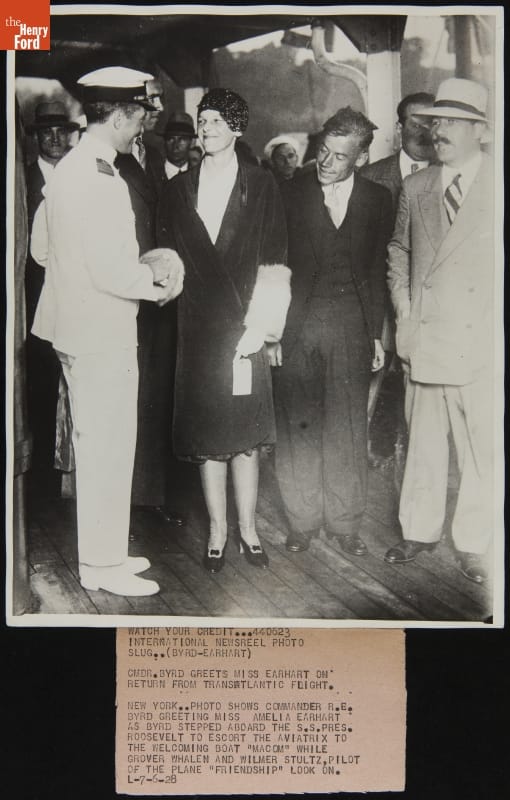
- Amelia Earhart Meets Richard Byrd aboard SS President Roosevelt, Returning from the Transatlantic Flight, July 6, 1928 - Amelia Earhart was congratulated by explorer Richard Byrd for her 1928 flight across the Atlantic Ocean. Earhart, riding as a passenger with pilot Wilmer Stultz and mechanic Louis Gordon, made the crossing in a Fokker F.VII Tri-Motor airplane. Byrd used a similar Fokker on his North Pole flight in 1926.
- July 06, 1928
- Collections - Artifact
Amelia Earhart Meets Richard Byrd aboard SS President Roosevelt, Returning from the Transatlantic Flight, July 6, 1928
Amelia Earhart was congratulated by explorer Richard Byrd for her 1928 flight across the Atlantic Ocean. Earhart, riding as a passenger with pilot Wilmer Stultz and mechanic Louis Gordon, made the crossing in a Fokker F.VII Tri-Motor airplane. Byrd used a similar Fokker on his North Pole flight in 1926.
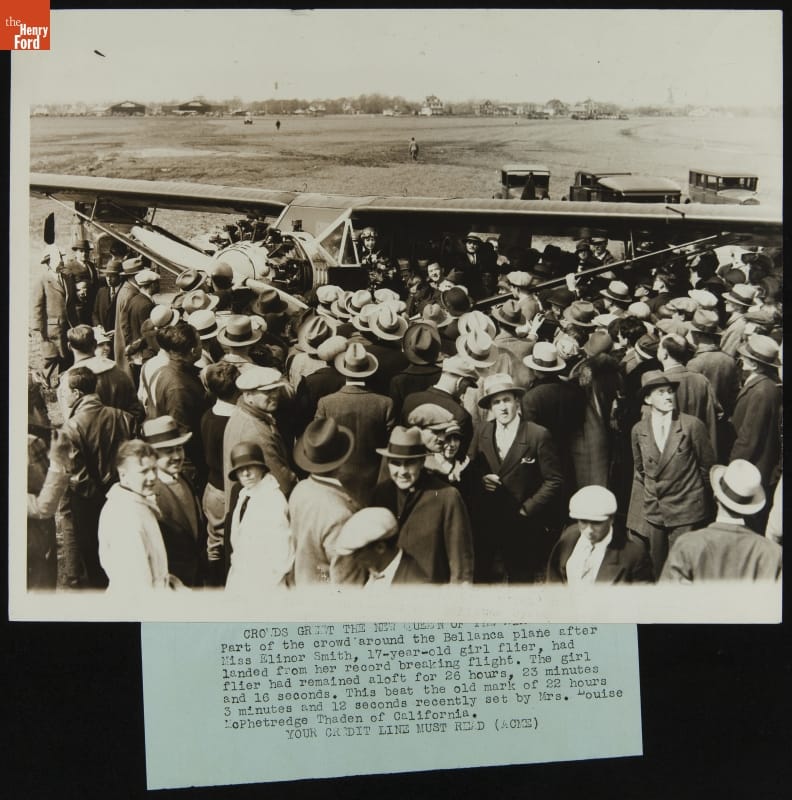
- Elinor Smith after Record-Breaking Women's Endurance Flight, 1929 - Elinor Smith took her first flight at age six and earned a pilot's license at 16. She made headlines flying under New York City bridges in 1928, but more serious pursuits earned Smith a series of endurance, speed, and altitude records for a female pilot. Smith piloted an airplane for the last time in 2001, at the age of 89.
- April 23, 1929
- Collections - Artifact
Elinor Smith after Record-Breaking Women's Endurance Flight, 1929
Elinor Smith took her first flight at age six and earned a pilot's license at 16. She made headlines flying under New York City bridges in 1928, but more serious pursuits earned Smith a series of endurance, speed, and altitude records for a female pilot. Smith piloted an airplane for the last time in 2001, at the age of 89.
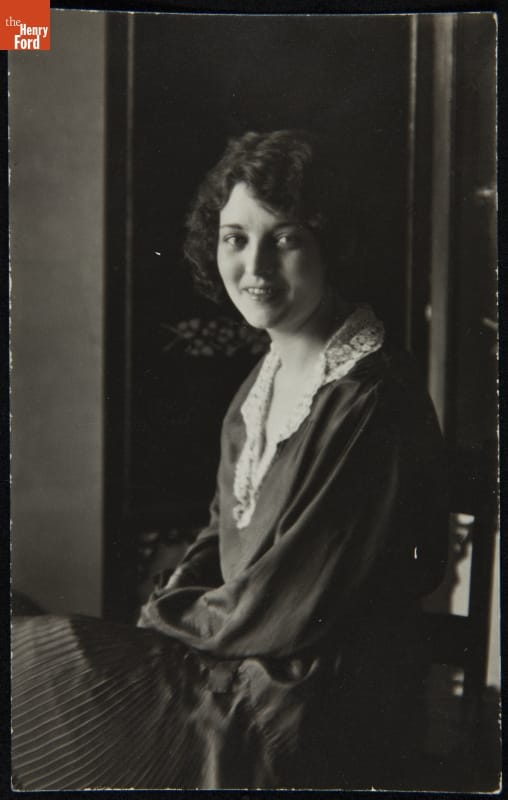
- Ruth Elder at Mrs. Mackey's Home, Horte, Azores, October 1927 - Ruth Elder fell short of her goal to be the first woman to fly the Atlantic in 1927, but the public loved her just the same. She competed in the 1929 Women's Air Derby and parlayed her aviation fame into a modest film career. Elder was fondly remembered as the "Miss America of the Air" when she died in 1977.
- October 01, 1927
- Collections - Artifact
Ruth Elder at Mrs. Mackey's Home, Horte, Azores, October 1927
Ruth Elder fell short of her goal to be the first woman to fly the Atlantic in 1927, but the public loved her just the same. She competed in the 1929 Women's Air Derby and parlayed her aviation fame into a modest film career. Elder was fondly remembered as the "Miss America of the Air" when she died in 1977.
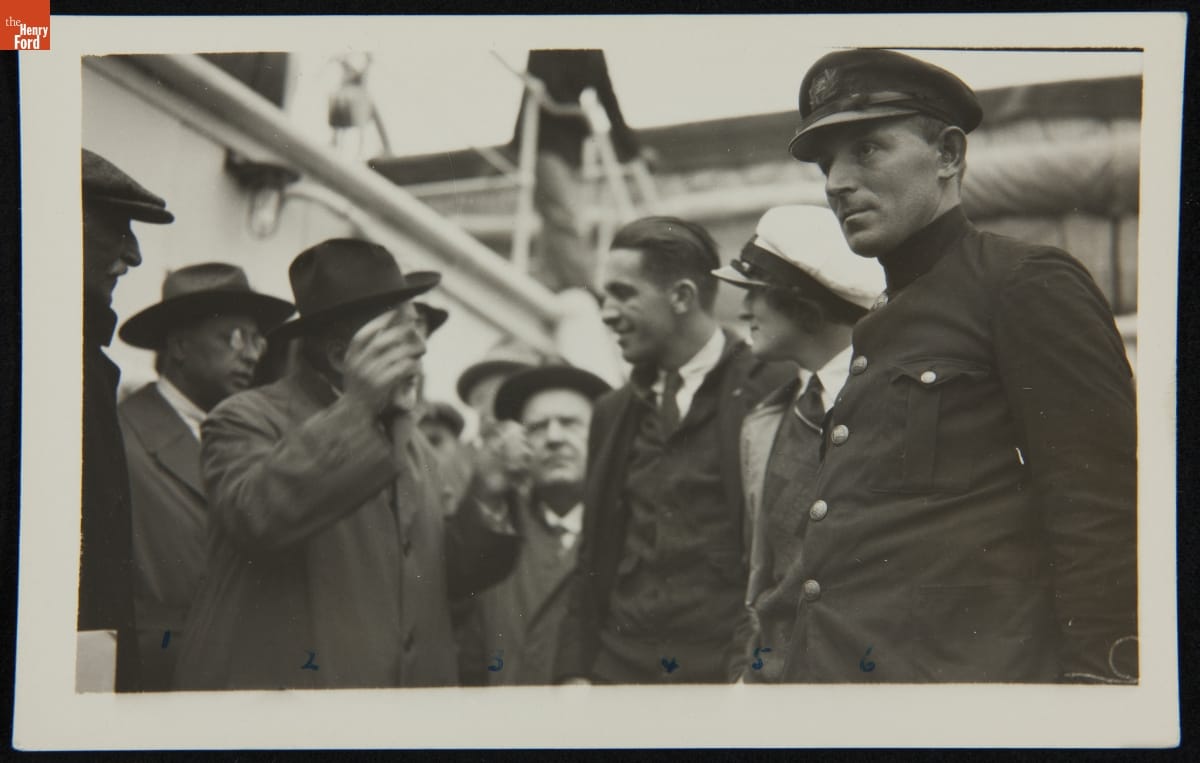
- George Haldeman and Ruth Elder after Their Rescue, Horta, Azores, October 1927 - Ruth Elder fell short of her goal to be the first woman to fly the Atlantic in 1927, but the public loved her just the same. She competed in the 1929 Women's Air Derby and parlayed her aviation fame into a modest film career. Elder was fondly remembered as the "Miss America of the Air" when she died in 1977.
- October 01, 1927
- Collections - Artifact
George Haldeman and Ruth Elder after Their Rescue, Horta, Azores, October 1927
Ruth Elder fell short of her goal to be the first woman to fly the Atlantic in 1927, but the public loved her just the same. She competed in the 1929 Women's Air Derby and parlayed her aviation fame into a modest film career. Elder was fondly remembered as the "Miss America of the Air" when she died in 1977.
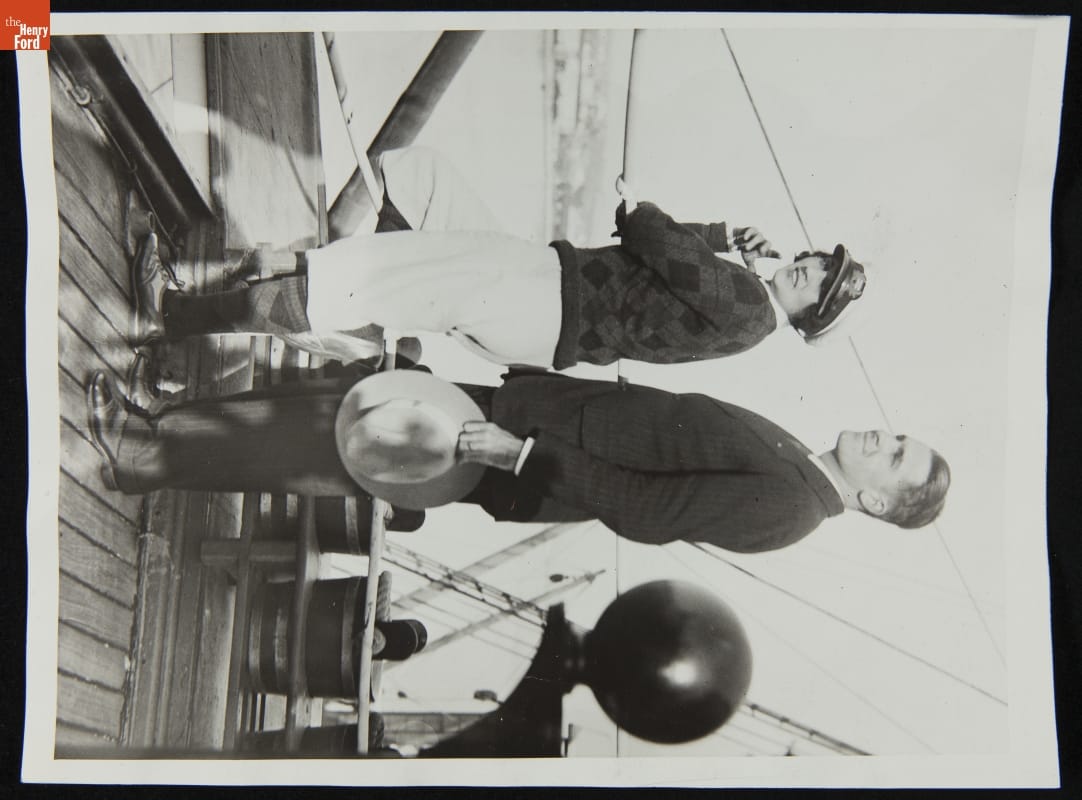
- Ruth Elder and George Haldeman aboard the Mail Ship "Lima," October 25, 1927 - Ruth Elder planned to be the first woman to fly across the Atlantic. On October 11, 1927, Elder and co-pilot George Haldeman took off in their Stinson Detroiter <EM>American Girl</EM>. An oil leak forced them to ditch in the ocean some 360 miles short of land. Still, the 2,623 miles Elder covered set a new distance record for a female pilot.
- October 25, 1927
- Collections - Artifact
Ruth Elder and George Haldeman aboard the Mail Ship "Lima," October 25, 1927
Ruth Elder planned to be the first woman to fly across the Atlantic. On October 11, 1927, Elder and co-pilot George Haldeman took off in their Stinson Detroiter American Girl. An oil leak forced them to ditch in the ocean some 360 miles short of land. Still, the 2,623 miles Elder covered set a new distance record for a female pilot.
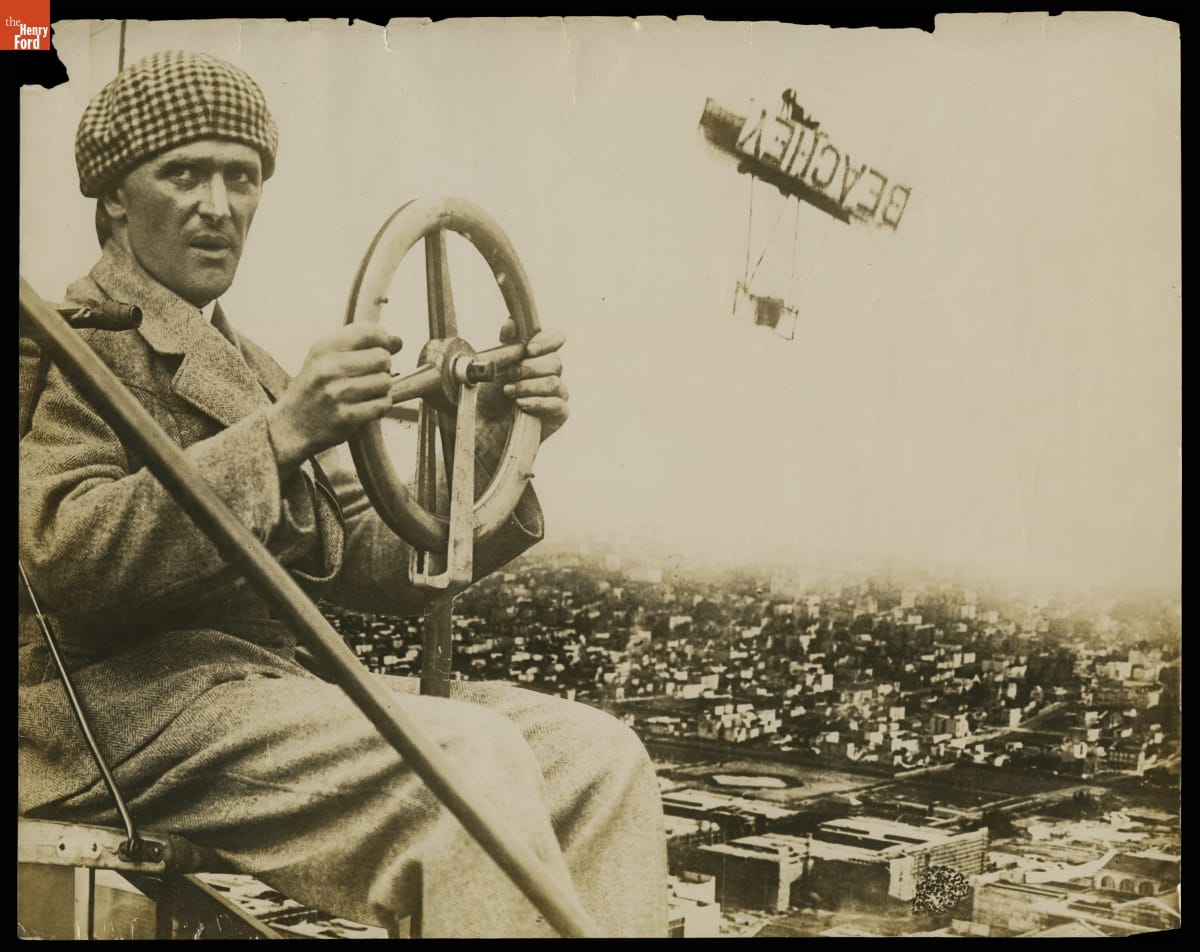
- Lincoln Beachey Stunt Flying over San Francisco, California, circa 1915 - Lincoln Beachey is remembered as America's first great stunt flyer. He perfected a series of aerobatic maneuvers -- including spins, dives, spirals, and loops -- and earned fame and fortune by staging heart-stopping exhibition flights for audiences across the country. Beachey died when the wings broke loose from his airplane during a stunt flight over San Francisco Bay in 1915.
- circa 1915
- Collections - Artifact
Lincoln Beachey Stunt Flying over San Francisco, California, circa 1915
Lincoln Beachey is remembered as America's first great stunt flyer. He perfected a series of aerobatic maneuvers -- including spins, dives, spirals, and loops -- and earned fame and fortune by staging heart-stopping exhibition flights for audiences across the country. Beachey died when the wings broke loose from his airplane during a stunt flight over San Francisco Bay in 1915.
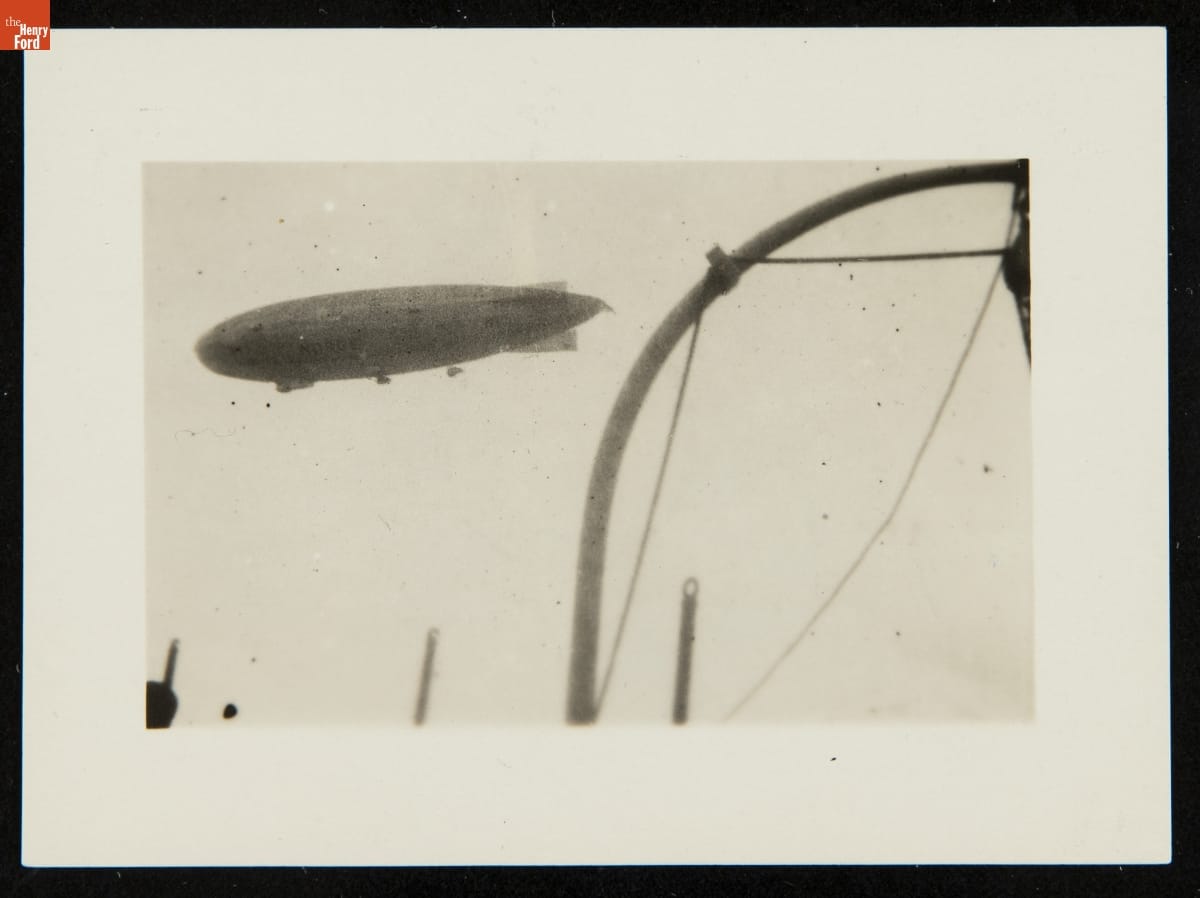
- Airship "Norge" in the Air before the Amundsen-Ellsworth-Nobile Transpolar Flight, May 1926 - The semi-rigid airship <em>Norge</em> flew over the North Pole on May 12, 1926. It was the first confirmed visit of any kind to the pole. Norwegian explorer Roald Amundsen headed the expedition. He was joined by American adventurer Lincoln Ellsworth, who helped fund the mission, Italian aviator Umberto Nobile, who designed the <em>Norge</em>, and a crew of 13 others.
- May 01, 1926
- Collections - Artifact
Airship "Norge" in the Air before the Amundsen-Ellsworth-Nobile Transpolar Flight, May 1926
The semi-rigid airship Norge flew over the North Pole on May 12, 1926. It was the first confirmed visit of any kind to the pole. Norwegian explorer Roald Amundsen headed the expedition. He was joined by American adventurer Lincoln Ellsworth, who helped fund the mission, Italian aviator Umberto Nobile, who designed the Norge, and a crew of 13 others.
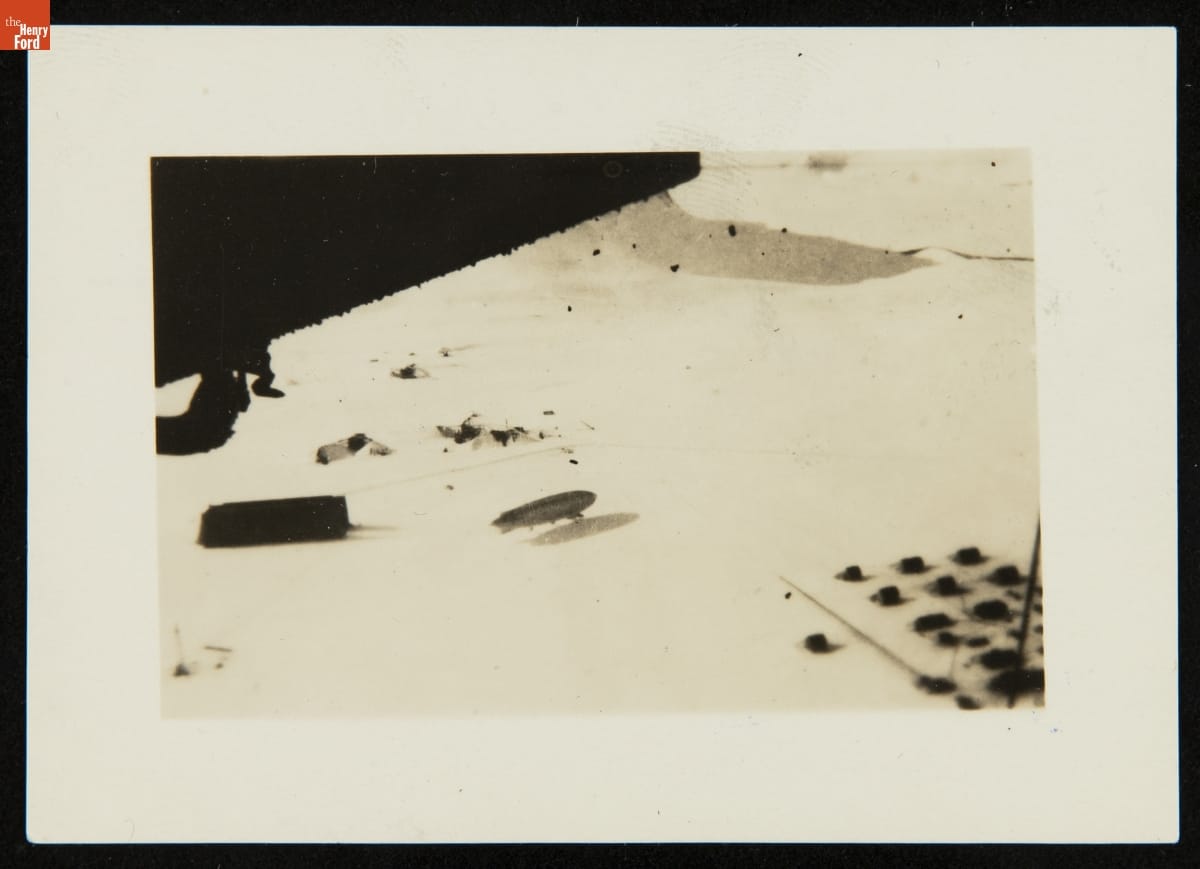
- Airship "Norge" before the Amundsen-Ellsworth-Nobile Transpolar Flight, May 1926 - The semi-rigid airship <em>Norge</em> flew over the North Pole on May 12, 1926. It was the first confirmed visit of any kind to the pole. Norwegian explorer Roald Amundsen headed the expedition. He was joined by American adventurer Lincoln Ellsworth, who helped fund the mission, Italian aviator Umberto Nobile, who designed the <em>Norge</em>, and a crew of 13 others.
- May 01, 1926
- Collections - Artifact
Airship "Norge" before the Amundsen-Ellsworth-Nobile Transpolar Flight, May 1926
The semi-rigid airship Norge flew over the North Pole on May 12, 1926. It was the first confirmed visit of any kind to the pole. Norwegian explorer Roald Amundsen headed the expedition. He was joined by American adventurer Lincoln Ellsworth, who helped fund the mission, Italian aviator Umberto Nobile, who designed the Norge, and a crew of 13 others.
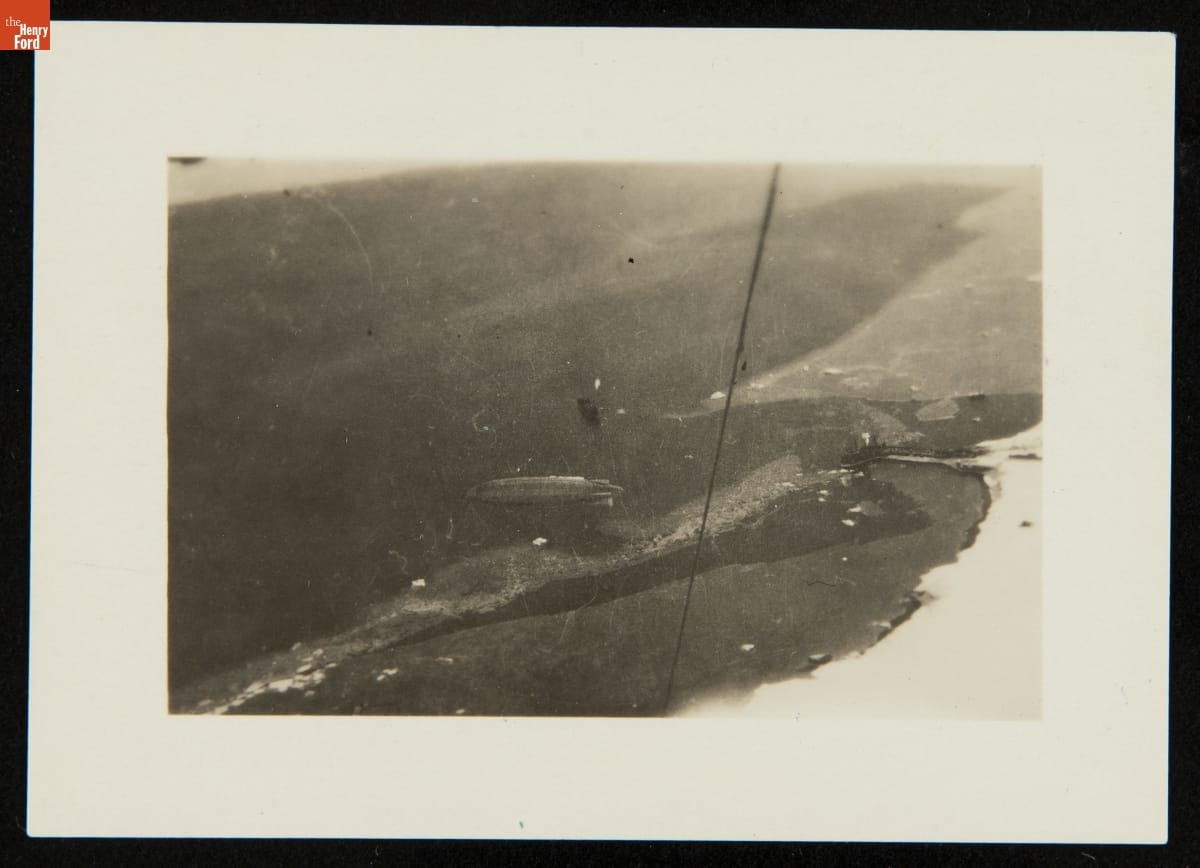
- Airship "Norge" before the Amundsen-Ellsworth-Nobile Transpolar Flight, May 1926 - The semi-rigid airship <em>Norge</em> flew over the North Pole on May 12, 1926. It was the first confirmed visit of any kind to the pole. Norwegian explorer Roald Amundsen headed the expedition. He was joined by American adventurer Lincoln Ellsworth, who helped fund the mission, Italian aviator Umberto Nobile, who designed the <em>Norge</em>, and a crew of 13 others.
- May 01, 1926
- Collections - Artifact
Airship "Norge" before the Amundsen-Ellsworth-Nobile Transpolar Flight, May 1926
The semi-rigid airship Norge flew over the North Pole on May 12, 1926. It was the first confirmed visit of any kind to the pole. Norwegian explorer Roald Amundsen headed the expedition. He was joined by American adventurer Lincoln Ellsworth, who helped fund the mission, Italian aviator Umberto Nobile, who designed the Norge, and a crew of 13 others.
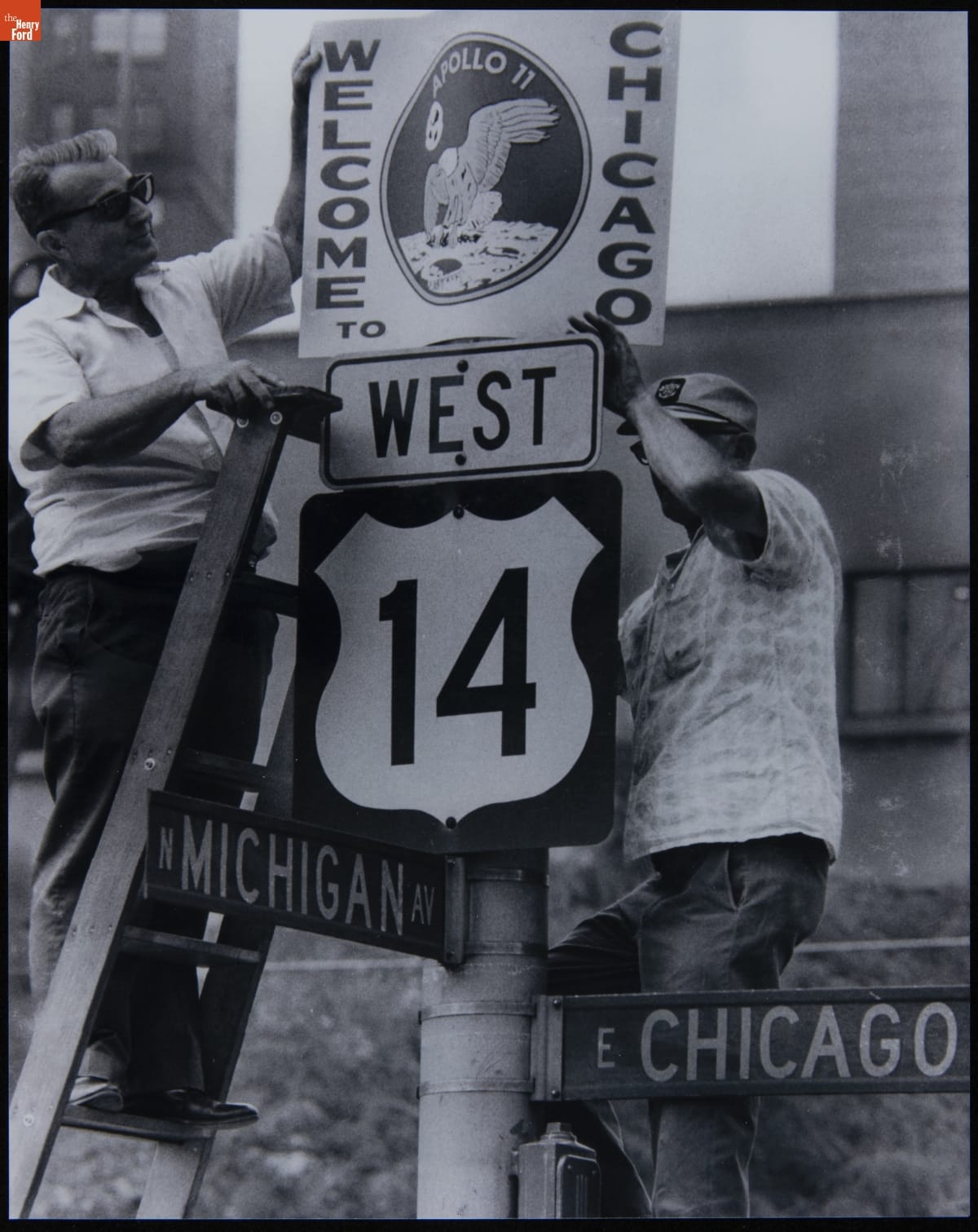
- Workers Installing a Sign for the Ticker Tape Parade Honoring the Apollo 11 Astronauts, August 13, 1969 - The crew of Apollo 11 -- Neil Armstrong, Edwin "Buzz" Aldrin (the first men to walk on the Moon) and Michael Collins (command module pilot) -- were given a hero's welcome upon their return from space. On August 13, 1969, Chicago, Illinois, hosted a ticker-tape parade for the astronauts. This photograph shows workers placing a sign along the parade route.
- August 13, 1969
- Collections - Artifact
Workers Installing a Sign for the Ticker Tape Parade Honoring the Apollo 11 Astronauts, August 13, 1969
The crew of Apollo 11 -- Neil Armstrong, Edwin "Buzz" Aldrin (the first men to walk on the Moon) and Michael Collins (command module pilot) -- were given a hero's welcome upon their return from space. On August 13, 1969, Chicago, Illinois, hosted a ticker-tape parade for the astronauts. This photograph shows workers placing a sign along the parade route.