
Search
- Newly Completed State Flour Mill, Minneapolis, Minnesota, 1921-1922 -
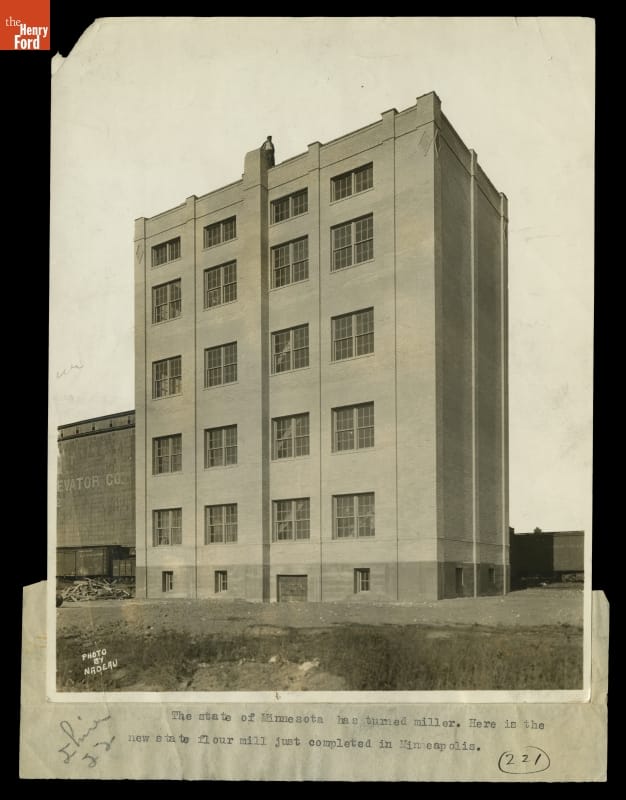
- 1921-1922
- Collections - Artifact
Newly Completed State Flour Mill, Minneapolis, Minnesota, 1921-1922
- Label,"North Buffalo Mills Brand Flour," 1879-1887 -
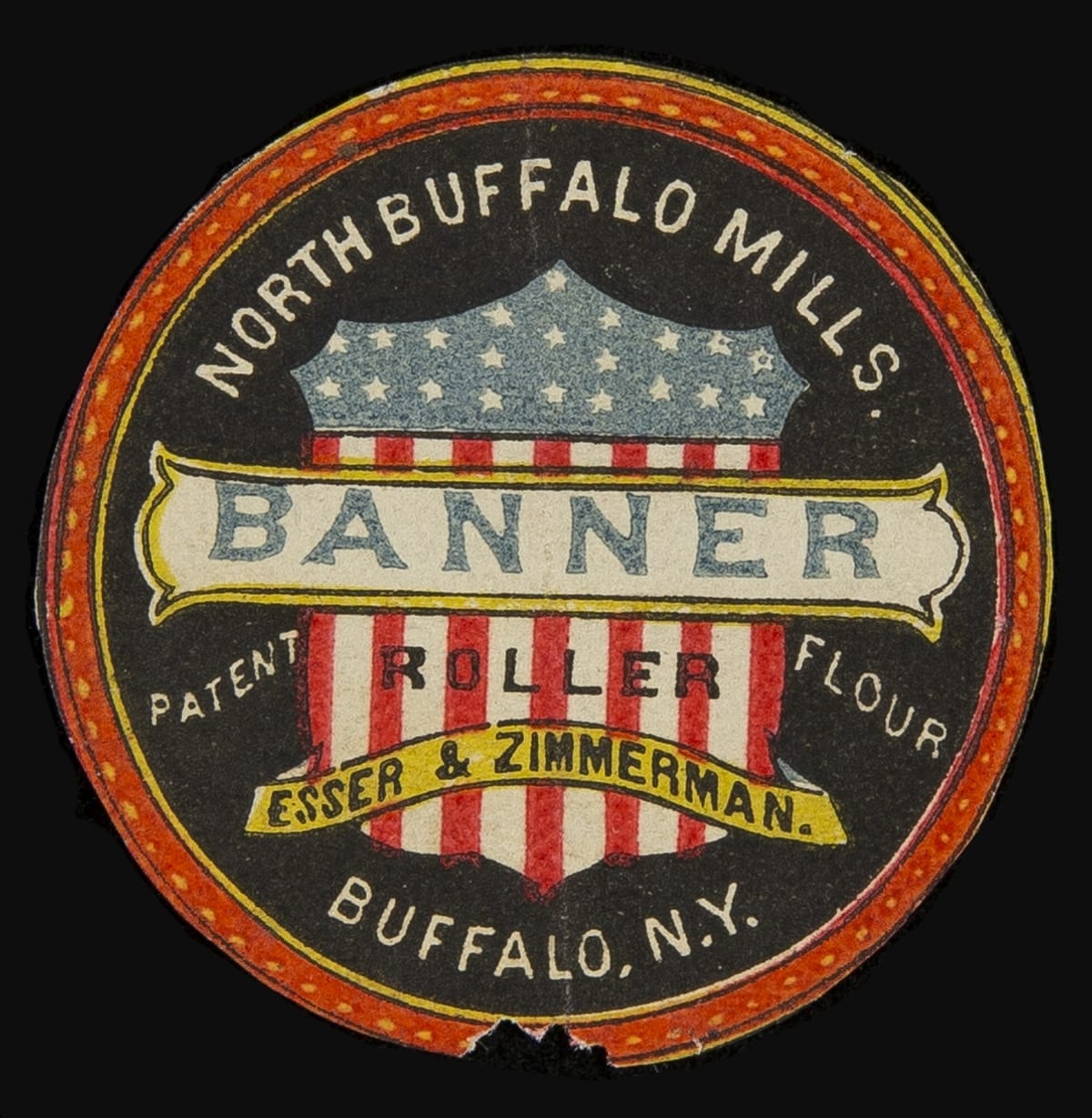
- 1879-1887
- Collections - Artifact
Label,"North Buffalo Mills Brand Flour," 1879-1887
- Flour Sifter, circa 1870 - Nineteenth-century American homemakers sifted flour to remove leftover grain and clumps of flour. By the end of the century, however, America grain mills incorporated sifting into production procedures, and consumers could use flour straight from the mill.
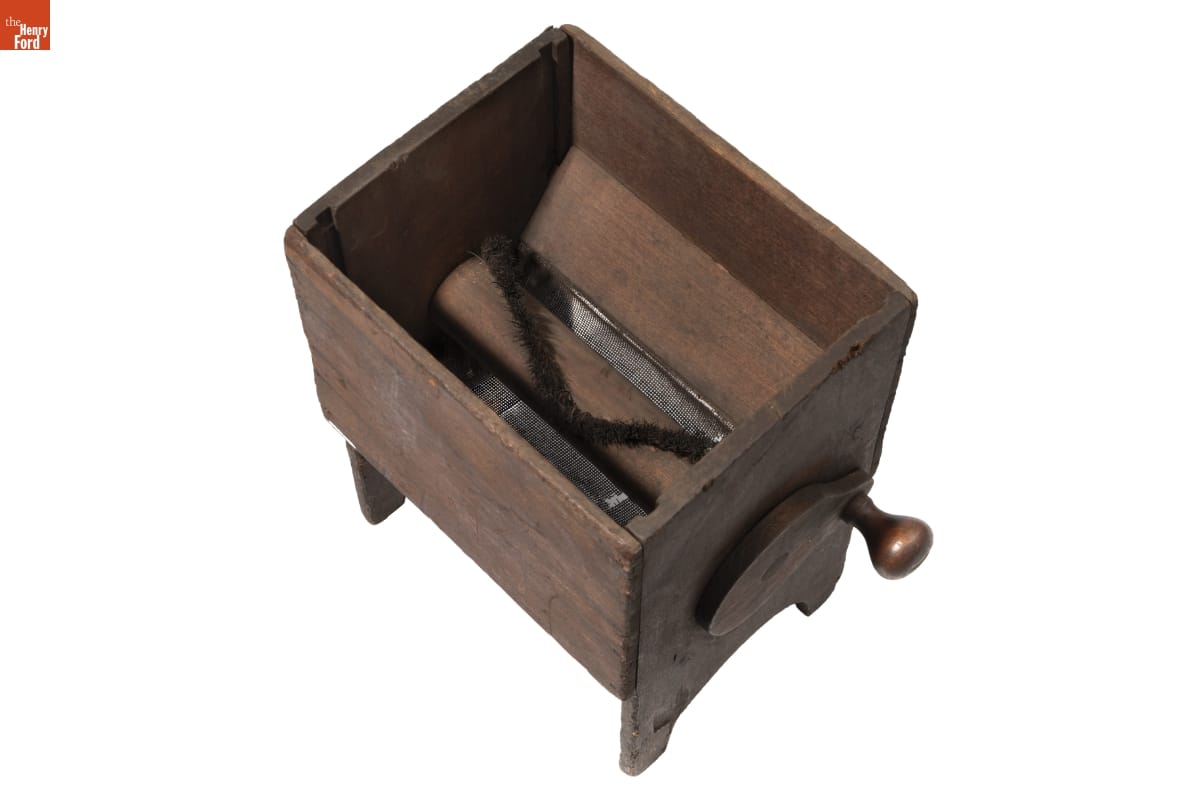
- circa 1870
- Collections - Artifact
Flour Sifter, circa 1870
Nineteenth-century American homemakers sifted flour to remove leftover grain and clumps of flour. By the end of the century, however, America grain mills incorporated sifting into production procedures, and consumers could use flour straight from the mill.
- Trade Card for Gold Medal Flour, Washburn-Crosby Co., 1880-1900 - In the last third of the nineteenth century, an unprecedented variety of consumer goods and services flooded the American market. Advertisers, armed with new methods of color printing, bombarded potential customers with trade cards. Americans enjoyed and often saved the vibrant little advertisements found in product packages or distributed by local merchants. Many survive as historical records of commercialism in the United States.
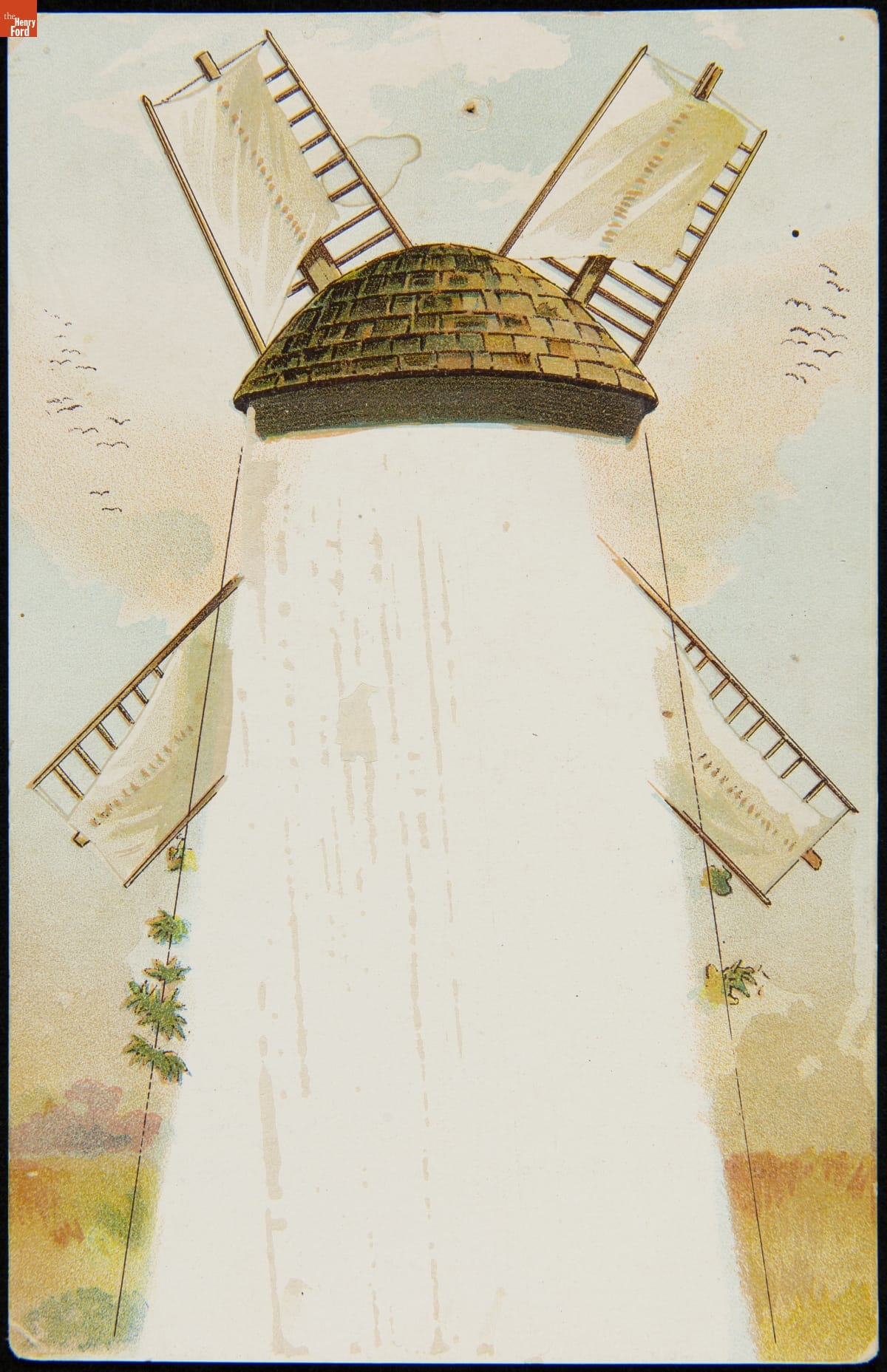
- 1880-1900
- Collections - Artifact
Trade Card for Gold Medal Flour, Washburn-Crosby Co., 1880-1900
In the last third of the nineteenth century, an unprecedented variety of consumer goods and services flooded the American market. Advertisers, armed with new methods of color printing, bombarded potential customers with trade cards. Americans enjoyed and often saved the vibrant little advertisements found in product packages or distributed by local merchants. Many survive as historical records of commercialism in the United States.
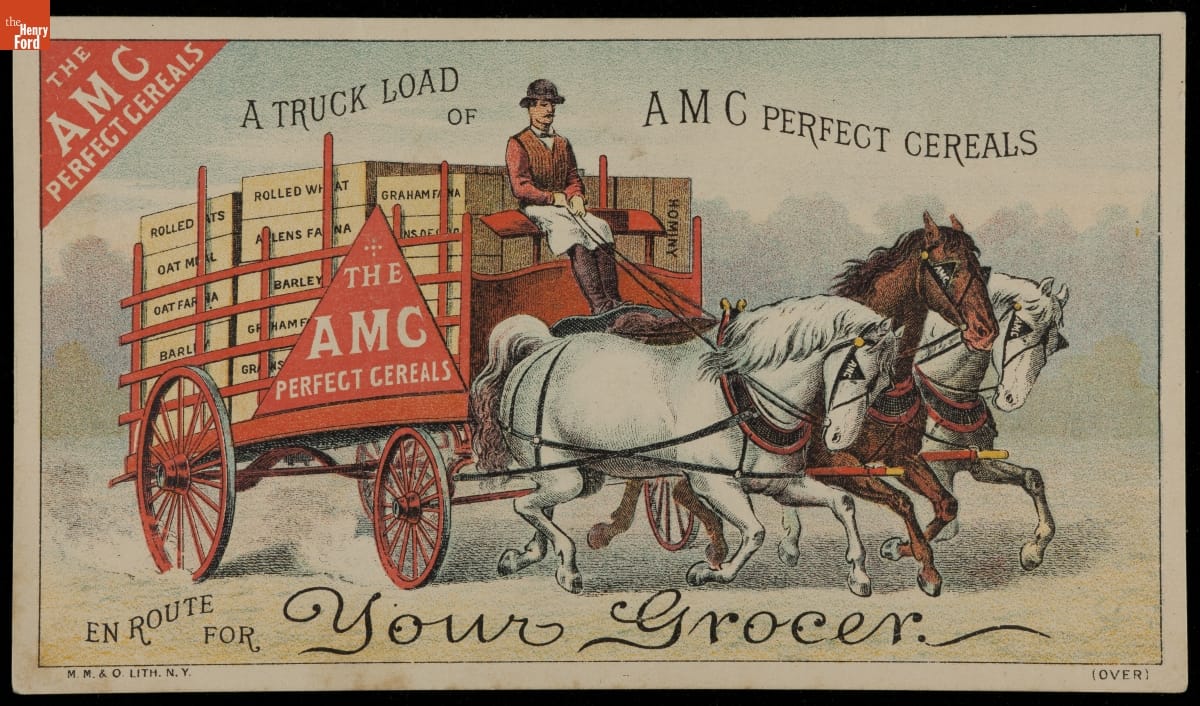
- Trade Card for AMC Perfect Cereals, Akron Milling Company, 1880-1900 - In the last third of the nineteenth century, an unprecedented variety of consumer goods and services flooded the American market. Advertisers, armed with new methods of color printing, bombarded potential customers with trade cards. Americans enjoyed and often saved the vibrant little advertisements found in product packages or distributed by local merchants. Many survive as historical records of commercialism in the United States.
- 1880-1900
- Collections - Artifact
Trade Card for AMC Perfect Cereals, Akron Milling Company, 1880-1900
In the last third of the nineteenth century, an unprecedented variety of consumer goods and services flooded the American market. Advertisers, armed with new methods of color printing, bombarded potential customers with trade cards. Americans enjoyed and often saved the vibrant little advertisements found in product packages or distributed by local merchants. Many survive as historical records of commercialism in the United States.
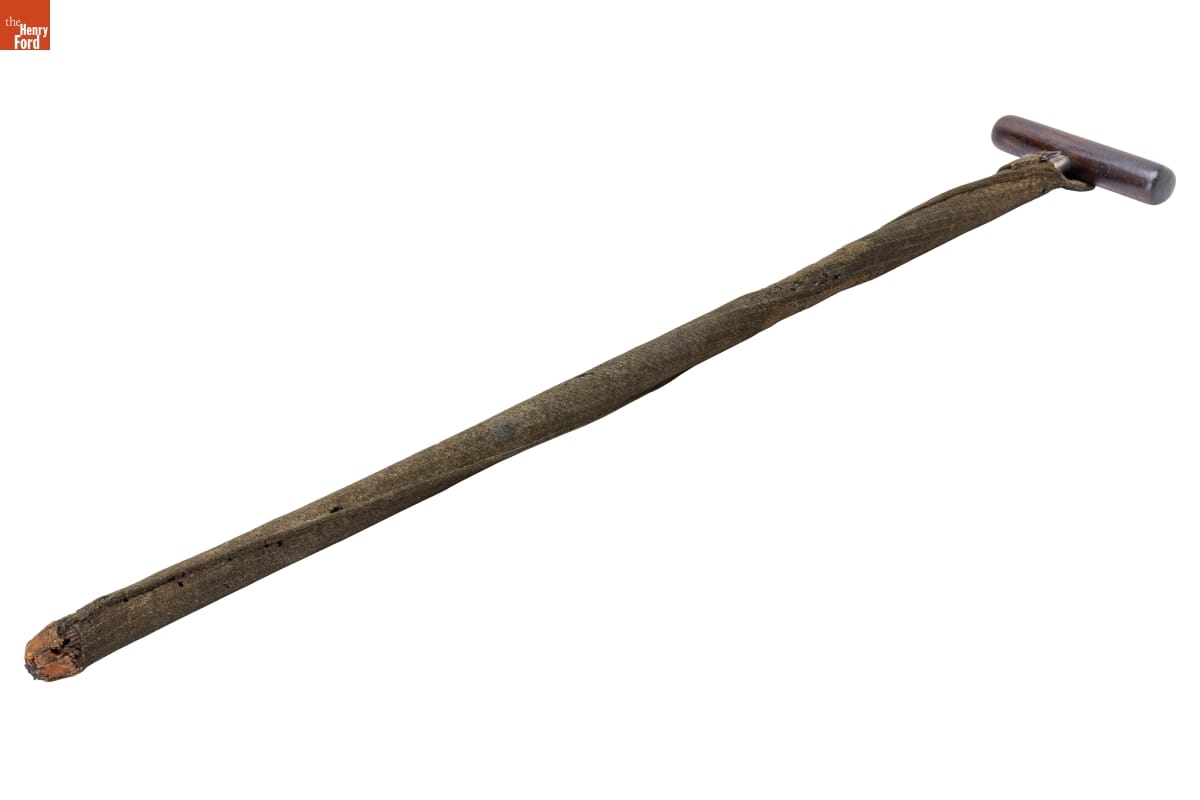
- Flour Tester, circa 1830 -
- circa 1830
- Collections - Artifact
Flour Tester, circa 1830
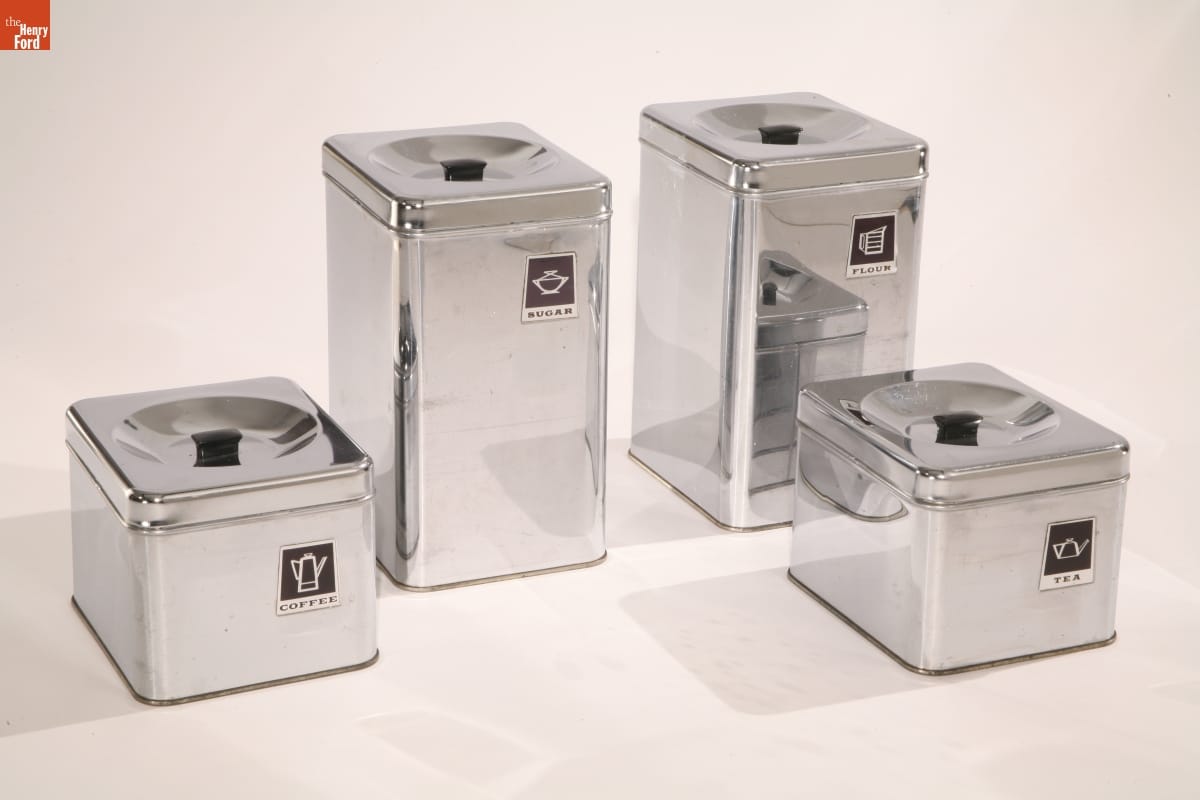
- Kitchen Canister Set, 1960-1965 -
- 1960-1965
- Collections - Artifact
Kitchen Canister Set, 1960-1965
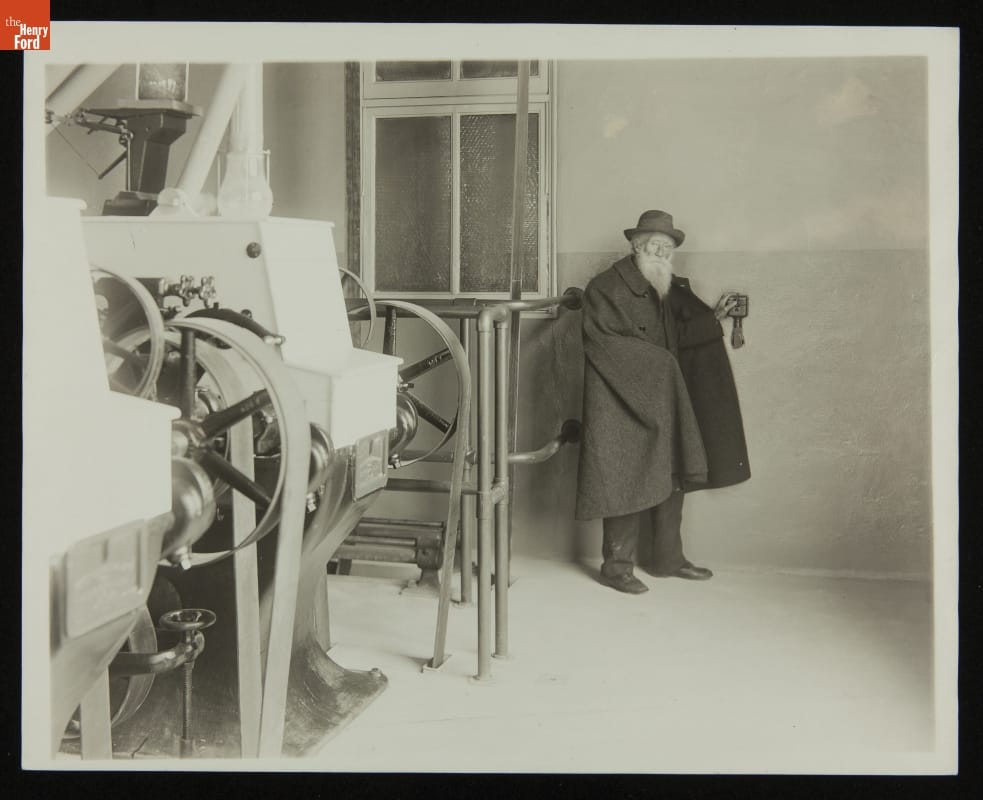
- John Burroughs Starting the Ford Flour Mill on Its First Day, December 1920 - In the early 1910s, Henry Ford befriended John Burroughs, an internationally known naturalist and writer. The two bonded over their love of birds and nature. They visited and vacationed with each other regularly. In 1920, Burroughs passed through Dearborn and stopped at the Henry Ford Flour Mill. In this photograph, Burroughs is seen starting the mill's machinery for a trial operation.
- December 01, 1920
- Collections - Artifact
John Burroughs Starting the Ford Flour Mill on Its First Day, December 1920
In the early 1910s, Henry Ford befriended John Burroughs, an internationally known naturalist and writer. The two bonded over their love of birds and nature. They visited and vacationed with each other regularly. In 1920, Burroughs passed through Dearborn and stopped at the Henry Ford Flour Mill. In this photograph, Burroughs is seen starting the mill's machinery for a trial operation.
- Maudslay Table Engine, Used at the East Malling Flour Mill, circa 1840 -
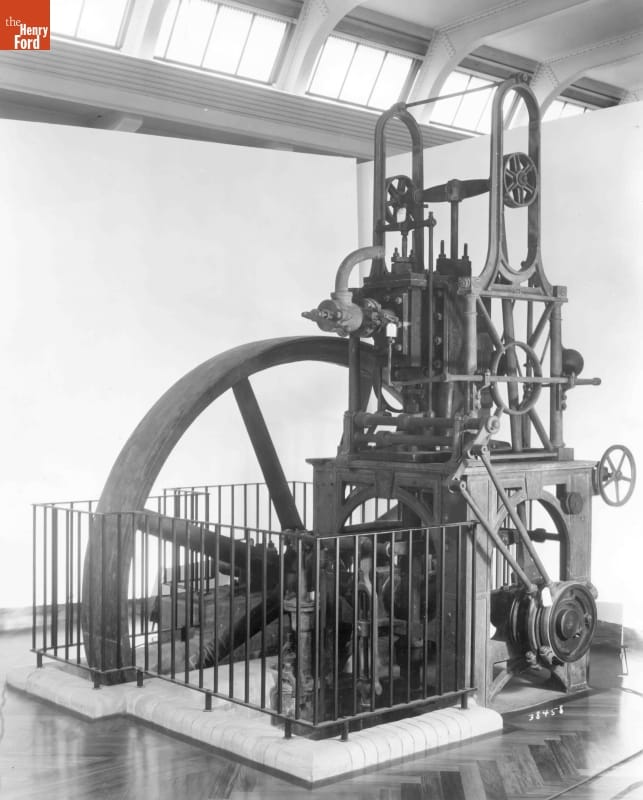
- circa 1840
- Collections - Artifact
Maudslay Table Engine, Used at the East Malling Flour Mill, circa 1840
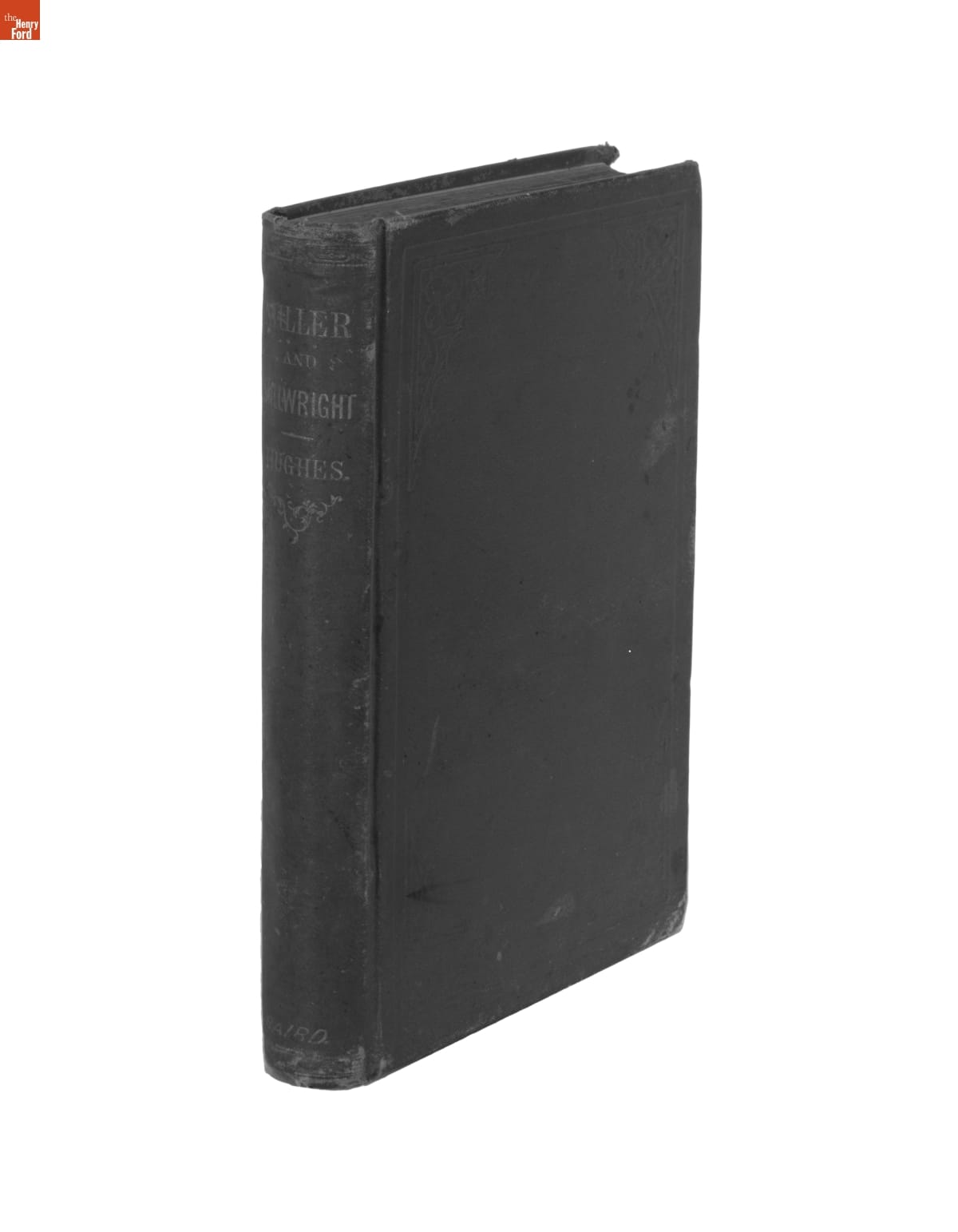
- "The American Miller, and Millwright's Assistant," 1876 -
- 1876
- Collections - Artifact
"The American Miller, and Millwright's Assistant," 1876