
Search
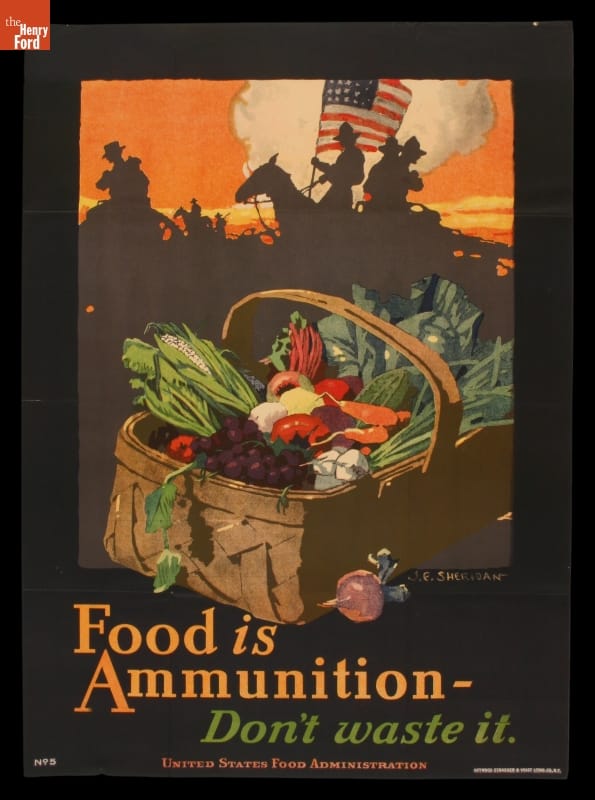
- World War I Poster, "Food is Ammunition-- Don't Waste It," circa 1918 - During the First World War, governments of all the warring nations used poster campaigns to encourage civilian and military support of the war effort. Artists widely used an innovative advertising technique for these posters that moved away from a factual depiction of a product's material or event's subject to an emphasis on appealing to the viewer's emotions.
- circa 1918
- Collections - Artifact
World War I Poster, "Food is Ammunition-- Don't Waste It," circa 1918
During the First World War, governments of all the warring nations used poster campaigns to encourage civilian and military support of the war effort. Artists widely used an innovative advertising technique for these posters that moved away from a factual depiction of a product's material or event's subject to an emphasis on appealing to the viewer's emotions.
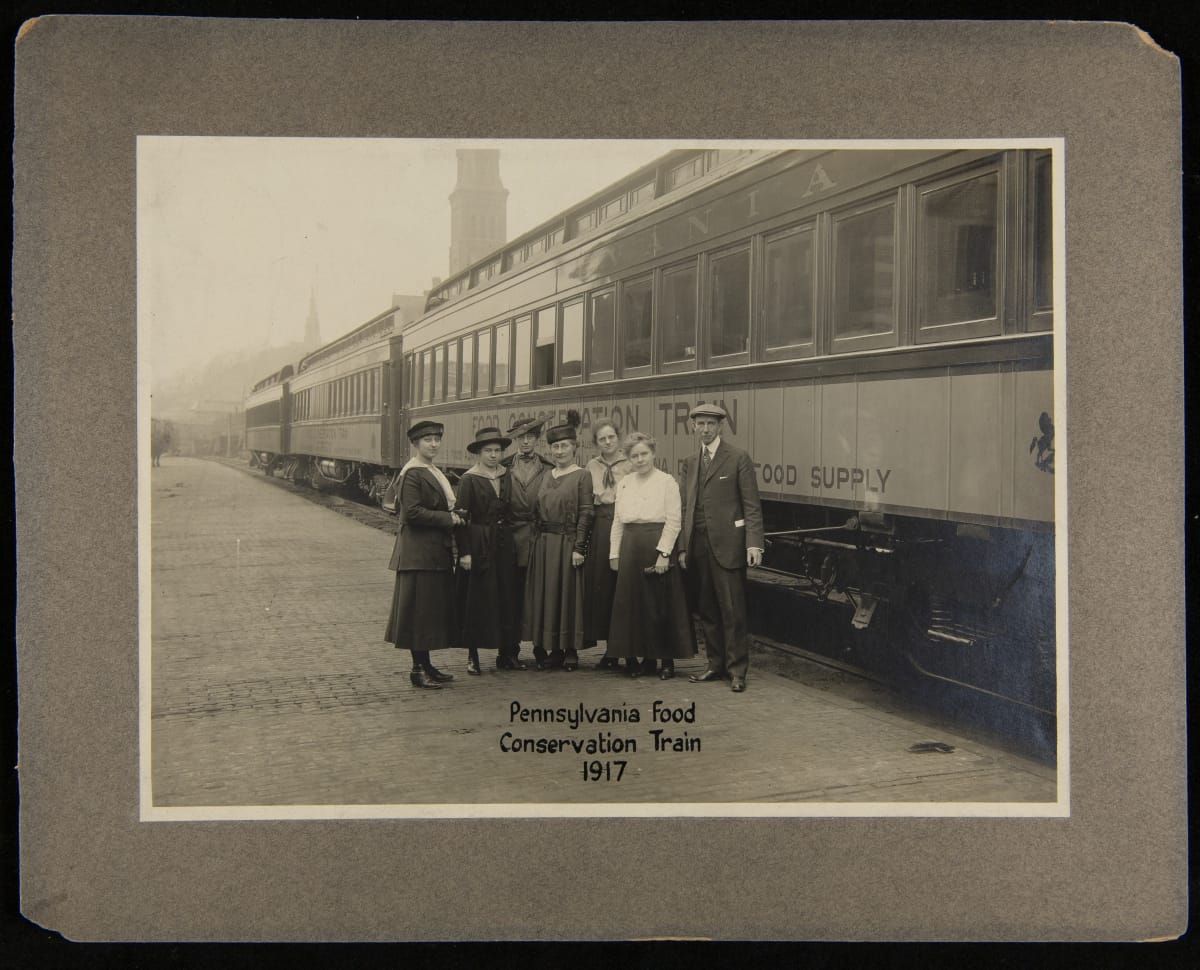
- Food Conservation Train, Pennsylvania, October 1917 - The H.J. Heinz Company had humble beginnings in 1869 and has since become one of the most recognized names in the food industry today. This artifact, from the H.J. Heinz Company Collection, is one from The Henry Ford's sizeable collection of material dedicated to telling the company's history of innovative business practices and marketing techniques.
- October 01, 1917
- Collections - Artifact
Food Conservation Train, Pennsylvania, October 1917
The H.J. Heinz Company had humble beginnings in 1869 and has since become one of the most recognized names in the food industry today. This artifact, from the H.J. Heinz Company Collection, is one from The Henry Ford's sizeable collection of material dedicated to telling the company's history of innovative business practices and marketing techniques.
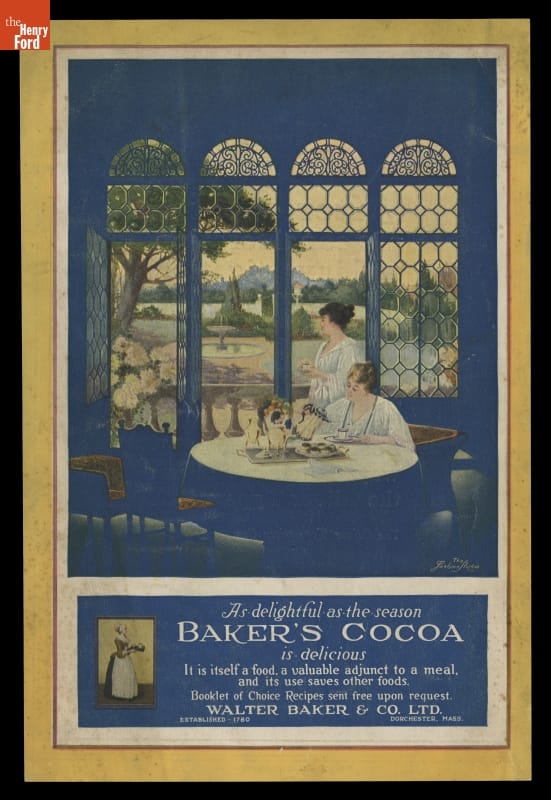
- Baker's Cocoa Advertisement, 1918, "As Delightful as the Season" - Baker's Chocolate Company is the oldest manufacturer of chocolate in the United States, dating back to 1780. It remained within the Baker family for over a century before being purchased by the Forbes Syndicate in 1896. Through advertisements, like this one, found in local and national newspapers as well as magazines, the company became a household name.
- 1918
- Collections - Artifact
Baker's Cocoa Advertisement, 1918, "As Delightful as the Season"
Baker's Chocolate Company is the oldest manufacturer of chocolate in the United States, dating back to 1780. It remained within the Baker family for over a century before being purchased by the Forbes Syndicate in 1896. Through advertisements, like this one, found in local and national newspapers as well as magazines, the company became a household name.
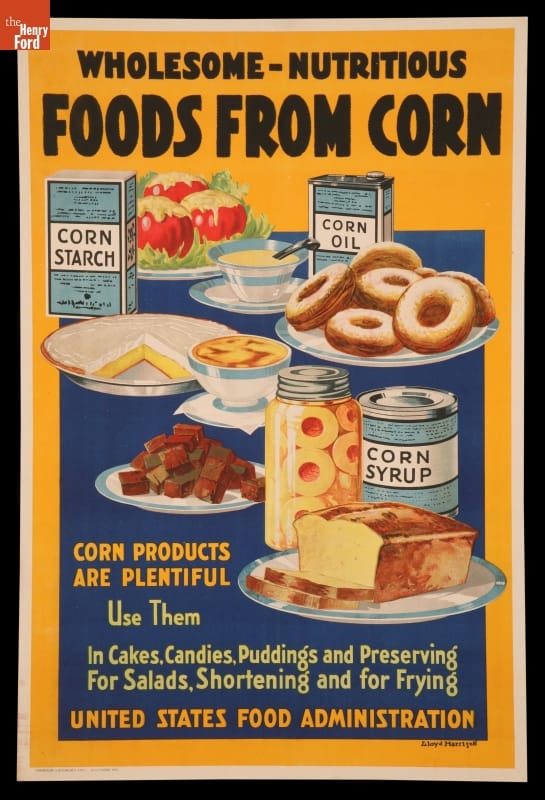
- World War I Poster, "Wholesome - Nutritious Foods from Corn, " 1918 - During the First World War, governments of all the warring nations used poster campaigns to encourage civilian and military support of the war effort. Artists widely used an innovative advertising technique for these posters that moved away from a factual depiction of a product's material or event's subject to an emphasis on appealing to the viewer's emotions.
- 1918
- Collections - Artifact
World War I Poster, "Wholesome - Nutritious Foods from Corn, " 1918
During the First World War, governments of all the warring nations used poster campaigns to encourage civilian and military support of the war effort. Artists widely used an innovative advertising technique for these posters that moved away from a factual depiction of a product's material or event's subject to an emphasis on appealing to the viewer's emotions.
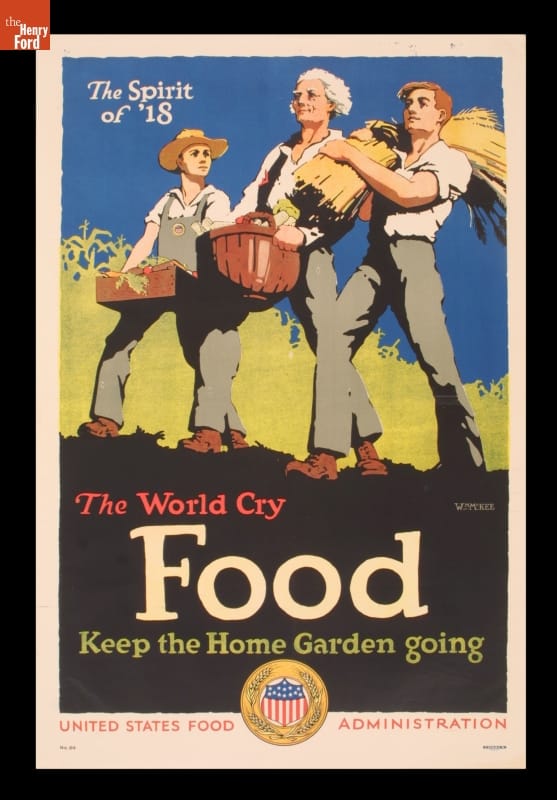
- Poster, "The Spirit of '18, Food- Keep the Home Garden Going," 1918 -
- 1918
- Collections - Artifact
Poster, "The Spirit of '18, Food- Keep the Home Garden Going," 1918
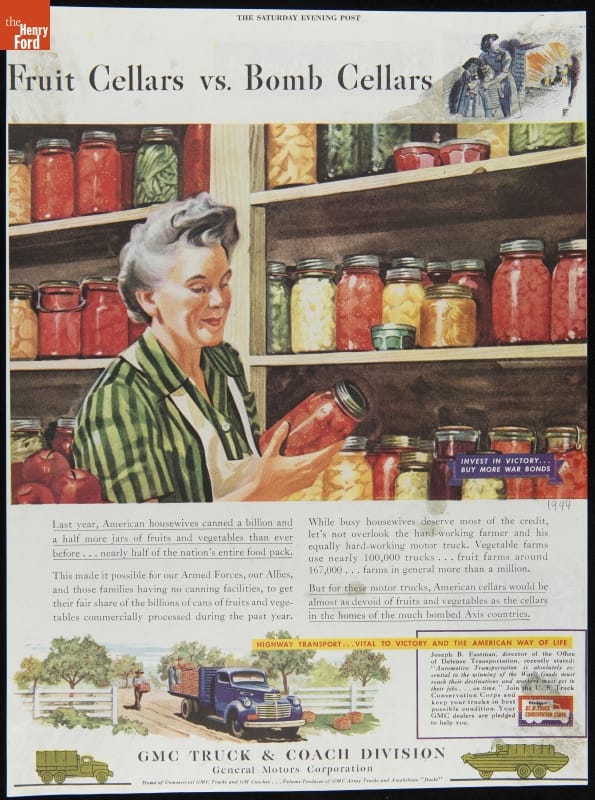
- World War II GMC Truck Advertisement, "Fruit Cellars vs. Bomb Cellars," 1944 - Like all American automakers, General Motors' GMC Truck & Coach Division suspended civilian production during America's involvement in World War II, instead building trucks and equipment for the Allied forces. Ads like this one encouraged operators of existing civilian trucks to keep their vehicles in good condition, as those older trucks performed vital services on the home front.
- 1944
- Collections - Artifact
World War II GMC Truck Advertisement, "Fruit Cellars vs. Bomb Cellars," 1944
Like all American automakers, General Motors' GMC Truck & Coach Division suspended civilian production during America's involvement in World War II, instead building trucks and equipment for the Allied forces. Ads like this one encouraged operators of existing civilian trucks to keep their vehicles in good condition, as those older trucks performed vital services on the home front.
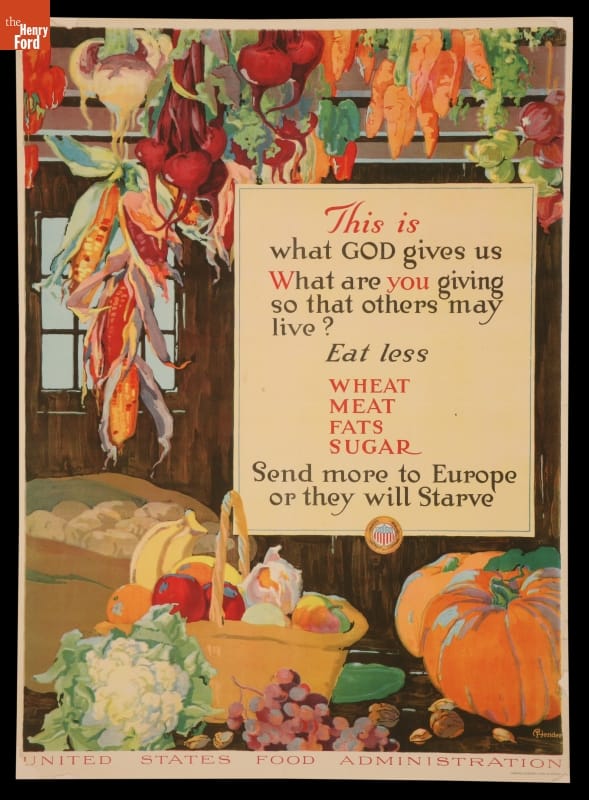
- World War I Poster, "This is what God gives us," circa 1918 - During the First World War, governments of all the warring nations used poster campaigns to encourage civilian and military support of the war effort. Artists widely used an innovative advertising technique for these posters that moved away from a factual depiction of a product's material or event's subject to an emphasis on appealing to the viewer's emotions.
- circa 1918
- Collections - Artifact
World War I Poster, "This is what God gives us," circa 1918
During the First World War, governments of all the warring nations used poster campaigns to encourage civilian and military support of the war effort. Artists widely used an innovative advertising technique for these posters that moved away from a factual depiction of a product's material or event's subject to an emphasis on appealing to the viewer's emotions.
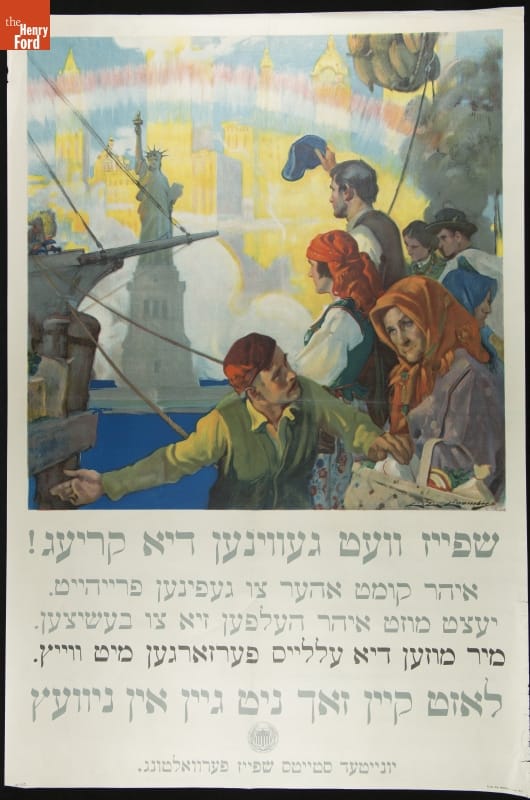
- Immigrants Arriving at New York Harbor, circa 1917 - To combat starvation in Europe, President Woodrow Wilson established the U.S. Food Administration in August 1917. This highly successful initiative delivered almost 34 million pounds of food to Europe during and after the war. This Administration's Yiddish-language poster, aimed at Jewish immigrants, begins, "Food will win the war -- You came here seeking freedom, now you must help to preserve it..."
- circa 1917
- Collections - Artifact
Immigrants Arriving at New York Harbor, circa 1917
To combat starvation in Europe, President Woodrow Wilson established the U.S. Food Administration in August 1917. This highly successful initiative delivered almost 34 million pounds of food to Europe during and after the war. This Administration's Yiddish-language poster, aimed at Jewish immigrants, begins, "Food will win the war -- You came here seeking freedom, now you must help to preserve it..."
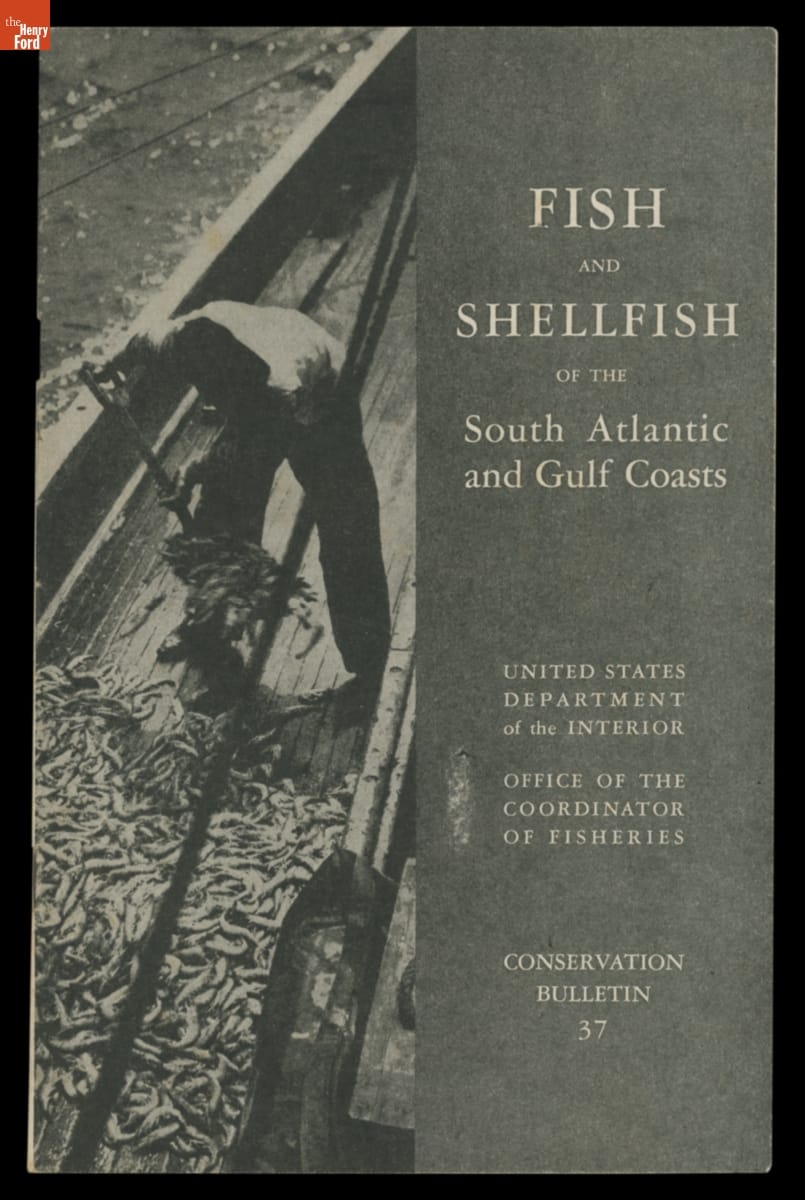
- U.S. Department of the Interior Conservation Bulletin 37: Fish and Shellfish of the South Atlantic and Gulf Coasts, 1944 - During World War II, Rachel Carson wrote four U.S. Department of Interior bulletins about fish as a food source. These bulletins helped readers identify local fish and find them in markets. Writing these bulletins added a persuasive tone to Carson's future nature literature. Her 1962 book <em>Silent Spring</em>, describing threats to nature from pesticides, sparked the environmental movements of the 1960s.
- 1944
- Collections - Artifact
U.S. Department of the Interior Conservation Bulletin 37: Fish and Shellfish of the South Atlantic and Gulf Coasts, 1944
During World War II, Rachel Carson wrote four U.S. Department of Interior bulletins about fish as a food source. These bulletins helped readers identify local fish and find them in markets. Writing these bulletins added a persuasive tone to Carson's future nature literature. Her 1962 book Silent Spring, describing threats to nature from pesticides, sparked the environmental movements of the 1960s.
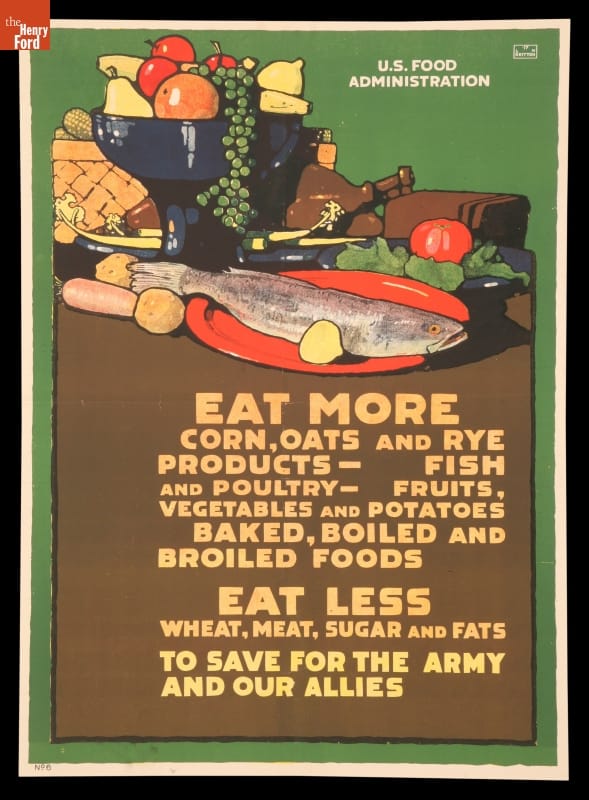
- World War I Poster, "Eat More Corn, Oats and Rye," circa 1918 - During the First World War, governments of all the warring nations used poster campaigns to encourage civilian and military support of the war effort. Artists widely used an innovative advertising technique for these posters that moved away from a factual depiction of a product's material or event's subject to an emphasis on appealing to the viewer's emotions.
- circa 1918
- Collections - Artifact
World War I Poster, "Eat More Corn, Oats and Rye," circa 1918
During the First World War, governments of all the warring nations used poster campaigns to encourage civilian and military support of the war effort. Artists widely used an innovative advertising technique for these posters that moved away from a factual depiction of a product's material or event's subject to an emphasis on appealing to the viewer's emotions.