
Search
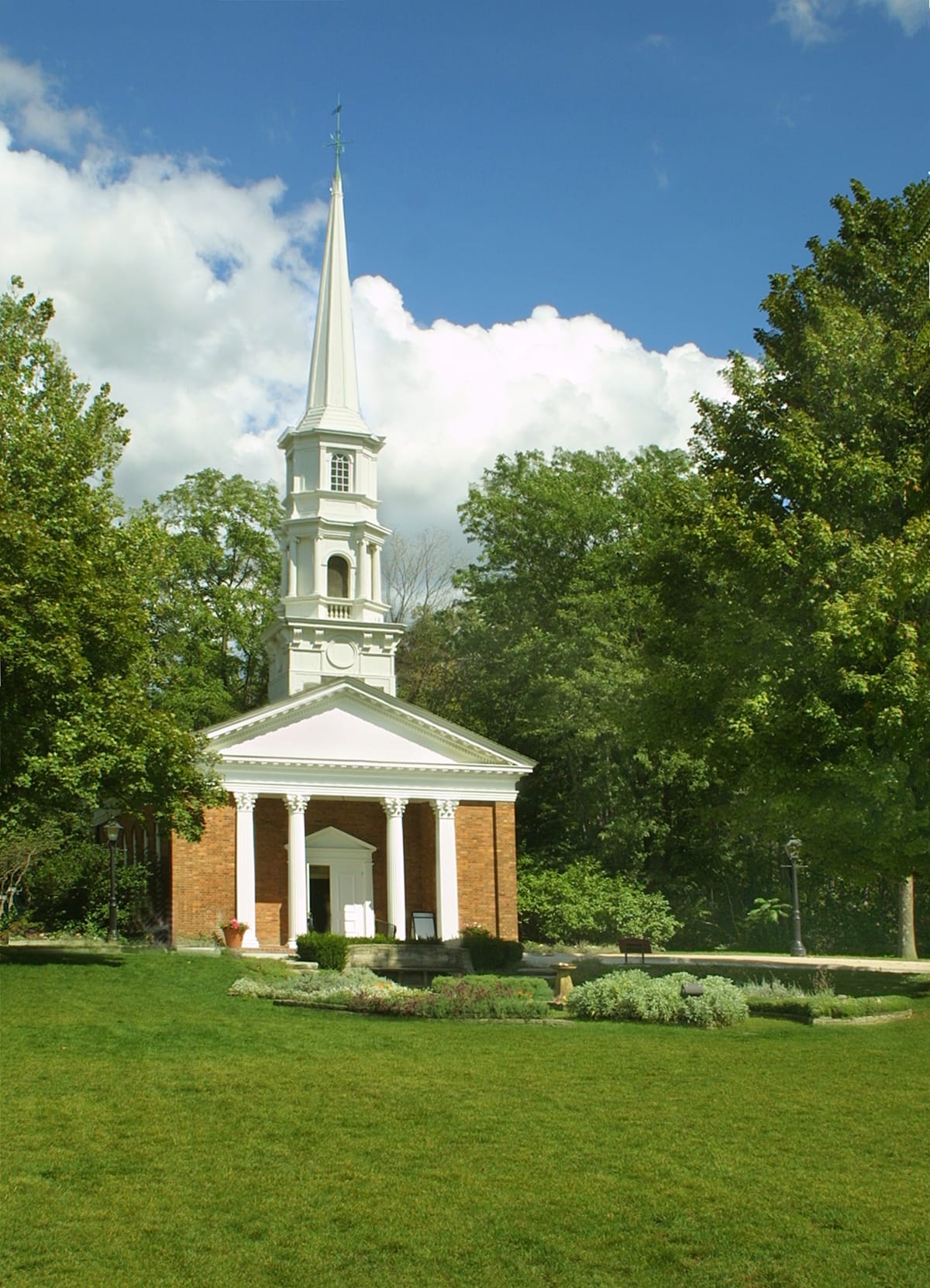
- Martha-Mary Chapel - Churches were a center of community life in the 1700s, a place where townspeople came together to attend services and socialize. The Martha-Mary Chapel, with its architecture inspired by New England's colonial-era churches, was built in Greenfield Village in 1929. This chapel was named after Henry Ford's mother, Mary Litogot Ford, and his mother-in-law, Martha Bench Bryant.
- 1929
- Collections - Artifact
Martha-Mary Chapel
Churches were a center of community life in the 1700s, a place where townspeople came together to attend services and socialize. The Martha-Mary Chapel, with its architecture inspired by New England's colonial-era churches, was built in Greenfield Village in 1929. This chapel was named after Henry Ford's mother, Mary Litogot Ford, and his mother-in-law, Martha Bench Bryant.
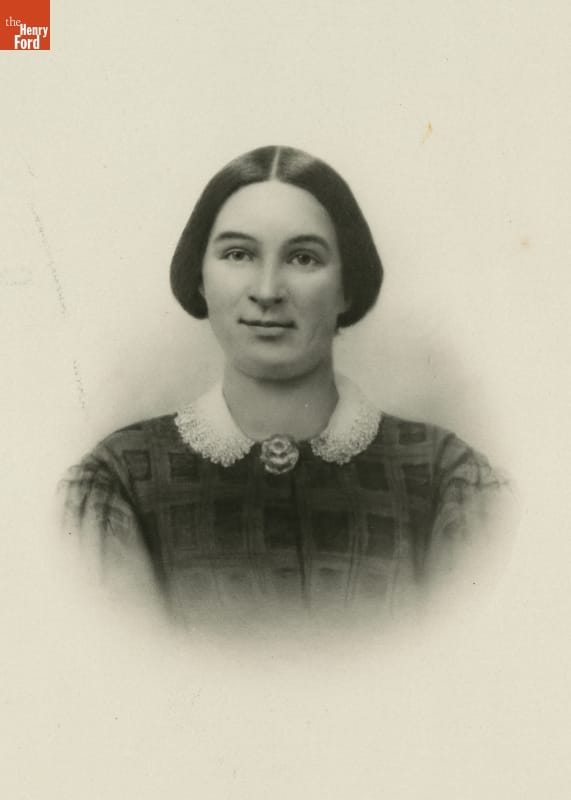
- Portrait of Mary Litogot Ford, Mother of Henry Ford, circa 1865 - William Ford and Mary Litogot married in 1861 and gave birth to a son, Henry, two years later. Henry Ford's mother taught him to read and encouraged many of his lasting characteristics. Mary had a profound effect on her eldest child, who remarked after her death during childbirth in 1876 that their house "was like a watch without a mainspring."
- July 08, 1930
- Collections - Artifact
Portrait of Mary Litogot Ford, Mother of Henry Ford, circa 1865
William Ford and Mary Litogot married in 1861 and gave birth to a son, Henry, two years later. Henry Ford's mother taught him to read and encouraged many of his lasting characteristics. Mary had a profound effect on her eldest child, who remarked after her death during childbirth in 1876 that their house "was like a watch without a mainspring."
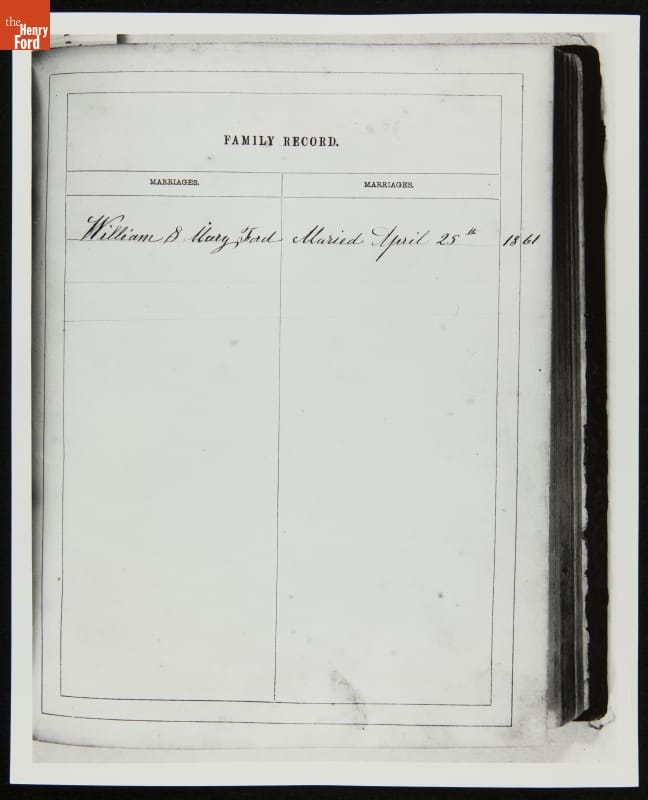
- Marriage of William and Mary Ford (Henry Ford's Parents) Recorded in a Family Bible, 1861 - Many 19th-century Americans recorded births, deaths and marriages in family bibles. Subsequent generations sometimes add and update entries. The Ford family bible originally belonged to Margaret Ahern (or O'hern), Henry Ford's foster grandmother. It was passed down to Henry's sister, Margaret. Margaret later gave the bible to Henry. This page records the marriage of William and Mary Ford, Henry's parents.
- April 25, 1861
- Collections - Artifact
Marriage of William and Mary Ford (Henry Ford's Parents) Recorded in a Family Bible, 1861
Many 19th-century Americans recorded births, deaths and marriages in family bibles. Subsequent generations sometimes add and update entries. The Ford family bible originally belonged to Margaret Ahern (or O'hern), Henry Ford's foster grandmother. It was passed down to Henry's sister, Margaret. Margaret later gave the bible to Henry. This page records the marriage of William and Mary Ford, Henry's parents.
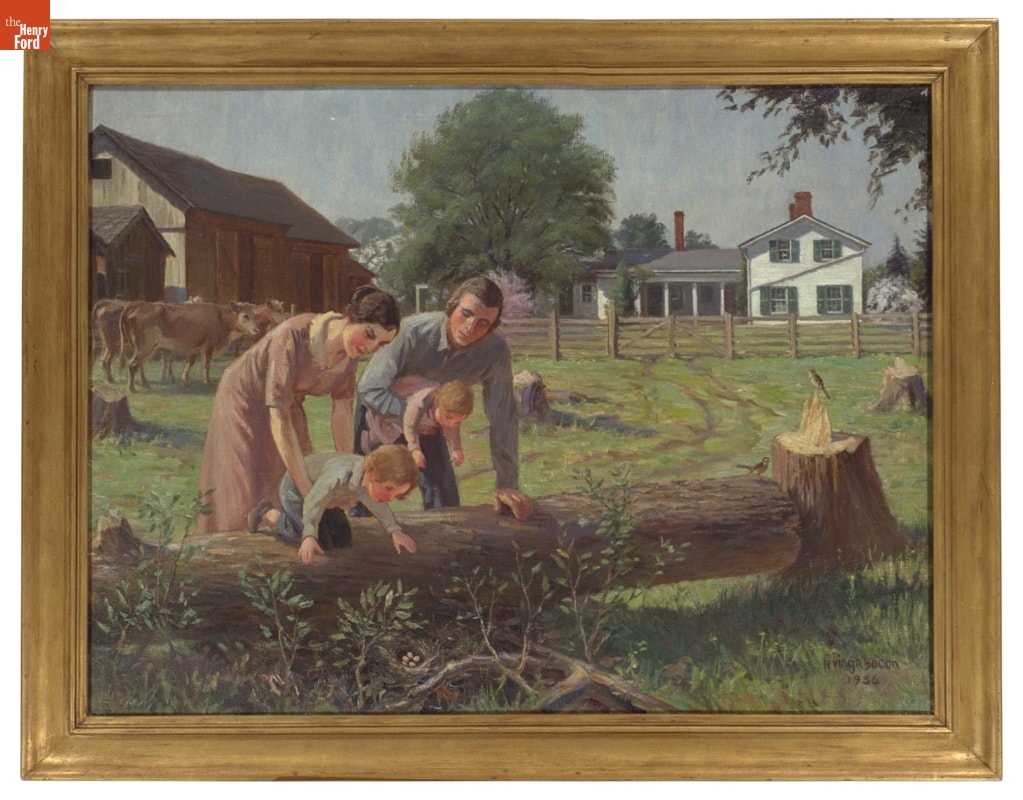
- Henry Ford as a Small Child Being Shown a Bird's Nest by his Family, by Irving Bacon, 1936 - Henry Ford, a four-year-old boy in his mother's arms, looks on as his parents show him and his brother, John, a sparrow's nest in a fallen tree. It was Ford's earliest memory, and he had the scene recreated in this painting by favorite artist Irving Bacon.
- circa 1866
- Collections - Artifact
Henry Ford as a Small Child Being Shown a Bird's Nest by his Family, by Irving Bacon, 1936
Henry Ford, a four-year-old boy in his mother's arms, looks on as his parents show him and his brother, John, a sparrow's nest in a fallen tree. It was Ford's earliest memory, and he had the scene recreated in this painting by favorite artist Irving Bacon.
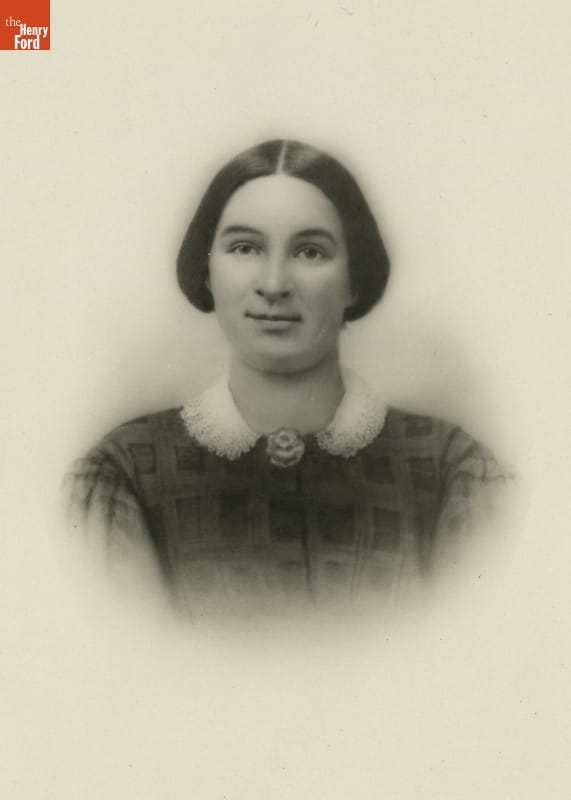
- Portrait of Mary Litogot Ford, circa 1865 - William Ford and Mary Litogot married in 1861 and gave birth to a son, Henry, two years later. Henry Ford's mother taught him to read and encouraged many of his lasting characteristics. Mary had a profound effect on her eldest child, who remarked after her death during childbirth in 1876 that their house "was like a watch without a mainspring."
- circa 1865
- Collections - Artifact
Portrait of Mary Litogot Ford, circa 1865
William Ford and Mary Litogot married in 1861 and gave birth to a son, Henry, two years later. Henry Ford's mother taught him to read and encouraged many of his lasting characteristics. Mary had a profound effect on her eldest child, who remarked after her death during childbirth in 1876 that their house "was like a watch without a mainspring."
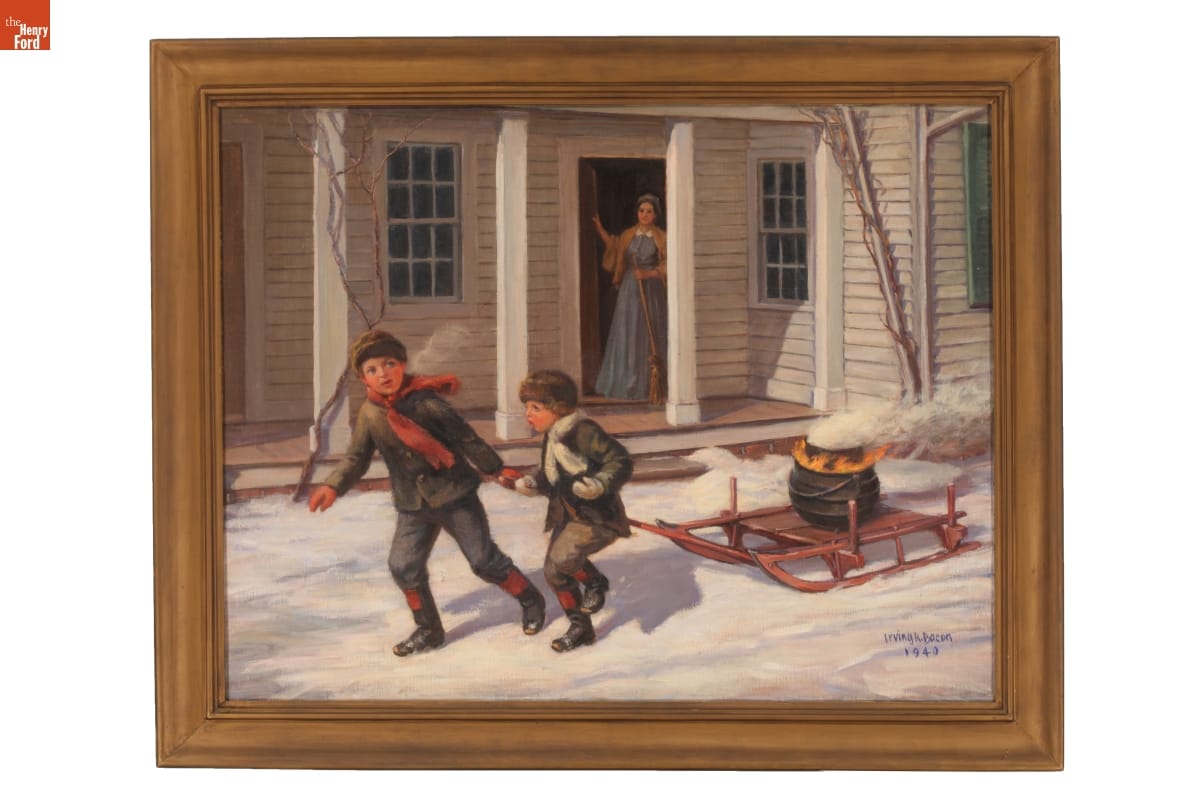
- Young Henry Ford and John Ford Pulling a Sled with a Boiling Kettle, by Irving Bacon, 1940 - Henry Ford and his younger brother, John, pull a sled holding a kettle of boiling water while their mother, Mary, watches from the doorway. The boys are playing train, pretending that the sled is a thundering steam locomotive. This painting is one of several childhood scenes that Henry Ford commissioned from his favorite artist, Irving Bacon.
- circa 1875
- Collections - Artifact
Young Henry Ford and John Ford Pulling a Sled with a Boiling Kettle, by Irving Bacon, 1940
Henry Ford and his younger brother, John, pull a sled holding a kettle of boiling water while their mother, Mary, watches from the doorway. The boys are playing train, pretending that the sled is a thundering steam locomotive. This painting is one of several childhood scenes that Henry Ford commissioned from his favorite artist, Irving Bacon.
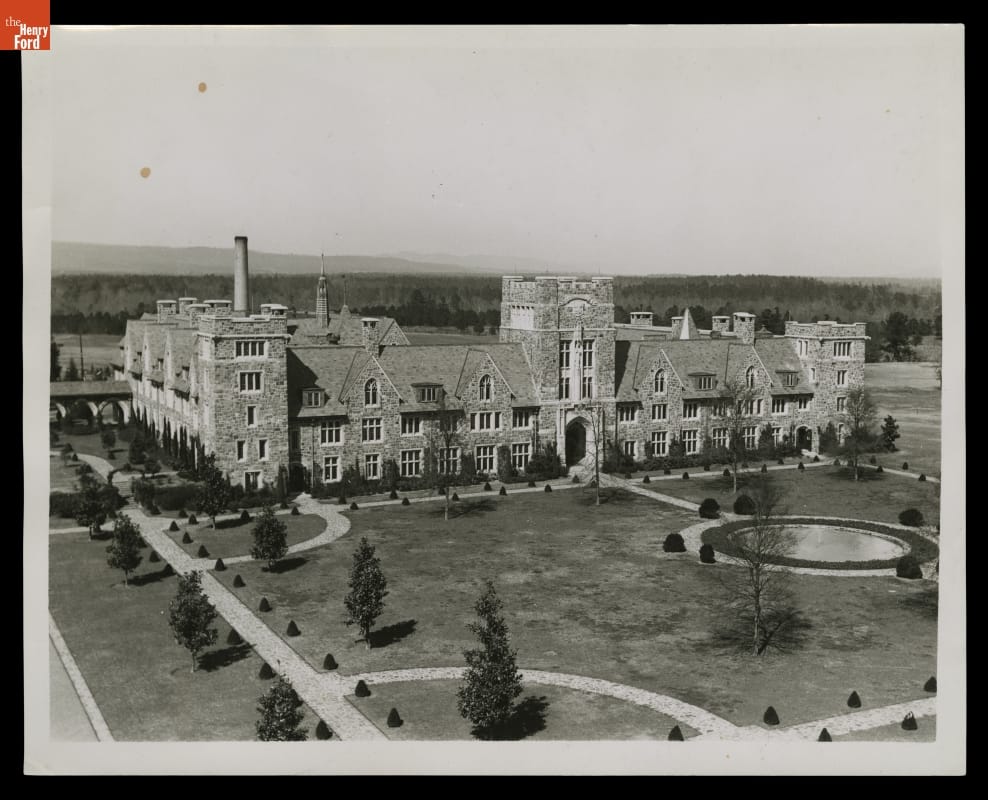
- Mary Hall, Dormitory on the Berry Schools Campus, Mount Berry, Georgia, circa 1935 - In 1902, Martha Berry established a school near Rome, Georgia, to educate local underprivileged children. As the school grew, Berry solicited funds from many wealthy Americans. She invited Clara and Henry Ford to the school in 1921. The Fords were impressed. Clara and Henry became lifelong benefactors and funded construction of several campus buildings.
- circa 1935
- Collections - Artifact
Mary Hall, Dormitory on the Berry Schools Campus, Mount Berry, Georgia, circa 1935
In 1902, Martha Berry established a school near Rome, Georgia, to educate local underprivileged children. As the school grew, Berry solicited funds from many wealthy Americans. She invited Clara and Henry Ford to the school in 1921. The Fords were impressed. Clara and Henry became lifelong benefactors and funded construction of several campus buildings.
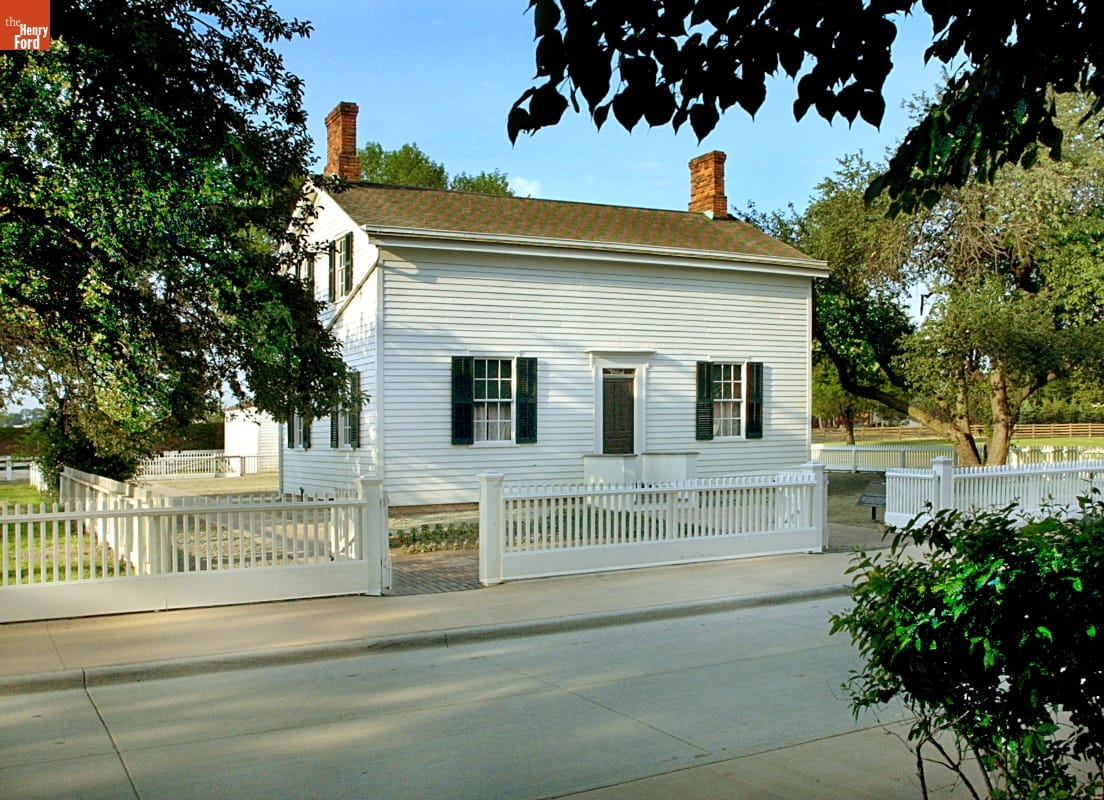
- Ford Home - Henry Ford was born in this farmhouse on July 30, 1863. The house stood near the corner of present-day Ford and Greenfield Roads in Dearborn, Michigan. Ford grew up in the house and moved out at age 16 to find work in Detroit. He restored the farmhouse in 1919 and moved it to Greenfield Village in 1944.
- 1863-1879
- Collections - Artifact
Ford Home
Henry Ford was born in this farmhouse on July 30, 1863. The house stood near the corner of present-day Ford and Greenfield Roads in Dearborn, Michigan. Ford grew up in the house and moved out at age 16 to find work in Detroit. He restored the farmhouse in 1919 and moved it to Greenfield Village in 1944.
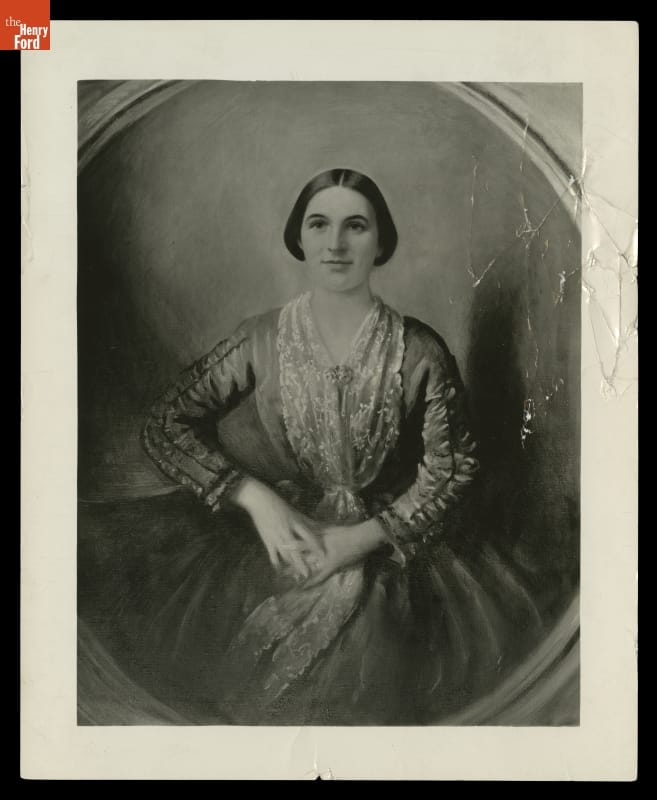
- Portrait of Mary Litogot Ford, Painted by Carl Bennett Linder in 1935 - William Ford and Mary Litogot married in 1861 and gave birth to a son, Henry, two years later. Henry Ford's mother taught him to read and encouraged many of his lasting characteristics. Mary had a profound effect on her eldest child, who remarked after her death during childbirth in 1876 that their house "was like a watch without a mainspring."
- 1860-1865
- Collections - Artifact
Portrait of Mary Litogot Ford, Painted by Carl Bennett Linder in 1935
William Ford and Mary Litogot married in 1861 and gave birth to a son, Henry, two years later. Henry Ford's mother taught him to read and encouraged many of his lasting characteristics. Mary had a profound effect on her eldest child, who remarked after her death during childbirth in 1876 that their house "was like a watch without a mainspring."
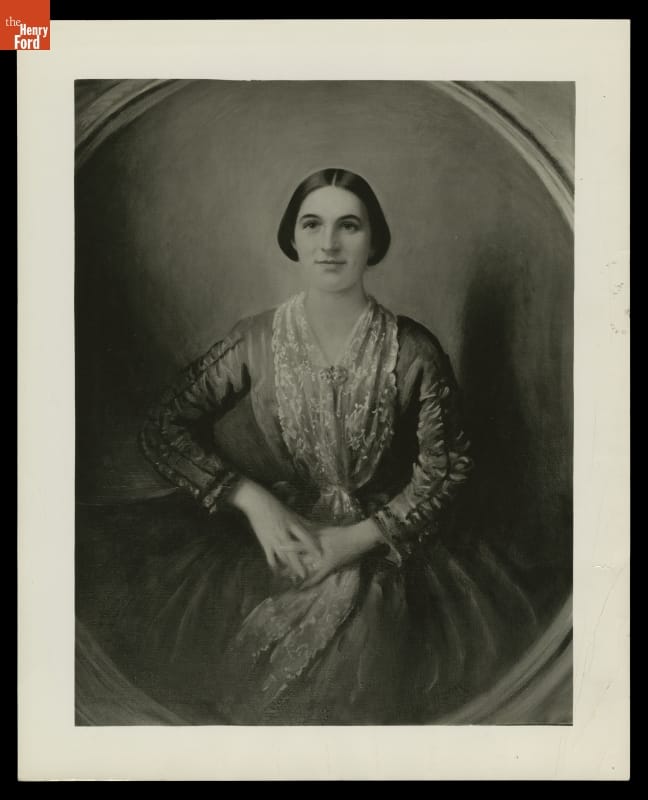
- Portrait of Mary Litogot Ford, Painted by Carl Bennett Linder in 1935 - William Ford and Mary Litogot married in 1861 and gave birth to a son, Henry, two years later. Henry Ford's mother taught him to read and encouraged many of his lasting characteristics. Mary had a profound effect on her eldest child, who remarked after her death during childbirth in 1876 that their house "was like a watch without a mainspring."
- 1860-1865
- Collections - Artifact
Portrait of Mary Litogot Ford, Painted by Carl Bennett Linder in 1935
William Ford and Mary Litogot married in 1861 and gave birth to a son, Henry, two years later. Henry Ford's mother taught him to read and encouraged many of his lasting characteristics. Mary had a profound effect on her eldest child, who remarked after her death during childbirth in 1876 that their house "was like a watch without a mainspring."