
Search
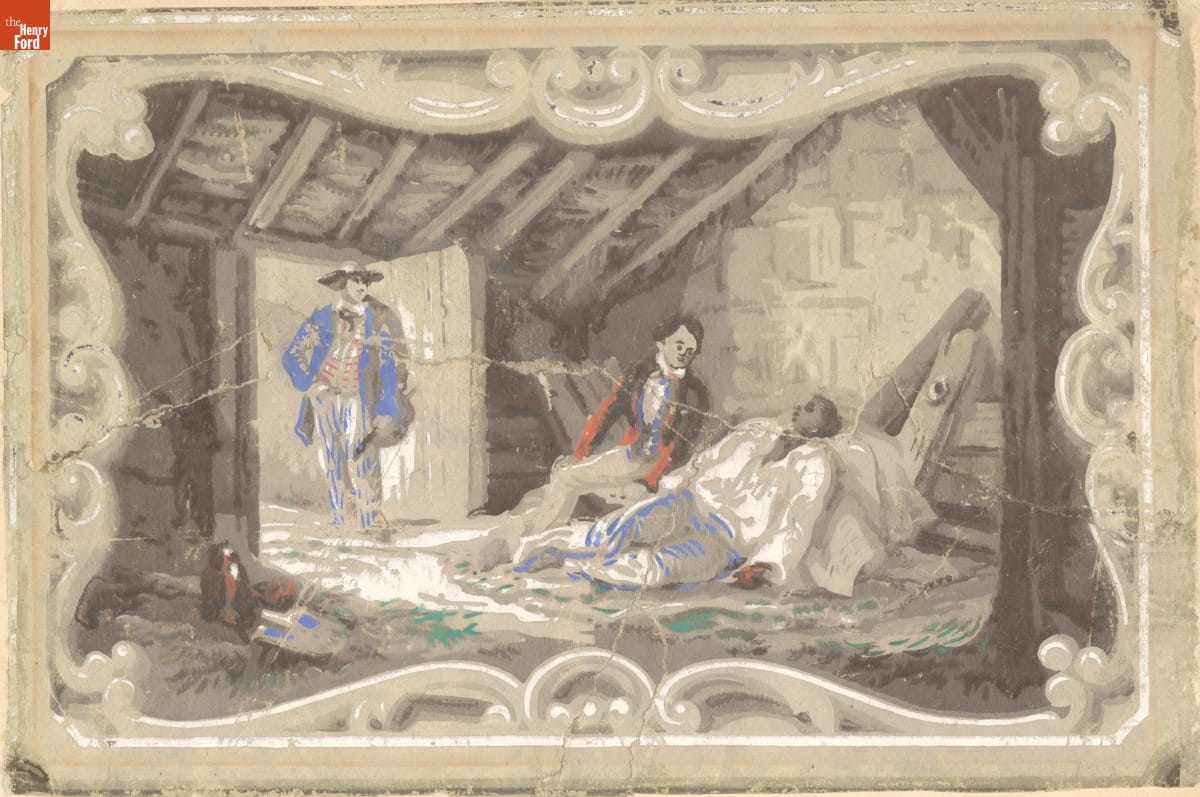
- Wallpaper Fragment with Scene from Uncle Tom's Cabin, Used at Crotta House, circa 1852 - Harriet Beecher Stowe's book, <em>Uncle Tom's Cabin</em>, became a national and international best-seller when first published in 1852. A number of illustrated editions were produced soon after. This section of wallpaper may have been based on one of the illustrations called "Death of Uncle Tom." This section was removed from a house in Ireland -- a testament to the international acclaim of the novel.
- circa 1852
- Collections - Artifact
Wallpaper Fragment with Scene from Uncle Tom's Cabin, Used at Crotta House, circa 1852
Harriet Beecher Stowe's book, Uncle Tom's Cabin, became a national and international best-seller when first published in 1852. A number of illustrated editions were produced soon after. This section of wallpaper may have been based on one of the illustrations called "Death of Uncle Tom." This section was removed from a house in Ireland -- a testament to the international acclaim of the novel.
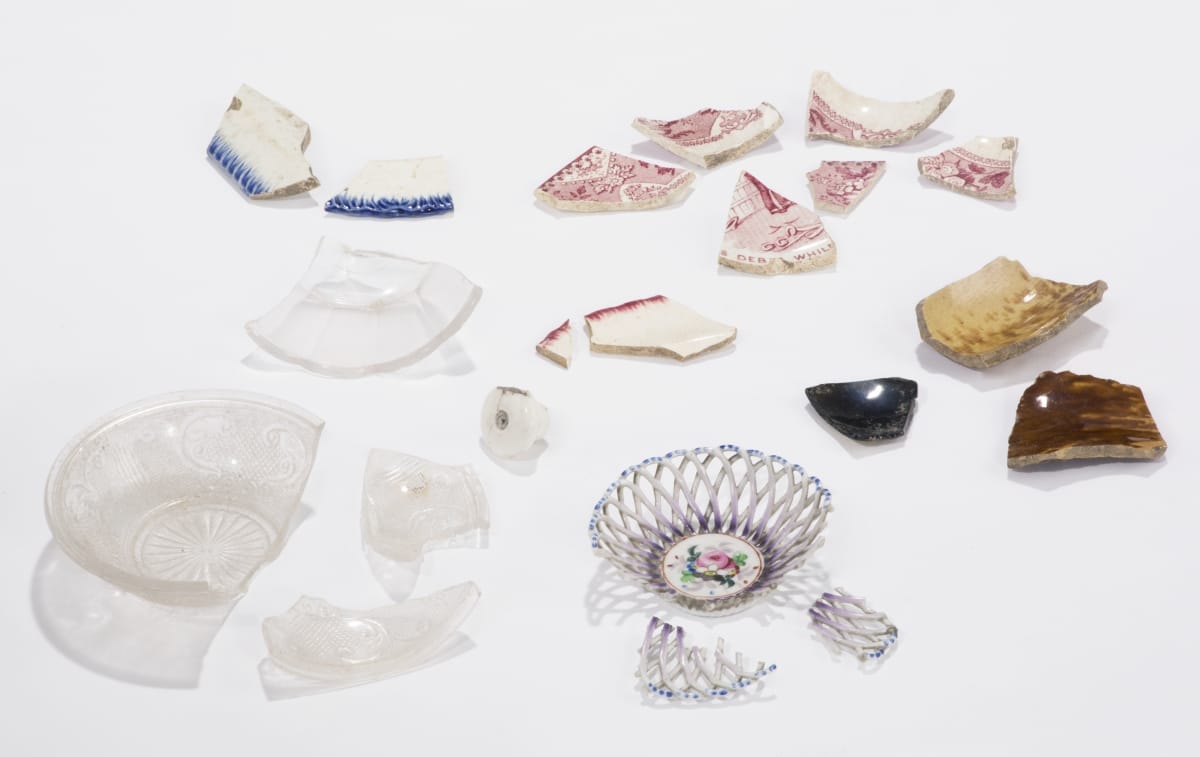
- Shards Found at Henry Ford's Birthplace, Dearborn, Michigan, 1860-1919 -
- 1860-1919
- Collections - Artifact
Shards Found at Henry Ford's Birthplace, Dearborn, Michigan, 1860-1919
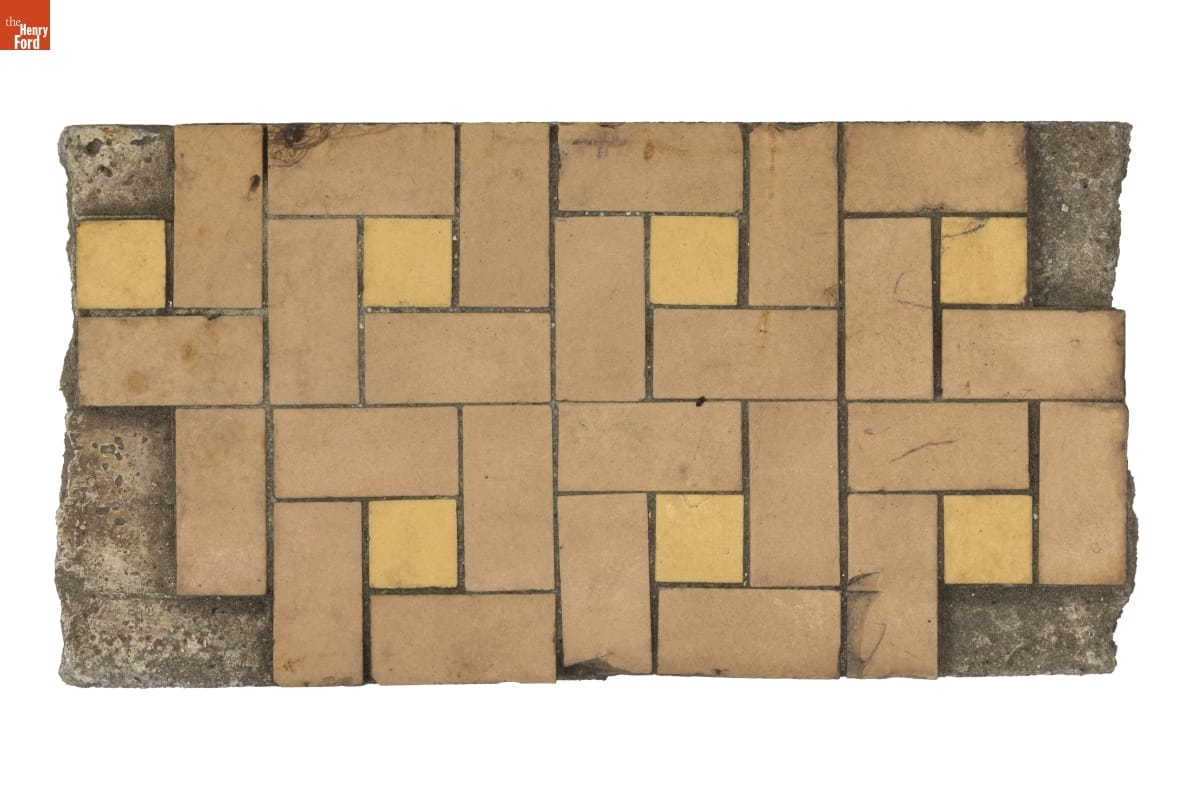
- Floor Tile Fragment from Squeak's Diner, Kensington, Connecticut, 1941 -
- 1941
- Collections - Artifact
Floor Tile Fragment from Squeak's Diner, Kensington, Connecticut, 1941
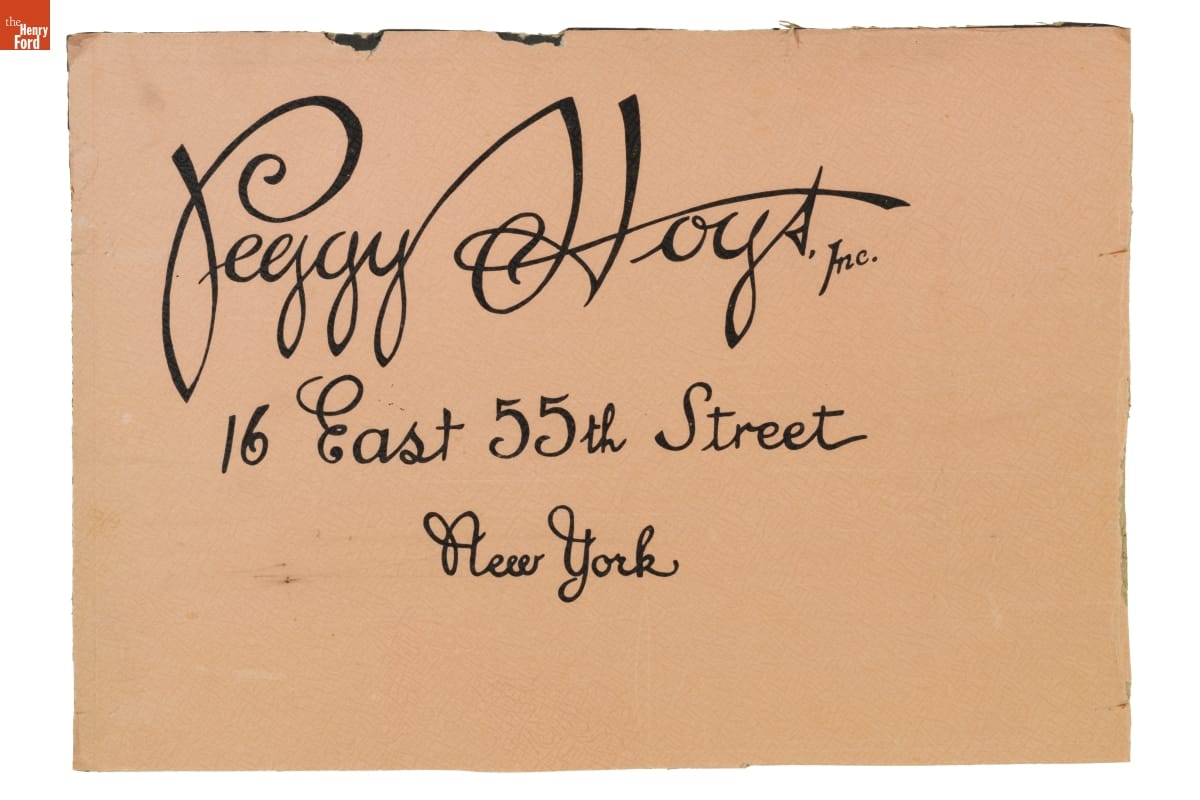
- Top of Box from Peggy Hoyt, Inc., 1925-1935 - Peggy Hoyt began her career making hats as a milliner's apprentice--and went on to become a highly successful New York City fashion designer whose creations would rival those of Paris. Her clothing designs were creative and unique, employing her signature pastels, rhinestone ornaments, and handkerchief hems. Hoyt dressed a small, but exclusive, clientele in every large American city.
- 1925-1935
- Collections - Artifact
Top of Box from Peggy Hoyt, Inc., 1925-1935
Peggy Hoyt began her career making hats as a milliner's apprentice--and went on to become a highly successful New York City fashion designer whose creations would rival those of Paris. Her clothing designs were creative and unique, employing her signature pastels, rhinestone ornaments, and handkerchief hems. Hoyt dressed a small, but exclusive, clientele in every large American city.
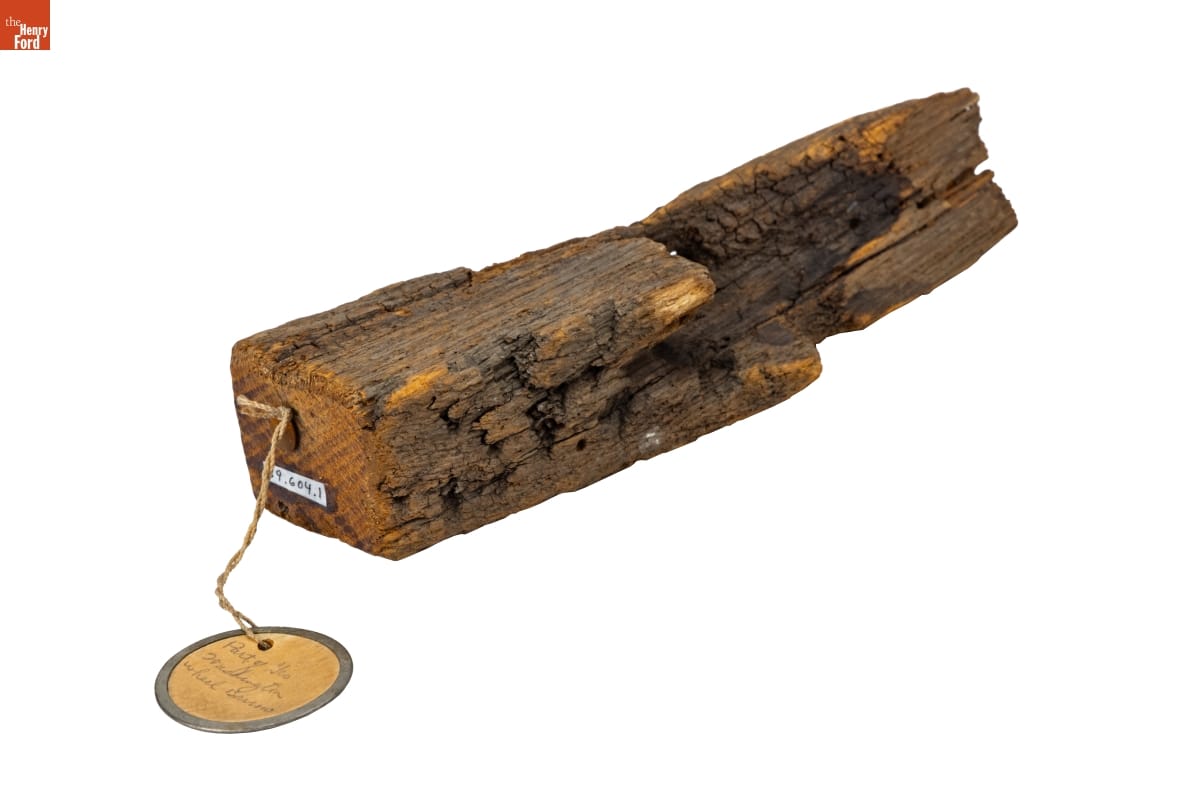
- Piece of George Washington Wheelbarrow -
- Collections - Artifact
Piece of George Washington Wheelbarrow
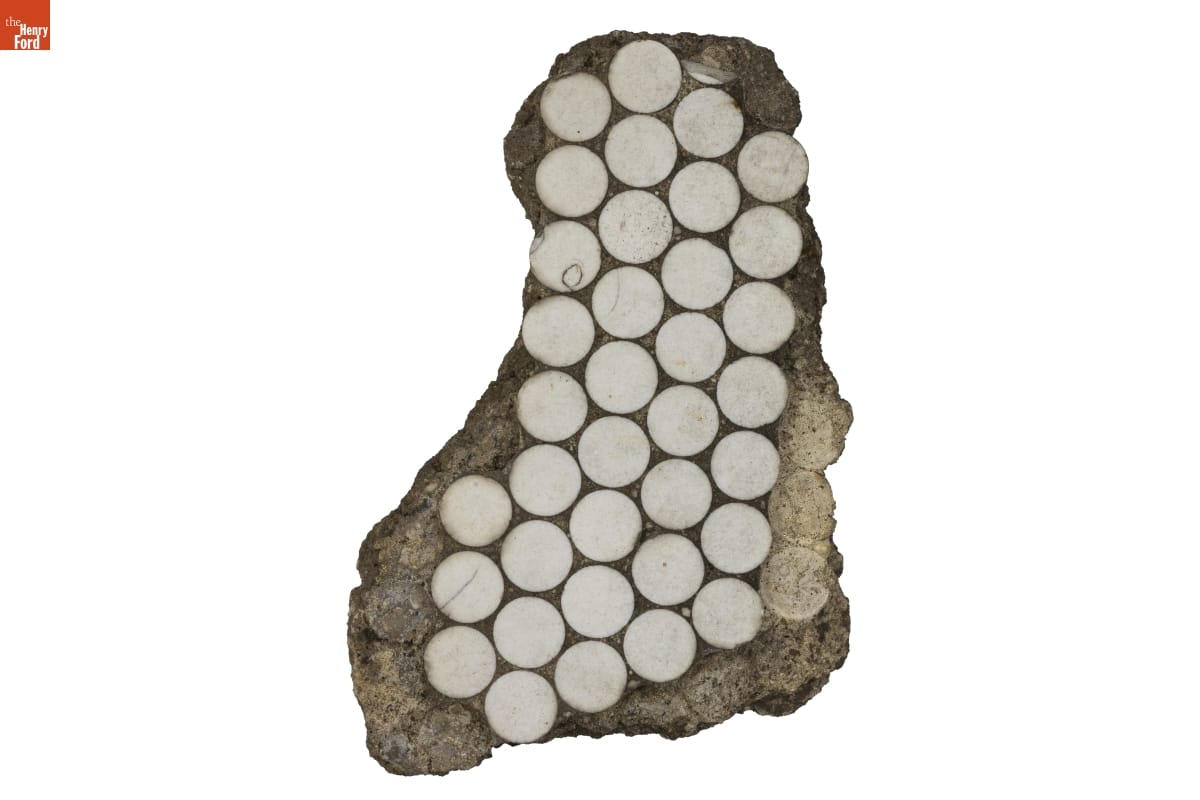
- Tile Floor Fragment from the F & T Diner, Cambridge, Massachusetts, 1927 -
- 1927
- Collections - Artifact
Tile Floor Fragment from the F & T Diner, Cambridge, Massachusetts, 1927
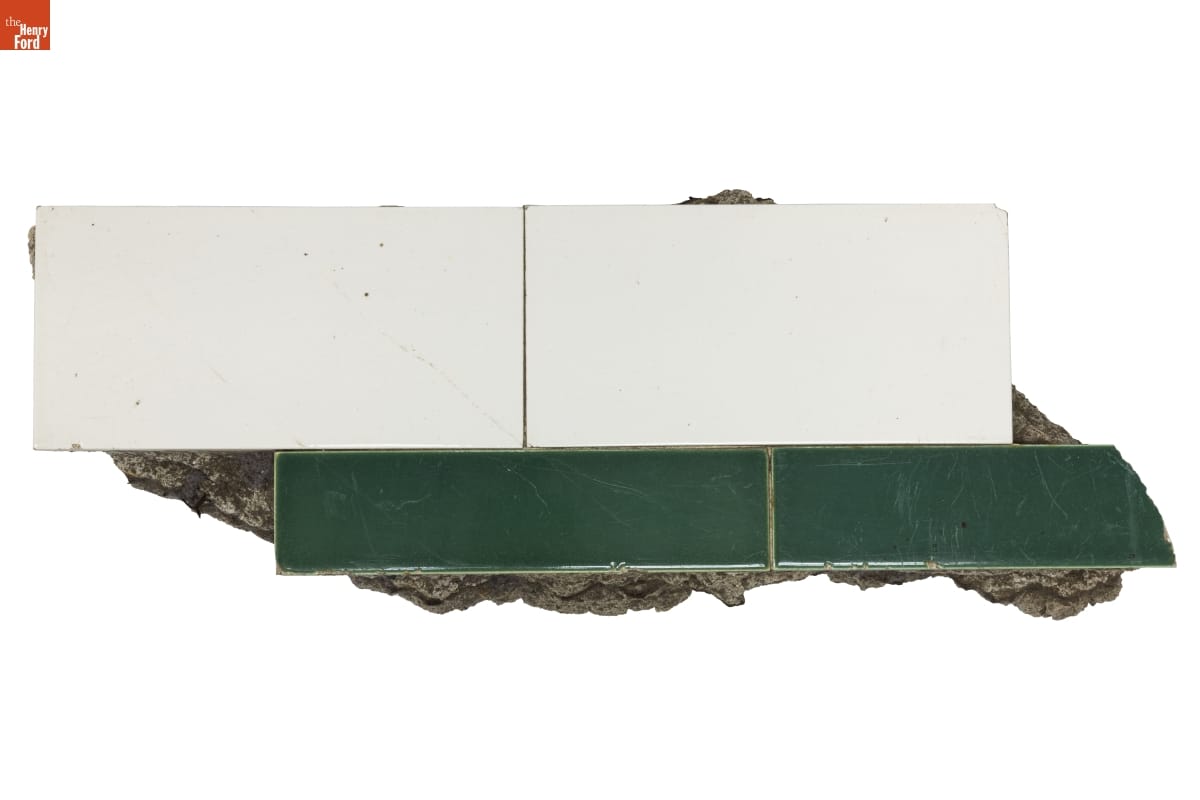
- Wall Tile Fragment from a Worcester Lunch Car in North Kingstown, Rhode Island, 1920-1939 -
- 1920-1939
- Collections - Artifact
Wall Tile Fragment from a Worcester Lunch Car in North Kingstown, Rhode Island, 1920-1939
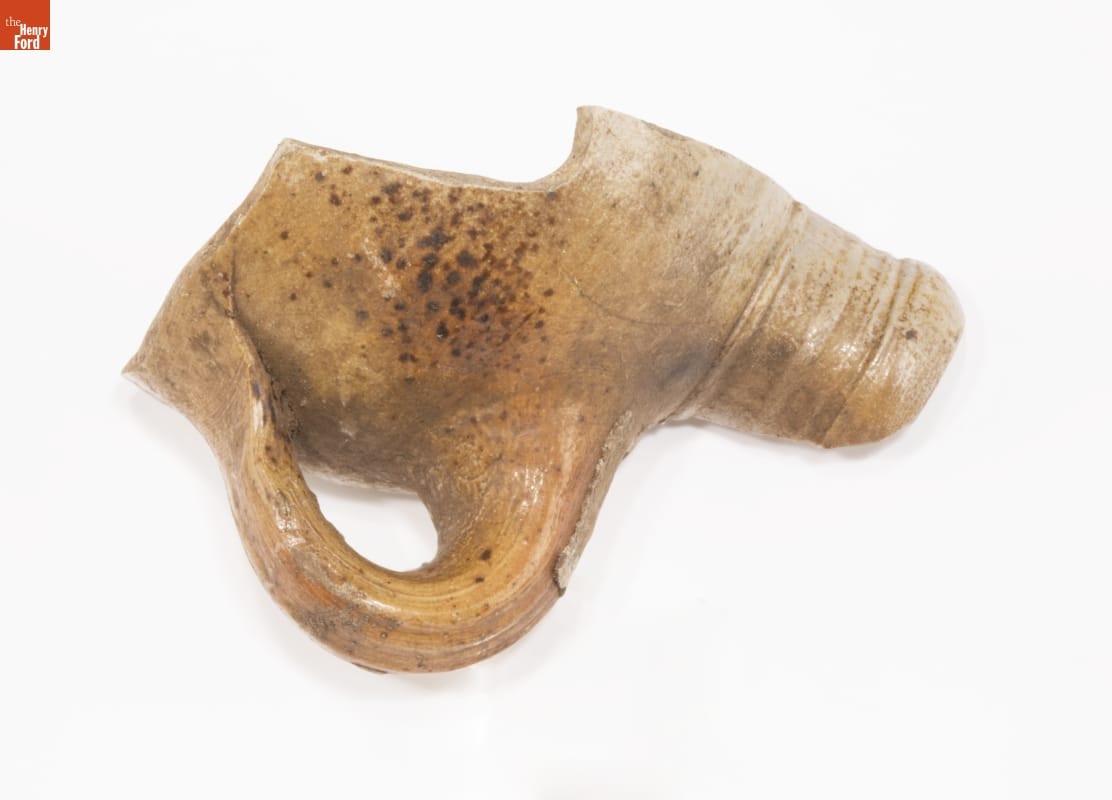
- Menlo Park Relic, Excavated in 1928 from the Original Site of Thomas Edison's Menlo Park Laboratory -
- 1928
- Collections - Artifact
Menlo Park Relic, Excavated in 1928 from the Original Site of Thomas Edison's Menlo Park Laboratory
- Menlo Park Relic, Excavated in 1928 from the Original Site of Thomas Edison's Menlo Park Laboratory -
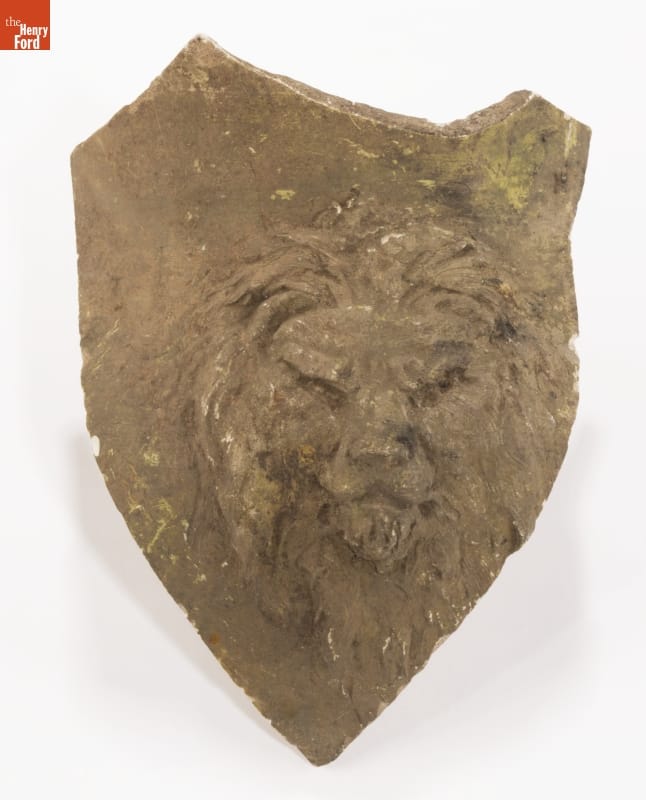
- 1928
- Collections - Artifact
Menlo Park Relic, Excavated in 1928 from the Original Site of Thomas Edison's Menlo Park Laboratory
- Wallpaper Fragment with Scene from Uncle Tom's Cabin, Used at Crotta House, circa 1852 - Harriet Beecher Stowe's book, <em>Uncle Tom's Cabin</em>, became a national and international best-seller when first published in 1852. A number of illustrated editions were produced soon after. This section of wallpaper may have been based on one of the illustrations called "Haley and Shelby with Little Harry." This section was removed from a house in Ireland -- a testament to the international acclaim of the novel.
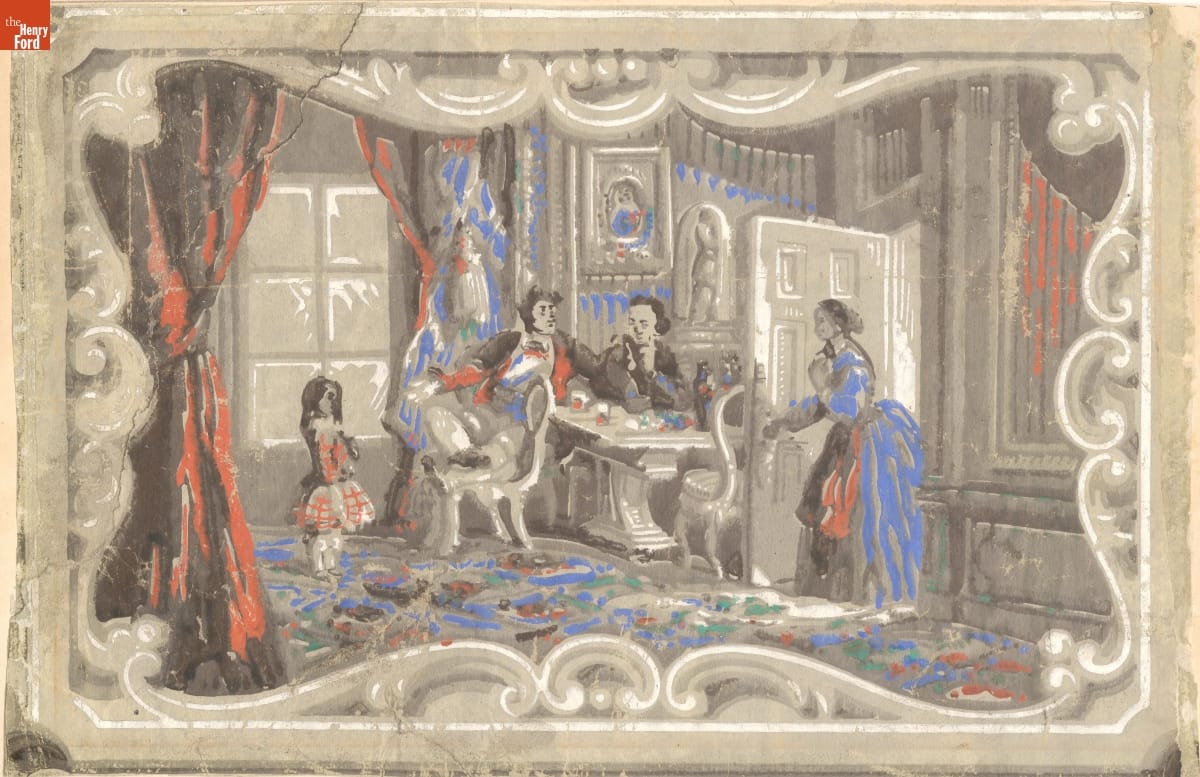
- circa 1852
- Collections - Artifact
Wallpaper Fragment with Scene from Uncle Tom's Cabin, Used at Crotta House, circa 1852
Harriet Beecher Stowe's book, Uncle Tom's Cabin, became a national and international best-seller when first published in 1852. A number of illustrated editions were produced soon after. This section of wallpaper may have been based on one of the illustrations called "Haley and Shelby with Little Harry." This section was removed from a house in Ireland -- a testament to the international acclaim of the novel.