
Search
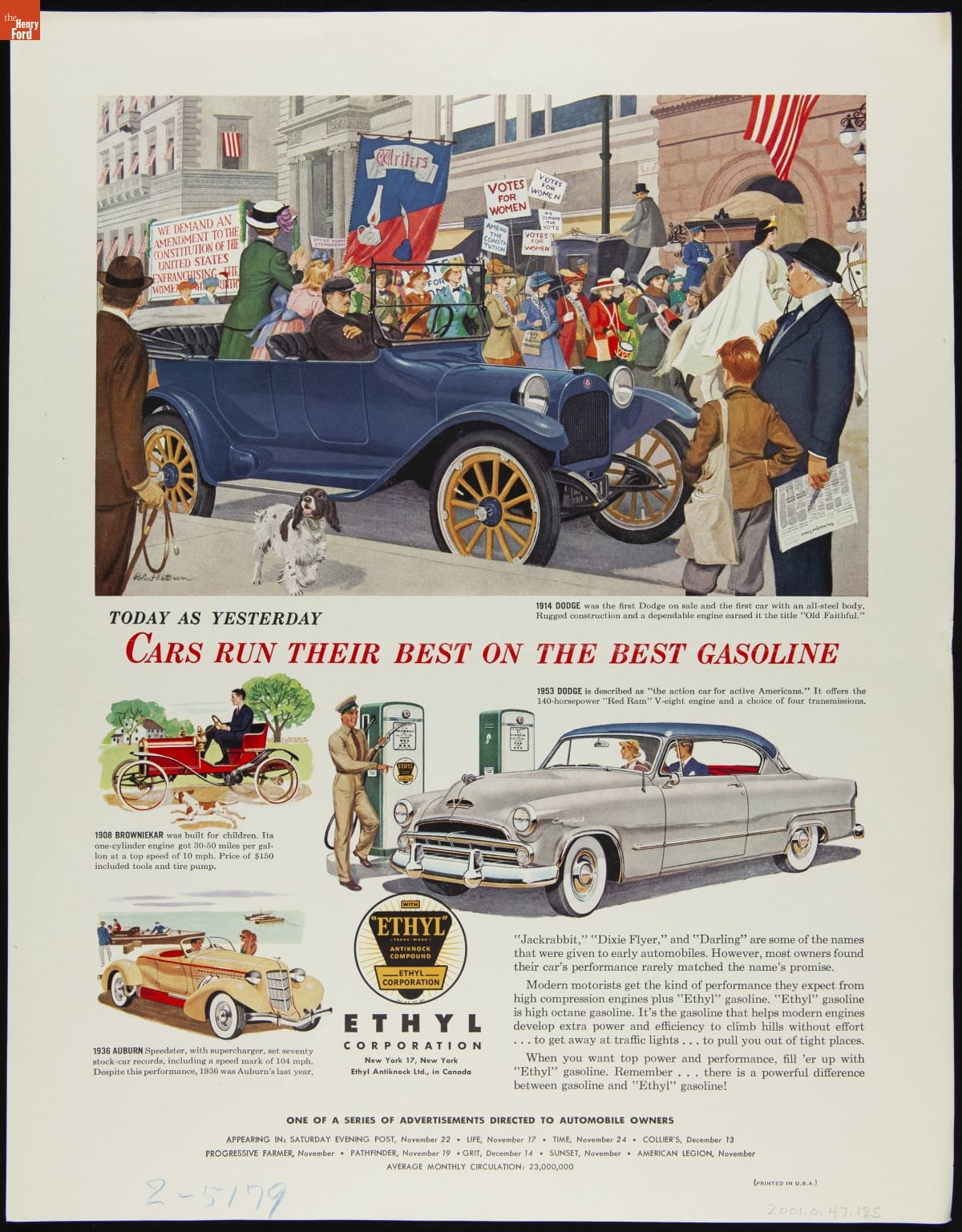
- Today as Yesterday Cars Run their Best on the Best Gasoline, circa 1952 - This advertisement for Ethyl antiknock gasoline additive features historic vehicles from Browniekar, Auburn, and Dodge. The main image shows a 1914 Dodge touring car being used at a rally for women's suffrage. The automobile served as a mobile podium and billboard for American women who fought for the vote in the early 20th century.
- 1953
- Collections - Artifact
Today as Yesterday Cars Run their Best on the Best Gasoline, circa 1952
This advertisement for Ethyl antiknock gasoline additive features historic vehicles from Browniekar, Auburn, and Dodge. The main image shows a 1914 Dodge touring car being used at a rally for women's suffrage. The automobile served as a mobile podium and billboard for American women who fought for the vote in the early 20th century.
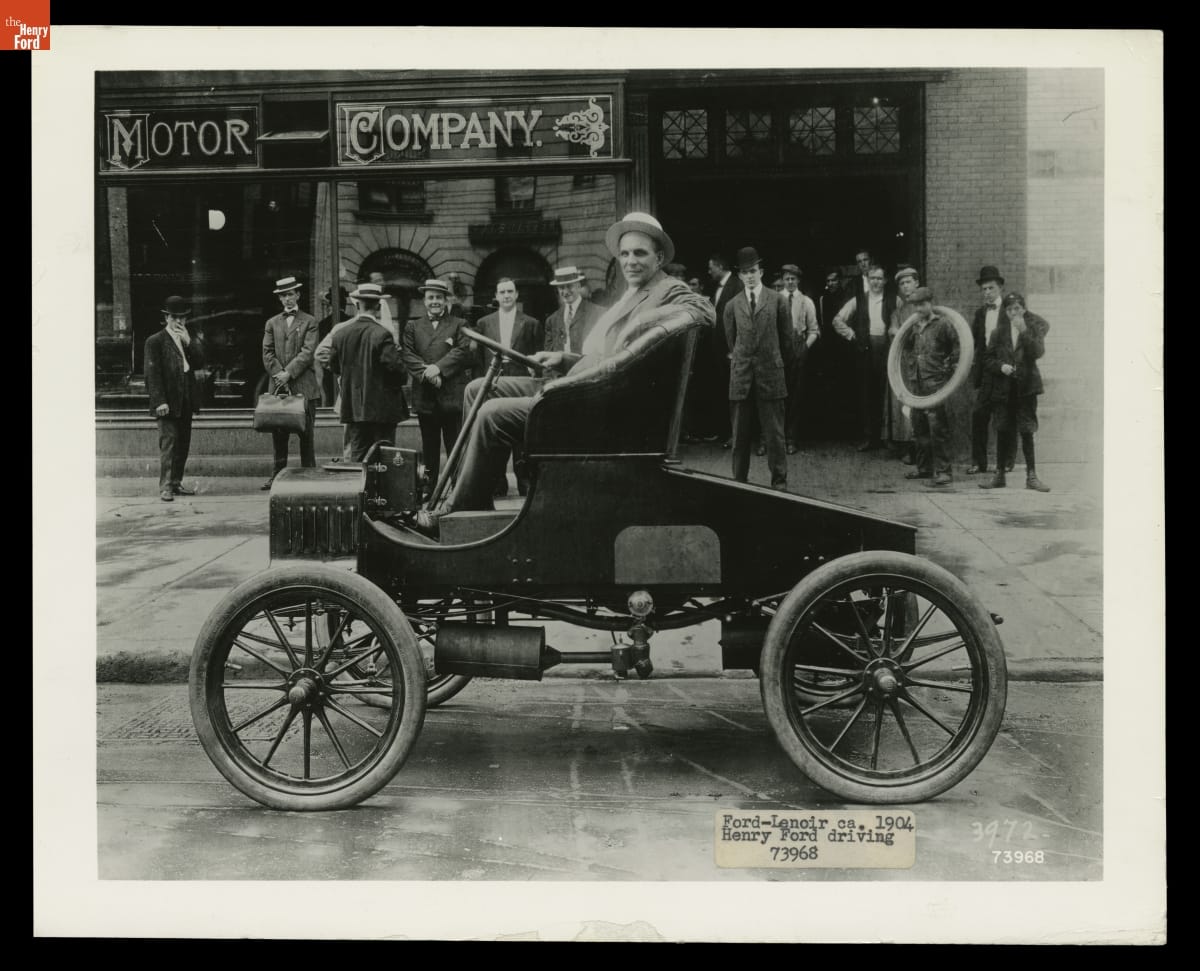
- Henry Ford Seated in Ford Model A with Lenoir Engine, New York City, 1907 - The Association of Licensed Automobile Manufacturers claimed that George Selden's 1895 patent covered all internal combustion automobiles. Henry Ford refused to pay royalties, and ALAM sued. During the legal battle, Ford's team exhibited this functional Model A with an engine from a design patented by Jean Joseph Lenoir in 1860 -- predating Selden's work. The U.S. Court of Appeals ruled in Ford's favor in 1911.
- 1907
- Collections - Artifact
Henry Ford Seated in Ford Model A with Lenoir Engine, New York City, 1907
The Association of Licensed Automobile Manufacturers claimed that George Selden's 1895 patent covered all internal combustion automobiles. Henry Ford refused to pay royalties, and ALAM sued. During the legal battle, Ford's team exhibited this functional Model A with an engine from a design patented by Jean Joseph Lenoir in 1860 -- predating Selden's work. The U.S. Court of Appeals ruled in Ford's favor in 1911.
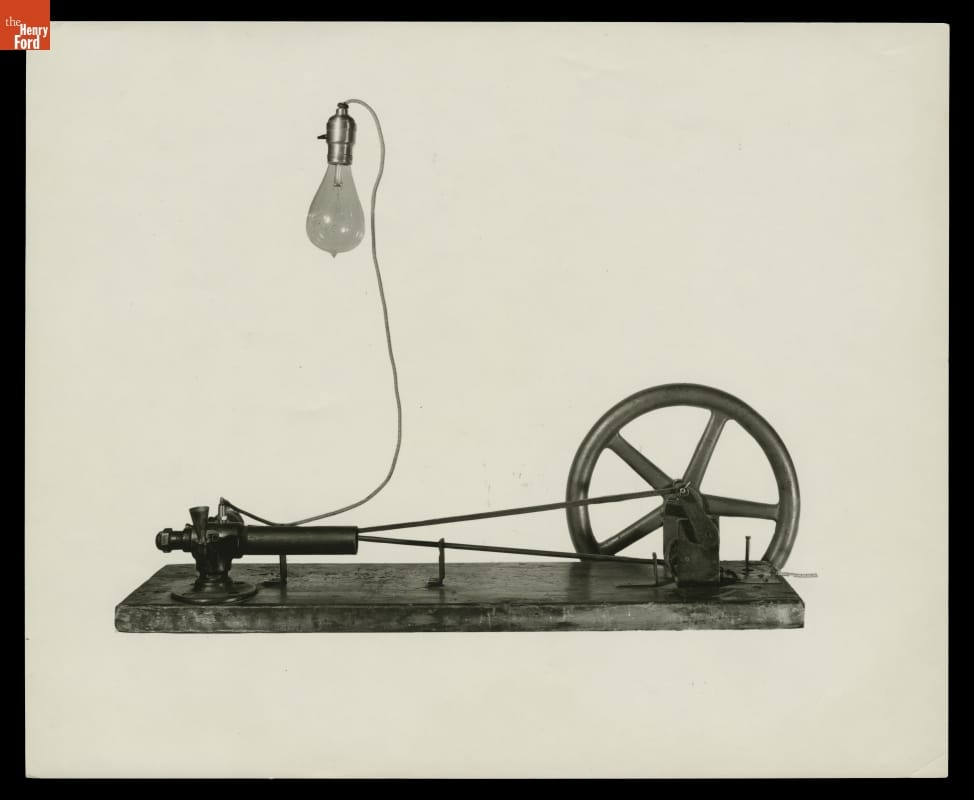
- Henry Ford's 1893 "Kitchen Sink" Gasoline Engine, Photographed in 1935 - Henry Ford built his first experimental engine using scrap metal for parts. He tested it on the kitchen sink after supper on December 24, 1893. For ignition he ran a wire from the ceiling's light bulb. His wife Clara hand-fed gasoline to the intake valve while Henry spun the flywheel. The engine roared into action, shaking the sink.
- April 18, 1935
- Collections - Artifact
Henry Ford's 1893 "Kitchen Sink" Gasoline Engine, Photographed in 1935
Henry Ford built his first experimental engine using scrap metal for parts. He tested it on the kitchen sink after supper on December 24, 1893. For ignition he ran a wire from the ceiling's light bulb. His wife Clara hand-fed gasoline to the intake valve while Henry spun the flywheel. The engine roared into action, shaking the sink.
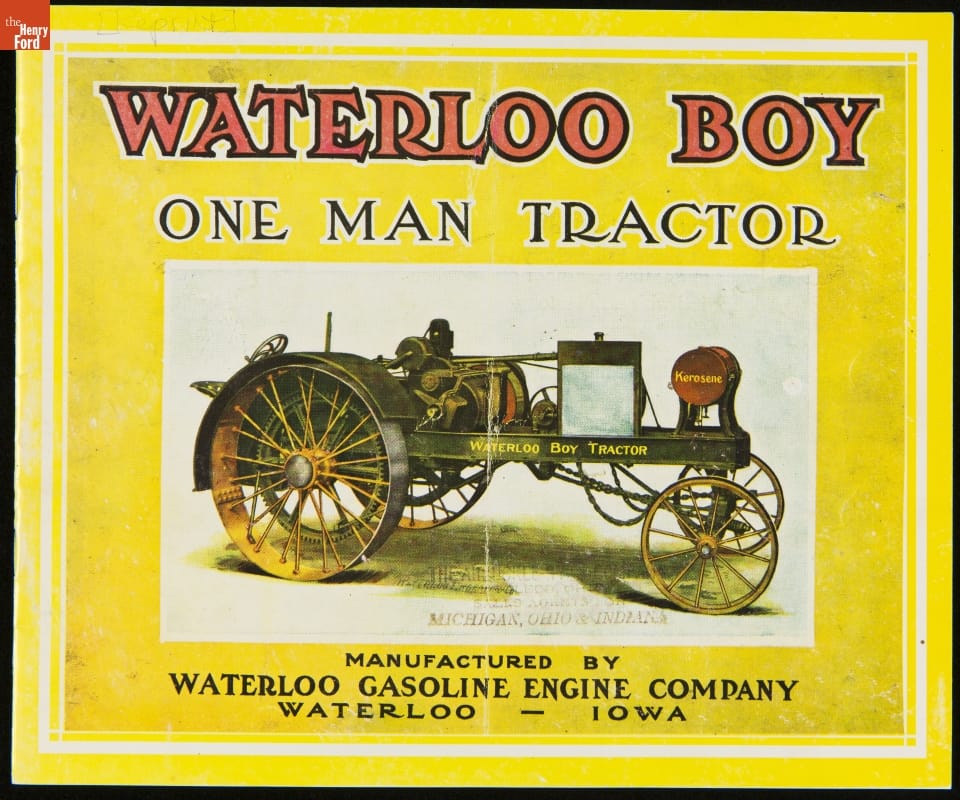
- Reprint of "Waterloo Boy One Man Tractor," 1914 -
- 1914
- Collections - Artifact
Reprint of "Waterloo Boy One Man Tractor," 1914
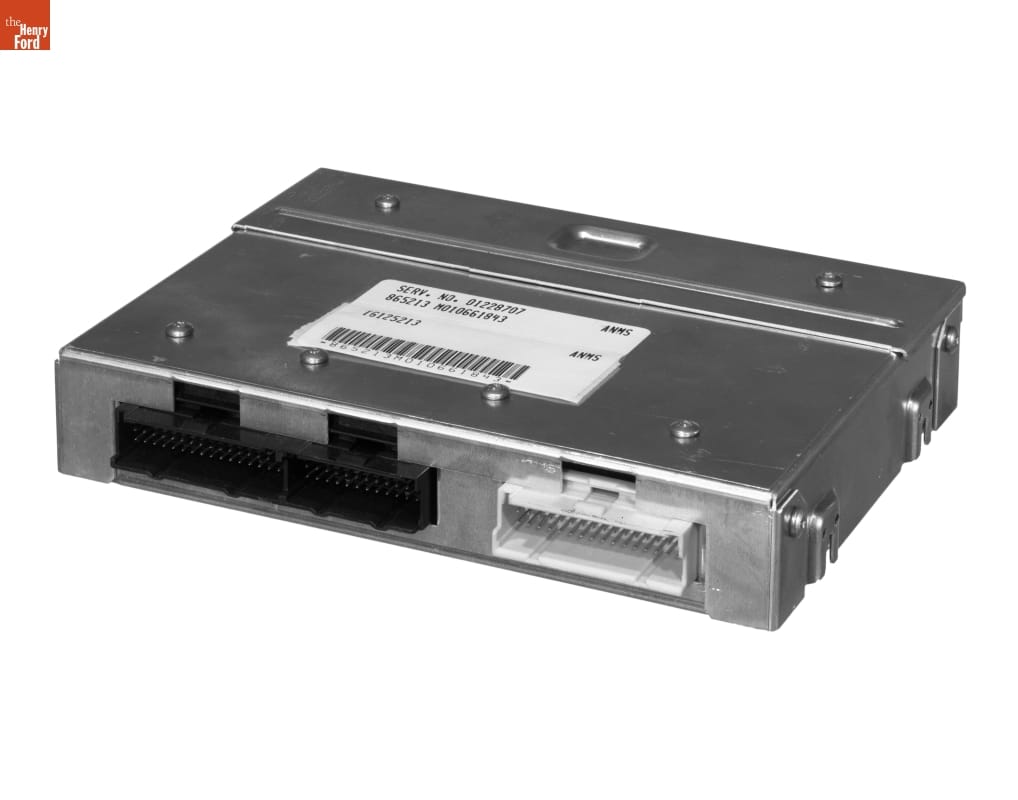
- Firing Module, circa 1990 - By 1990, computer engine controls were nearly universal on American automobiles. This computer module controlled a gasoline engine's ignition firing sequence. It was part of a larger system designed to help internal combustion engines meet federal air quality and fuel efficiency standards.
- circa 1990
- Collections - Artifact
Firing Module, circa 1990
By 1990, computer engine controls were nearly universal on American automobiles. This computer module controlled a gasoline engine's ignition firing sequence. It was part of a larger system designed to help internal combustion engines meet federal air quality and fuel efficiency standards.
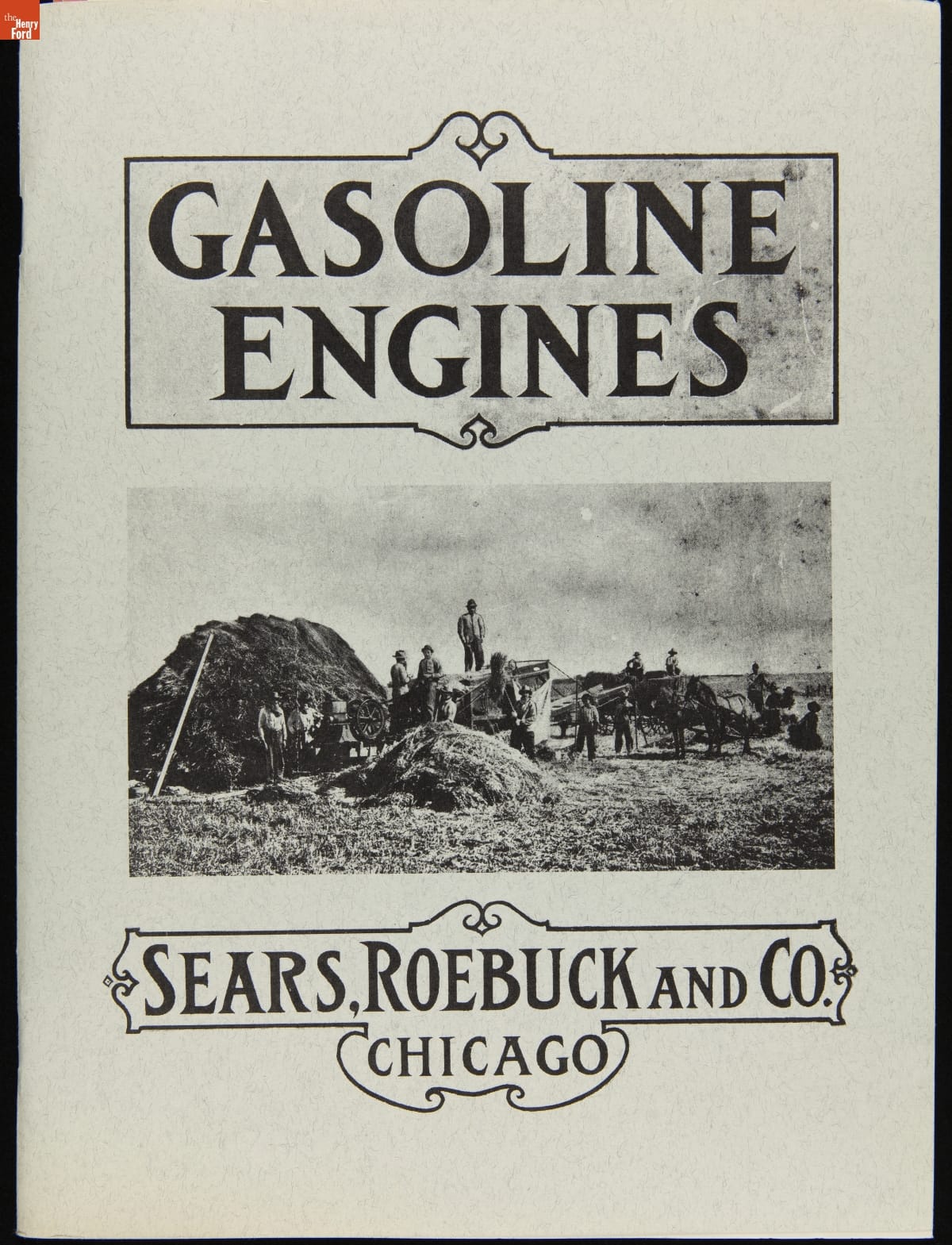
- Reprint of Sears, Roebuck and Co. Gasoline Engines, 1910-1930 -
- 1910-1930
- Collections - Artifact
Reprint of Sears, Roebuck and Co. Gasoline Engines, 1910-1930
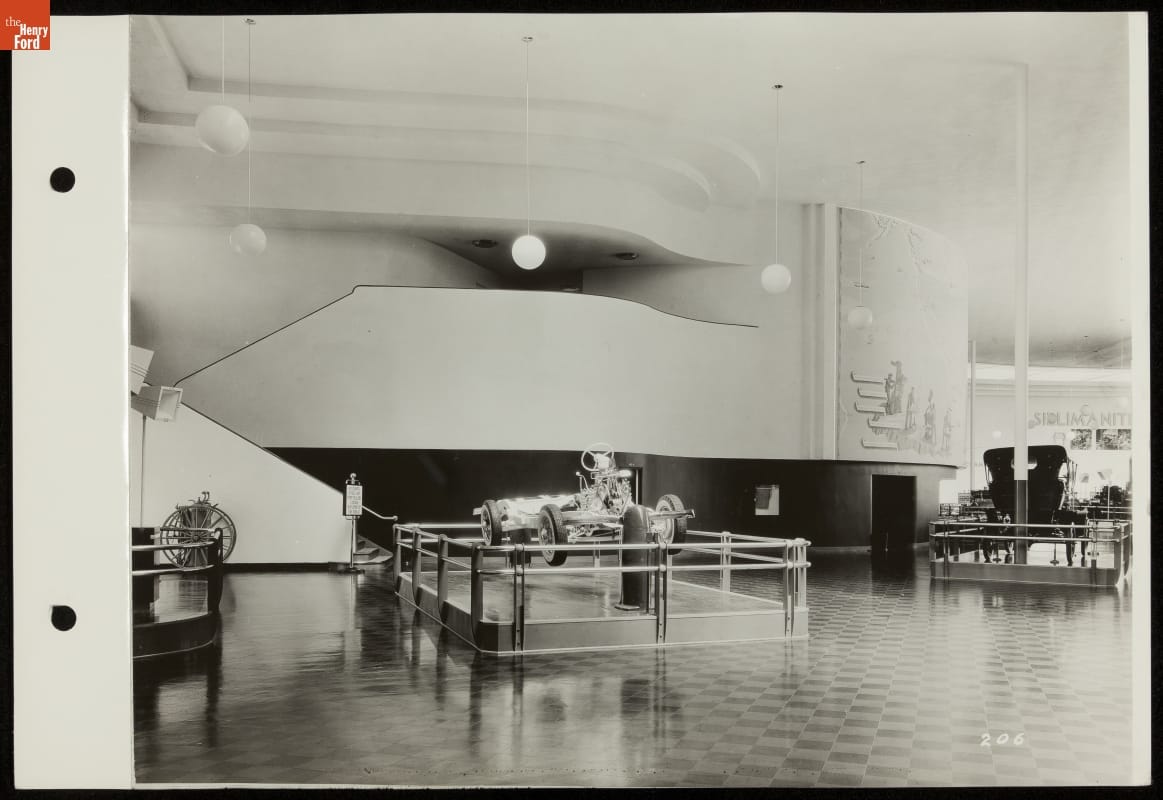
- Ford V-8 Engine and Chassis on Exhibit, Ford Building, California Pacific International Exposition, 1935 - Through the 1930s, Ford Motor Company poured resources into exhibitions at regional and world's fairs. Henry Ford believed strongly in the educational value of such displays, and a corporate presence at the fairs benefitted public relations. Ford's popular exhibits and demonstrations -- pictured here in the 1935 California Pacific International Exposition Ford Building -- generated lots of publicity.
- 1935
- Collections - Artifact
Ford V-8 Engine and Chassis on Exhibit, Ford Building, California Pacific International Exposition, 1935
Through the 1930s, Ford Motor Company poured resources into exhibitions at regional and world's fairs. Henry Ford believed strongly in the educational value of such displays, and a corporate presence at the fairs benefitted public relations. Ford's popular exhibits and demonstrations -- pictured here in the 1935 California Pacific International Exposition Ford Building -- generated lots of publicity.
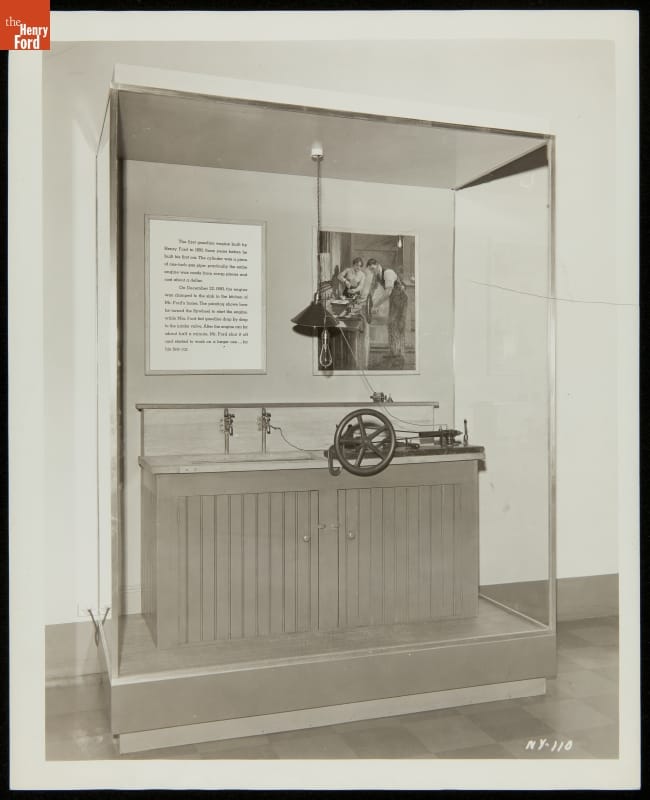
- Engine on the Sink Display at Ford Exhibit Building, New York World's Fair, 1939-1940 - Ford Motor Company poured resources into the 1939-40 New York World's Fair, spending more than $5 million to construct and maintain its elaborate and well-attended exposition space. Ford's massive exhibition building attracted fairgoers with industrial demonstrations and informative displays. Visitors also could view Henry Ford's first gasoline engine -- the one he tested on his kitchen sink in 1893.
- 1939
- Collections - Artifact
Engine on the Sink Display at Ford Exhibit Building, New York World's Fair, 1939-1940
Ford Motor Company poured resources into the 1939-40 New York World's Fair, spending more than $5 million to construct and maintain its elaborate and well-attended exposition space. Ford's massive exhibition building attracted fairgoers with industrial demonstrations and informative displays. Visitors also could view Henry Ford's first gasoline engine -- the one he tested on his kitchen sink in 1893.