
Search
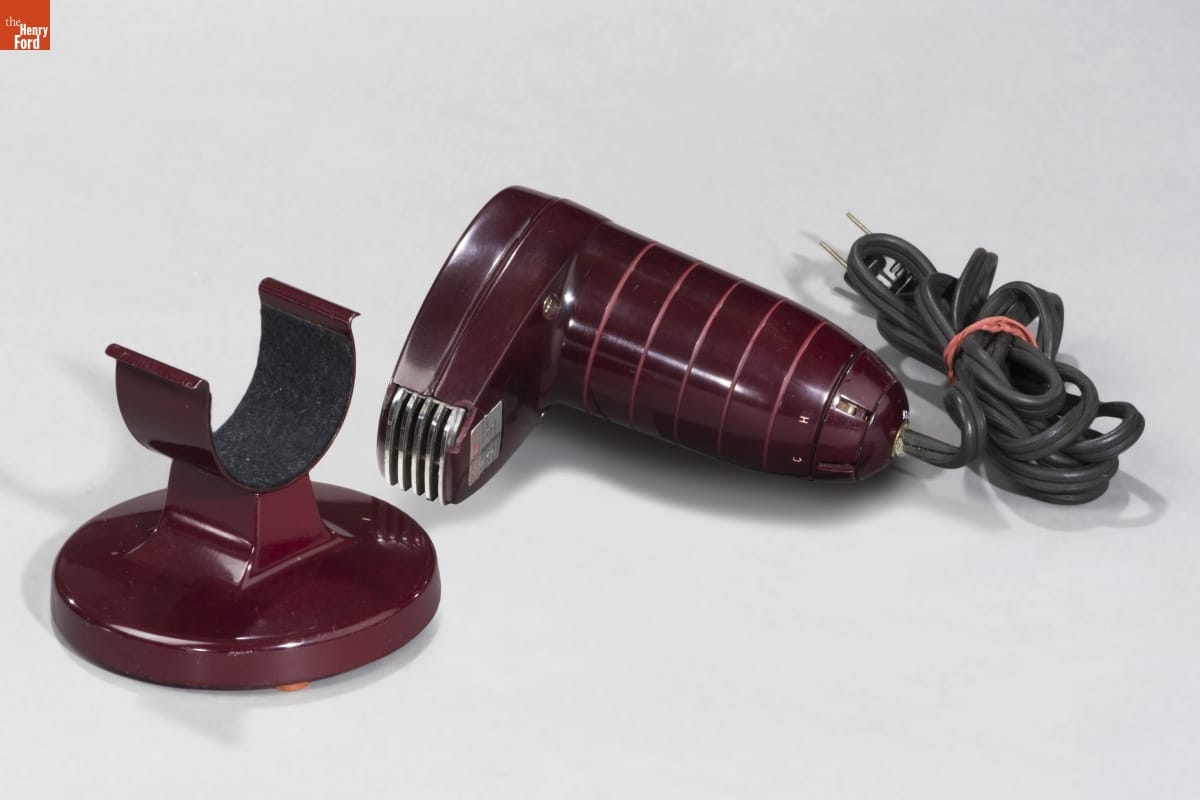
- A.C. Gilbert Company Hair Dryer with Stand, circa 1950 -
- circa 1950
- Collections - Artifact
A.C. Gilbert Company Hair Dryer with Stand, circa 1950
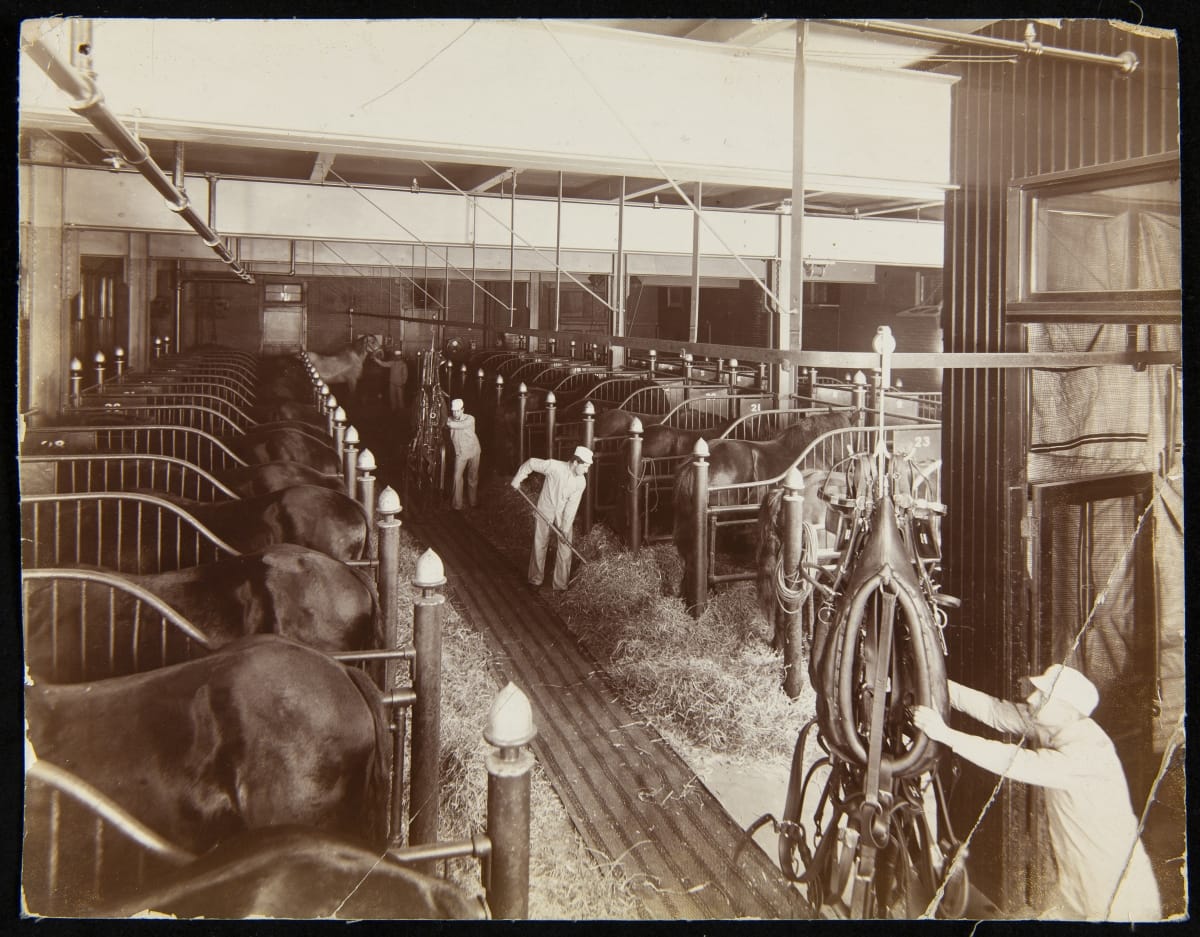
- Second Floor of H. J. Heinz Company Stables, Pittsburgh, Pennsylvania, circa 1910 - The H.J. Heinz Company spared no expense when caring for its Percheron horses. The processed food manufacturer stabled horses on the second floor of a three-story "equine palace" in Pittsburgh. Grooms spread high-quality bedding, as this photograph shows, to help keep their charges clean between shifts hitched to Heinz delivery wagons.
- circa 1910
- Collections - Artifact
Second Floor of H. J. Heinz Company Stables, Pittsburgh, Pennsylvania, circa 1910
The H.J. Heinz Company spared no expense when caring for its Percheron horses. The processed food manufacturer stabled horses on the second floor of a three-story "equine palace" in Pittsburgh. Grooms spread high-quality bedding, as this photograph shows, to help keep their charges clean between shifts hitched to Heinz delivery wagons.
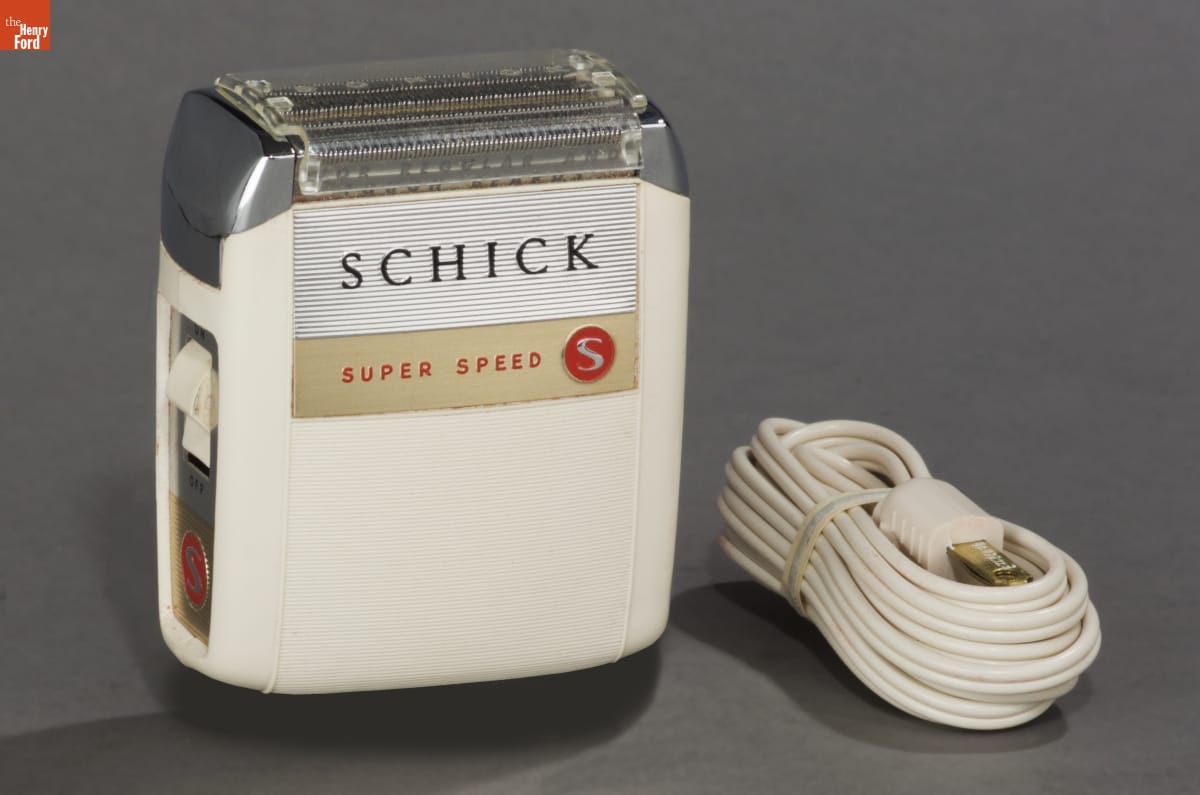
- Schick Super Speed Electric Shaver, 1962-1966 - Jacob Schick patented the first successful electric razor in 1930 and began manufacturing his invention. The razors removed facial hair without lather or water, relying on an electric motor to move the cutting blades. Innovations and modern designs followed. Schick's company contracted with Mel Boldt and Associates to design the distinctive look of this razor from the 1960s.
- 1962-1966
- Collections - Artifact
Schick Super Speed Electric Shaver, 1962-1966
Jacob Schick patented the first successful electric razor in 1930 and began manufacturing his invention. The razors removed facial hair without lather or water, relying on an electric motor to move the cutting blades. Innovations and modern designs followed. Schick's company contracted with Mel Boldt and Associates to design the distinctive look of this razor from the 1960s.
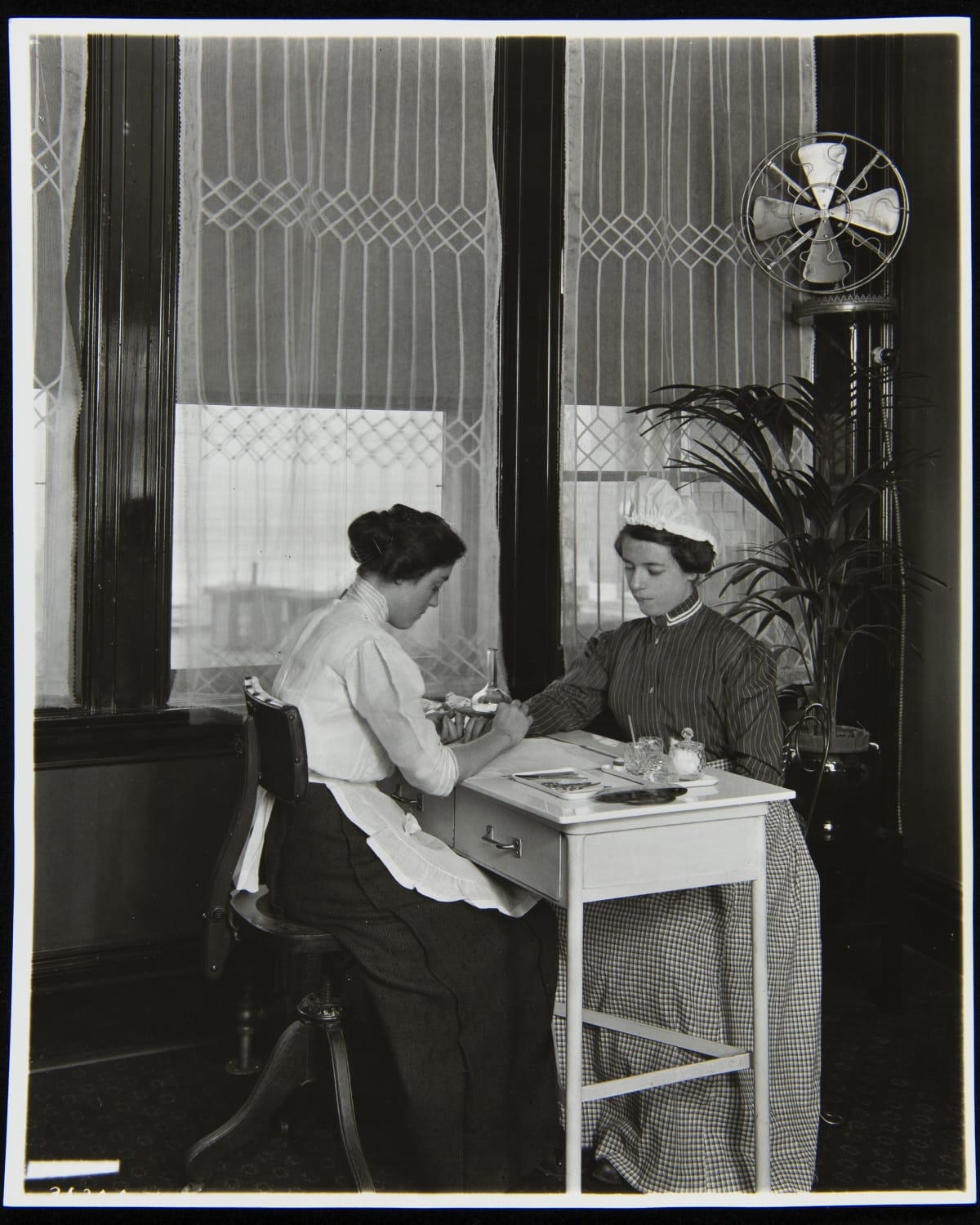
- Manicurist and Employee inside Main Plant, H. J. Heinz Company, Pittsburgh, Pennsylvania, 1912 - H.J. Heinz was one of the first to emphasize the importance of cleanliness and sanitation in manufactured food production. Those who directly handled food were given a mandatory manicure once per week. This not only was a sanitation necessity for Heinz but was also a welcome luxury for the workers.
- 1912
- Collections - Artifact
Manicurist and Employee inside Main Plant, H. J. Heinz Company, Pittsburgh, Pennsylvania, 1912
H.J. Heinz was one of the first to emphasize the importance of cleanliness and sanitation in manufactured food production. Those who directly handled food were given a mandatory manicure once per week. This not only was a sanitation necessity for Heinz but was also a welcome luxury for the workers.
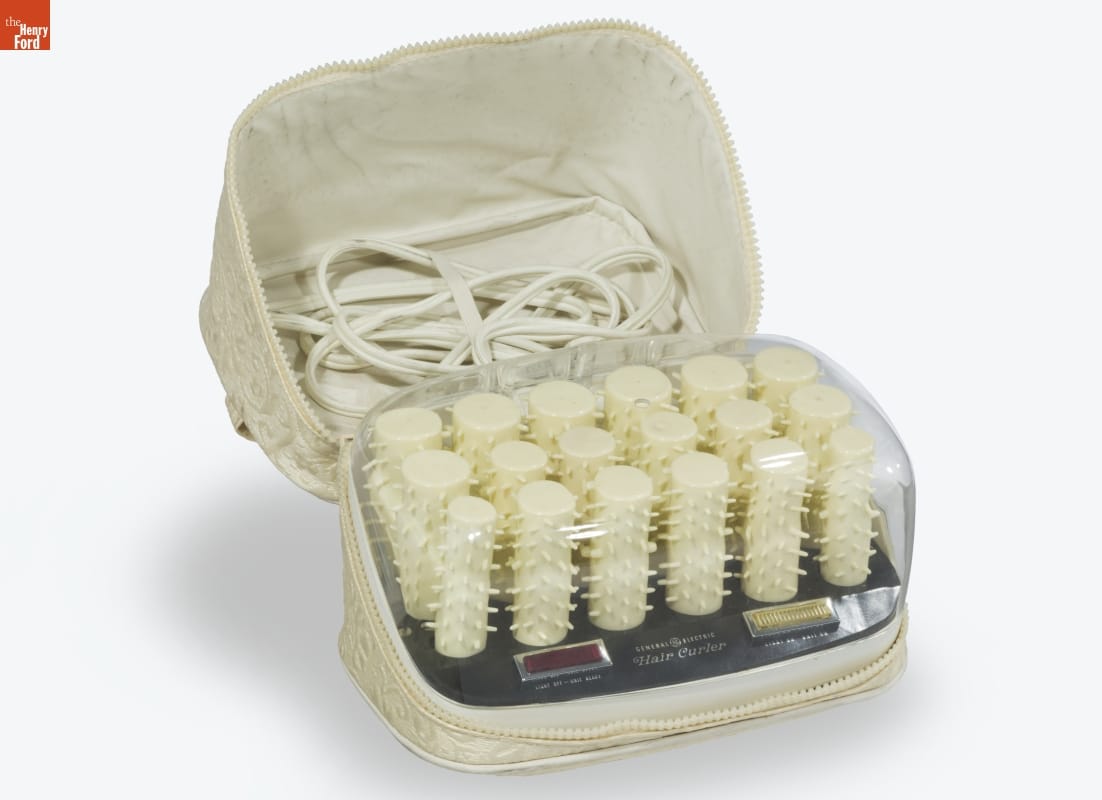
- General Electric Model F1HCD1 Hair Curlers, 1960-1970 -
- 1960-1970
- Collections - Artifact
General Electric Model F1HCD1 Hair Curlers, 1960-1970
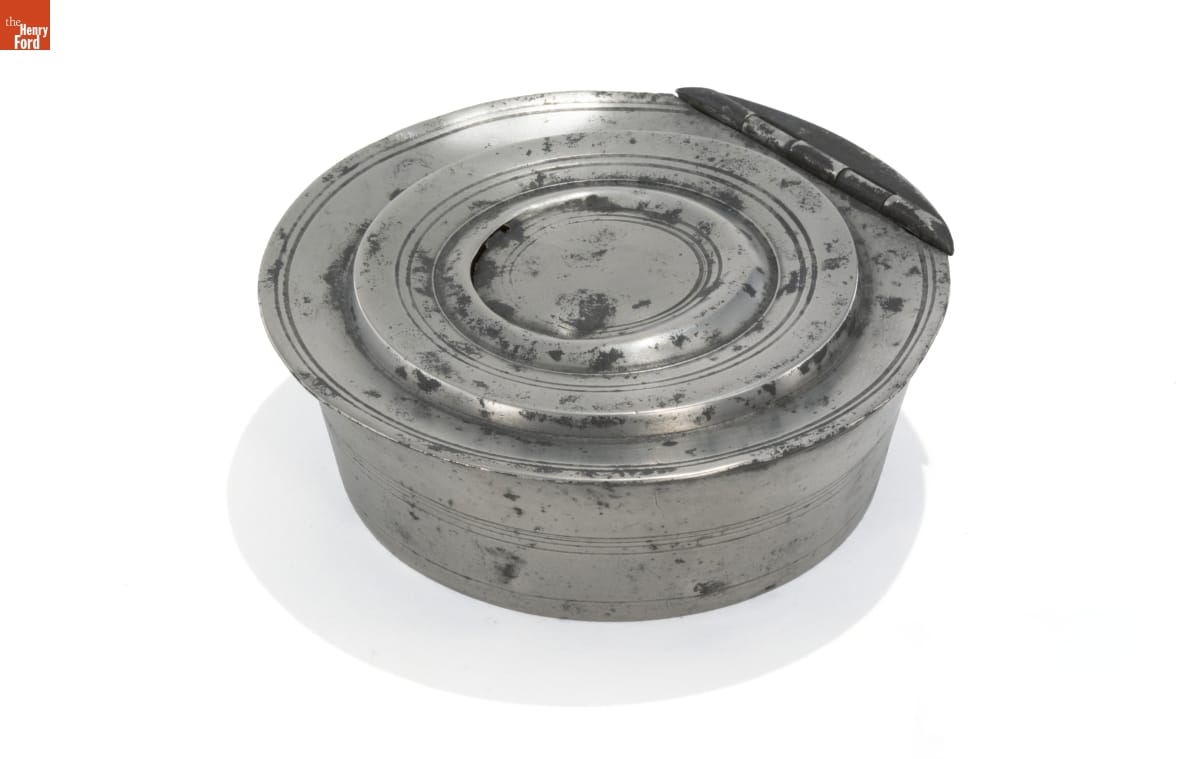
- Soap Box, 1802-1842 - Pewter goods could be found in many American homes and public buildings in the late 18th and early 19th centuries. Most Americans of modest means could afford to have pewter spoons, ladles, tankards, dishes, plates, porringers, or other items. This lidded dish provided a place for men to store soap used to make lather when they shaved.
- 1802-1842
- Collections - Artifact
Soap Box, 1802-1842
Pewter goods could be found in many American homes and public buildings in the late 18th and early 19th centuries. Most Americans of modest means could afford to have pewter spoons, ladles, tankards, dishes, plates, porringers, or other items. This lidded dish provided a place for men to store soap used to make lather when they shaved.
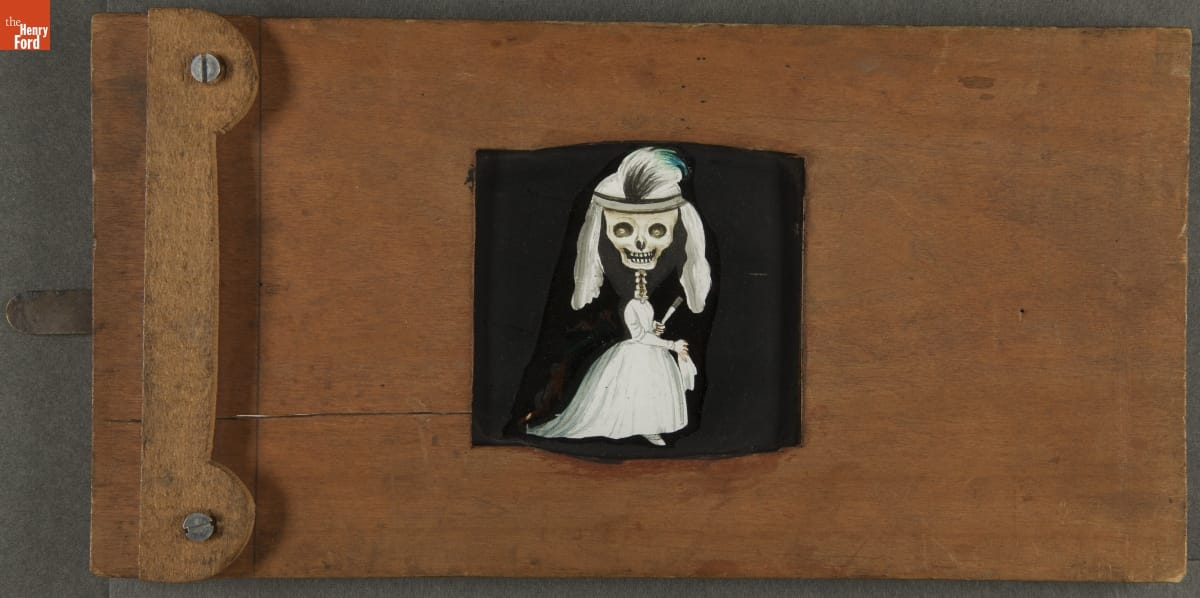
- Mechanical Lantern Slide, Skeleton in a Gown, 1860-1900 - Magic lanterns use a concave mirror and light source to project images on glass slides with painted or photographic scenes. Developed in the 17th century, magic lanterns predate slide projectors and motion pictures. In the hands of magicians, they became "lanterns of fright," projecting wondrous images and apparitions. Slide themes ranged widely: exotic travel, folklore, advertising, history, science, and art.
- 1860-1900
- Collections - Artifact
Mechanical Lantern Slide, Skeleton in a Gown, 1860-1900
Magic lanterns use a concave mirror and light source to project images on glass slides with painted or photographic scenes. Developed in the 17th century, magic lanterns predate slide projectors and motion pictures. In the hands of magicians, they became "lanterns of fright," projecting wondrous images and apparitions. Slide themes ranged widely: exotic travel, folklore, advertising, history, science, and art.
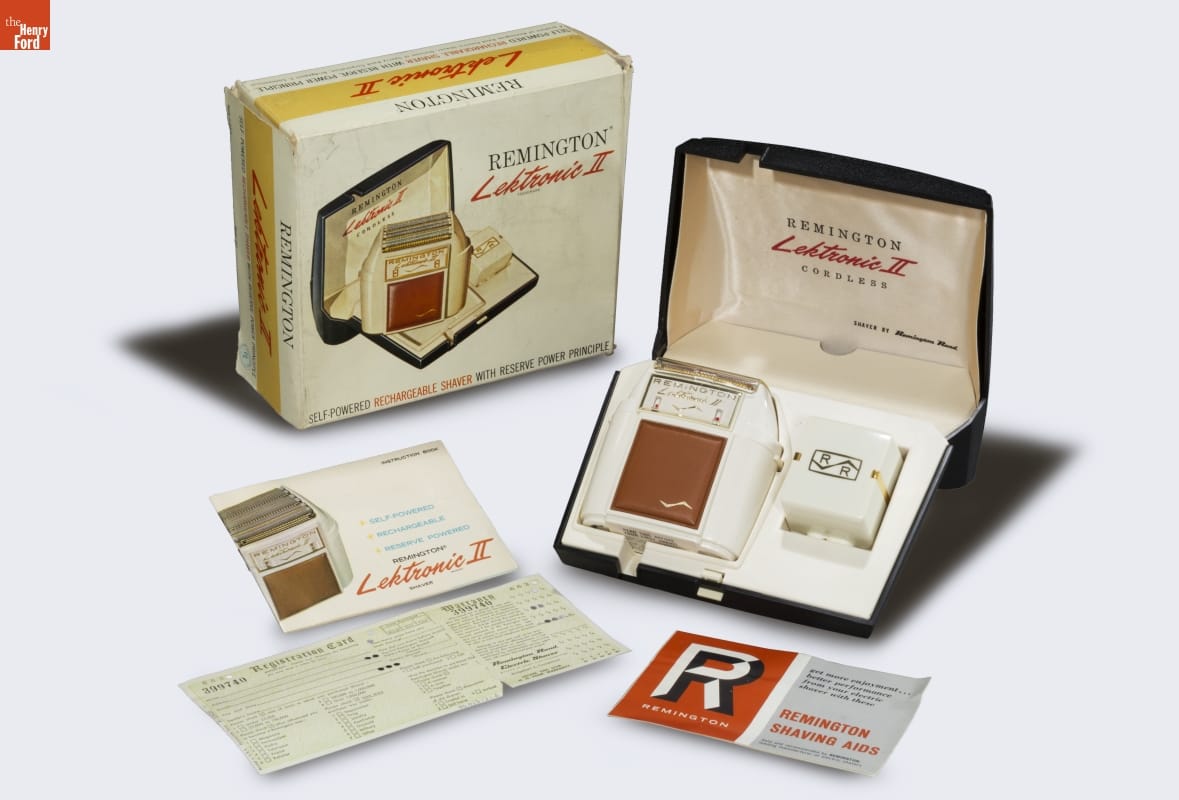
- Remington Lektronic II Electric Shaver, circa 1962 - Remington sold its first electric razor in 1937. It had a thin metal foil covering the cutting blades, a feature that would become standard on other electric razors. The company continued to innovate and produce new designs. In 1960, Remington introduced the Lektronic, the first cordless shaver. The company also contracted with Mel Boldt and Associates to design its products' distinctive look.
- circa 1962
- Collections - Artifact
Remington Lektronic II Electric Shaver, circa 1962
Remington sold its first electric razor in 1937. It had a thin metal foil covering the cutting blades, a feature that would become standard on other electric razors. The company continued to innovate and produce new designs. In 1960, Remington introduced the Lektronic, the first cordless shaver. The company also contracted with Mel Boldt and Associates to design its products' distinctive look.
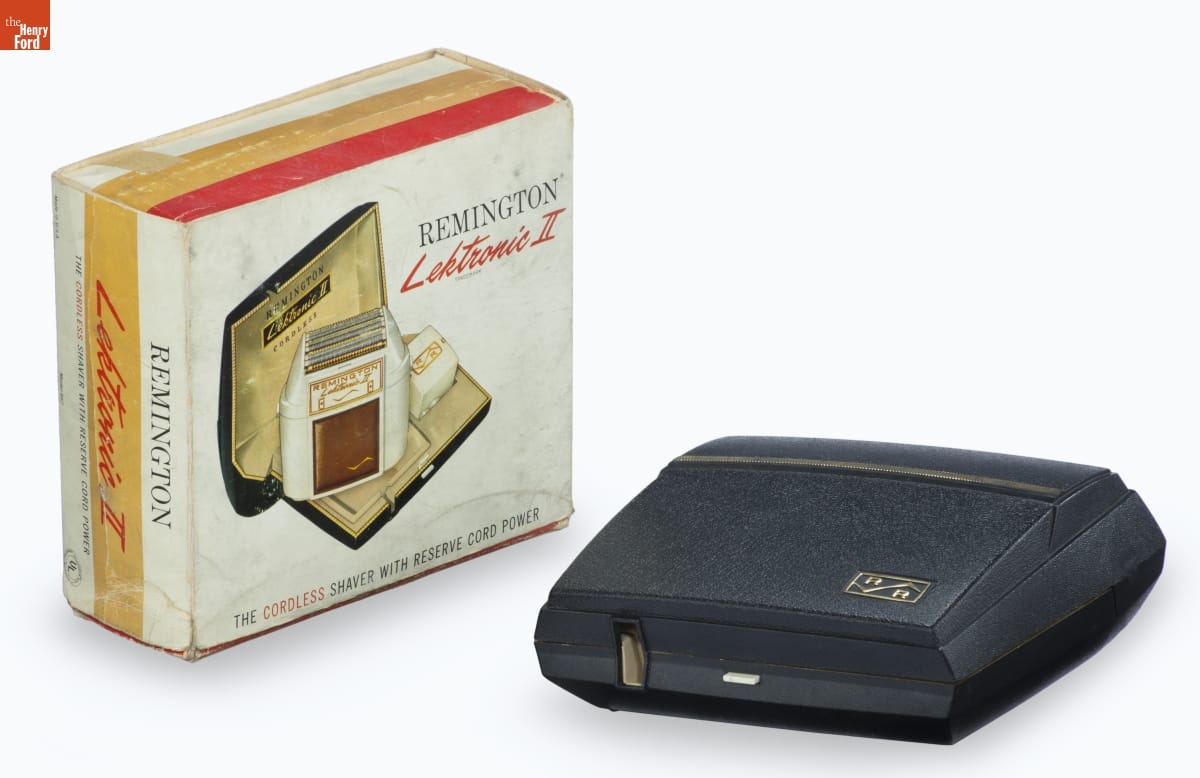
- Remington Lektronic II Electric Razor, circa 1962 - Remington sold its first electric razor in 1937. It had a thin metal foil covering the cutting blades, a feature that would become standard on other electric razors. The company continued to innovate and produce new designs. In 1960, Remington introduced the Lektronic, the first cordless shaver. The company also contracted with Mel Boldt and Associates to design its products' distinctive look.
- circa 1962
- Collections - Artifact
Remington Lektronic II Electric Razor, circa 1962
Remington sold its first electric razor in 1937. It had a thin metal foil covering the cutting blades, a feature that would become standard on other electric razors. The company continued to innovate and produce new designs. In 1960, Remington introduced the Lektronic, the first cordless shaver. The company also contracted with Mel Boldt and Associates to design its products' distinctive look.
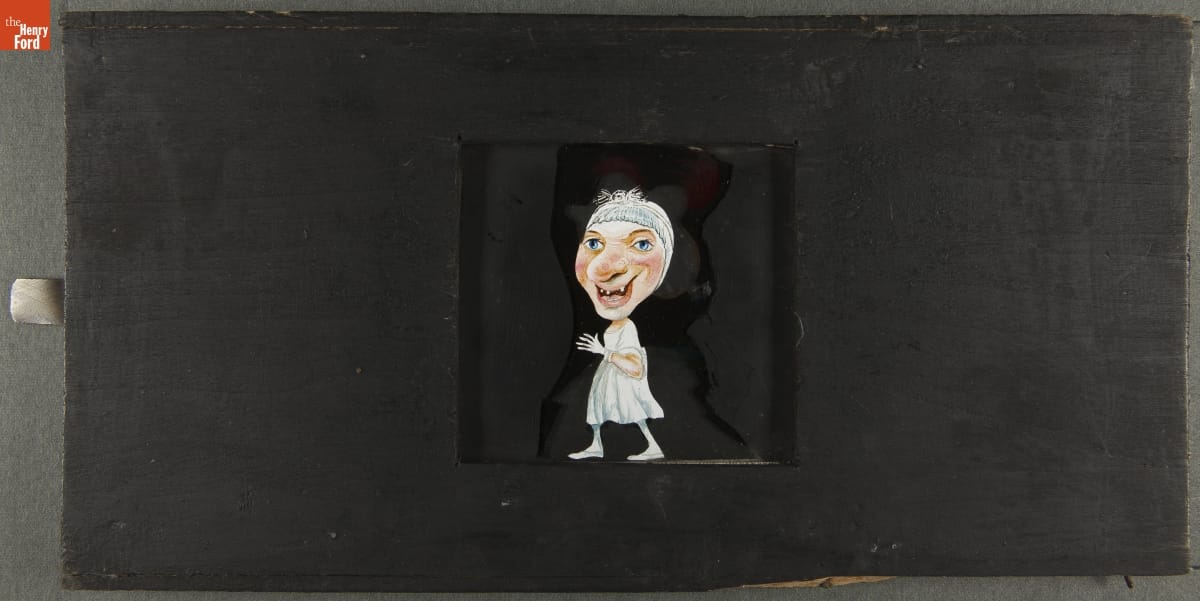
- Mechanical Lantern Slide, "Mirabelle - Horsewoman of the Paris Hippodrome," 1870-1915 - Magic lanterns use a concave mirror and light source to project images on glass slides with painted or photographic scenes. Developed in the 17th century, magic lanterns predate slide projectors and motion pictures. In the hands of magicians, they became "lanterns of fright," projecting wondrous images and apparitions. Slide themes ranged widely: exotic travel, folklore, advertising, history, science, and art.
- 1870-1915
- Collections - Artifact
Mechanical Lantern Slide, "Mirabelle - Horsewoman of the Paris Hippodrome," 1870-1915
Magic lanterns use a concave mirror and light source to project images on glass slides with painted or photographic scenes. Developed in the 17th century, magic lanterns predate slide projectors and motion pictures. In the hands of magicians, they became "lanterns of fright," projecting wondrous images and apparitions. Slide themes ranged widely: exotic travel, folklore, advertising, history, science, and art.