
Search
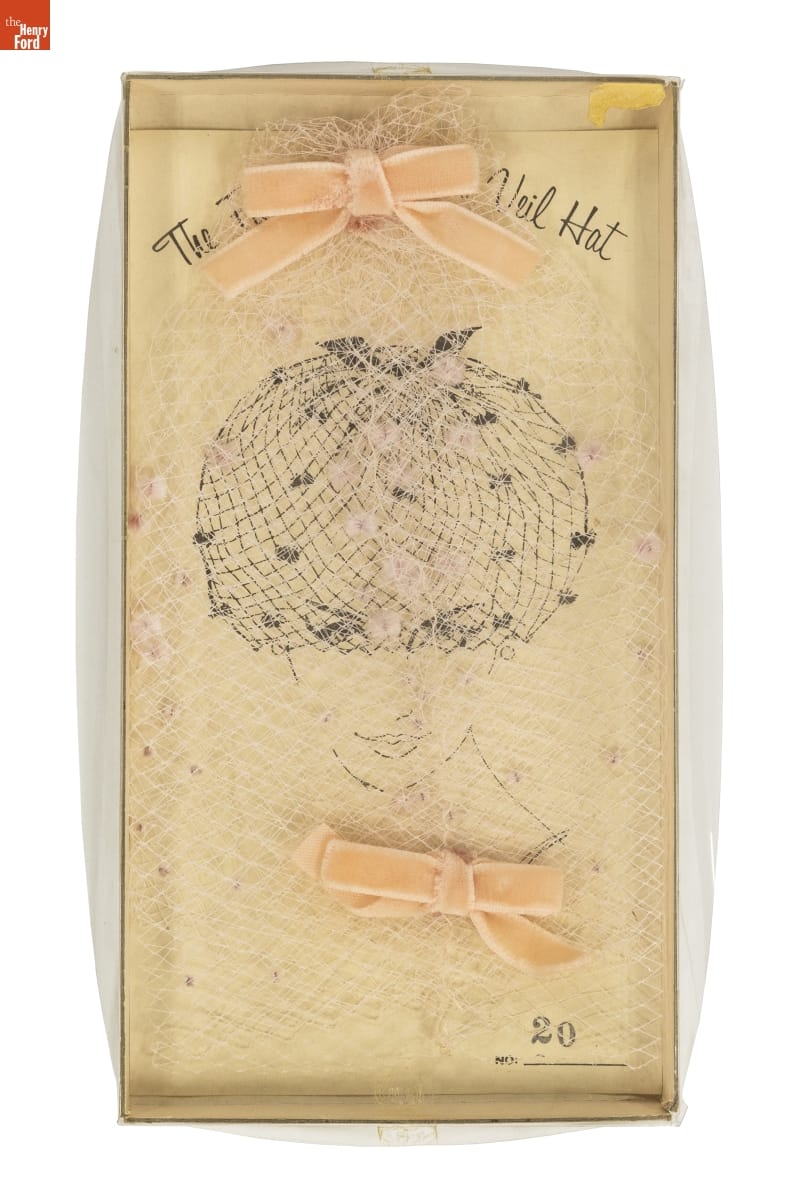
- Famous Glamour Veil Hat, 1960-1965 -
- 1960-1965
- Collections - Artifact
Famous Glamour Veil Hat, 1960-1965
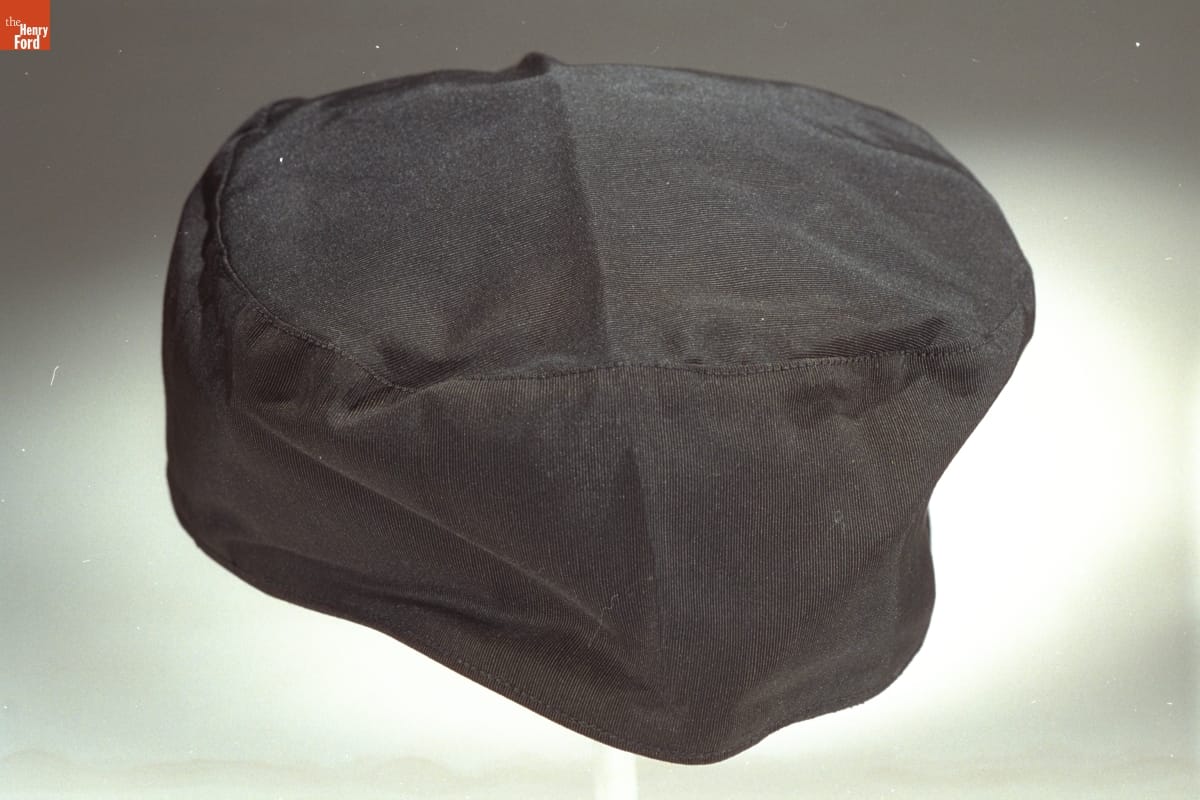
- Skullcap, 1850-1910 - During the late 1800s and early 1900s men wore simple, close-fitting, brimless caps like this when working outside or in laboratories, factories or workshops. These caps protected the hair from dirt and debris and kept the head warm.
- 1850-1910
- Collections - Artifact
Skullcap, 1850-1910
During the late 1800s and early 1900s men wore simple, close-fitting, brimless caps like this when working outside or in laboratories, factories or workshops. These caps protected the hair from dirt and debris and kept the head warm.
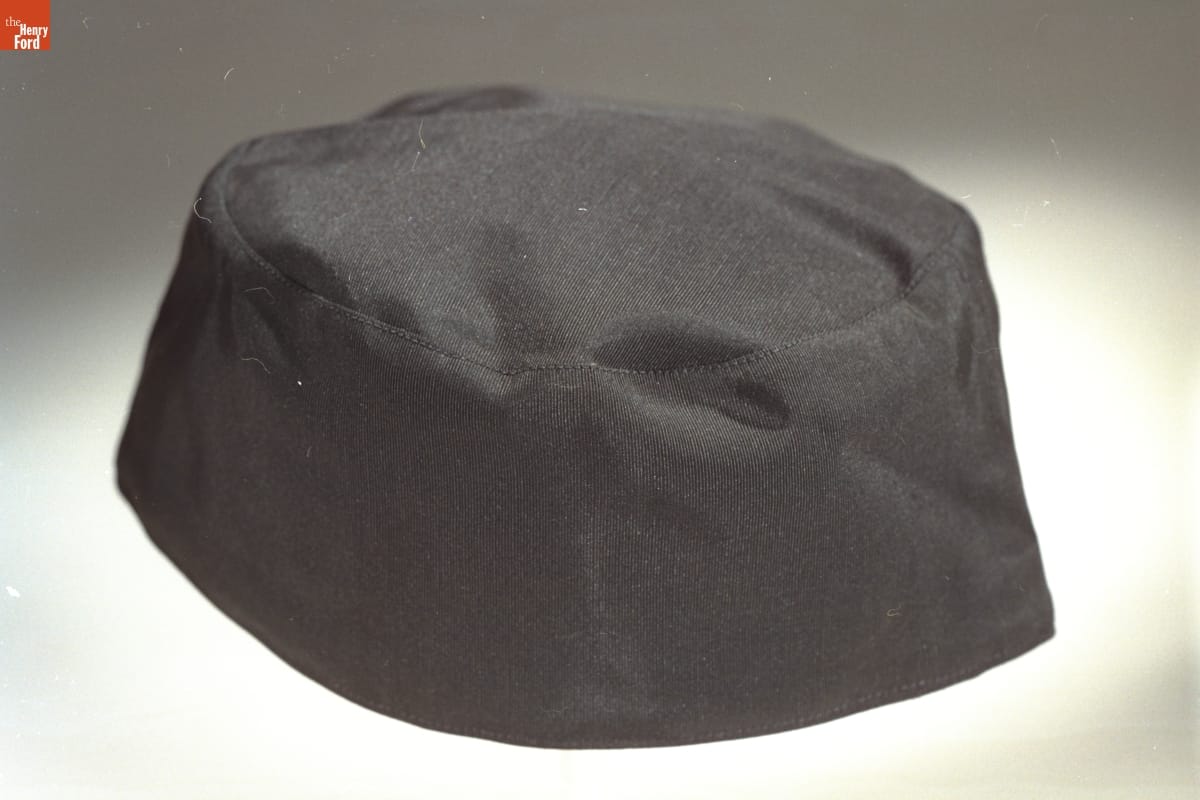
- Skullcap, 1850-1910 - During the late 1800s and early 1900s men wore simple, close-fitting, brimless caps like this when working outside or in laboratories, factories or workshops. These caps protected the hair from dirt and debris and kept the head warm.
- 1850-1910
- Collections - Artifact
Skullcap, 1850-1910
During the late 1800s and early 1900s men wore simple, close-fitting, brimless caps like this when working outside or in laboratories, factories or workshops. These caps protected the hair from dirt and debris and kept the head warm.
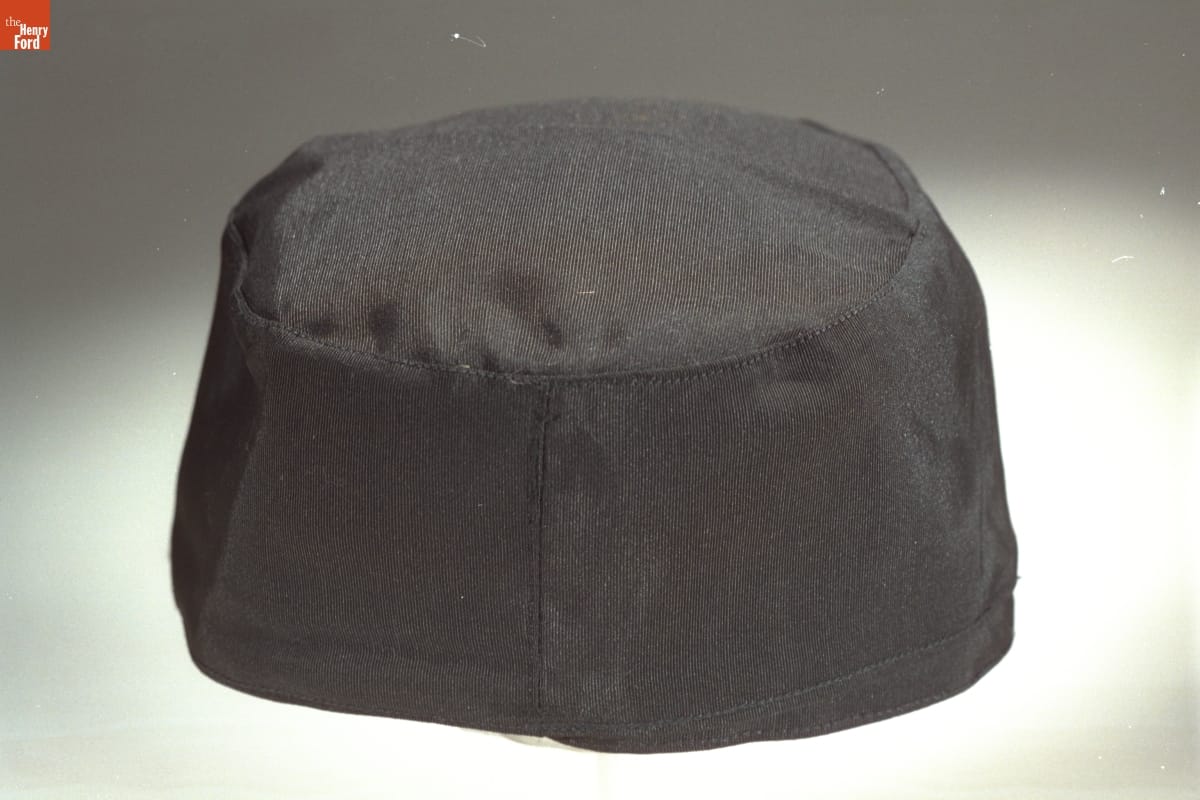
- Skullcap, 1850-1910 - During the late 1800s and early 1900s men wore simple, close-fitting, brimless caps like this when working outside or in laboratories, factories or workshops. These caps protected the hair from dirt and debris and kept the head warm.
- 1850-1910
- Collections - Artifact
Skullcap, 1850-1910
During the late 1800s and early 1900s men wore simple, close-fitting, brimless caps like this when working outside or in laboratories, factories or workshops. These caps protected the hair from dirt and debris and kept the head warm.
- Skullcap, 1850-1910 - During the late 1800s and early 1900s men wore simple, close-fitting, brimless caps like this when working outside or in laboratories, factories or workshops. These caps protected the hair from dirt and debris and kept the head warm.
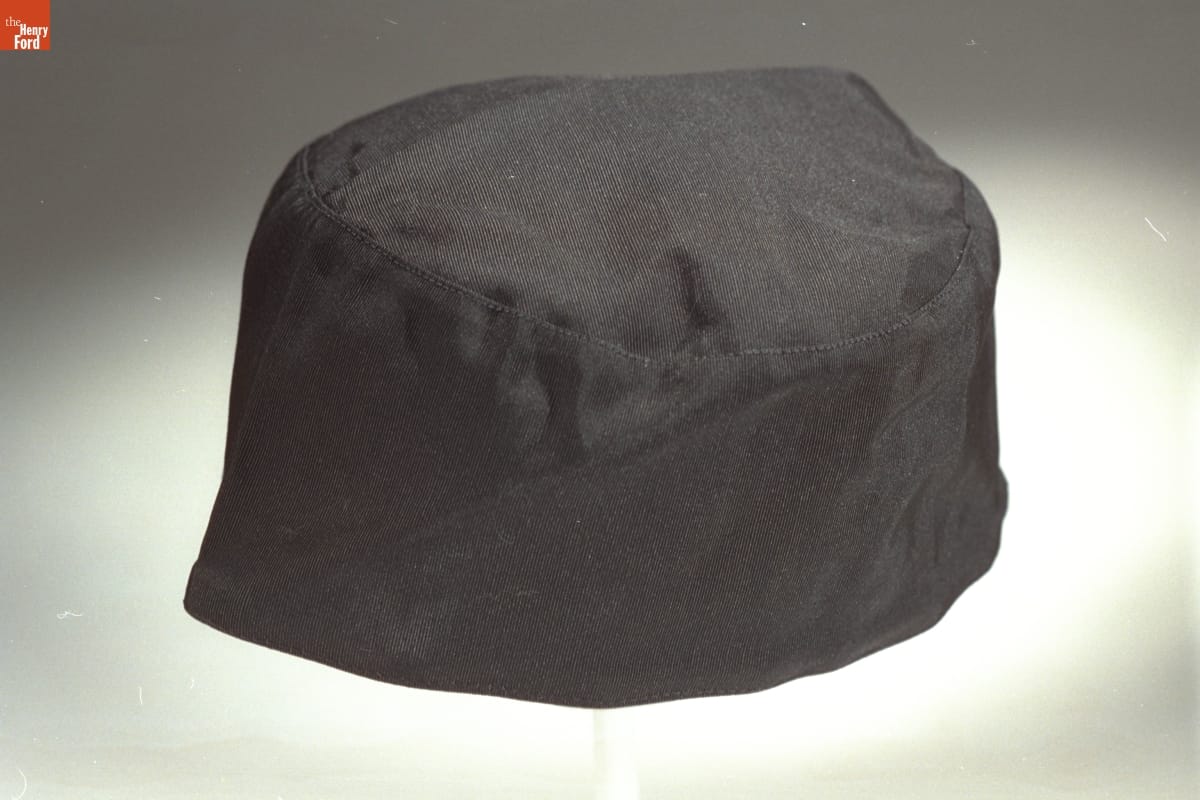
- 1850-1910
- Collections - Artifact
Skullcap, 1850-1910
During the late 1800s and early 1900s men wore simple, close-fitting, brimless caps like this when working outside or in laboratories, factories or workshops. These caps protected the hair from dirt and debris and kept the head warm.
- Skullcap, 1850-1910 - During the late 1800s and early 1900s men wore simple, close-fitting, brimless caps like this when working outside or in laboratories, factories or workshops. These caps protected the hair from dirt and debris and kept the head warm.
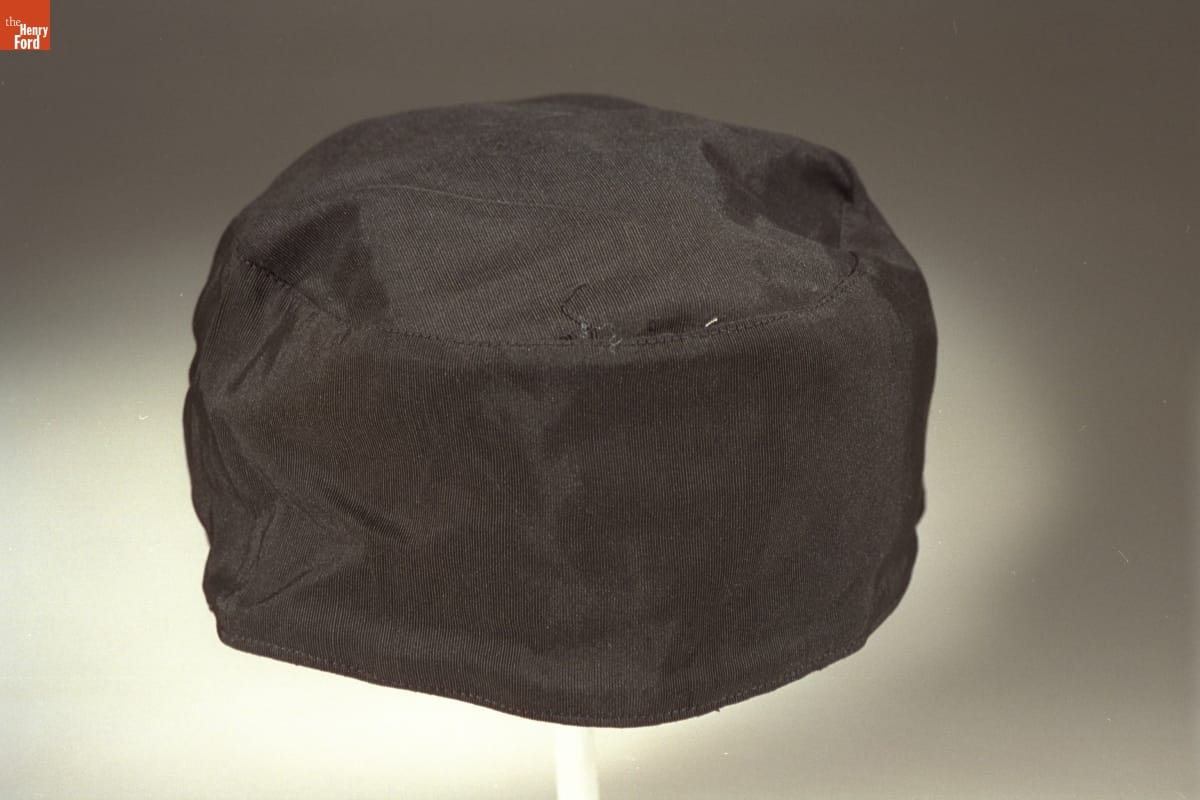
- 1850-1910
- Collections - Artifact
Skullcap, 1850-1910
During the late 1800s and early 1900s men wore simple, close-fitting, brimless caps like this when working outside or in laboratories, factories or workshops. These caps protected the hair from dirt and debris and kept the head warm.
- Skullcap, 1850-1910 - During the late 1800s and early 1900s men wore simple, close-fitting, brimless caps like this when working outside or in laboratories, factories or workshops. These caps protected the hair from dirt and debris and kept the head warm.
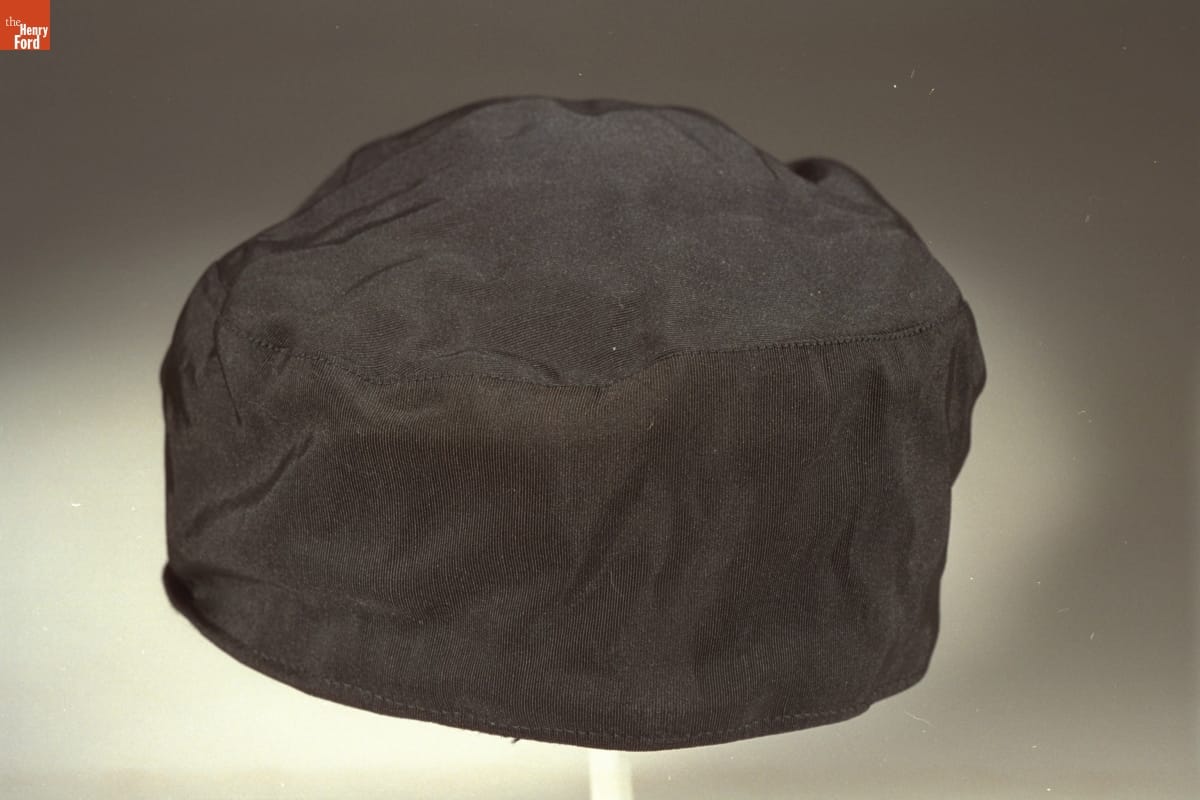
- 1850-1910
- Collections - Artifact
Skullcap, 1850-1910
During the late 1800s and early 1900s men wore simple, close-fitting, brimless caps like this when working outside or in laboratories, factories or workshops. These caps protected the hair from dirt and debris and kept the head warm.
- Face Shield, 2020 - Like other American automakers, Ford Motor Company devoted employees and facilities to producing specialized equipment to fight the COVID-19 pandemic. This face shield reduced the risk of virus exposure through respiratory droplets. Unlike face masks, which impeded the spread of droplets from the wearer, face shields protected against the spread of droplets to the wearer.
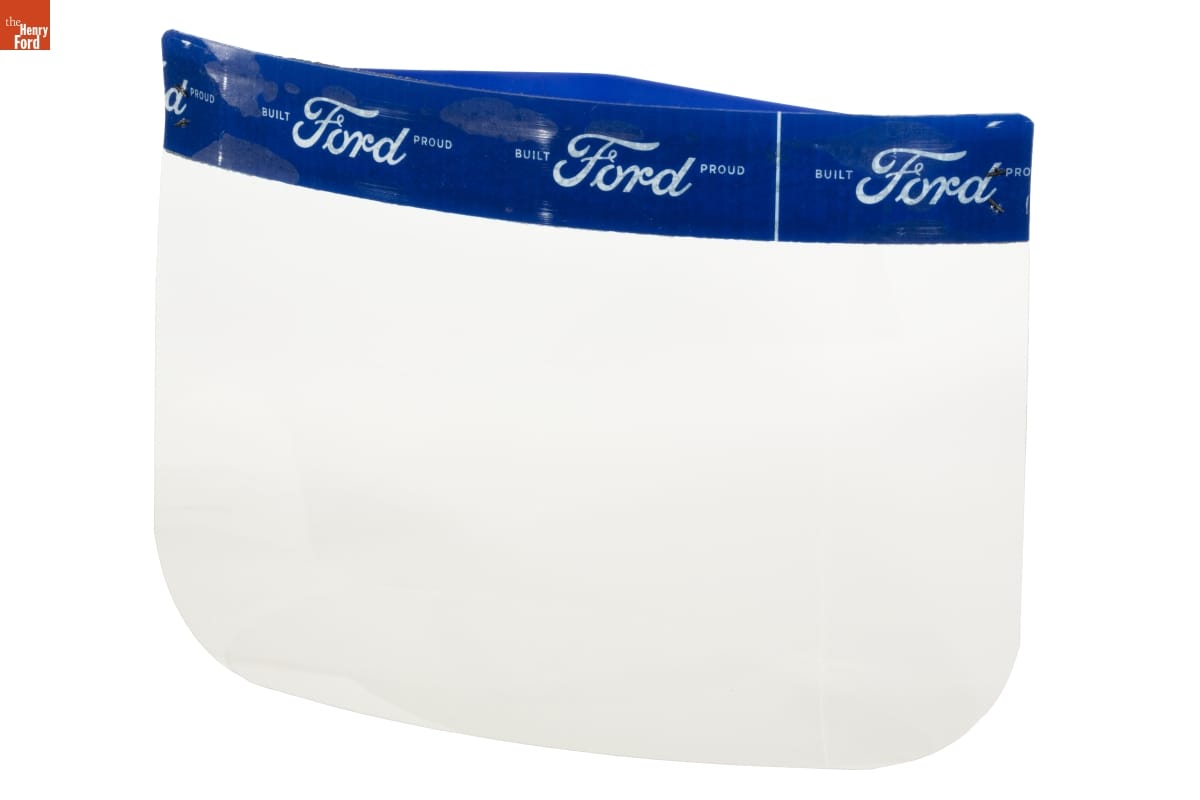
- 2020
- Collections - Artifact
Face Shield, 2020
Like other American automakers, Ford Motor Company devoted employees and facilities to producing specialized equipment to fight the COVID-19 pandemic. This face shield reduced the risk of virus exposure through respiratory droplets. Unlike face masks, which impeded the spread of droplets from the wearer, face shields protected against the spread of droplets to the wearer.
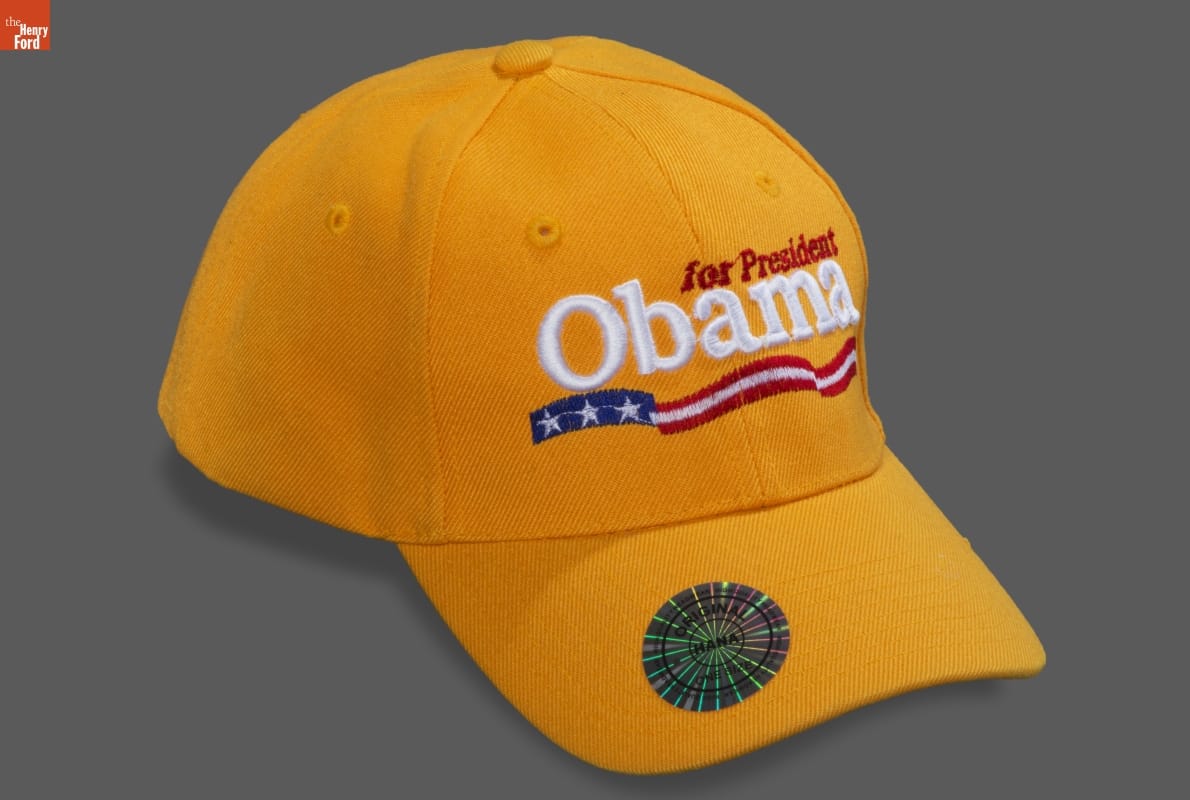
- Baseball Cap, "Obama For President," 2009 - On January 20th, 2009, Barack Obama was sworn in as the 44th President of the United States. More than one million Americans came to Washington, D.C., to witness the inauguration of America's first African American president. Vendors sold Obama-branded souvenirs -- including ones used during the campaign -- to enthusiastic supporter as a tangible remembrance of this historic event.
- 2008-2009
- Collections - Artifact
Baseball Cap, "Obama For President," 2009
On January 20th, 2009, Barack Obama was sworn in as the 44th President of the United States. More than one million Americans came to Washington, D.C., to witness the inauguration of America's first African American president. Vendors sold Obama-branded souvenirs -- including ones used during the campaign -- to enthusiastic supporter as a tangible remembrance of this historic event.
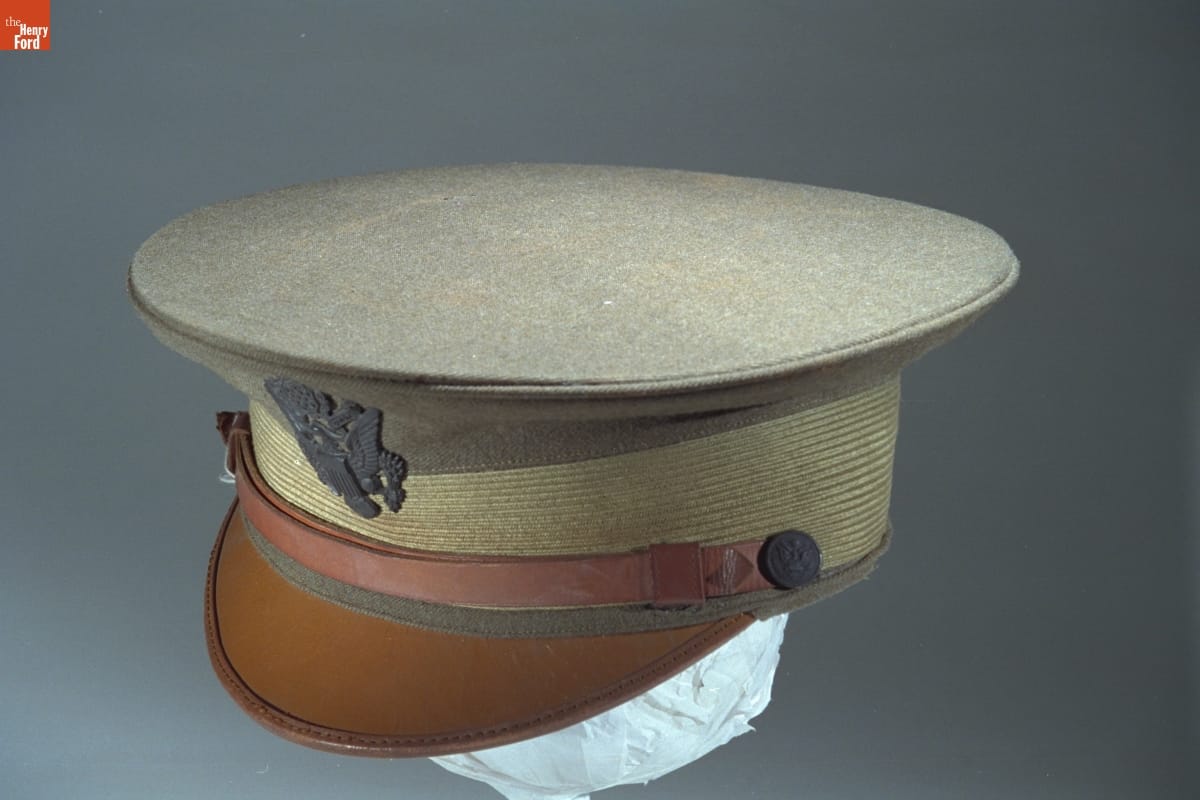
- United States Army Service Cap, 1915-1920 - Dr. Frank Sladen served in the U.S. Army Medical Corps at Camp Sherman, Ohio, during the First World War. Prior to his military service, Sladen was physician-in-chief at the Henry Ford Hospital in Detroit, Michigan. He returned to the hospital after the war and remained in practice until 1971. This army officer's service cap belonged to Dr. Sladen.
- 1915-1920
- Collections - Artifact
United States Army Service Cap, 1915-1920
Dr. Frank Sladen served in the U.S. Army Medical Corps at Camp Sherman, Ohio, during the First World War. Prior to his military service, Sladen was physician-in-chief at the Henry Ford Hospital in Detroit, Michigan. He returned to the hospital after the war and remained in practice until 1971. This army officer's service cap belonged to Dr. Sladen.