
Search
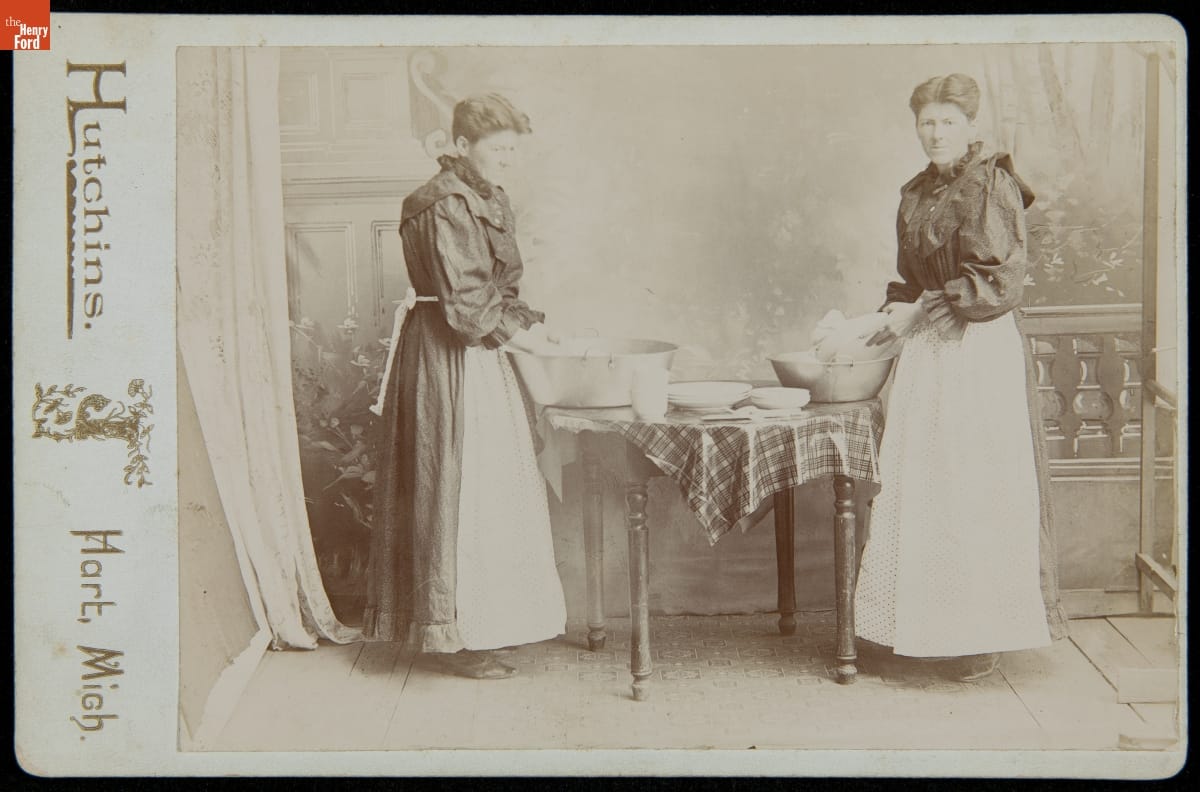
- Woman Washing Dishes, circa 1895 -
- circa 1895
- Collections - Artifact
Woman Washing Dishes, circa 1895
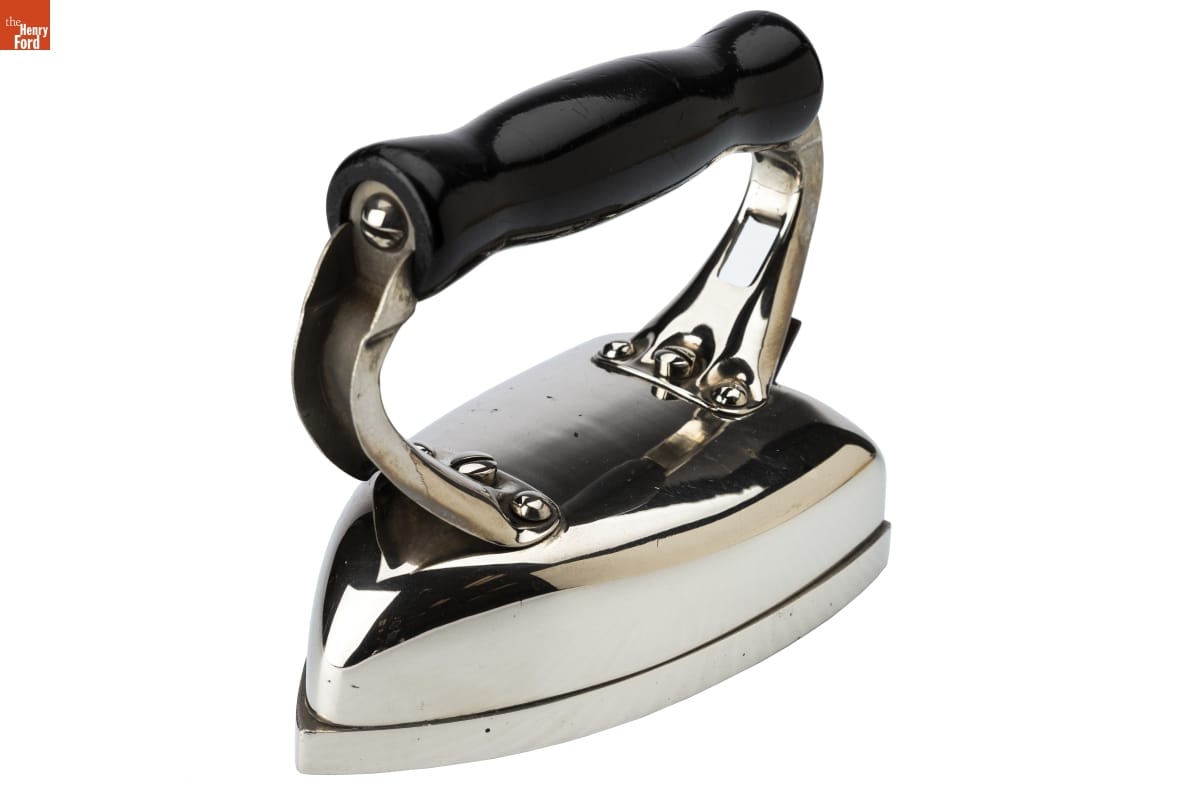
- Westinghouse Electric Iron, 1908-1918 -
- 1908-1918
- Collections - Artifact
Westinghouse Electric Iron, 1908-1918
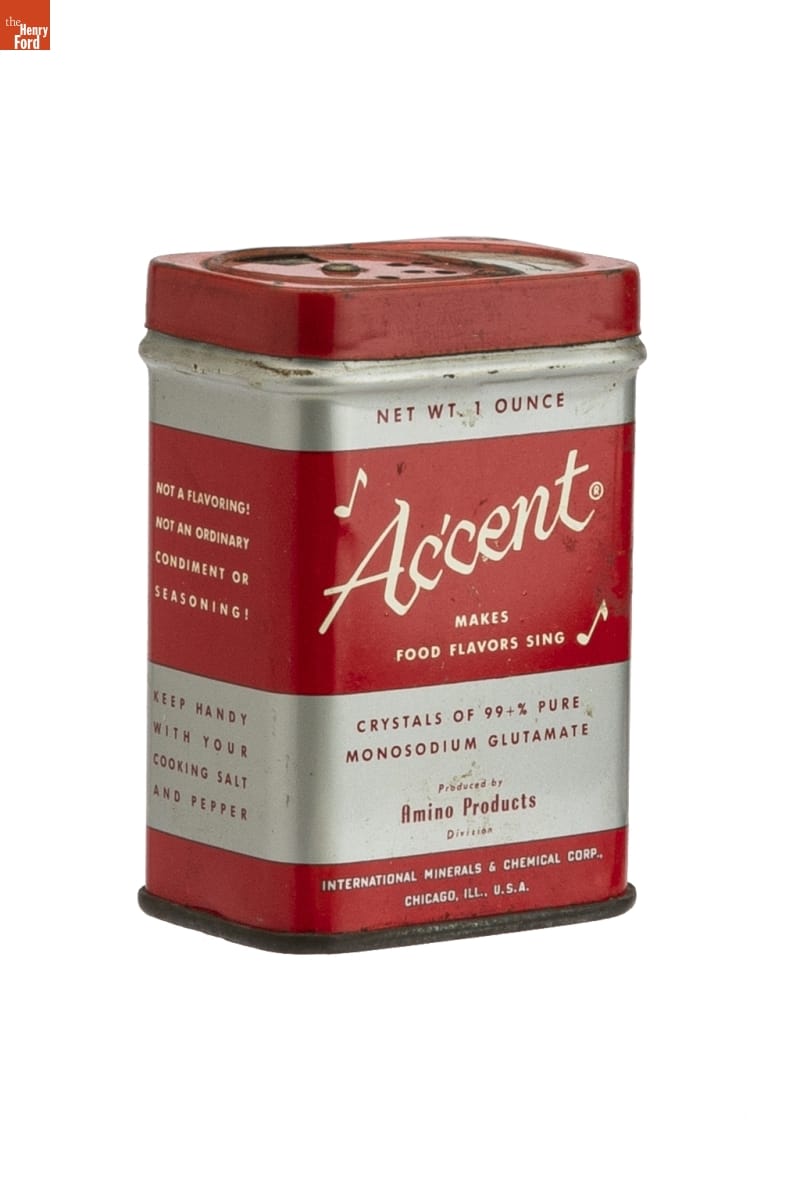
- "Ac'cent: Crystals of 99+% Pure Monosodium Glutamate" Product Package, 1947-1955 - Monosodium glutamate (MSG) was first prepared in 1908 by Japanese chemist Dr. Kikunae Ikeda to achieve the distinctive umami taste found in sea kelp. American manufacturers began importing it for use in the late 1920s to meet demand from the military and pre-packaged food industries. In 1947, the first U.S. brand -- Ac'cent -- was introduced to bring MSG to home kitchens.
- 1947-1955
- Collections - Artifact
"Ac'cent: Crystals of 99+% Pure Monosodium Glutamate" Product Package, 1947-1955
Monosodium glutamate (MSG) was first prepared in 1908 by Japanese chemist Dr. Kikunae Ikeda to achieve the distinctive umami taste found in sea kelp. American manufacturers began importing it for use in the late 1920s to meet demand from the military and pre-packaged food industries. In 1947, the first U.S. brand -- Ac'cent -- was introduced to bring MSG to home kitchens.
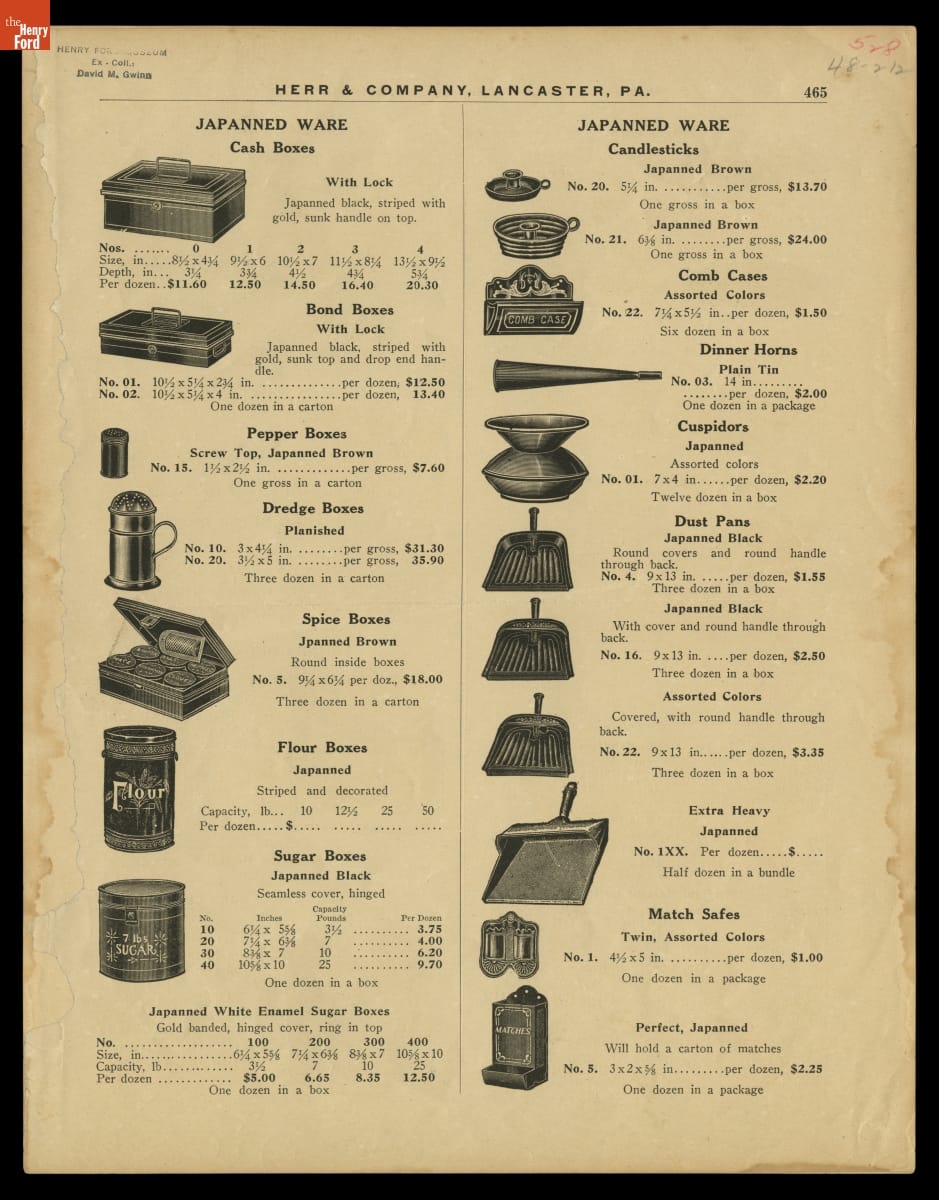
- Herr & Company Trade Catalog, circa 1926 -
- circa 1926
- Collections - Artifact
Herr & Company Trade Catalog, circa 1926
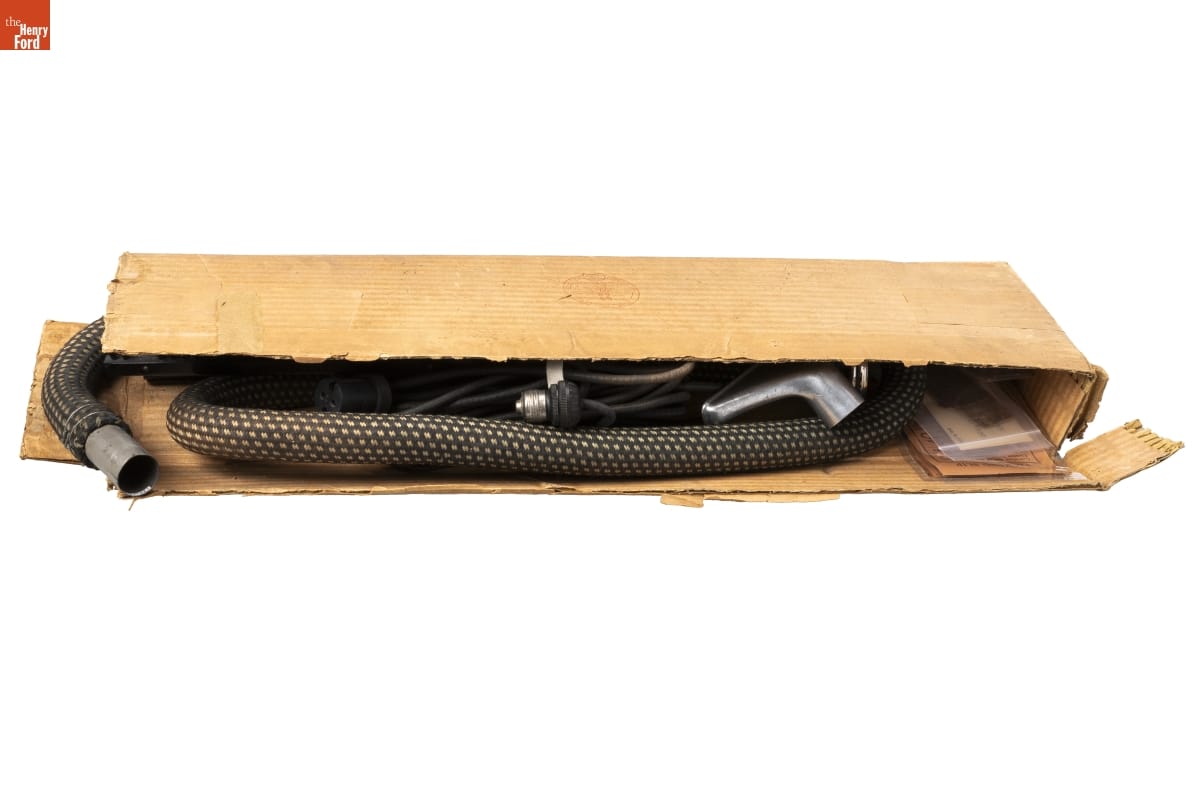
- Attachments for Eureka Grand Prize Model 11 Vacuum Cleaner, circa 1930 -
- circa 1930
- Collections - Artifact
Attachments for Eureka Grand Prize Model 11 Vacuum Cleaner, circa 1930
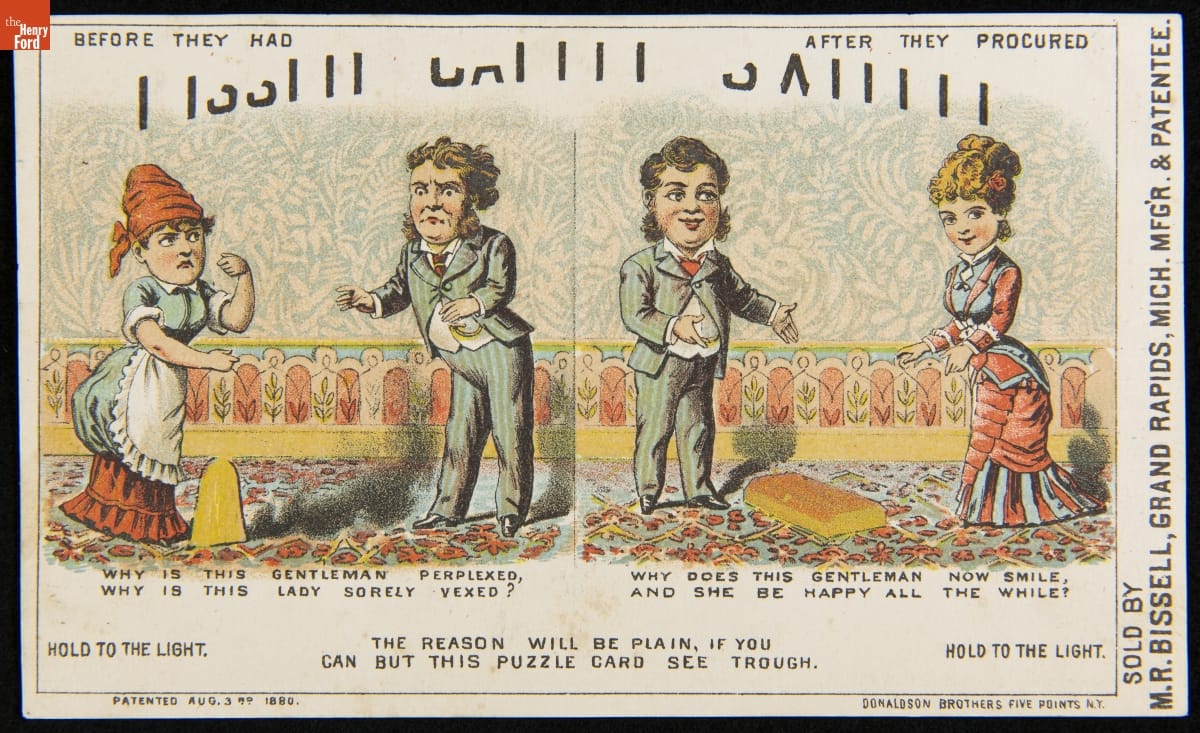
- Trade Card for Bissell Carpet Sweeper, circa 1880 - In the last third of the nineteenth century, an unprecedented variety of consumer goods flooded the American market. Some enterprising advertisers sought to distinguish their products from the competition by distributing trade cards. Special versions revealed hidden images and words when held to the light. Americans enjoyed and often saved the popular little advertisements, which survive as historical records of consumerism in the United States.
- circa 1880
- Collections - Artifact
Trade Card for Bissell Carpet Sweeper, circa 1880
In the last third of the nineteenth century, an unprecedented variety of consumer goods flooded the American market. Some enterprising advertisers sought to distinguish their products from the competition by distributing trade cards. Special versions revealed hidden images and words when held to the light. Americans enjoyed and often saved the popular little advertisements, which survive as historical records of consumerism in the United States.
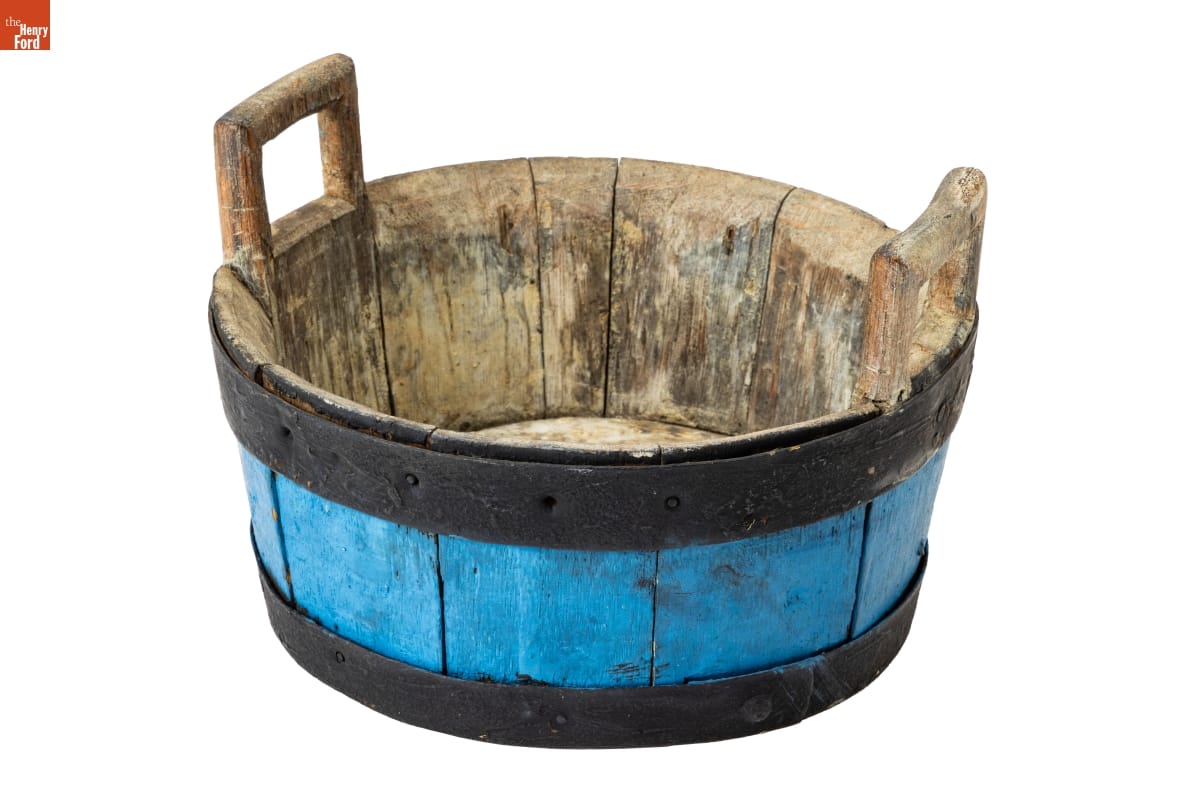
- Miniature Washtub -
- Collections - Artifact
Miniature Washtub
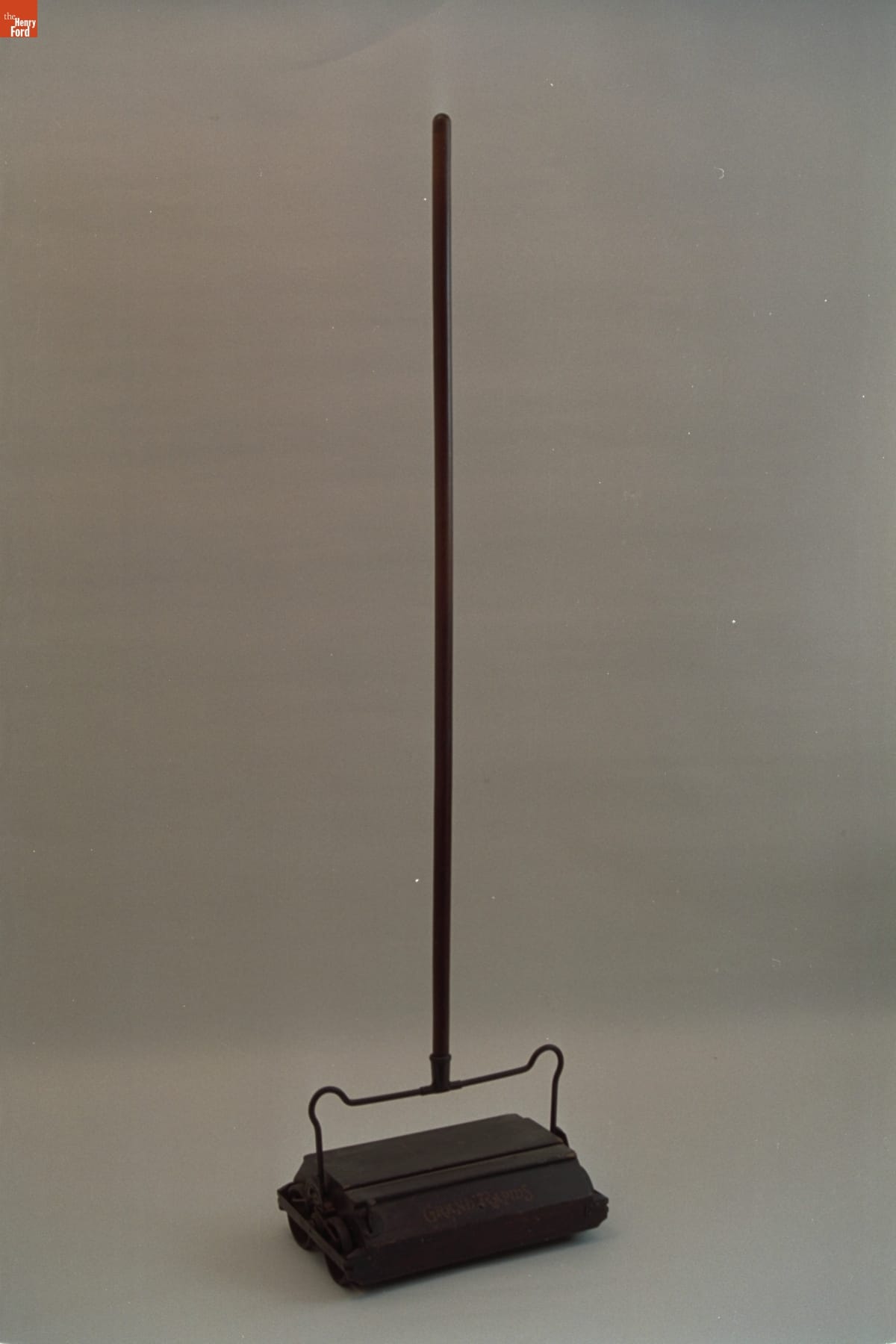
- Bissell Cyco Ball Bearing Carpet Sweeper "Grand Rapids," 1897-1922 -
- 1897-1922
- Collections - Artifact
Bissell Cyco Ball Bearing Carpet Sweeper "Grand Rapids," 1897-1922
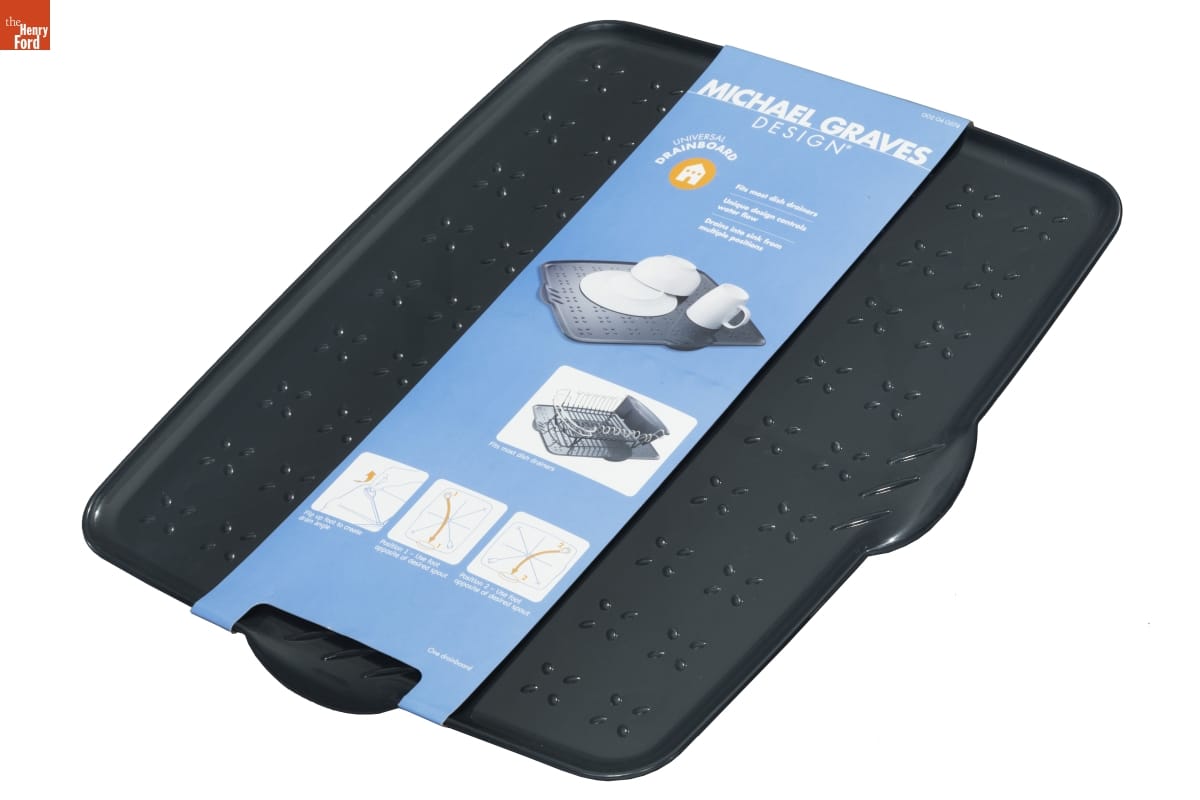
- Universal Drainboard, 2010 - Starting in the early 1980s--and already established as an internationally recognized architect--Michael Graves began to pursue a parallel career as a product designer. Over the following three and a half decades he and his collaborators designed everything from humble household goods to limited edition luxury items for clients as diverse as Steuben, Alessi, Target, J. C. Penney, and Disney.
- 2010
- Collections - Artifact
Universal Drainboard, 2010
Starting in the early 1980s--and already established as an internationally recognized architect--Michael Graves began to pursue a parallel career as a product designer. Over the following three and a half decades he and his collaborators designed everything from humble household goods to limited edition luxury items for clients as diverse as Steuben, Alessi, Target, J. C. Penney, and Disney.
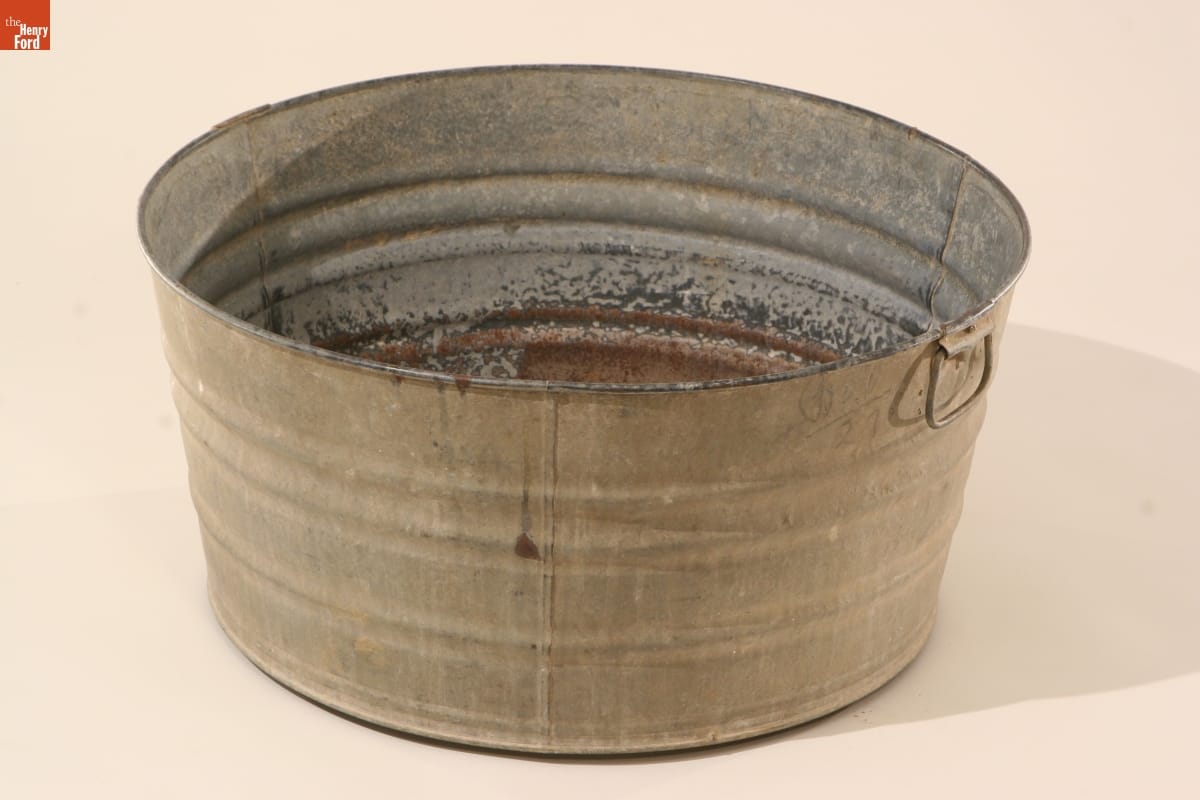
- Washtub Used by Susana Allen Hunter and Family - Washtubs like this one became common during the early 20th century because the galvanized metal made them durable, versatile, and relatively inexpensive. Rural and farm families used them to wash clothes or gather produce from the garden. The bail handles, one on each side, made it easier for two people to carry a loaded tub.
- 1930-1970
- Collections - Artifact
Washtub Used by Susana Allen Hunter and Family
Washtubs like this one became common during the early 20th century because the galvanized metal made them durable, versatile, and relatively inexpensive. Rural and farm families used them to wash clothes or gather produce from the garden. The bail handles, one on each side, made it easier for two people to carry a loaded tub.