
Search
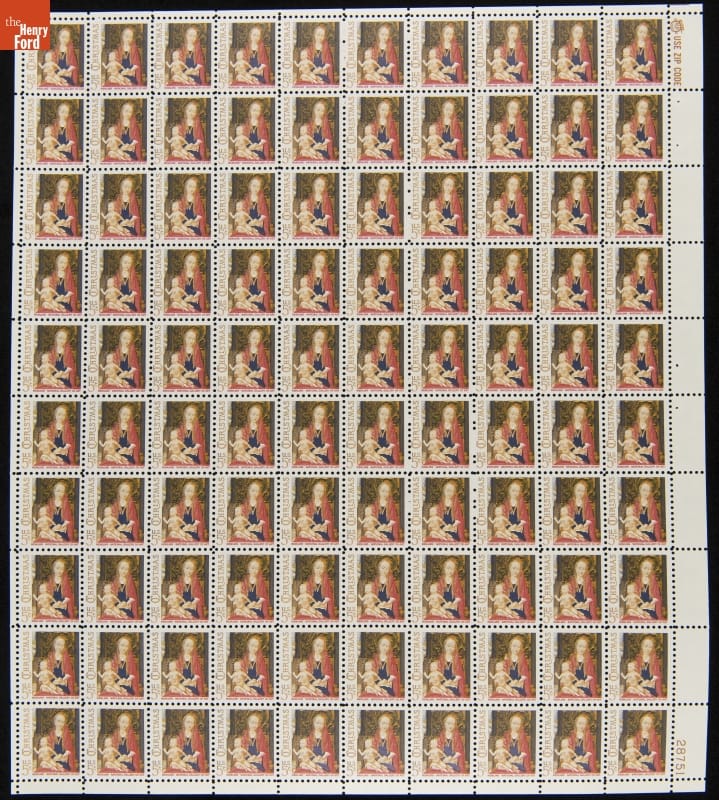
- U.S. Postage Stamps Issued for Christmas 1966 -
- 1966
- Collections - Artifact
U.S. Postage Stamps Issued for Christmas 1966
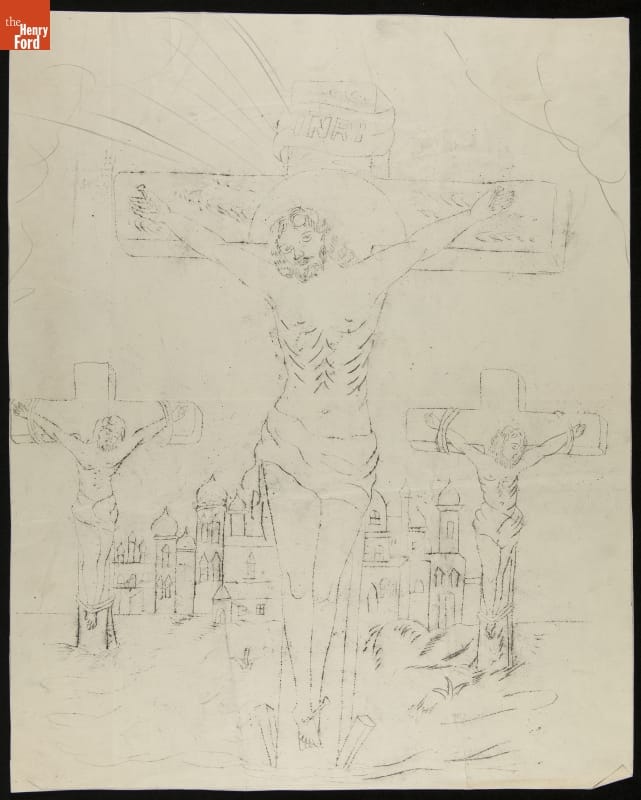
- Tattoo Stencil, 1915-1950 - Tattoos communicate stories. Their content ranges from deeply personal and traditional--to regrettable and frivolous. In the early 1900s, "Professor" Waters apprenticed as a tattoo artist in carnivals and New York's Bowery District. He ran a successful supply shop in Detroit (1918-1939), patenting the standard "two-coil" tattoo machine in 1929. Designs from his flash sheets continue to inspire tattooists today.
- 1915-1950
- Collections - Artifact
Tattoo Stencil, 1915-1950
Tattoos communicate stories. Their content ranges from deeply personal and traditional--to regrettable and frivolous. In the early 1900s, "Professor" Waters apprenticed as a tattoo artist in carnivals and New York's Bowery District. He ran a successful supply shop in Detroit (1918-1939), patenting the standard "two-coil" tattoo machine in 1929. Designs from his flash sheets continue to inspire tattooists today.
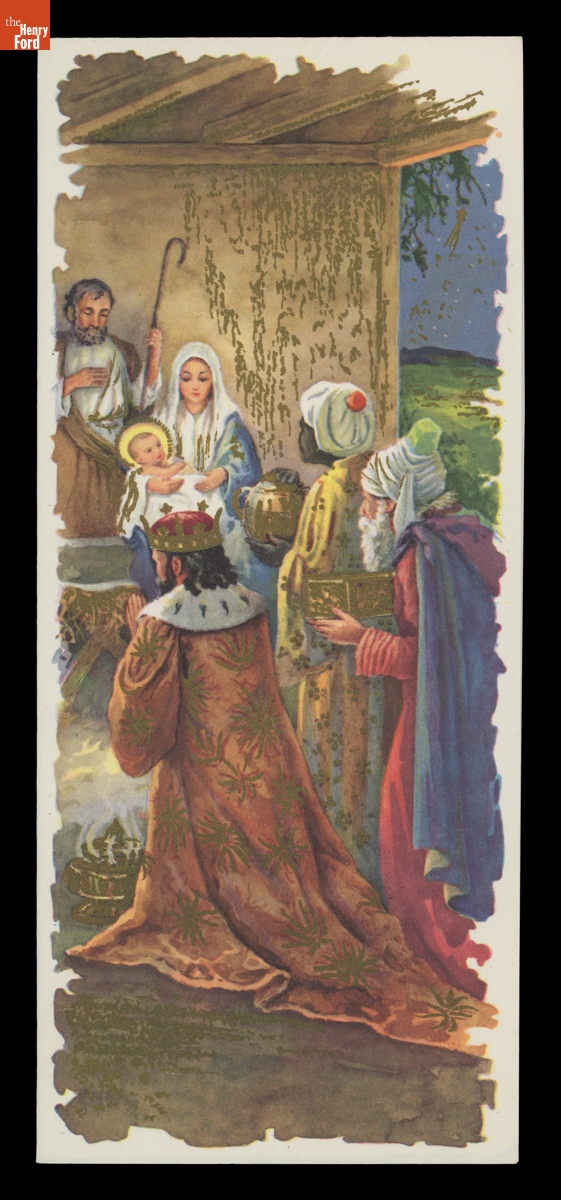
- Christmas Card Featuring the "Adoration of the Magi," 1956 - Christians often send Christmas cards that incorporate religious themes to celebrate the birth of Jesus. Imagery may allude to biblical stories of the Nativity, the Madonna and Child, the three kings or wise men, or the adoration of the shepherds. Texts may quote scriptures or verses from Christmas hymns or carols; other passages may be generic, wishing peace and goodwill to the recipient.
- 1956
- Collections - Artifact
Christmas Card Featuring the "Adoration of the Magi," 1956
Christians often send Christmas cards that incorporate religious themes to celebrate the birth of Jesus. Imagery may allude to biblical stories of the Nativity, the Madonna and Child, the three kings or wise men, or the adoration of the shepherds. Texts may quote scriptures or verses from Christmas hymns or carols; other passages may be generic, wishing peace and goodwill to the recipient.
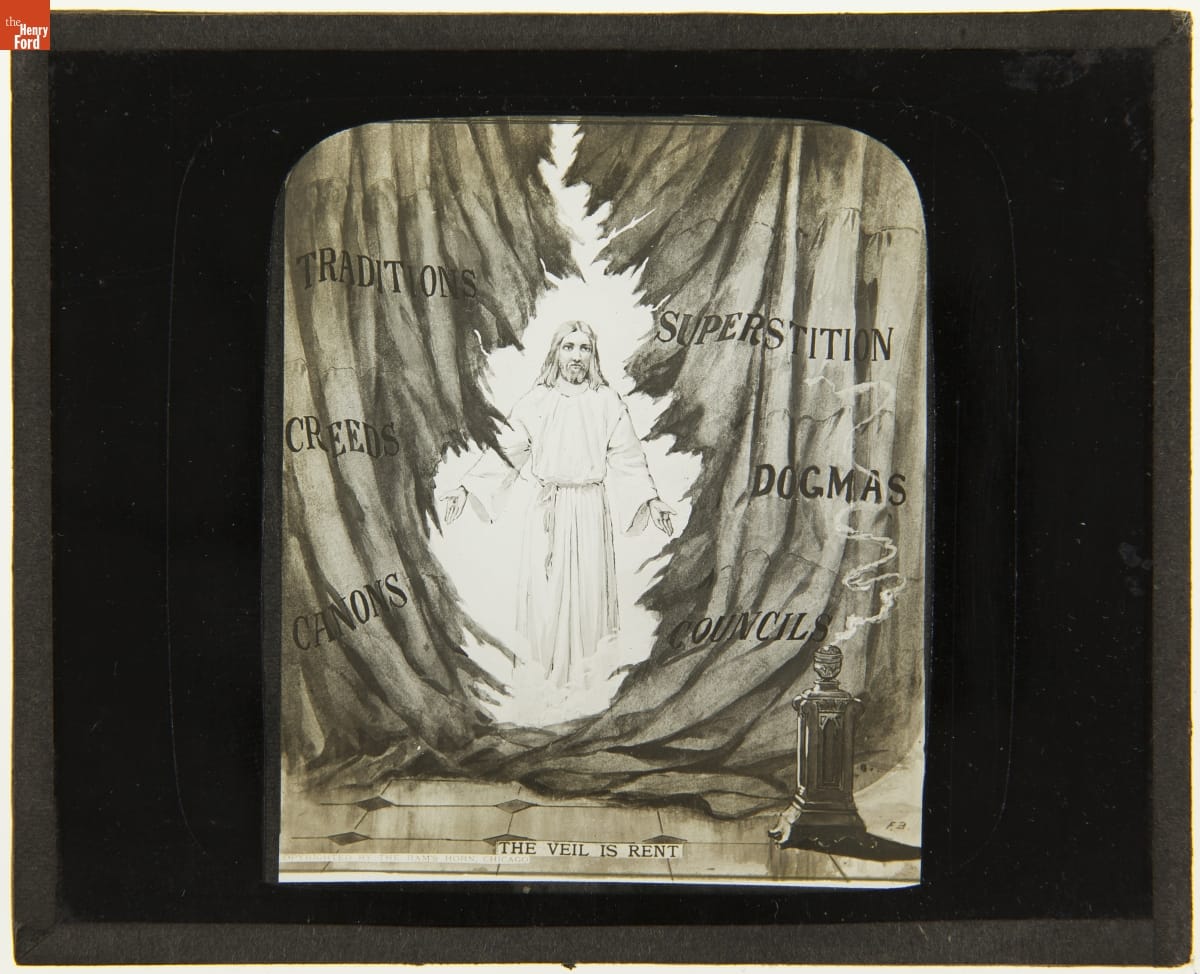
- "The Veil is Rent" Cartoon, 1890-1910 - Frank Beard (1842-1905), an illustrator, caricaturist, and cartoonist, began his career by sketching scenes of military life for popular publications--such as <em>Harper's Weekly</em>--during the Civil War. His later works promoted Christianity, warned against secularism, and targeted the social ills of the Gilded Age. This slide shows one of his illustrations from <em>The Ram's Horn</em>, a non-denominational Christian periodical.
- 1890-1910
- Collections - Artifact
"The Veil is Rent" Cartoon, 1890-1910
Frank Beard (1842-1905), an illustrator, caricaturist, and cartoonist, began his career by sketching scenes of military life for popular publications--such as Harper's Weekly--during the Civil War. His later works promoted Christianity, warned against secularism, and targeted the social ills of the Gilded Age. This slide shows one of his illustrations from The Ram's Horn, a non-denominational Christian periodical.
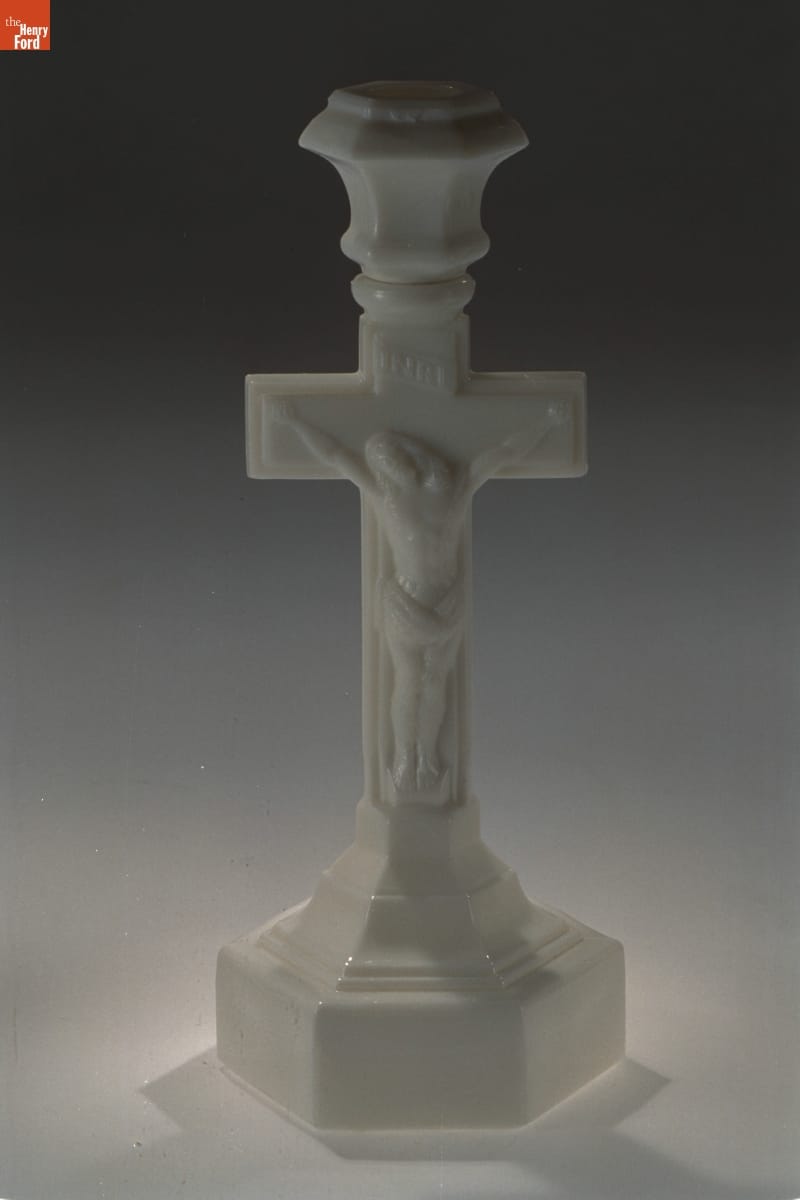
- Candlestick, 1860-1890 - Nineteenth-century American glassmakers experimented with new methods to create products for a growing consumer market. In the 1820s, pressing glass into metal molds by machine was perfected, and by the mid-1800s, manufacturers were creating a variety of inexpensive pressed glass housewares. America's middle-class consumers could now decorate their homes with attractive glass bowls, creamers, dishes, plates, vases, and even candlesticks.
- 1860-1890
- Collections - Artifact
Candlestick, 1860-1890
Nineteenth-century American glassmakers experimented with new methods to create products for a growing consumer market. In the 1820s, pressing glass into metal molds by machine was perfected, and by the mid-1800s, manufacturers were creating a variety of inexpensive pressed glass housewares. America's middle-class consumers could now decorate their homes with attractive glass bowls, creamers, dishes, plates, vases, and even candlesticks.
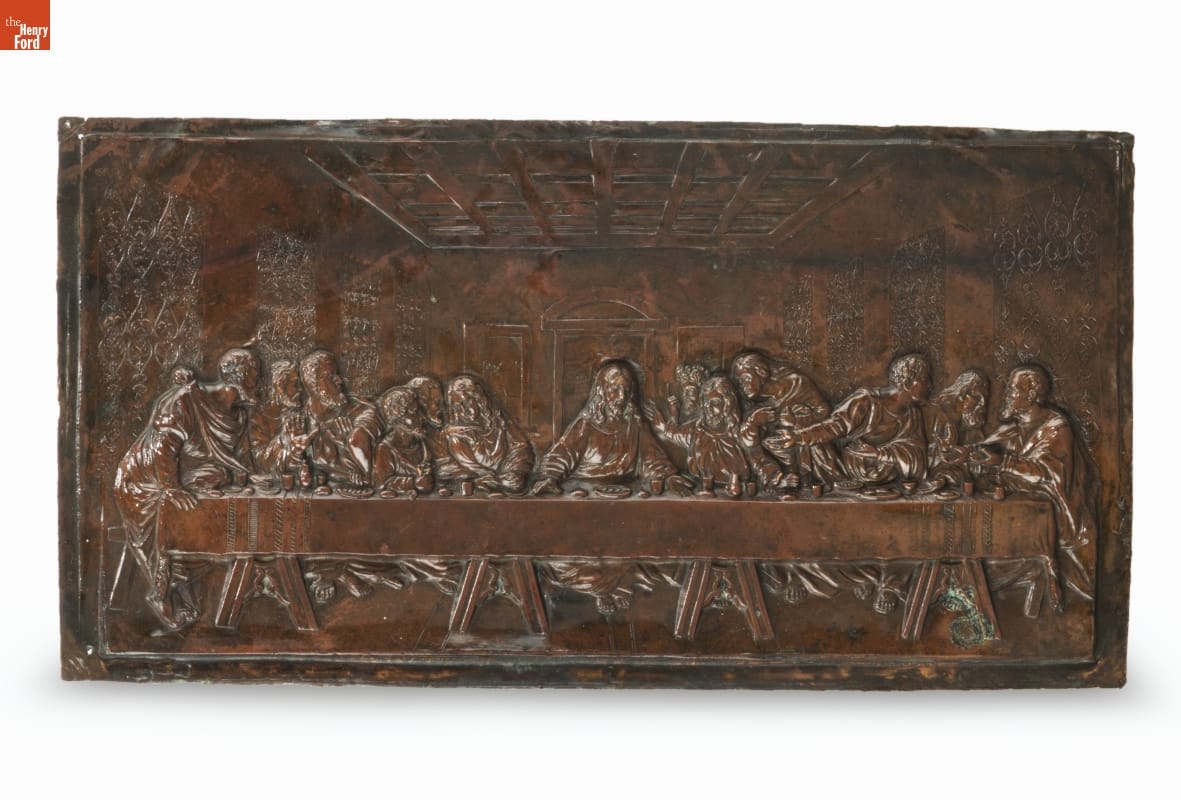
- Relief Plaque of "The Last Supper" -
- Collections - Artifact
Relief Plaque of "The Last Supper"
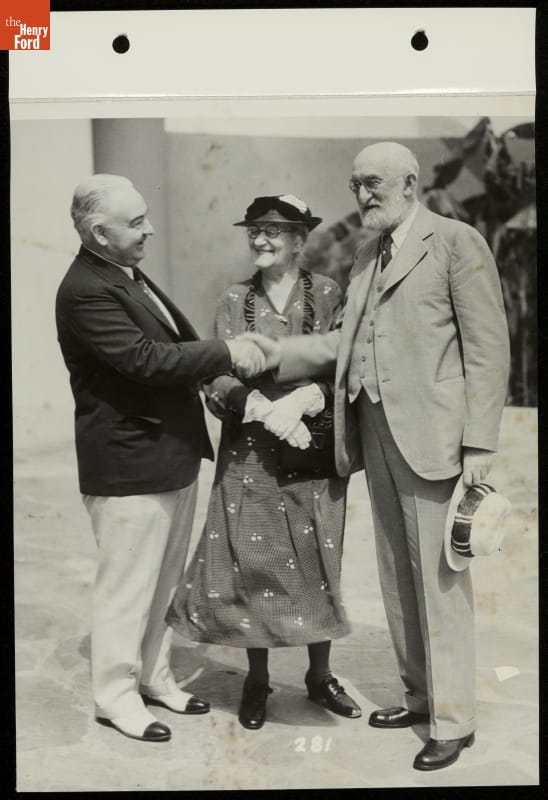
- Mr. and Mrs. Heber J. Grant Greeted by Official of the California Pacific International Exposition, San Diego, 1935 - Ford Motor Company was the major exhibitor at the 1935 California Pacific International Exposition in San Diego. The Ford Building, Music Bowl, and outdoor "Roads of the Pacific" experience composed the Exposition's largest and most popular attraction. Among the Ford Exhibit's 2.5 million visitors was Heber J. Grant, then president of the Church of Jesus Christ of Latter-day Saints.
- July 10, 1935
- Collections - Artifact
Mr. and Mrs. Heber J. Grant Greeted by Official of the California Pacific International Exposition, San Diego, 1935
Ford Motor Company was the major exhibitor at the 1935 California Pacific International Exposition in San Diego. The Ford Building, Music Bowl, and outdoor "Roads of the Pacific" experience composed the Exposition's largest and most popular attraction. Among the Ford Exhibit's 2.5 million visitors was Heber J. Grant, then president of the Church of Jesus Christ of Latter-day Saints.
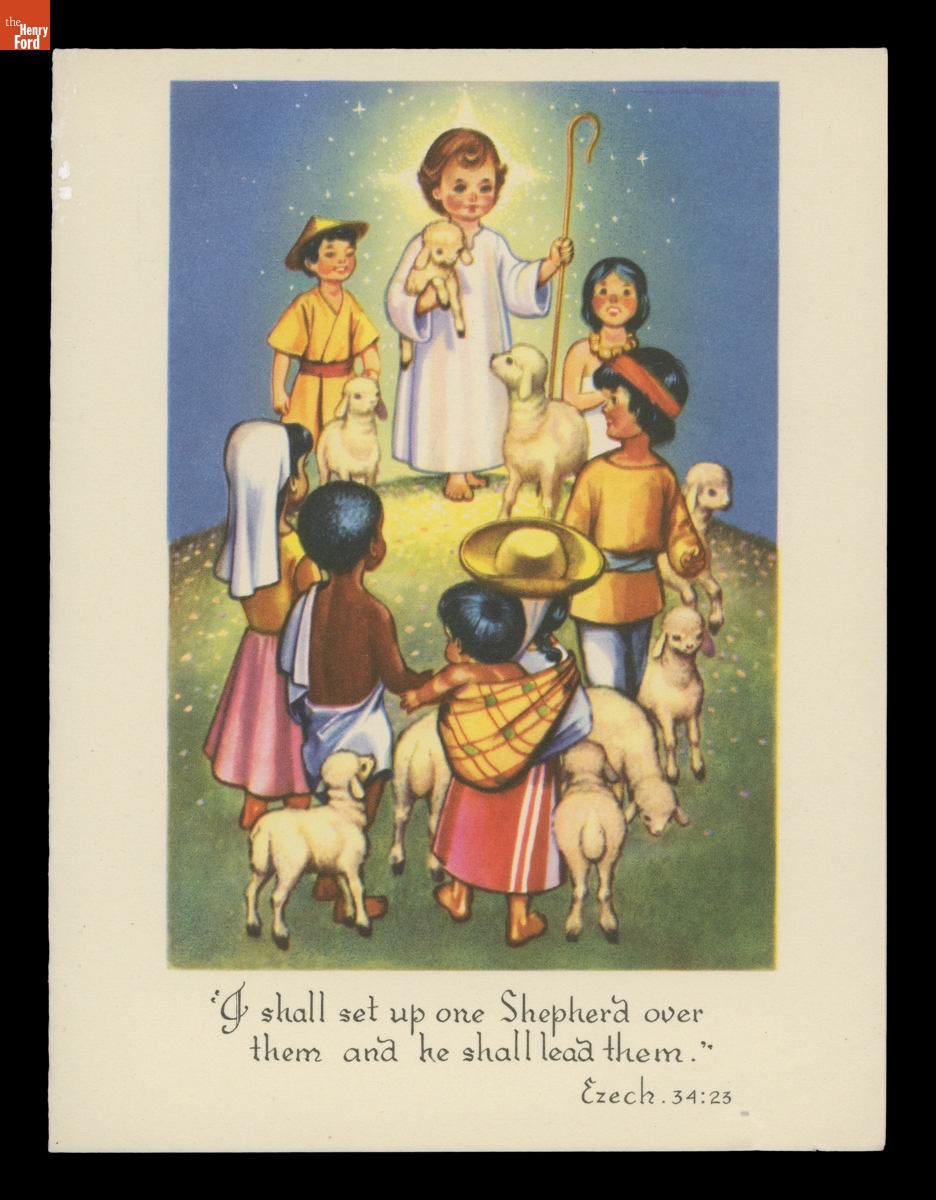
- "I shall set up one Shepher over them and he shall lead them," 1948 - Christians often send Christmas cards that incorporate religious themes to celebrate the birth of Jesus. Imagery may allude to biblical stories of the Nativity, the Madonna and Child, the three kings or wise men, or the adoration of the shepherds. Texts may quote scriptures or verses from Christmas hymns or carols; other passages may be generic, wishing peace and goodwill to the recipient.
- 1948
- Collections - Artifact
"I shall set up one Shepher over them and he shall lead them," 1948
Christians often send Christmas cards that incorporate religious themes to celebrate the birth of Jesus. Imagery may allude to biblical stories of the Nativity, the Madonna and Child, the three kings or wise men, or the adoration of the shepherds. Texts may quote scriptures or verses from Christmas hymns or carols; other passages may be generic, wishing peace and goodwill to the recipient.
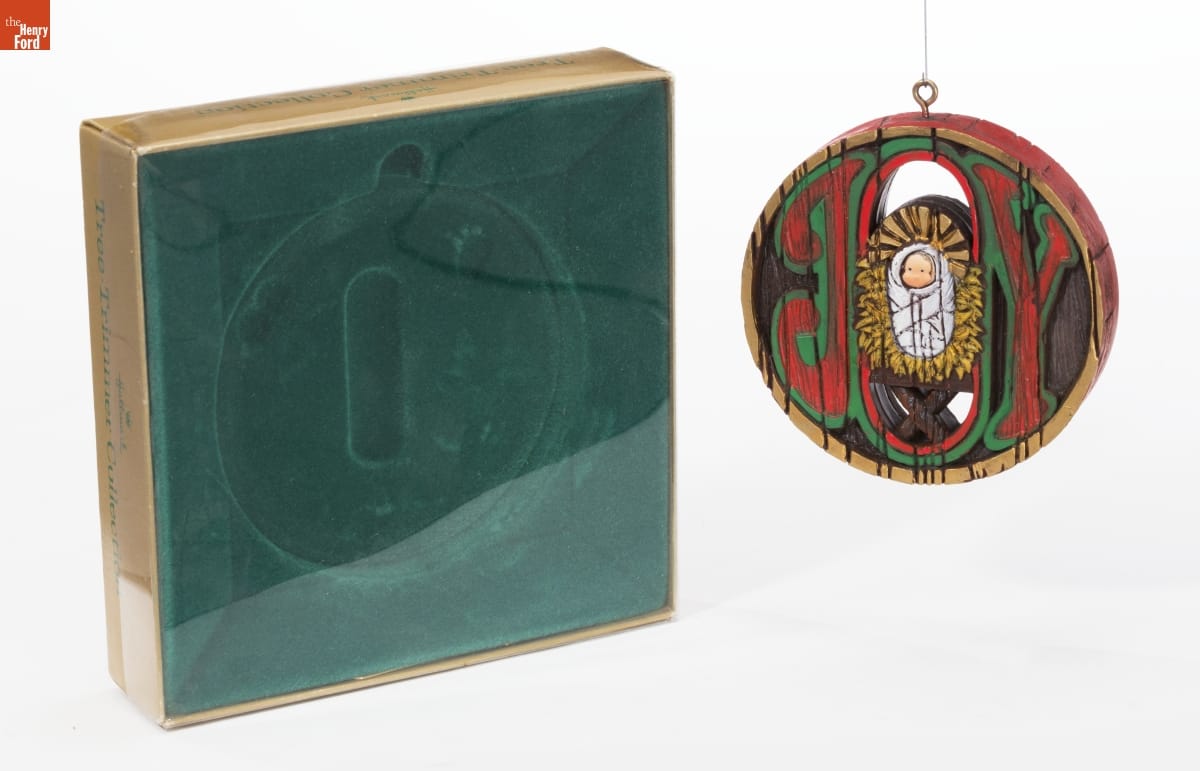
- Hallmark "Nostalgia Ornaments: Joy" Christmas Ornament, 1975 - Already known for greeting cards, Hallmark introduced a line of Christmas ornaments in 1973. The company's annual release of an increasing array of ornaments revolutionized Christmas decorating, appealing to customers' interest in marking memories and milestones as well as expressing one's personality and unique tastes.
- 1975
- Collections - Artifact
Hallmark "Nostalgia Ornaments: Joy" Christmas Ornament, 1975
Already known for greeting cards, Hallmark introduced a line of Christmas ornaments in 1973. The company's annual release of an increasing array of ornaments revolutionized Christmas decorating, appealing to customers' interest in marking memories and milestones as well as expressing one's personality and unique tastes.
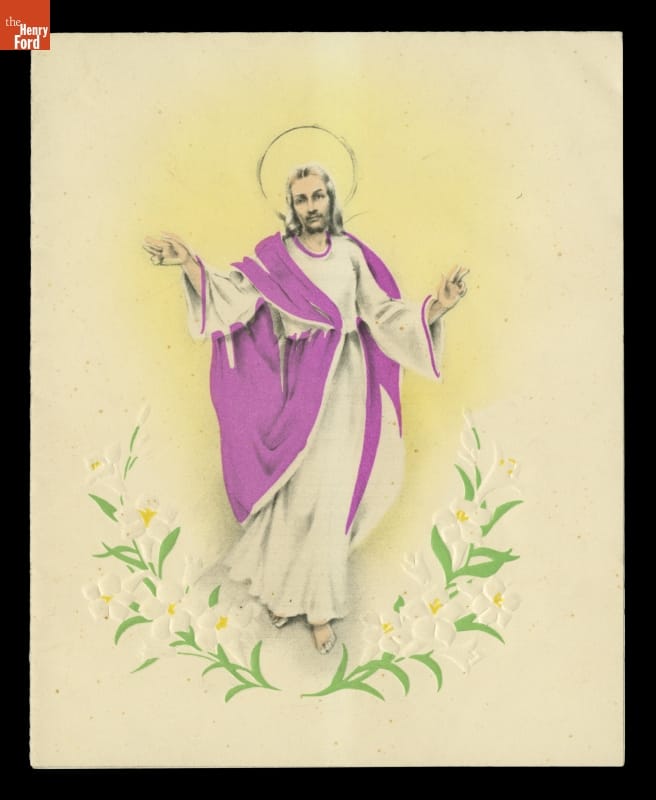
- Easter Greeting Card, circa 1940 - Sending greeting cards and postcards for the Easter holiday became popular in the United States by the 1880s. Publishers made cards with themes of a religious nature as well as secular decorations to celebrate the arrival of spring. Artists working for these publishers illustrated the cards with images symbolic of the season, such as crosses, angels, flowers, eggs, children, birds, and rabbits.
- circa 1940
- Collections - Artifact
Easter Greeting Card, circa 1940
Sending greeting cards and postcards for the Easter holiday became popular in the United States by the 1880s. Publishers made cards with themes of a religious nature as well as secular decorations to celebrate the arrival of spring. Artists working for these publishers illustrated the cards with images symbolic of the season, such as crosses, angels, flowers, eggs, children, birds, and rabbits.