
Search
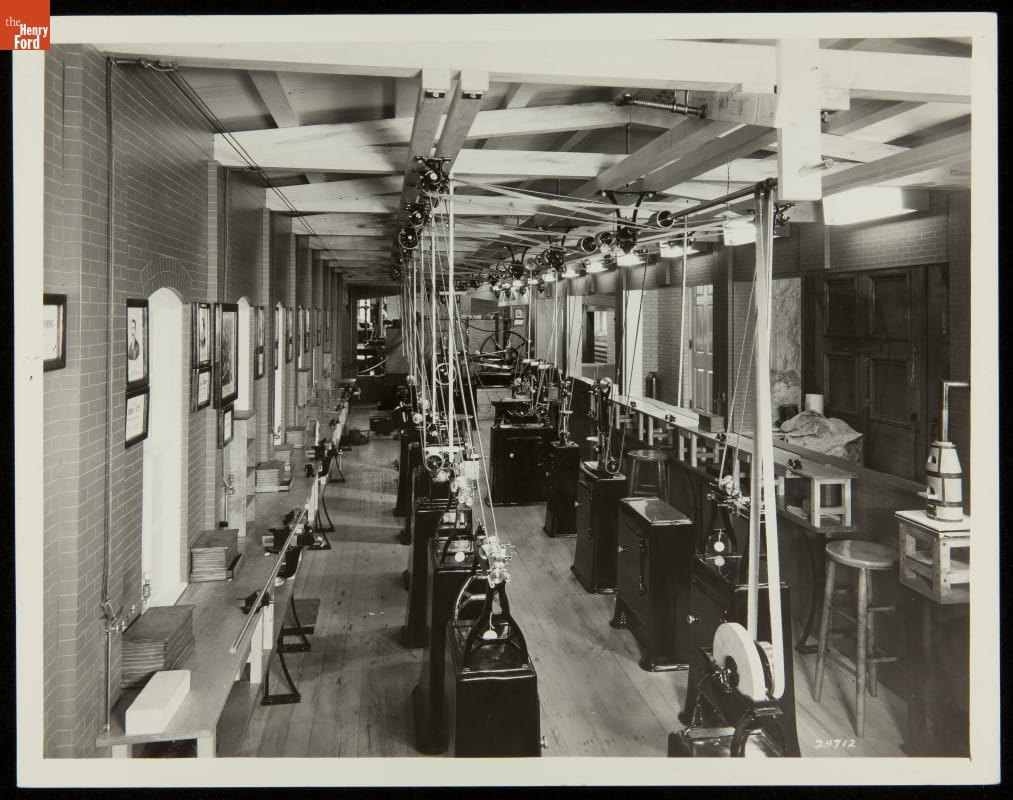
- Model of Menlo Park Machine Shop Built for the New York World's Fair, Set Up inside Henry Ford Museum, March 31, 1939 - Henry Ford firmly believed in the "practical educational value" of World's Fair exhibits. To help accomplish his education mission during the 1939-40 New York World's Fair, he highlighted the work of students attending his experimental schools. Here, boys from Henry Ford's Edison Institute Schools operated miniature machine replicas based on Thomas Edison's Menlo Park Machine Shop.
- March 31, 1939
- Collections - Artifact
Model of Menlo Park Machine Shop Built for the New York World's Fair, Set Up inside Henry Ford Museum, March 31, 1939
Henry Ford firmly believed in the "practical educational value" of World's Fair exhibits. To help accomplish his education mission during the 1939-40 New York World's Fair, he highlighted the work of students attending his experimental schools. Here, boys from Henry Ford's Edison Institute Schools operated miniature machine replicas based on Thomas Edison's Menlo Park Machine Shop.
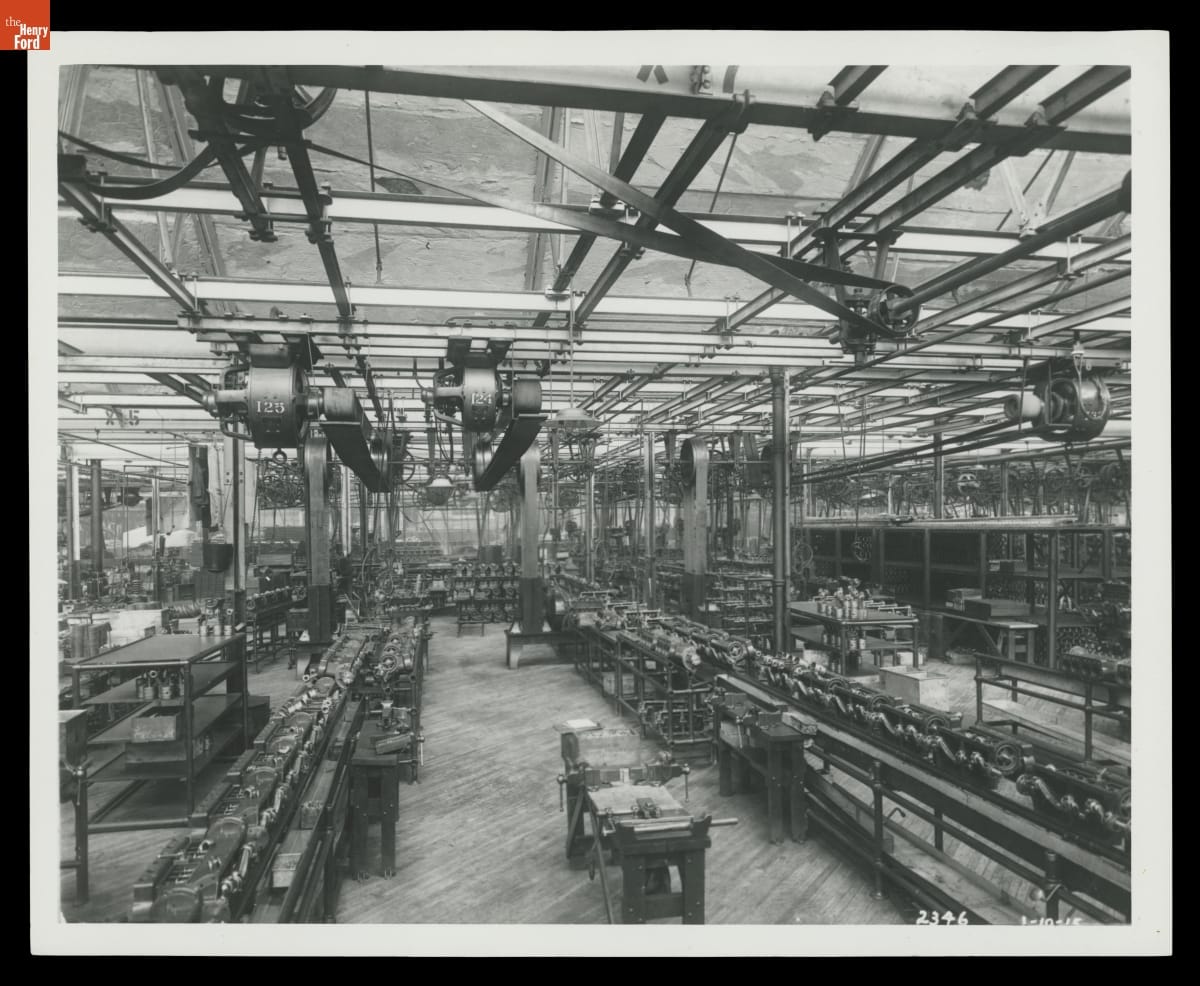
- Machine Shop at Ford Motor Company Highland Park Plant, January 1915 -
- January 10, 1915
- Collections - Artifact
Machine Shop at Ford Motor Company Highland Park Plant, January 1915
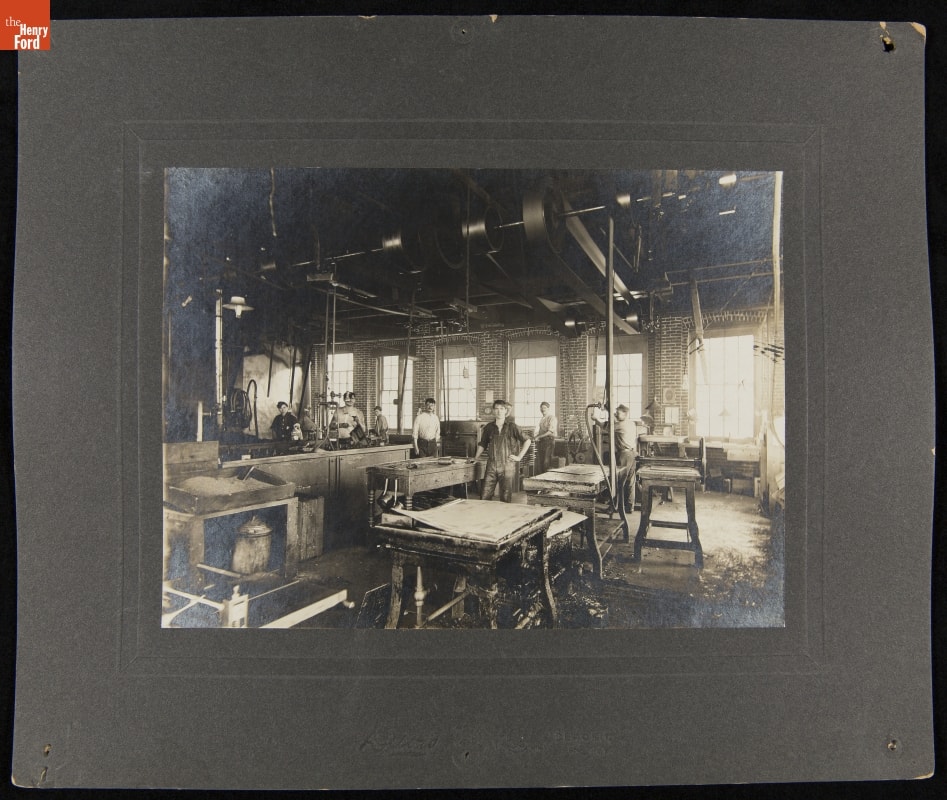
- Men Working in a Print Shop, circa 1925 -
- circa 1925
- Collections - Artifact
Men Working in a Print Shop, circa 1925
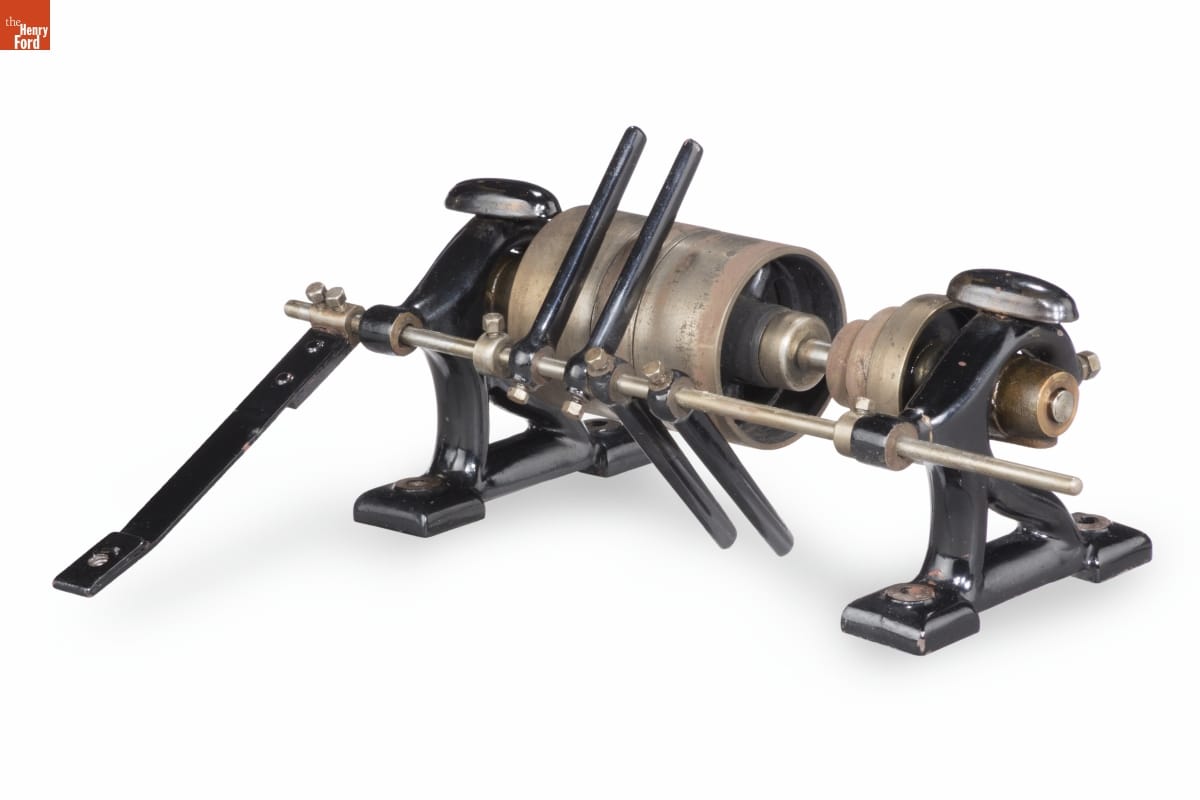
- Miniature Lineshaft, Displayed at the New York World's Fair, 1939 - Henry Ford firmly believed in the "practical educational value" of World's Fair exhibits. During the 1939-40 New York World's Fair, he highlighted the work of students attending his experimental schools. In a miniature machine shop in the Ford building, boys from Ford's Edison Institute Schools operated quarter-size replicas based on machines from Thomas Edison's Menlo Park.
- 1939
- Collections - Artifact
Miniature Lineshaft, Displayed at the New York World's Fair, 1939
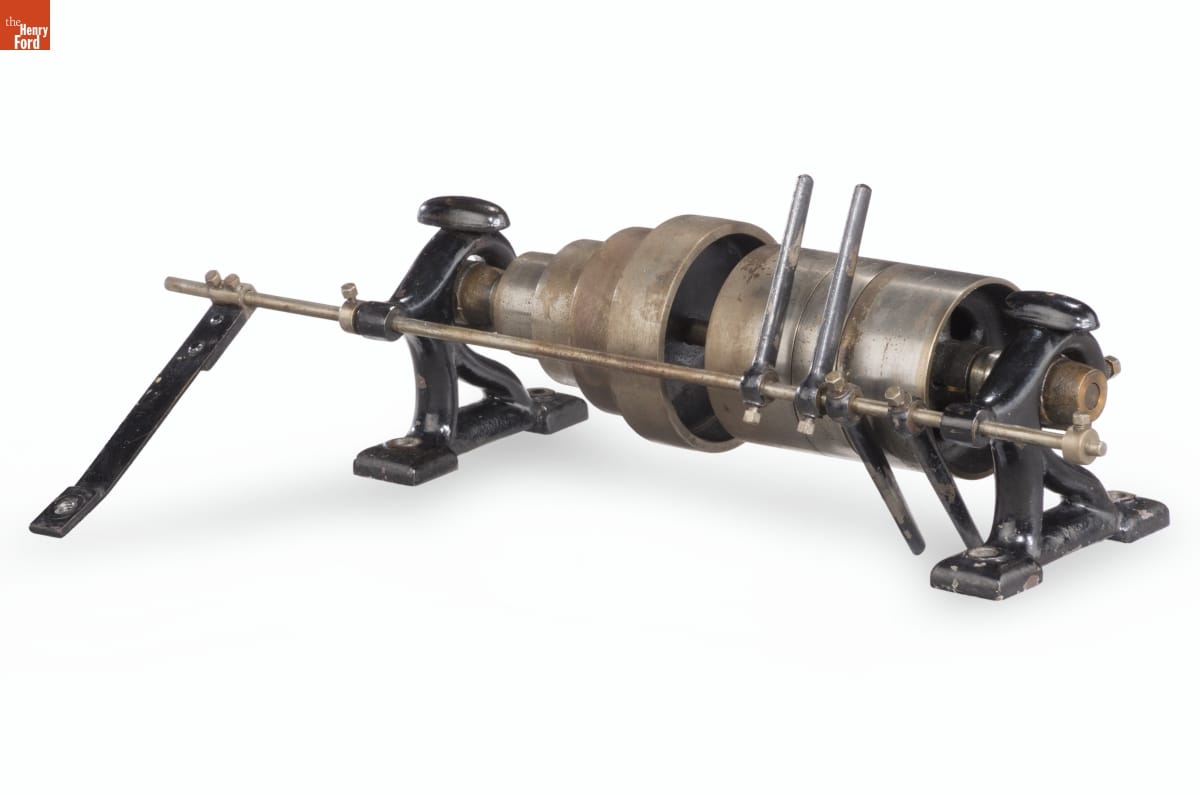
Henry Ford firmly believed in the "practical educational value" of World's Fair exhibits. During the 1939-40 New York World's Fair, he highlighted the work of students attending his experimental schools. In a miniature machine shop in the Ford building, boys from Ford's Edison Institute Schools operated quarter-size replicas based on machines from Thomas Edison's Menlo Park.
- Miniature Lineshaft, Displayed at the New York World's Fair, 1939 - Henry Ford firmly believed in the "practical educational value" of World's Fair exhibits. During the 1939-40 New York World's Fair, he highlighted the work of students attending his experimental schools. In a miniature machine shop in the Ford building, boys from Ford's Edison Institute Schools operated quarter-size replicas based on machines from Thomas Edison's Menlo Park.
- 1939
- Collections - Artifact
Miniature Lineshaft, Displayed at the New York World's Fair, 1939
Henry Ford firmly believed in the "practical educational value" of World's Fair exhibits. During the 1939-40 New York World's Fair, he highlighted the work of students attending his experimental schools. In a miniature machine shop in the Ford building, boys from Ford's Edison Institute Schools operated quarter-size replicas based on machines from Thomas Edison's Menlo Park.
- Workers at the Mercer Automobile Factory, 1910-1925 -
- 1910-1925
- Collections - Artifact
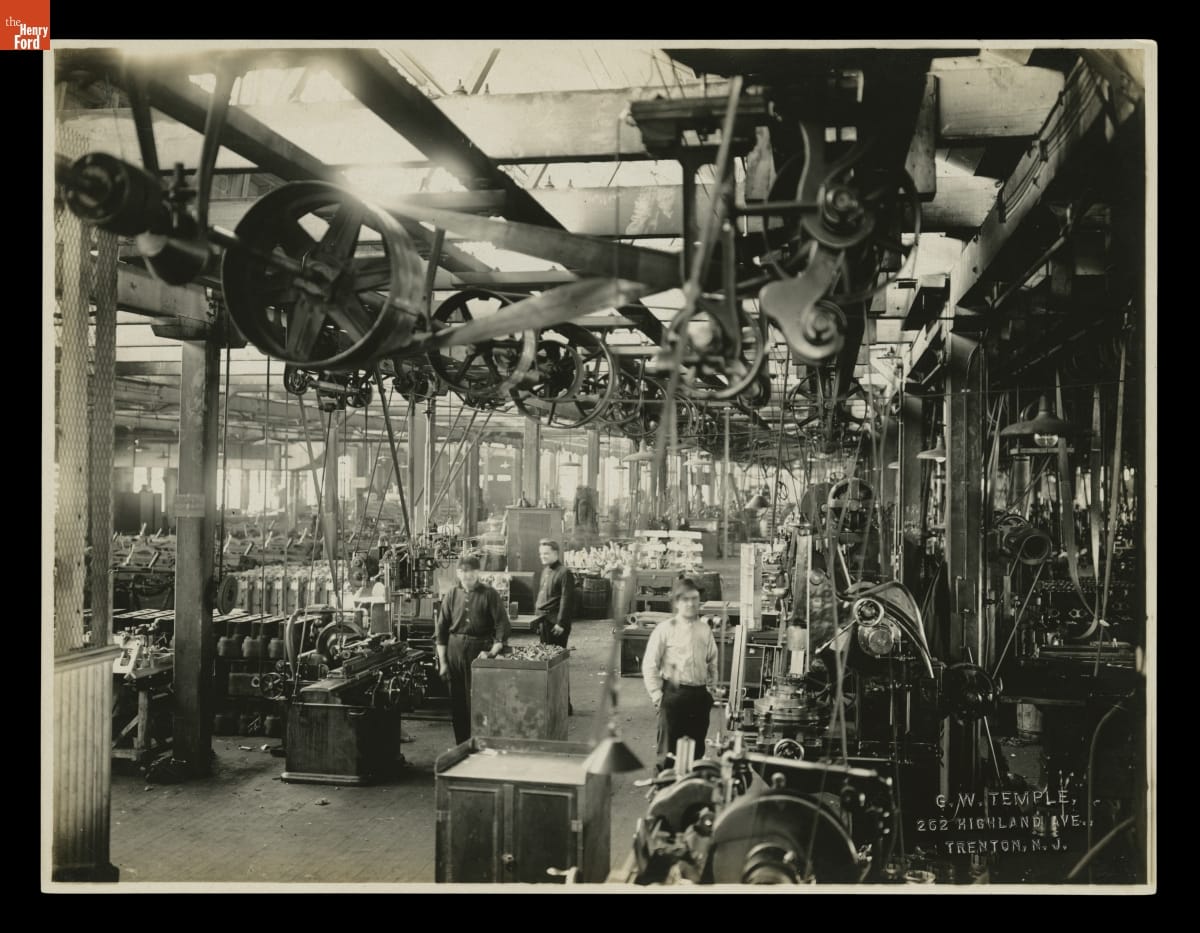
Workers at the Mercer Automobile Factory, 1910-1925
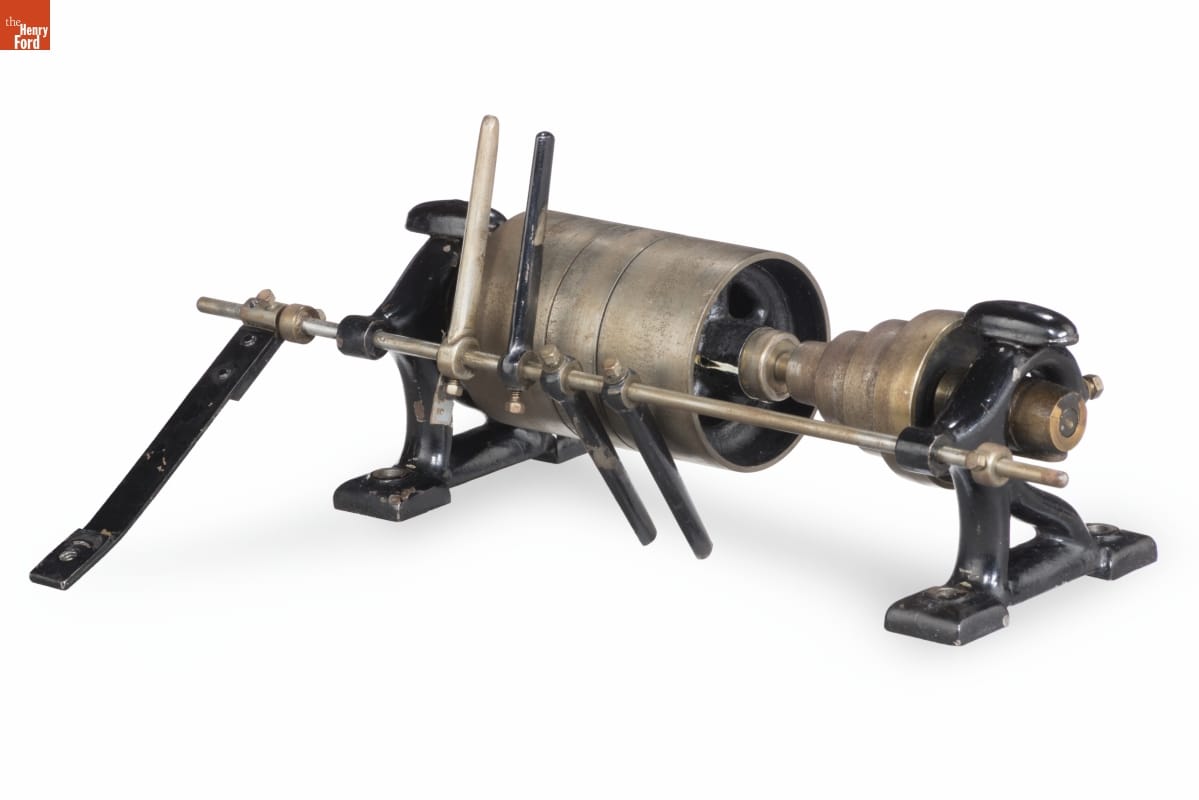
- Miniature Lineshaft, Displayed at the New York World's Fair, 1939 - Henry Ford firmly believed in the "practical educational value" of World's Fair exhibits. During the 1939-40 New York World's Fair, he highlighted the work of students attending his experimental schools. In a miniature machine shop in the Ford building, boys from Ford's Edison Institute Schools operated quarter-size replicas based on machines from Thomas Edison's Menlo Park.
- 1939
- Collections - Artifact
Miniature Lineshaft, Displayed at the New York World's Fair, 1939
Henry Ford firmly believed in the "practical educational value" of World's Fair exhibits. During the 1939-40 New York World's Fair, he highlighted the work of students attending his experimental schools. In a miniature machine shop in the Ford building, boys from Ford's Edison Institute Schools operated quarter-size replicas based on machines from Thomas Edison's Menlo Park.
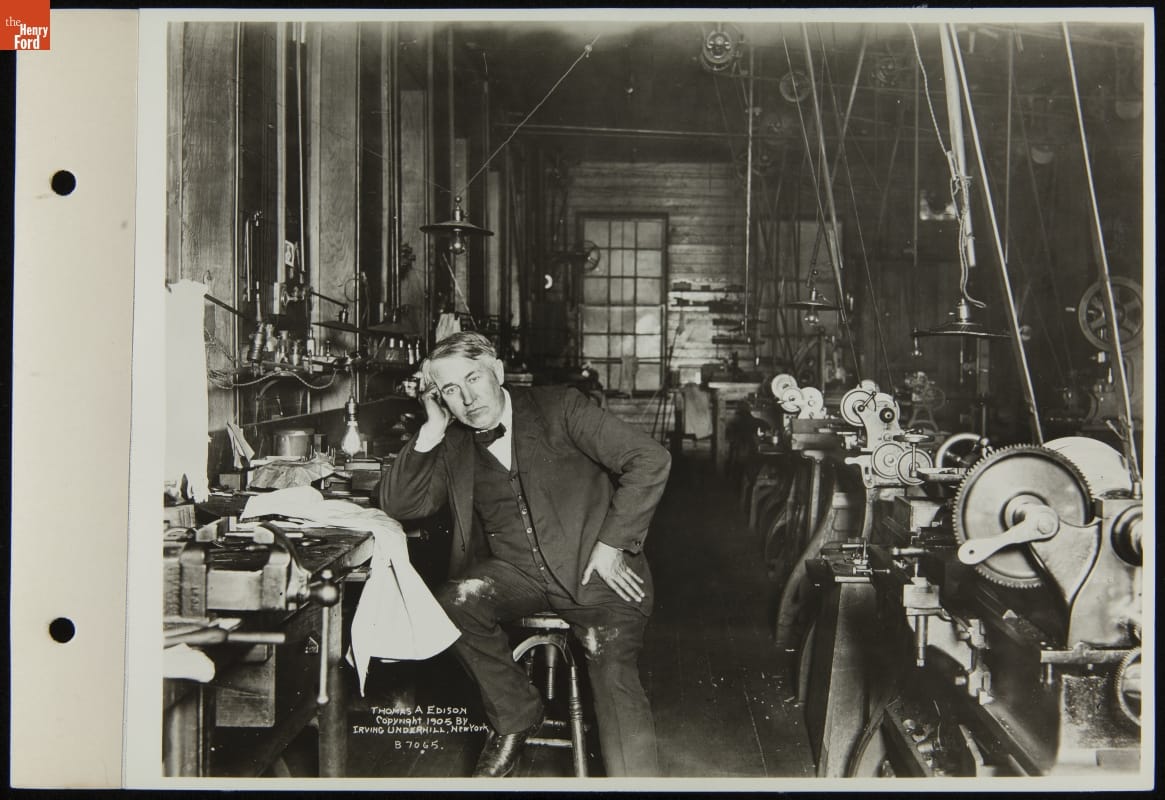
- Thomas Edison at His Laboratory in West Orange, New Jersey, 1898 - This photograph shows inventor Thomas Alva Edison at work in his West Orange, New Jersey, laboratory. Edison directed teams of research assistants here for nearly fifty years -- from 1887 until his death in 1931. More than half of Edison's 1,093 patents resulted from the collaborative work done in this complex, which became a model for modern research and development laboratories.
- November 05, 1929
- Collections - Artifact
Thomas Edison at His Laboratory in West Orange, New Jersey, 1898
This photograph shows inventor Thomas Alva Edison at work in his West Orange, New Jersey, laboratory. Edison directed teams of research assistants here for nearly fifty years -- from 1887 until his death in 1931. More than half of Edison's 1,093 patents resulted from the collaborative work done in this complex, which became a model for modern research and development laboratories.
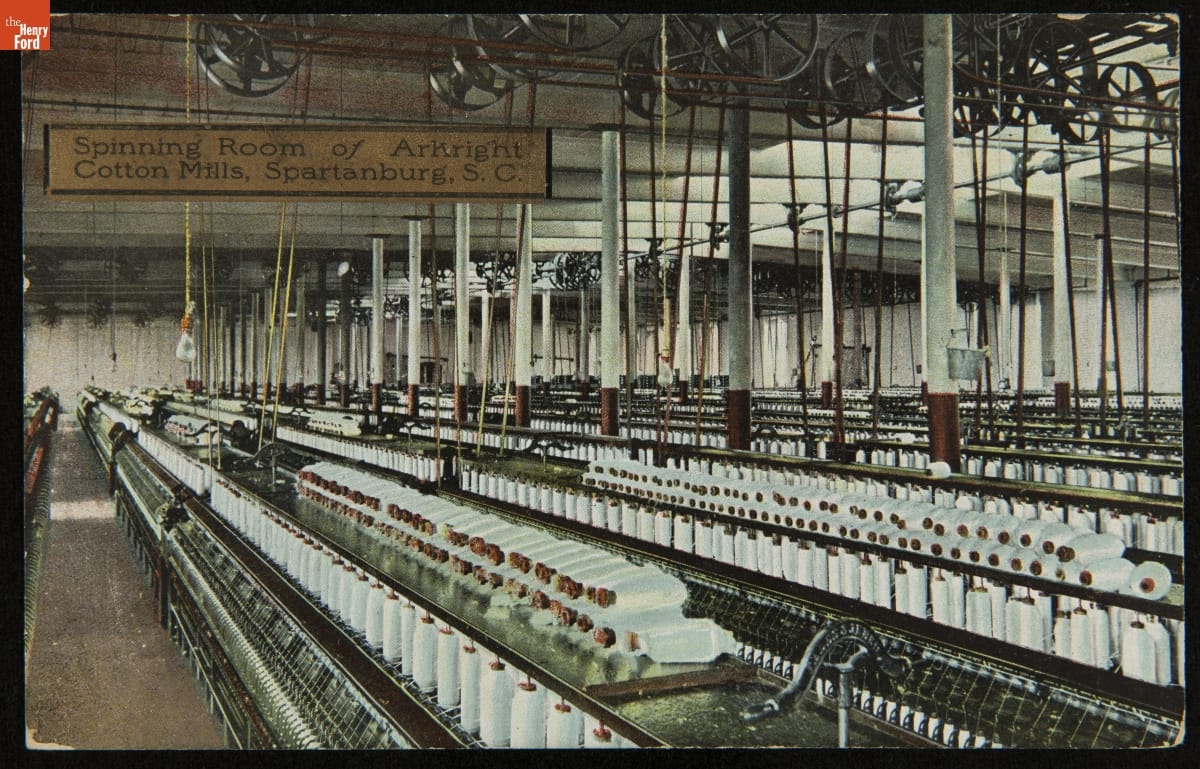
- Postcard, "Spinning Room of Arkwright Cotton Mills, Spartanburg, S.C.," circa 1912 - After the Civil War, textile mills moved South from New England, where labor was cheap, water and steam power were plentiful, and the local cotton crop saved transportation costs. This Spartanburg, South Carolina, cotton mill, named for British inventor Richard Arkwright, was organized in 1896. Mills like this were noisy, hot, and dangerous, and mill owners drove their workers hard.
- circa 1912
- Collections - Artifact
Postcard, "Spinning Room of Arkwright Cotton Mills, Spartanburg, S.C.," circa 1912
After the Civil War, textile mills moved South from New England, where labor was cheap, water and steam power were plentiful, and the local cotton crop saved transportation costs. This Spartanburg, South Carolina, cotton mill, named for British inventor Richard Arkwright, was organized in 1896. Mills like this were noisy, hot, and dangerous, and mill owners drove their workers hard.
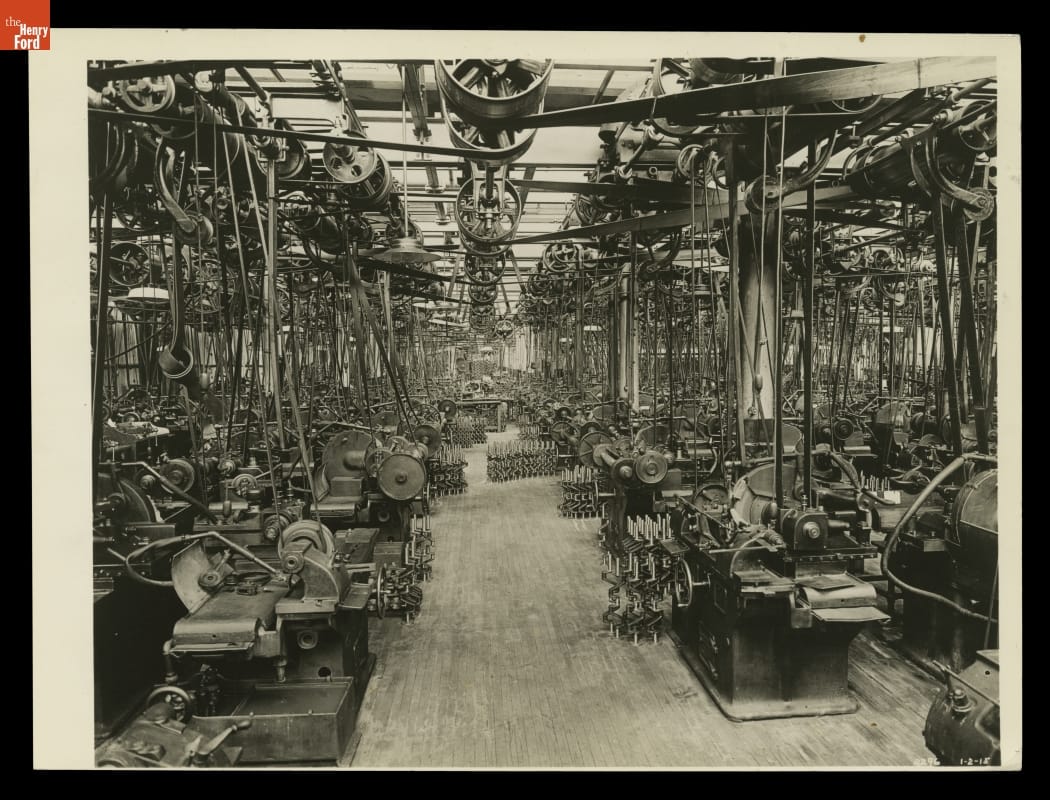
- Crankshafts in Machine Shop at the Ford Motor Company Highland Park Plant, 1915 - The machine shop at Ford Motor Company's Highland Park plant was filled with highly specialized machine tools essential to Ford's mass production methods. This view from 1915 shows rows of grinders for Model T engine crankshafts, as well as the web of belts that transferred power to each grinder from overhead shafts.
- January 02, 1915
- Collections - Artifact
Crankshafts in Machine Shop at the Ford Motor Company Highland Park Plant, 1915
The machine shop at Ford Motor Company's Highland Park plant was filled with highly specialized machine tools essential to Ford's mass production methods. This view from 1915 shows rows of grinders for Model T engine crankshafts, as well as the web of belts that transferred power to each grinder from overhead shafts.