
Search
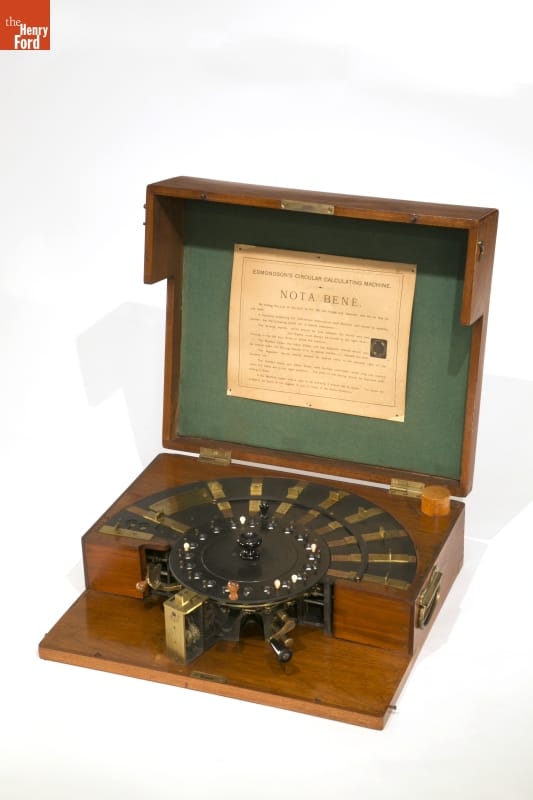
- Patent Model of Edmondson's Circular Calculating Machine, 1883 - Mechanical calculators used gears, cogs, levers, and rotating drums to solve mathematical problems indirectly. While Edmondson's Circular Calculator was rugged and reliable, its "stepped drum" system required people to slide plates and levers, making it difficult to master and time-consuming to operate. By the late 19th century, improved adding machines became popular, helping to reduce the common errors of human calculation.
- 1883
- Collections - Artifact
Patent Model of Edmondson's Circular Calculating Machine, 1883
Mechanical calculators used gears, cogs, levers, and rotating drums to solve mathematical problems indirectly. While Edmondson's Circular Calculator was rugged and reliable, its "stepped drum" system required people to slide plates and levers, making it difficult to master and time-consuming to operate. By the late 19th century, improved adding machines became popular, helping to reduce the common errors of human calculation.
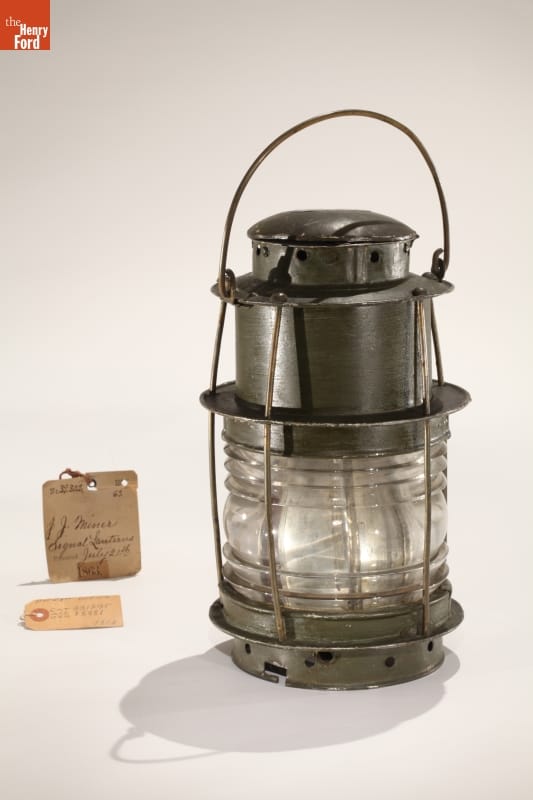
- Patent Model of Marine Signal Lantern, 1863 - This marine lantern was designed to burn oil. An opaque metal shade could be moved to expose and block its glow. Moveable red and green glass shades are its most innovative feature, which served two purposes. They allowed the lantern to act as a communications device, to send messages between ships--and as an anchor light, to avoid collisions between vessels.
- July 21, 1863
- Collections - Artifact
Patent Model of Marine Signal Lantern, 1863
This marine lantern was designed to burn oil. An opaque metal shade could be moved to expose and block its glow. Moveable red and green glass shades are its most innovative feature, which served two purposes. They allowed the lantern to act as a communications device, to send messages between ships--and as an anchor light, to avoid collisions between vessels.
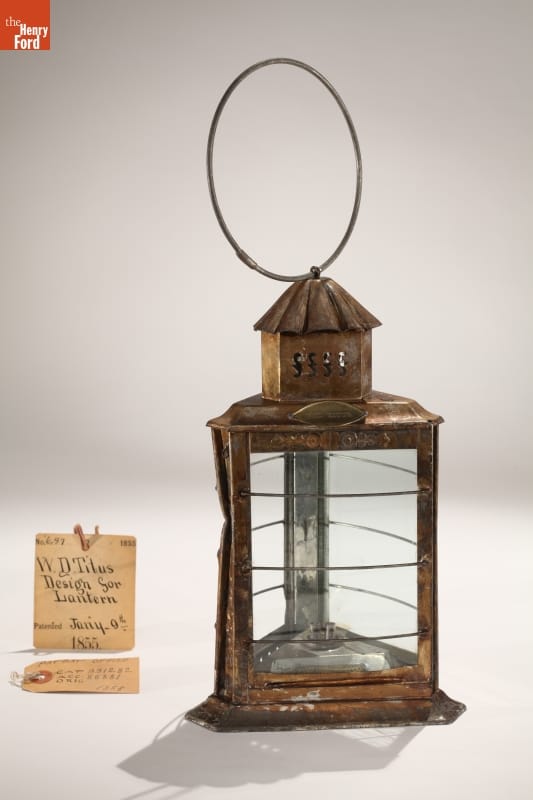
- Patent Model of Lantern, 1855 - From 1790 to 1880, the U.S. Patent Office required applicants to submit a miniature model along with diagrams and written descriptions detailing the operation of their invention. Patent models could be no larger than 12" by 12" by 12". Though they were usually not operational, these models helped explain an inventor's idea and protect it from competitors.
- January 09, 1855
- Collections - Artifact
Patent Model of Lantern, 1855
From 1790 to 1880, the U.S. Patent Office required applicants to submit a miniature model along with diagrams and written descriptions detailing the operation of their invention. Patent models could be no larger than 12" by 12" by 12". Though they were usually not operational, these models helped explain an inventor's idea and protect it from competitors.
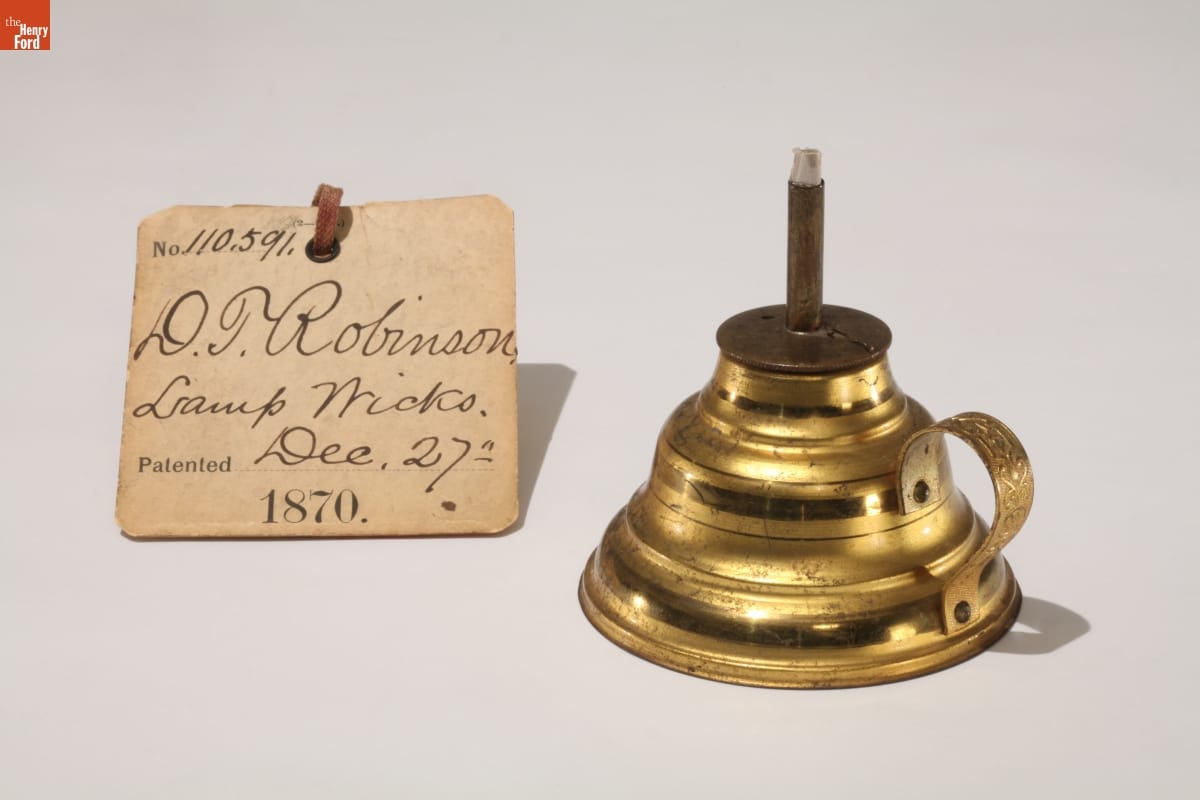
- Patent Model of Lamp Wick, 1870 - From 1790 to 1880, the U.S. Patent Office required applicants to submit a miniature model along with diagrams and written descriptions detailing the operation of their invention. Patent models could be no larger than 12" by 12" by 12". Though they were usually not operational, these models helped explain an inventor's idea and protect it from competitors.
- December 27, 1870
- Collections - Artifact
Patent Model of Lamp Wick, 1870
From 1790 to 1880, the U.S. Patent Office required applicants to submit a miniature model along with diagrams and written descriptions detailing the operation of their invention. Patent models could be no larger than 12" by 12" by 12". Though they were usually not operational, these models helped explain an inventor's idea and protect it from competitors.
- Patent Model of Candle Lamp, 1872 - From 1790 to 1880, the U.S. Patent Office required applicants to submit a miniature model along with diagrams and written descriptions detailing the operation of their invention. Patent models could be no larger than 12" by 12" by 12". Though they were usually not operational, these models helped explain an inventor's idea and protect it from competitors.
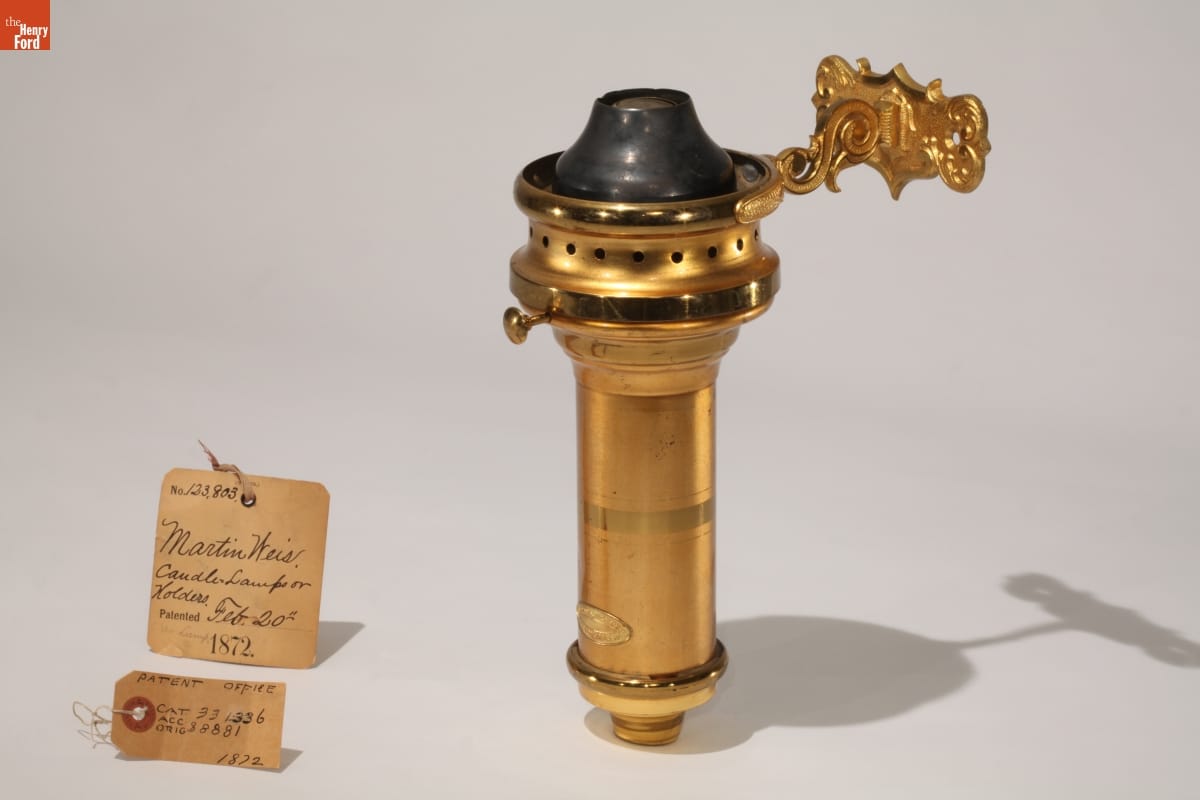
- February 20, 1872
- Collections - Artifact
Patent Model of Candle Lamp, 1872
From 1790 to 1880, the U.S. Patent Office required applicants to submit a miniature model along with diagrams and written descriptions detailing the operation of their invention. Patent models could be no larger than 12" by 12" by 12". Though they were usually not operational, these models helped explain an inventor's idea and protect it from competitors.
- Patent Model of Miners' Lamp, 1876 - From 1790 to 1880, the U.S. Patent Office required applicants to submit a miniature model along with diagrams and written descriptions detailing the operation of their invention. Patent models could be no larger than 12" by 12" by 12". Though they were usually not operational, these models helped explain an inventor's idea and protect it from competitors.
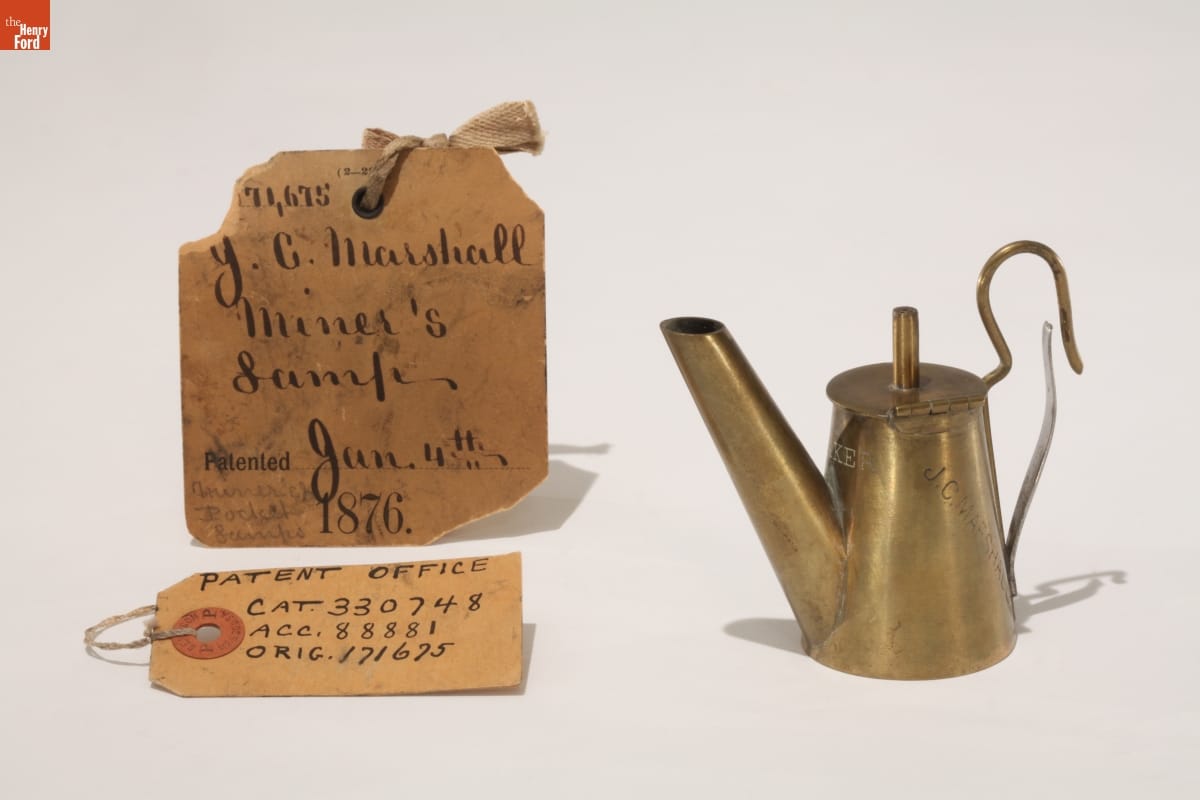
- January 04, 1876
- Collections - Artifact
Patent Model of Miners' Lamp, 1876
From 1790 to 1880, the U.S. Patent Office required applicants to submit a miniature model along with diagrams and written descriptions detailing the operation of their invention. Patent models could be no larger than 12" by 12" by 12". Though they were usually not operational, these models helped explain an inventor's idea and protect it from competitors.
- Patent Model of Pocket Lantern, 1877 - From 1790 to 1880, the U.S. Patent Office required applicants to submit a miniature model along with diagrams and written descriptions detailing the operation of their invention. Patent models could be no larger than 12" by 12" by 12". Though they were usually not operational, these models helped explain an inventor's idea and protect it from competitors.
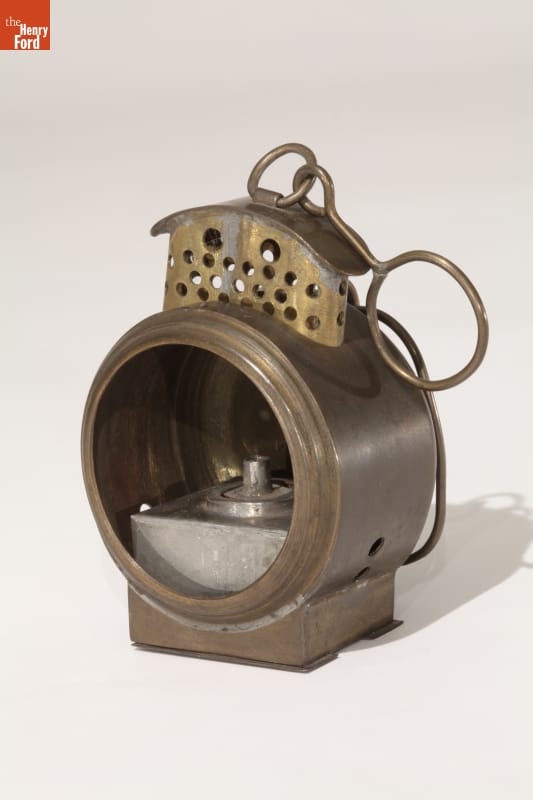
- April 24, 1877
- Collections - Artifact
Patent Model of Pocket Lantern, 1877
From 1790 to 1880, the U.S. Patent Office required applicants to submit a miniature model along with diagrams and written descriptions detailing the operation of their invention. Patent models could be no larger than 12" by 12" by 12". Though they were usually not operational, these models helped explain an inventor's idea and protect it from competitors.
- Patent Model of Lamp Extinguisher, 1878 - From 1790 to 1880, the U.S. Patent Office required applicants to submit a miniature model along with diagrams and written descriptions detailing the operation of their invention. Patent models could be no larger than 12" by 12" by 12". Though they were usually not operational, these models helped explain an inventor's idea and protect it from competitors.
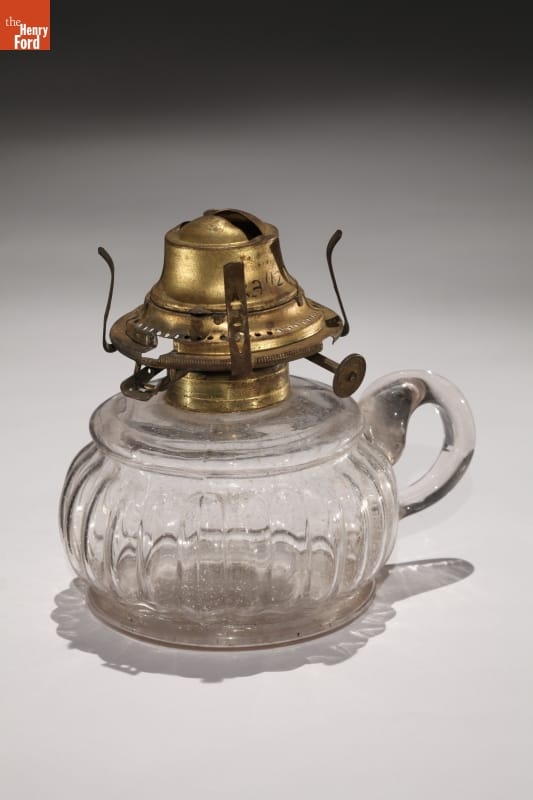
- April 02, 1878
- Collections - Artifact
Patent Model of Lamp Extinguisher, 1878
From 1790 to 1880, the U.S. Patent Office required applicants to submit a miniature model along with diagrams and written descriptions detailing the operation of their invention. Patent models could be no larger than 12" by 12" by 12". Though they were usually not operational, these models helped explain an inventor's idea and protect it from competitors.
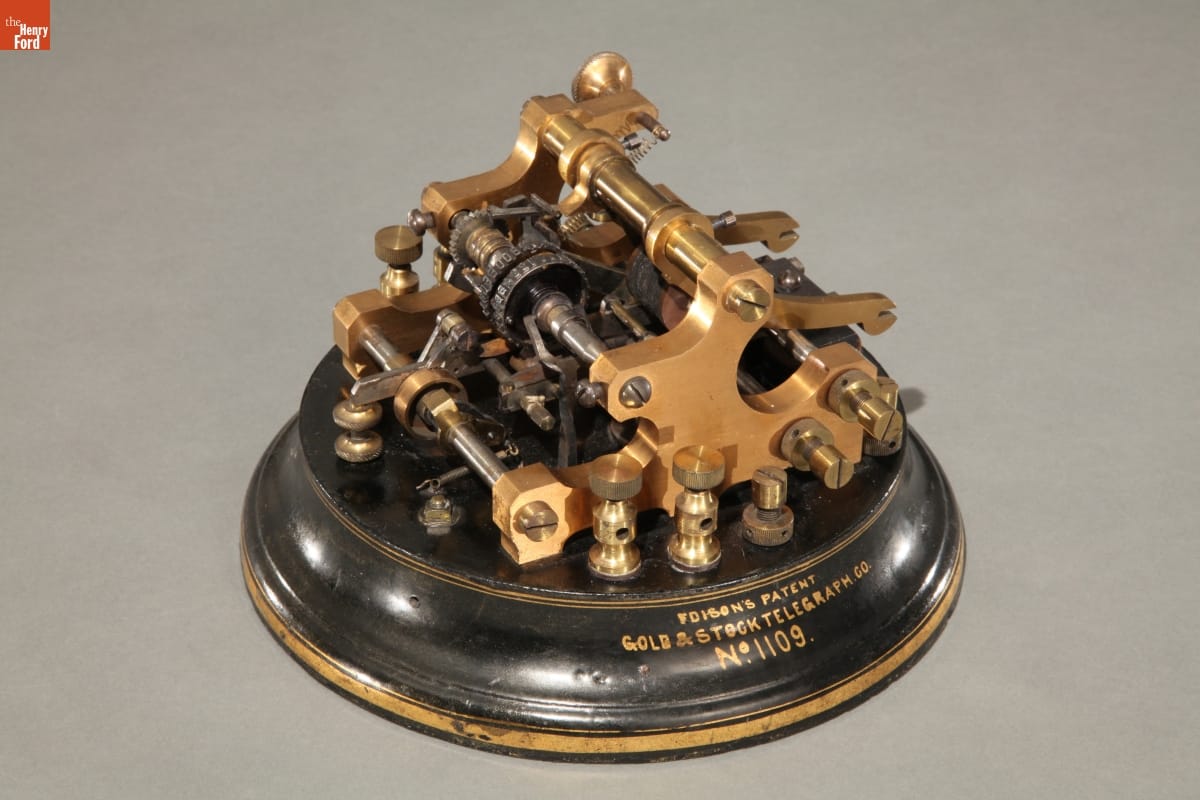
- Patent Model of Edison's Printing Telegraph Improvement, 1872 -
- 1872
- Collections - Artifact
Patent Model of Edison's Printing Telegraph Improvement, 1872
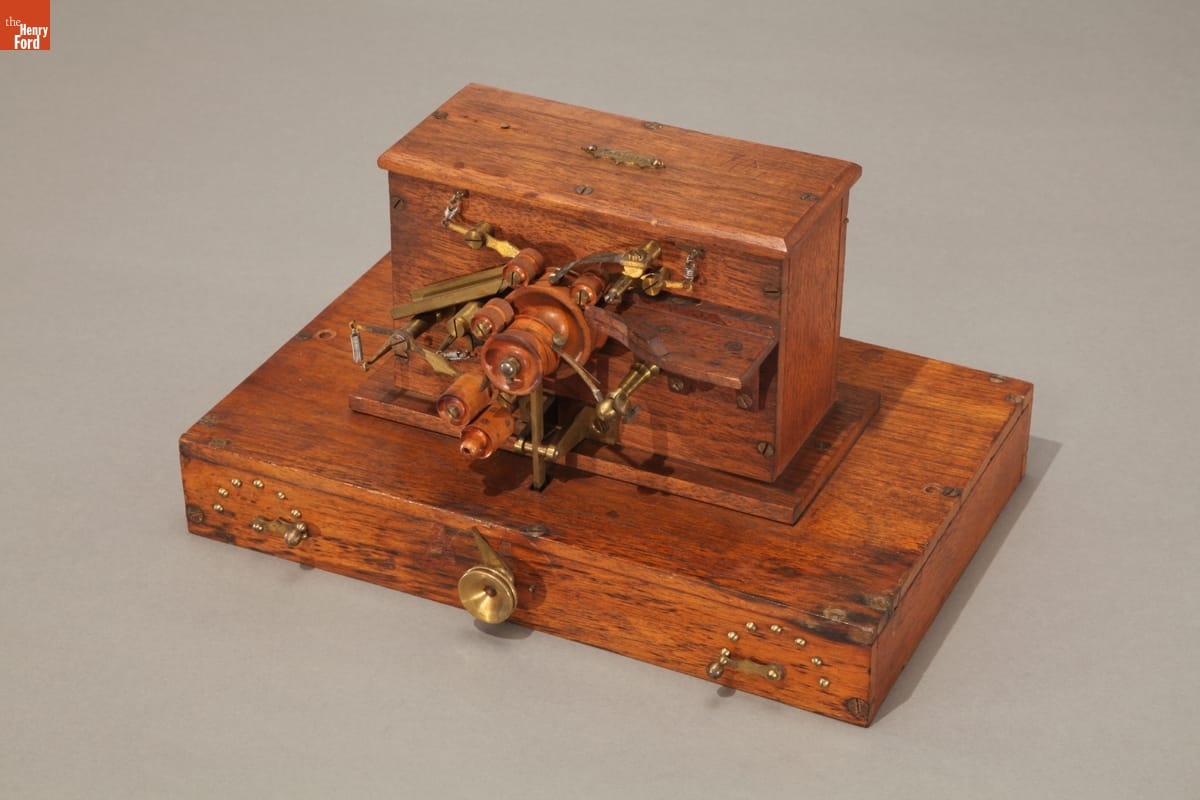
- Patent Model of Edison's Automatic Telegraph Transmitter and Receiver Improvement, 1875 -
- 1875
- Collections - Artifact
Patent Model of Edison's Automatic Telegraph Transmitter and Receiver Improvement, 1875