
Search
- "Teamwork," Interview with Al Unser, Sr., 2009 - Al Unser, Sr., was a member of the Unser racing dynasty. In 1960 he drove the Pikes Peak Hill Climb and came in second to his brother Bobby, winning the race in 1964. Unser won eight 500-mile races, including Indianapolis 500 wins in 1970, 1971, 1978, and 1987. He made his last Indy 500 run in 1993.
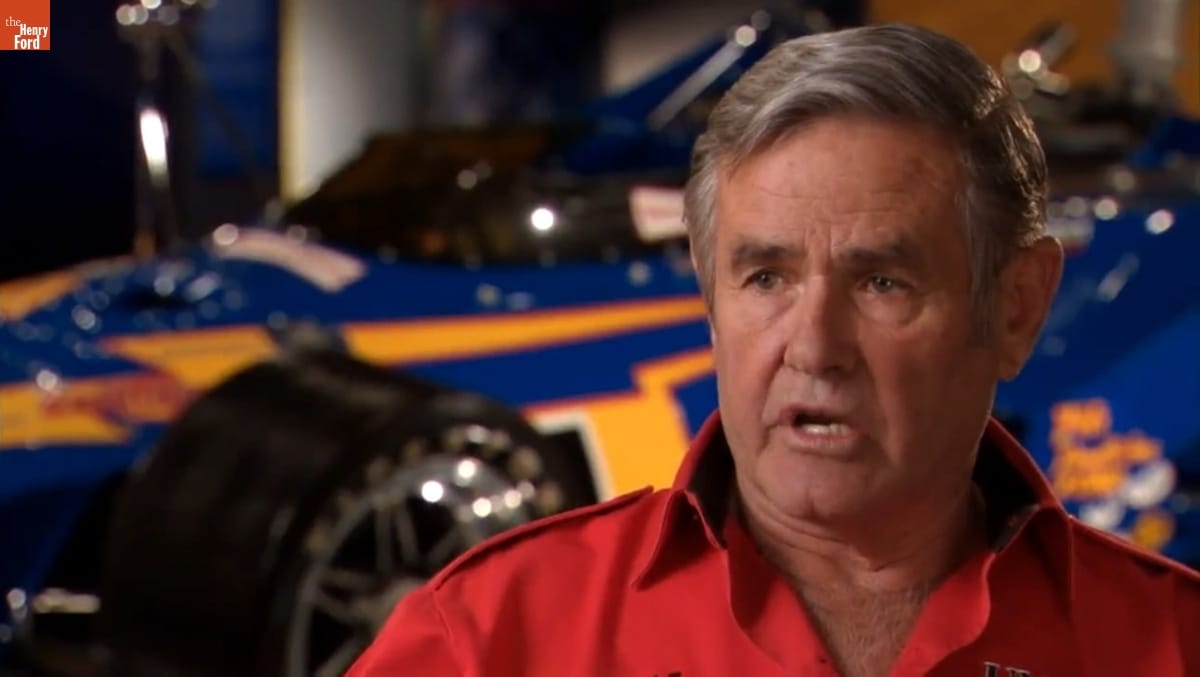
- January 06, 2009
- Collections - Artifact
"Teamwork," Interview with Al Unser, Sr., 2009
Al Unser, Sr., was a member of the Unser racing dynasty. In 1960 he drove the Pikes Peak Hill Climb and came in second to his brother Bobby, winning the race in 1964. Unser won eight 500-mile races, including Indianapolis 500 wins in 1970, 1971, 1978, and 1987. He made his last Indy 500 run in 1993.
- "Parnoily Jones," Clip from Interview with Dan Gurney, August 20, 2008 - Dan Gurney built one of the most versatile and successful careers in racing. His 51 wins as a driver included Grand Prix, Indy car, NASCAR, and sports car events. His achievements as a designer, builder, and team owner with his All American Racers continue to influence the sport. The Henry Ford interviewed Gurney at his AAR facility in 2008.

- August 20, 2008
- Collections - Artifact
"Parnoily Jones," Clip from Interview with Dan Gurney, August 20, 2008
Dan Gurney built one of the most versatile and successful careers in racing. His 51 wins as a driver included Grand Prix, Indy car, NASCAR, and sports car events. His achievements as a designer, builder, and team owner with his All American Racers continue to influence the sport. The Henry Ford interviewed Gurney at his AAR facility in 2008.
- "The Workshop," Clip from Interview with Herb Deutsch, 2014 - Herbert Deutsch is a pioneer of synthesized music--a long-time composer, music educator, and author. In 1964, he worked with Bob Moog to develop the first prototype Moog synthesizer, now in The Henry Ford's collections. Deutsch also served as the Director of Marketing & Sales during the heyday of Moog Music (1979-1983), and was a consultant for the Roland Corporation.
- 25 July 2014-26 July 2014
- Collections - Artifact
"The Workshop," Clip from Interview with Herb Deutsch, 2014
Herbert Deutsch is a pioneer of synthesized music--a long-time composer, music educator, and author. In 1964, he worked with Bob Moog to develop the first prototype Moog synthesizer, now in The Henry Ford's collections. Deutsch also served as the Director of Marketing & Sales during the heyday of Moog Music (1979-1983), and was a consultant for the Roland Corporation.
- "Synthesis Success," Clip from Interview with Herb Deutsch, 2014 - Herbert Deutsch is a pioneer of synthesized music--a long-time composer, music educator, and author. In 1964, he worked with Bob Moog to develop the first prototype Moog synthesizer, now in The Henry Ford's collections. Deutsch also served as the Director of Marketing & Sales during the heyday of Moog Music (1979-1983), and was a consultant for the Roland Corporation.

- 25 July 2014-26 July 2014
- Collections - Artifact
"Synthesis Success," Clip from Interview with Herb Deutsch, 2014
Herbert Deutsch is a pioneer of synthesized music--a long-time composer, music educator, and author. In 1964, he worked with Bob Moog to develop the first prototype Moog synthesizer, now in The Henry Ford's collections. Deutsch also served as the Director of Marketing & Sales during the heyday of Moog Music (1979-1983), and was a consultant for the Roland Corporation.
- Motion Picture Drying Room at the Highland Park Plant, 1914 - Ford Motor Company established its motion picture department in 1914. Employees produced informational newsreels, educational features, and promotional films about Ford vehicles and manufacturing facilities. Between 1914 and 1920, Ford films were shown to five million people in more than 4,000 theaters. Ford ended film production as a cost-saving measure during the Great Depression of the 1930s.
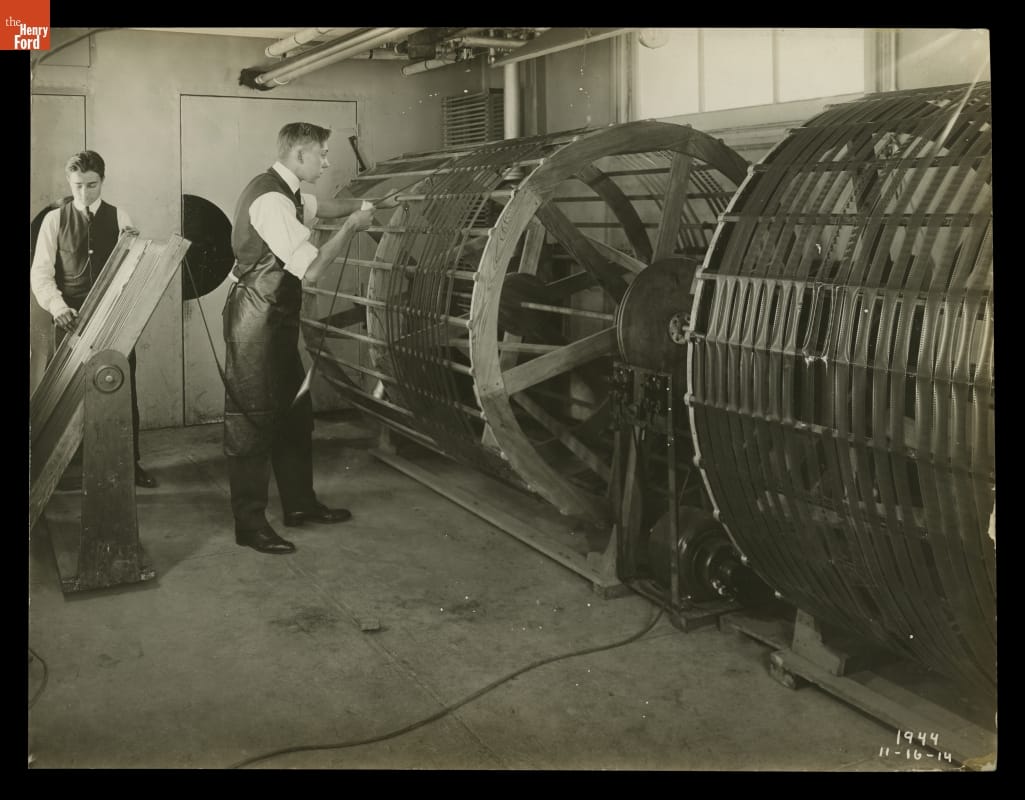
- November 16, 1914
- Collections - Artifact
Motion Picture Drying Room at the Highland Park Plant, 1914
Ford Motor Company established its motion picture department in 1914. Employees produced informational newsreels, educational features, and promotional films about Ford vehicles and manufacturing facilities. Between 1914 and 1920, Ford films were shown to five million people in more than 4,000 theaters. Ford ended film production as a cost-saving measure during the Great Depression of the 1930s.
- Hallmark "Gone With the Wind: Scarlett O'Hara" Christmas Ornament, 2003 - Already known for greeting cards, Hallmark introduced a line of Christmas ornaments in 1973. The company's annual release of an increasing array of ornaments revolutionized Christmas decorating, appealing to customers' interest in marking memories and milestones as well as expressing one's personality and unique tastes.
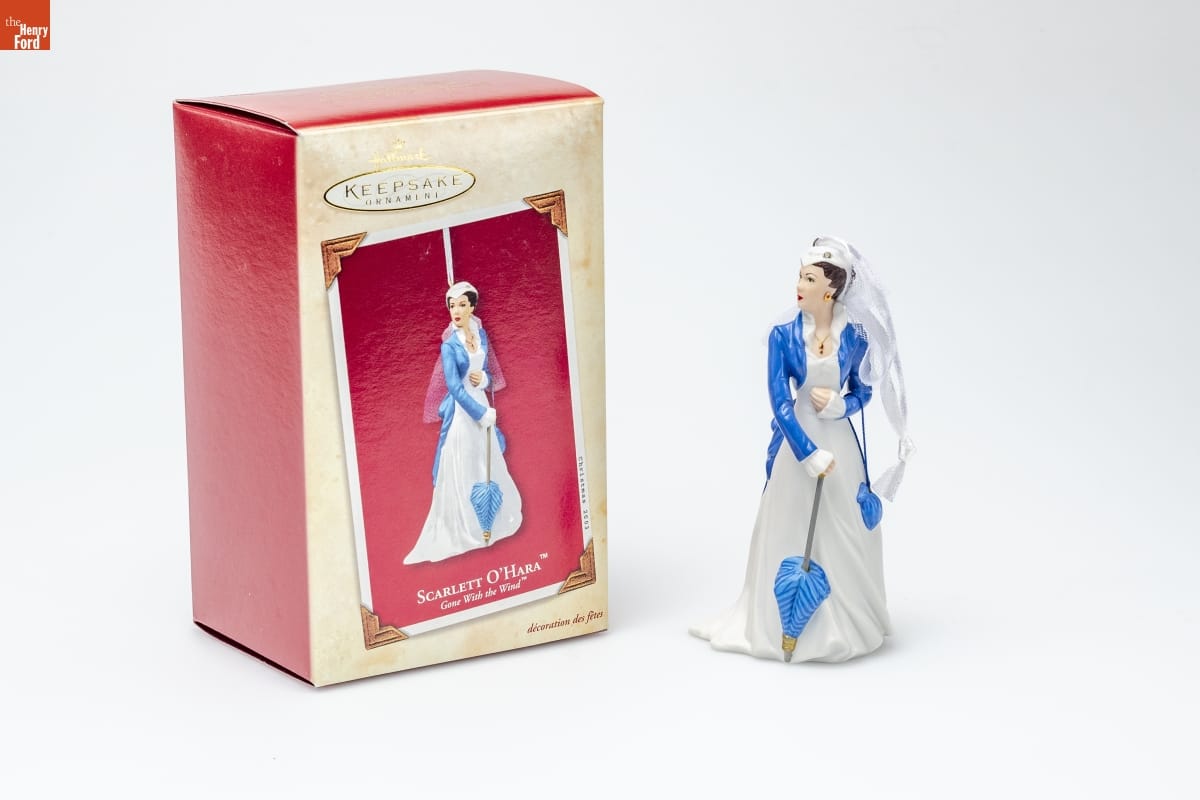
- 2003
- Collections - Artifact
Hallmark "Gone With the Wind: Scarlett O'Hara" Christmas Ornament, 2003
Already known for greeting cards, Hallmark introduced a line of Christmas ornaments in 1973. The company's annual release of an increasing array of ornaments revolutionized Christmas decorating, appealing to customers' interest in marking memories and milestones as well as expressing one's personality and unique tastes.
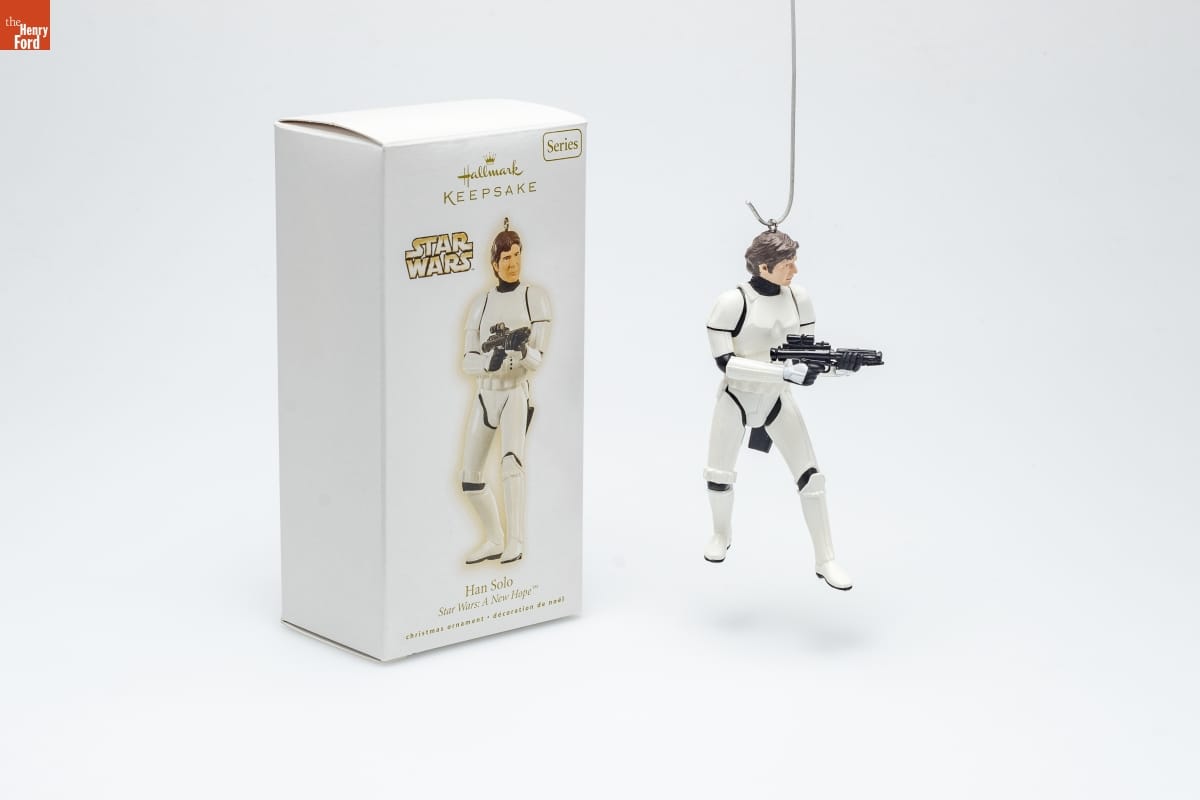
- Hallmark "Star Wars Series: Han Solo" Christmas Ornament, 2009 - Already known for greeting cards, Hallmark introduced a line of Christmas ornaments in 1973. The company's annual release of an increasing array of ornaments revolutionized Christmas decorating, appealing to customers' interest in marking memories and milestones as well as expressing one's personality and unique tastes.
- 2009
- Collections - Artifact
Hallmark "Star Wars Series: Han Solo" Christmas Ornament, 2009
Already known for greeting cards, Hallmark introduced a line of Christmas ornaments in 1973. The company's annual release of an increasing array of ornaments revolutionized Christmas decorating, appealing to customers' interest in marking memories and milestones as well as expressing one's personality and unique tastes.
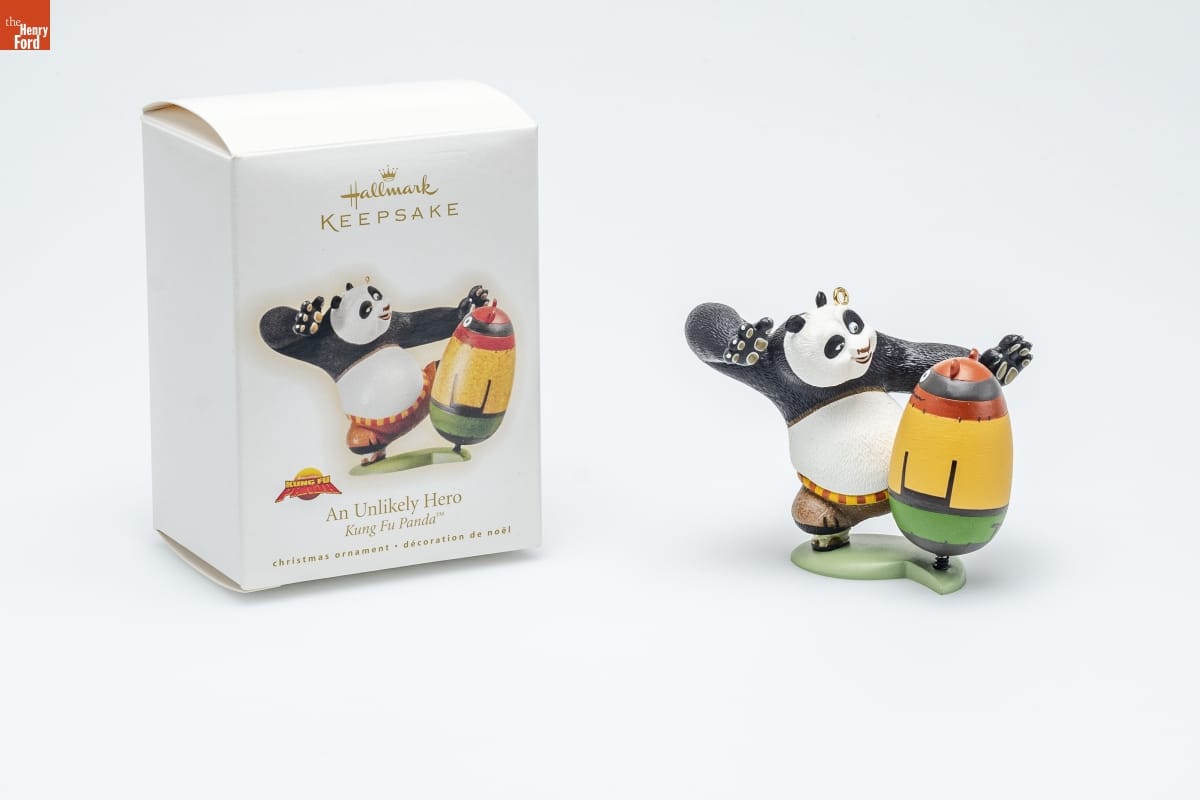
- Hallmark "Kung Fu Panda: An Unlikely Hero" Christmas Ornament, 2009 - Already known for greeting cards, Hallmark introduced a line of Christmas ornaments in 1973. The company's annual release of an increasing array of ornaments revolutionized Christmas decorating, appealing to customers' interest in marking memories and milestones as well as expressing one's personality and unique tastes.
- 2009
- Collections - Artifact
Hallmark "Kung Fu Panda: An Unlikely Hero" Christmas Ornament, 2009
Already known for greeting cards, Hallmark introduced a line of Christmas ornaments in 1973. The company's annual release of an increasing array of ornaments revolutionized Christmas decorating, appealing to customers' interest in marking memories and milestones as well as expressing one's personality and unique tastes.
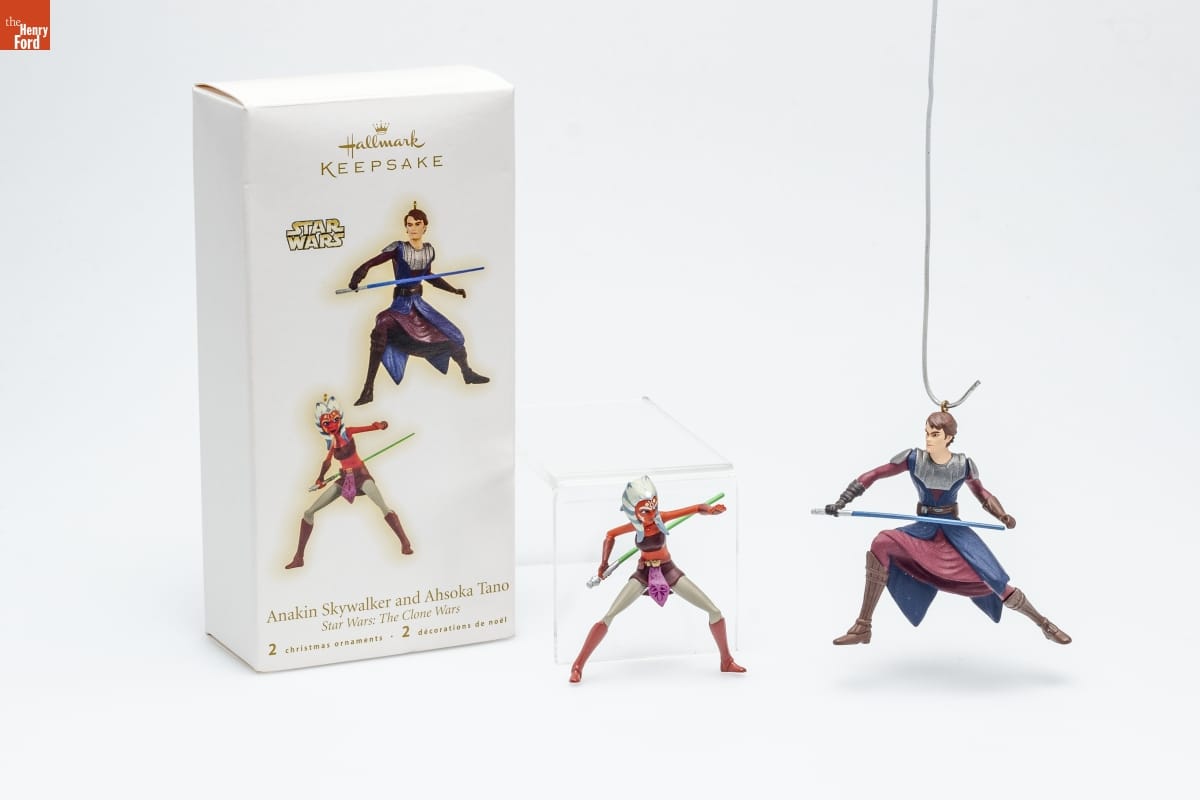
- Hallmark "Star Wars The Clone Wars: Anakin Skywalker and Ahsoka Tano" Christmas Ornaments, 2009 - Already known for greeting cards, Hallmark introduced a line of Christmas ornaments in 1973. The company's annual release of an increasing array of ornaments revolutionized Christmas decorating, appealing to customers' interest in marking memories and milestones as well as expressing one's personality and unique tastes.
- 2009
- Collections - Artifact
Hallmark "Star Wars The Clone Wars: Anakin Skywalker and Ahsoka Tano" Christmas Ornaments, 2009
Already known for greeting cards, Hallmark introduced a line of Christmas ornaments in 1973. The company's annual release of an increasing array of ornaments revolutionized Christmas decorating, appealing to customers' interest in marking memories and milestones as well as expressing one's personality and unique tastes.
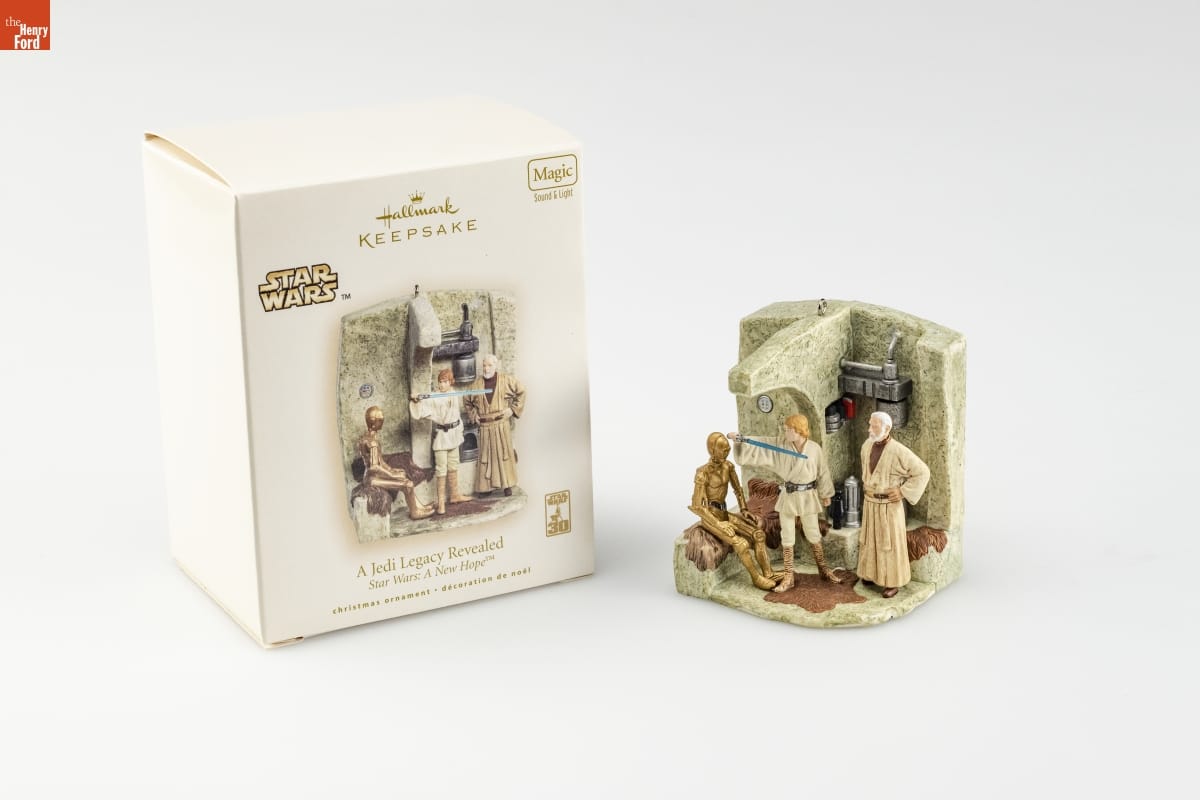
- Hallmark "Star Wars A New Hope: A Jedi Legacy Revealed" Christmas Ornament, 2007 - Already known for greeting cards, Hallmark introduced a line of Christmas ornaments in 1973. The company's annual release of an increasing array of ornaments revolutionized Christmas decorating, appealing to customers' interest in marking memories and milestones as well as expressing one's personality and unique tastes.
- 2007
- Collections - Artifact
Hallmark "Star Wars A New Hope: A Jedi Legacy Revealed" Christmas Ornament, 2007
Already known for greeting cards, Hallmark introduced a line of Christmas ornaments in 1973. The company's annual release of an increasing array of ornaments revolutionized Christmas decorating, appealing to customers' interest in marking memories and milestones as well as expressing one's personality and unique tastes.