
Search
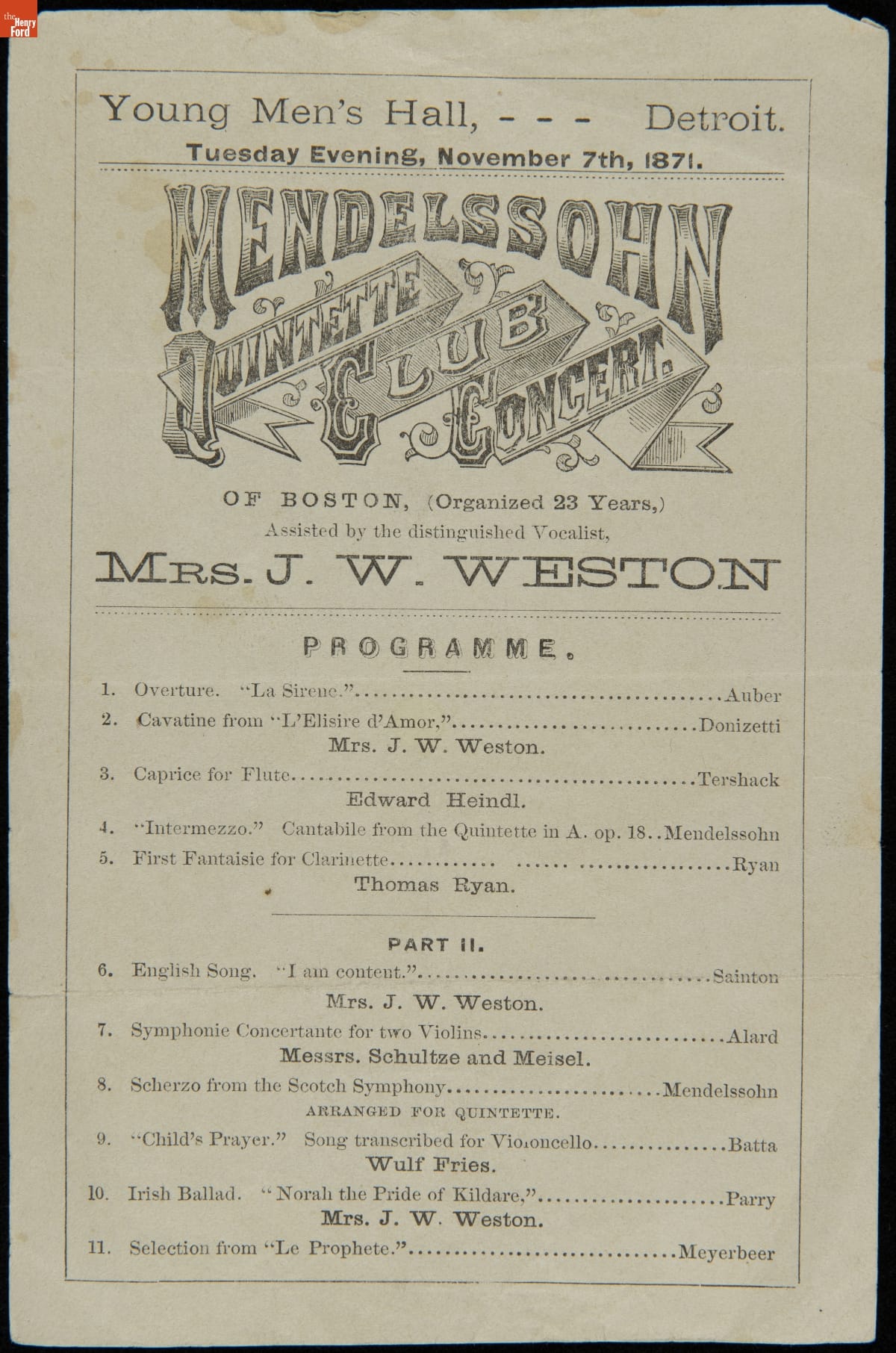
- Program, "Mendelssohn Quintette Club Concert," Young Men's Hall, Detroit, Michigan, November 7, 1871 -
- November 07, 1871
- Collections - Artifact
Program, "Mendelssohn Quintette Club Concert," Young Men's Hall, Detroit, Michigan, November 7, 1871
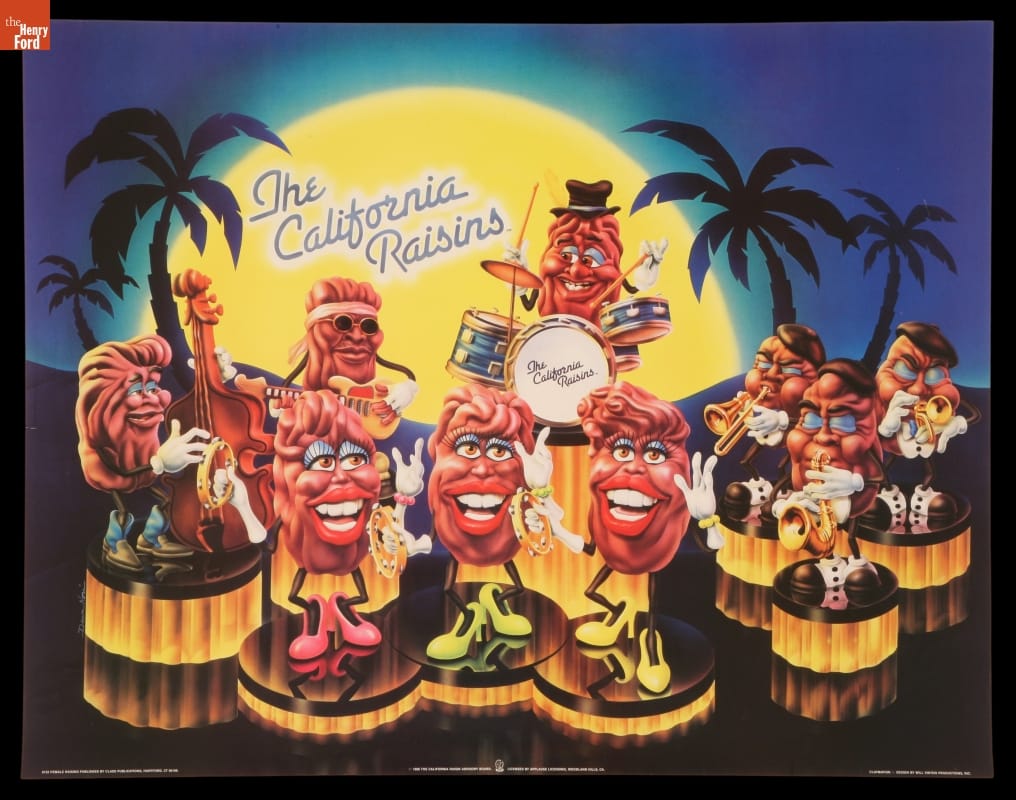
- Advertising Poster, "The California Raisins," 1988 - In the 1980s, the California Raisin Advisory Board brought their product to life as an animated rhythm and blues band. The group's rendition of Marvin Gaye's "I Heard It Through the Grapevine" aired on a 1986 TV commercial and left the public wanting more. By 1988, The California Raisins had four albums, a Billboard Hot 100 hit, and a mockumentary about their origins.
- 1988
- Collections - Artifact
Advertising Poster, "The California Raisins," 1988
In the 1980s, the California Raisin Advisory Board brought their product to life as an animated rhythm and blues band. The group's rendition of Marvin Gaye's "I Heard It Through the Grapevine" aired on a 1986 TV commercial and left the public wanting more. By 1988, The California Raisins had four albums, a Billboard Hot 100 hit, and a mockumentary about their origins.
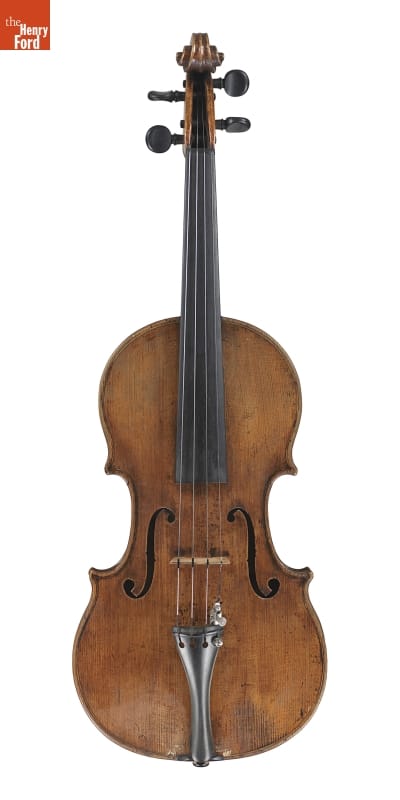
- Violin by Nicola Gagliano, 1735 - Nicola Gagliano's violins were inspired by the work of his father Alessandro Gagliano and master violinmaker Antonio Stradivari. Henry Ford purchased this Gagliano violin in the 1920s through Ole H. Bryant, a Boston violinmaker who served as principal repairer for the Boston Symphony Orchestra. This violin is said to have been once owned by a young Arthur Fielder, later conductor of the Boston Pops Orchestra.
- 1735
- Collections - Artifact
Violin by Nicola Gagliano, 1735
Nicola Gagliano's violins were inspired by the work of his father Alessandro Gagliano and master violinmaker Antonio Stradivari. Henry Ford purchased this Gagliano violin in the 1920s through Ole H. Bryant, a Boston violinmaker who served as principal repairer for the Boston Symphony Orchestra. This violin is said to have been once owned by a young Arthur Fielder, later conductor of the Boston Pops Orchestra.
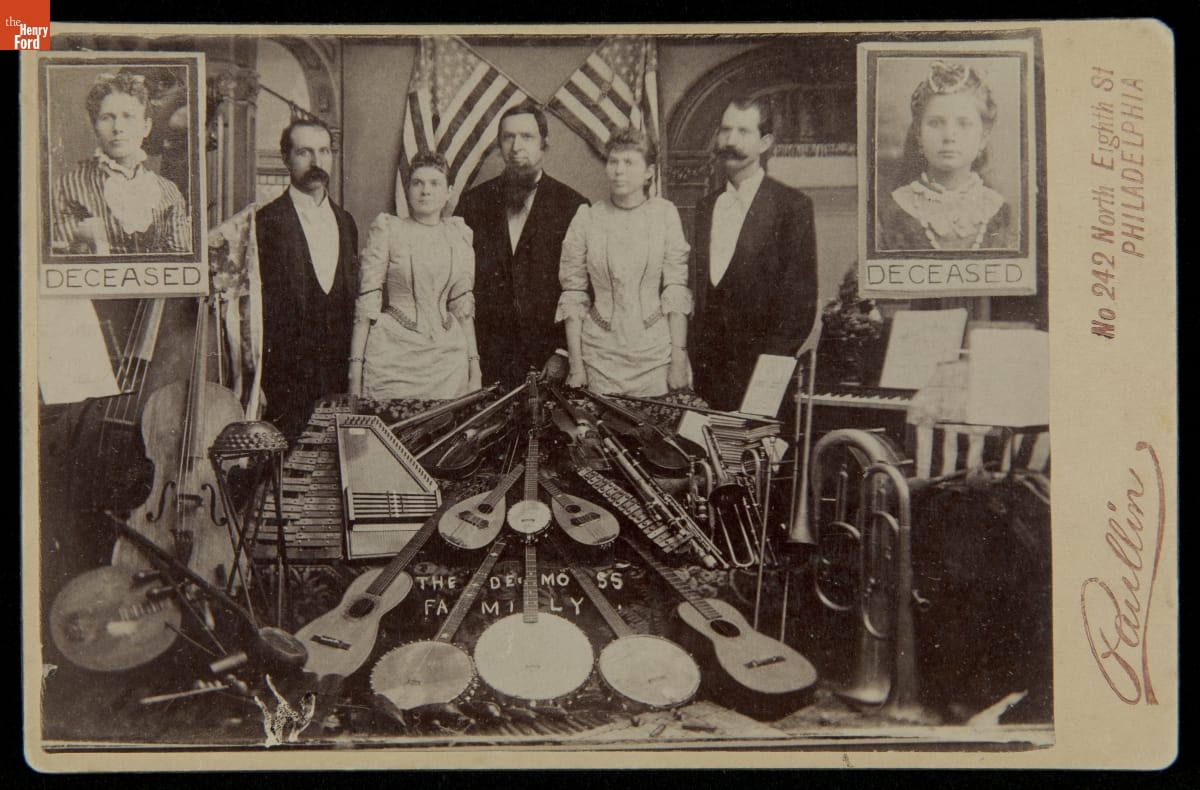
- The DeMoss Family Lyric Bards, circa 1890 -
- circa 1890
- Collections - Artifact
The DeMoss Family Lyric Bards, circa 1890
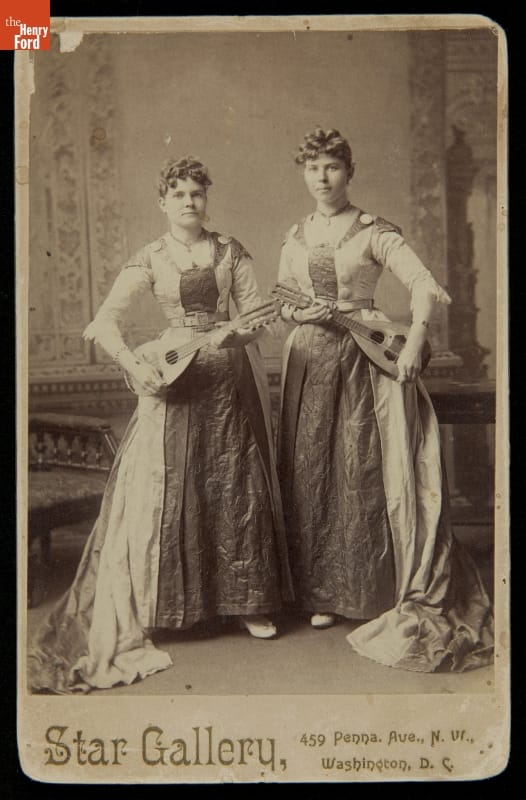
- Two Members of the DeMoss Family Lyric Bards, circa 1890 -
- circa 1890
- Collections - Artifact
Two Members of the DeMoss Family Lyric Bards, circa 1890
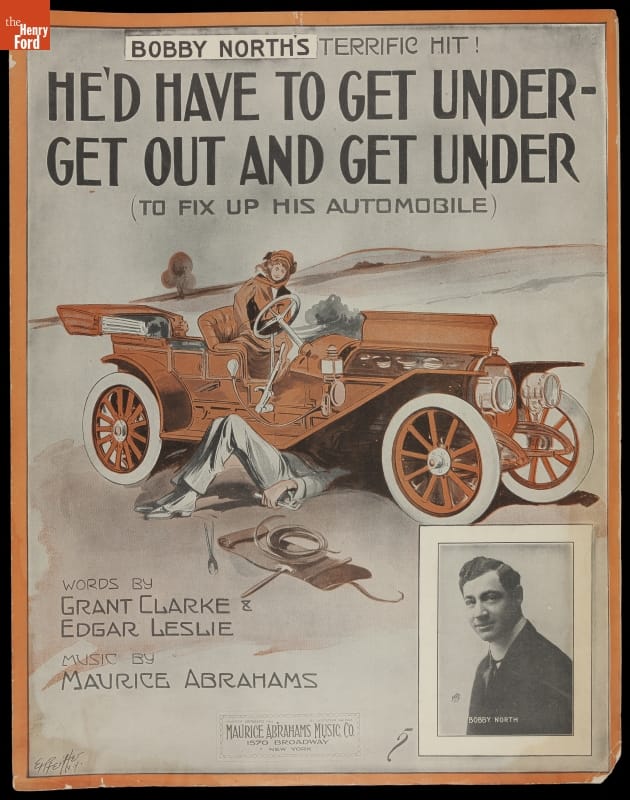
- Music Sheet, "He'd Have to Get Under--Get Out and Get Under, to Fix up His Automobile," 1913 - Early automobiles were often unreliable and needed frequent maintenance. Some motorists were able to make roadside repairs--preparing themselves for inevitable breakdowns by carrying tools and supplies. In this song a faulty engine interrupts a young couple's romantic intentions.
- 1913
- Collections - Artifact
Music Sheet, "He'd Have to Get Under--Get Out and Get Under, to Fix up His Automobile," 1913
Early automobiles were often unreliable and needed frequent maintenance. Some motorists were able to make roadside repairs--preparing themselves for inevitable breakdowns by carrying tools and supplies. In this song a faulty engine interrupts a young couple's romantic intentions.
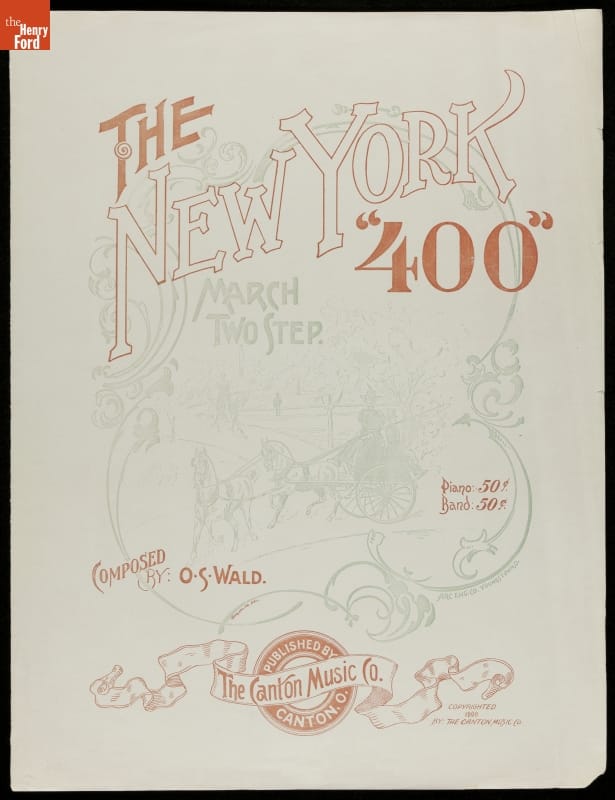
- Music Sheet, "The New York '400'," 1899 -
- 1899
- Collections - Artifact
Music Sheet, "The New York '400'," 1899
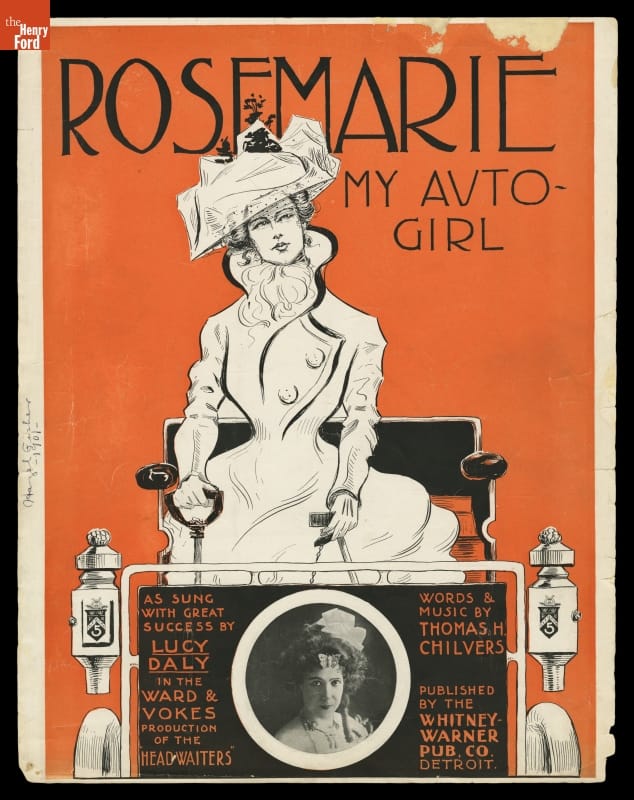
- Music Sheet, "Rosemarie, My Auto Girl," 1901 - In this comic song from 1901, a fearless young woman enjoys driving fast in her automobile. Women drivers were uncommon before the mid-1910s.
- 1901
- Collections - Artifact
Music Sheet, "Rosemarie, My Auto Girl," 1901
In this comic song from 1901, a fearless young woman enjoys driving fast in her automobile. Women drivers were uncommon before the mid-1910s.
- Music Sheet, "Abraham Lincoln's Funeral March," 1865 - Abraham Lincoln's assassination on April 15, 1865 plunged Americans into deep mourning. This sheet music's somber composition and illustrated cover helped people to understand the tragic event. Printed in Detroit, it may have been used during that city's public mourning ceremony held April 25, 1865. The artist added a border depicting black cloth-draped U.S. flags and laurel leaves in the shape of a wreath around Lincoln's head.
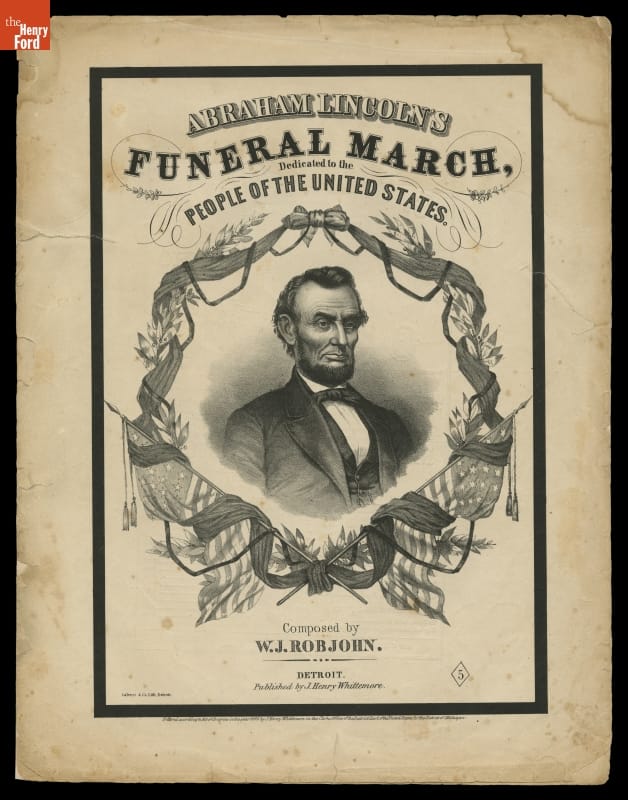
- 1865
- Collections - Artifact
Music Sheet, "Abraham Lincoln's Funeral March," 1865
Abraham Lincoln's assassination on April 15, 1865 plunged Americans into deep mourning. This sheet music's somber composition and illustrated cover helped people to understand the tragic event. Printed in Detroit, it may have been used during that city's public mourning ceremony held April 25, 1865. The artist added a border depicting black cloth-draped U.S. flags and laurel leaves in the shape of a wreath around Lincoln's head.
- Music Sheet Cover, "Arouse Ye, Patriot Whigs!," 1840 -

- 1840
- Collections - Artifact
Music Sheet Cover, "Arouse Ye, Patriot Whigs!," 1840