
Search
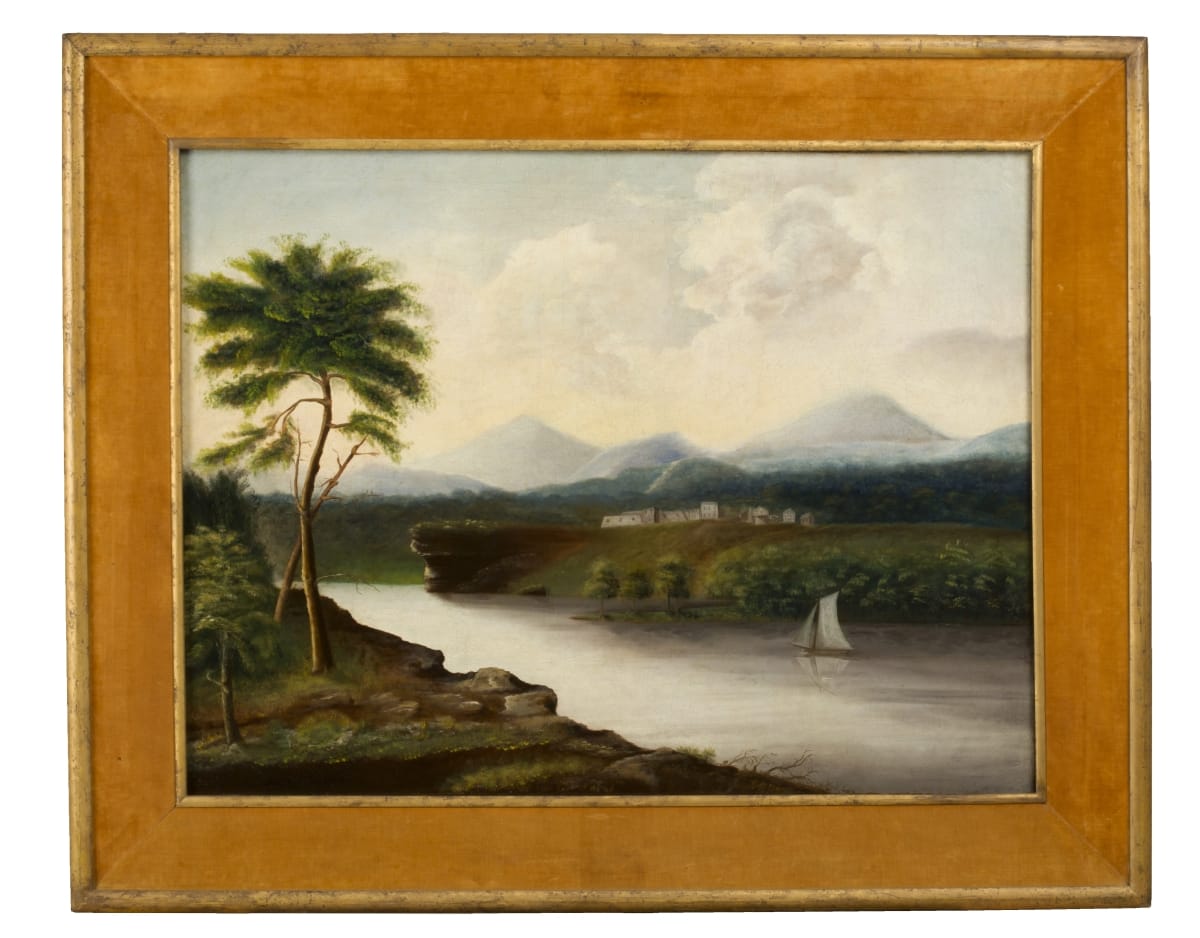
- Oil Painting, Fort Ticonderoga by George Washington Mark, circa 1845 - George Washington Mark was a successful house, sign, and furniture painter in Greenfield, Massachusetts, in the early 1800s. Sometime in the 1830s and 40s, he tried his hand at more artistic endeavors creating paintings of local interest -- generally landscapes and historic subjects. Around 1845, Mark painted this work depicting the ruins of New York's historic Fort Ticonderoga.
- circa 1845
- Collections - Artifact
Oil Painting, Fort Ticonderoga by George Washington Mark, circa 1845
George Washington Mark was a successful house, sign, and furniture painter in Greenfield, Massachusetts, in the early 1800s. Sometime in the 1830s and 40s, he tried his hand at more artistic endeavors creating paintings of local interest -- generally landscapes and historic subjects. Around 1845, Mark painted this work depicting the ruins of New York's historic Fort Ticonderoga.
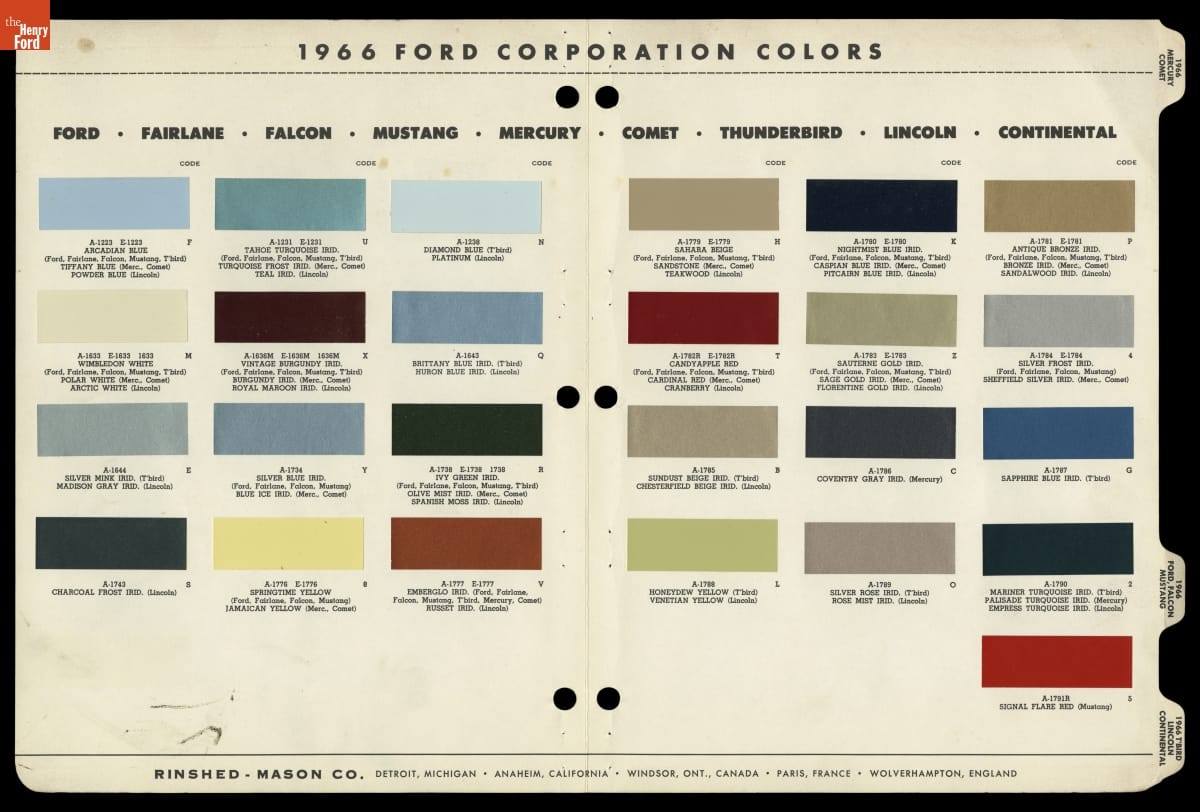
- Paint Color Sample Card for Ford, Lincoln and Mercury Cars, "1966 Ford Corporate Colors" - Fred Rinshed and Herbert Mason formed Rinshed-Mason Company in Detroit, Michigan, in 1919. Mr. Mason previously made hunting decoys, and his decoys had developed a reputation for long-lasting paint finishes. Rinshed-Mason soon became the largest paint supplier to Detroit's booming automotive industry. In 1931, the company introduced the first metallic finish for automobiles.
- 1966
- Collections - Artifact
Paint Color Sample Card for Ford, Lincoln and Mercury Cars, "1966 Ford Corporate Colors"
Fred Rinshed and Herbert Mason formed Rinshed-Mason Company in Detroit, Michigan, in 1919. Mr. Mason previously made hunting decoys, and his decoys had developed a reputation for long-lasting paint finishes. Rinshed-Mason soon became the largest paint supplier to Detroit's booming automotive industry. In 1931, the company introduced the first metallic finish for automobiles.
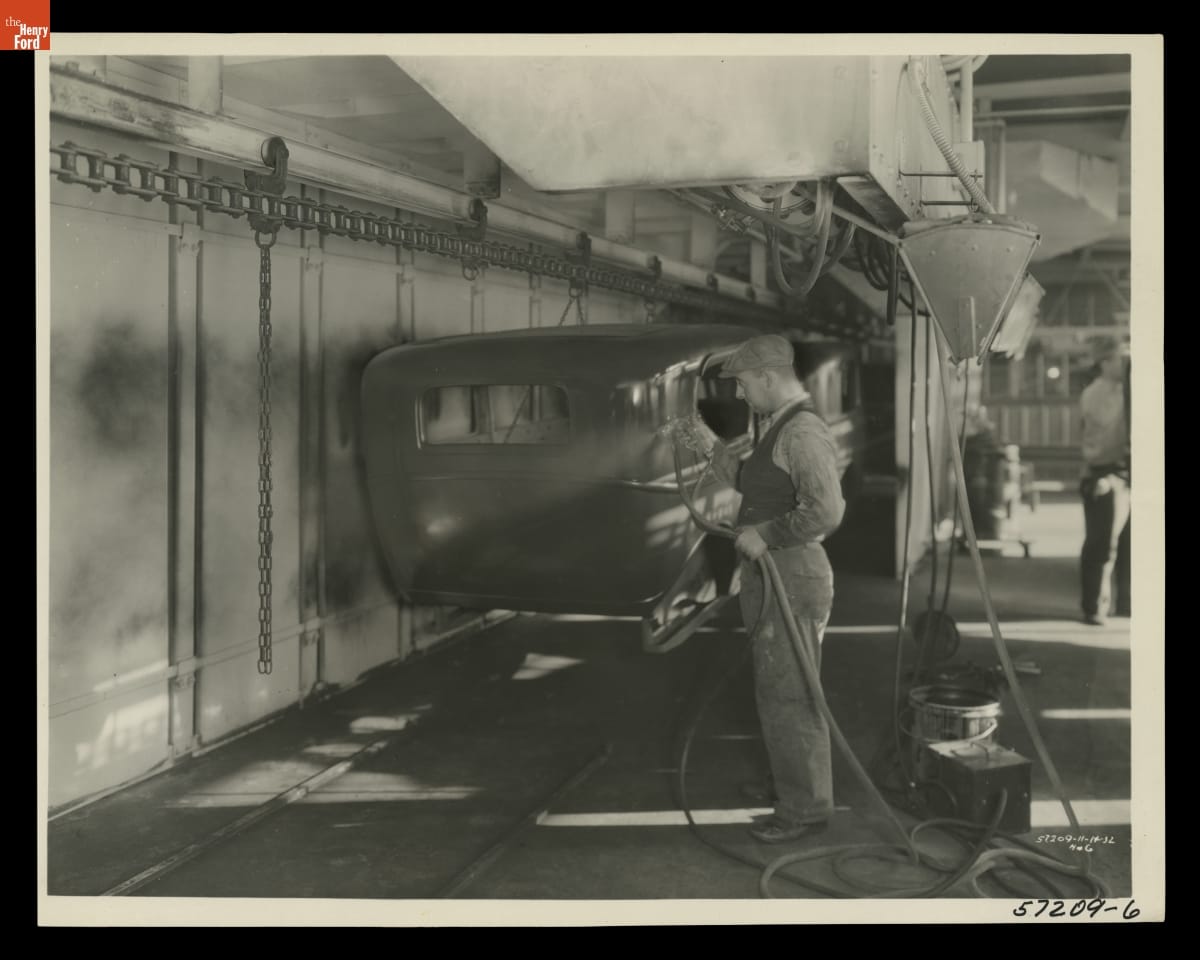
- Painting Automobile Bodies in the Ford Motor Company Rouge Plant B Building, November 1932 - Ford Motor Company's system of mass production depended on the smooth flow of parts and materials to workers. Ford engineers designed the buildings and facilities at the company's massive Rouge plant with this in mind. The "B" Building, where vehicle assembly took place, included extensive conveyer systems to accommodate the continuous movement of parts and processes.
- November 14, 1932
- Collections - Artifact
Painting Automobile Bodies in the Ford Motor Company Rouge Plant B Building, November 1932
Ford Motor Company's system of mass production depended on the smooth flow of parts and materials to workers. Ford engineers designed the buildings and facilities at the company's massive Rouge plant with this in mind. The "B" Building, where vehicle assembly took place, included extensive conveyer systems to accommodate the continuous movement of parts and processes.
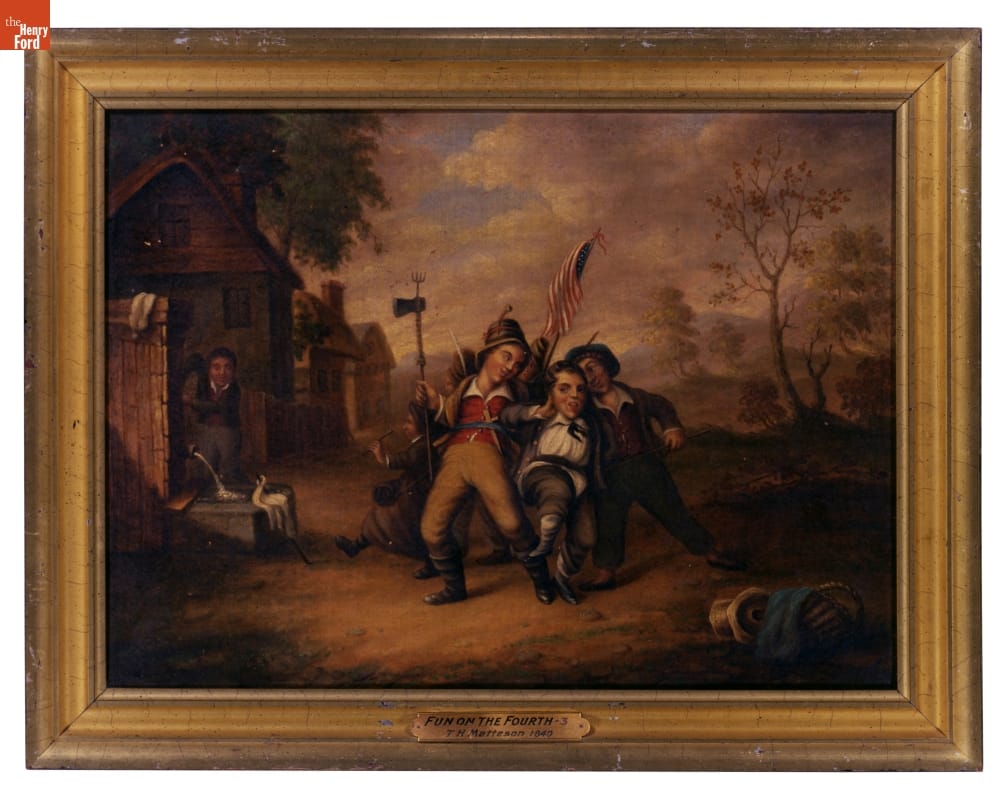
- Oil Painting, "Fun On the Fourth" by Tompkins H. Matteson, 1840-1850 -
- 1840-1850
- Collections - Artifact
Oil Painting, "Fun On the Fourth" by Tompkins H. Matteson, 1840-1850
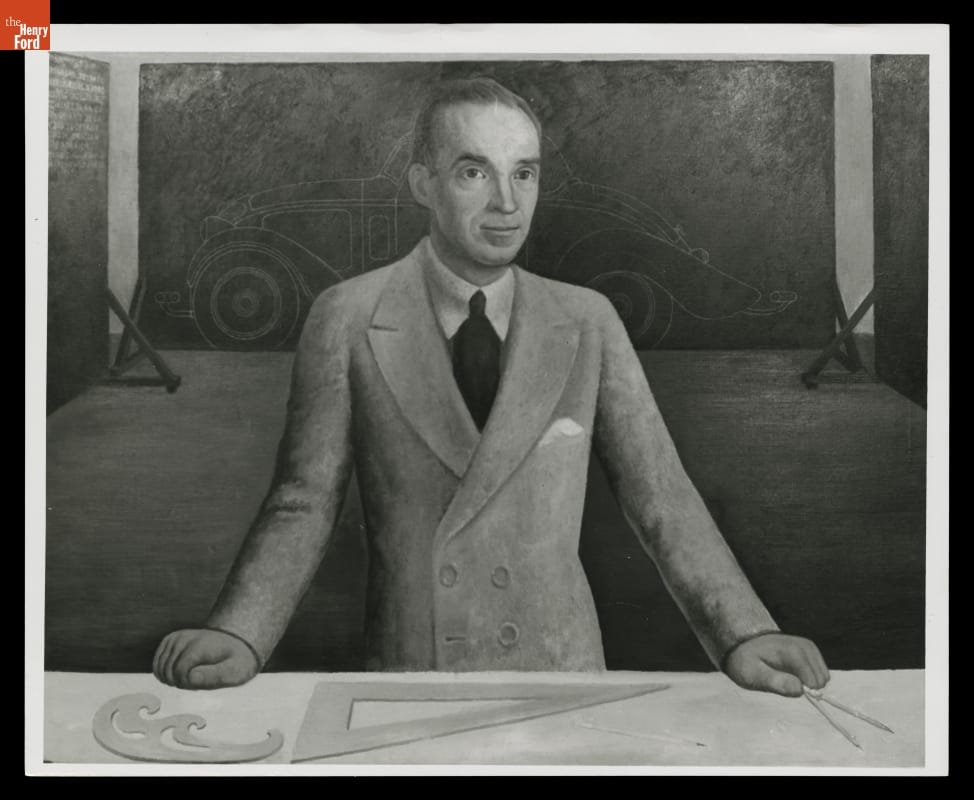
- Oil Portrait of Edsel Ford by Diego Rivera, 1932 - Partway through work on his <EM>Detroit Industry</EM> murals at the Detroit Institute of Arts, Diego Rivera took a break to paint a portrait of the frescoes' primary sponsor, Edsel Ford. Rather than posing Ford in his office, Rivera chose a more appropriate setting: an automotive design studio. The portrait depicts Ford as strong and confident in his preferred environment.
- 1932
- Collections - Artifact
Oil Portrait of Edsel Ford by Diego Rivera, 1932
Partway through work on his Detroit Industry murals at the Detroit Institute of Arts, Diego Rivera took a break to paint a portrait of the frescoes' primary sponsor, Edsel Ford. Rather than posing Ford in his office, Rivera chose a more appropriate setting: an automotive design studio. The portrait depicts Ford as strong and confident in his preferred environment.
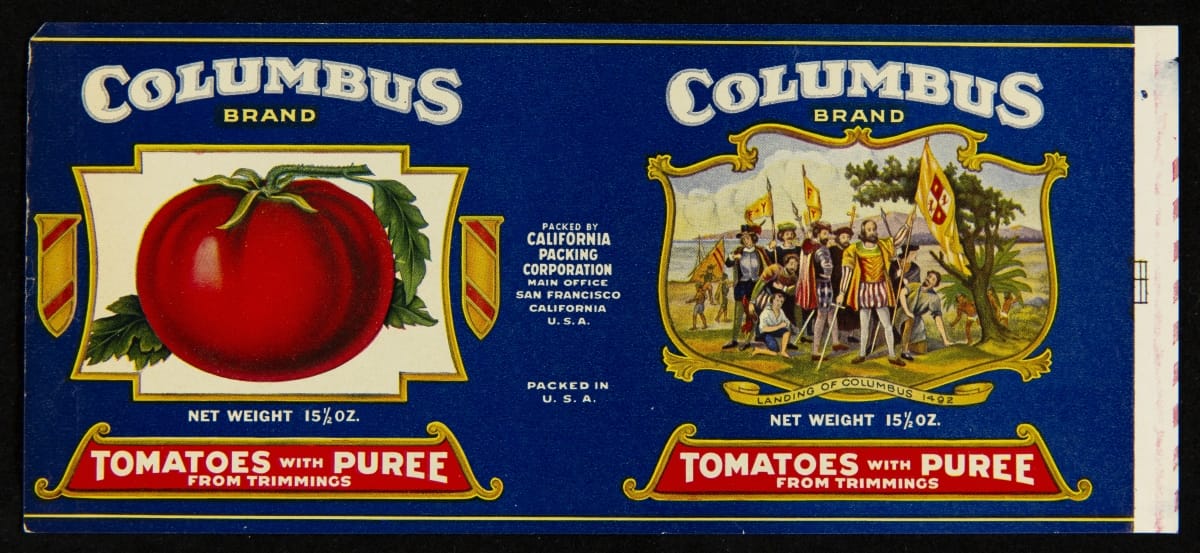
- Can Label, "Columbus Brand Tomatoes with Puree," circa 1930 - Manufacturers of similar products sought ways to make their company's goods stand out on store shelves. Attractive labels, like this design for Columbus Brand Tomatoes with Puree, helped catch the attention of potential customers -- hopefully encouraging them to purchase the company's product rather than that of a competitor.
- circa 1930
- Collections - Artifact
Can Label, "Columbus Brand Tomatoes with Puree," circa 1930
Manufacturers of similar products sought ways to make their company's goods stand out on store shelves. Attractive labels, like this design for Columbus Brand Tomatoes with Puree, helped catch the attention of potential customers -- hopefully encouraging them to purchase the company's product rather than that of a competitor.
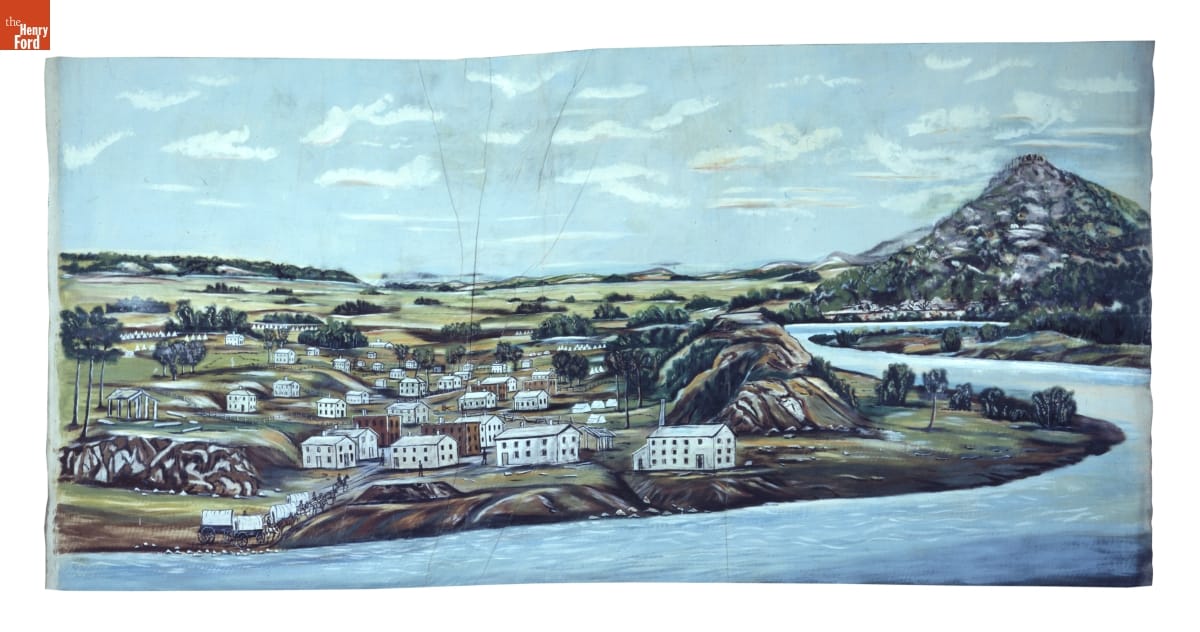
- "Battle Scenes of the Rebellion" Battle of Chattanooga, Civil War Panorama - In the 1880s, Thomas Clarkson Gordon, a self-taught artist and Civil War veteran, created a panorama depicting scenes from the Civil War. Gordon stitched together 15 paintings -- each 7 by 14 feet -- into a canvas roll more than 100 feet long. He toured his multi-paneled panorama throughout eastern Indiana, retelling the history of the conflict through his vivid illustrations.
- 1863
- Collections - Artifact
"Battle Scenes of the Rebellion" Battle of Chattanooga, Civil War Panorama
In the 1880s, Thomas Clarkson Gordon, a self-taught artist and Civil War veteran, created a panorama depicting scenes from the Civil War. Gordon stitched together 15 paintings -- each 7 by 14 feet -- into a canvas roll more than 100 feet long. He toured his multi-paneled panorama throughout eastern Indiana, retelling the history of the conflict through his vivid illustrations.
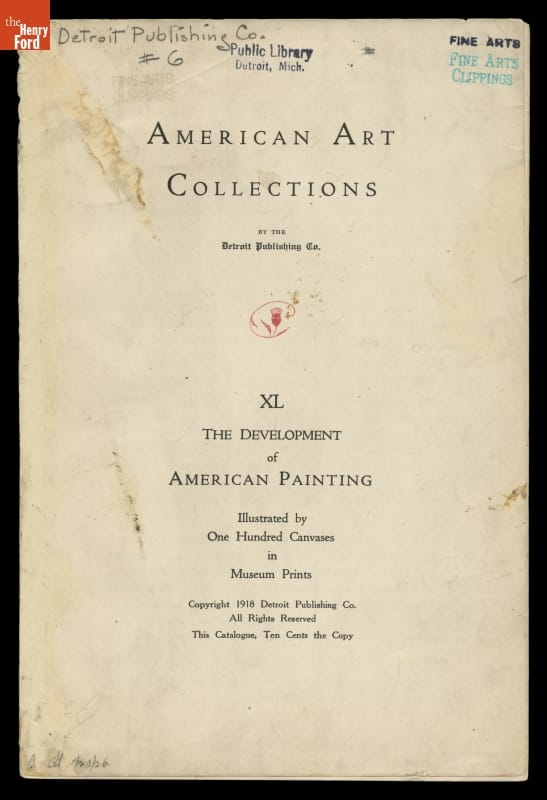
- Catalog, "American Art Collections by the Detroit Publishing Co.," 1918 -
- 1918
- Collections - Artifact
Catalog, "American Art Collections by the Detroit Publishing Co.," 1918
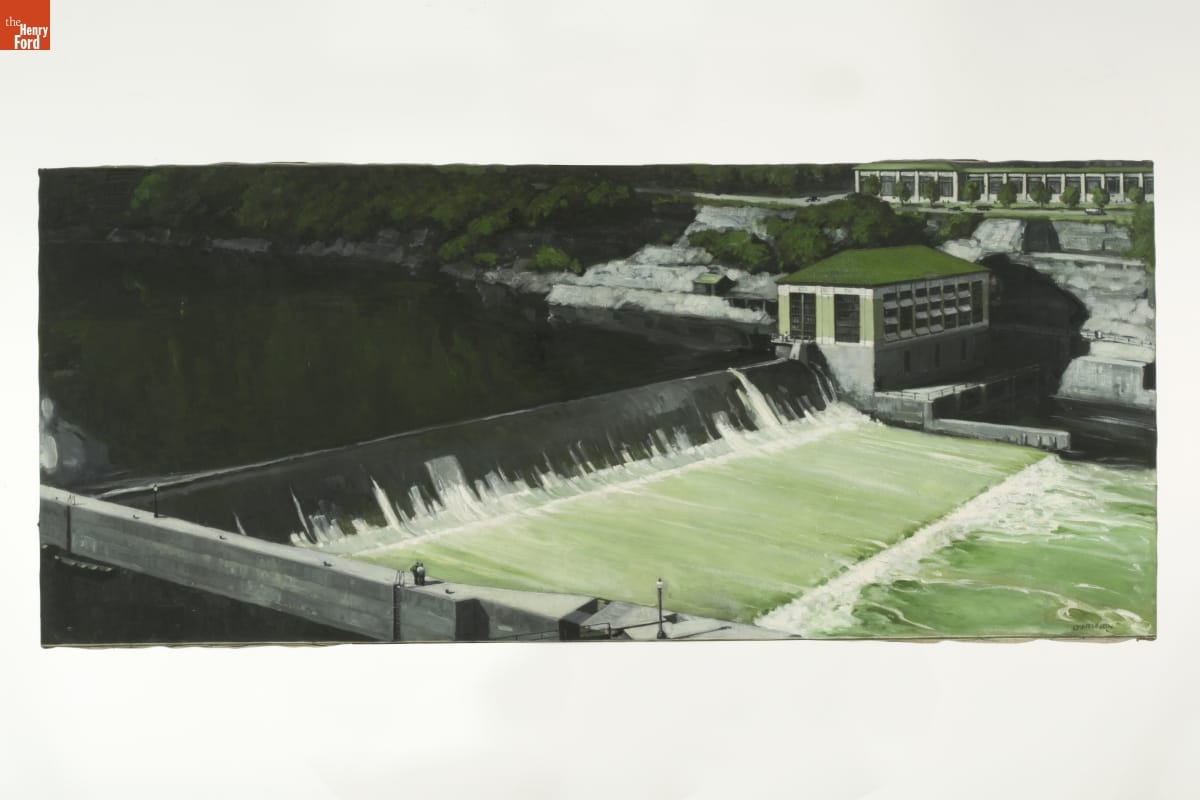
- Powerhouse, River, and Dam, 1924 - In 1924-25 the Ford Motor Company ran a series of sixteen dramatic advertisements in the <EM>Saturday Evening Post</EM> and <EM>Country Gentleman</EM> magazines. The effectiveness of the ads was due in large part to the specially commissioned artwork that accompanied the descriptive text. The restricted palette employed in the original art was imposed by the "duotone" process used for color reproduction.
- 1924
- Collections - Artifact
Powerhouse, River, and Dam, 1924
In 1924-25 the Ford Motor Company ran a series of sixteen dramatic advertisements in the Saturday Evening Post and Country Gentleman magazines. The effectiveness of the ads was due in large part to the specially commissioned artwork that accompanied the descriptive text. The restricted palette employed in the original art was imposed by the "duotone" process used for color reproduction.
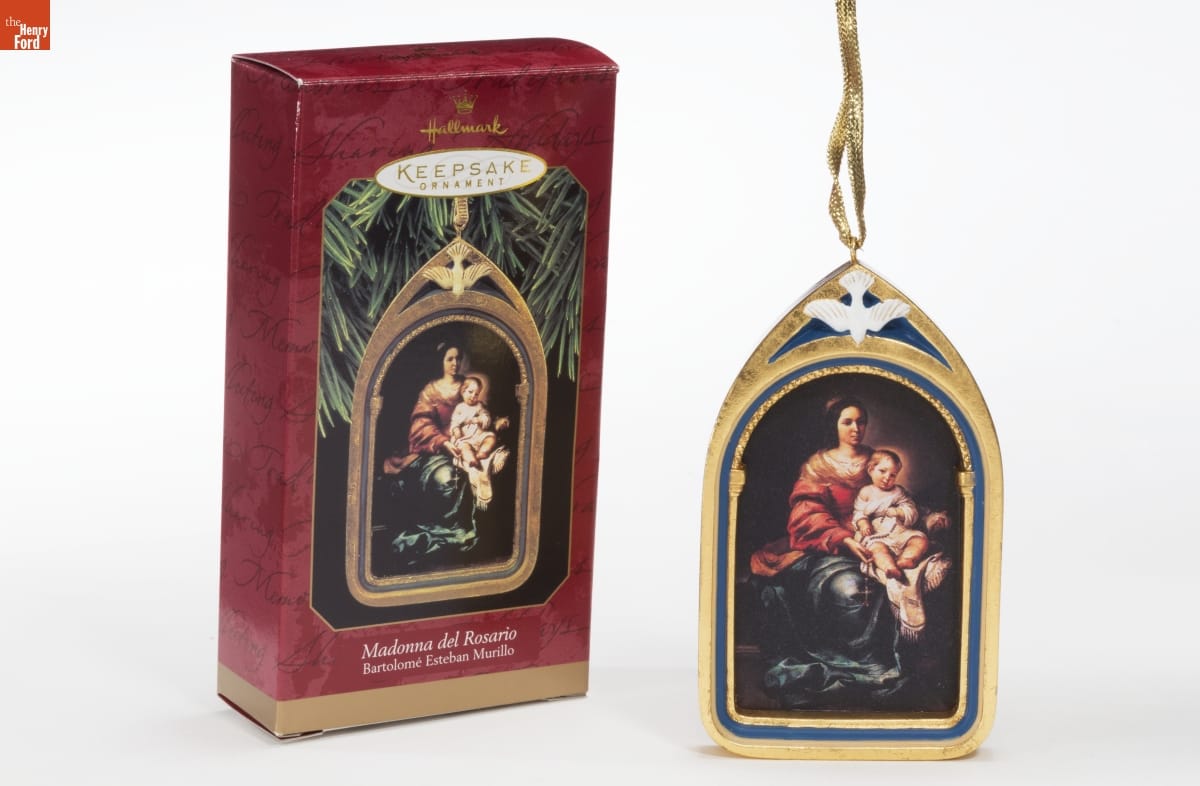
- Hallmark "Madonna del Rosario" Christmas Ornament, 1997 - Already known for greeting cards, Hallmark introduced a line of Christmas ornaments in 1973. The company's annual release of an increasing array of ornaments revolutionized Christmas decorating, appealing to customers' interest in marking memories and milestones as well as expressing one's personality and unique tastes.
- 1997
- Collections - Artifact
Hallmark "Madonna del Rosario" Christmas Ornament, 1997
Already known for greeting cards, Hallmark introduced a line of Christmas ornaments in 1973. The company's annual release of an increasing array of ornaments revolutionized Christmas decorating, appealing to customers' interest in marking memories and milestones as well as expressing one's personality and unique tastes.