
Search
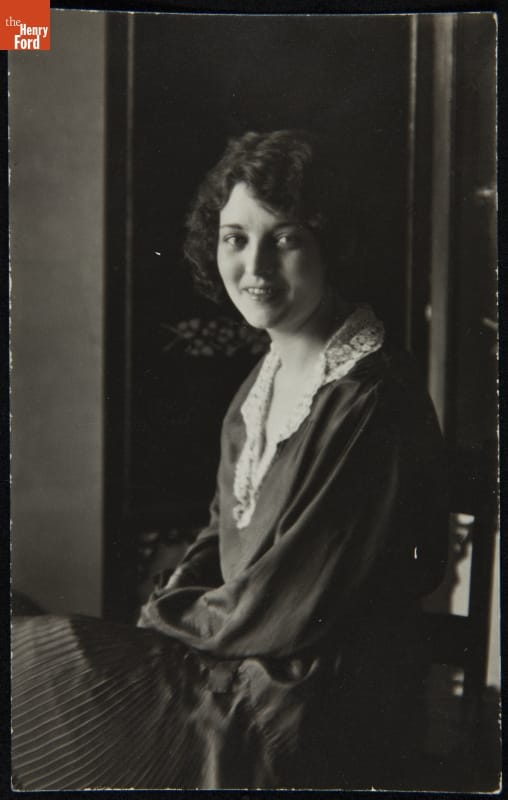
- Ruth Elder at Mrs. Mackey's Home, Horte, Azores, October 1927 - Ruth Elder fell short of her goal to be the first woman to fly the Atlantic in 1927, but the public loved her just the same. She competed in the 1929 Women's Air Derby and parlayed her aviation fame into a modest film career. Elder was fondly remembered as the "Miss America of the Air" when she died in 1977.
- October 01, 1927
- Collections - Artifact
Ruth Elder at Mrs. Mackey's Home, Horte, Azores, October 1927
Ruth Elder fell short of her goal to be the first woman to fly the Atlantic in 1927, but the public loved her just the same. She competed in the 1929 Women's Air Derby and parlayed her aviation fame into a modest film career. Elder was fondly remembered as the "Miss America of the Air" when she died in 1977.
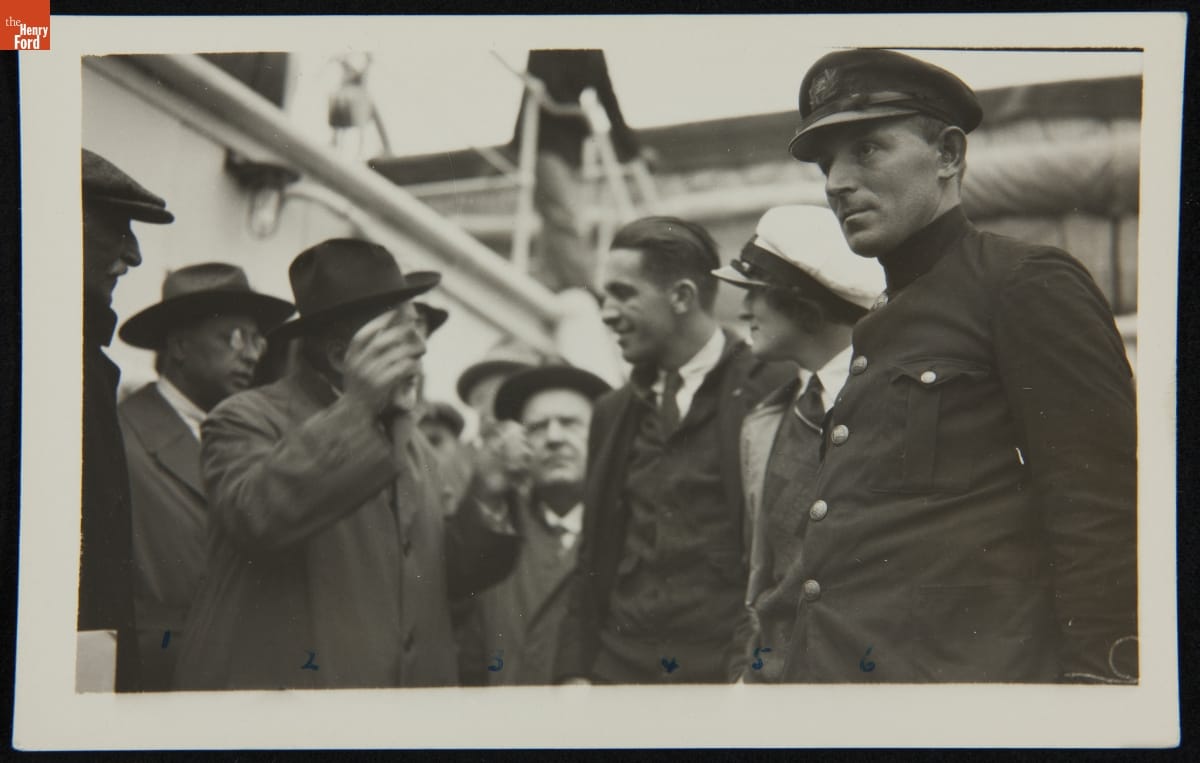
- George Haldeman and Ruth Elder after Their Rescue, Horta, Azores, October 1927 - Ruth Elder fell short of her goal to be the first woman to fly the Atlantic in 1927, but the public loved her just the same. She competed in the 1929 Women's Air Derby and parlayed her aviation fame into a modest film career. Elder was fondly remembered as the "Miss America of the Air" when she died in 1977.
- October 01, 1927
- Collections - Artifact
George Haldeman and Ruth Elder after Their Rescue, Horta, Azores, October 1927
Ruth Elder fell short of her goal to be the first woman to fly the Atlantic in 1927, but the public loved her just the same. She competed in the 1929 Women's Air Derby and parlayed her aviation fame into a modest film career. Elder was fondly remembered as the "Miss America of the Air" when she died in 1977.
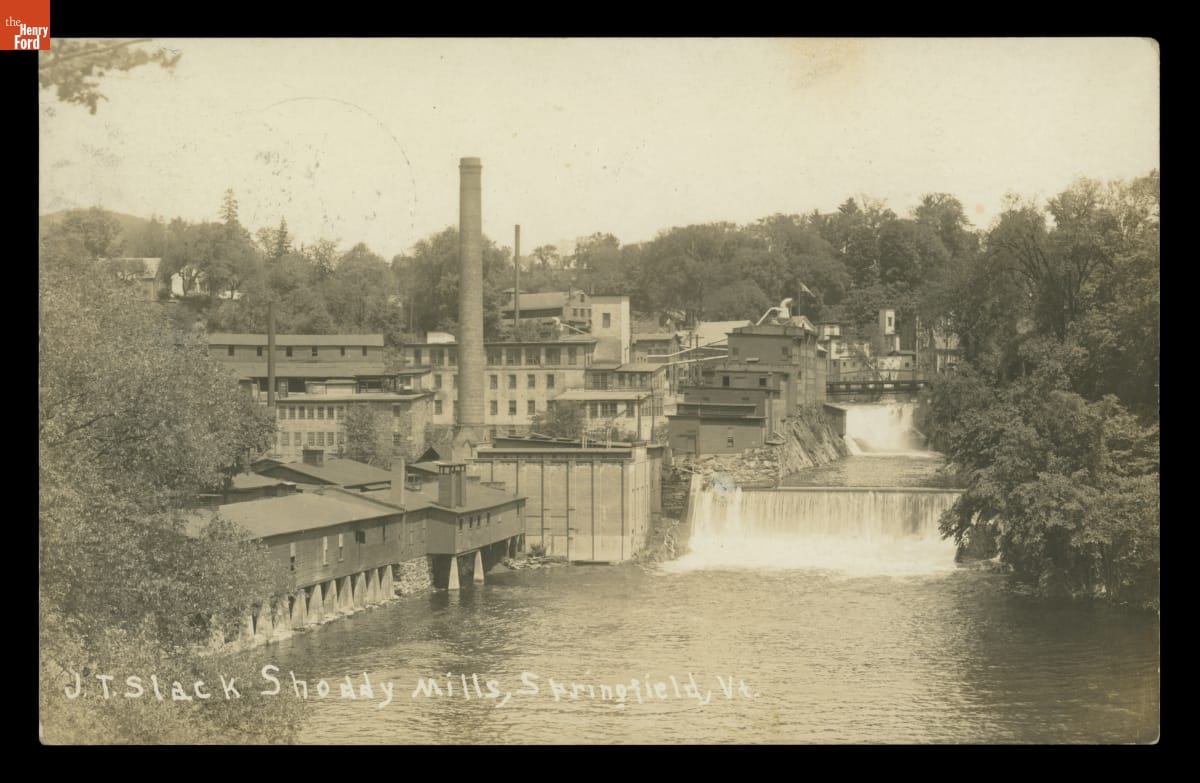
- "J.T. Slack Shoddy Mills, Springfield, Vt.," circa 1910 -
- circa 1910
- Collections - Artifact
"J.T. Slack Shoddy Mills, Springfield, Vt.," circa 1910
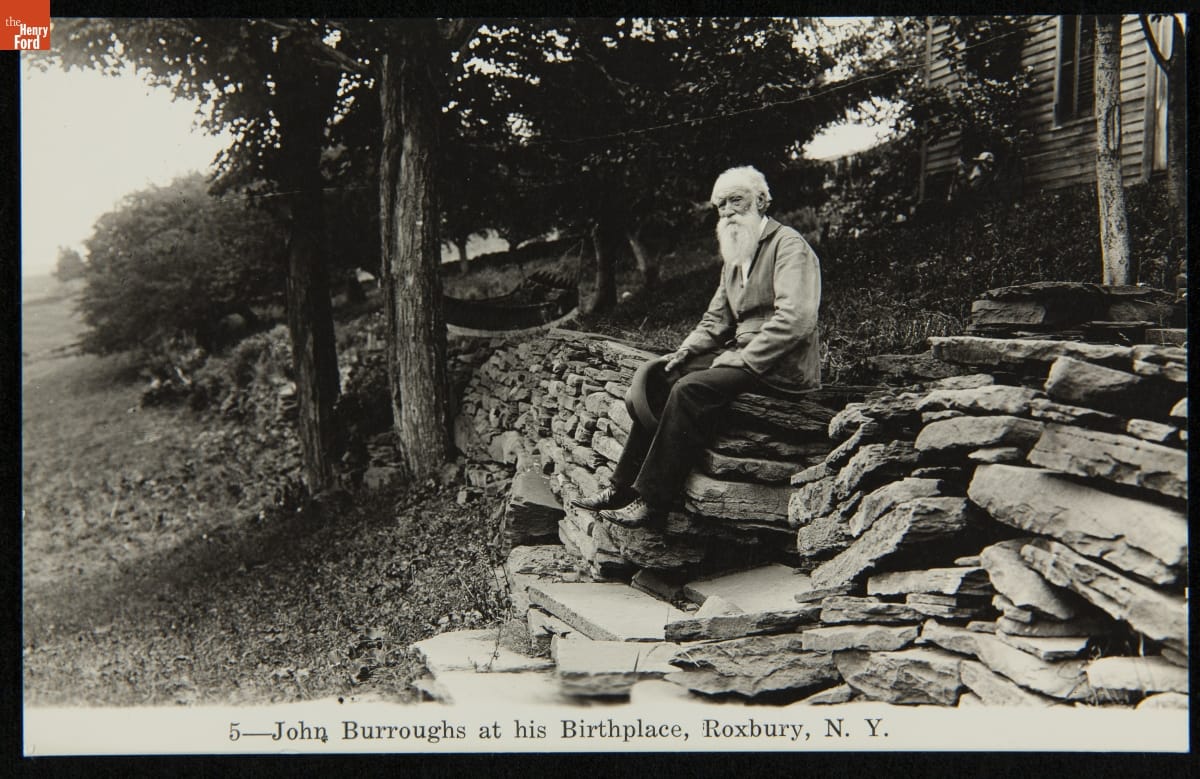
- John Burroughs Sitting at his Birthplace, Roxbury, New York, circa 1915 - John Burroughs (1837-1921), an internationally known naturalist and writer, was born on a dairy farm near Roxbury, New York, in the Catskills Mountains. After working as an itinerant teacher and living in Washington, D.C., Burroughs returned to the Catskills and built a home. There, he could visit his birthplace and the surrounding lands where he grew up.
- circa 1915
- Collections - Artifact
John Burroughs Sitting at his Birthplace, Roxbury, New York, circa 1915
John Burroughs (1837-1921), an internationally known naturalist and writer, was born on a dairy farm near Roxbury, New York, in the Catskills Mountains. After working as an itinerant teacher and living in Washington, D.C., Burroughs returned to the Catskills and built a home. There, he could visit his birthplace and the surrounding lands where he grew up.
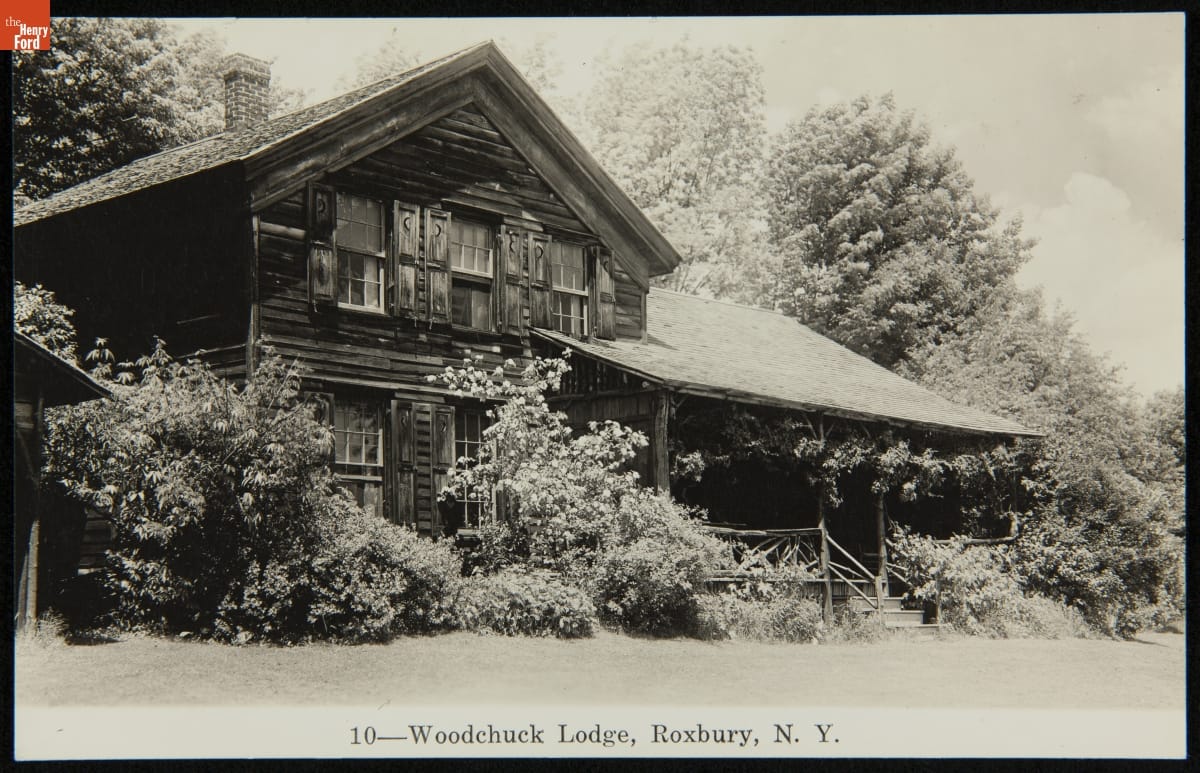
- Woodchuck Lodge, Roxbury, New York, circa 1920 - John Burroughs (1837-1921) was an internationally known naturalist and essayist who wrote about accessible and familiar landscapes. In 1913, with financial assistance from Henry Ford, Burroughs purchased the house built by his brother Curtis on land near Burroughs's birthplace in Roxbury, New York. Woodchuck Lodge, as Burroughs referred to it, became his summer retreat and its natural surroundings became the subject of his creative works.
- circa 1920
- Collections - Artifact
Woodchuck Lodge, Roxbury, New York, circa 1920
John Burroughs (1837-1921) was an internationally known naturalist and essayist who wrote about accessible and familiar landscapes. In 1913, with financial assistance from Henry Ford, Burroughs purchased the house built by his brother Curtis on land near Burroughs's birthplace in Roxbury, New York. Woodchuck Lodge, as Burroughs referred to it, became his summer retreat and its natural surroundings became the subject of his creative works.
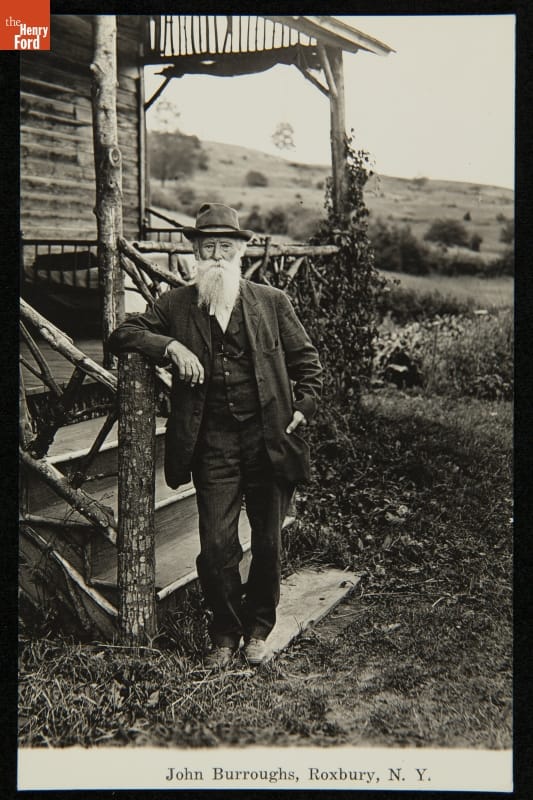
- John Burroughs Standing by Woodchuck Lodge, circa 1915 - John Burroughs (1837-1921) was an internationally known naturalist and essayist who wrote about accessible and familiar landscapes. In 1913, with financial assistance from Henry Ford, Burroughs purchased the house built by his brother Curtis on land near Burroughs's birthplace in Roxbury, New York. Woodchuck Lodge, as Burroughs referred to it, became his summer retreat and its natural surroundings became the subject of his creative works.
- circa 1915
- Collections - Artifact
John Burroughs Standing by Woodchuck Lodge, circa 1915
John Burroughs (1837-1921) was an internationally known naturalist and essayist who wrote about accessible and familiar landscapes. In 1913, with financial assistance from Henry Ford, Burroughs purchased the house built by his brother Curtis on land near Burroughs's birthplace in Roxbury, New York. Woodchuck Lodge, as Burroughs referred to it, became his summer retreat and its natural surroundings became the subject of his creative works.
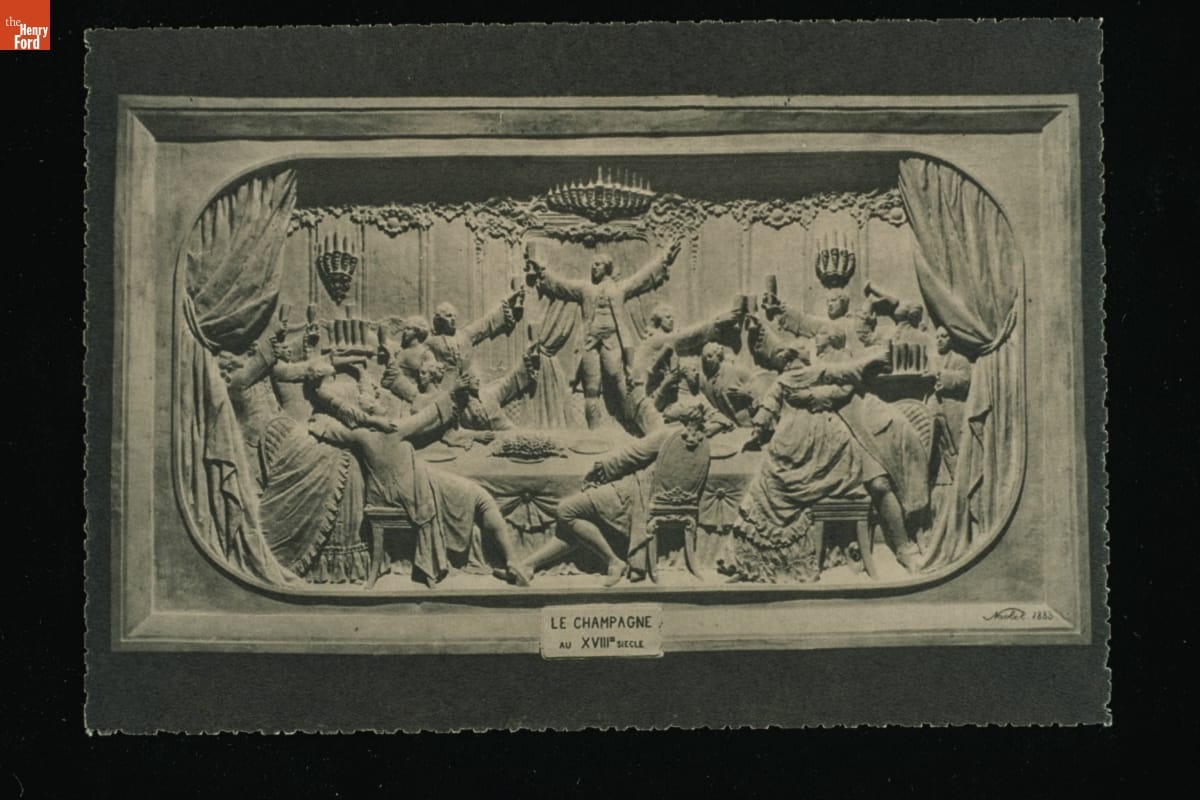
- "Le Champagne au XIII Siecle" Bas-relief Carved in the Rock at Champagne Pommery & Greno near Rhiems, France, circa 1925 -
- circa 1925
- Collections - Artifact
"Le Champagne au XIII Siecle" Bas-relief Carved in the Rock at Champagne Pommery & Greno near Rhiems, France, circa 1925
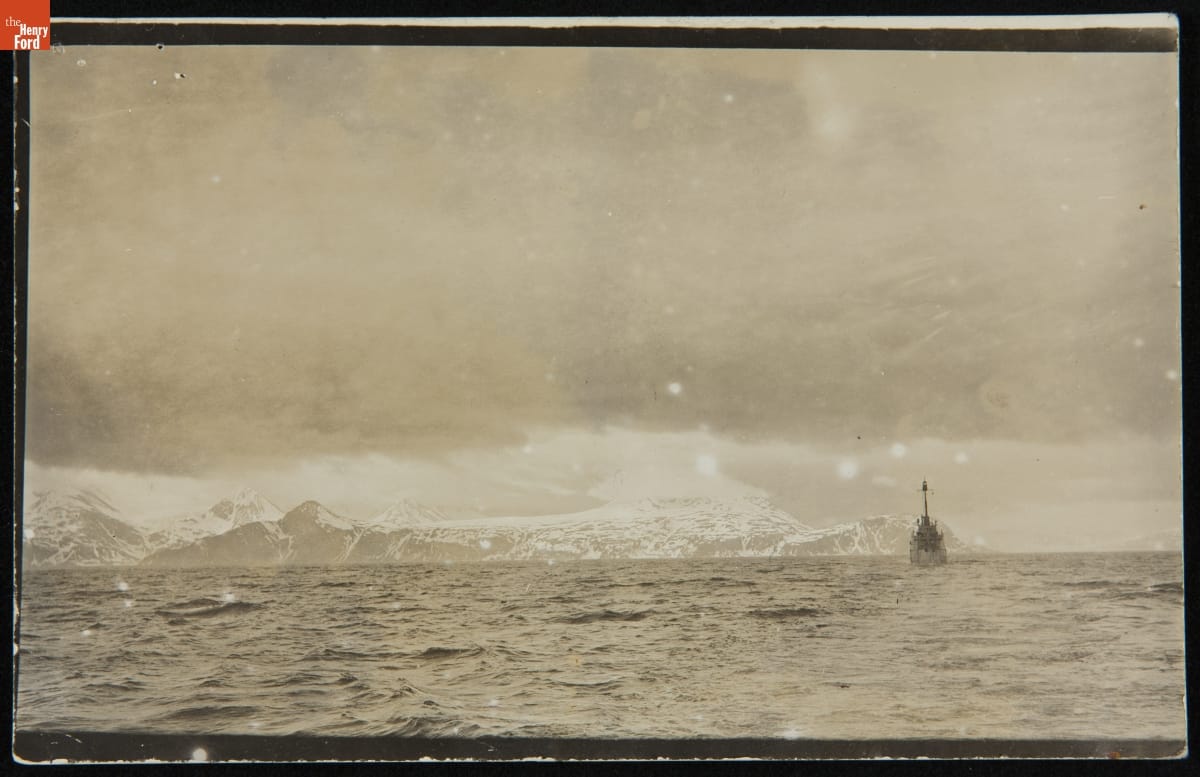
- Hammerfest, Norway from USS Eagle 3, Bound for Arkhangelsk, May 20, 1919 - World War I ended before any of the 60 Ford-built Eagle submarine chasers could participate in the conflict. But three Eagle boats were sent to northern Russia in 1919 to aid the American Expeditionary Force in action against the Bolsheviks. The Americans landed at Arkhangelsk, near the Arctic Circle, and called themselves the "Polar Bears."
- May 20, 1919
- Collections - Artifact
Hammerfest, Norway from USS Eagle 3, Bound for Arkhangelsk, May 20, 1919
World War I ended before any of the 60 Ford-built Eagle submarine chasers could participate in the conflict. But three Eagle boats were sent to northern Russia in 1919 to aid the American Expeditionary Force in action against the Bolsheviks. The Americans landed at Arkhangelsk, near the Arctic Circle, and called themselves the "Polar Bears."
- USS Eagle Boat off Northern Russia, Bound for Arkhangelsk, June 14, 1919 - World War I ended before any of the 60 Ford-built Eagle submarine chasers could participate in the conflict. But three Eagle boats were sent to northern Russia in 1919 to aid the American Expeditionary Force in action against the Bolsheviks. The Americans landed at Arkhangelsk, near the Arctic Circle, and called themselves the "Polar Bears."
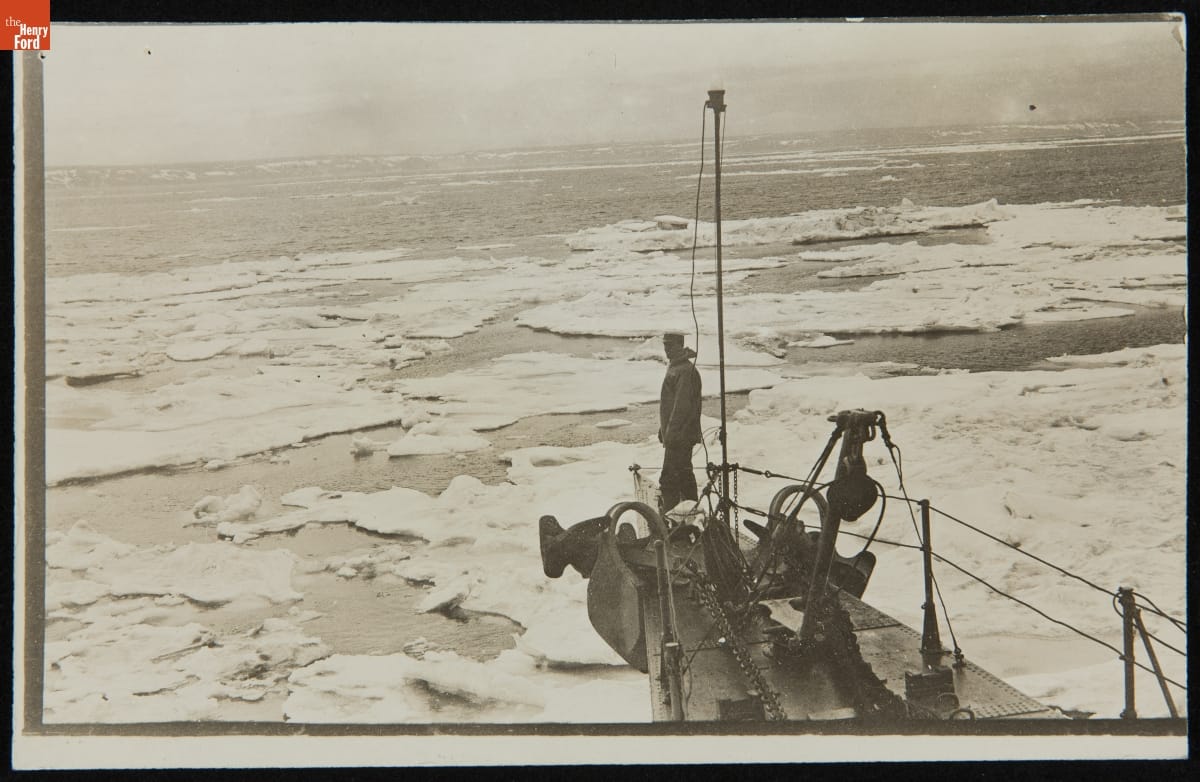
- June 14, 1919
- Collections - Artifact
USS Eagle Boat off Northern Russia, Bound for Arkhangelsk, June 14, 1919
World War I ended before any of the 60 Ford-built Eagle submarine chasers could participate in the conflict. But three Eagle boats were sent to northern Russia in 1919 to aid the American Expeditionary Force in action against the Bolsheviks. The Americans landed at Arkhangelsk, near the Arctic Circle, and called themselves the "Polar Bears."
- Luther Burbank Home, Santa Rosa, California, 1928-1940 - Luther Burbank moved into his new and spacious 12-room home in December 1906, just months after the San Francisco earthquake. The Mission and Colonial Revival design suited popular tastes at the times, while the furnishings ensured Burbank's comfort. His private den opened onto the balcony above the porch which offered a breath of air and a view of staff at work in his experimental gardens.
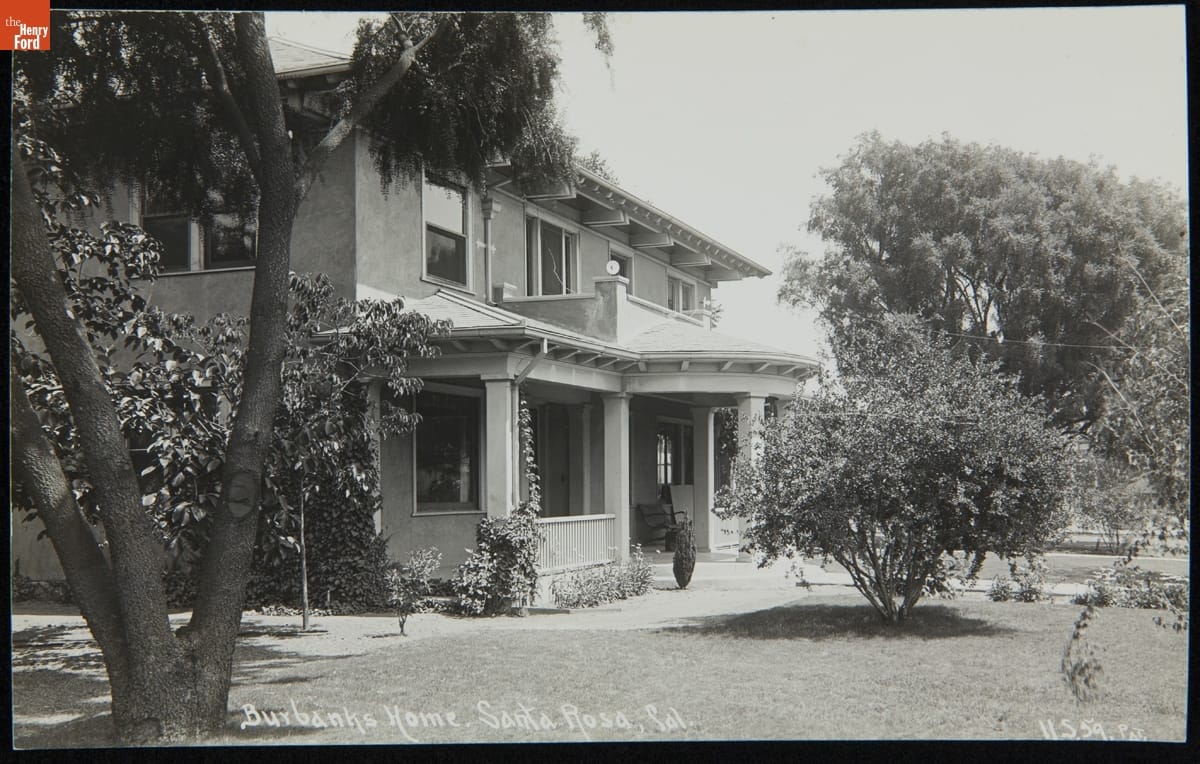
- 1928-1940
- Collections - Artifact
Luther Burbank Home, Santa Rosa, California, 1928-1940
Luther Burbank moved into his new and spacious 12-room home in December 1906, just months after the San Francisco earthquake. The Mission and Colonial Revival design suited popular tastes at the times, while the furnishings ensured Burbank's comfort. His private den opened onto the balcony above the porch which offered a breath of air and a view of staff at work in his experimental gardens.