
Search
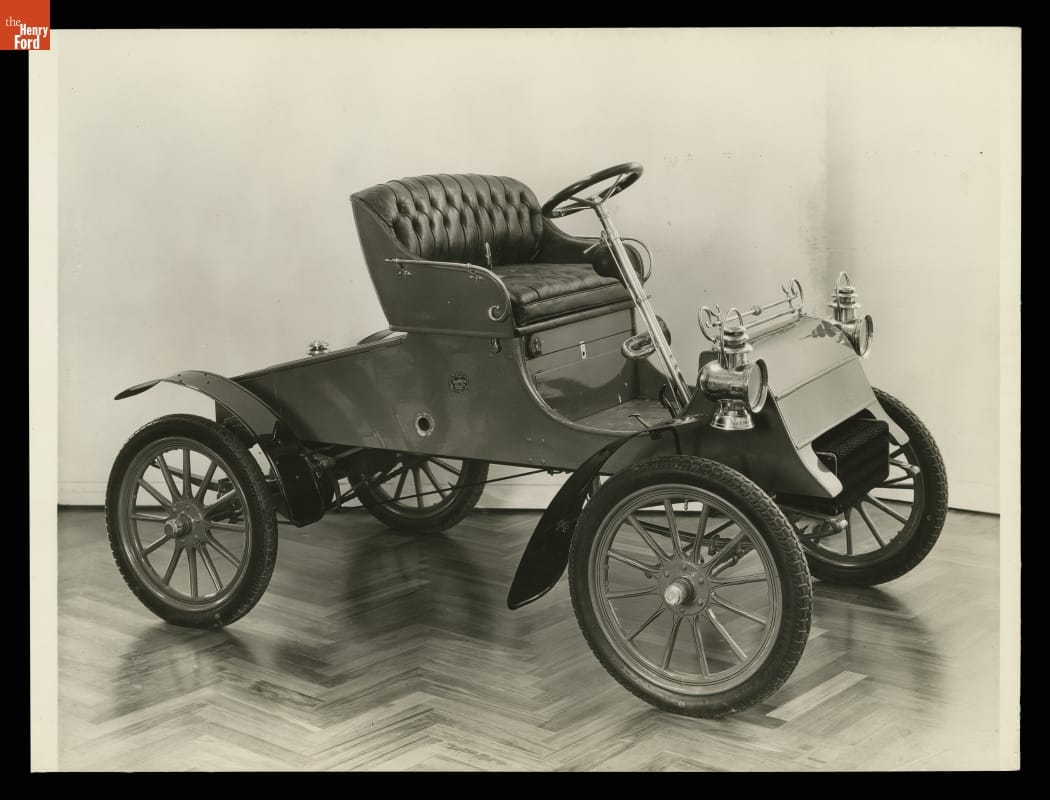
- 1903 Ford Model A Roadster in Henry Ford Museum, circa 1934 - A 1934 exhibition at Henry Ford's museum in Dearborn, Michigan, featured this Model A roadster, the first automobile produced and sold by the fledgling Ford Motor Company. In many ways, the original Ford was typical -- it looked like a carriage without the horse. But unlike other early autos, the 1903 Model A had a steering wheel rather than a tiller.
- April 20, 1934
- Collections - Artifact
1903 Ford Model A Roadster in Henry Ford Museum, circa 1934
A 1934 exhibition at Henry Ford's museum in Dearborn, Michigan, featured this Model A roadster, the first automobile produced and sold by the fledgling Ford Motor Company. In many ways, the original Ford was typical -- it looked like a carriage without the horse. But unlike other early autos, the 1903 Model A had a steering wheel rather than a tiller.
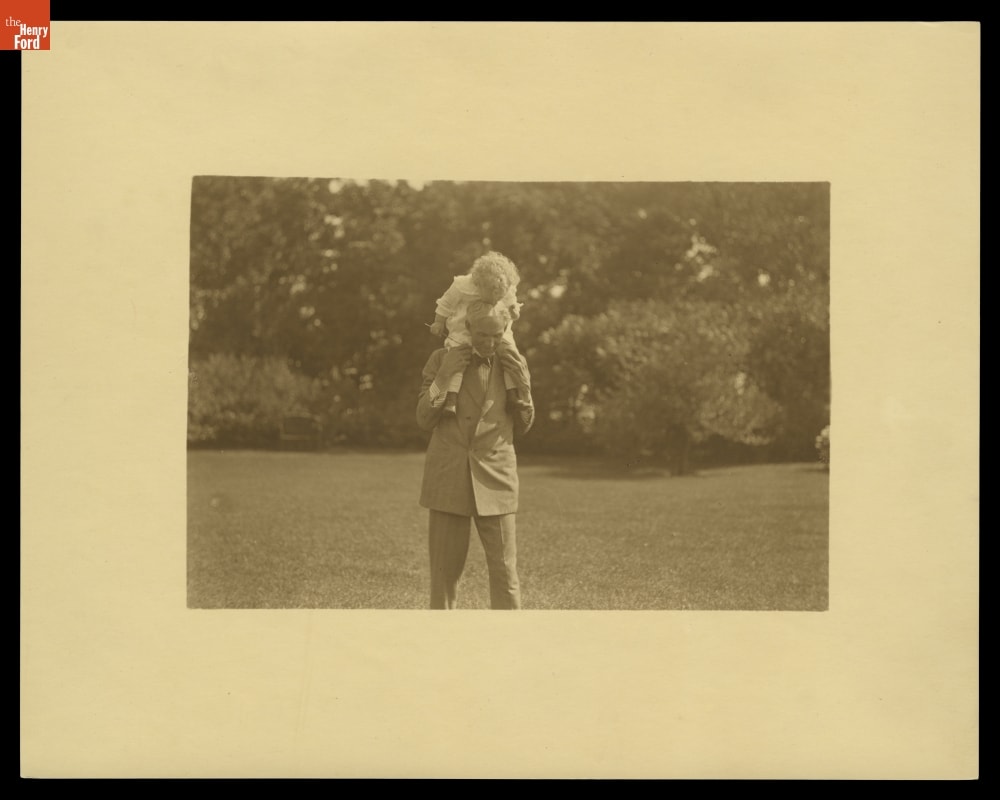
- Henry Ford Carrying Grandson Henry Ford II at Fair Lane, Dearborn, Michigan, 1919 - In the early 1910s, Henry and Clara Ford selected 1300 acres of farmland in Dearborn, Michigan, as the site for a new home. They called the estate Fair Lane. Surrounded by woods, meadows, gardens, and the nature they loved, Henry and Clara found this home a peaceful respite. Here they could wander the landscaped grounds, entertain guests, and play with grandchildren.
- 1919
- Collections - Artifact
Henry Ford Carrying Grandson Henry Ford II at Fair Lane, Dearborn, Michigan, 1919
In the early 1910s, Henry and Clara Ford selected 1300 acres of farmland in Dearborn, Michigan, as the site for a new home. They called the estate Fair Lane. Surrounded by woods, meadows, gardens, and the nature they loved, Henry and Clara found this home a peaceful respite. Here they could wander the landscaped grounds, entertain guests, and play with grandchildren.
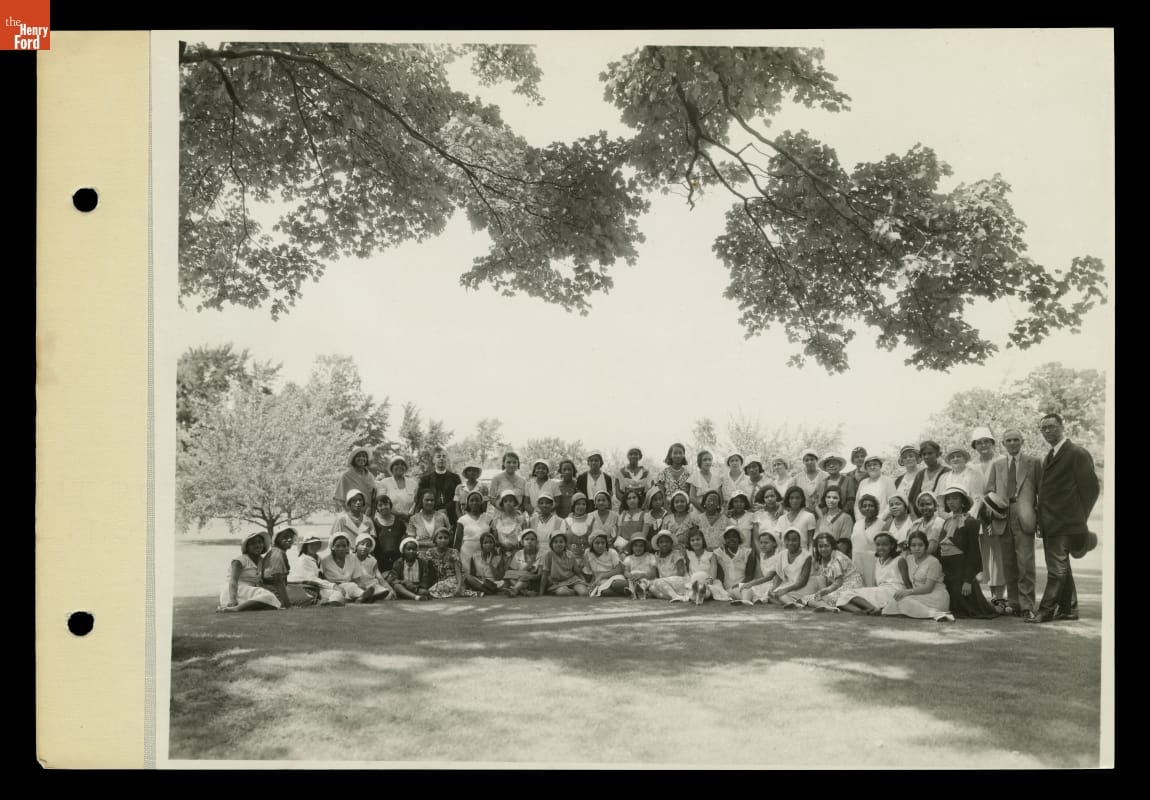
- Henry Ford and Clara Ford with Group on the Grounds of Fair Lane, 1932 - In the early 1910s, Henry and Clara Ford selected 1300 acres of farmland in Dearborn, Michigan, as the site for a new home. They called the estate Fair Lane. Surrounded by woods, meadows, gardens, and the nature they loved, Henry and Clara found this home a peaceful respite. Here they could wander the landscaped grounds, entertain guests, and play with grandchildren.
- July 09, 1932
- Collections - Artifact
Henry Ford and Clara Ford with Group on the Grounds of Fair Lane, 1932
In the early 1910s, Henry and Clara Ford selected 1300 acres of farmland in Dearborn, Michigan, as the site for a new home. They called the estate Fair Lane. Surrounded by woods, meadows, gardens, and the nature they loved, Henry and Clara found this home a peaceful respite. Here they could wander the landscaped grounds, entertain guests, and play with grandchildren.
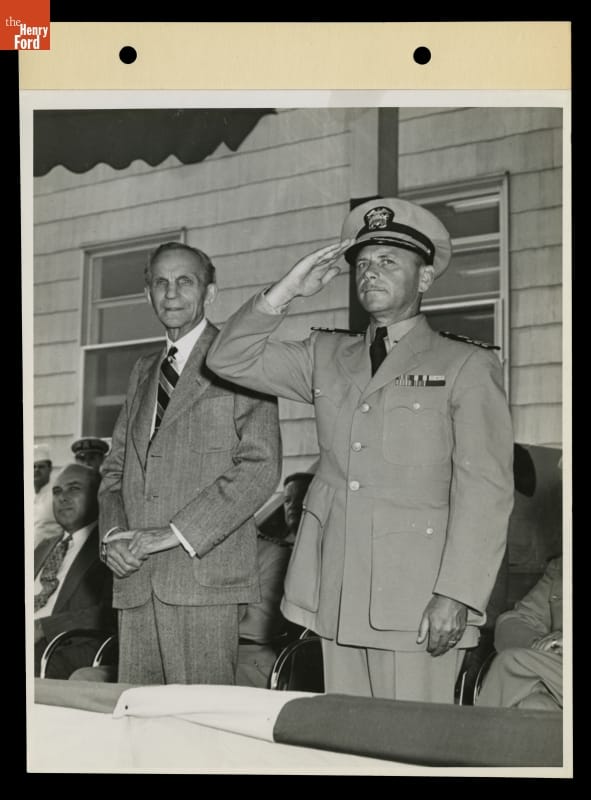
- Henry Ford on His 80th Birthday, U. S. Naval Training School at the Ford Rouge Plant, July 1943 - Personnel at the United States Naval Training School in Dearborn, Michigan, invited Henry Ford to celebrate his 80th birthday at the base. Ford was feted with gifts, a military drill, and a large cake modeled after the school buildings. The school -- built on land at Ford's Rouge Plant and leased to the Navy -- trained thousands of recruits in various skilled trades during World War II.
- July 28, 1943
- Collections - Artifact
Henry Ford on His 80th Birthday, U. S. Naval Training School at the Ford Rouge Plant, July 1943
Personnel at the United States Naval Training School in Dearborn, Michigan, invited Henry Ford to celebrate his 80th birthday at the base. Ford was feted with gifts, a military drill, and a large cake modeled after the school buildings. The school -- built on land at Ford's Rouge Plant and leased to the Navy -- trained thousands of recruits in various skilled trades during World War II.
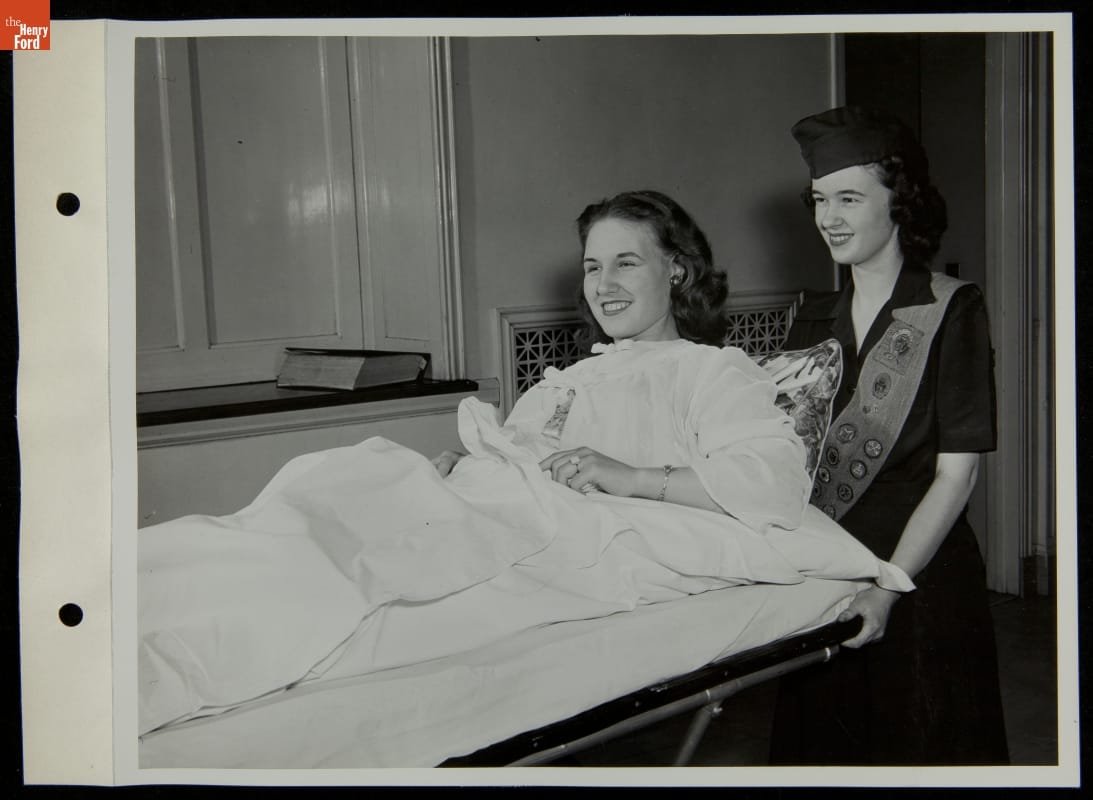
- Girl Scout Aiding a Patient While Doing Community Service at Henry Ford Hospital, Detroit, Michigan, 1946 - Since their organization was founded in 1912, American Girl Scouts have volunteered in local communities. A group of Senior Girl Scouts (ages 14-17) donated service in 1946 at Henry Ford Hospital in Detroit, Michigan. Here, a Girl Scout wearing a sash displaying official patches and badges transports a hospital patient on a gurney.
- February 28, 1946
- Collections - Artifact
Girl Scout Aiding a Patient While Doing Community Service at Henry Ford Hospital, Detroit, Michigan, 1946
Since their organization was founded in 1912, American Girl Scouts have volunteered in local communities. A group of Senior Girl Scouts (ages 14-17) donated service in 1946 at Henry Ford Hospital in Detroit, Michigan. Here, a Girl Scout wearing a sash displaying official patches and badges transports a hospital patient on a gurney.
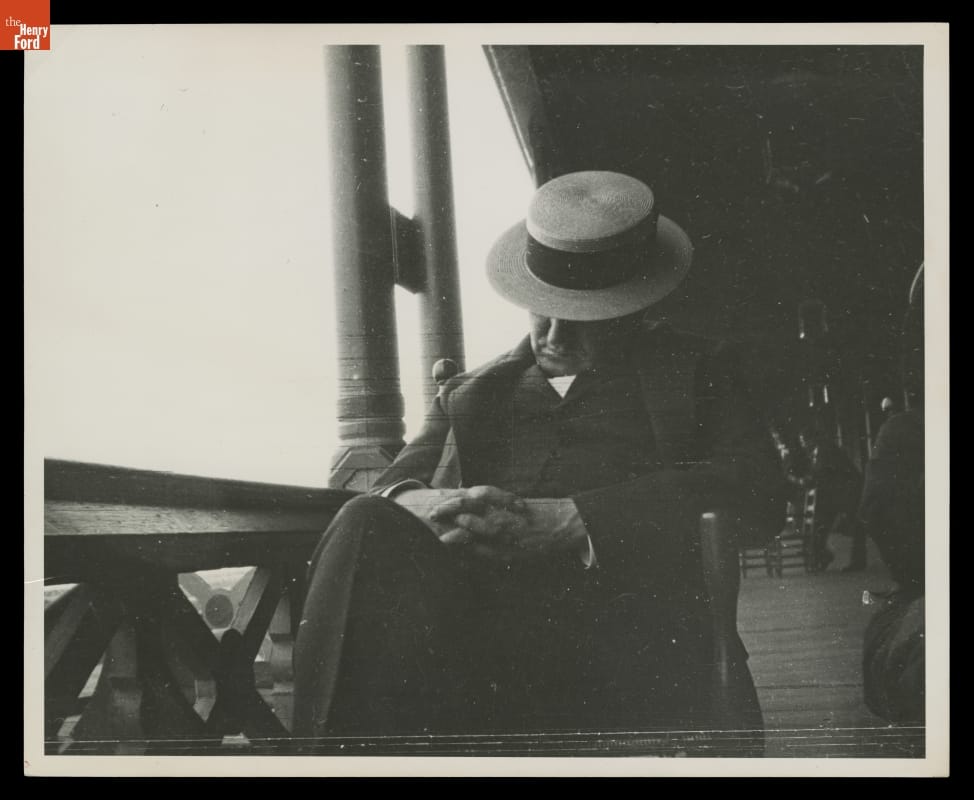
- Thomas Edison Asleep at the Oriental Hotel, Manhattan Beach, Snapshot by Henry Ford, 1896 - Henry Ford attended the 1896 meeting of the Association of Edison Illuminating Companies in Brooklyn, New York, with camera in tow. During the convention, Ford captured several candid shots of his boyhood hero, Thomas Edison. He also had a personal encounter with Edison at a banquet -- a brief but encouraging landmark in the ambitious engineer's life.
- 1896
- Collections - Artifact
Thomas Edison Asleep at the Oriental Hotel, Manhattan Beach, Snapshot by Henry Ford, 1896
Henry Ford attended the 1896 meeting of the Association of Edison Illuminating Companies in Brooklyn, New York, with camera in tow. During the convention, Ford captured several candid shots of his boyhood hero, Thomas Edison. He also had a personal encounter with Edison at a banquet -- a brief but encouraging landmark in the ambitious engineer's life.
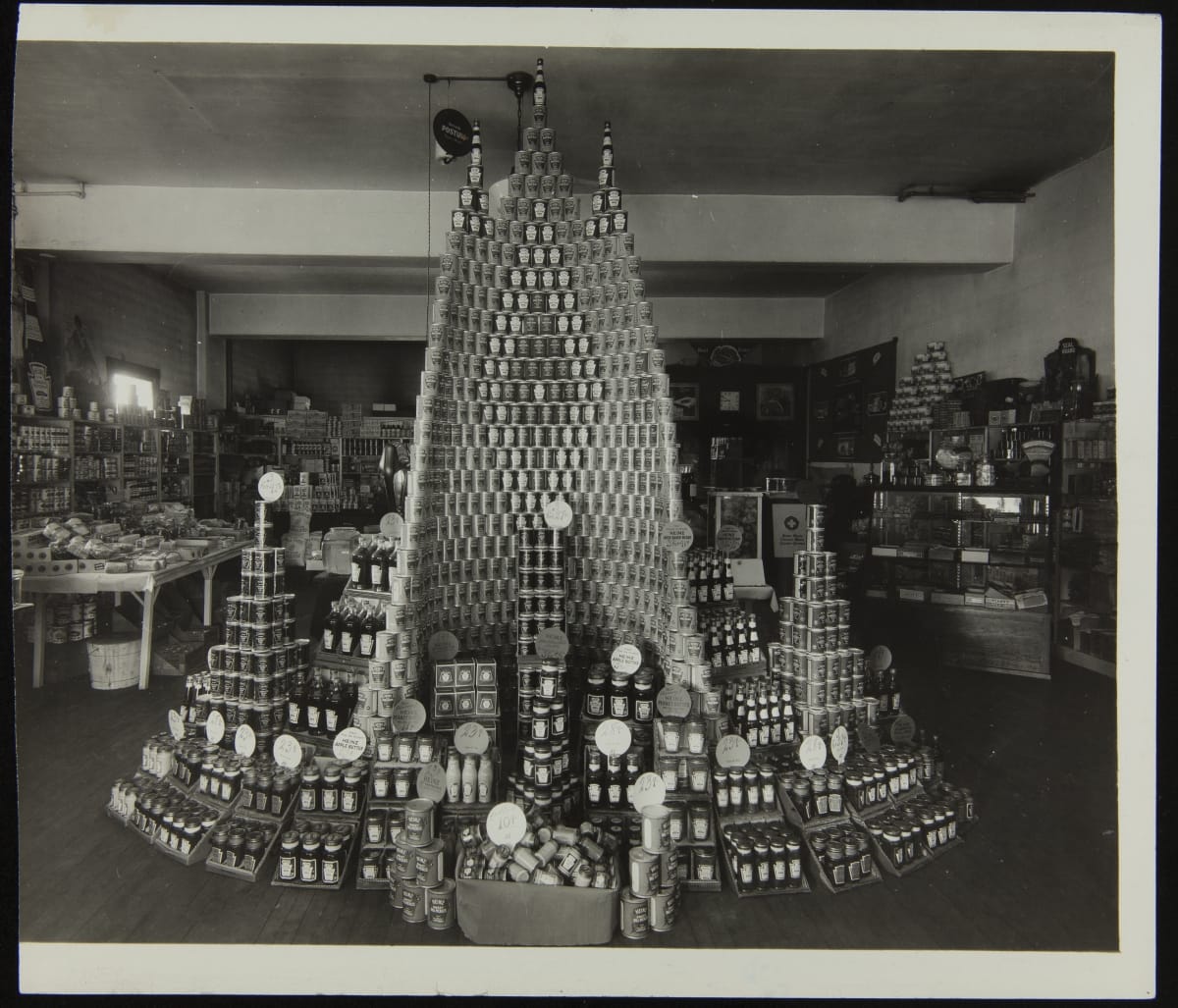
- O. C. Bedell Grocery Store, Floor Display of Heinz Products, Newton, Ohio, circa 1930 - H. J. Heinz was at the forefront of creative marketing in the manufactured food industry. He developed a comprehensive advertising strategy that included elaborate product displays in local grocery stores. Shoppers were greeted with colorful posters and meticulously designed floor-to-ceiling pyramids of canned and jarred products created by Heinz salespeople.
- circa 1930
- Collections - Artifact
O. C. Bedell Grocery Store, Floor Display of Heinz Products, Newton, Ohio, circa 1930
H. J. Heinz was at the forefront of creative marketing in the manufactured food industry. He developed a comprehensive advertising strategy that included elaborate product displays in local grocery stores. Shoppers were greeted with colorful posters and meticulously designed floor-to-ceiling pyramids of canned and jarred products created by Heinz salespeople.
- Sam Joseph Grocery Store Display of Heinz Products, Grand Rapids, Michigan, 1929 - "Pickle King" H. J. Heinz's confidence in his products prompted his extraordinary guarantee -- if you didn't find his food satisfactory, you could get your money back. His faith in his product established trust in his customers and provided them with zero financial risk in trying a new product. His guarantee is featured here in the middle of his other advertisements.

- 1929
- Collections - Artifact
Sam Joseph Grocery Store Display of Heinz Products, Grand Rapids, Michigan, 1929
"Pickle King" H. J. Heinz's confidence in his products prompted his extraordinary guarantee -- if you didn't find his food satisfactory, you could get your money back. His faith in his product established trust in his customers and provided them with zero financial risk in trying a new product. His guarantee is featured here in the middle of his other advertisements.
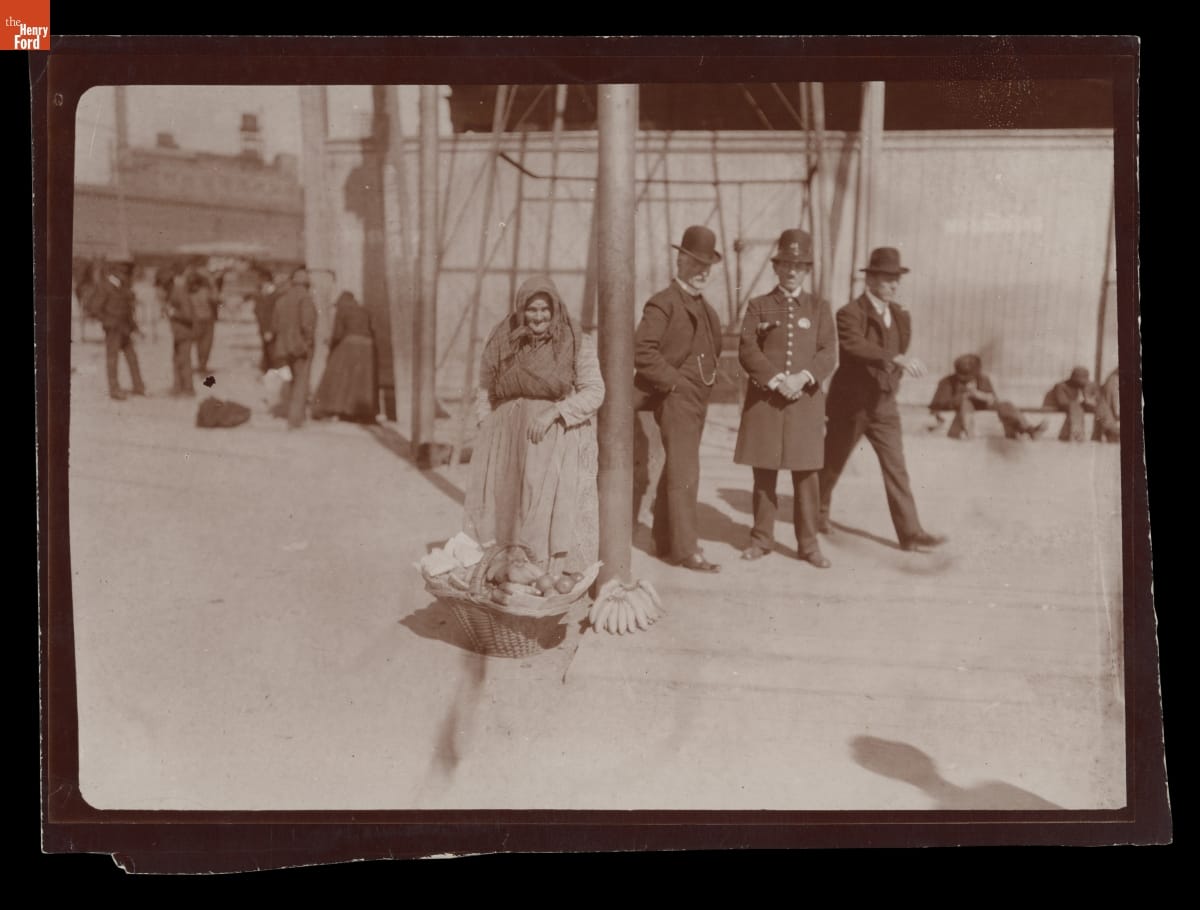
- Woman with Basket of Fruit, New Orleans, Louisiana, circa 1905 -
- circa 1905
- Collections - Artifact
Woman with Basket of Fruit, New Orleans, Louisiana, circa 1905
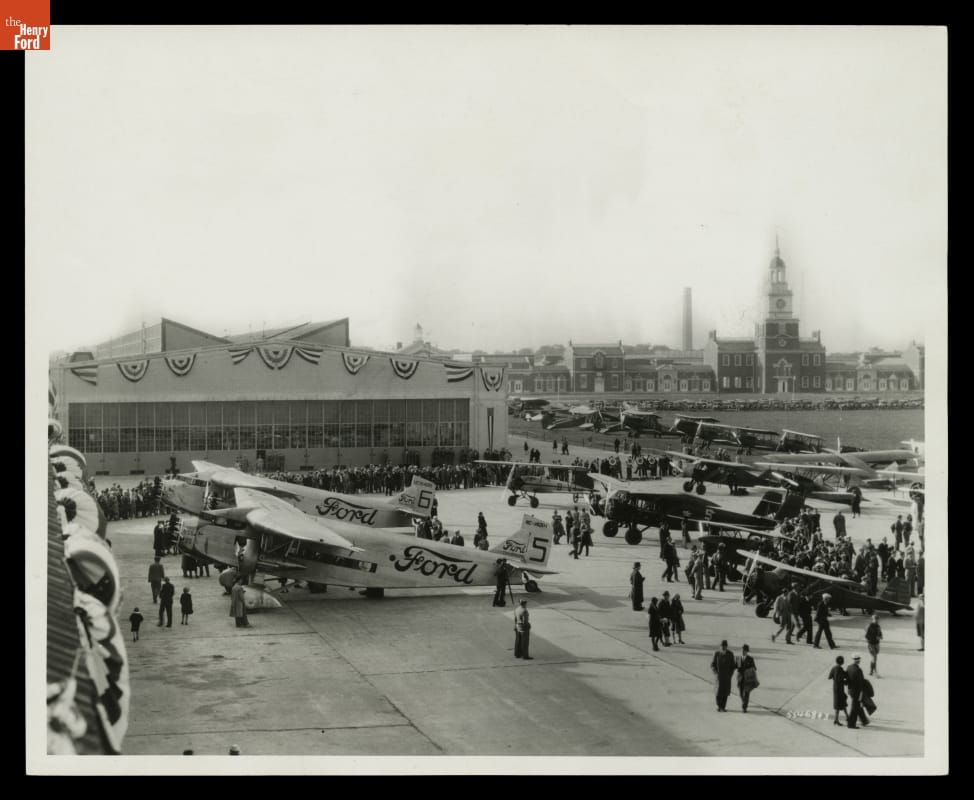
- Ford Reliability Tour at Ford Airport, Dearborn, Michigan, 1930 - From 1925-1931, Ford Motor Company sponsored annual air tours to promote reliability and safety in commercial aircraft. Pilots flew to pre-determined cities, and their airplanes were rated on the ability to take off and land quickly and maintain consistent speeds. The 1930 tour included 18 entries and visited 29 cities in the United States and Canada.
- September 27, 1930
- Collections - Artifact
Ford Reliability Tour at Ford Airport, Dearborn, Michigan, 1930
From 1925-1931, Ford Motor Company sponsored annual air tours to promote reliability and safety in commercial aircraft. Pilots flew to pre-determined cities, and their airplanes were rated on the ability to take off and land quickly and maintain consistent speeds. The 1930 tour included 18 entries and visited 29 cities in the United States and Canada.