
Search
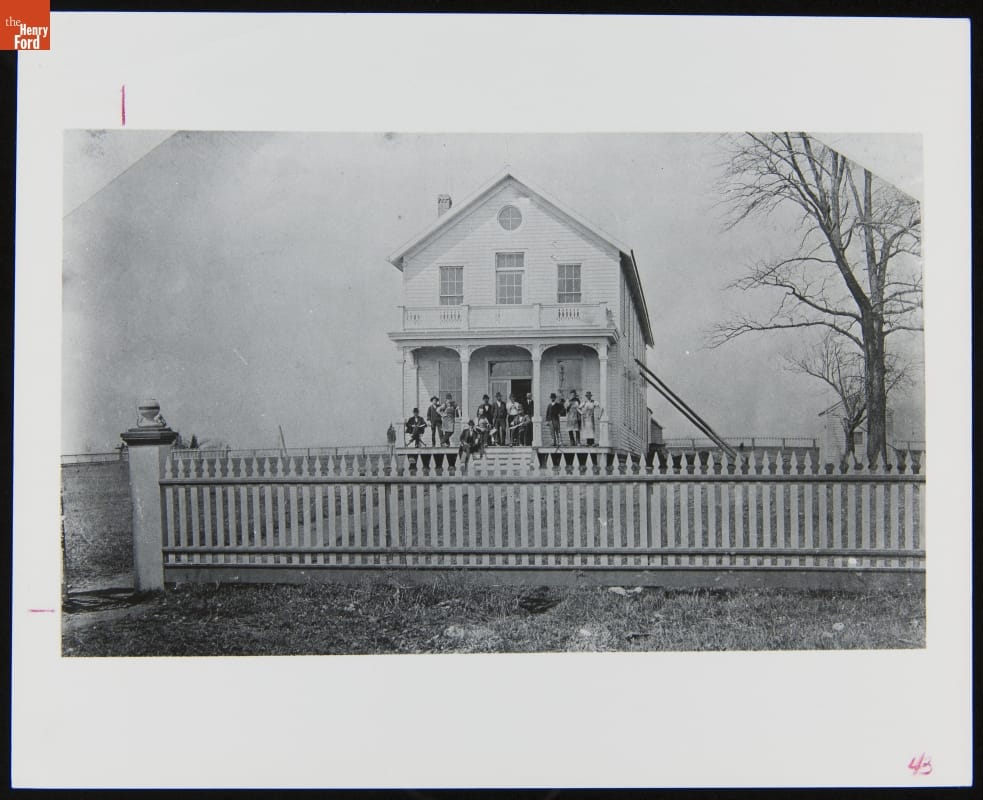
- Employees on the Porch of Thomas Edison's Menlo Park Laboratory, Spring 1877 -
- 1877
- Collections - Artifact
Employees on the Porch of Thomas Edison's Menlo Park Laboratory, Spring 1877
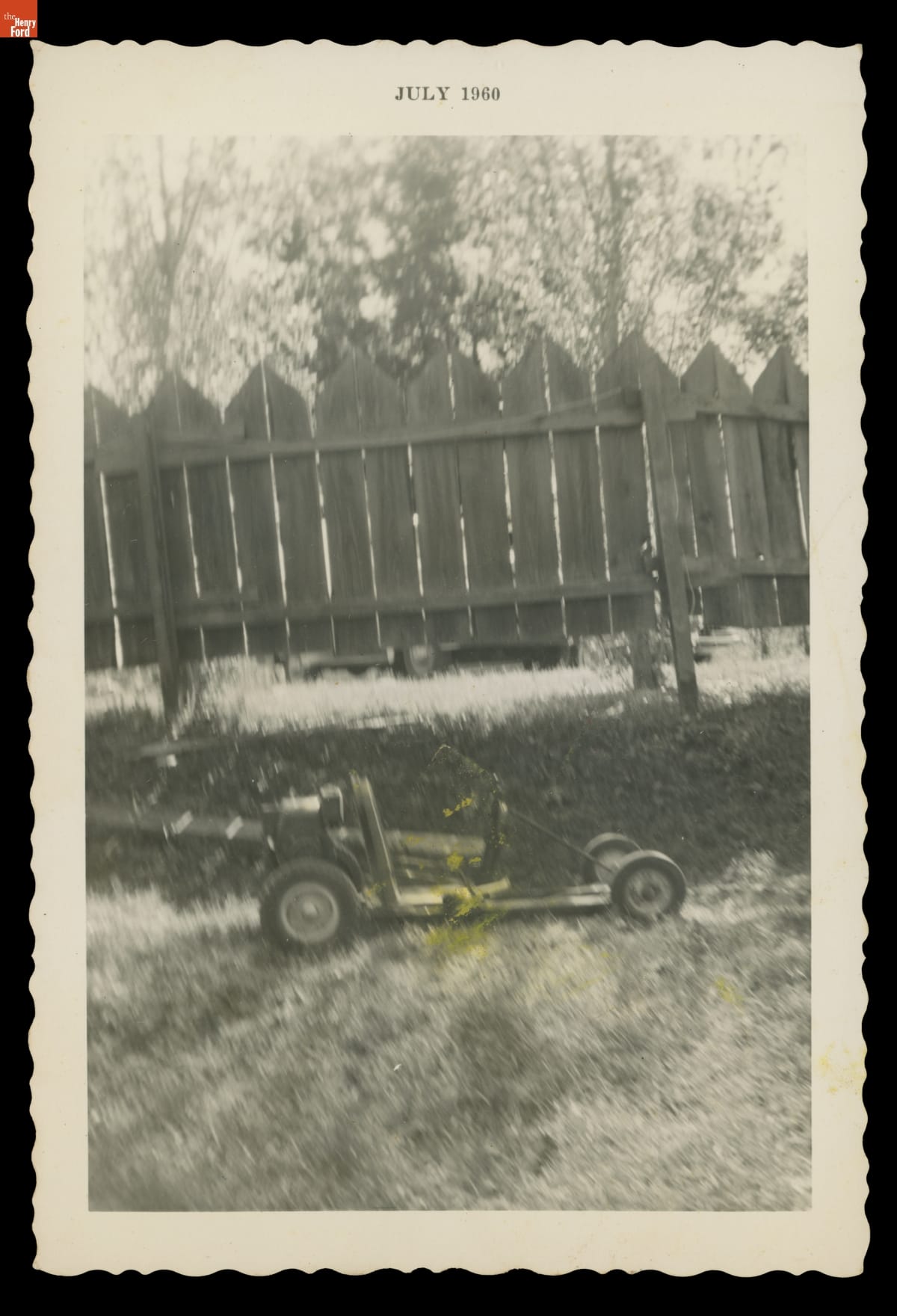
- Go-Kart in Fenced Yard, July 1960 - Racing go-karts first appeared in California after World War II. Racers could purchase fully assembled karts or unfinished kits, or they could build their own designs. By the early 1960s, go-kart tracks operated throughout the United States. The sport was regulated by two major sanctioning bodies: the International Kart Federation formed in 1957, and the World Karting Association established in 1971.
- July 01, 1960
- Collections - Artifact
Go-Kart in Fenced Yard, July 1960
Racing go-karts first appeared in California after World War II. Racers could purchase fully assembled karts or unfinished kits, or they could build their own designs. By the early 1960s, go-kart tracks operated throughout the United States. The sport was regulated by two major sanctioning bodies: the International Kart Federation formed in 1957, and the World Karting Association established in 1971.
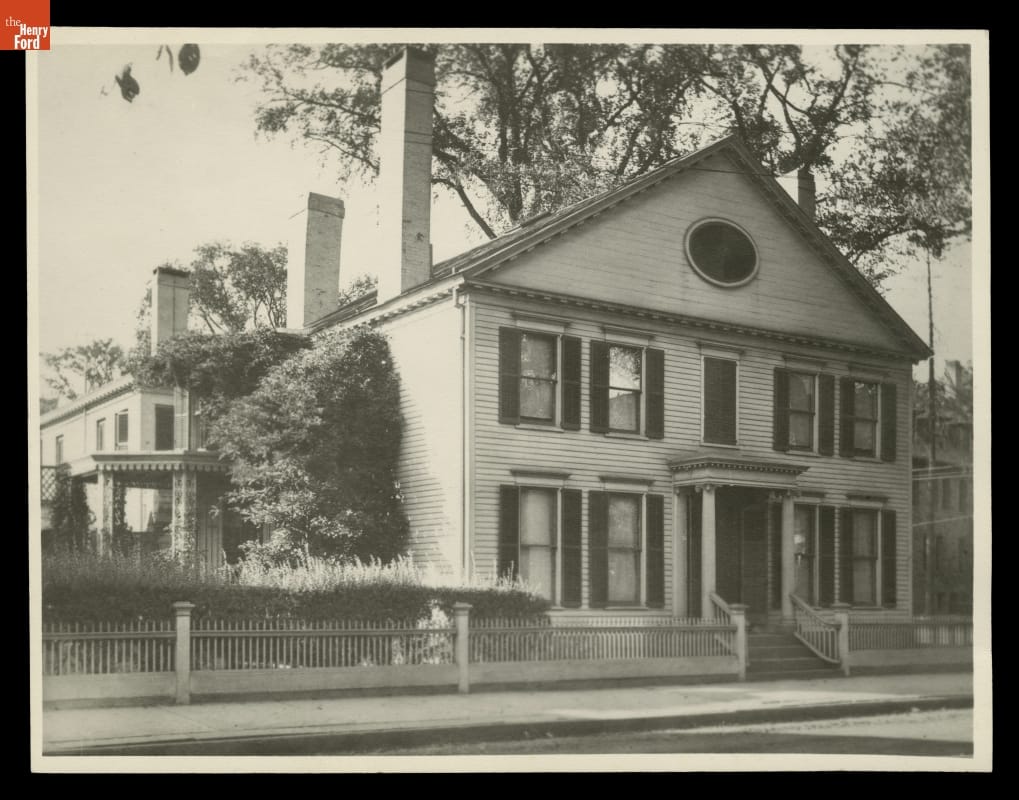
- Noah Webster Home at Its Original Site, New Haven, Connecticut, circa 1912 - This is textbook pioneer and spelling reformer Noah Webster's home on its original site in New Haven, Connecticut. Henry Ford admired Webster and recognized his house as an important piece of American history. Ford had the building moved to Greenfield Village - his historical outdoor museum in Dearborn, Michigan. This view documents side and rear additions not moved with the house.
- circa 1912
- Collections - Artifact
Noah Webster Home at Its Original Site, New Haven, Connecticut, circa 1912
This is textbook pioneer and spelling reformer Noah Webster's home on its original site in New Haven, Connecticut. Henry Ford admired Webster and recognized his house as an important piece of American history. Ford had the building moved to Greenfield Village - his historical outdoor museum in Dearborn, Michigan. This view documents side and rear additions not moved with the house.
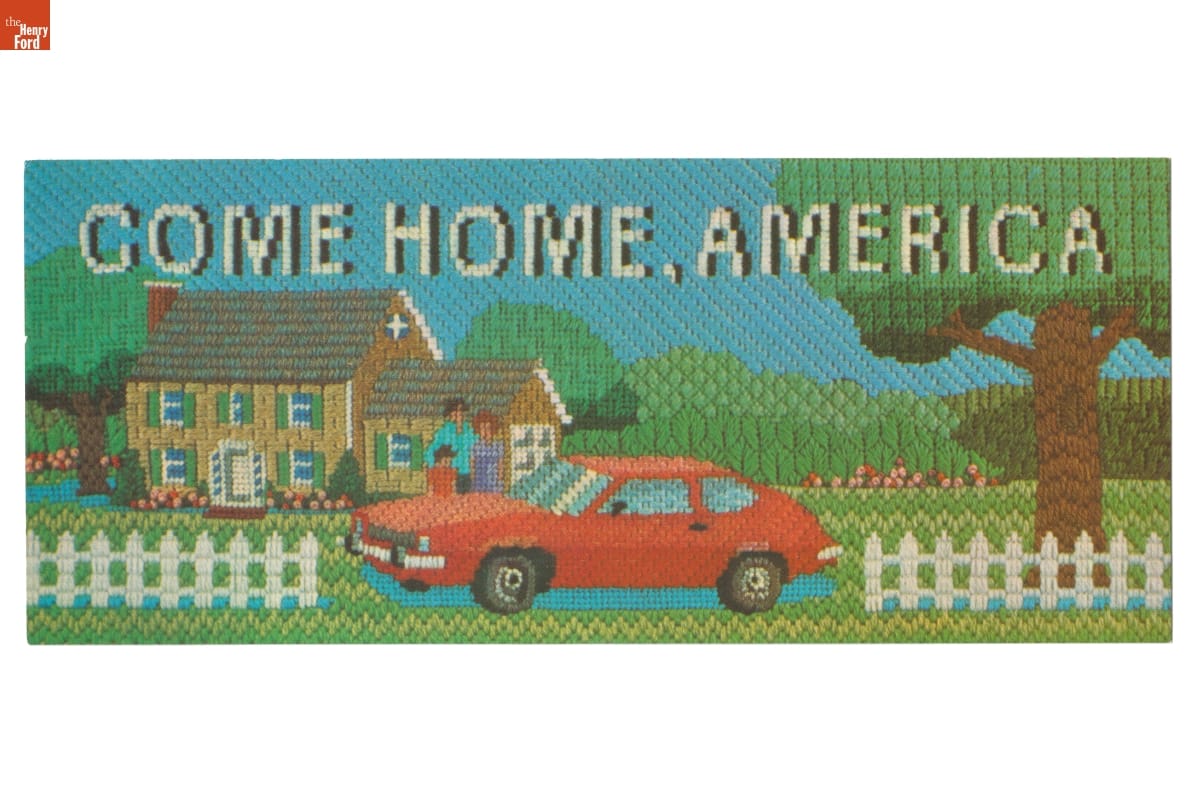
- Postcard of a Ford Advertisement Worked in Needlepoint, "Come Home, America," 1974 - This postcard shows a charming advertisement created as part of a "Come Home to Ford" marketing campaign launched by the Newark (New Jersey) District Ford Dealers Association in 1974. It and other similar ads were based on original needlepoint designs by Janet McCaffery and Judy McGuggart. Their works featured vintage Ford Model As and then-current Ford Pintos.
- 1974
- Collections - Artifact
Postcard of a Ford Advertisement Worked in Needlepoint, "Come Home, America," 1974
This postcard shows a charming advertisement created as part of a "Come Home to Ford" marketing campaign launched by the Newark (New Jersey) District Ford Dealers Association in 1974. It and other similar ads were based on original needlepoint designs by Janet McCaffery and Judy McGuggart. Their works featured vintage Ford Model As and then-current Ford Pintos.
- Noah Webster House at its Original Site, New Haven, Connecticut, circa 1912 - This is textbook pioneer and spelling reformer Noah Webster's home on its original site in New Haven, Connecticut. Henry Ford admired Webster and recognized his house as an important piece of American history. Ford had the building moved to Greenfield Village - his historical outdoor museum in Dearborn, Michigan. This view documents side and rear additions not moved with the house.
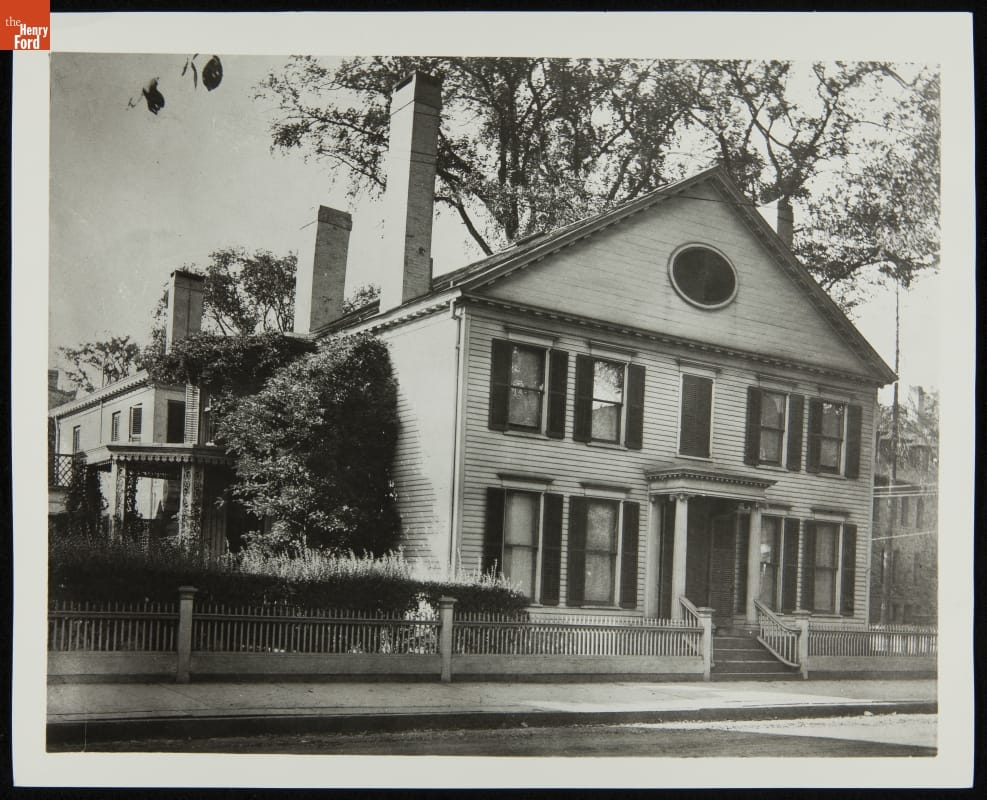
- circa 1912
- Collections - Artifact
Noah Webster House at its Original Site, New Haven, Connecticut, circa 1912
This is textbook pioneer and spelling reformer Noah Webster's home on its original site in New Haven, Connecticut. Henry Ford admired Webster and recognized his house as an important piece of American history. Ford had the building moved to Greenfield Village - his historical outdoor museum in Dearborn, Michigan. This view documents side and rear additions not moved with the house.
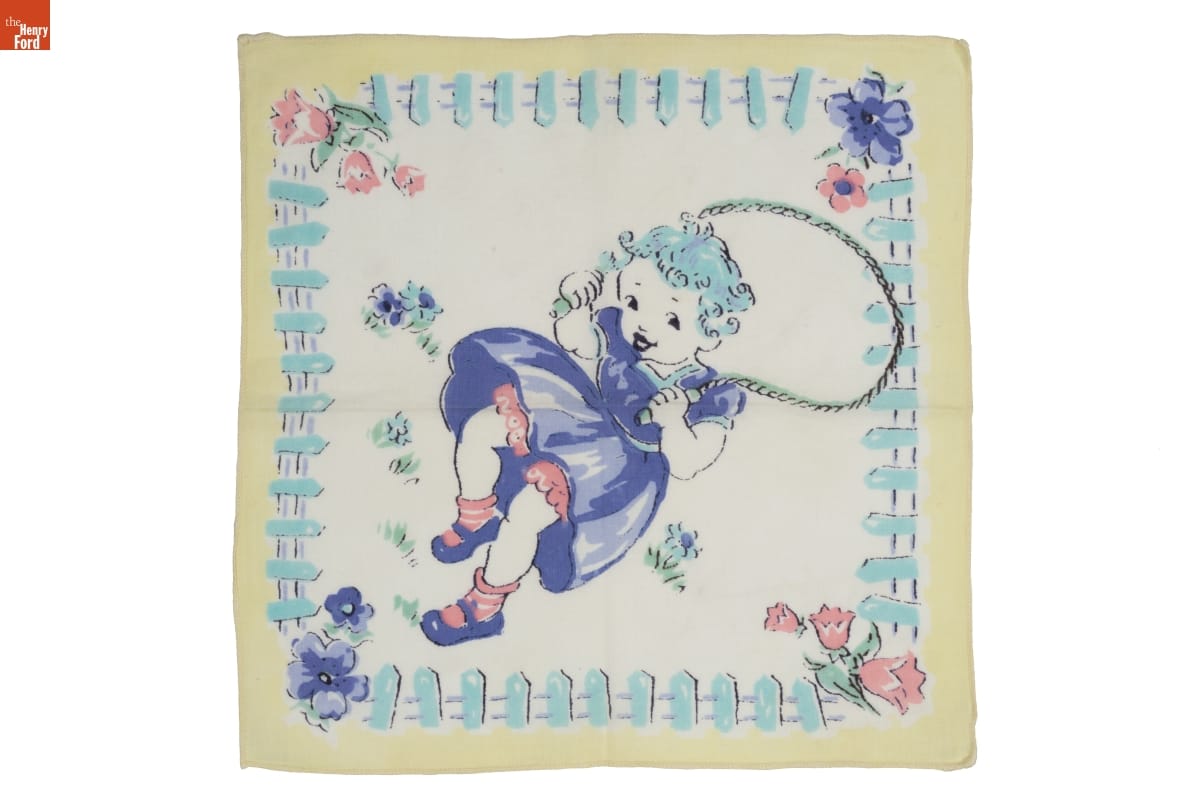
- Child's Handkerchief, 1945-1955 - Before disposable tissues became popular, people carried cloth handkerchiefs to help with sneezes and sniffles. Children's versions were made with images and in colors designed to appeal to these smaller folk.
- 1945-1955
- Collections - Artifact
Child's Handkerchief, 1945-1955
Before disposable tissues became popular, people carried cloth handkerchiefs to help with sneezes and sniffles. Children's versions were made with images and in colors designed to appeal to these smaller folk.
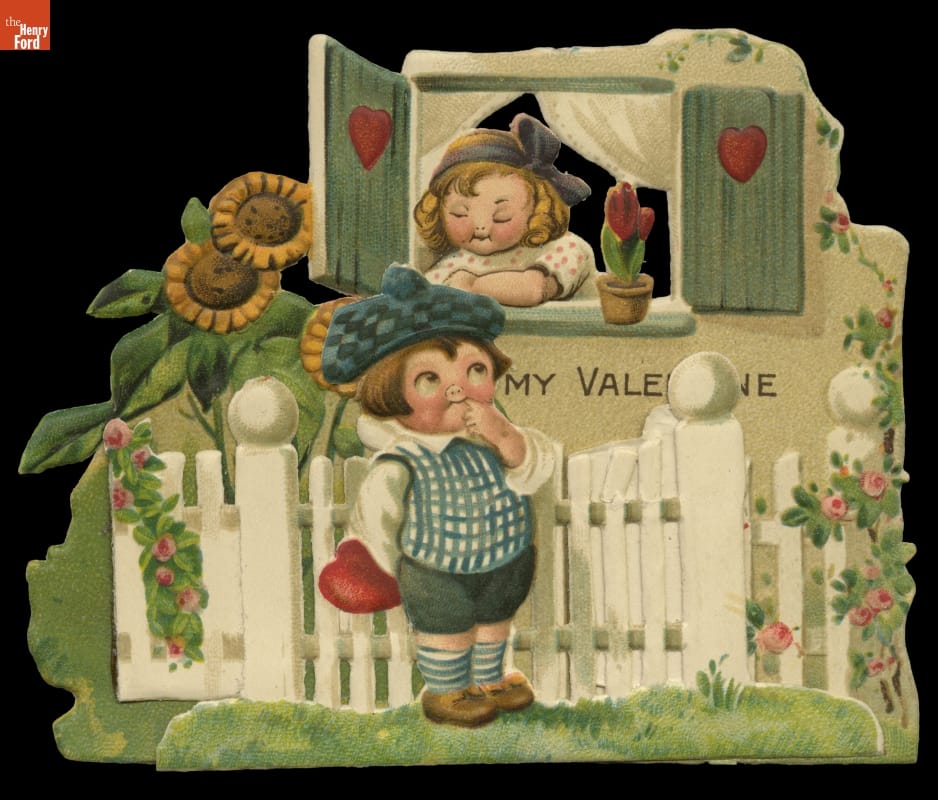
- Fold-out Valentine's Day Card, "To My Valentine," 1900-1920 - The custom of sending messages of affection on February 14 dates back to Roman times, when mid-February was a time to meet and court prospective mates. The earliest American valentines were labors of love, handmade by the sender. The spread of commercially produced valentines in the second half of the nineteenth century made sending and receiving Valentine's Day cards a more lighthearted activity.
- 1900-1920
- Collections - Artifact
Fold-out Valentine's Day Card, "To My Valentine," 1900-1920
The custom of sending messages of affection on February 14 dates back to Roman times, when mid-February was a time to meet and court prospective mates. The earliest American valentines were labors of love, handmade by the sender. The spread of commercially produced valentines in the second half of the nineteenth century made sending and receiving Valentine's Day cards a more lighthearted activity.
- Sod House Built in 1878 by S.W. Stilgebouer in Danbury, Nebraska -
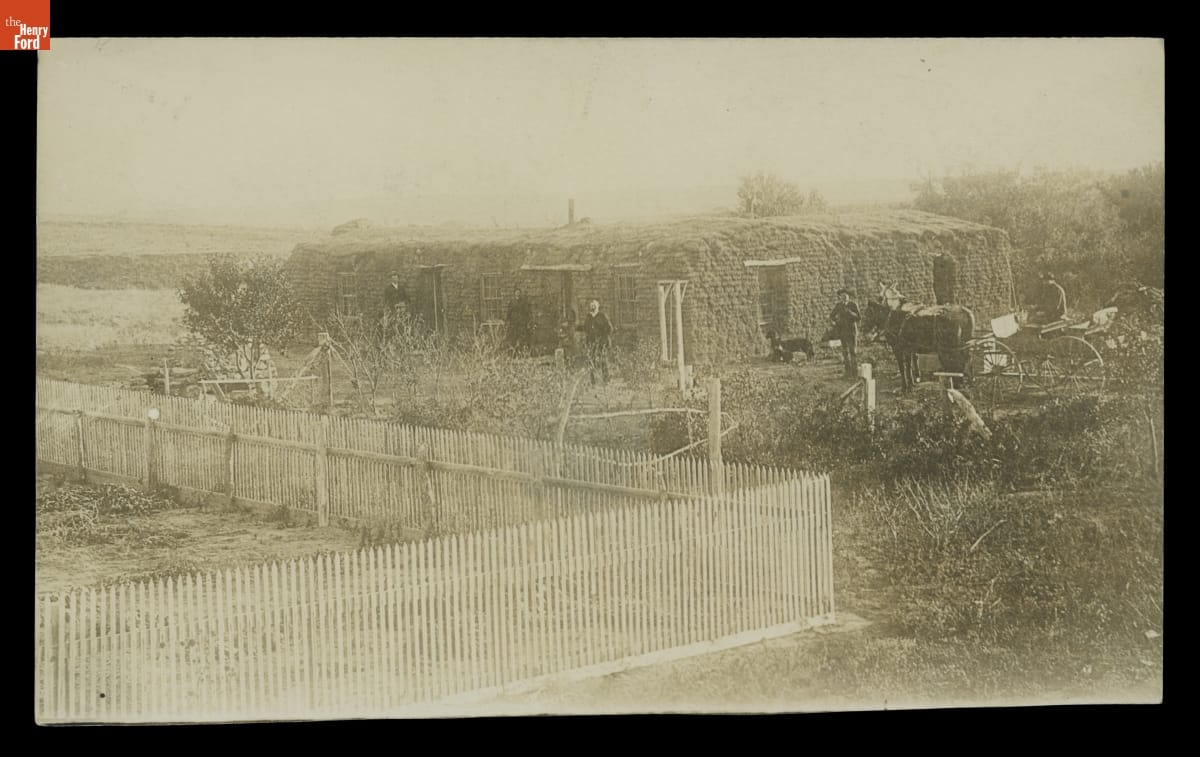
- 1886
- Collections - Artifact
Sod House Built in 1878 by S.W. Stilgebouer in Danbury, Nebraska
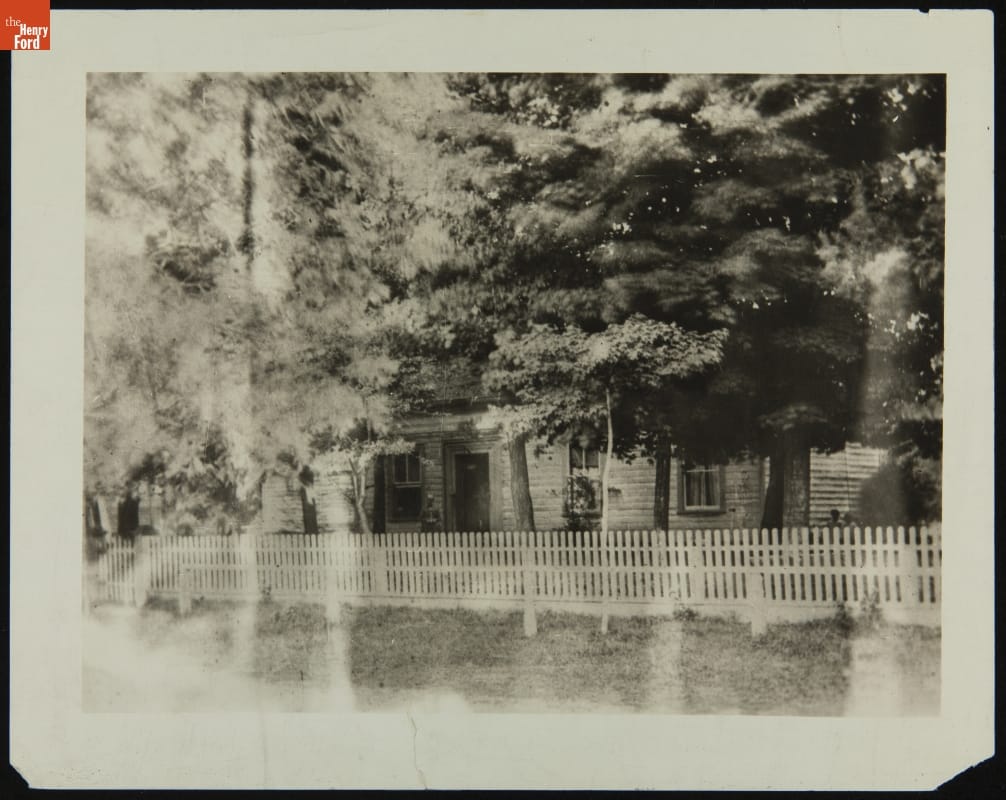
- Edison Homestead at Its Original Site, Vienna, Ontario, Canada -
- Collections - Artifact
Edison Homestead at Its Original Site, Vienna, Ontario, Canada
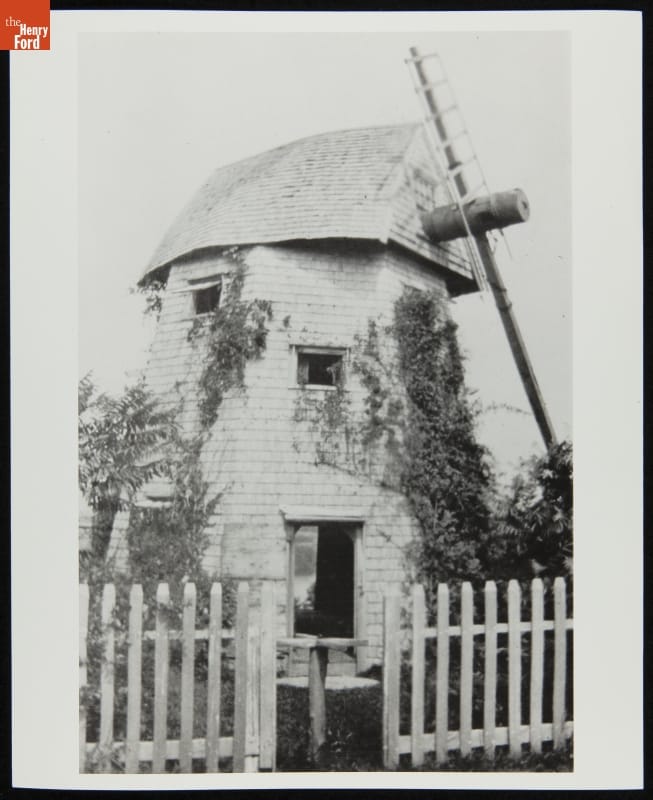
- Farris Windmill on Cape Cod, Massachusetts - Built in the mid-1600s, the Farris windmill is said to be the oldest windmill in the United States. It operated in Cape Cod, Massachusetts -- ocean breezes moved the sails that turned the grain milling machinery inside. In 1935, the Ford Dealers of the United States and Canada purchased the windmill and moved it to Greenfield Village as a gift for Henry and Edsel Ford.
- 1890-1936
- Collections - Artifact
Farris Windmill on Cape Cod, Massachusetts
Built in the mid-1600s, the Farris windmill is said to be the oldest windmill in the United States. It operated in Cape Cod, Massachusetts -- ocean breezes moved the sails that turned the grain milling machinery inside. In 1935, the Ford Dealers of the United States and Canada purchased the windmill and moved it to Greenfield Village as a gift for Henry and Edsel Ford.