
Search
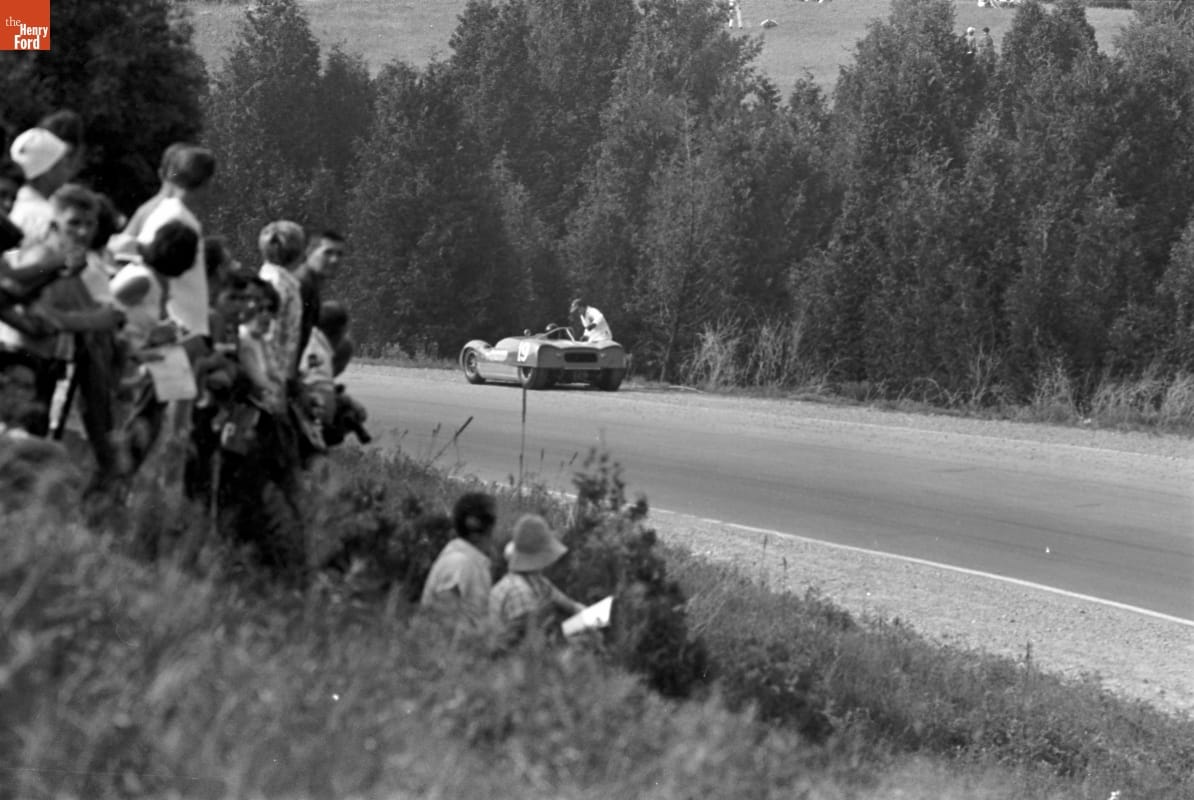
- Player's 200 Race, Mosport Park, Canada, June 1964 - Dave Friedman captured and preserved auto racing history through his photography. His work -- and his collection of works by other photographers -- documents key races, cars, drivers, and teams. This photo is from the 1964 Player's 200 Race, held at Canada's Mosport Park near Toronto, Ontario, on June 6. Bruce McLaren earned the overall win with his Oldsmobile-powered #47 Zerex Special.
- 05 June 1964 - 06 June 1964
- Collections - Artifact
Player's 200 Race, Mosport Park, Canada, June 1964
Dave Friedman captured and preserved auto racing history through his photography. His work -- and his collection of works by other photographers -- documents key races, cars, drivers, and teams. This photo is from the 1964 Player's 200 Race, held at Canada's Mosport Park near Toronto, Ontario, on June 6. Bruce McLaren earned the overall win with his Oldsmobile-powered #47 Zerex Special.
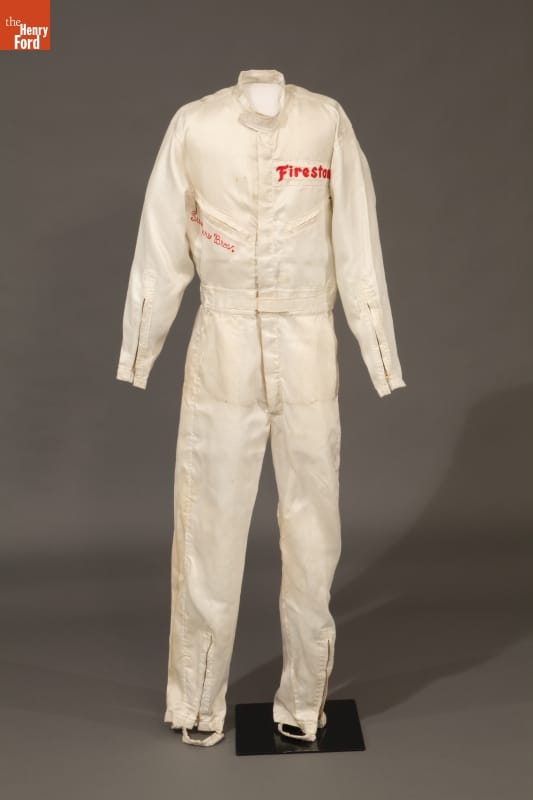
- Racing Suit Worn by Bob Summers While Winning New Land Speed Record, 1965 - Bob Summers of Ontario, California, wore this racing suit when he achieved a new wheel-driven land speed record of 409.277 miles per hour on November 12, 1965. Summers was in Goldenrod, the sleek four-engine car he built with his brother Bill. The Summers brothers' record stood until 1991.
- November 12, 1965
- Collections - Artifact
Racing Suit Worn by Bob Summers While Winning New Land Speed Record, 1965
Bob Summers of Ontario, California, wore this racing suit when he achieved a new wheel-driven land speed record of 409.277 miles per hour on November 12, 1965. Summers was in Goldenrod, the sleek four-engine car he built with his brother Bill. The Summers brothers' record stood until 1991.
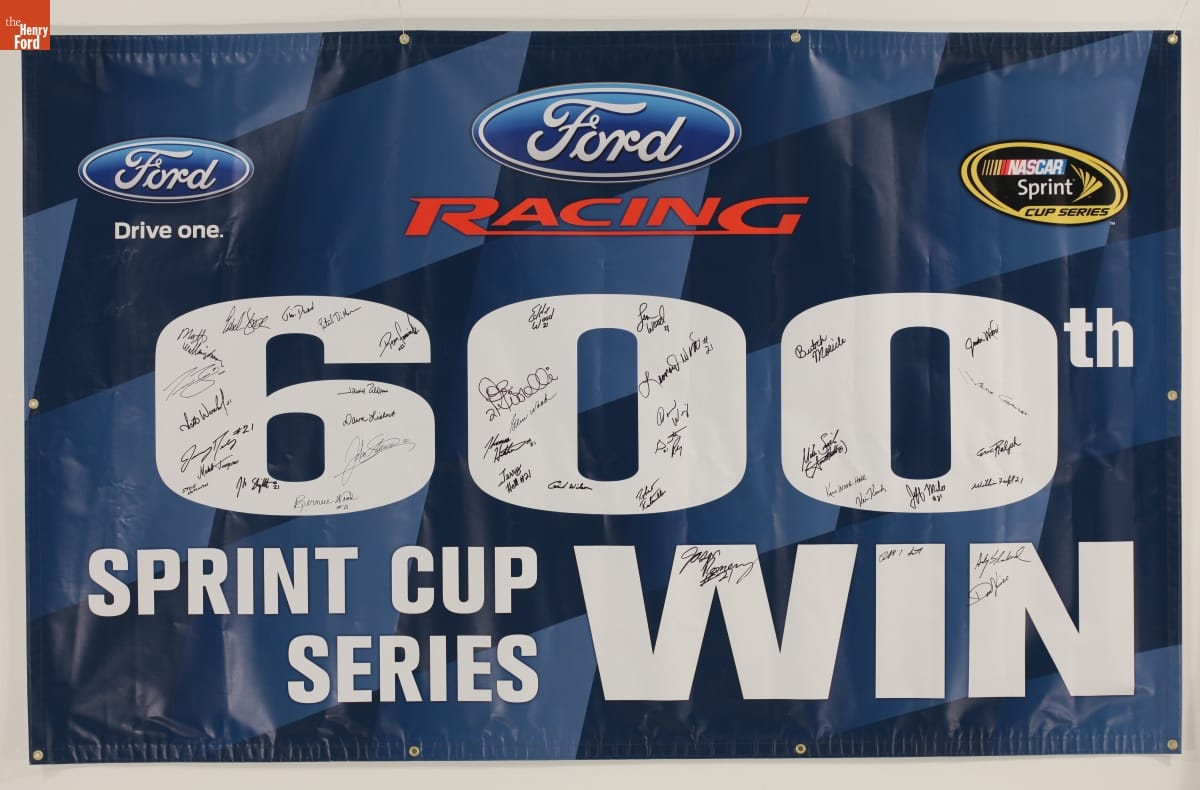
- Banner Commemorating Ford Motor Company's 600th NASCAR Win, 2011 - This banner commemorates Ford Motor Company's 600th NASCAR Cup Series win, earned when Trevor Bayne drove the #21 Ford Fusion to victory at the 2011 Daytona 500. Bayne's team, Wood Brothers Racing, is NASCAR's oldest and has used Ford cars exclusively since forming in 1950. Bayne, Wood Brothers team members, and Ford representatives all signed the banner.
- February 20, 2011
- Collections - Artifact
Banner Commemorating Ford Motor Company's 600th NASCAR Win, 2011
This banner commemorates Ford Motor Company's 600th NASCAR Cup Series win, earned when Trevor Bayne drove the #21 Ford Fusion to victory at the 2011 Daytona 500. Bayne's team, Wood Brothers Racing, is NASCAR's oldest and has used Ford cars exclusively since forming in 1950. Bayne, Wood Brothers team members, and Ford representatives all signed the banner.
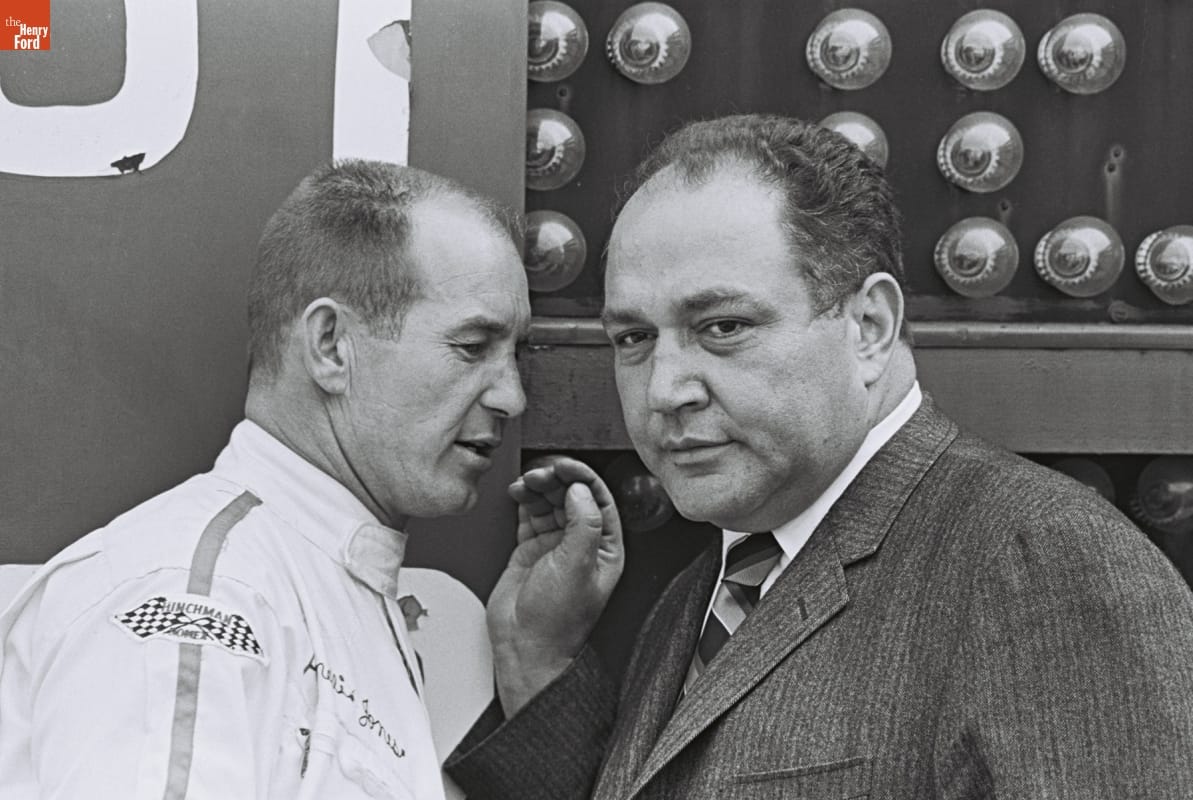
- 1967 Indianapolis 500 -- Item 884 - Parnelli Jones drove the #40 car for Andy Granatelli and his STP team at the 1967 Indianapolis 500. The unusual racer was powered by a turbine engine that was mounted on one side while Jones sat on the other. Jones and the turbine car dominated the race until a gearbox bearing failed only four laps from the finish.
- May 01, 1967
- Collections - Artifact
1967 Indianapolis 500 -- Item 884
Parnelli Jones drove the #40 car for Andy Granatelli and his STP team at the 1967 Indianapolis 500. The unusual racer was powered by a turbine engine that was mounted on one side while Jones sat on the other. Jones and the turbine car dominated the race until a gearbox bearing failed only four laps from the finish.
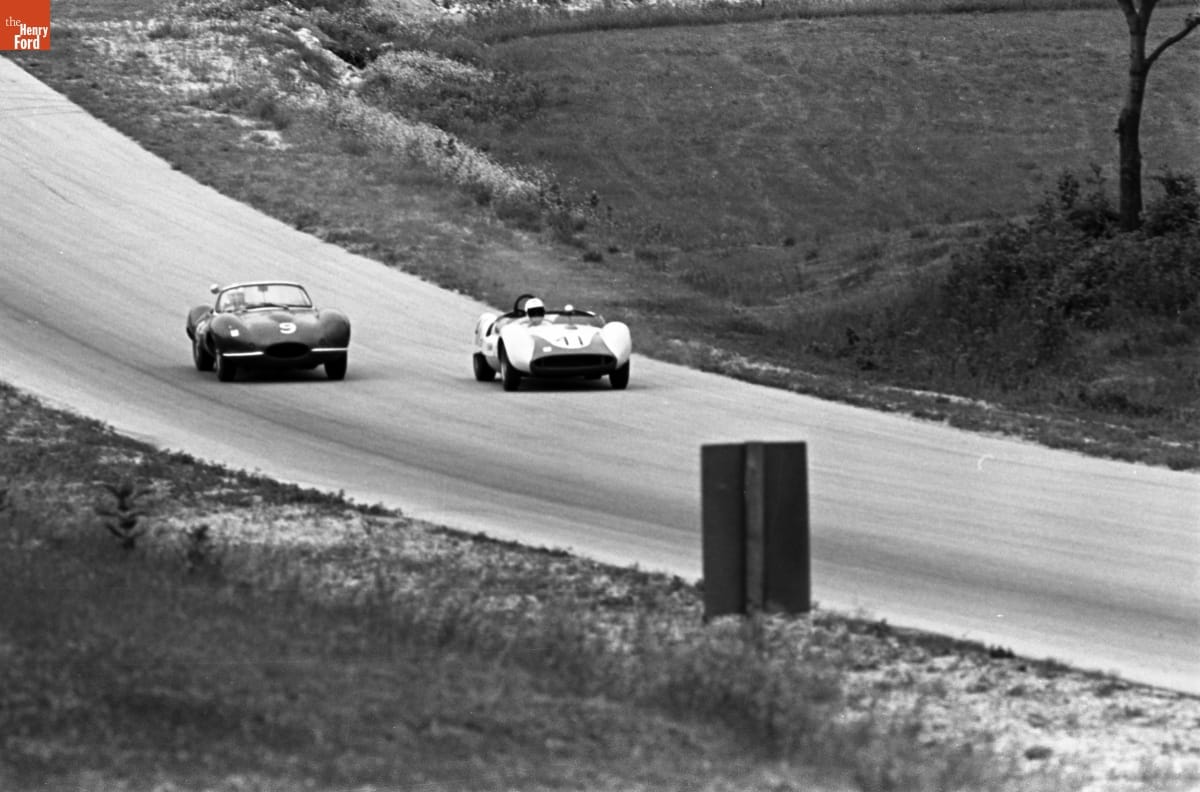
- Road America International June Sprints, Elkhart Lake, Wisconsin, June 1964 - Dave Friedman captured and preserved auto racing history through his photography. His work -- and his collection of works by other photographers -- documents key races, cars, drivers, and teams. This photo is from the 1964 Road America International June Sprints, a series of races held at Elkhart Lake, Wisconsin, and sanctioned by the Sports Car Club of America.
- 20 June 1964 - 21 June 1964
- Collections - Artifact
Road America International June Sprints, Elkhart Lake, Wisconsin, June 1964
Dave Friedman captured and preserved auto racing history through his photography. His work -- and his collection of works by other photographers -- documents key races, cars, drivers, and teams. This photo is from the 1964 Road America International June Sprints, a series of races held at Elkhart Lake, Wisconsin, and sanctioned by the Sports Car Club of America.
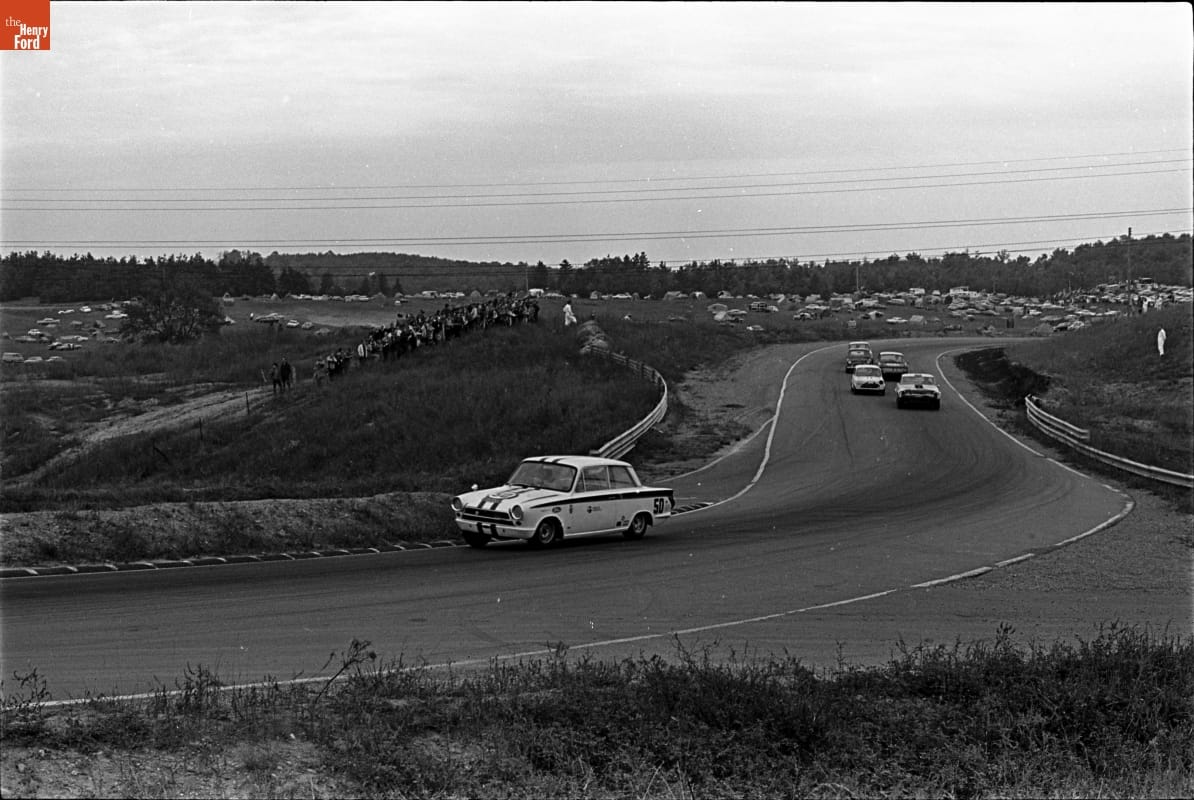
- 4th Canadian Grand Prix, Mosport Park, Ontario, September 1964 - Dave Friedman captured and preserved auto racing history through his photography. His work -- and his collection of works by other photographers -- documents key races, vehicles, drivers, and teams. The 1964 Canadian Grand Prix was held at Mosport Park in Bowmanville, Ontario. Before the 100-lap main event, two 10-lap races featured production sports and touring cars.
- 25 September 1964 - 26 September 1964
- Collections - Artifact
4th Canadian Grand Prix, Mosport Park, Ontario, September 1964
Dave Friedman captured and preserved auto racing history through his photography. His work -- and his collection of works by other photographers -- documents key races, vehicles, drivers, and teams. The 1964 Canadian Grand Prix was held at Mosport Park in Bowmanville, Ontario. Before the 100-lap main event, two 10-lap races featured production sports and touring cars.
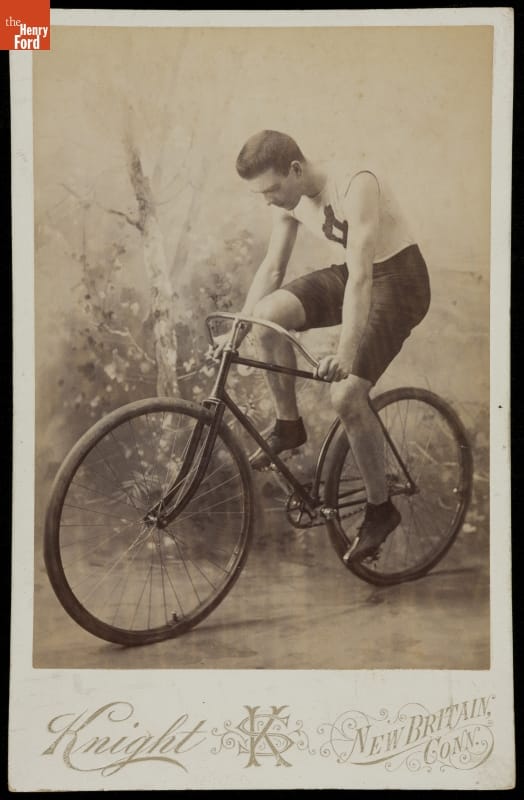
- Bicycle Racer H. Arnold, circa 1890 - This cabinet card pictures H. Arnold, a racer in the early 1890s. Arnold competed in various bicycle meets in the early 1890s, but was overshadowed by other speedsters of the period.
- circa 1890
- Collections - Artifact
Bicycle Racer H. Arnold, circa 1890
This cabinet card pictures H. Arnold, a racer in the early 1890s. Arnold competed in various bicycle meets in the early 1890s, but was overshadowed by other speedsters of the period.
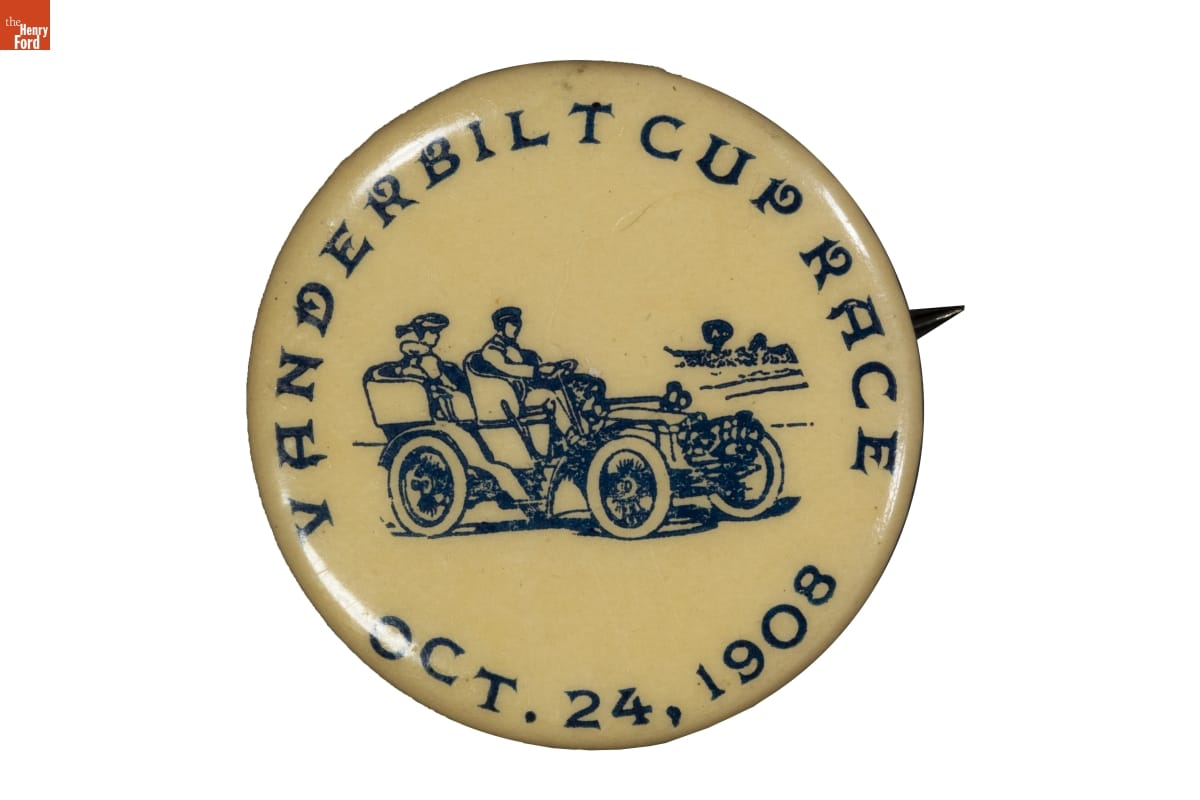
- Vanderbilt Cup Race Lapel Pin, 1908 - William K. Vanderbilt, Jr., launched America's first great automobile race, the Vanderbilt Cup, in 1904. Top American and European drivers and cars came to Long Island, New York, for the annual event. After three consecutive victories by French cars, an American-built Locomobile won in 1908. Driver George Robertson and mechanician Glenn Ethridge earned the prize with their car "Old 16."
- October 24, 1908
- Collections - Artifact
Vanderbilt Cup Race Lapel Pin, 1908
William K. Vanderbilt, Jr., launched America's first great automobile race, the Vanderbilt Cup, in 1904. Top American and European drivers and cars came to Long Island, New York, for the annual event. After three consecutive victories by French cars, an American-built Locomobile won in 1908. Driver George Robertson and mechanician Glenn Ethridge earned the prize with their car "Old 16."
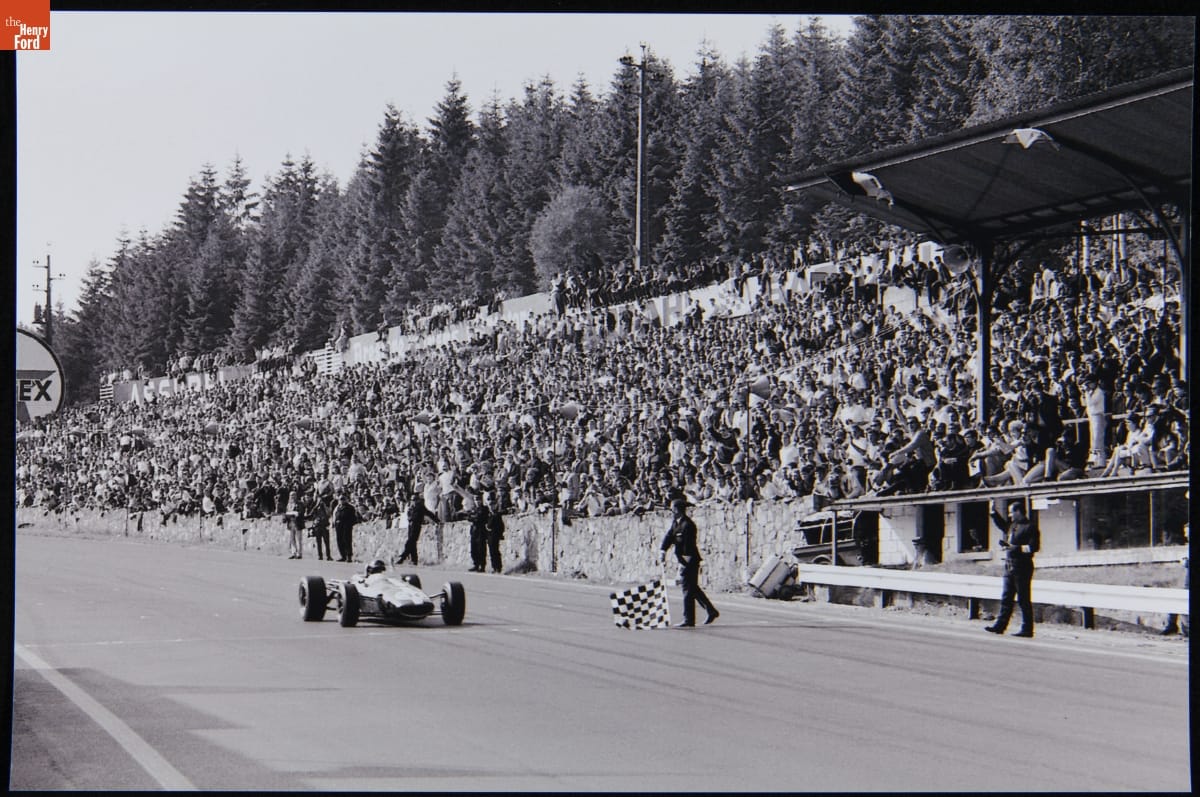
- Racing Driver Dan Gurney Crosses the Finish Line at the Belgian Grand Prix, 1967 - When Dan Gurney drove his #36 Eagle T1G to victory at the 1967 Belgian Grand Prix, he became the first American citizen to win a World Championship Formula One race in a car of his own construction. Gurney's car, powered by a 3.0-liter Gurney-Weslake V-12 engine, averaged 146 miles per hour during the event.
- 1967
- Collections - Artifact
Racing Driver Dan Gurney Crosses the Finish Line at the Belgian Grand Prix, 1967
When Dan Gurney drove his #36 Eagle T1G to victory at the 1967 Belgian Grand Prix, he became the first American citizen to win a World Championship Formula One race in a car of his own construction. Gurney's car, powered by a 3.0-liter Gurney-Weslake V-12 engine, averaged 146 miles per hour during the event.
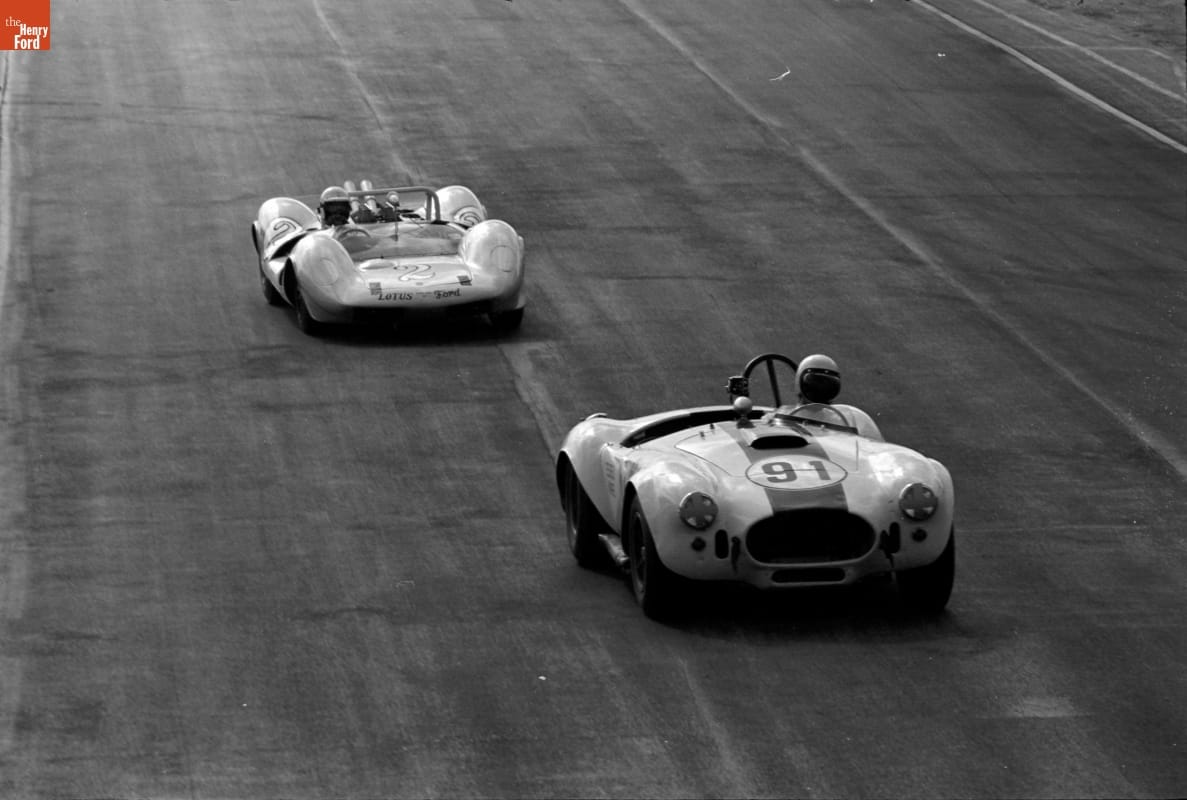
- Bahamas Speed Weeks, November - December, 1965 - Dave Friedman has captured and preserved auto racing history through his photography. His work -- and his collection of works by other photographers -- documents key races, vehicles, drivers, and teams. The 12th Annual Bahamas Speed Weeks ran from November 27 to December 5, 1965, and included several trophy races. Friedman's photographs record the fast-paced events at Nassau's Oakes Field Course and the relaxing atmosphere at nearby tropical settings.
- 28 November 1965 - 06 December 1965
- Collections - Artifact
Bahamas Speed Weeks, November - December, 1965
Dave Friedman has captured and preserved auto racing history through his photography. His work -- and his collection of works by other photographers -- documents key races, vehicles, drivers, and teams. The 12th Annual Bahamas Speed Weeks ran from November 27 to December 5, 1965, and included several trophy races. Friedman's photographs record the fast-paced events at Nassau's Oakes Field Course and the relaxing atmosphere at nearby tropical settings.