
Search
- Western Electric No. 2 Portable Sewing Machine, circa 1920 -
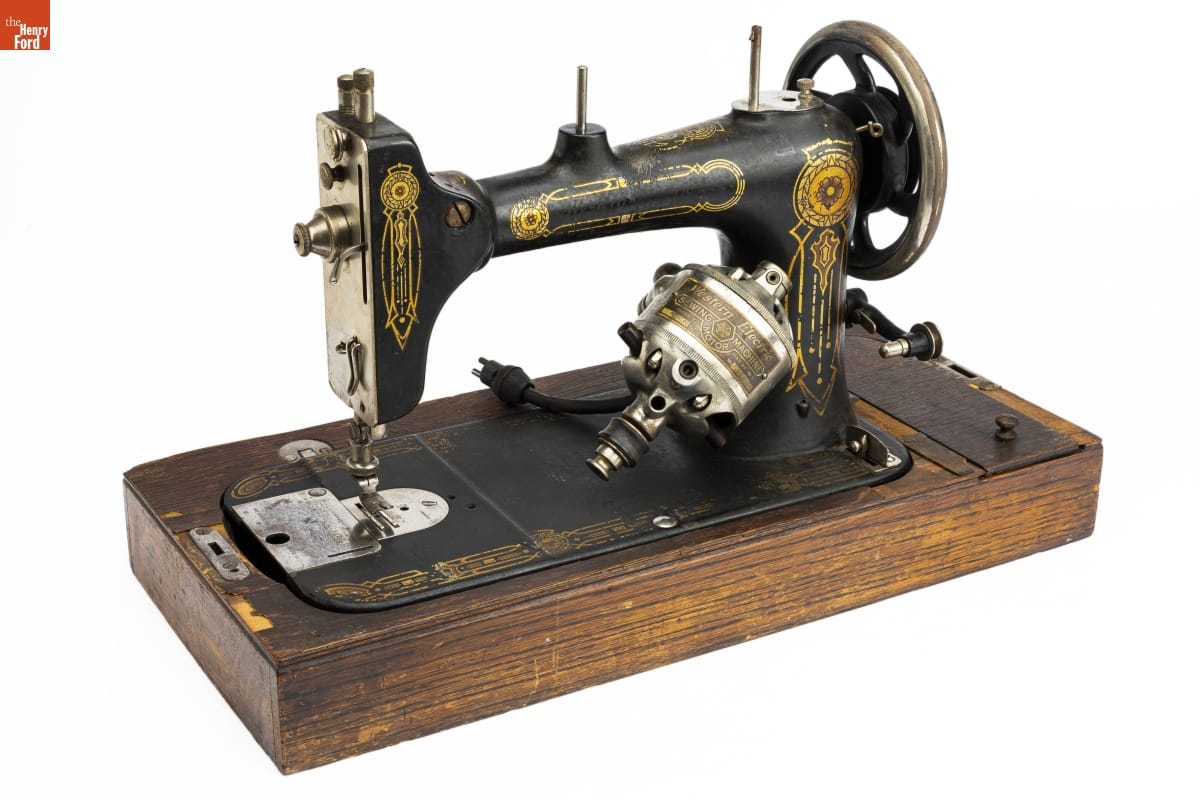
- circa 1920
- Collections - Artifact
Western Electric No. 2 Portable Sewing Machine, circa 1920
- Genius Rewarded, or the Story of the Sewing Machine, 1880 -
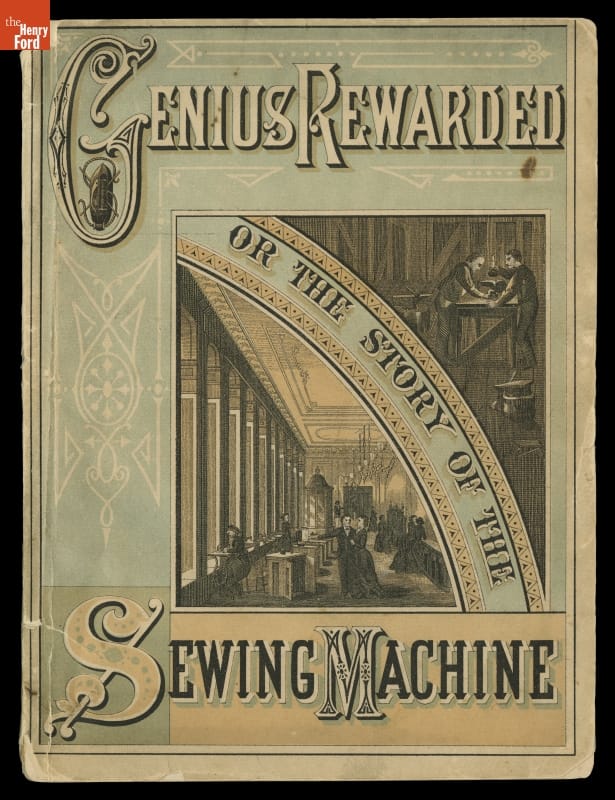
- 1880
- Collections - Artifact
Genius Rewarded, or the Story of the Sewing Machine, 1880
- Howe Sewing Machine, circa 1863 -
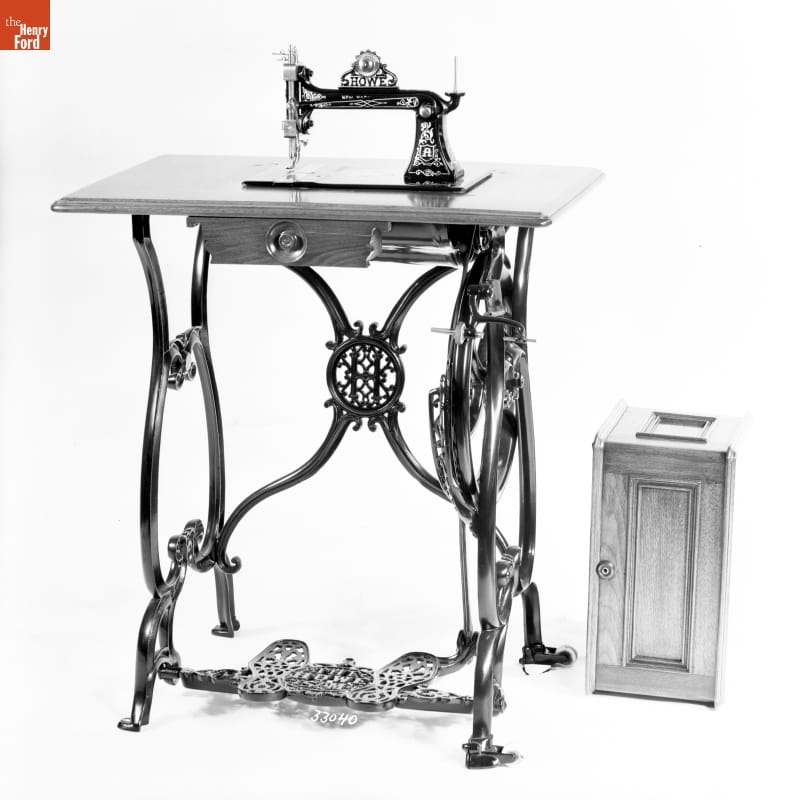
- circa 1863
- Collections - Artifact
Howe Sewing Machine, circa 1863
- C. & C. Electric Company Motor, 1890-1893 -
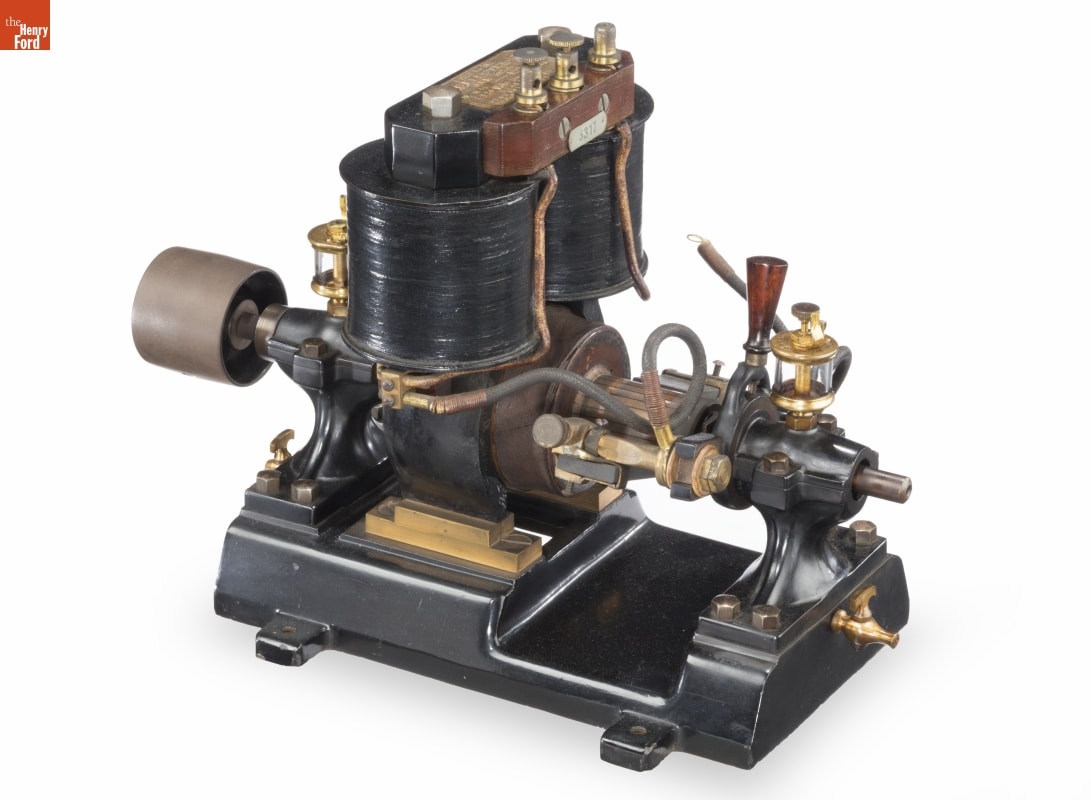
- 1890-1893
- Collections - Artifact
C. & C. Electric Company Motor, 1890-1893
- Trade Card for Wheeler & Wilson's New High-Arm Family Sewing Machine, the "No. 9," circa 1890 - As color printing gained momentum in the late 19th century, trade cards became a major means of advertising goods and services. Americans enjoyed and often saved the little advertisements found in product packages or distributed by local merchants. This trade card advertises products available from Wheeler & Wilson Manufacturing Company.
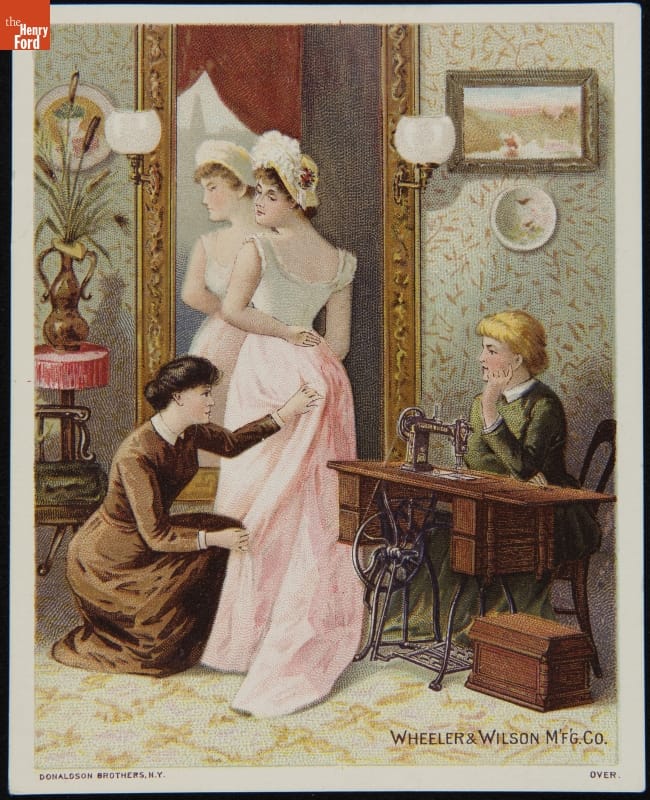
- circa 1890
- Collections - Artifact
Trade Card for Wheeler & Wilson's New High-Arm Family Sewing Machine, the "No. 9," circa 1890
As color printing gained momentum in the late 19th century, trade cards became a major means of advertising goods and services. Americans enjoyed and often saved the little advertisements found in product packages or distributed by local merchants. This trade card advertises products available from Wheeler & Wilson Manufacturing Company.
- J.W. Hepworth & Co. Sewing Machine, circa 1903 -
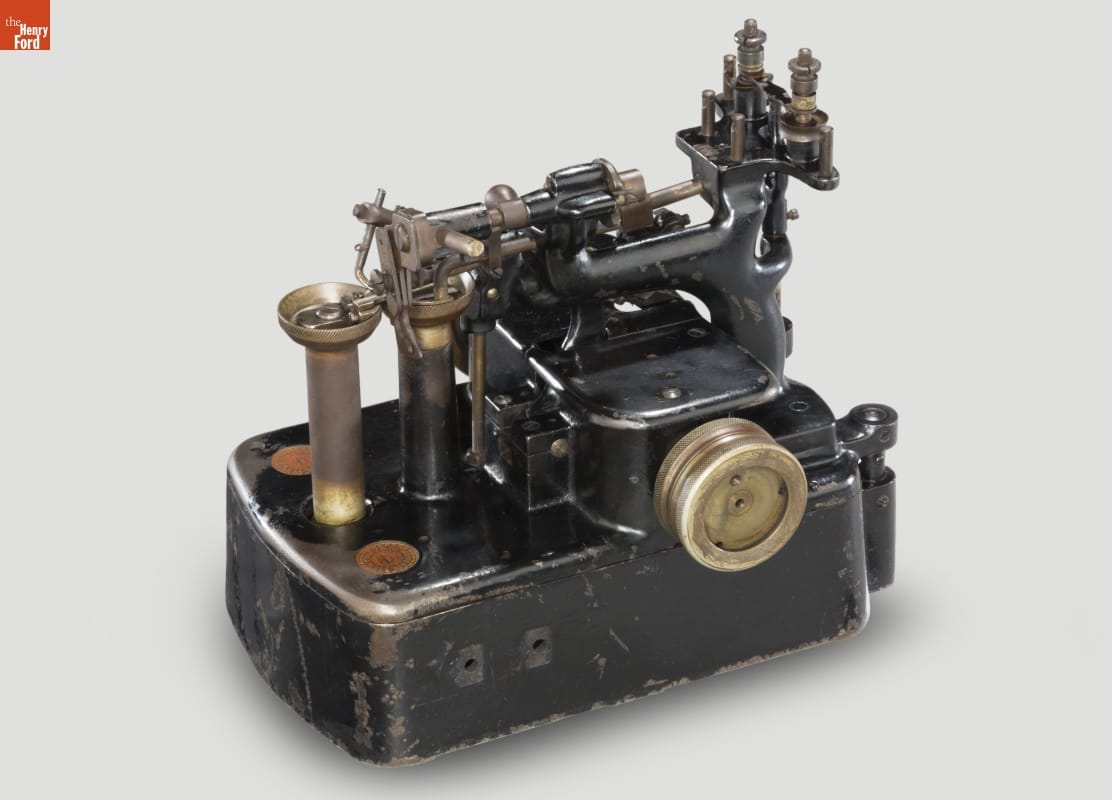
- circa 1903
- Collections - Artifact
J.W. Hepworth & Co. Sewing Machine, circa 1903
- Diploma Awarded by the Vermont State Agricultural Society to Hosea B. Carter for an Improved Sewing Machine Hemmer, 1868 -
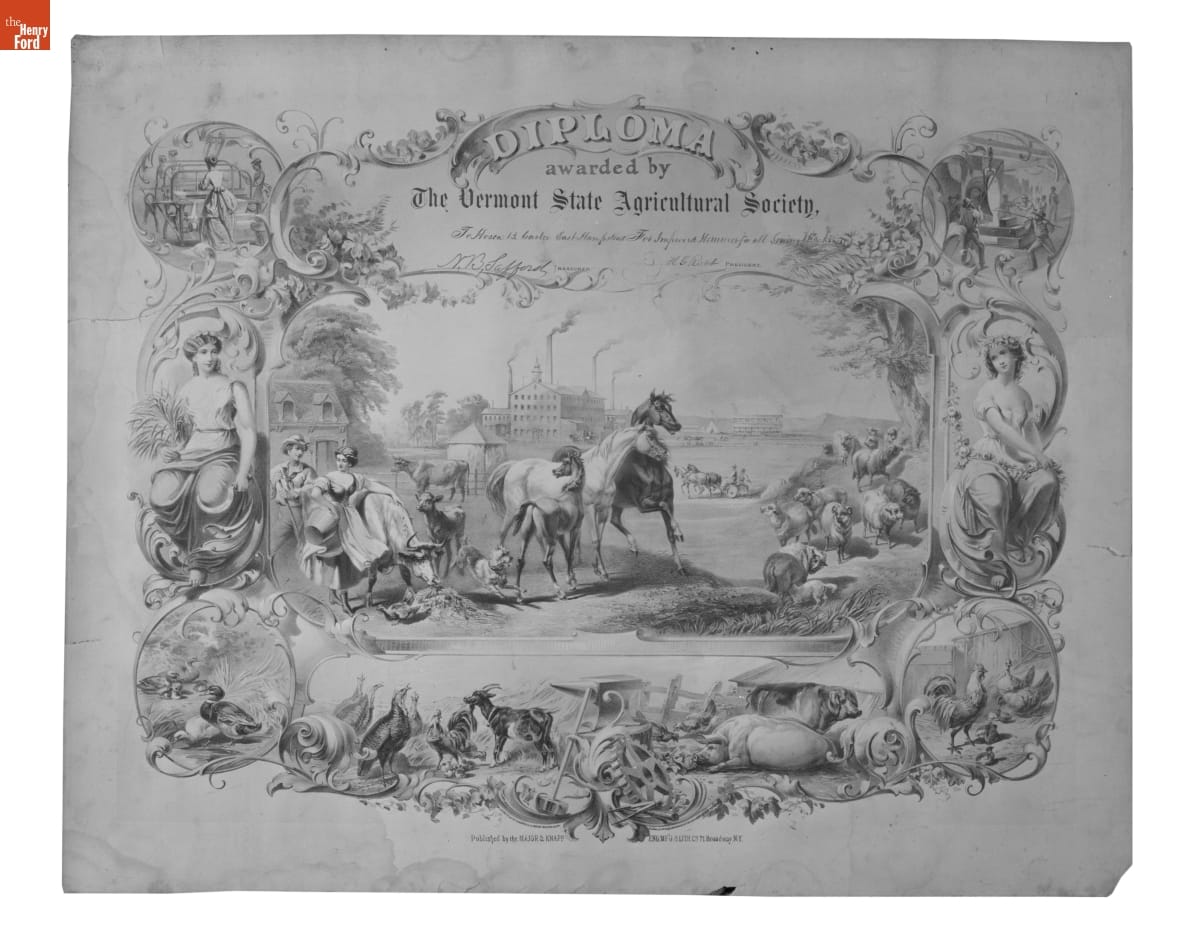
- 1868
- Collections - Artifact
Diploma Awarded by the Vermont State Agricultural Society to Hosea B. Carter for an Improved Sewing Machine Hemmer, 1868
- Women Workers in a Shoe Factory, Boston, Massachusetts, circa 1903 - In 1800, shoemaking was a craft known to few. Throughout the century, inventors patented industrial machines to perform much of that manual labor. By 1900, shops of laborers produced more shoes faster and cheaper than ever before. Here, women pose at factory sewing machines that helped make quick work of stitching tough shoe leather.
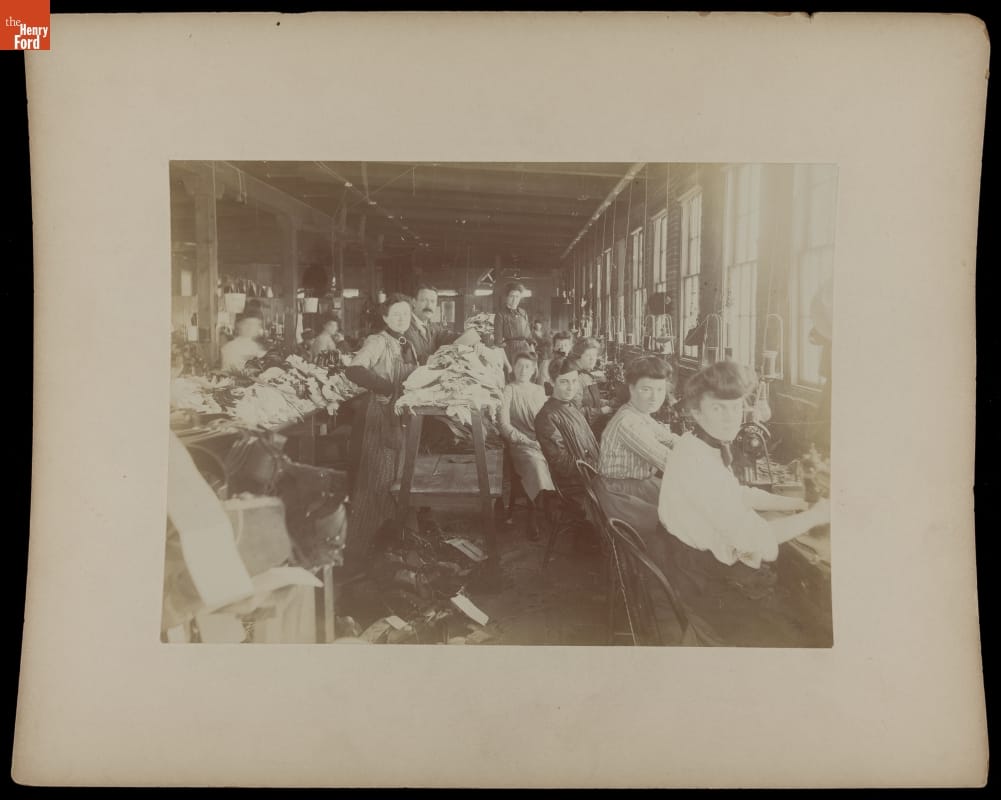
- circa 1903
- Collections - Artifact
Women Workers in a Shoe Factory, Boston, Massachusetts, circa 1903
In 1800, shoemaking was a craft known to few. Throughout the century, inventors patented industrial machines to perform much of that manual labor. By 1900, shops of laborers produced more shoes faster and cheaper than ever before. Here, women pose at factory sewing machines that helped make quick work of stitching tough shoe leather.
- The Howe Machine Co. Instruction Book for the Howe Sewing Machine, Step Feed, 1871 -
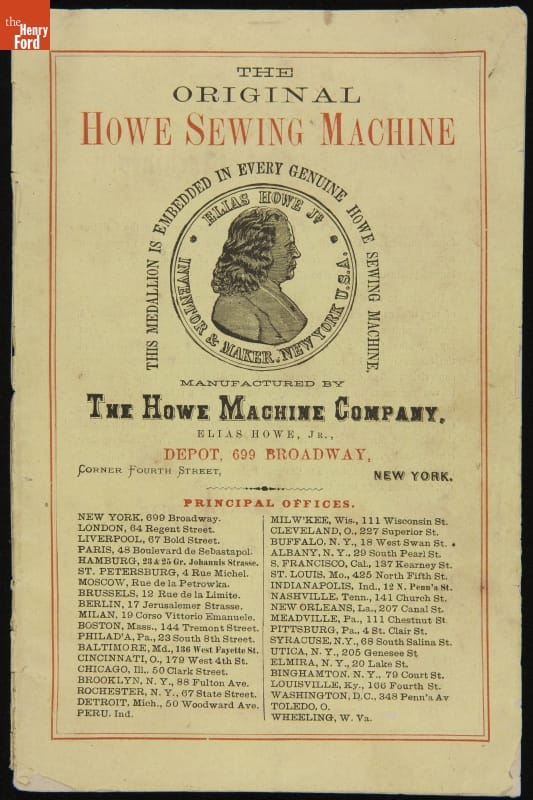
- 1871
- Collections - Artifact
The Howe Machine Co. Instruction Book for the Howe Sewing Machine, Step Feed, 1871
- "Instruction Book No. 8071, Sewing Machine Motor Ourfits," May 29, 1899 -
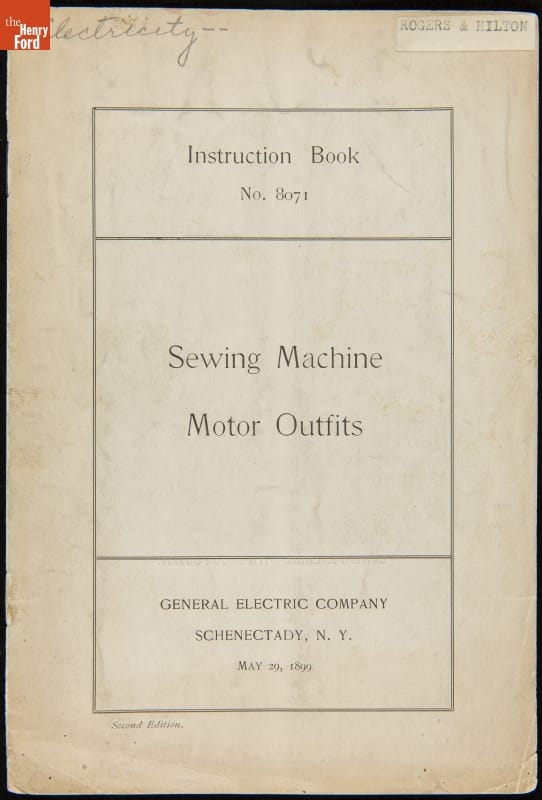
- May 20, 1899
- Collections - Artifact
"Instruction Book No. 8071, Sewing Machine Motor Ourfits," May 29, 1899