
Search
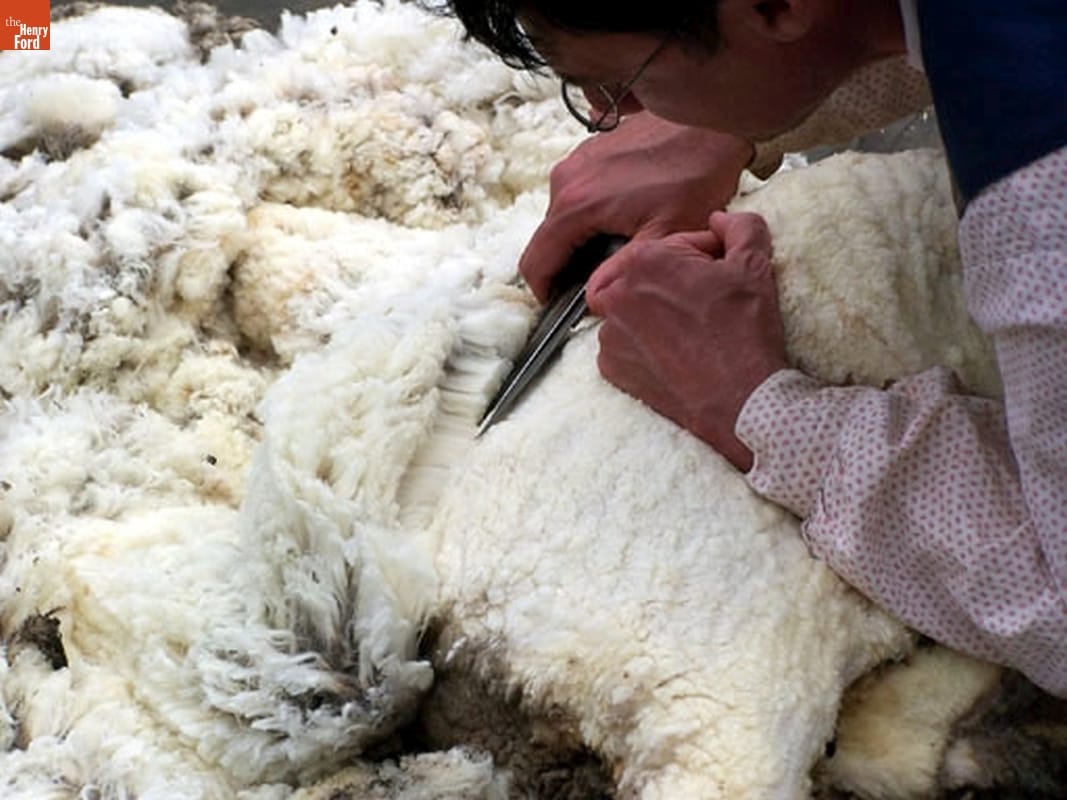
- Demonstrating Blade-Shearing of Merino Sheep in Greenfield Village, May 2005 - Heavy coats of fine wool made Merino sheep a popular breed among nineteenth-century wool producers. Every spring, shearers carefully navigated blade shears to remove each sheep's thick fleece -- a process that could take several hours. More than a century later, presenters demonstrate this labor-intensive blade-shearing process at Firestone Farm in Greenfield Village.
- May 01, 2005
- Collections - Artifact
Demonstrating Blade-Shearing of Merino Sheep in Greenfield Village, May 2005
Heavy coats of fine wool made Merino sheep a popular breed among nineteenth-century wool producers. Every spring, shearers carefully navigated blade shears to remove each sheep's thick fleece -- a process that could take several hours. More than a century later, presenters demonstrate this labor-intensive blade-shearing process at Firestone Farm in Greenfield Village.
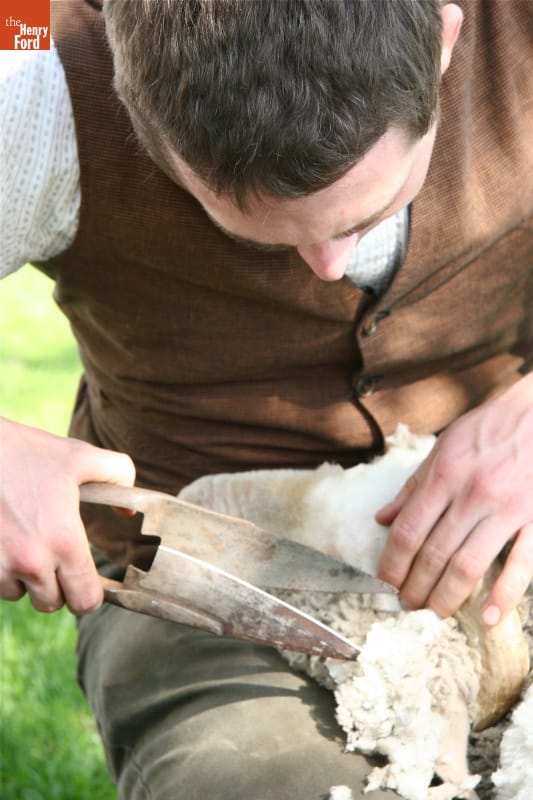
- Demonstrating Blade-Shearing of Merino Sheep in Greenfield Village, April 2010 - Heavy coats of fine wool made Merino sheep a popular breed among nineteenth-century wool producers. Every spring, shearers carefully navigated blade shears to remove each sheep's thick fleece -- a process that could take several hours. More than a century later, presenters demonstrate this labor-intensive blade-shearing process at Firestone Farm in Greenfield Village.
- April 29, 2010
- Collections - Artifact
Demonstrating Blade-Shearing of Merino Sheep in Greenfield Village, April 2010
Heavy coats of fine wool made Merino sheep a popular breed among nineteenth-century wool producers. Every spring, shearers carefully navigated blade shears to remove each sheep's thick fleece -- a process that could take several hours. More than a century later, presenters demonstrate this labor-intensive blade-shearing process at Firestone Farm in Greenfield Village.
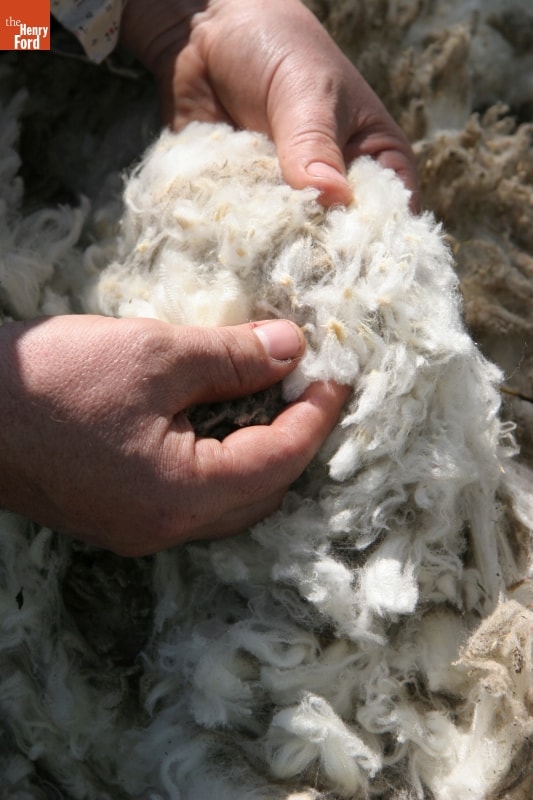
- Lanolin in Wool from Merino Sheep-Shearing, Greenfield Village, April 2010 - The skin of Merino sheep secretes an excess of lanolin. Clumps of this protective waxy substance often remain in the fleece after shearing. A warm, soapy wash of the fleece removes lanolin, along with dirt and matted wool, before raw wool is processed into yarn or fabric.
- April 30, 2010
- Collections - Artifact
Lanolin in Wool from Merino Sheep-Shearing, Greenfield Village, April 2010
The skin of Merino sheep secretes an excess of lanolin. Clumps of this protective waxy substance often remain in the fleece after shearing. A warm, soapy wash of the fleece removes lanolin, along with dirt and matted wool, before raw wool is processed into yarn or fabric.
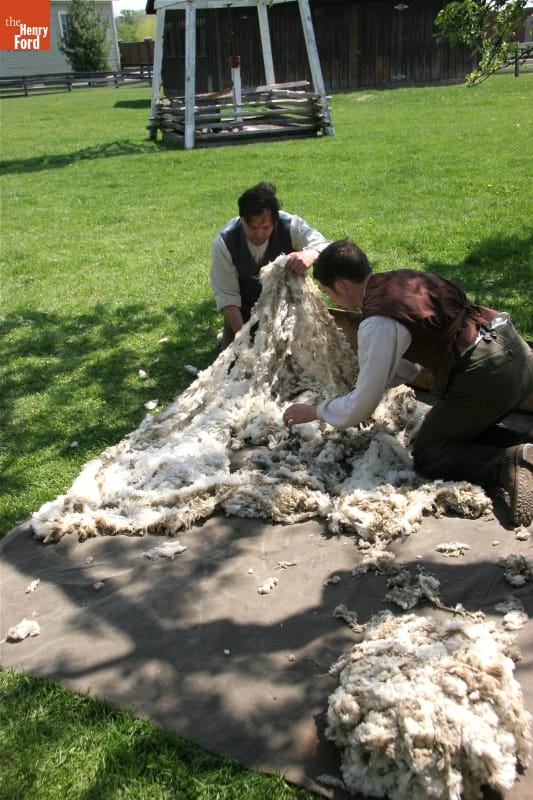
- Skirting the Wool Fleece from Merino Sheep-Shearing Demonstration, Greenfield Village, April 2010 - Heavy, yet fine fleeces made Merino sheep a popular breed among nineteenth-century wool producers. Every spring, after carefully navigating blade shears to cut away each sheep's thick fleece, farmers removed especially dirty or coarse sections of wool. This process, called skirting, helped maximize profit, as farmers and wool buyers negotiated a price per pound of wool based on fleece quality.
- April 30, 2010
- Collections - Artifact
Skirting the Wool Fleece from Merino Sheep-Shearing Demonstration, Greenfield Village, April 2010
Heavy, yet fine fleeces made Merino sheep a popular breed among nineteenth-century wool producers. Every spring, after carefully navigating blade shears to cut away each sheep's thick fleece, farmers removed especially dirty or coarse sections of wool. This process, called skirting, helped maximize profit, as farmers and wool buyers negotiated a price per pound of wool based on fleece quality.
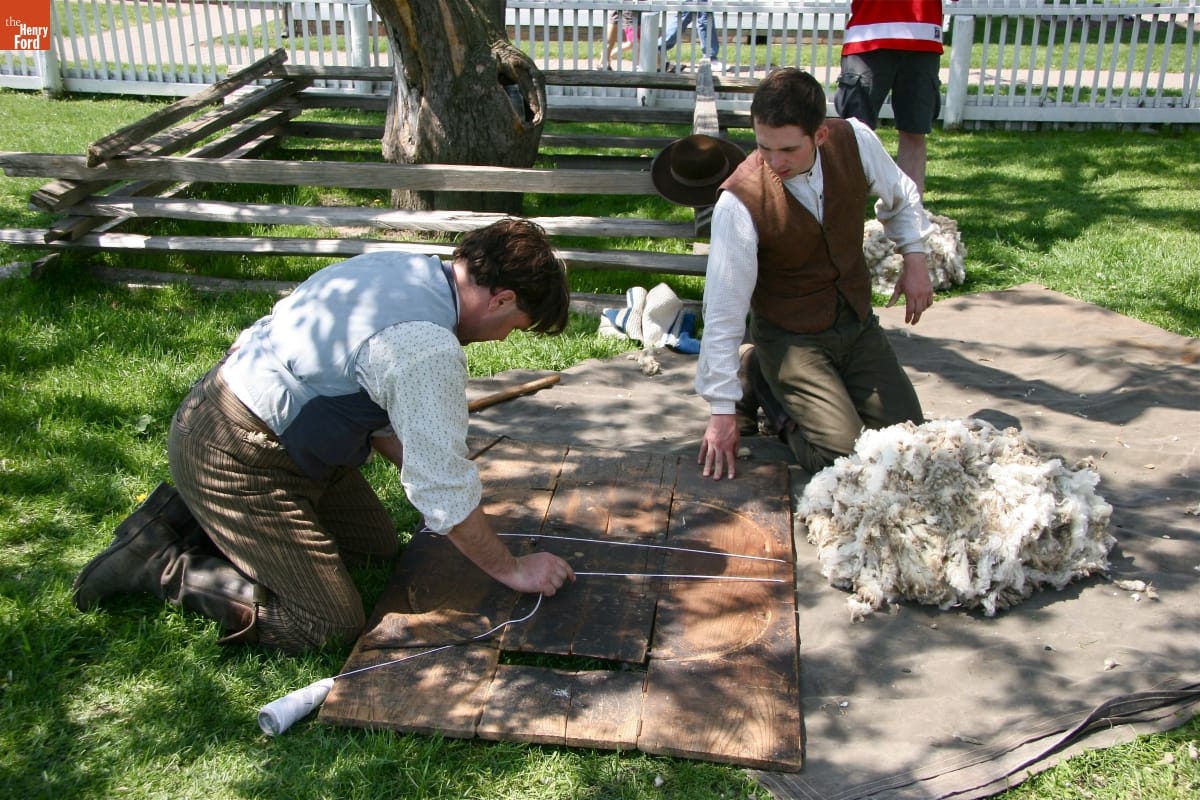
- Preparing the Wool Fleece for Weighing, Merino Sheep-Shearing Demonstration at Greenfield Village, April 2010 - Heavy coats of valuable wool made Merino sheep a popular breed among nineteenth-century wool producers. Every spring, shearers carefully navigated blade shears to remove each sheep's fleece by hand. Shearing as much usable wool as possible was key to maximizing profit, as farmers and wool buyers negotiated a price per pound of wool.
- April 30, 2010
- Collections - Artifact
Preparing the Wool Fleece for Weighing, Merino Sheep-Shearing Demonstration at Greenfield Village, April 2010
Heavy coats of valuable wool made Merino sheep a popular breed among nineteenth-century wool producers. Every spring, shearers carefully navigated blade shears to remove each sheep's fleece by hand. Shearing as much usable wool as possible was key to maximizing profit, as farmers and wool buyers negotiated a price per pound of wool.
- Hallmark "Niece" Christmas Ornament, 1987 - Already known for greeting cards, Hallmark introduced a line of Christmas ornaments in 1973. The company's annual release of an increasing array of ornaments revolutionized Christmas decorating, appealing to customers' interest in marking memories and milestones as well as expressing one's personality and unique tastes.

- 1987
- Collections - Artifact
Hallmark "Niece" Christmas Ornament, 1987
Already known for greeting cards, Hallmark introduced a line of Christmas ornaments in 1973. The company's annual release of an increasing array of ornaments revolutionized Christmas decorating, appealing to customers' interest in marking memories and milestones as well as expressing one's personality and unique tastes.
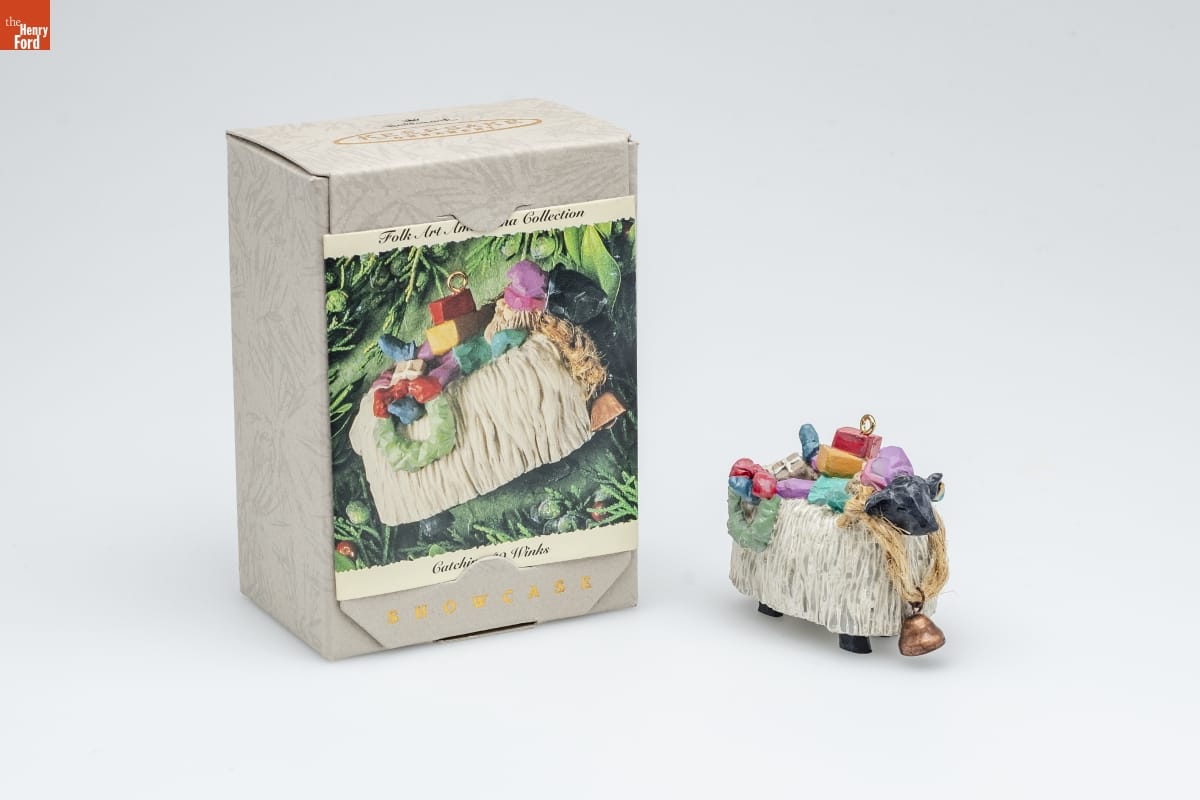
- Hallmark "Folk Art Americana Collection: Catching 40 Winks" Christmas Ornament, 1994 - Already known for greeting cards, Hallmark introduced a line of Christmas ornaments in 1973. The company's annual release of an increasing array of ornaments revolutionized Christmas decorating, appealing to customers' interest in marking memories and milestones as well as expressing one's personality and unique tastes.
- 1994
- Collections - Artifact
Hallmark "Folk Art Americana Collection: Catching 40 Winks" Christmas Ornament, 1994
Already known for greeting cards, Hallmark introduced a line of Christmas ornaments in 1973. The company's annual release of an increasing array of ornaments revolutionized Christmas decorating, appealing to customers' interest in marking memories and milestones as well as expressing one's personality and unique tastes.
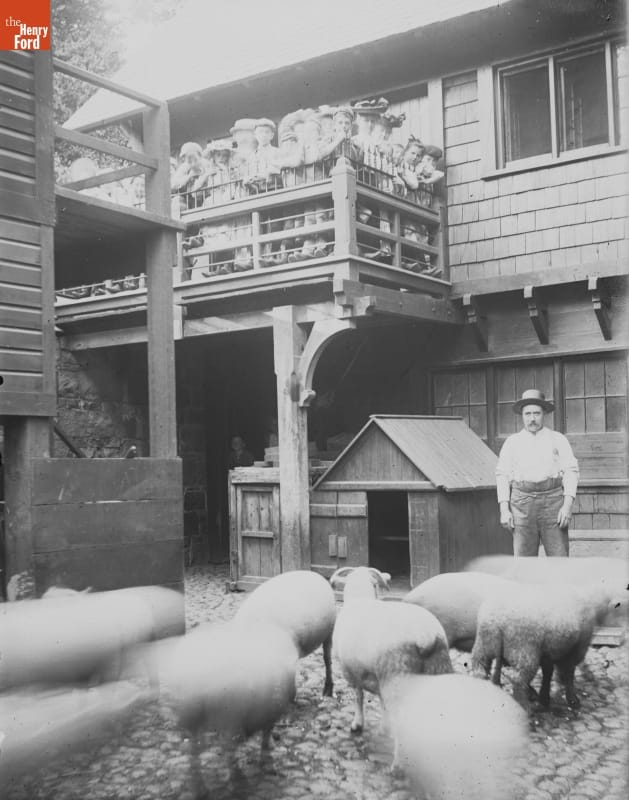
- Prospect Park, Children Watching Sheep, 1890-1915 - In 1890, Jenny Young Chandler, 25 years old and recently widowed, began working for the <EM>New York Herald</EM>. As a photojournalist and feature writer, Chandler captured life in Brooklyn, New York, and vicinity. By 1922, the time of her death, she had produced over 800 glass plate negatives. Her sensitive, insightful photographs depict people from all walks of life and the world in which they lived.
- 1890-1915
- Collections - Artifact
Prospect Park, Children Watching Sheep, 1890-1915
In 1890, Jenny Young Chandler, 25 years old and recently widowed, began working for the New York Herald. As a photojournalist and feature writer, Chandler captured life in Brooklyn, New York, and vicinity. By 1922, the time of her death, she had produced over 800 glass plate negatives. Her sensitive, insightful photographs depict people from all walks of life and the world in which they lived.
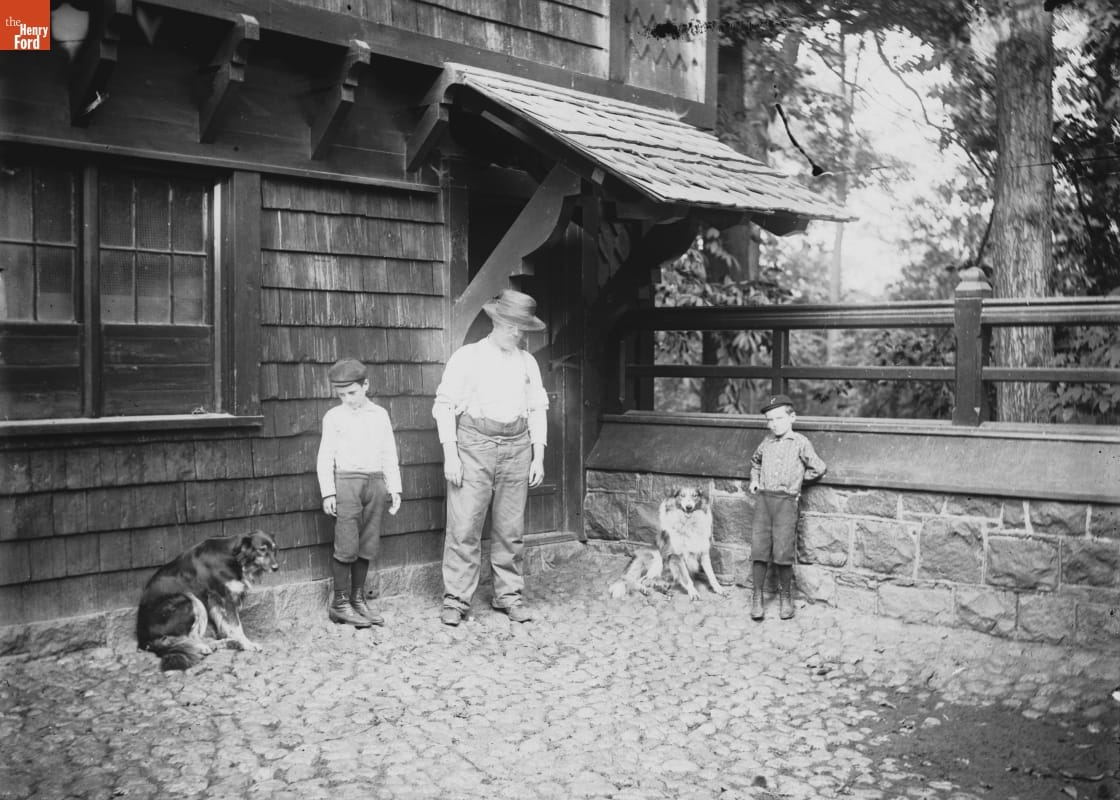
- Prospect Park, Guardians of the Sheep, 1890-1915 - In 1890, Jenny Young Chandler, 25 years old and recently widowed, began working for the <EM>New York Herald</EM>. As a photojournalist and feature writer, Chandler captured life in Brooklyn, New York, and vicinity. By 1922, the time of her death, she had produced over 800 glass plate negatives. Her sensitive, insightful photographs depict people from all walks of life and the world in which they lived.
- 1890-1915
- Collections - Artifact
Prospect Park, Guardians of the Sheep, 1890-1915
In 1890, Jenny Young Chandler, 25 years old and recently widowed, began working for the New York Herald. As a photojournalist and feature writer, Chandler captured life in Brooklyn, New York, and vicinity. By 1922, the time of her death, she had produced over 800 glass plate negatives. Her sensitive, insightful photographs depict people from all walks of life and the world in which they lived.
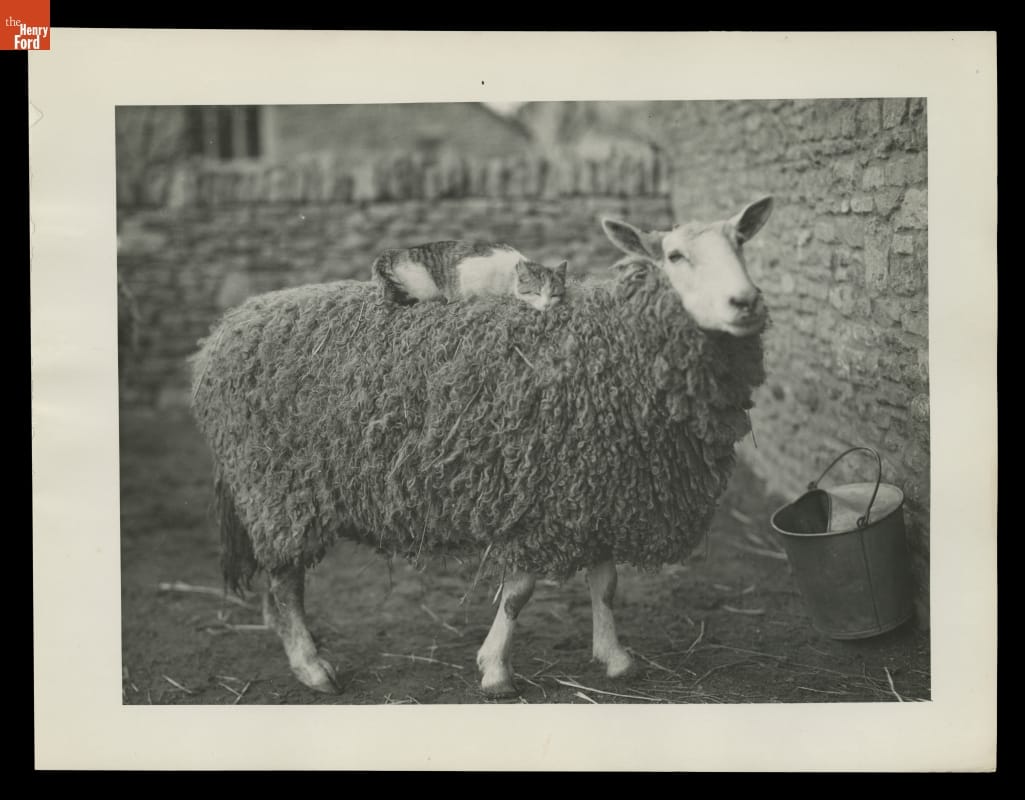
- Cat Riding a Sheep at Cotswold Cottage in Greenfield Village, 1932 -
- February 18, 1932
- Collections - Artifact
Cat Riding a Sheep at Cotswold Cottage in Greenfield Village, 1932