
Search
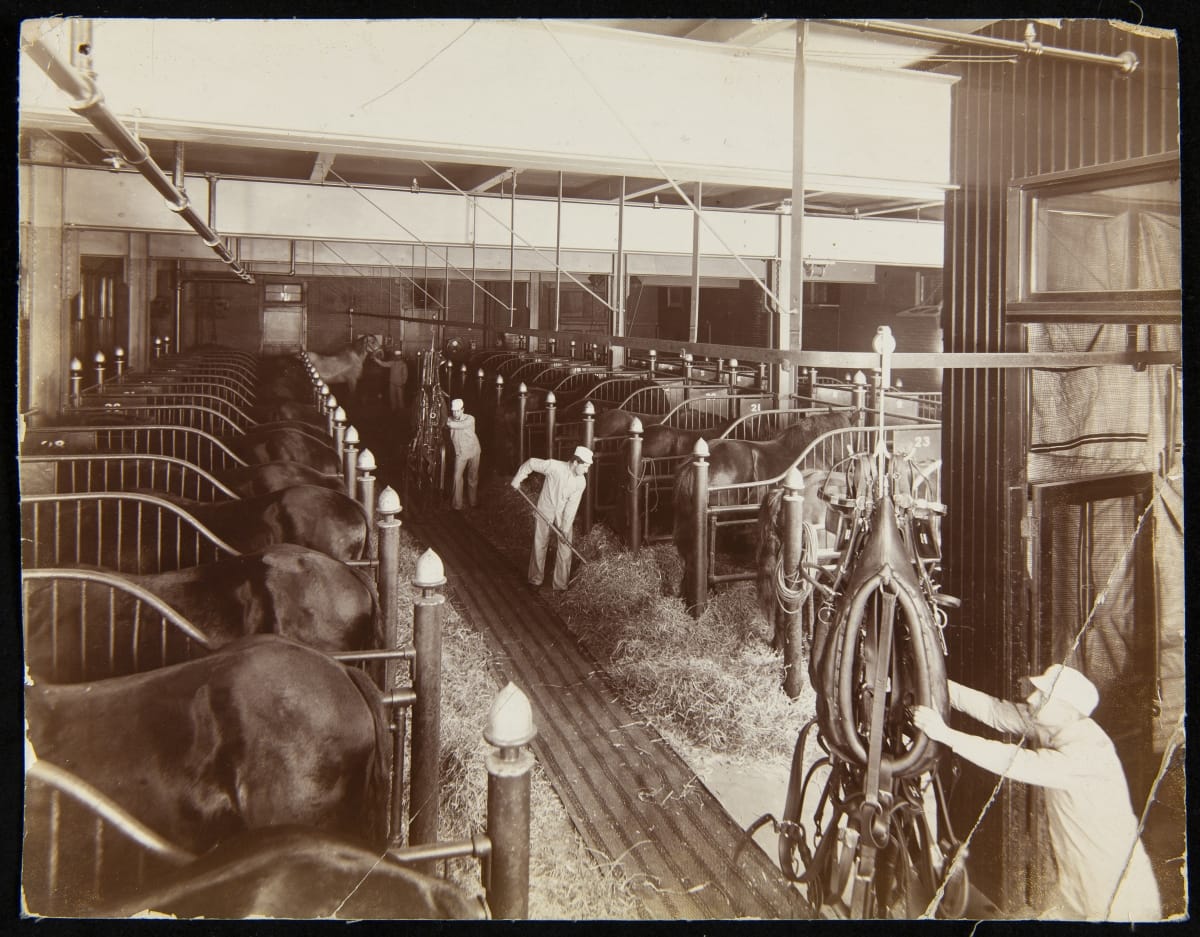
- Second Floor of H. J. Heinz Company Stables, Pittsburgh, Pennsylvania, circa 1910 - The H.J. Heinz Company spared no expense when caring for its Percheron horses. The processed food manufacturer stabled horses on the second floor of a three-story "equine palace" in Pittsburgh. Grooms spread high-quality bedding, as this photograph shows, to help keep their charges clean between shifts hitched to Heinz delivery wagons.
- circa 1910
- Collections - Artifact
Second Floor of H. J. Heinz Company Stables, Pittsburgh, Pennsylvania, circa 1910
The H.J. Heinz Company spared no expense when caring for its Percheron horses. The processed food manufacturer stabled horses on the second floor of a three-story "equine palace" in Pittsburgh. Grooms spread high-quality bedding, as this photograph shows, to help keep their charges clean between shifts hitched to Heinz delivery wagons.
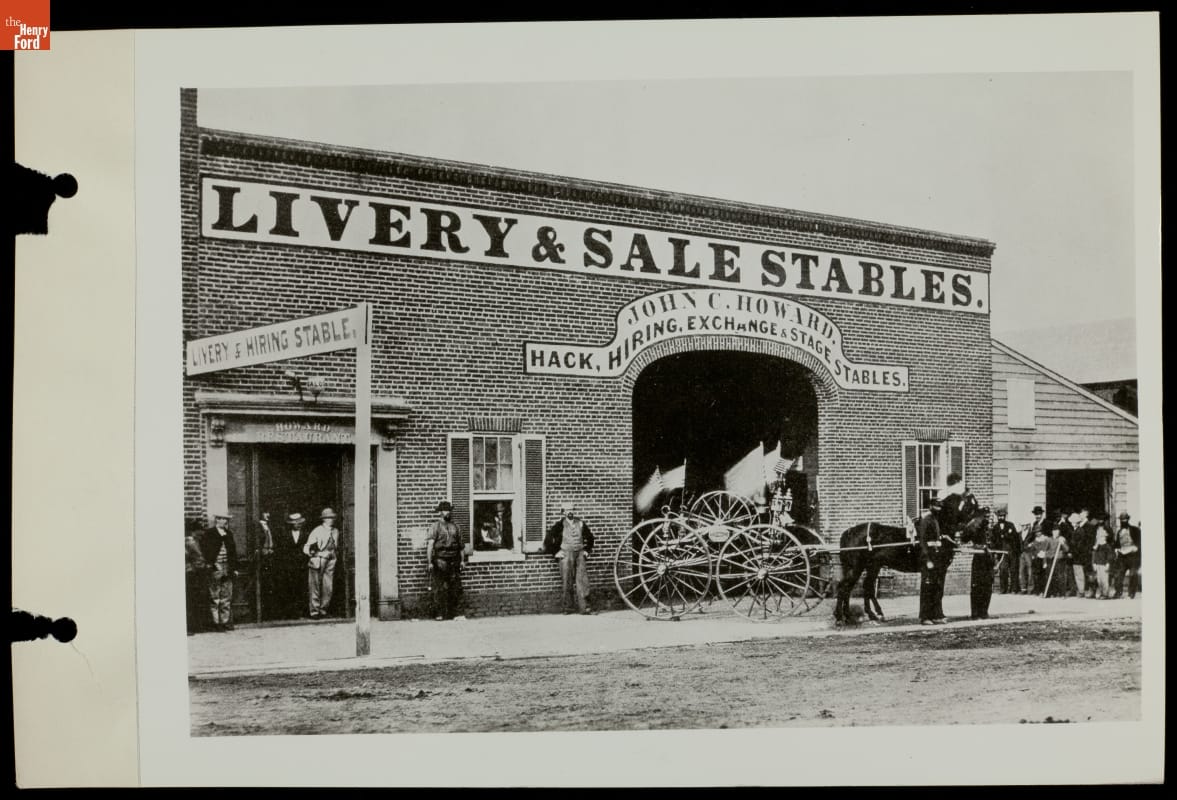
- John C. Howard Livery & Sale Stables, Washington, D.C., April 1865 - The horse was central to most forms of urban travel in the United States during the 1800s. This substantial fire-resistant brick building lodged many horses needed for carriages, coaches, and firefighting vehicles in Washington, D.C. This stable became infamous during the investigation into President Abraham Lincoln's assassination because confederate spy and conspirator, John H. Surratt, boarded his horses here.
- April 01, 1865
- Collections - Artifact
John C. Howard Livery & Sale Stables, Washington, D.C., April 1865
The horse was central to most forms of urban travel in the United States during the 1800s. This substantial fire-resistant brick building lodged many horses needed for carriages, coaches, and firefighting vehicles in Washington, D.C. This stable became infamous during the investigation into President Abraham Lincoln's assassination because confederate spy and conspirator, John H. Surratt, boarded his horses here.
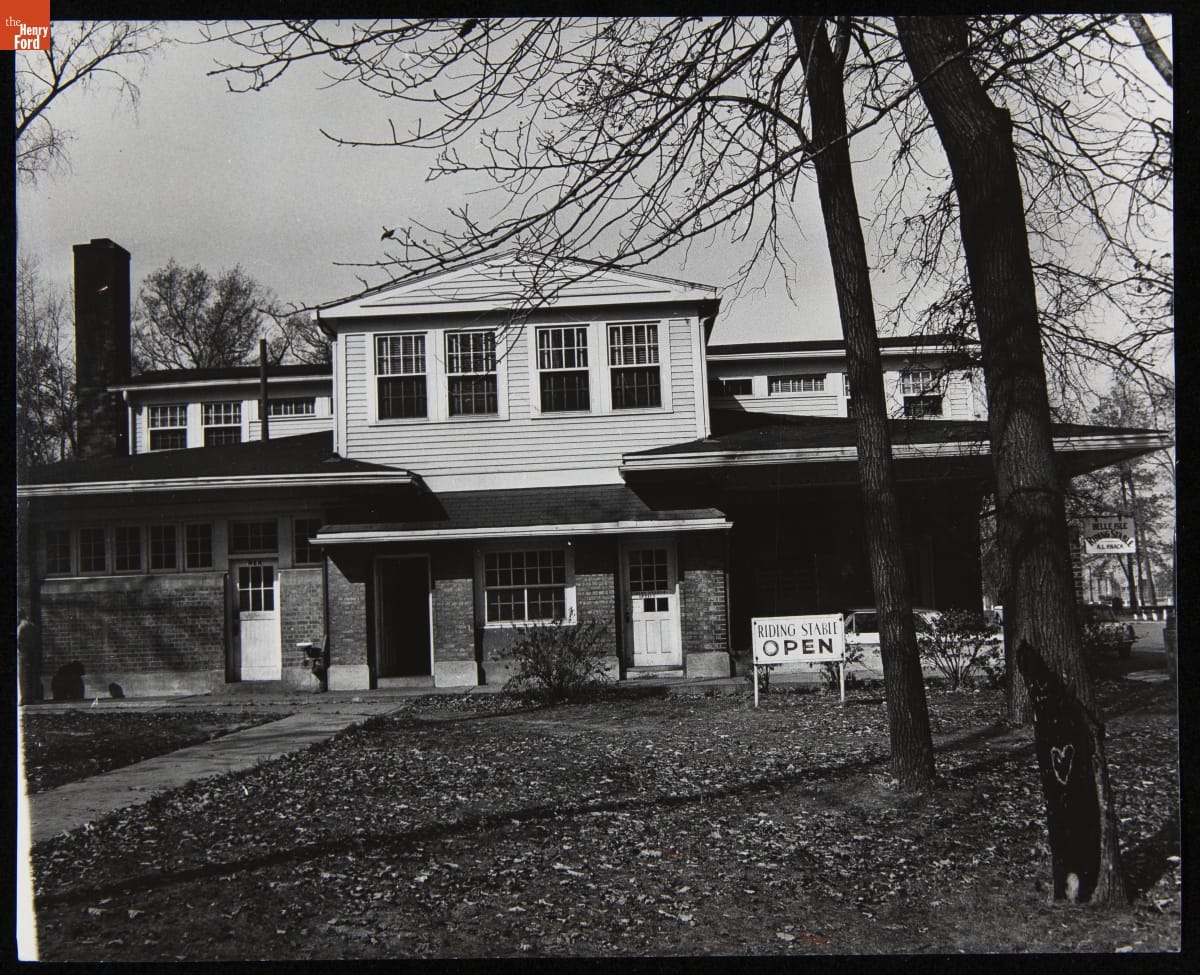
- Riding Stable at the Eastern End of Belle Isle, Detroit, Michigan, October 27, 1963 -
- October 27, 1963
- Collections - Artifact
Riding Stable at the Eastern End of Belle Isle, Detroit, Michigan, October 27, 1963
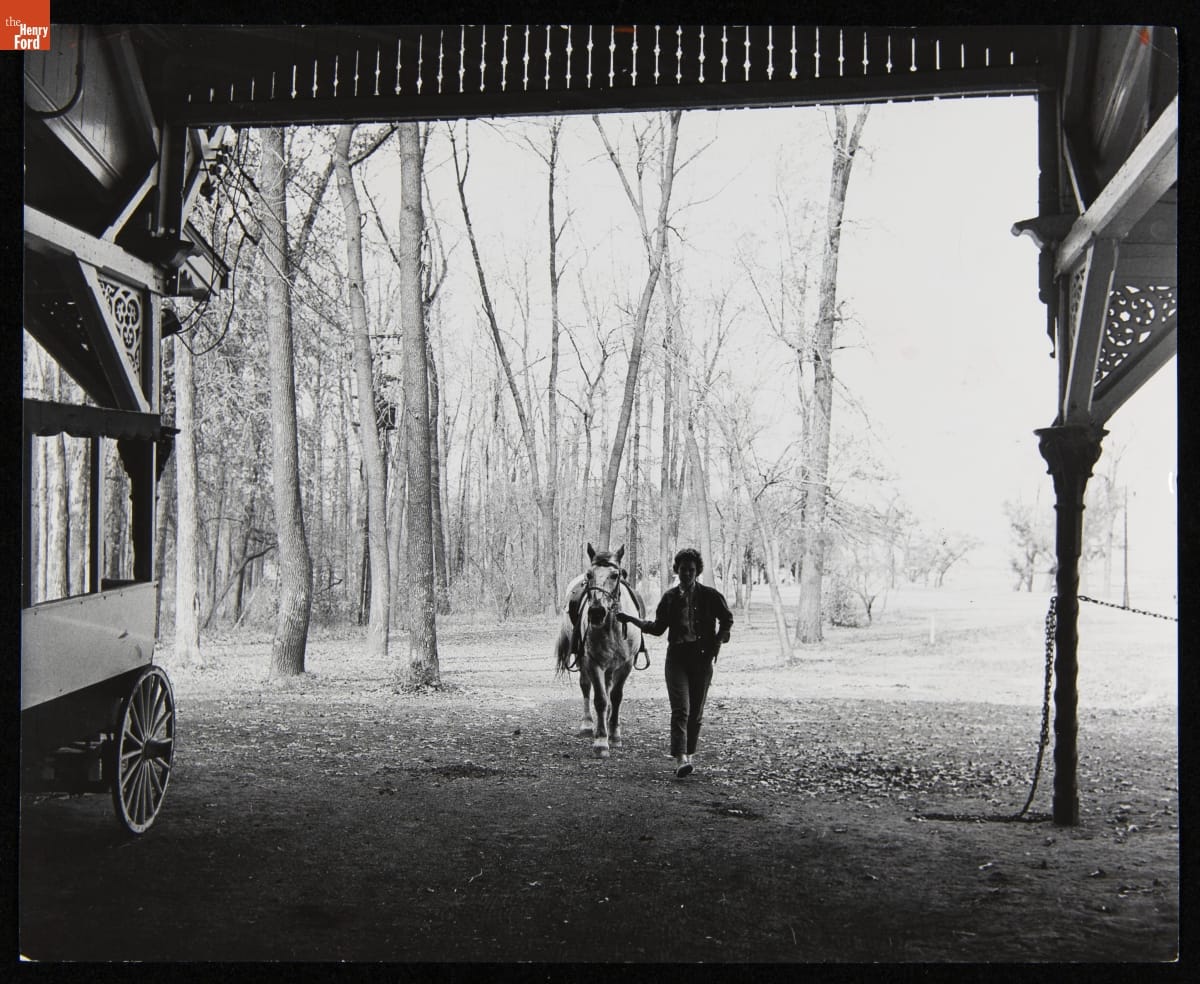
- Judy Kale Returns a Horse to the Riding Stable on Belle Isle, Detroit, Michigan, October 27, 1963 -
- October 27, 1963
- Collections - Artifact
Judy Kale Returns a Horse to the Riding Stable on Belle Isle, Detroit, Michigan, October 27, 1963
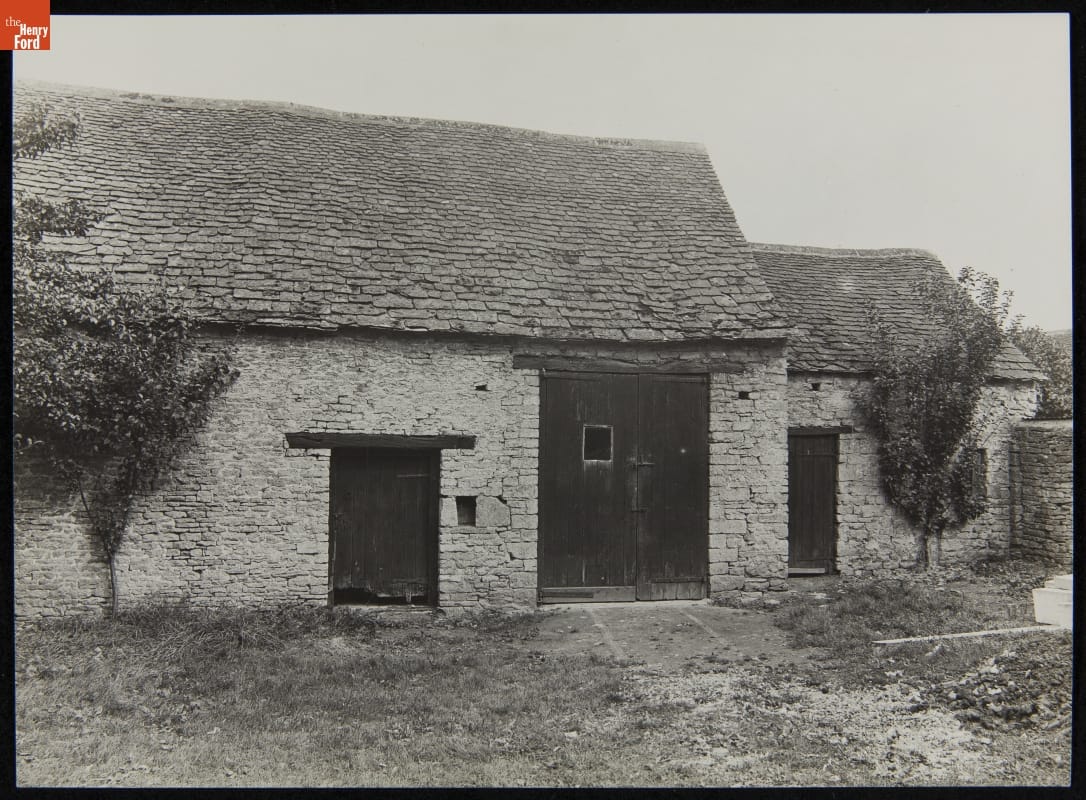
- Cotswold Stable at its Original Site, Chedworth, Gloucestershire, England, 1929-1930 -
- 1929-1930
- Collections - Artifact
Cotswold Stable at its Original Site, Chedworth, Gloucestershire, England, 1929-1930
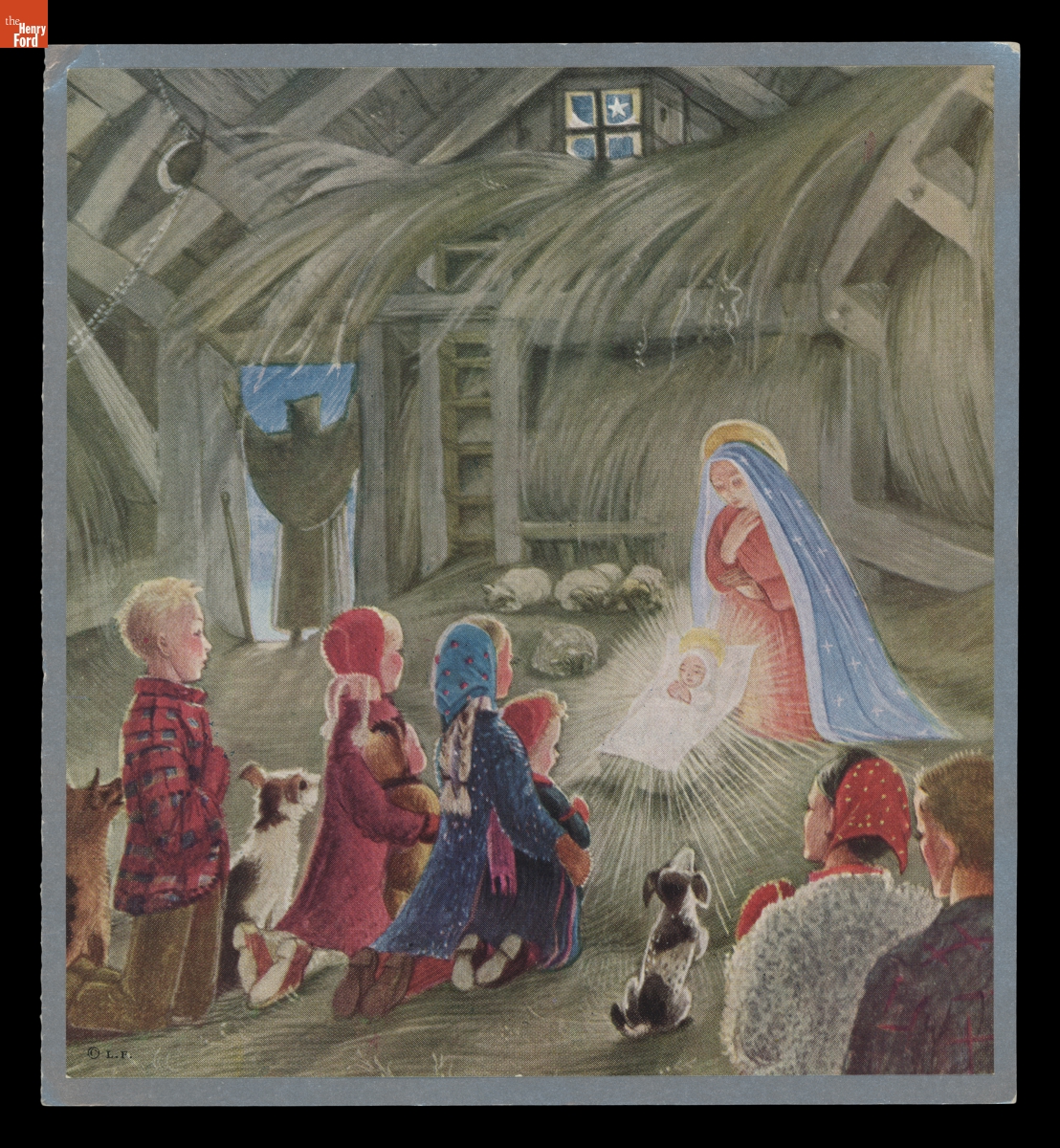
- Christmas Card, "Adoration," Artwork by Lauren Ford, 1951 - The American Artists Group was founded in 1934 to bring contemporary art into American homes at affordable prices and help artists earn a living during the Depression. The organization quickly turned to publishing Christmas cards, which remains the focus of its activities. More than 400 artists, like noted religious painter Lauren Ford, have supplied artwork for these holiday greetings.
- 1951
- Collections - Artifact
Christmas Card, "Adoration," Artwork by Lauren Ford, 1951
The American Artists Group was founded in 1934 to bring contemporary art into American homes at affordable prices and help artists earn a living during the Depression. The organization quickly turned to publishing Christmas cards, which remains the focus of its activities. More than 400 artists, like noted religious painter Lauren Ford, have supplied artwork for these holiday greetings.
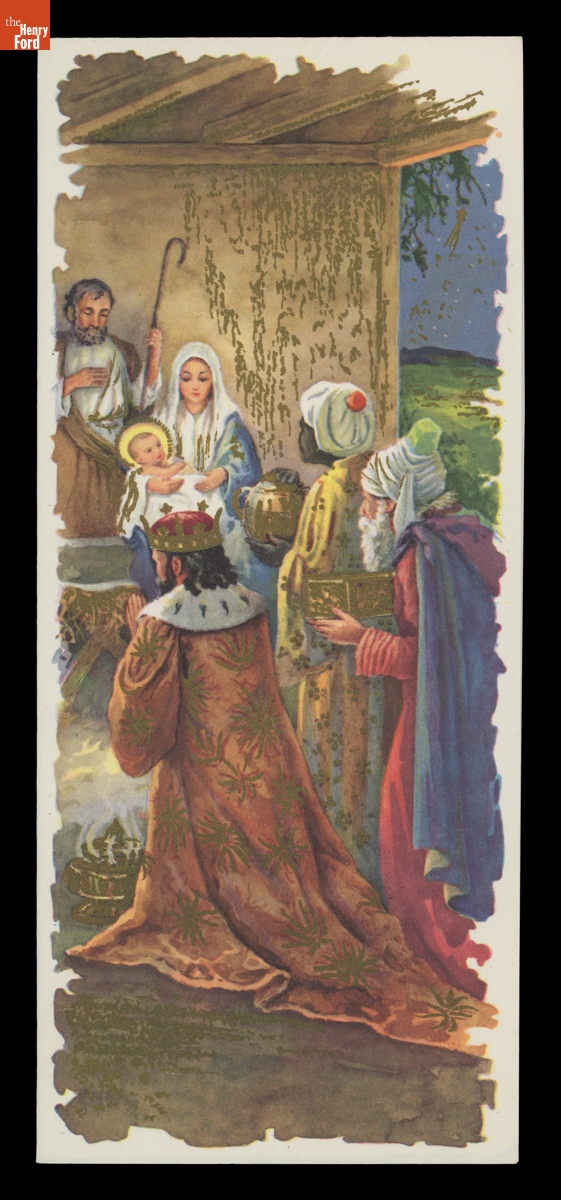
- Christmas Card Featuring the "Adoration of the Magi," 1956 - Christians often send Christmas cards that incorporate religious themes to celebrate the birth of Jesus. Imagery may allude to biblical stories of the Nativity, the Madonna and Child, the three kings or wise men, or the adoration of the shepherds. Texts may quote scriptures or verses from Christmas hymns or carols; other passages may be generic, wishing peace and goodwill to the recipient.
- 1956
- Collections - Artifact
Christmas Card Featuring the "Adoration of the Magi," 1956
Christians often send Christmas cards that incorporate religious themes to celebrate the birth of Jesus. Imagery may allude to biblical stories of the Nativity, the Madonna and Child, the three kings or wise men, or the adoration of the shepherds. Texts may quote scriptures or verses from Christmas hymns or carols; other passages may be generic, wishing peace and goodwill to the recipient.
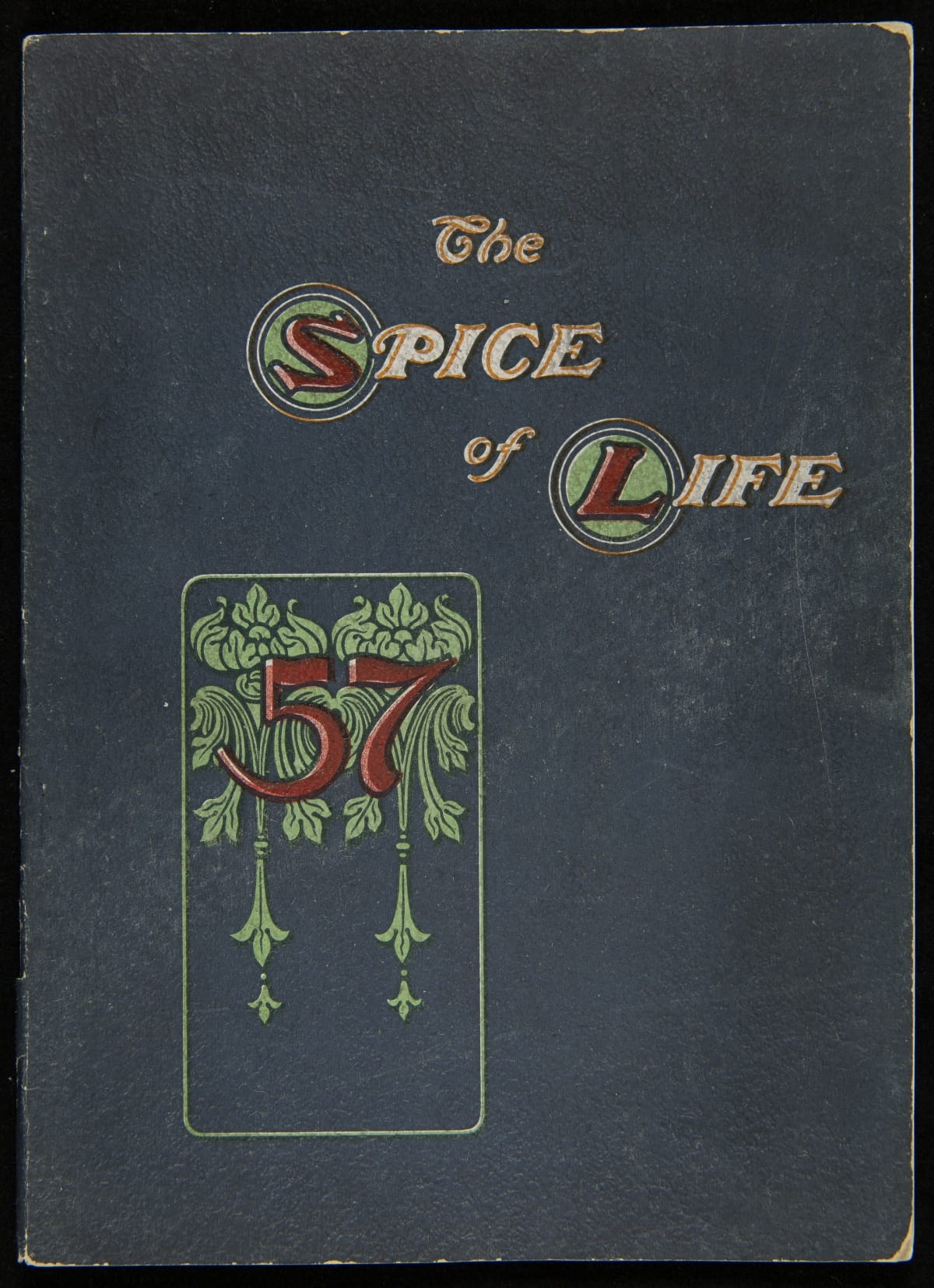
- "57: The Spice of Life," H. J. Heinz Company, Pittsburgh, Pennsylvania, 1901 - The H.J. Heinz Company took pride in proving that its products were created in a pure, clean, and wholesome way. In addition to opening the factory for public tours, the company also produced publications to show readers what the factory was like. This booklet provides readers with photographs of the employees and the buildings, along with descriptions of the manufacturing process.
- 1901
- Collections - Artifact
"57: The Spice of Life," H. J. Heinz Company, Pittsburgh, Pennsylvania, 1901
The H.J. Heinz Company took pride in proving that its products were created in a pure, clean, and wholesome way. In addition to opening the factory for public tours, the company also produced publications to show readers what the factory was like. This booklet provides readers with photographs of the employees and the buildings, along with descriptions of the manufacturing process.
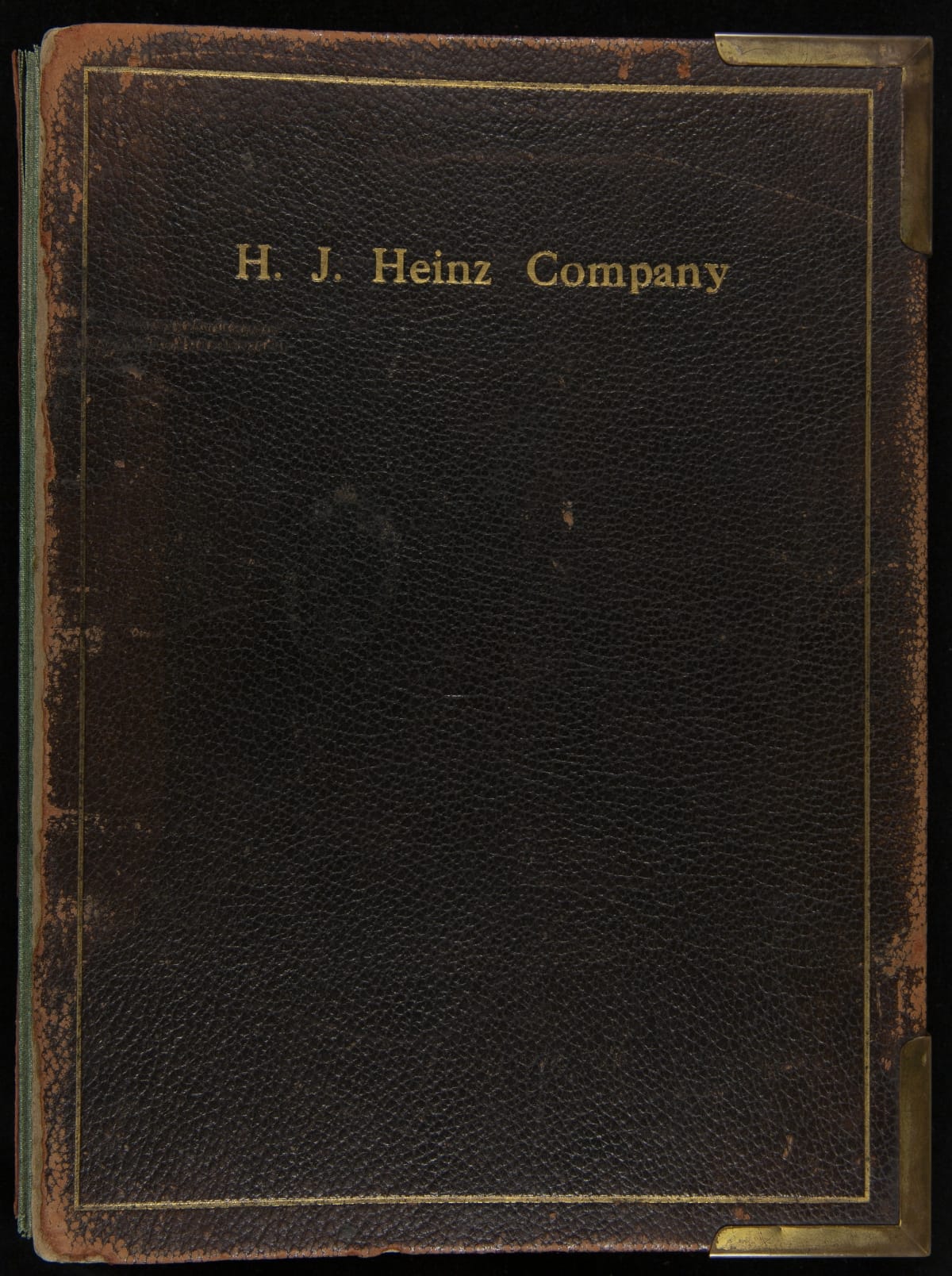
- Sales Catalog of the H. J. Heinz Company and Products, Pittsburgh, Pennsylvania, circa 1910 - With humble beginnings exclusively selling horseradish in 1869, H.J. Heinz continued to expand his product line to build the "House of Heinz" and become a leader in the manufactured food industry. This sales catalog highlights the manufacturing process and provides photographs of the factories, branch houses, and employees. It also contains information and photographs of each of the "57 Varieties" of Heinz products.
- 1910
- Collections - Artifact
Sales Catalog of the H. J. Heinz Company and Products, Pittsburgh, Pennsylvania, circa 1910
With humble beginnings exclusively selling horseradish in 1869, H.J. Heinz continued to expand his product line to build the "House of Heinz" and become a leader in the manufactured food industry. This sales catalog highlights the manufacturing process and provides photographs of the factories, branch houses, and employees. It also contains information and photographs of each of the "57 Varieties" of Heinz products.
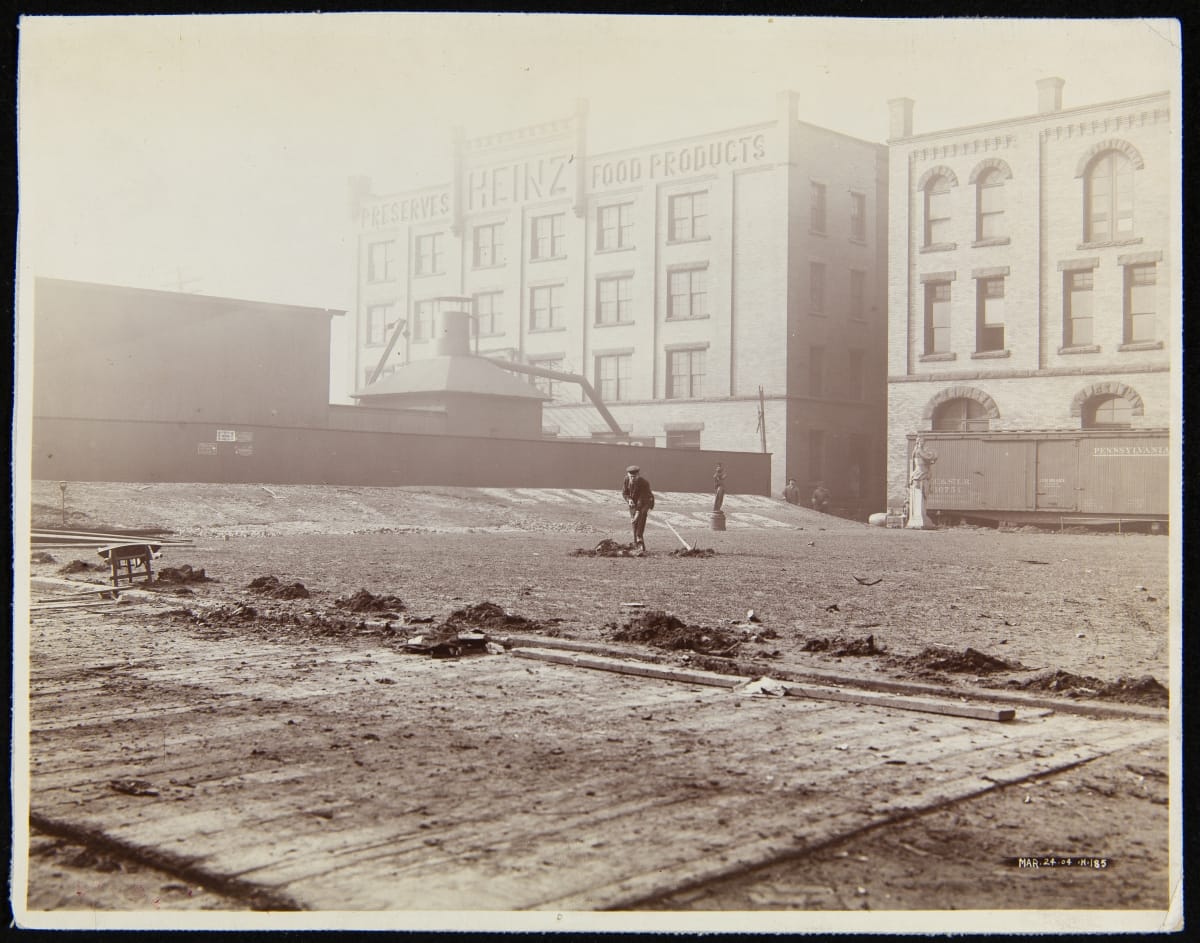
- Yard Area outside Stables and Preserves Building of Main Plant, H. J. Heinz Company, Pittsburgh, Pennsylvania, March 24, 1904 - The main plant of the H.J. Heinz Company was located in Pittsburgh, Pennsylvania, and consisted of many buildings and departments. The buildings in the background of this photograph are the Preserves Building (left) and the stables (right). The top-of-the-line stables -- sometimes referred to as "equine palaces" -- housed the company's horses, which were used for delivery and transportation.
- March 24, 1904
- Collections - Artifact
Yard Area outside Stables and Preserves Building of Main Plant, H. J. Heinz Company, Pittsburgh, Pennsylvania, March 24, 1904
The main plant of the H.J. Heinz Company was located in Pittsburgh, Pennsylvania, and consisted of many buildings and departments. The buildings in the background of this photograph are the Preserves Building (left) and the stables (right). The top-of-the-line stables -- sometimes referred to as "equine palaces" -- housed the company's horses, which were used for delivery and transportation.