
Search
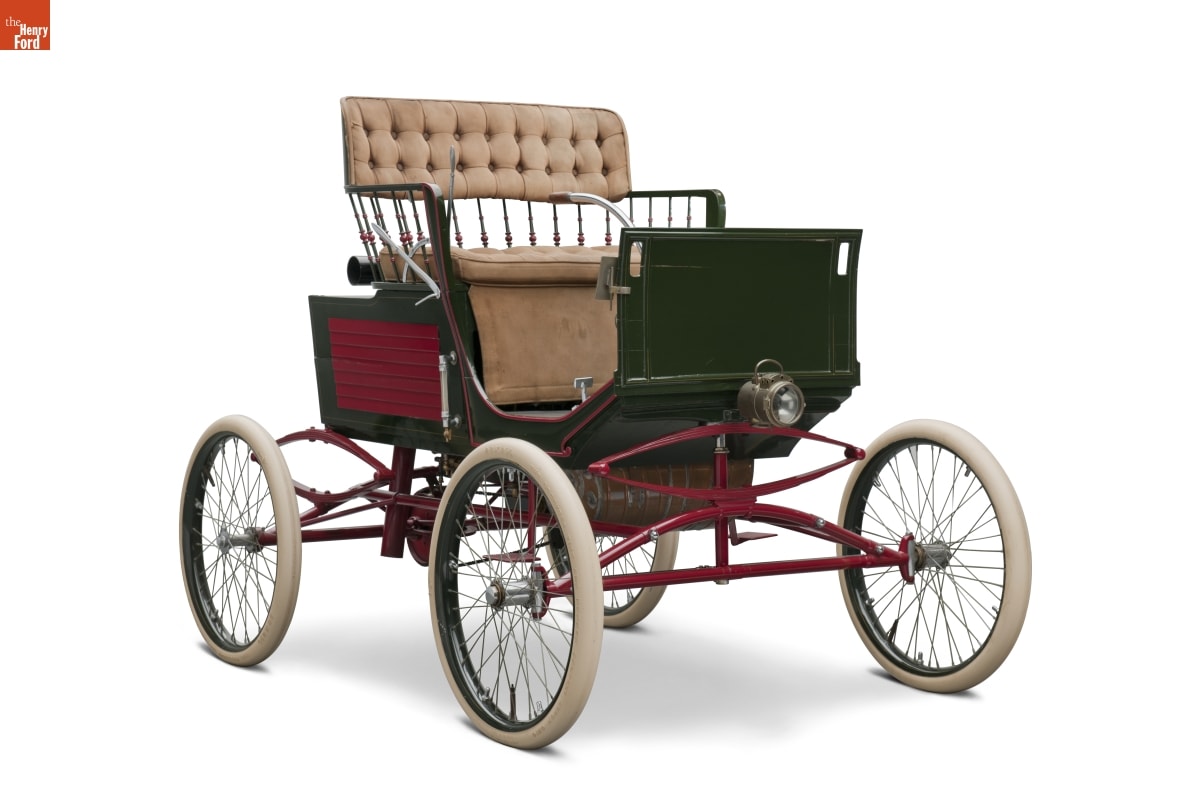
- 1899 Locomobile Runabout - This steam-powered runabout, by Locomobile, was built from designs by twin brothers F.E. and F.O. Stanley. These early vehicles were fast, cheap, and relatively uncomplicated. However, fuel needs, excessive water consumption, and other inherent problems dogged the lightweight steamer. In 1902 Locomobile began production of a gasoline internal combustion engine. The company phased out its steam-powered vehicles in 1904.
- 1899
- Collections - Artifact
1899 Locomobile Runabout
This steam-powered runabout, by Locomobile, was built from designs by twin brothers F.E. and F.O. Stanley. These early vehicles were fast, cheap, and relatively uncomplicated. However, fuel needs, excessive water consumption, and other inherent problems dogged the lightweight steamer. In 1902 Locomobile began production of a gasoline internal combustion engine. The company phased out its steam-powered vehicles in 1904.
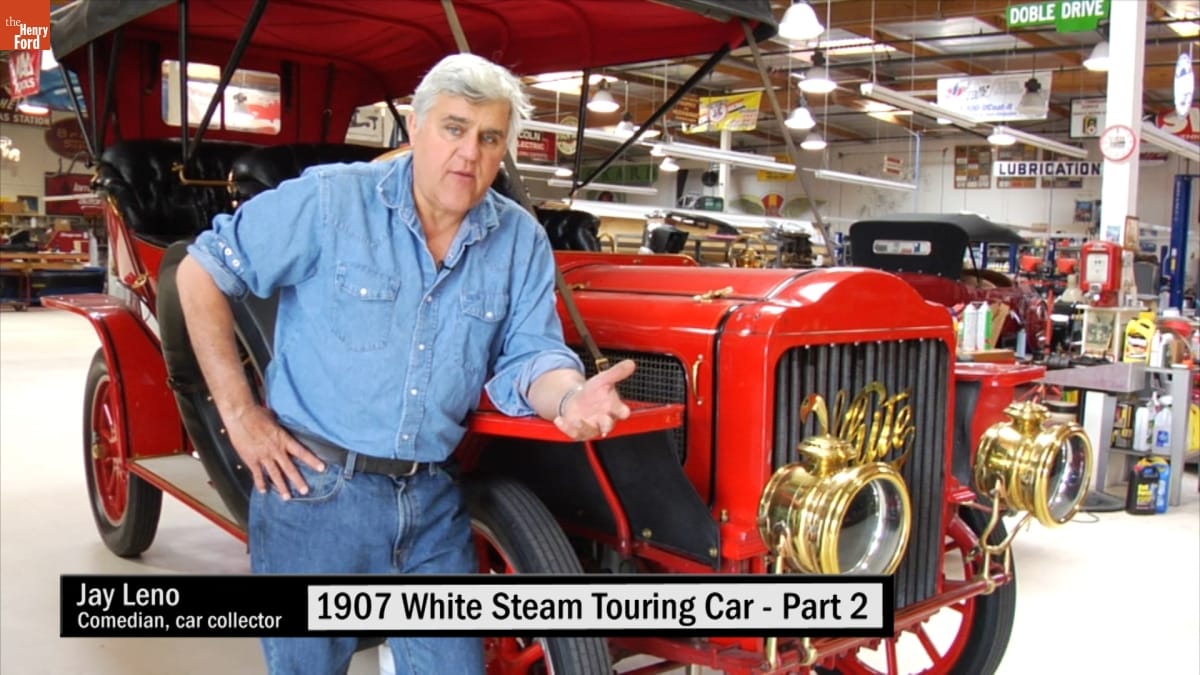
- "1907 White Steam Touring Car - Part 2" Clip from Jay Leno's Garage (www.jaylenosgarage.com), 2010 - Television host and stand-up comedian Jay Leno is an avid vehicle collector. Housed in Leno's "Big Dog Garage" in Southern California, his collection spans 100 years of automotive history, with antique vehicles, hot rods, muscle cars, steam cars, and electric cars. The collection also has a number of rare cars and over sixty motorcycles, including a turbine motorcycle.
- April 19, 2010
- Collections - Artifact
"1907 White Steam Touring Car - Part 2" Clip from Jay Leno's Garage (www.jaylenosgarage.com), 2010
Television host and stand-up comedian Jay Leno is an avid vehicle collector. Housed in Leno's "Big Dog Garage" in Southern California, his collection spans 100 years of automotive history, with antique vehicles, hot rods, muscle cars, steam cars, and electric cars. The collection also has a number of rare cars and over sixty motorcycles, including a turbine motorcycle.
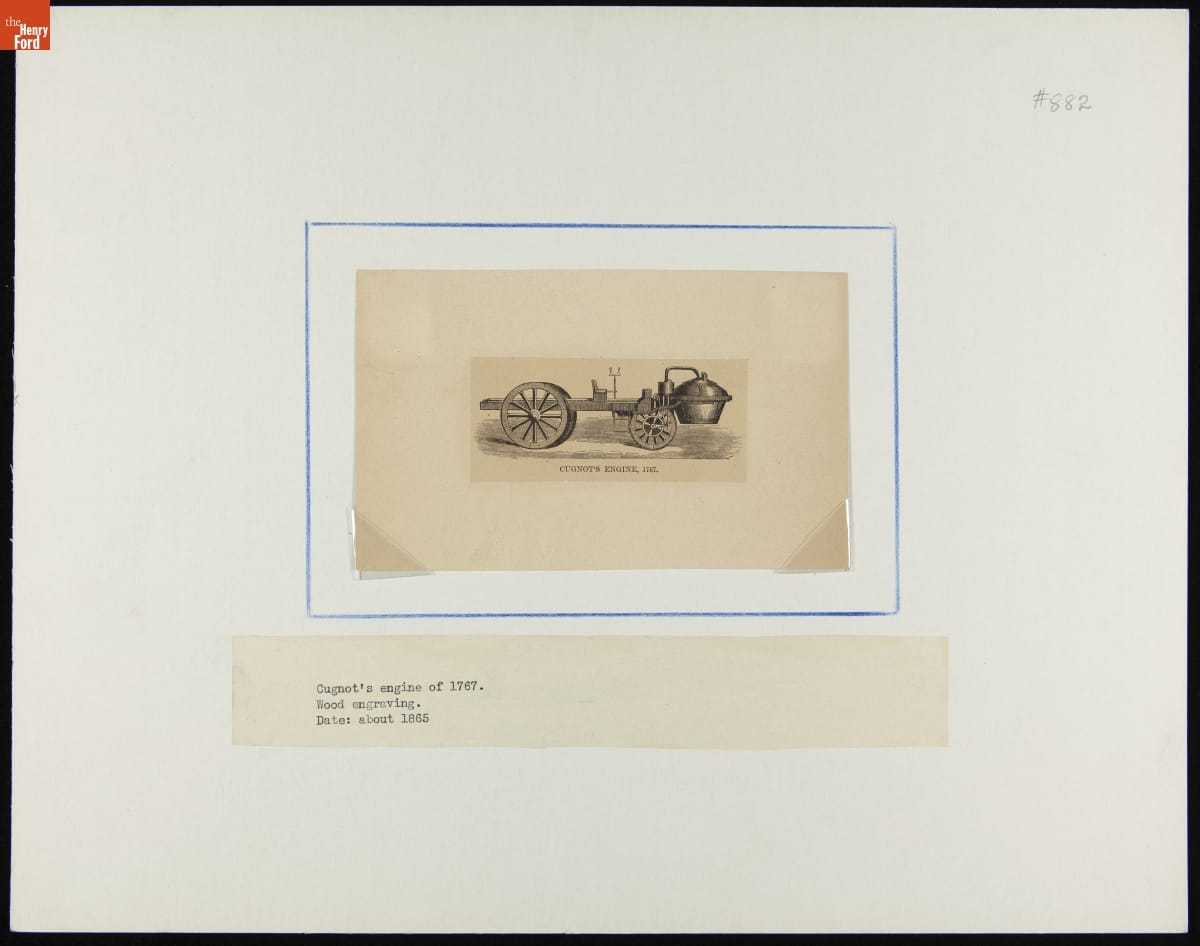
- "Cugnot's Engine, 1767" - French military engineer Nicolas-Joseph Cugnot designed his three-wheeled, steam-powered dray to haul cannons. While it could carry five tons at two miles per hour, Cugnot's unwieldy wagon was difficult to steer, and its inefficient boiler limited the dray's operating time to about 15 minutes. Unimpressed, French officials did not approve Cugnot's steam wagon for military use.
- circa 1767
- Collections - Artifact
"Cugnot's Engine, 1767"
French military engineer Nicolas-Joseph Cugnot designed his three-wheeled, steam-powered dray to haul cannons. While it could carry five tons at two miles per hour, Cugnot's unwieldy wagon was difficult to steer, and its inefficient boiler limited the dray's operating time to about 15 minutes. Unimpressed, French officials did not approve Cugnot's steam wagon for military use.
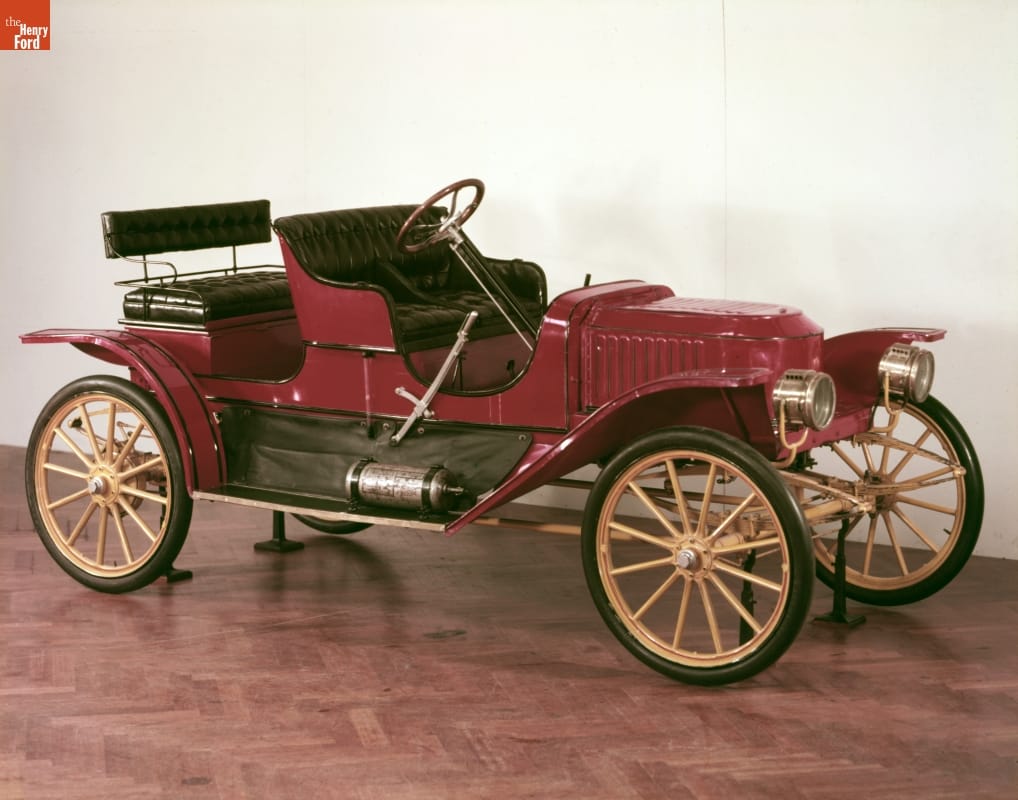
- 1910 Stanley Steamer Model 60 Runabout - Brothers Francis and Freelan Stanley built their first steam car in 1897, when the ideal automobile power source was an open question. Gasoline became the favorite by the mid-1910s, but Stanley Motor Carriage Company -- formed in 1902 -- stuck with steam until the firm went out of business in 1924. Today, Stanley is the best remembered of the early steam makes.
- 1910
- Collections - Artifact
1910 Stanley Steamer Model 60 Runabout
Brothers Francis and Freelan Stanley built their first steam car in 1897, when the ideal automobile power source was an open question. Gasoline became the favorite by the mid-1910s, but Stanley Motor Carriage Company -- formed in 1902 -- stuck with steam until the firm went out of business in 1924. Today, Stanley is the best remembered of the early steam makes.
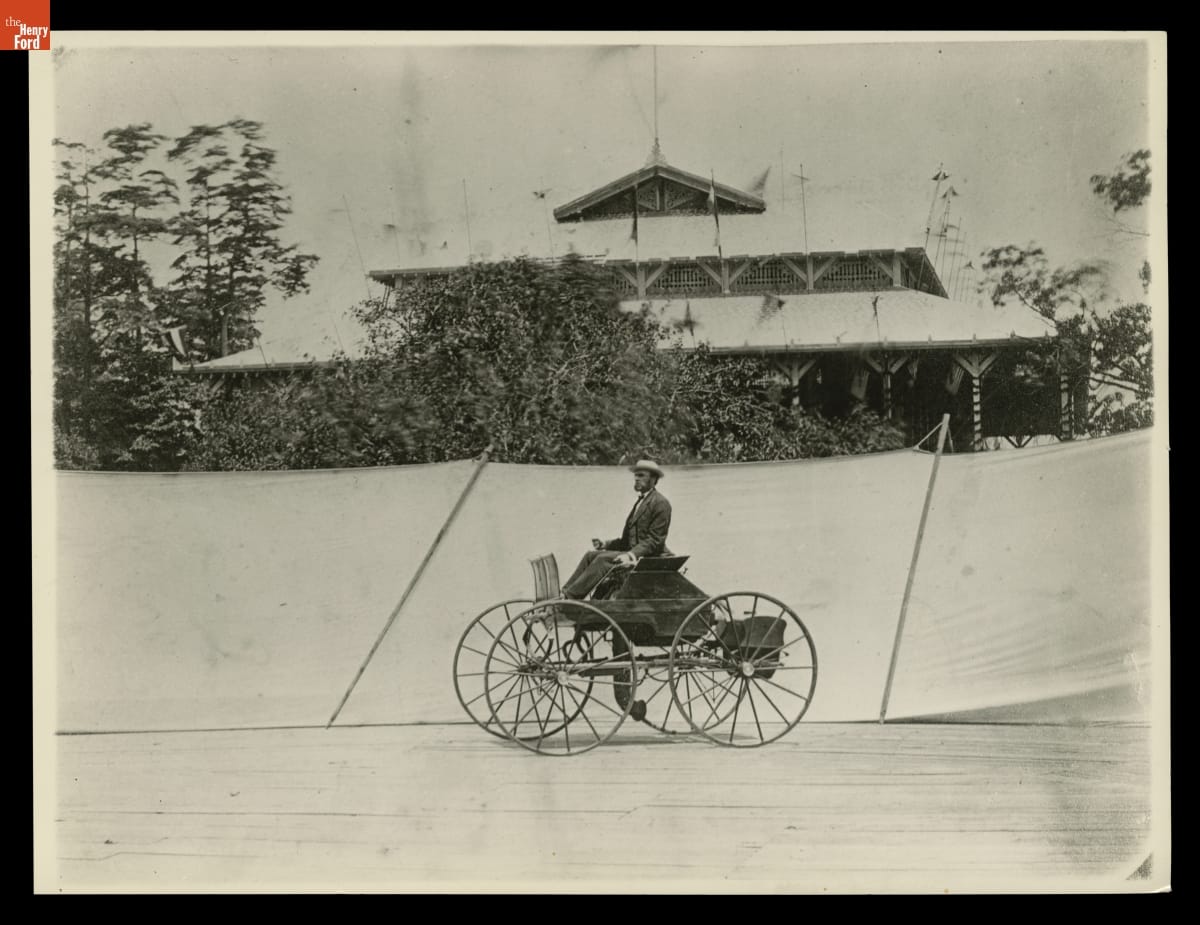
- Driving a Roper Steam Carriage, circa 1863 - Massachusetts machinist Sylvester Roper built several steam-powered carriages and motorcycles years before automobiles -- as we know them -- appeared. Roper never produced his vehicles commercially. Instead, they were exhibited at circuses and fairs, where crowds marveled at the self-propelled contraptions. Steamboats and steam locomotives were common, but steam-powered carriages were genuine novelties.
- circa 1863
- Collections - Artifact
Driving a Roper Steam Carriage, circa 1863
Massachusetts machinist Sylvester Roper built several steam-powered carriages and motorcycles years before automobiles -- as we know them -- appeared. Roper never produced his vehicles commercially. Instead, they were exhibited at circuses and fairs, where crowds marveled at the self-propelled contraptions. Steamboats and steam locomotives were common, but steam-powered carriages were genuine novelties.
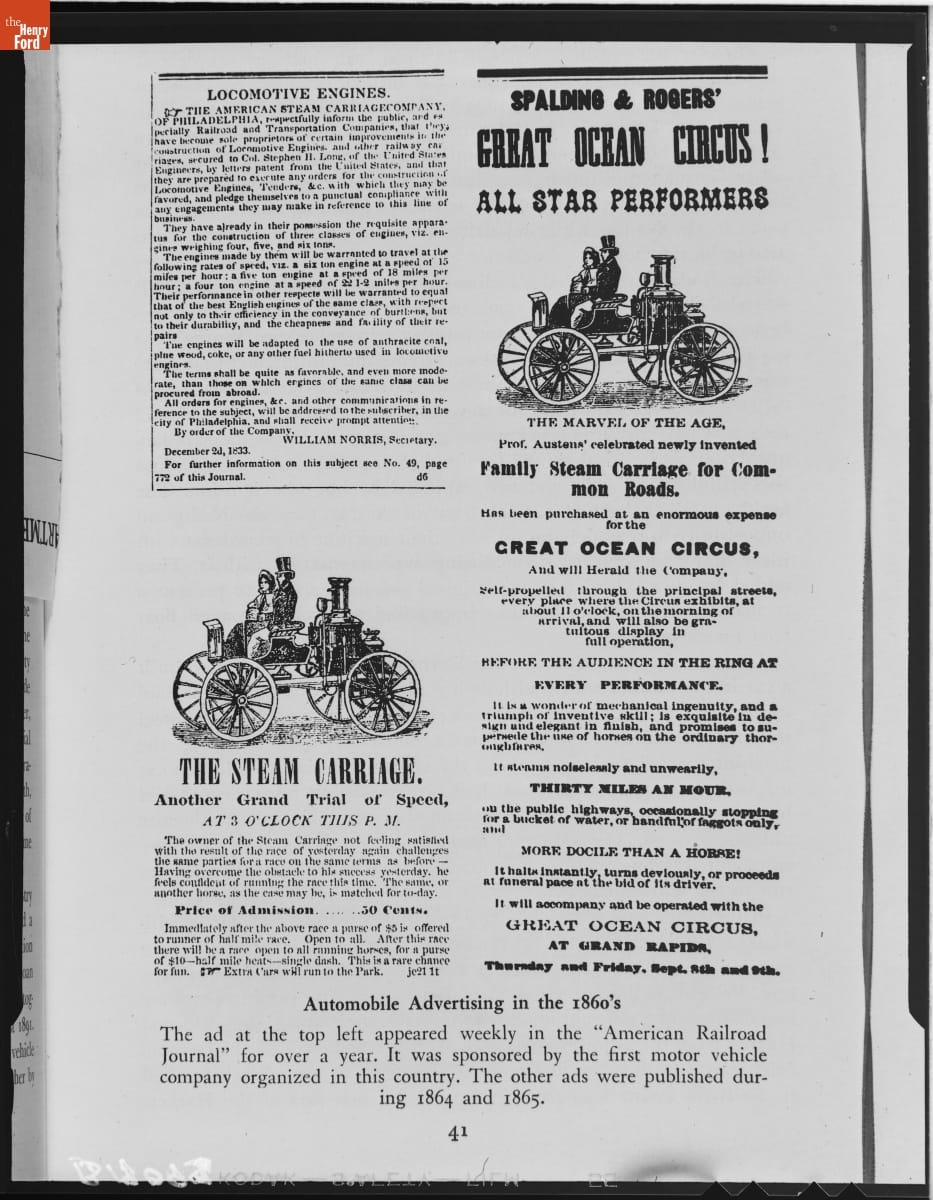
- Advertisement for the Sylvester Roper Steam Car, from the Grand Rapids Eagle, September 8-9, 1864 - Massachusetts machinist Sylvester Roper built several steam-powered carriages and motorcycles years before automobiles -- as we know them -- appeared. Roper never produced his vehicles commercially. Instead, they were exhibited at circuses and fairs, where crowds marveled at the self-propelled contraptions. Steamboats and steam locomotives were common, but steam-powered carriages were genuine novelties.
- 1864
- Collections - Artifact
Advertisement for the Sylvester Roper Steam Car, from the Grand Rapids Eagle, September 8-9, 1864
Massachusetts machinist Sylvester Roper built several steam-powered carriages and motorcycles years before automobiles -- as we know them -- appeared. Roper never produced his vehicles commercially. Instead, they were exhibited at circuses and fairs, where crowds marveled at the self-propelled contraptions. Steamboats and steam locomotives were common, but steam-powered carriages were genuine novelties.
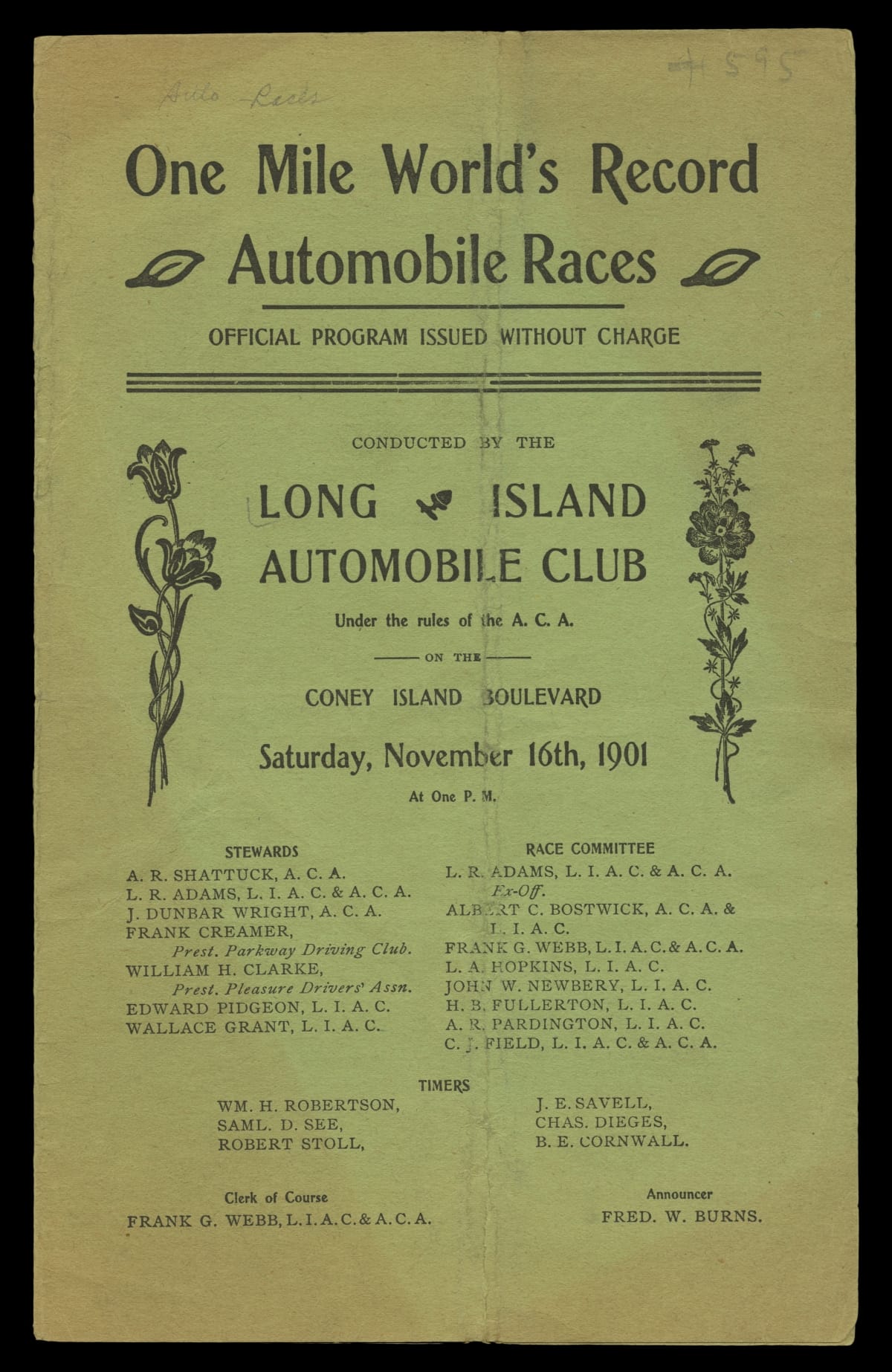
- Program for "One Mile World's Record Automobile Races," Brooklyn, New York, November 16, 1901 - Andrew Riker made headlines in November 1901 when his battery-powered "Torpedo" racer hit 57.1 miles per hour in a race at Coney Island, New York. It was a world speed record for electric automobiles. Despite his success, Riker soon determined that the automobile's future lay with a different fuel. In 1902, he joined Locomobile and started designing gasoline-powered cars.
- November 16, 1901
- Collections - Artifact
Program for "One Mile World's Record Automobile Races," Brooklyn, New York, November 16, 1901
Andrew Riker made headlines in November 1901 when his battery-powered "Torpedo" racer hit 57.1 miles per hour in a race at Coney Island, New York. It was a world speed record for electric automobiles. Despite his success, Riker soon determined that the automobile's future lay with a different fuel. In 1902, he joined Locomobile and started designing gasoline-powered cars.
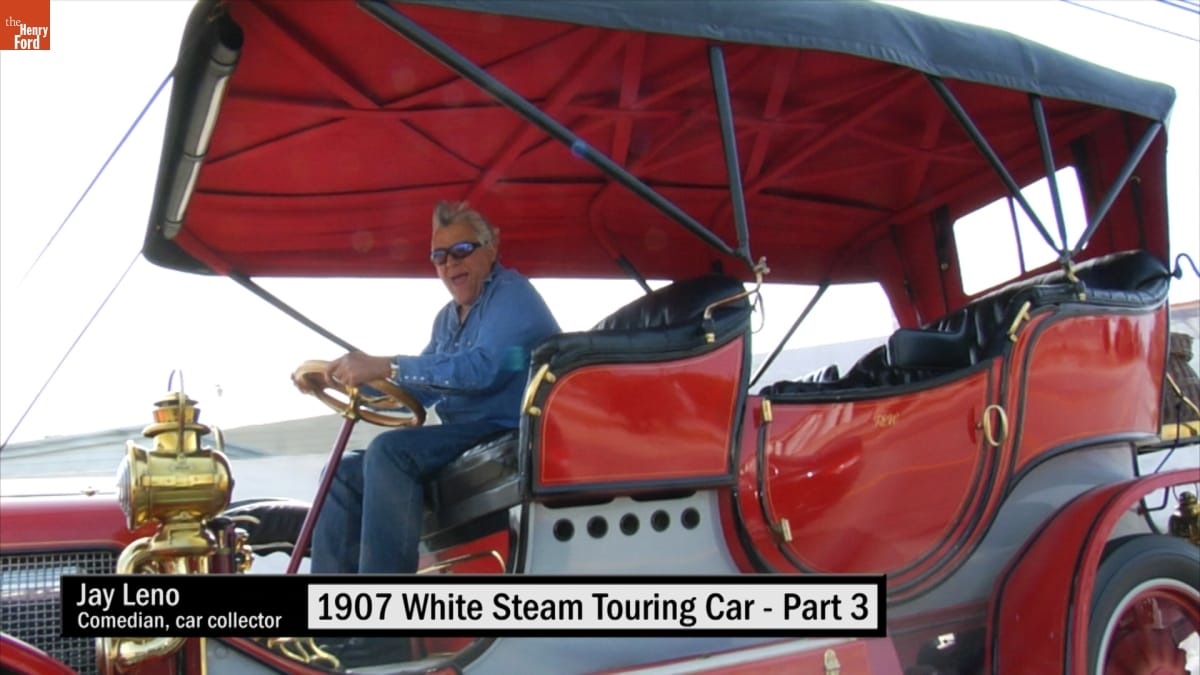
- "1907 White Steam Touring Car - Part 3" Clip from Jay Leno's Garage (www.jaylenosgarage.com), 2010 - Television host and stand-up comedian Jay Leno is an avid vehicle collector. Housed in Leno's "Big Dog Garage" in Southern California, his collection spans 100 years of automotive history, with antique vehicles, hot rods, muscle cars, steam cars, and electric cars. The collection also has a number of rare cars and over sixty motorcycles, including a turbine motorcycle.
- April 19, 2010
- Collections - Artifact
"1907 White Steam Touring Car - Part 3" Clip from Jay Leno's Garage (www.jaylenosgarage.com), 2010
Television host and stand-up comedian Jay Leno is an avid vehicle collector. Housed in Leno's "Big Dog Garage" in Southern California, his collection spans 100 years of automotive history, with antique vehicles, hot rods, muscle cars, steam cars, and electric cars. The collection also has a number of rare cars and over sixty motorcycles, including a turbine motorcycle.
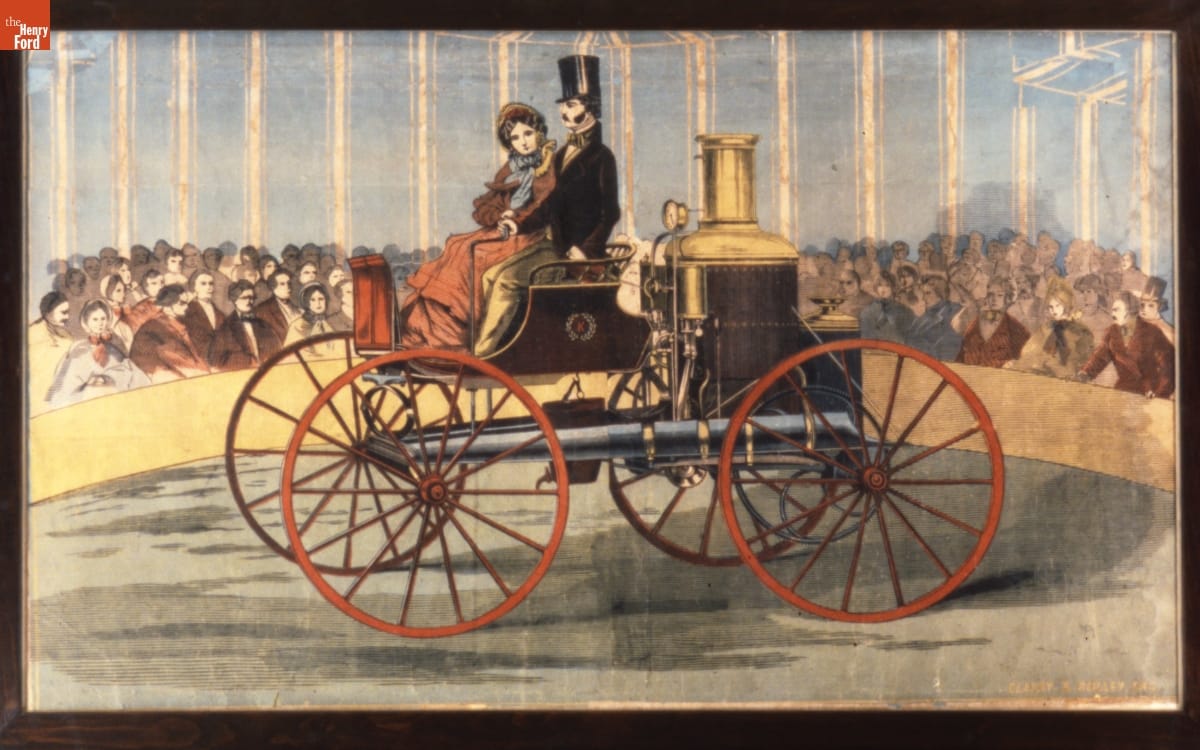
- Roper Steam Carriage at a Public Exhibition, circa 1863 - Early horseless vehicles tended to be viewed as curiosities rather than serious transportation alternatives. This c. 1863 colored engraving shows a couple in one of those steam-powered vehicles. Early automotive innovators displayed their novel inventions at circuses and local fairs. The vehicles were even raced against horses.
- circa 1863
- Collections - Artifact
Roper Steam Carriage at a Public Exhibition, circa 1863
Early horseless vehicles tended to be viewed as curiosities rather than serious transportation alternatives. This c. 1863 colored engraving shows a couple in one of those steam-powered vehicles. Early automotive innovators displayed their novel inventions at circuses and local fairs. The vehicles were even raced against horses.
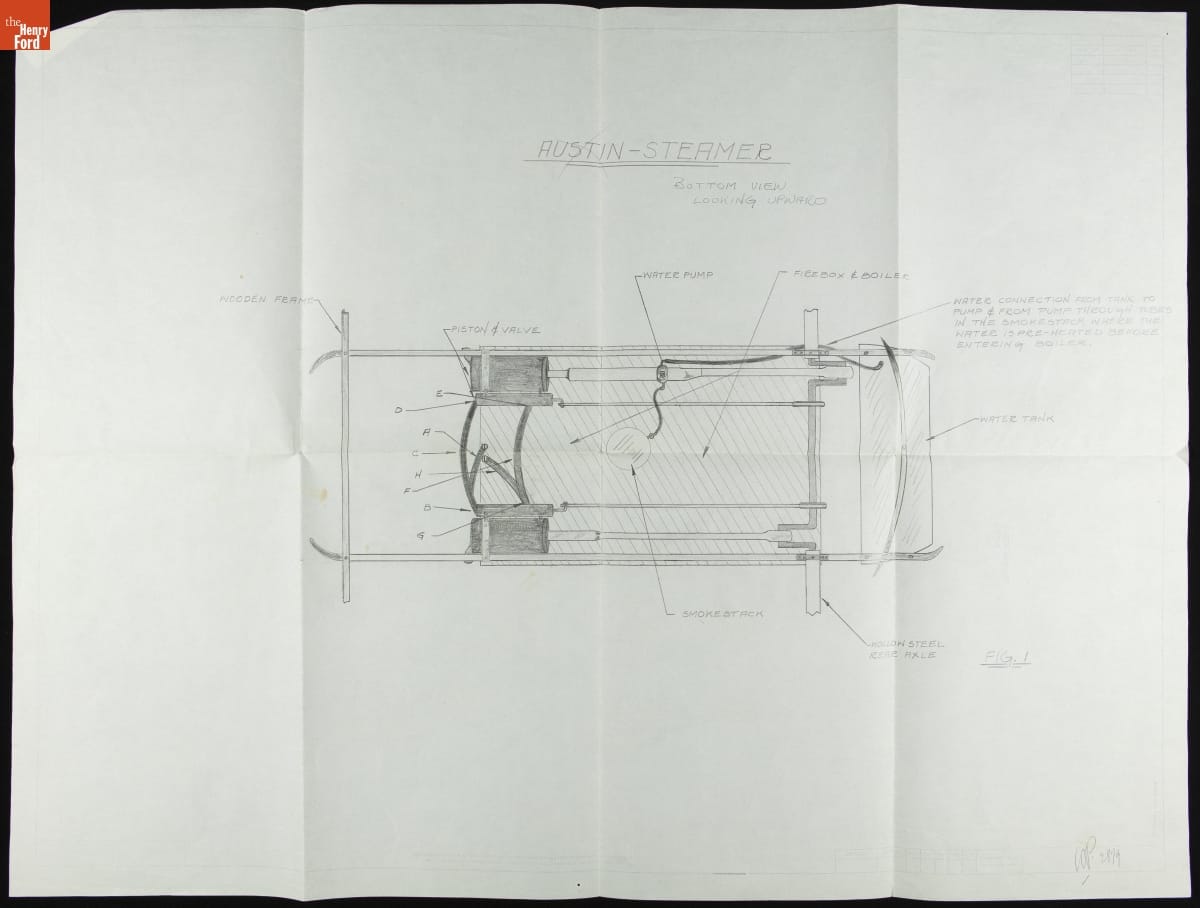
- 1865 Sylvester H. Roper Steam Carriage Drawing - Sylvester Roper's steam-powered carriages anticipated the automobile, though Roper never produced his self-propelled vehicles commercially. This drawing of a Roper Steam Carriage shows two cylinders connected by long rods to a single rear axle. The firebox and boiler are located directly under the operator's seat (not shown). Roper cleverly pre-heated boiler water by circulating it through tubes in the smokestack.
- circa 1930
- Collections - Artifact
1865 Sylvester H. Roper Steam Carriage Drawing
Sylvester Roper's steam-powered carriages anticipated the automobile, though Roper never produced his self-propelled vehicles commercially. This drawing of a Roper Steam Carriage shows two cylinders connected by long rods to a single rear axle. The firebox and boiler are located directly under the operator's seat (not shown). Roper cleverly pre-heated boiler water by circulating it through tubes in the smokestack.