
Search
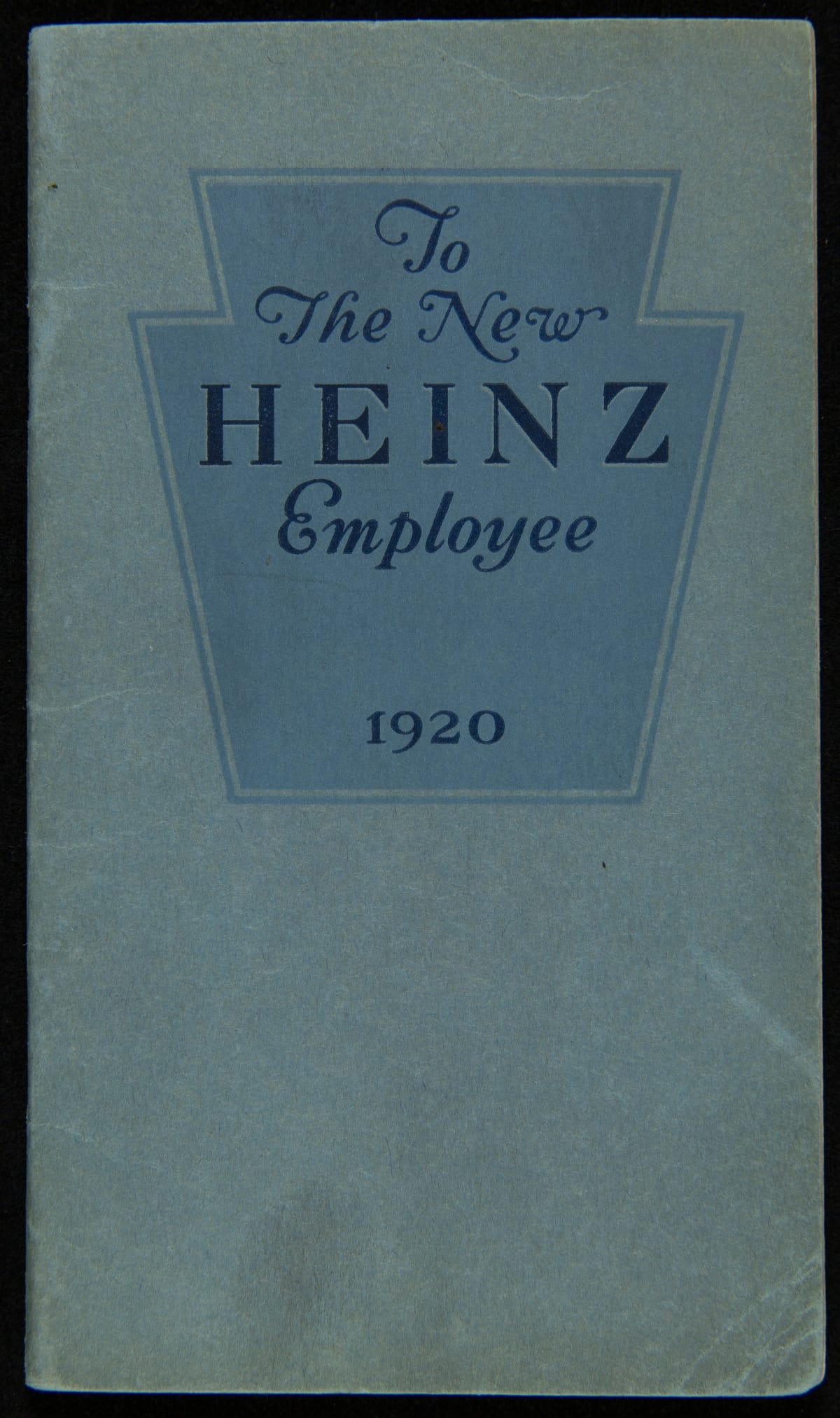
- H. J. Heinz Employee Handbook, "To The New Heinz Employee," 1920 - From its founding, a guiding principle of the H.J. Heinz Company was to promote strong company relationships with its employees. This resulted in a world-class employee welfare program which included amenities, programs, and policies with consideration for their well-being. This employee handbook from 1920 explains each of these provisions and encourages teamwork and a strong personal work ethic from the incoming employee.
- 1920
- Collections - Artifact
H. J. Heinz Employee Handbook, "To The New Heinz Employee," 1920
From its founding, a guiding principle of the H.J. Heinz Company was to promote strong company relationships with its employees. This resulted in a world-class employee welfare program which included amenities, programs, and policies with consideration for their well-being. This employee handbook from 1920 explains each of these provisions and encourages teamwork and a strong personal work ethic from the incoming employee.
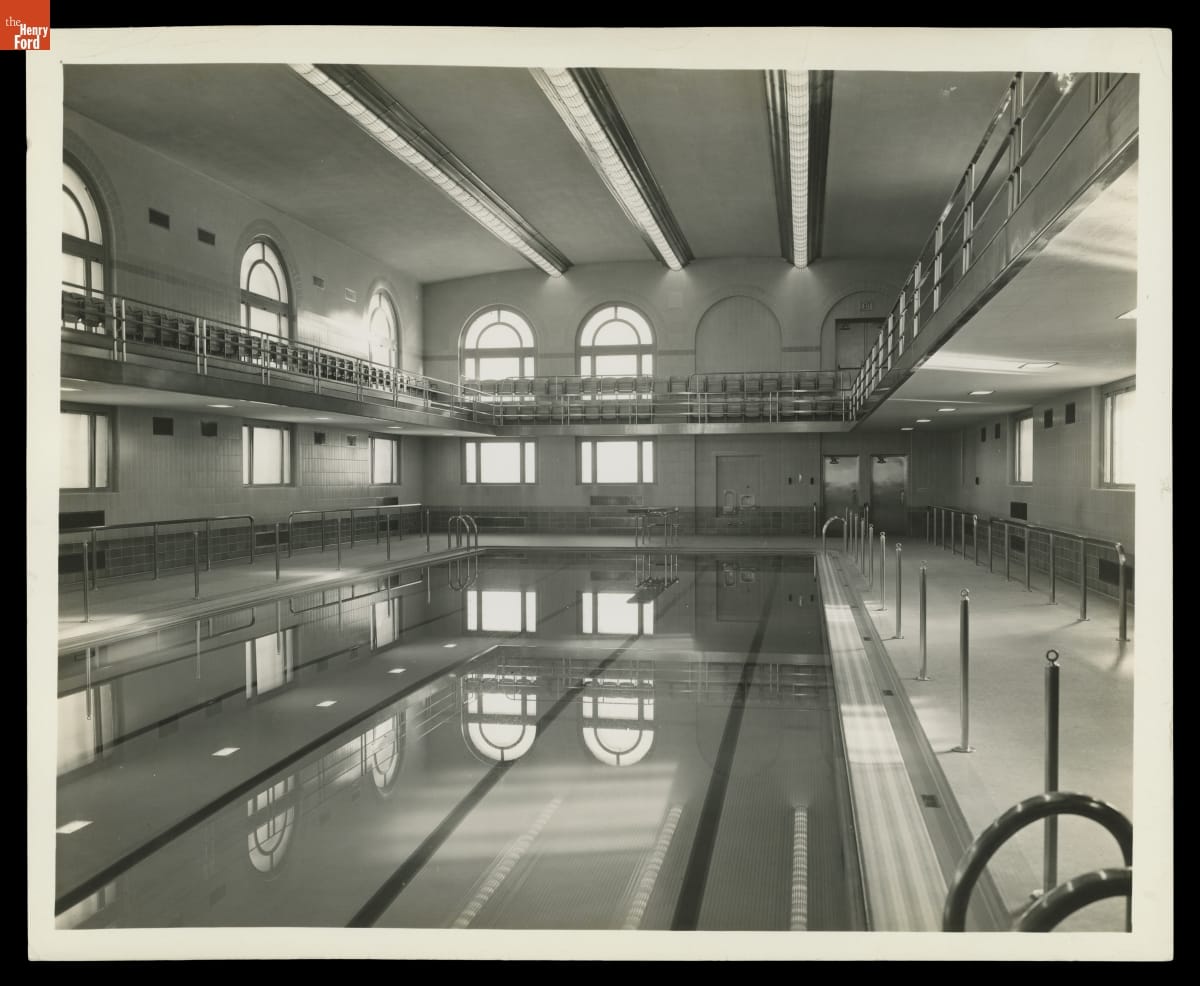
- Swimming Pool in Edison Institute Education Building (Lovett Hall), December 1937 - Lovett Hall, located on the campus of The Henry Ford and originally called the Recreation or Education Building, was built for various purposes. It contained a library, classrooms, gymnasium, and even a swimming pool (seen here) for Henry Ford's school system. The building also housed a ballroom for Henry Ford's "Old Time" dancing parties.
- December 02, 1937
- Collections - Artifact
Swimming Pool in Edison Institute Education Building (Lovett Hall), December 1937
Lovett Hall, located on the campus of The Henry Ford and originally called the Recreation or Education Building, was built for various purposes. It contained a library, classrooms, gymnasium, and even a swimming pool (seen here) for Henry Ford's school system. The building also housed a ballroom for Henry Ford's "Old Time" dancing parties.
- "People Need the Occasional Tune-Up. Wouldn't It Be Nice If Their Car Didn't?," General Motors, 1997 - The automobile is a paradox -- a practical tool that plays host to both human needs and fantasies. Like car consumers, automotive ads seem to land somewhere between fantasy and reality, emotions and rationality. Many ads incorporate apparent opposites: fantasy can sell practicality, and vice versa. Sometimes the car has disappeared completely -- an emotional appeal prompts us to complete the ad.

- 1997
- Collections - Artifact
"People Need the Occasional Tune-Up. Wouldn't It Be Nice If Their Car Didn't?," General Motors, 1997
The automobile is a paradox -- a practical tool that plays host to both human needs and fantasies. Like car consumers, automotive ads seem to land somewhere between fantasy and reality, emotions and rationality. Many ads incorporate apparent opposites: fantasy can sell practicality, and vice versa. Sometimes the car has disappeared completely -- an emotional appeal prompts us to complete the ad.
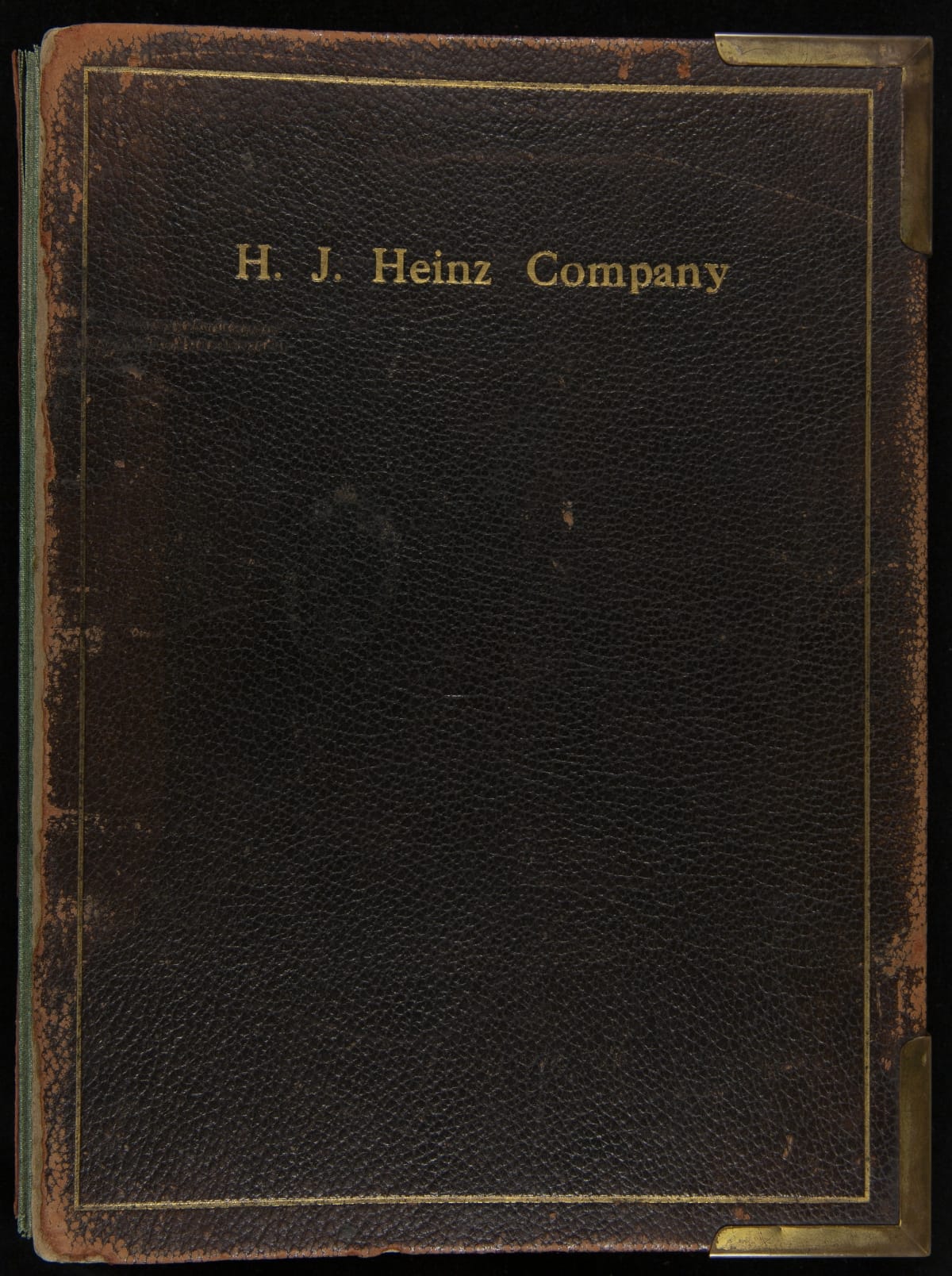
- Sales Catalog of the H. J. Heinz Company and Products, Pittsburgh, Pennsylvania, circa 1910 - With humble beginnings exclusively selling horseradish in 1869, H.J. Heinz continued to expand his product line to build the "House of Heinz" and become a leader in the manufactured food industry. This sales catalog highlights the manufacturing process and provides photographs of the factories, branch houses, and employees. It also contains information and photographs of each of the "57 Varieties" of Heinz products.
- 1910
- Collections - Artifact
Sales Catalog of the H. J. Heinz Company and Products, Pittsburgh, Pennsylvania, circa 1910
With humble beginnings exclusively selling horseradish in 1869, H.J. Heinz continued to expand his product line to build the "House of Heinz" and become a leader in the manufactured food industry. This sales catalog highlights the manufacturing process and provides photographs of the factories, branch houses, and employees. It also contains information and photographs of each of the "57 Varieties" of Heinz products.
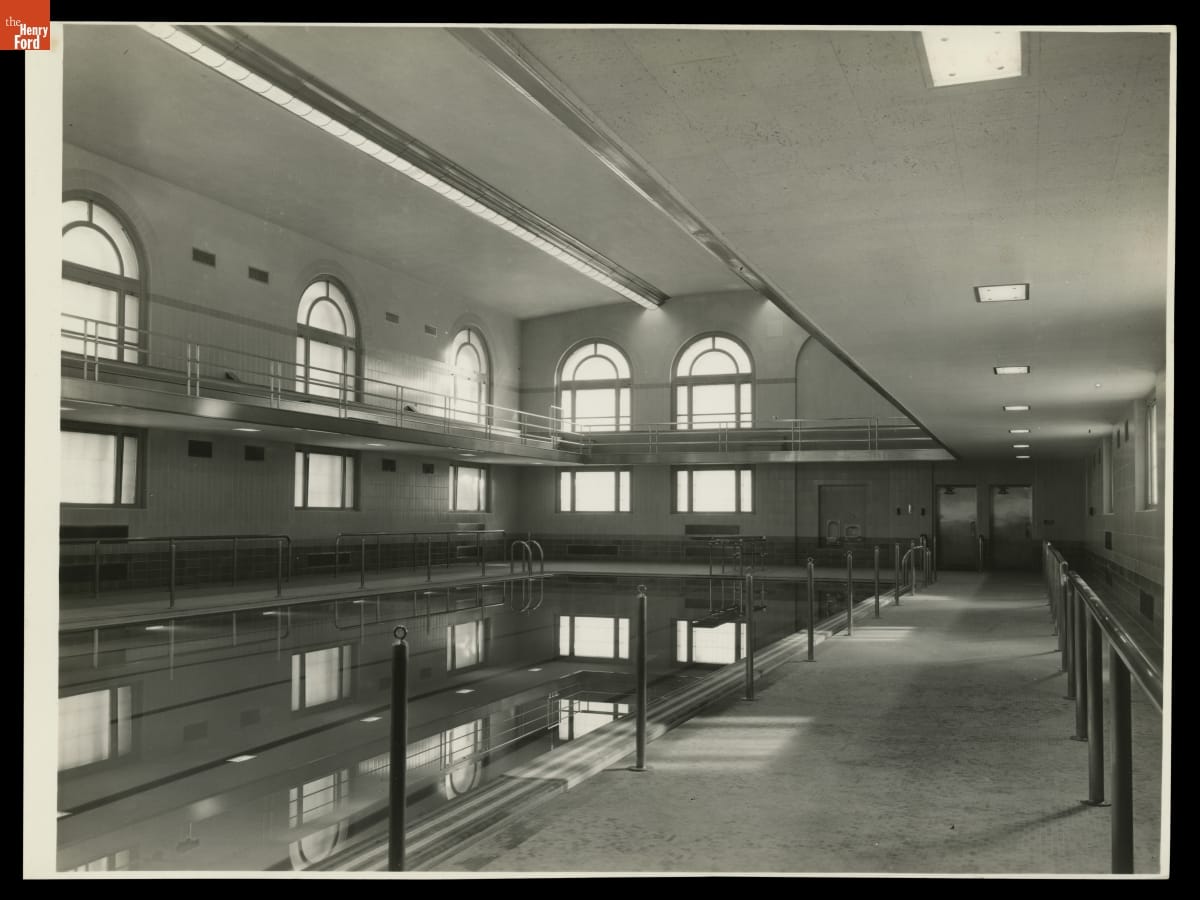
- Swimming Pool in Edison Institute Education Building (Lovett Hall), 1937 - Lovett Hall, located on the campus of The Henry Ford and originally called the Recreation or Education Building, was built for various purposes. It contained a library, classrooms, gymnasium, and even a swimming pool (seen here) for Henry Ford's school system. The building also housed a ballroom for Henry Ford's "Old Time" dancing parties.
- 1937
- Collections - Artifact
Swimming Pool in Edison Institute Education Building (Lovett Hall), 1937
Lovett Hall, located on the campus of The Henry Ford and originally called the Recreation or Education Building, was built for various purposes. It contained a library, classrooms, gymnasium, and even a swimming pool (seen here) for Henry Ford's school system. The building also housed a ballroom for Henry Ford's "Old Time" dancing parties.
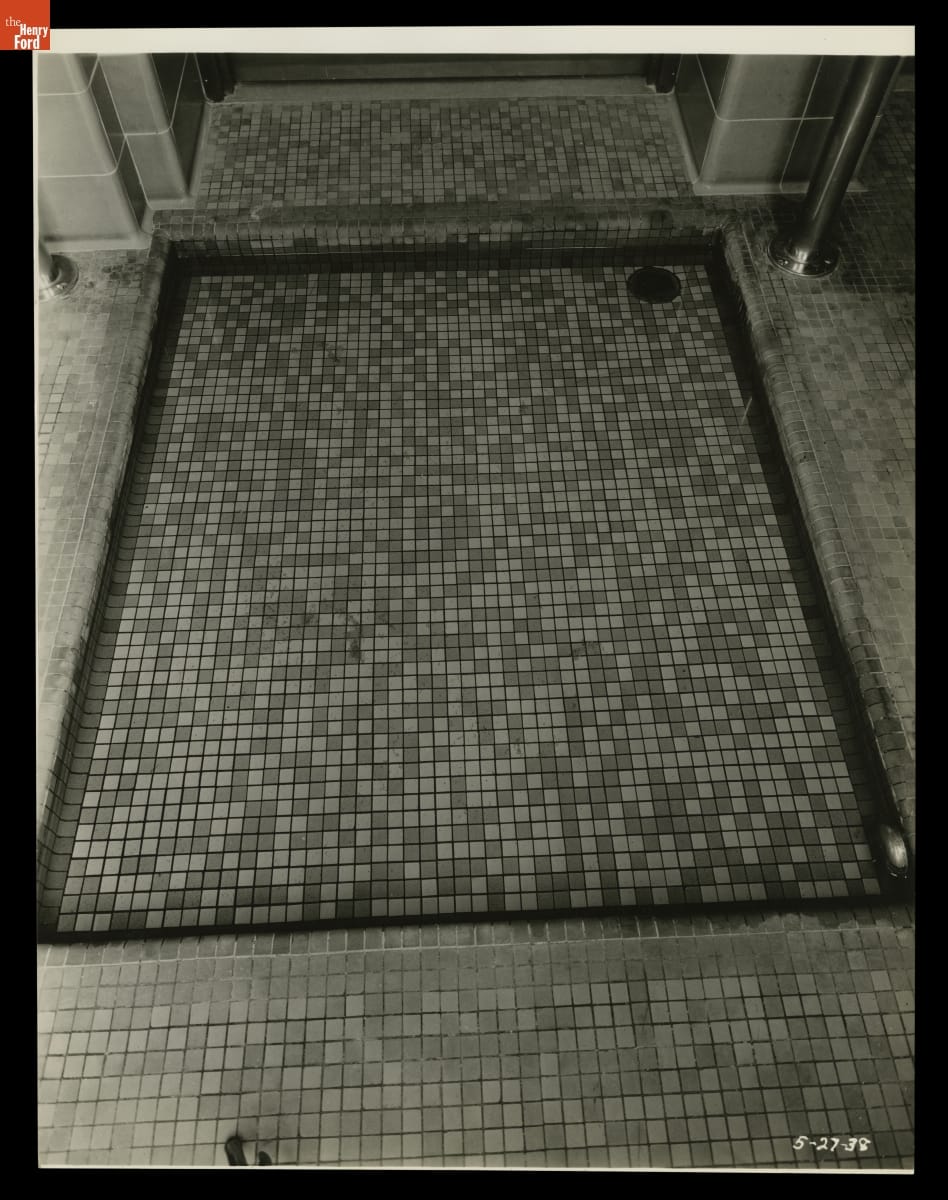
- Tile Floor near Swimming Pool in Edison Institute Education Building (Lovett Hall), May 1938 - Lovett Hall, located on the campus of The Henry Ford and originally called the Recreation or Education Building, was built for various purposes. It contained a library, classrooms, gymnasium, and even a swimming pool (seen here) for Henry Ford's school system. The building also housed a ballroom for Henry Ford's "Old Time" dancing parties.
- May 27, 1938
- Collections - Artifact
Tile Floor near Swimming Pool in Edison Institute Education Building (Lovett Hall), May 1938
Lovett Hall, located on the campus of The Henry Ford and originally called the Recreation or Education Building, was built for various purposes. It contained a library, classrooms, gymnasium, and even a swimming pool (seen here) for Henry Ford's school system. The building also housed a ballroom for Henry Ford's "Old Time" dancing parties.
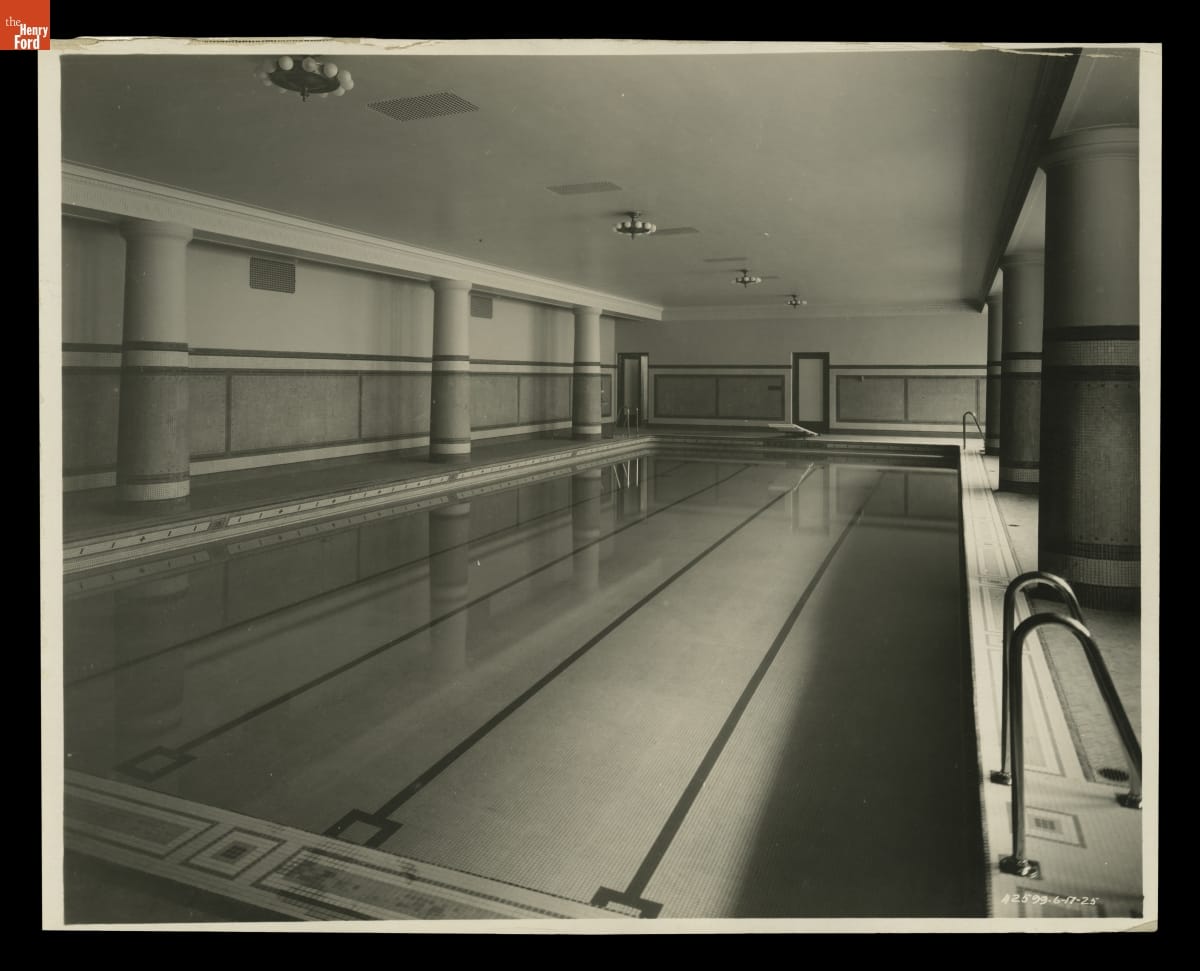
- Swimming Pool in the Education Building, Henry Ford Hospital School of Nursing, June 1925 - In June 1925, Henry Ford Hospital opened a School of Nursing. The two-story Education Building featured classrooms, lecture halls and a gymnasium. The six-story Clara Ford Nurses Home had living quarters for 300 students. The school's first class included 93 young women enrolled in the three-year, tuition-free program.
- June 17, 1925
- Collections - Artifact
Swimming Pool in the Education Building, Henry Ford Hospital School of Nursing, June 1925
In June 1925, Henry Ford Hospital opened a School of Nursing. The two-story Education Building featured classrooms, lecture halls and a gymnasium. The six-story Clara Ford Nurses Home had living quarters for 300 students. The school's first class included 93 young women enrolled in the three-year, tuition-free program.
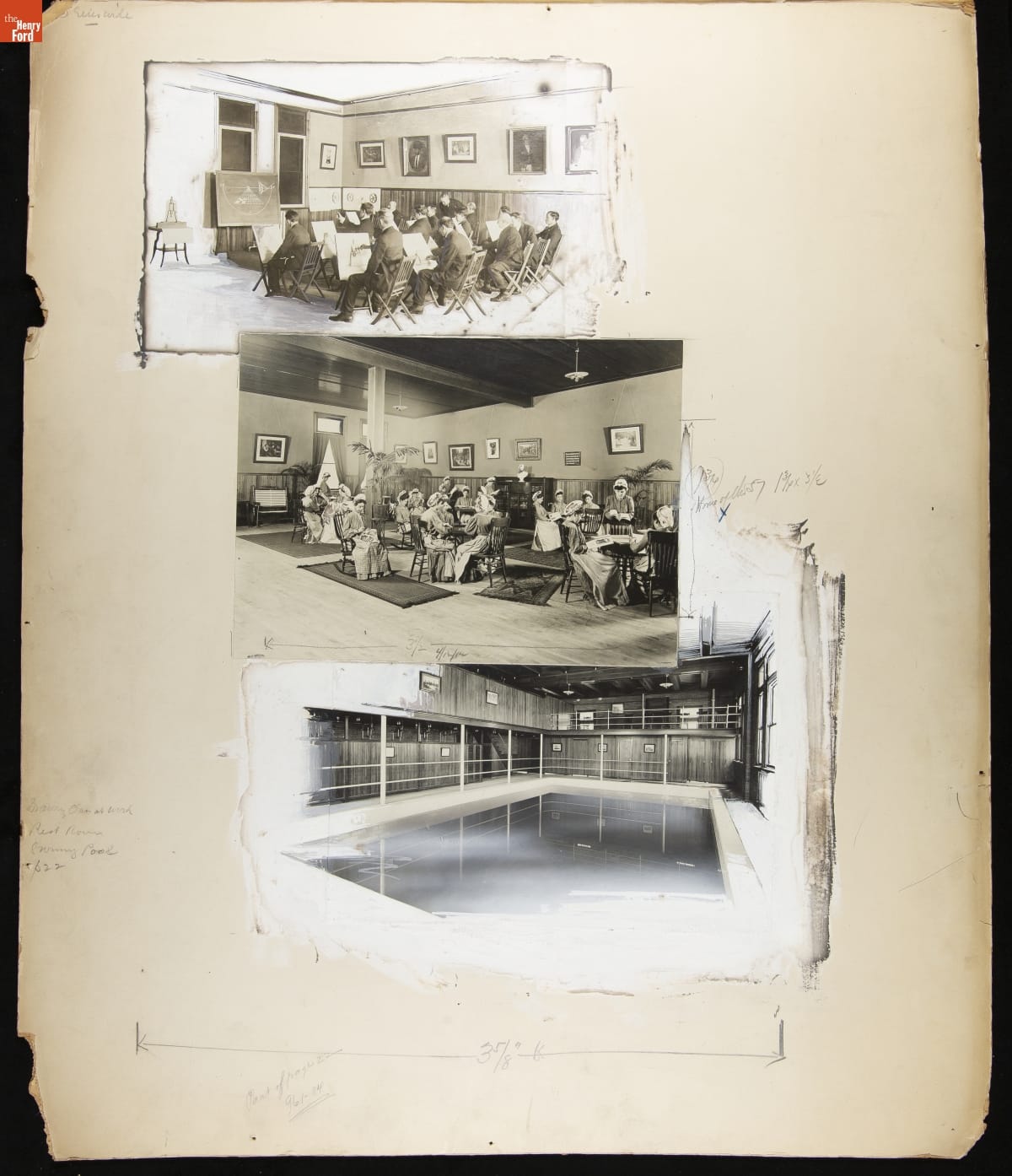
- Photomontage Showing Heinz Company Activities for Employees, 1907-1912 - Photographs of the H.J. Heinz factory -- including buildings, employees, and the manufacturing process -- were often taken and then modified for advertising and publications. This advertising layout features several modified photographs of employee recreation activities. This arrangement of photos shows some of the leisure activities available to employees, including drafting and sewing classes, and a swimming pool.
- 1907-1912
- Collections - Artifact
Photomontage Showing Heinz Company Activities for Employees, 1907-1912
Photographs of the H.J. Heinz factory -- including buildings, employees, and the manufacturing process -- were often taken and then modified for advertising and publications. This advertising layout features several modified photographs of employee recreation activities. This arrangement of photos shows some of the leisure activities available to employees, including drafting and sewing classes, and a swimming pool.
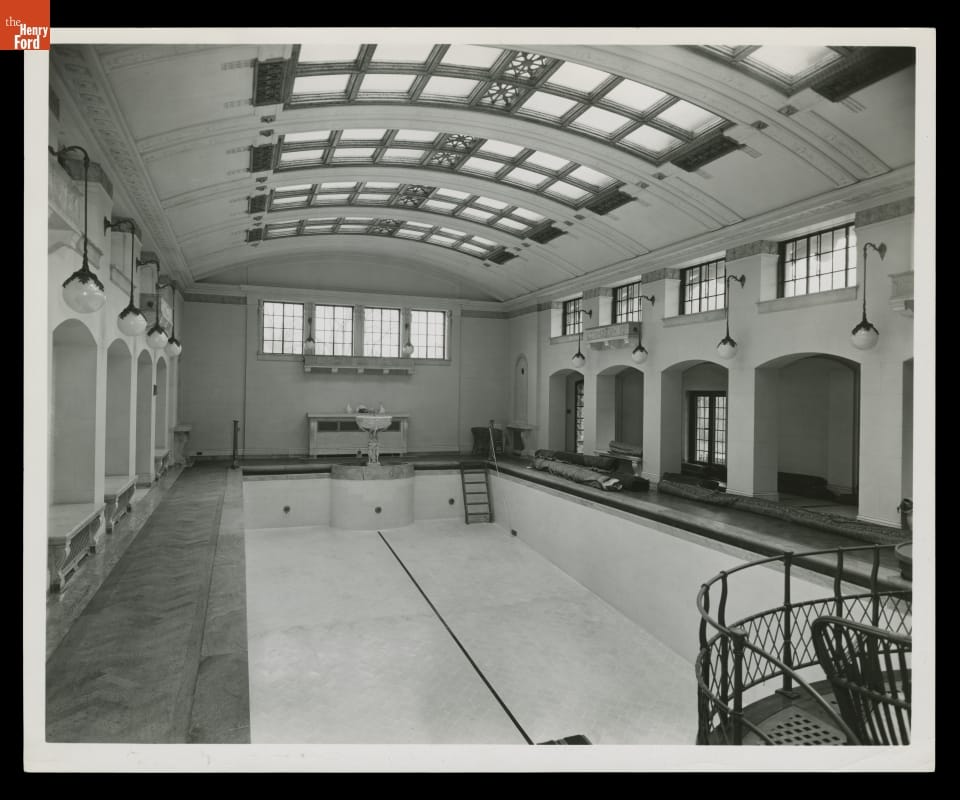
- Swimming Pool inside Fair Lane, Dearborn, Michigan, 1951 - In the early 1910s, Henry and Clara Ford selected 1300 acres of farmland in Dearborn, Michigan, as the site for a new house. In 1916, the couple moved into their newly constructed 31,000-square-foot home. The mansion contained 56 rooms including seven bedrooms, fifteen baths, and other standard living spaces. The Fords also had a bowling alley and swimming pool installed.
- April 27, 1951
- Collections - Artifact
Swimming Pool inside Fair Lane, Dearborn, Michigan, 1951
In the early 1910s, Henry and Clara Ford selected 1300 acres of farmland in Dearborn, Michigan, as the site for a new house. In 1916, the couple moved into their newly constructed 31,000-square-foot home. The mansion contained 56 rooms including seven bedrooms, fifteen baths, and other standard living spaces. The Fords also had a bowling alley and swimming pool installed.
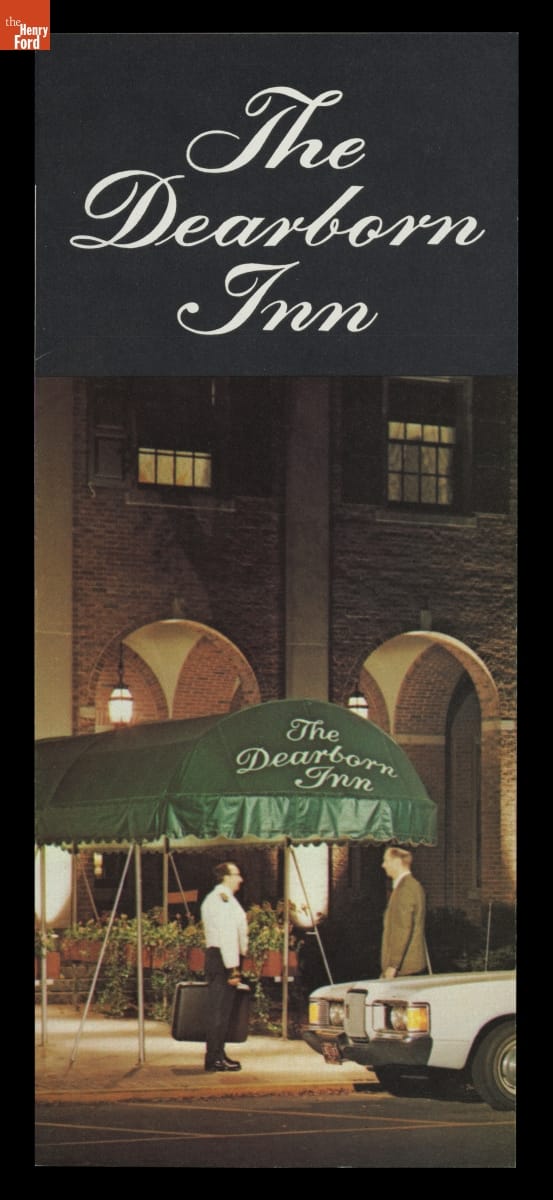
- "The Dearborn Inn," 1971-1985 - Edsel and Henry Ford conceived the Dearborn Inn as a business opportunity when it opened in 1931. Initially, the inn hosted pilots and travelers transiting through the nearby Ford Airport, but after the airport closed, it served visitors to Dearborn and Ford Motor Company. From the 1950s into the late 1980s, the inn was managed by the Edison Institute.
- 1971-1985
- Collections - Artifact
"The Dearborn Inn," 1971-1985
Edsel and Henry Ford conceived the Dearborn Inn as a business opportunity when it opened in 1931. Initially, the inn hosted pilots and travelers transiting through the nearby Ford Airport, but after the airport closed, it served visitors to Dearborn and Ford Motor Company. From the 1950s into the late 1980s, the inn was managed by the Edison Institute.