
Search
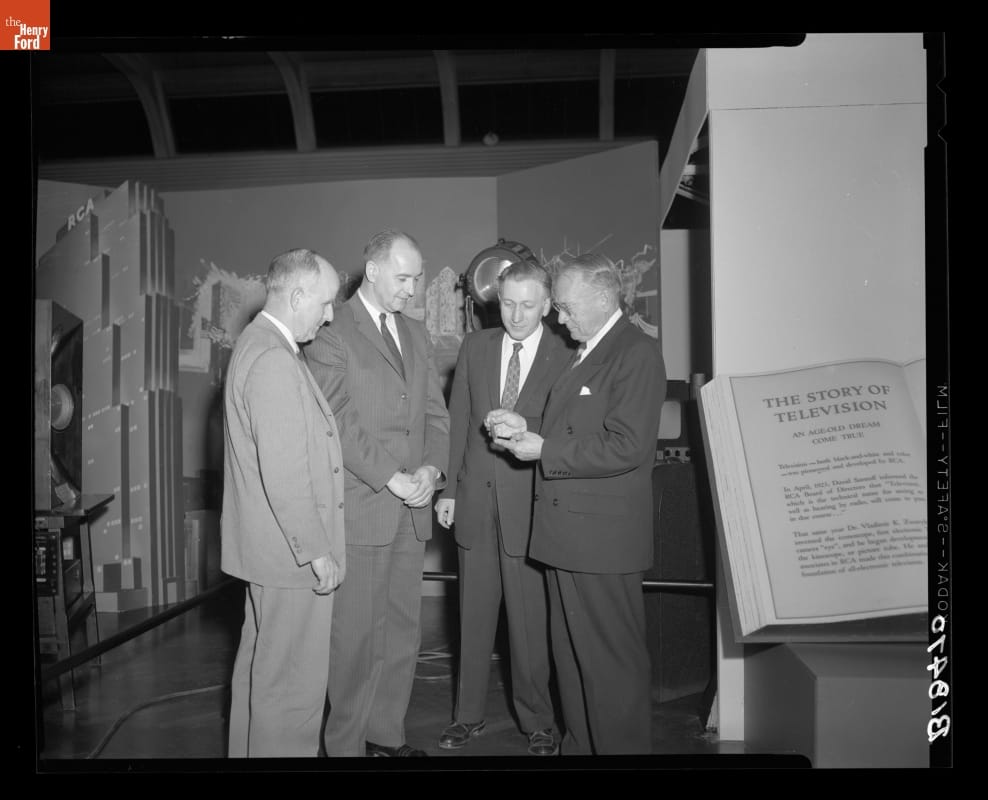
- Dr. Vladimir Zworykin Showing a Vidicon Television Camera Tube, Dearborn, Michigan, 1958 - Vladimir Zworykin was an early pioneer of television development, employed by Westinghouse and the Radio Corporation of America. Here he presents a Vidicon camera tube, to be donated to the museum. Vidicon tubes allowed bulky, expensive broadcast television cameras to become smaller and cheaper beginning in the 1950s. Zworykin's iconoscope and kinescope picture tubes were breakthroughs in television history.
- April 30, 1958
- Collections - Artifact
Dr. Vladimir Zworykin Showing a Vidicon Television Camera Tube, Dearborn, Michigan, 1958
Vladimir Zworykin was an early pioneer of television development, employed by Westinghouse and the Radio Corporation of America. Here he presents a Vidicon camera tube, to be donated to the museum. Vidicon tubes allowed bulky, expensive broadcast television cameras to become smaller and cheaper beginning in the 1950s. Zworykin's iconoscope and kinescope picture tubes were breakthroughs in television history.
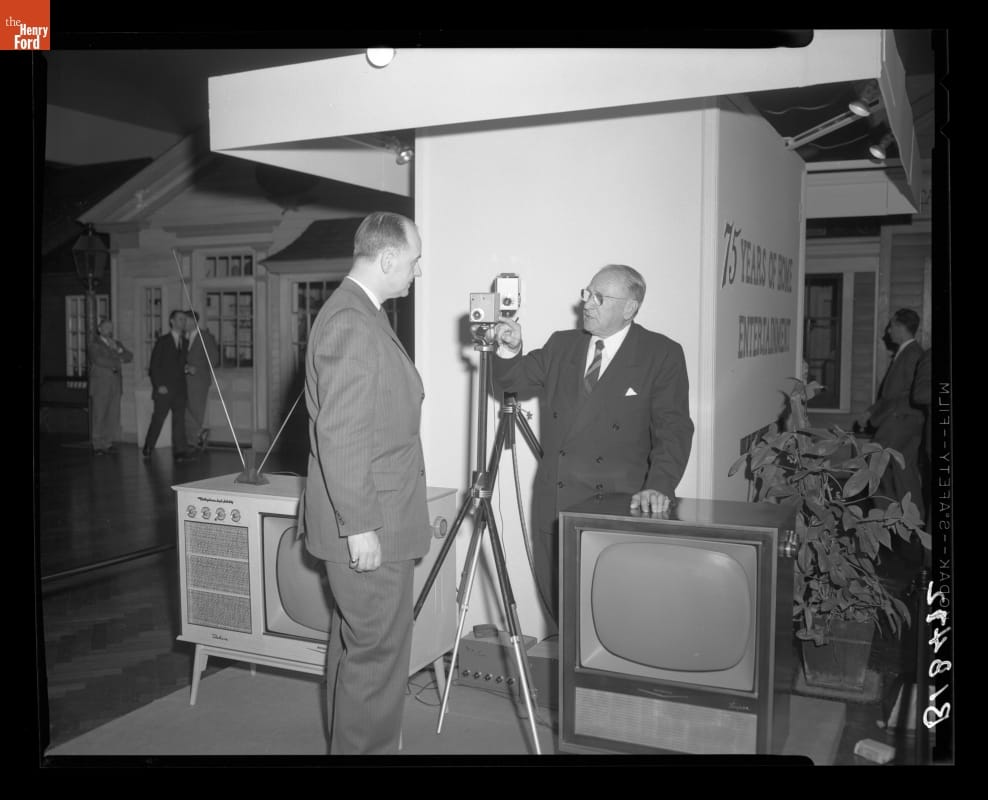
- Dr. Vladimir Zworykin Showing Donald Shelley a Portable Television Camera, Dearborn, Michigan, 1958 -
- April 30, 1958
- Collections - Artifact
Dr. Vladimir Zworykin Showing Donald Shelley a Portable Television Camera, Dearborn, Michigan, 1958
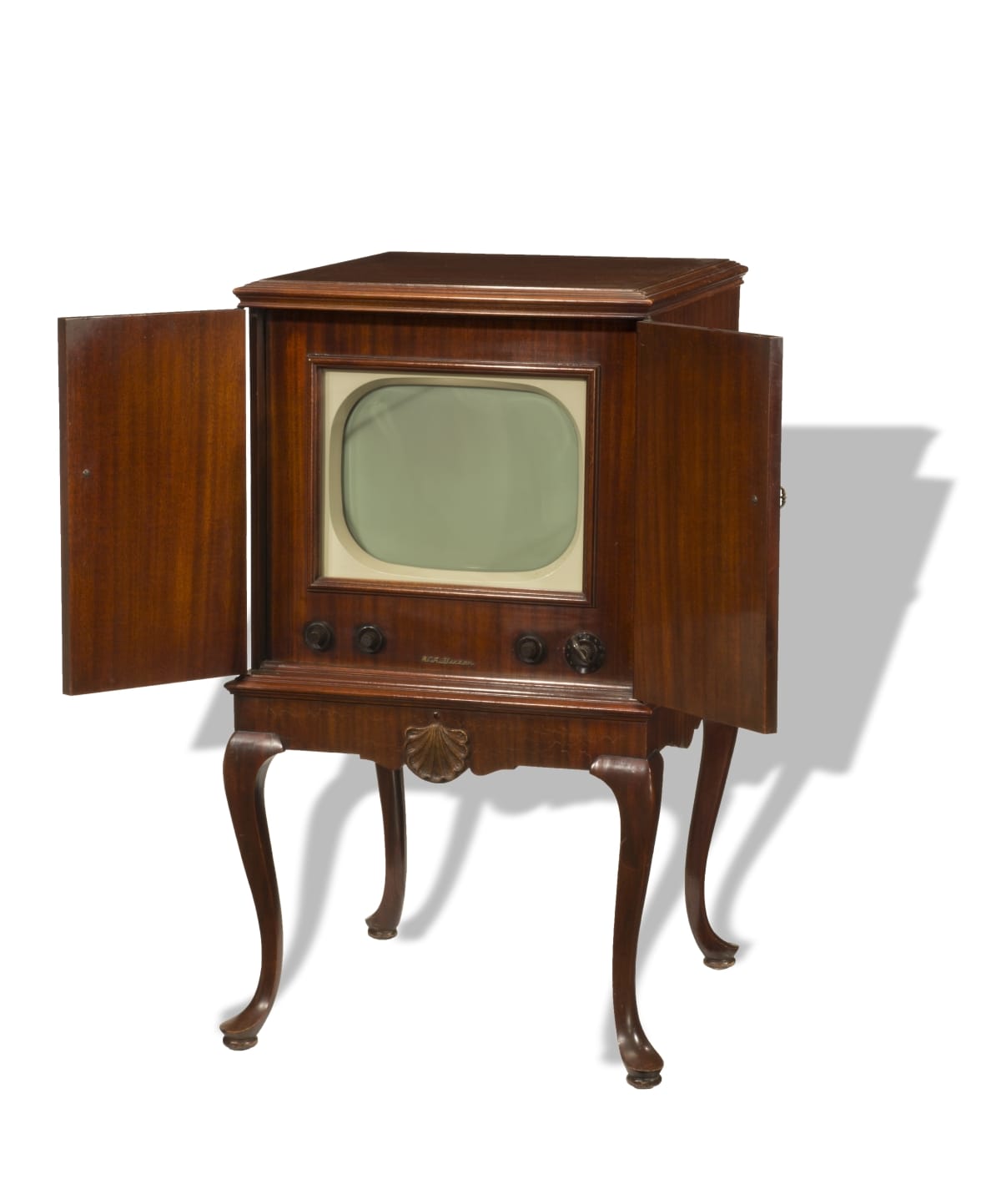
- RCA-Victor Console Television Receiver, 1948 - This television was at the top of R.C.A.'s 1949 line. It sports a 16 inch screen described as "America's Sweet 16" in the company's advertising, when the standard screen was only 10 inches. Most importantly, the case could blend into the owner's Queen Anne style decor, with its hand rubbed walnut or mahogany finish. This model was also offered in Federal and Modern style cabinets.
- 1948
- Collections - Artifact
RCA-Victor Console Television Receiver, 1948
This television was at the top of R.C.A.'s 1949 line. It sports a 16 inch screen described as "America's Sweet 16" in the company's advertising, when the standard screen was only 10 inches. Most importantly, the case could blend into the owner's Queen Anne style decor, with its hand rubbed walnut or mahogany finish. This model was also offered in Federal and Modern style cabinets.
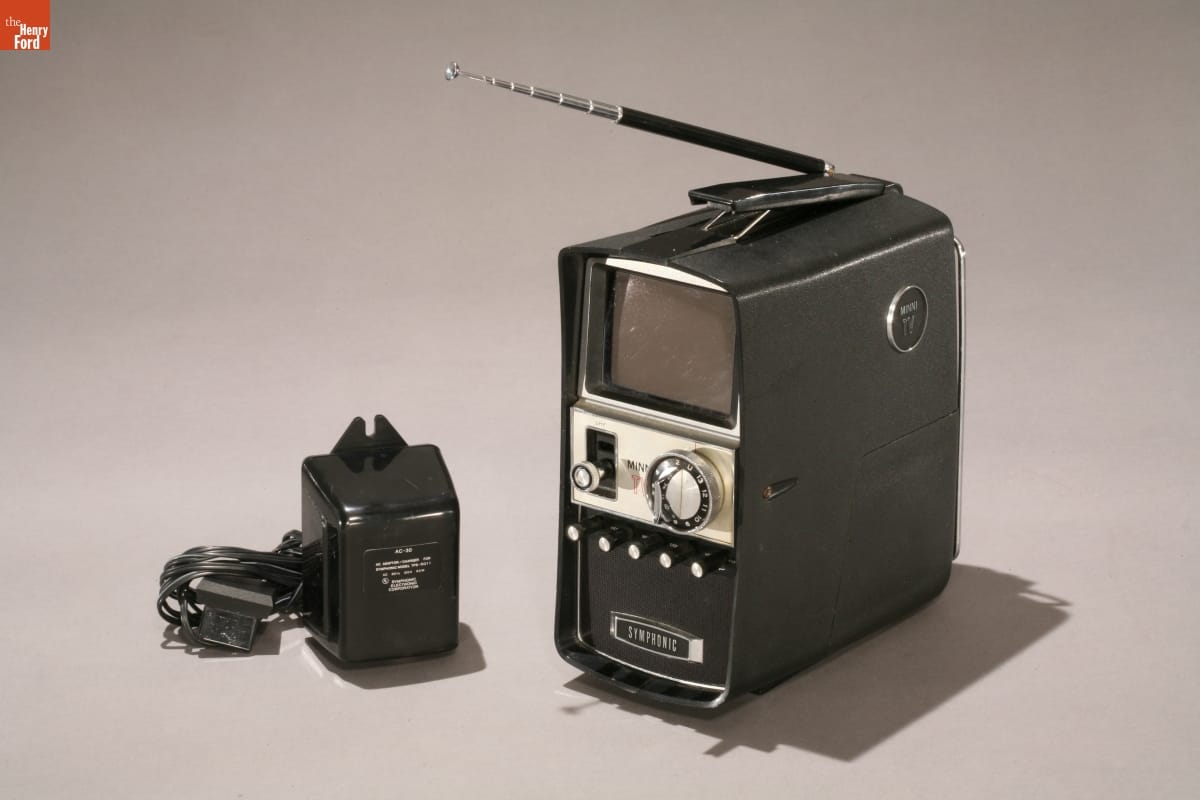
- Symphonic Black and White 3" Television Receiver, Model TPS-5011 "MINNI," 1967 -
- 1967
- Collections - Artifact
Symphonic Black and White 3" Television Receiver, Model TPS-5011 "MINNI," 1967
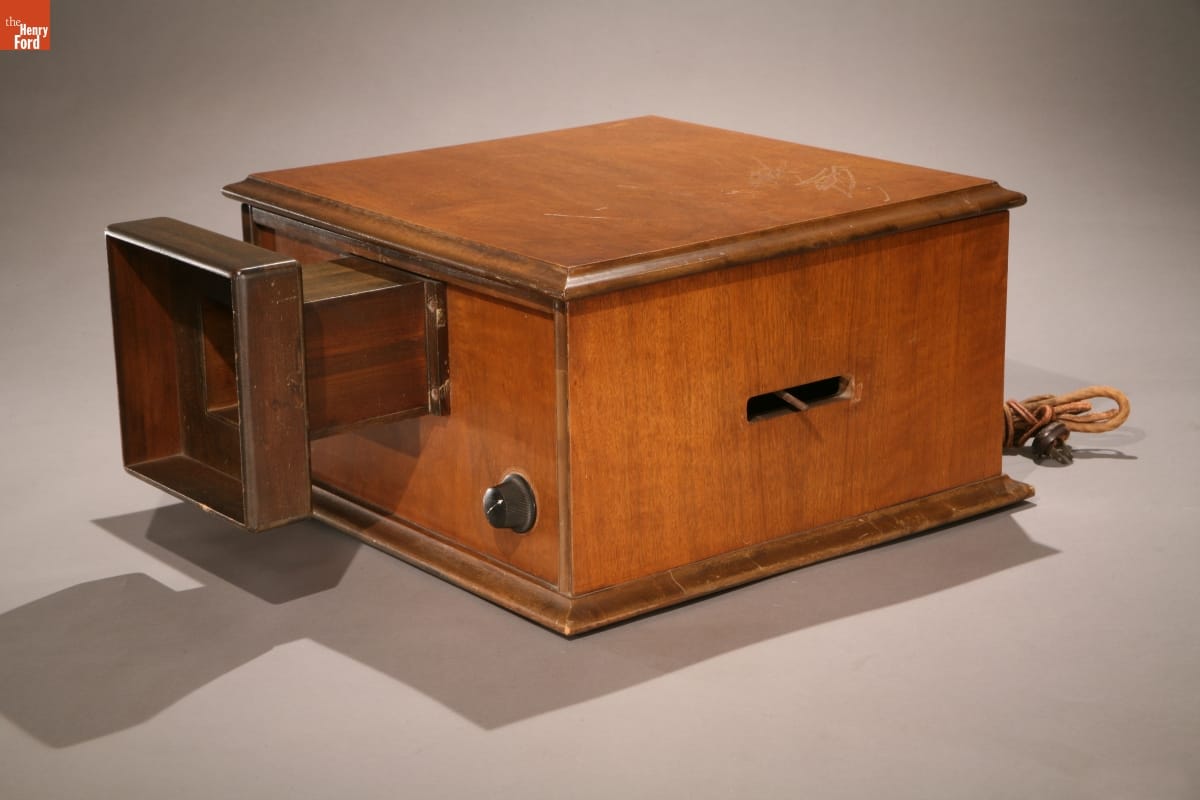
- Shortwave and Television Corporation 3" Mechanical Tabletop Television Receiver, 1930 - Hollis Baird I (1905-1990) was a mechanical television inventor and entrepreneur. In 1928 he helped found Shortwave and Television Laboratory, which sold radios and mechanical televisions and, beginning in April 1929, operated Boston's second experimental television station, W1WX/W1XAV. This Model 26/36 was sold as a kit or as a finished set; it would also have been connected to a radio receiver. Viewers watched speeches and musical programs through a 3" screen.
- 1930
- Collections - Artifact
Shortwave and Television Corporation 3" Mechanical Tabletop Television Receiver, 1930
Hollis Baird I (1905-1990) was a mechanical television inventor and entrepreneur. In 1928 he helped found Shortwave and Television Laboratory, which sold radios and mechanical televisions and, beginning in April 1929, operated Boston's second experimental television station, W1WX/W1XAV. This Model 26/36 was sold as a kit or as a finished set; it would also have been connected to a radio receiver. Viewers watched speeches and musical programs through a 3" screen.
- "TV Guide," March 20-26, 1965 - <em>TV Guide</em> released its first nationally distributed publication in 1953--local and regional versions appeared as early as 1948. The magazine provides program listing information for viewers to plan their weekly television watching. In addition to show schedules, readers will find related news articles, celebrity interviews and gossip, photos, and puzzles.

- March 01, 1965
- Collections - Artifact
"TV Guide," March 20-26, 1965
TV Guide released its first nationally distributed publication in 1953--local and regional versions appeared as early as 1948. The magazine provides program listing information for viewers to plan their weekly television watching. In addition to show schedules, readers will find related news articles, celebrity interviews and gossip, photos, and puzzles.
- Woman's Home Companion, March 1951 -
- March 01, 1951
- Collections - Artifact
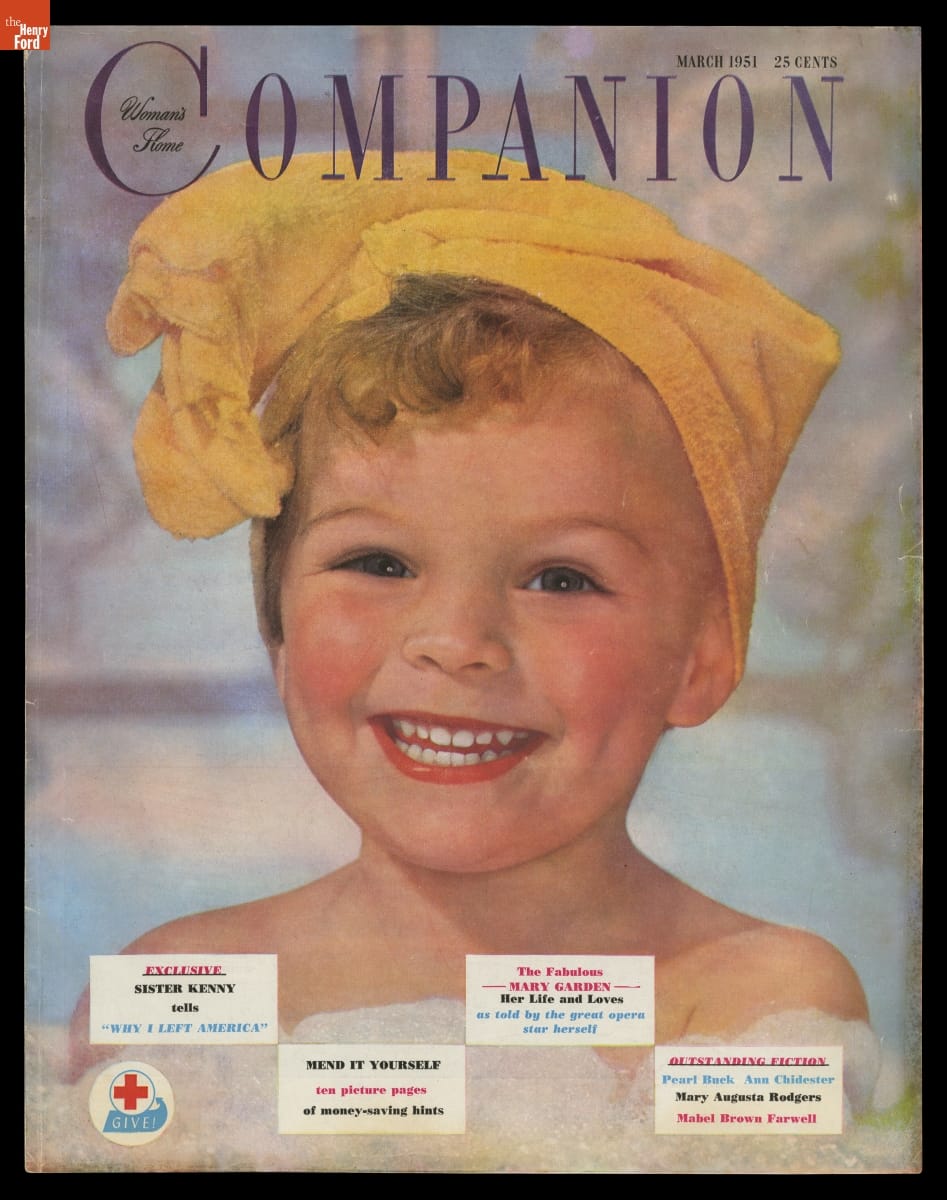
Woman's Home Companion, March 1951
- Television Monitor Control Unit, Used by WWJ-TV, circa 1950 -
- circa 1950
- Collections - Artifact
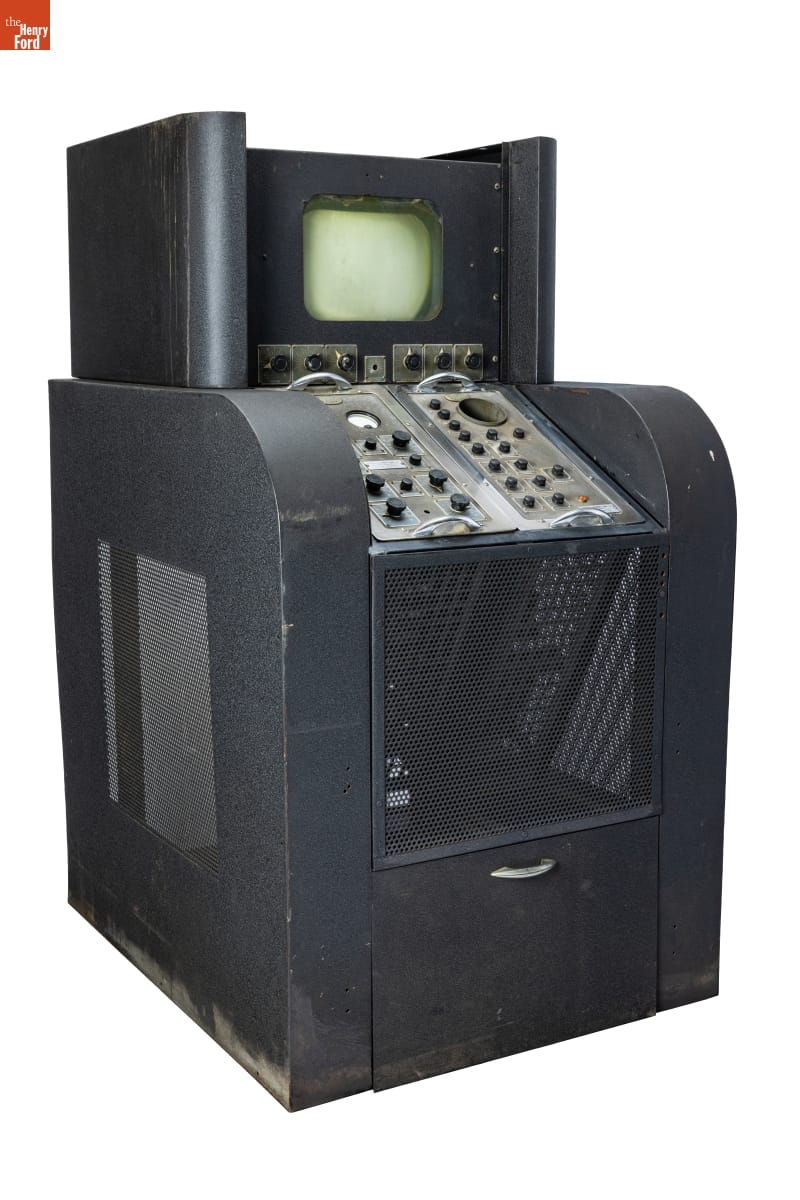
Television Monitor Control Unit, Used by WWJ-TV, circa 1950
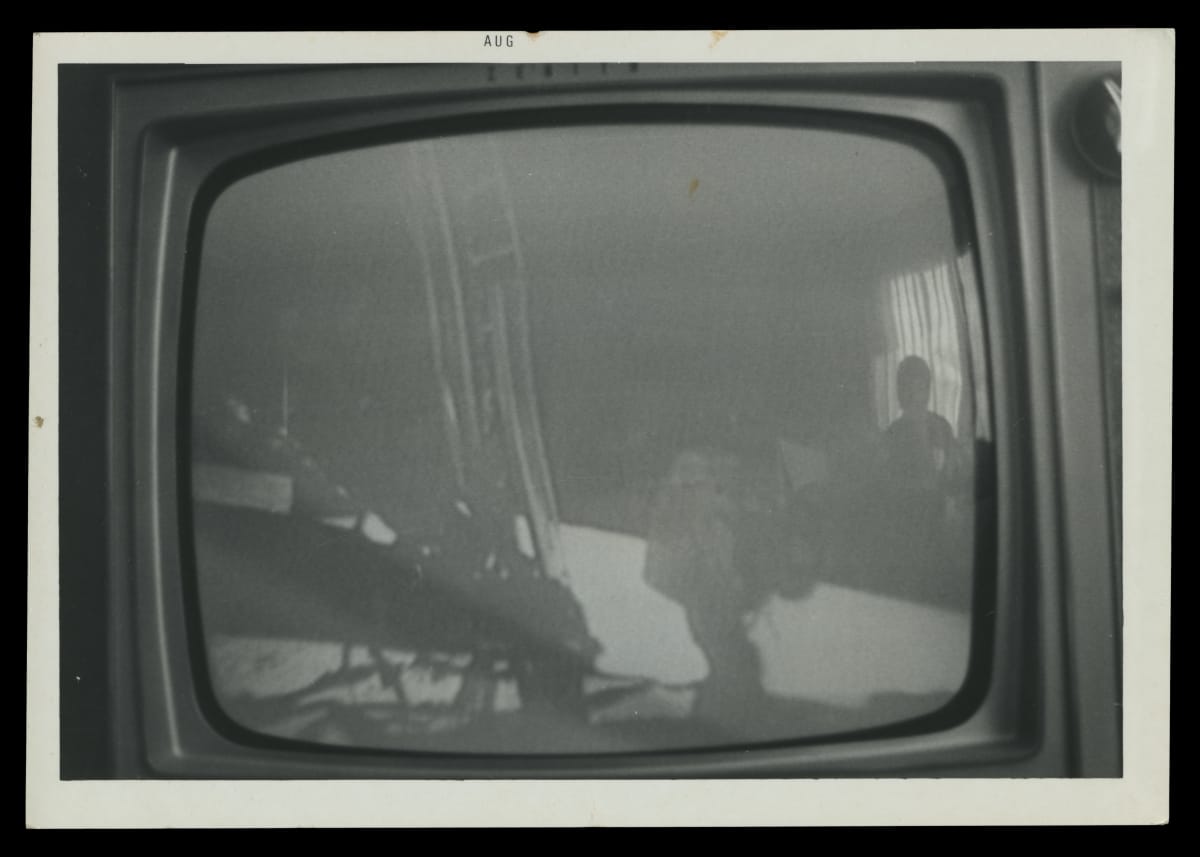
- Home Television Broadcast of NASA's Apollo 11 Moon Landing, July 20, 1969 - NASA's Apollo lunar missions captivated audiences watching the live events on their home televisions. When video recording technology was not widely available, people captured the events with what was available - the family camera. These images document many layers of technology, which united to make the missions possible. They also capture public fascination and desire to commemorate one's place in historical moments.
- July 20, 1969
- Collections - Artifact
Home Television Broadcast of NASA's Apollo 11 Moon Landing, July 20, 1969
NASA's Apollo lunar missions captivated audiences watching the live events on their home televisions. When video recording technology was not widely available, people captured the events with what was available - the family camera. These images document many layers of technology, which united to make the missions possible. They also capture public fascination and desire to commemorate one's place in historical moments.
- Home Television Broadcast of NASA's Apollo 11 Moon Landing, July 20, 1969 - NASA's Apollo lunar missions captivated audiences watching the live events on their home televisions. When video recording technology was not widely available, people captured the events with what was available - the family camera. These images document many layers of technology, which united to make the missions possible. They also capture public fascination and desire to commemorate one's place in historical moments.
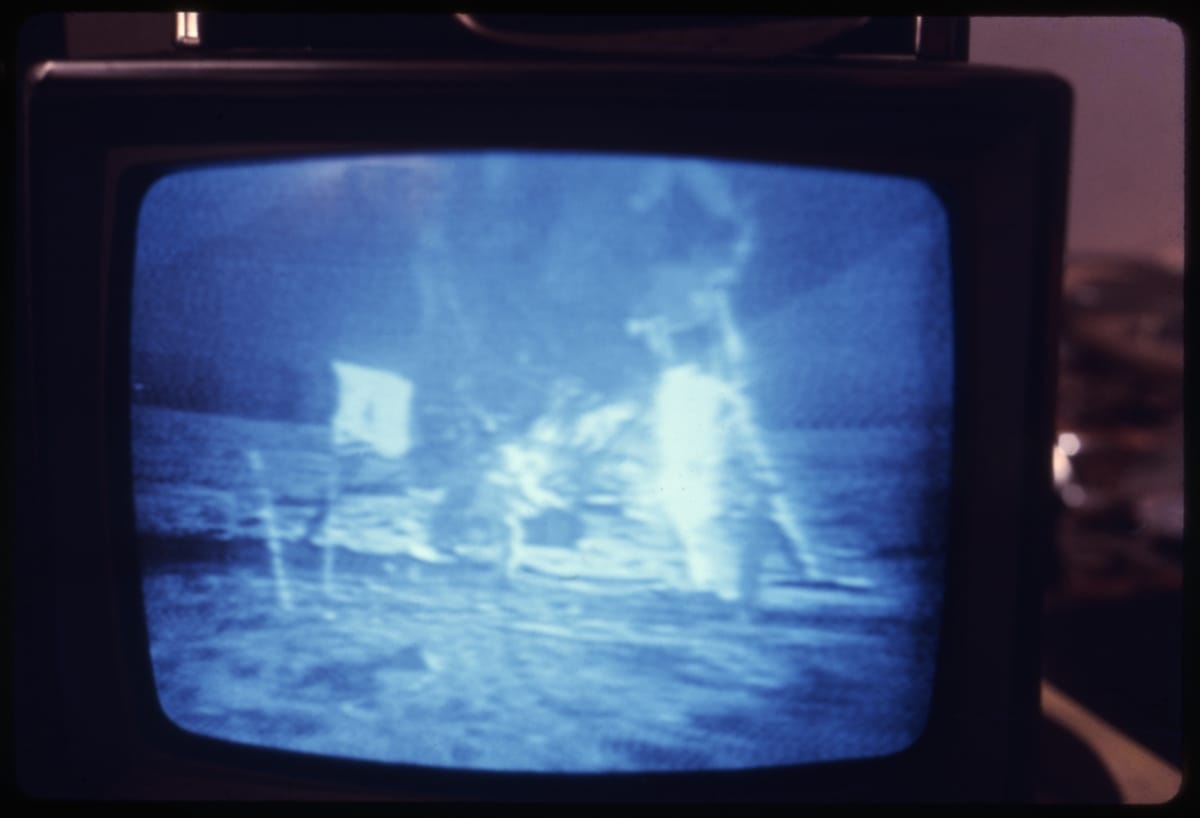
- July 20, 1969
- Collections - Artifact
Home Television Broadcast of NASA's Apollo 11 Moon Landing, July 20, 1969
NASA's Apollo lunar missions captivated audiences watching the live events on their home televisions. When video recording technology was not widely available, people captured the events with what was available - the family camera. These images document many layers of technology, which united to make the missions possible. They also capture public fascination and desire to commemorate one's place in historical moments.