
Search
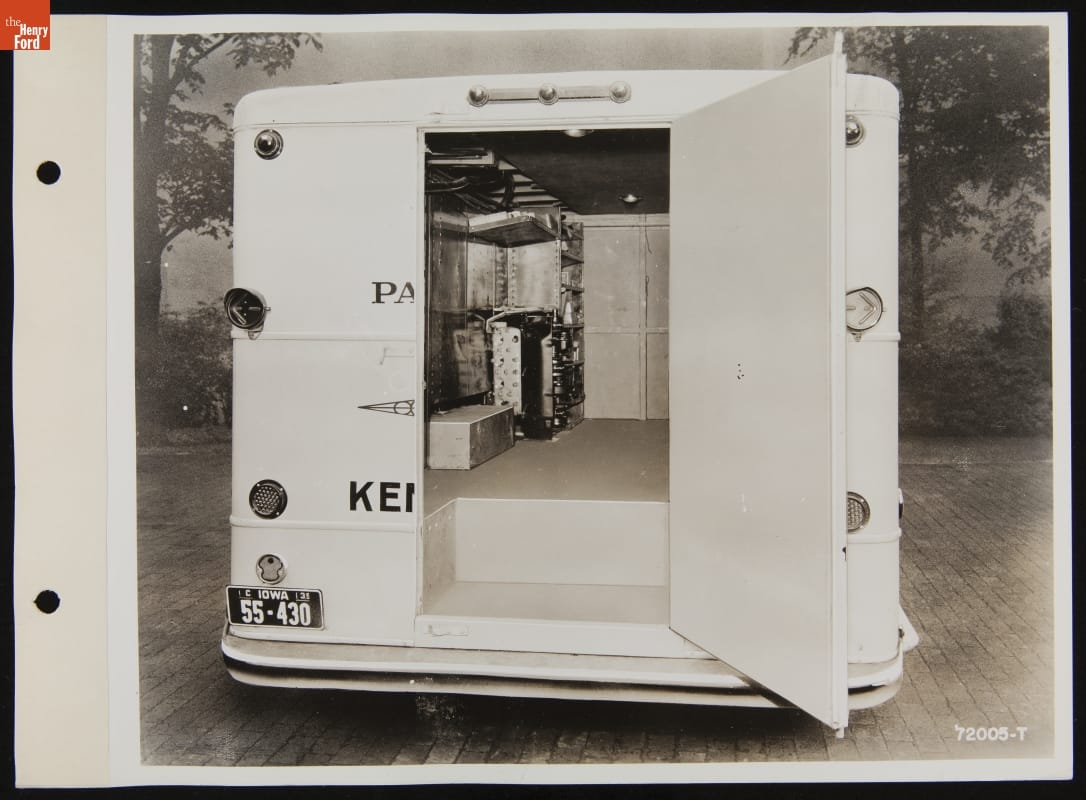
- Interior of Kent Motor Company Parts Delivery Truck, Alogona, Iowa, June 1939 - Ford Motor Company's truck lineup for 1939 included pickups, panel trucks, stake body and platform models, and sedan delivery vehicles. Larger commercial models were available in dump truck and cab-over-engine configurations. Power came from V-8 engines available with displacements of 136 or 221 cubic inches.
- June 23, 1939
- Collections - Artifact
Interior of Kent Motor Company Parts Delivery Truck, Alogona, Iowa, June 1939
Ford Motor Company's truck lineup for 1939 included pickups, panel trucks, stake body and platform models, and sedan delivery vehicles. Larger commercial models were available in dump truck and cab-over-engine configurations. Power came from V-8 engines available with displacements of 136 or 221 cubic inches.
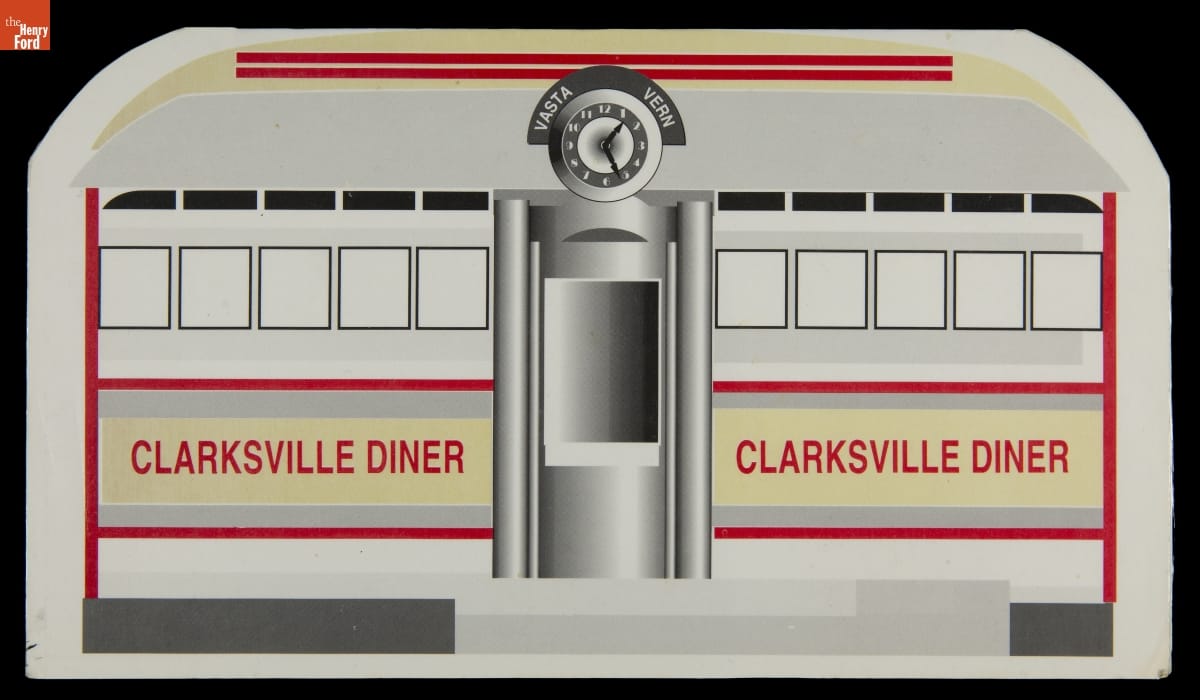
- Clarksville Diner Menu, March 1995 -
- March 01, 1995
- Collections - Artifact
Clarksville Diner Menu, March 1995
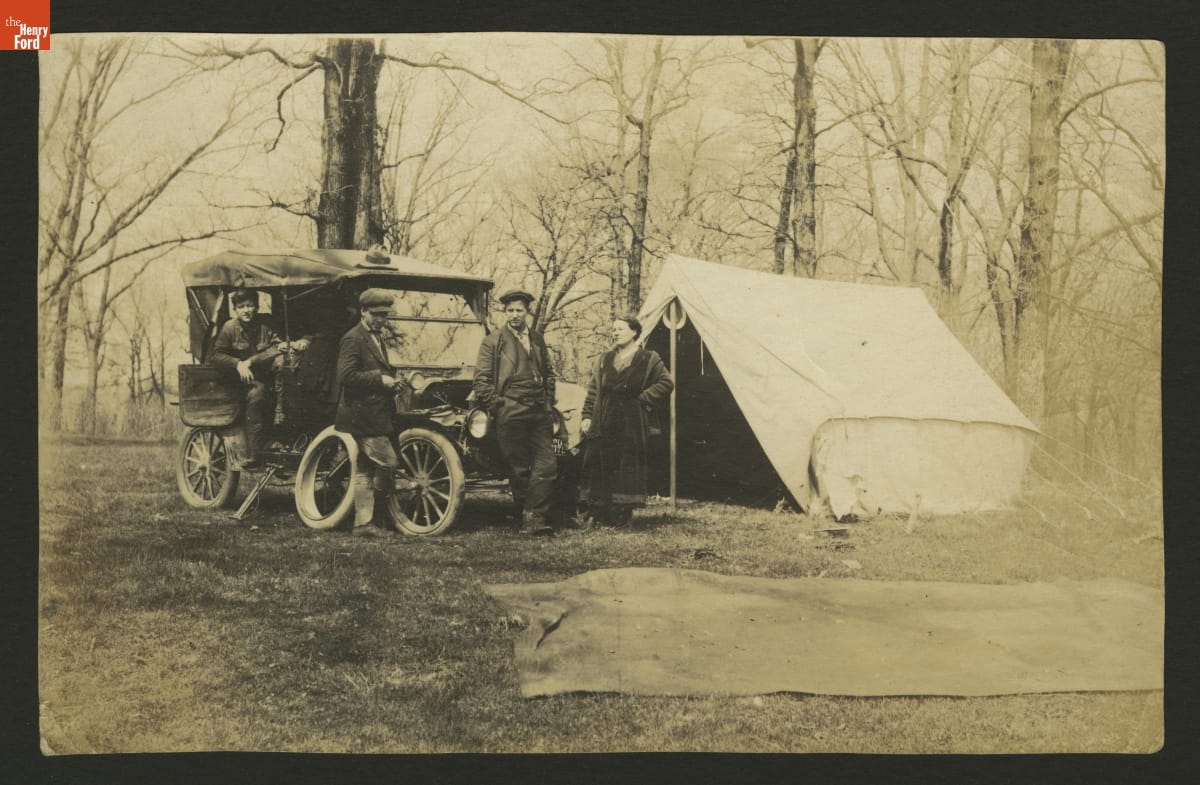
- Auto Campers with Ford Model T Touring Car and Tent, Cedar Rapids, Iowa, circa 1919 - During the late teens and 1920s, hordes of middle-class motorists were answering the call of the open road. But overnight lodgings were hard to find, so many people packed a tent, cots, and food, and enjoyed the freedom of autocamping. Setting up camp for the night provided the opportunity to make much-needed repairs before heading out the next day.
- circa 1919
- Collections - Artifact
Auto Campers with Ford Model T Touring Car and Tent, Cedar Rapids, Iowa, circa 1919
During the late teens and 1920s, hordes of middle-class motorists were answering the call of the open road. But overnight lodgings were hard to find, so many people packed a tent, cots, and food, and enjoyed the freedom of autocamping. Setting up camp for the night provided the opportunity to make much-needed repairs before heading out the next day.
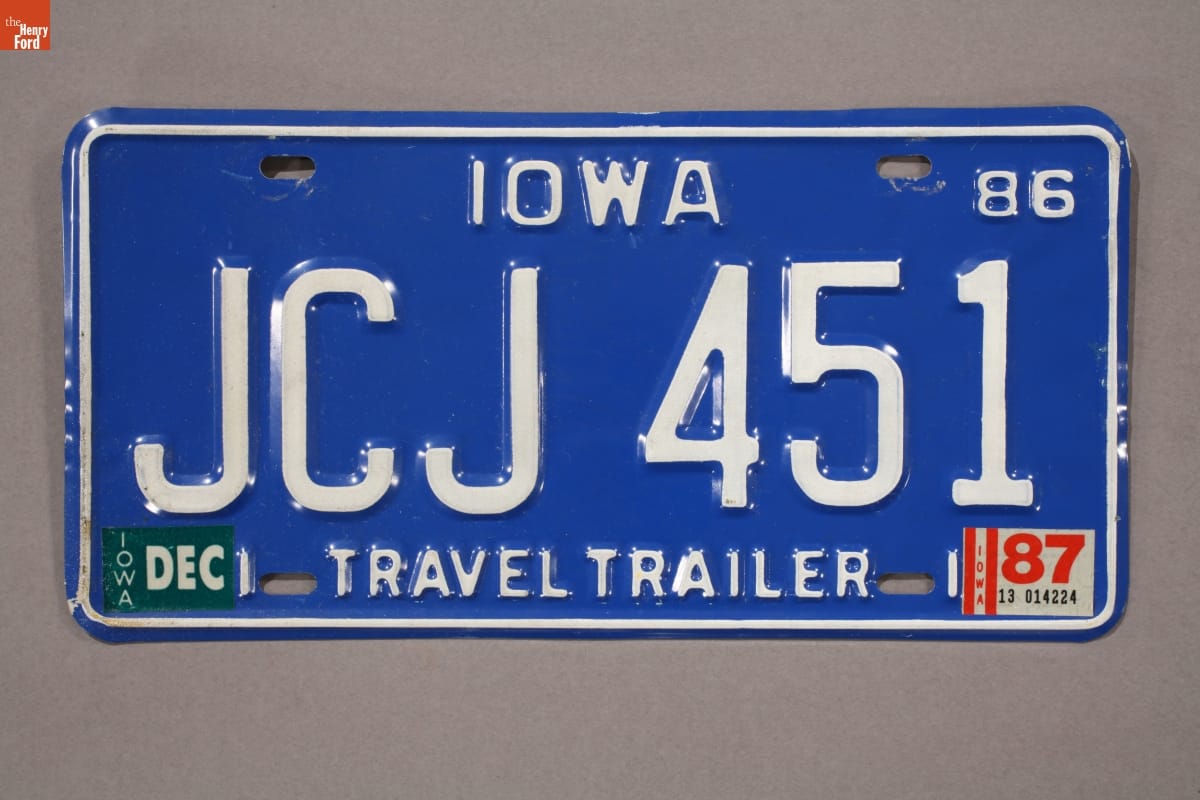
- Iowa License Plate, 1986 - Early state-issued license plates were made of porcelain-coated iron. Later, states stamped tin, steel, or even copper to make plates. During the Second World War several states used fiberboard. Plate colors varied and some states added symbols, mottoes, or other design elements. Today, states use reflective sheeting to coat a standard-sized aluminum blank which is then stamped and decorated.
- 1986
- Collections - Artifact
Iowa License Plate, 1986
Early state-issued license plates were made of porcelain-coated iron. Later, states stamped tin, steel, or even copper to make plates. During the Second World War several states used fiberboard. Plate colors varied and some states added symbols, mottoes, or other design elements. Today, states use reflective sheeting to coat a standard-sized aluminum blank which is then stamped and decorated.
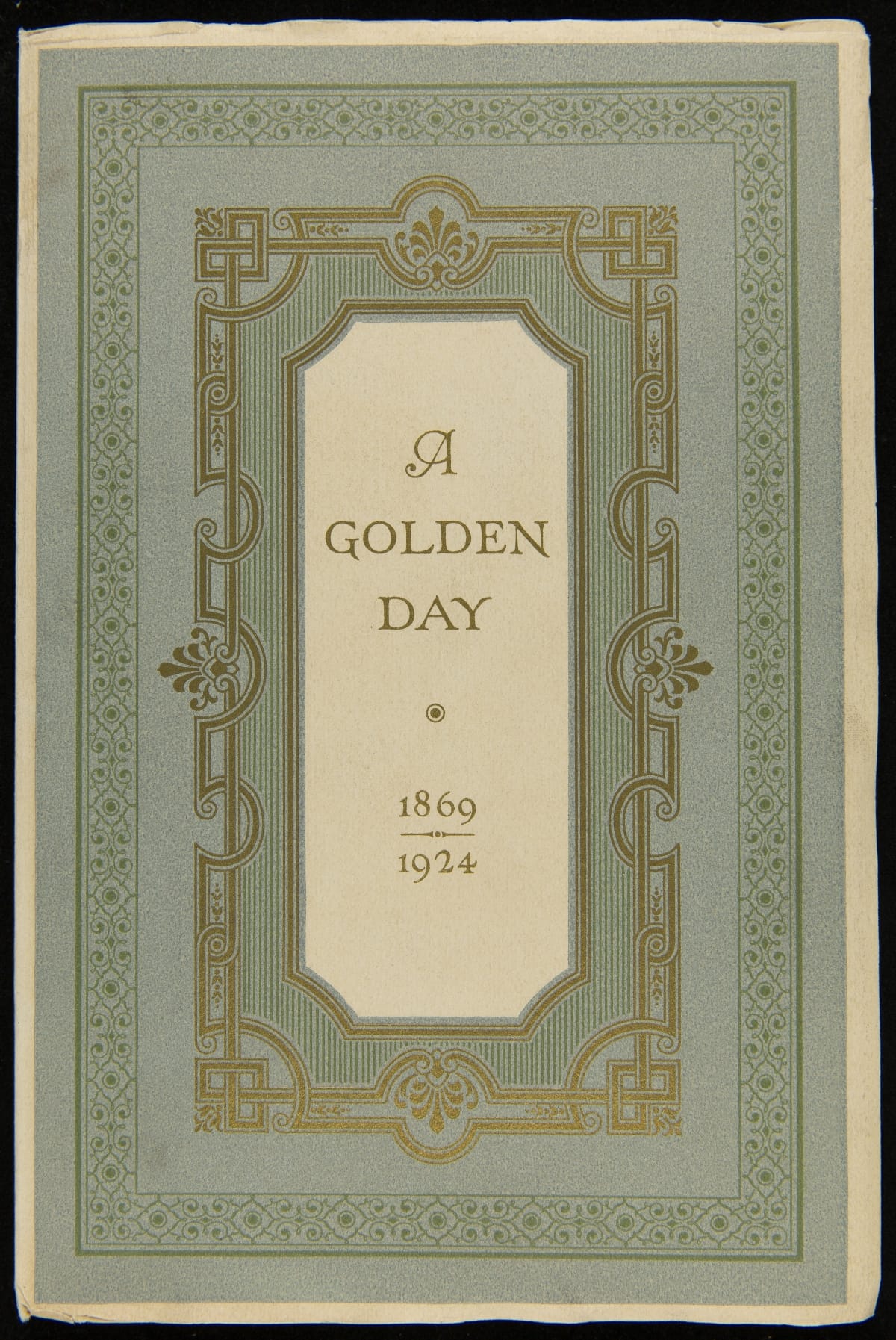
- H. J. Heinz Memorial Statue Dedication, "A Golden Day," at Heinz Main Plant, Pittsburgh, Pennsylvania, October 11, 1924 - H.J. Heinz valued a strong relationship between his company and its employees. This resulted in a world-class employee welfare program which included amenities, programs, and policies with consideration for employees' well-being. In 1924, to commemorate the company's 55th anniversary, employees erected a memorial statue as a token of their gratitude for their employer. This is a program from the celebration, called "A Golden Day."
- 1925
- Collections - Artifact
H. J. Heinz Memorial Statue Dedication, "A Golden Day," at Heinz Main Plant, Pittsburgh, Pennsylvania, October 11, 1924
H.J. Heinz valued a strong relationship between his company and its employees. This resulted in a world-class employee welfare program which included amenities, programs, and policies with consideration for employees' well-being. In 1924, to commemorate the company's 55th anniversary, employees erected a memorial statue as a token of their gratitude for their employer. This is a program from the celebration, called "A Golden Day."
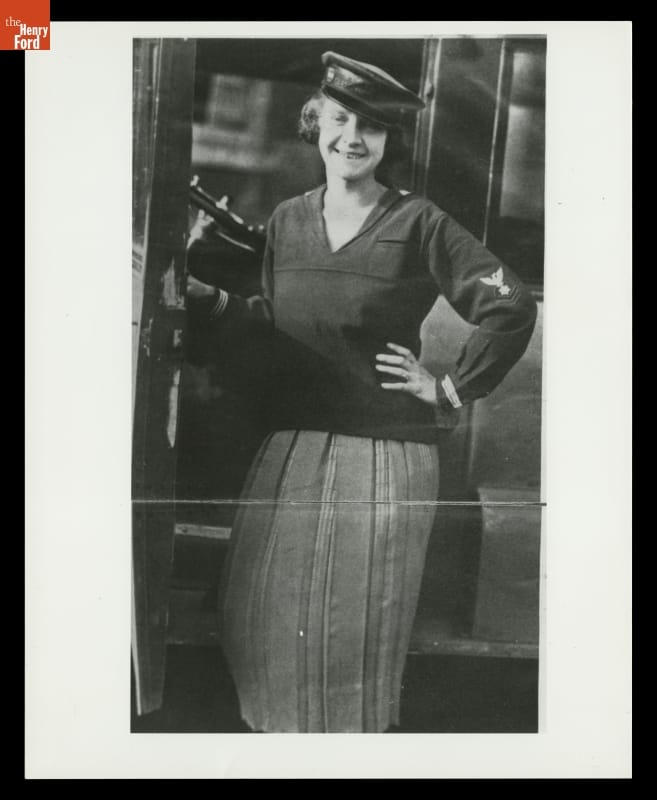
- Helen M. Schultz Brewer, Owner of Red Ball Bus Company, Iowa, circa 1924 - Helen M. Schultz started the Red Ball Transportation Company in 1922 with buses running from Waterloo to Des Moines, Iowa. Schultz met many challenges while establishing her business, including competition from rival bus lines and the railroad, government regulations, and poor highway conditions. She sold Red Ball to the Jefferson Highway Transportation Company in 1930.
- circa 1924
- Collections - Artifact
Helen M. Schultz Brewer, Owner of Red Ball Bus Company, Iowa, circa 1924
Helen M. Schultz started the Red Ball Transportation Company in 1922 with buses running from Waterloo to Des Moines, Iowa. Schultz met many challenges while establishing her business, including competition from rival bus lines and the railroad, government regulations, and poor highway conditions. She sold Red Ball to the Jefferson Highway Transportation Company in 1930.
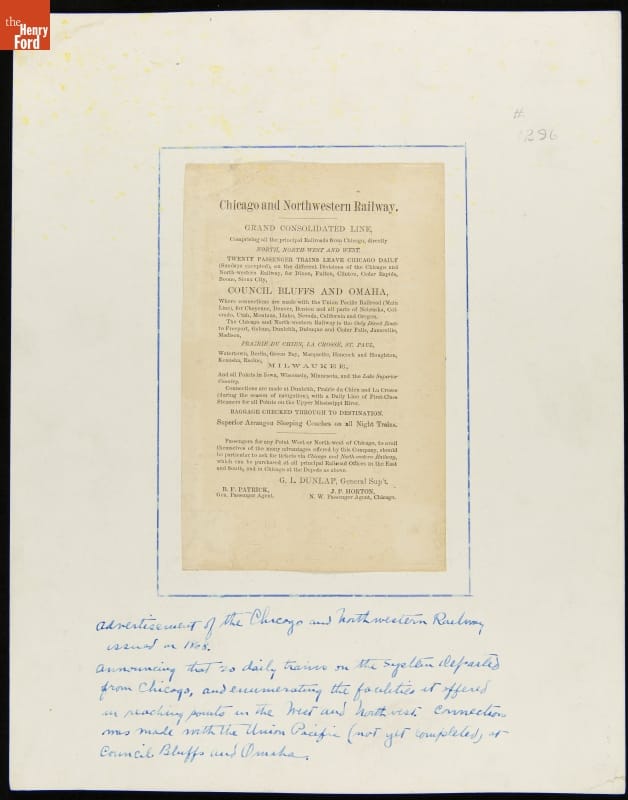
- Chicago and Northwestern Railway Advertising Broadside, 1868 - President Lincoln designated Council Bluffs, Iowa, as the official eastern terminus of the First Transcontinental Railroad. (Though the Missouri River wasn't bridged until 1872, making Omaha, Nebraska, the effective terminus until then.) The transcontinental route connected with the rest of the eastern U.S. railroad network via the Chicago & North Western Railway, completed to Council Bluffs from Chicago in 1867.
- 1868
- Collections - Artifact
Chicago and Northwestern Railway Advertising Broadside, 1868
President Lincoln designated Council Bluffs, Iowa, as the official eastern terminus of the First Transcontinental Railroad. (Though the Missouri River wasn't bridged until 1872, making Omaha, Nebraska, the effective terminus until then.) The transcontinental route connected with the rest of the eastern U.S. railroad network via the Chicago & North Western Railway, completed to Council Bluffs from Chicago in 1867.
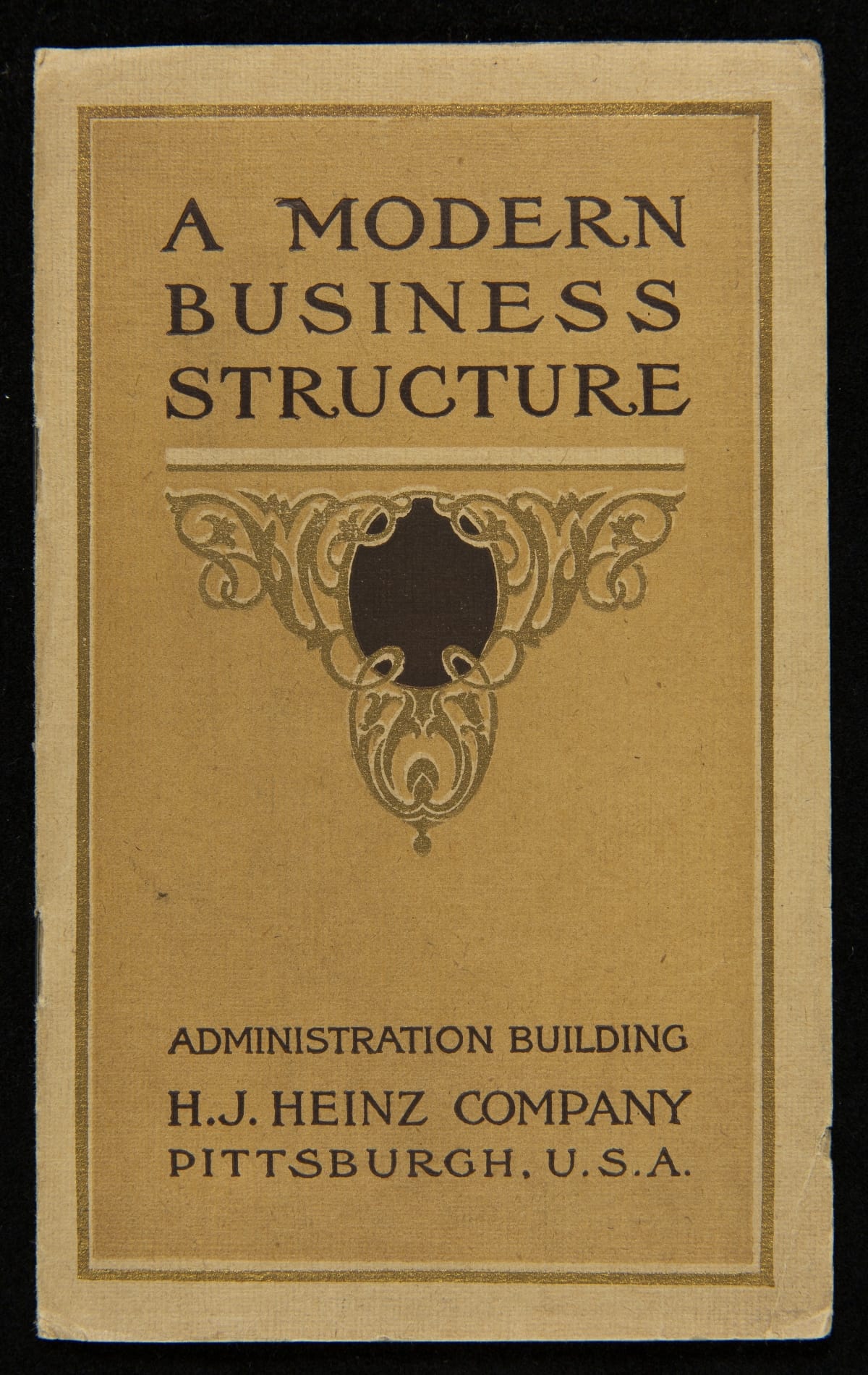
- "A Modern Business Structure," H. J. Heinz Company, Pittsburgh, Pennsylvania, circa 1910 - By the early 1900s, the H.J. Heinz Company had become well-known in the manufactured food industry. Its success resulted in the expansion of its production and distribution operations, which in turn created a need for larger executive quarters. This booklet provides an overview of the Administration Building at the Pittsburgh, Pennsylvania, factory, and describes the mural decorations which adorn its walls.
- circa 1910
- Collections - Artifact
"A Modern Business Structure," H. J. Heinz Company, Pittsburgh, Pennsylvania, circa 1910
By the early 1900s, the H.J. Heinz Company had become well-known in the manufactured food industry. Its success resulted in the expansion of its production and distribution operations, which in turn created a need for larger executive quarters. This booklet provides an overview of the Administration Building at the Pittsburgh, Pennsylvania, factory, and describes the mural decorations which adorn its walls.
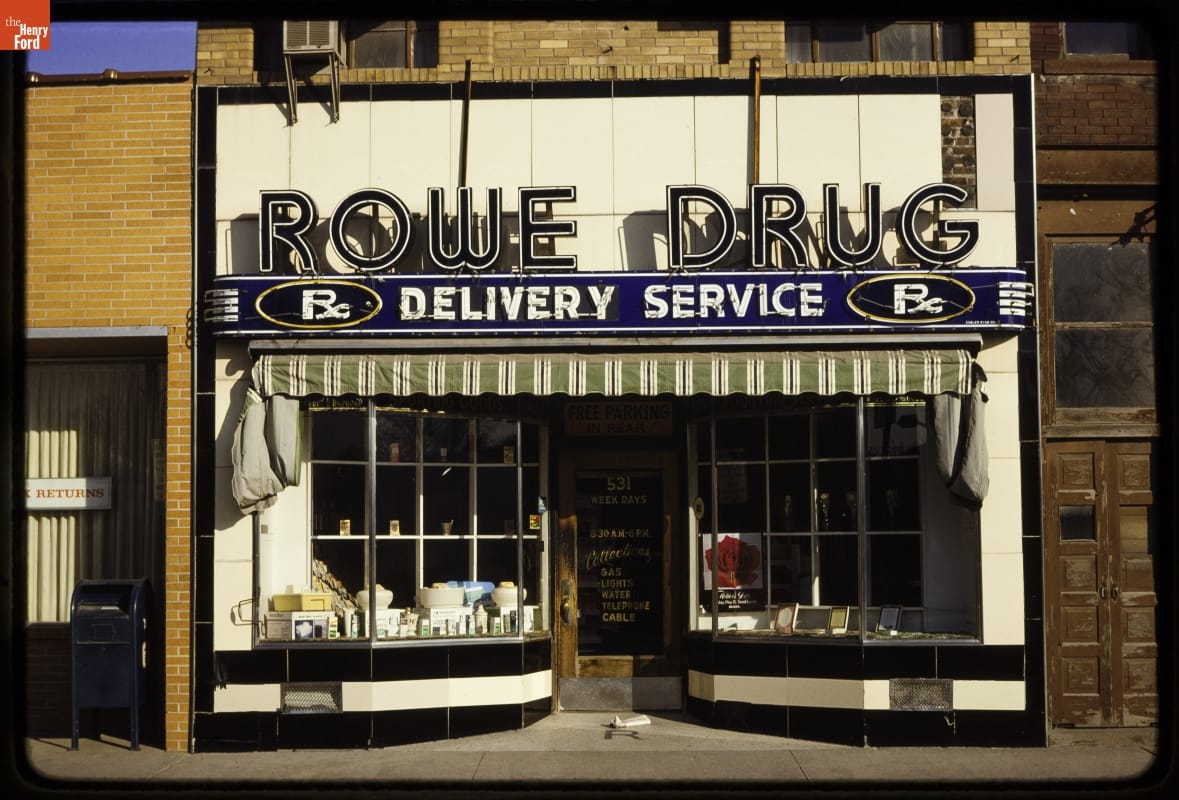
- Rowe Drugs, Ottumwa, Iowa, 1980 - In the mid-1970s, John Margolies began to assemble a visual record of America's built roadside landscape. Over the following three decades, he traveled thousands of miles to photograph the overlooked and often quickly vanishing structures that had grown out of American automobile culture and main street commerce. His photographs of hotels, motels, diners, service stations, drive-ins and attractions celebrate and capture a unique chapter of American history.
- 1980
- Collections - Artifact
Rowe Drugs, Ottumwa, Iowa, 1980
In the mid-1970s, John Margolies began to assemble a visual record of America's built roadside landscape. Over the following three decades, he traveled thousands of miles to photograph the overlooked and often quickly vanishing structures that had grown out of American automobile culture and main street commerce. His photographs of hotels, motels, diners, service stations, drive-ins and attractions celebrate and capture a unique chapter of American history.
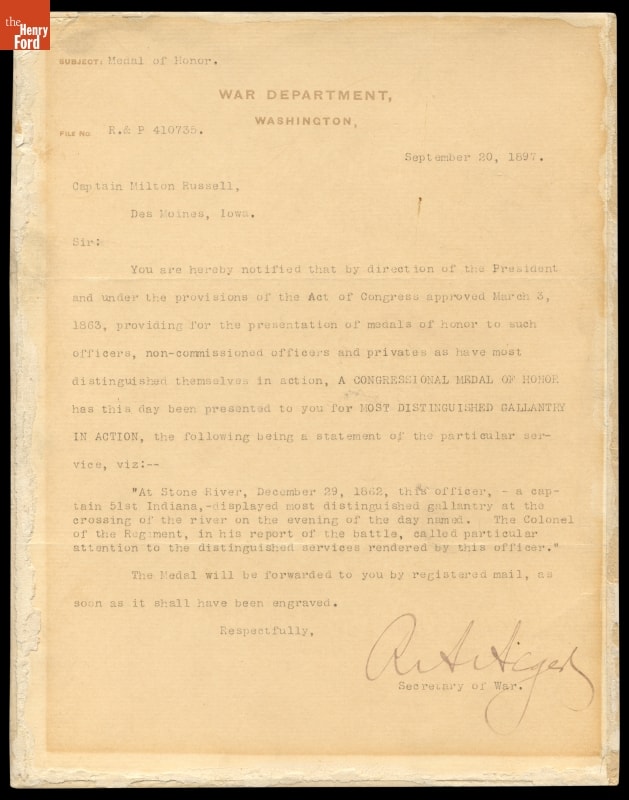
- Letter to Milton Russell Notifying Him of Congressional Medal of Honor Award, 1897 - Imagine Milton Russell's great surprise and delight when he received this letter from Russell Alger, the United States Secretary of War, in September 1897. It notified the former Union captain that he was to receive the Medal of Honor for valor shown during the Civil War Battle of Stones River in Tennessee, 35 years earlier.
- 1897
- Collections - Artifact
Letter to Milton Russell Notifying Him of Congressional Medal of Honor Award, 1897
Imagine Milton Russell's great surprise and delight when he received this letter from Russell Alger, the United States Secretary of War, in September 1897. It notified the former Union captain that he was to receive the Medal of Honor for valor shown during the Civil War Battle of Stones River in Tennessee, 35 years earlier.