
Search
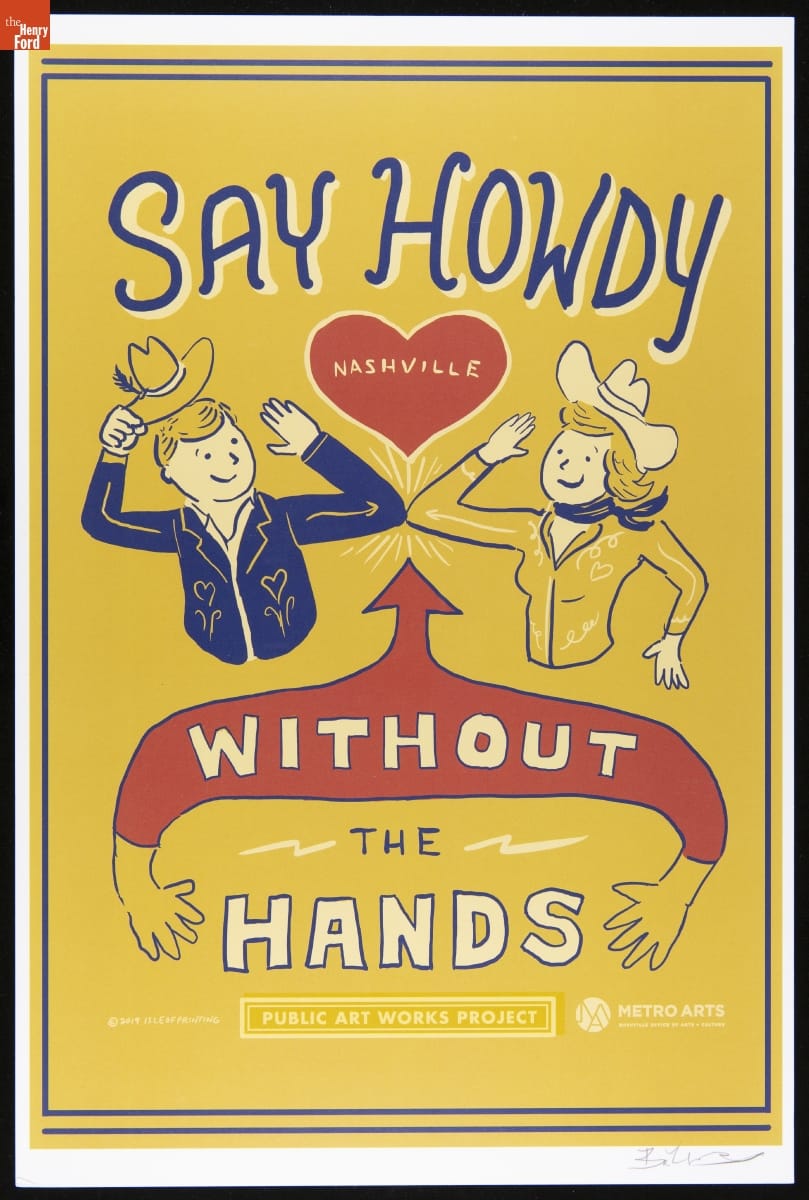
- Public Service Poster, "Say Howdy without the Hands," 2020 -
- 2020
- Collections - Artifact
Public Service Poster, "Say Howdy without the Hands," 2020
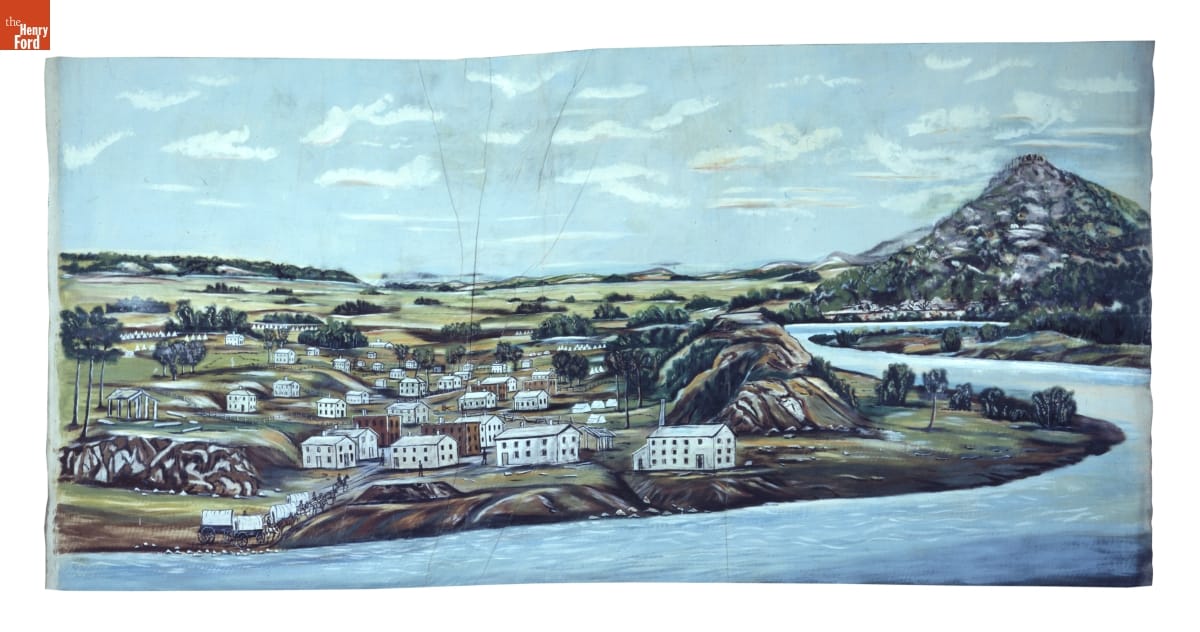
- "Battle Scenes of the Rebellion" Battle of Chattanooga, Civil War Panorama - In the 1880s, Thomas Clarkson Gordon, a self-taught artist and Civil War veteran, created a panorama depicting scenes from the Civil War. Gordon stitched together 15 paintings -- each 7 by 14 feet -- into a canvas roll more than 100 feet long. He toured his multi-paneled panorama throughout eastern Indiana, retelling the history of the conflict through his vivid illustrations.
- 1863
- Collections - Artifact
"Battle Scenes of the Rebellion" Battle of Chattanooga, Civil War Panorama
In the 1880s, Thomas Clarkson Gordon, a self-taught artist and Civil War veteran, created a panorama depicting scenes from the Civil War. Gordon stitched together 15 paintings -- each 7 by 14 feet -- into a canvas roll more than 100 feet long. He toured his multi-paneled panorama throughout eastern Indiana, retelling the history of the conflict through his vivid illustrations.
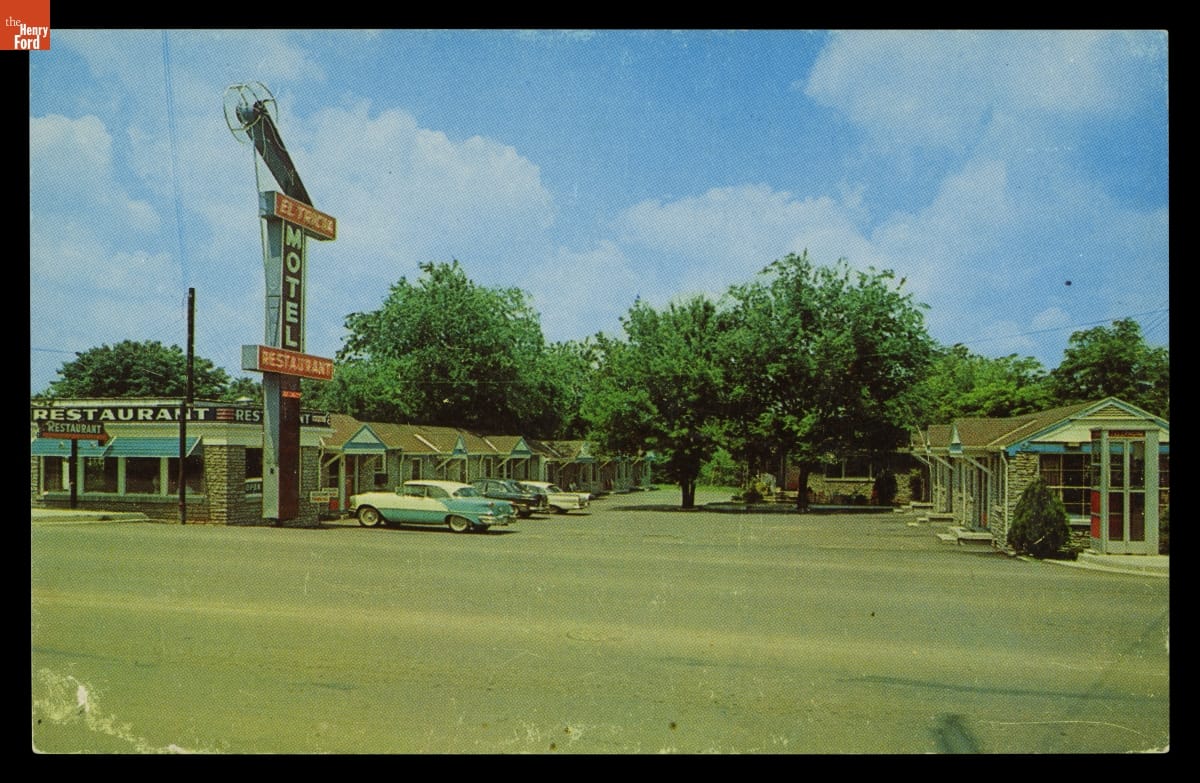
- Postcard for El-Tricia Motel & Restaurant, Lebanon, Tennessee, circa 1960 -
- circa 1960
- Collections - Artifact
Postcard for El-Tricia Motel & Restaurant, Lebanon, Tennessee, circa 1960
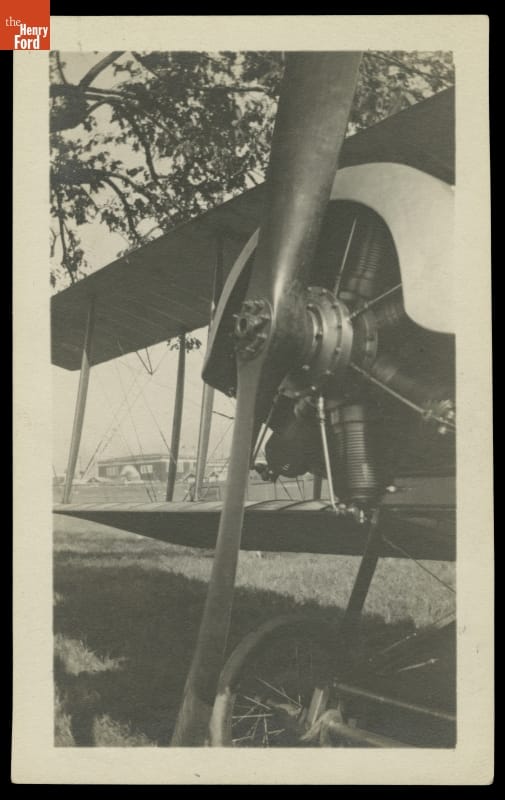
- Katherine Stinson's Laird Biplane at the Tri-State Fair, October 1916 - Katherine Stinson flew this biplane, designed by Emil "Matty" Laird, at Memphis, Tennessee, in October 1916. Stinson was only the fourth American woman to earn a pilot's license, and she consistently dazzled spectators with her skilled stunt flying. Though in her 20s, the petite Stinson looked even younger. The press took to calling her the "Flying Schoolgirl."
- October 01, 1916
- Collections - Artifact
Katherine Stinson's Laird Biplane at the Tri-State Fair, October 1916
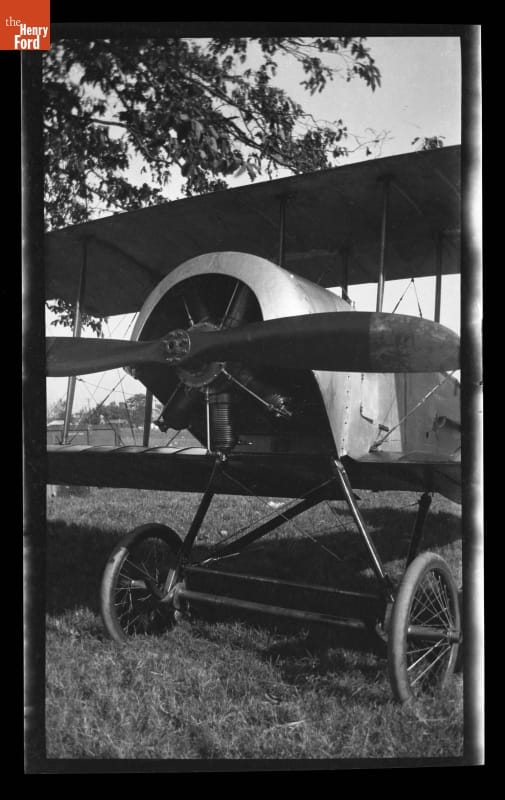
Katherine Stinson flew this biplane, designed by Emil "Matty" Laird, at Memphis, Tennessee, in October 1916. Stinson was only the fourth American woman to earn a pilot's license, and she consistently dazzled spectators with her skilled stunt flying. Though in her 20s, the petite Stinson looked even younger. The press took to calling her the "Flying Schoolgirl."
- Katherine Stinson's Laird Biplane at the Tri-State Fair, October 1916 - Katherine Stinson flew this biplane, designed by Emil "Matty" Laird, at Memphis, Tennessee, in October 1916. Stinson was only the fourth American woman to earn a pilot's license, and she consistently dazzled spectators with her skilled stunt flying. Though in her 20s, the petite Stinson looked even younger. The press took to calling her the "Flying Schoolgirl."
- October 01, 1916
- Collections - Artifact
Katherine Stinson's Laird Biplane at the Tri-State Fair, October 1916
Katherine Stinson flew this biplane, designed by Emil "Matty" Laird, at Memphis, Tennessee, in October 1916. Stinson was only the fourth American woman to earn a pilot's license, and she consistently dazzled spectators with her skilled stunt flying. Though in her 20s, the petite Stinson looked even younger. The press took to calling her the "Flying Schoolgirl."
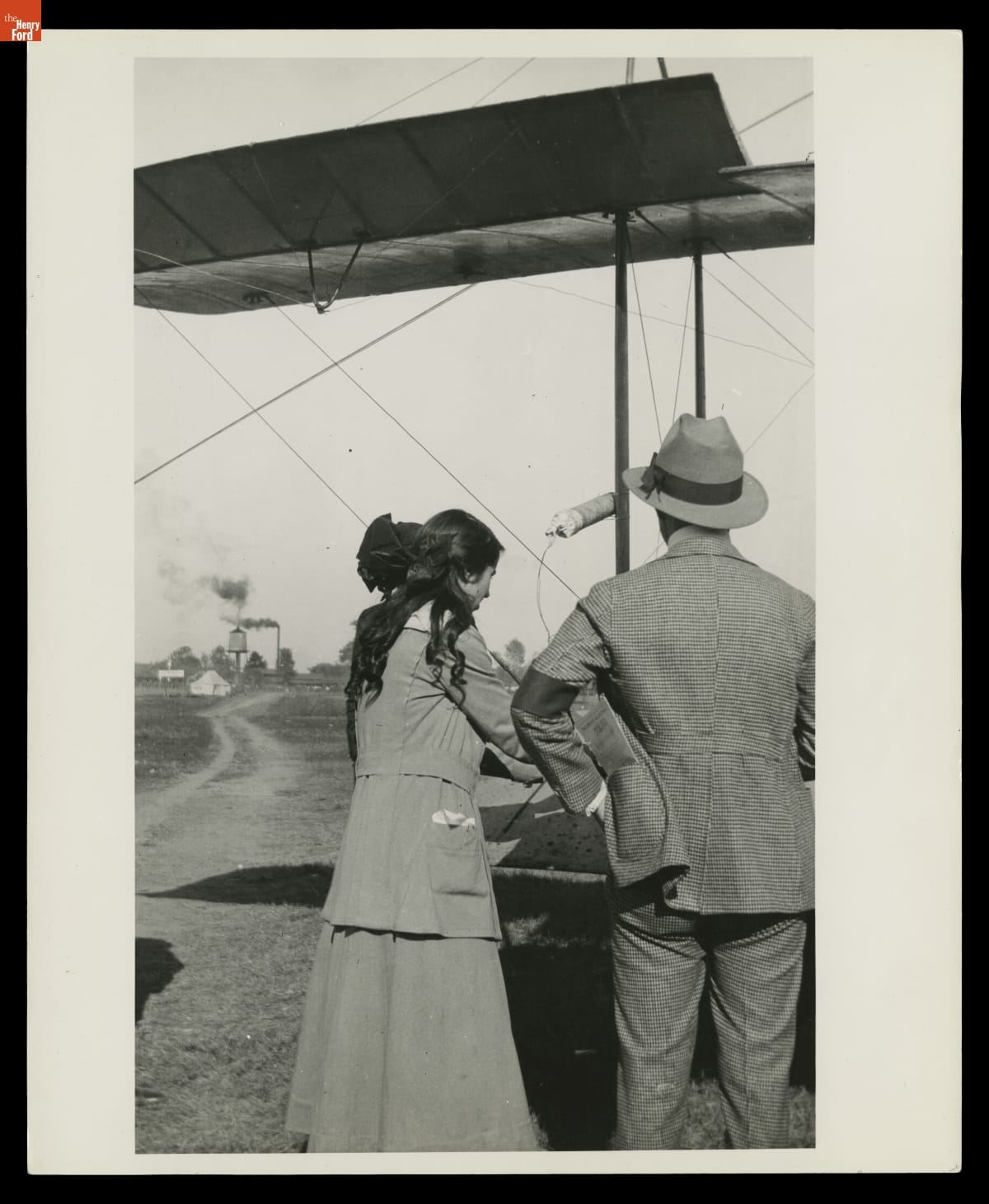
- Katherine Stinson Securing Magnesium Flares to Her Laird Biplane at the Tri-State Fair, October 1916 - Attracted by the high fees paid to stunt pilots, Katherine Stinson earned her pilot's license in 1912 as a way to finance music lessons. Flight quickly replaced music as her passion and Stinson became one of the most skilled pilots of her era. She became the first woman to skywrite at night, using flares like this, in 1915.
- October 01, 1916
- Collections - Artifact
Katherine Stinson Securing Magnesium Flares to Her Laird Biplane at the Tri-State Fair, October 1916
Attracted by the high fees paid to stunt pilots, Katherine Stinson earned her pilot's license in 1912 as a way to finance music lessons. Flight quickly replaced music as her passion and Stinson became one of the most skilled pilots of her era. She became the first woman to skywrite at night, using flares like this, in 1915.
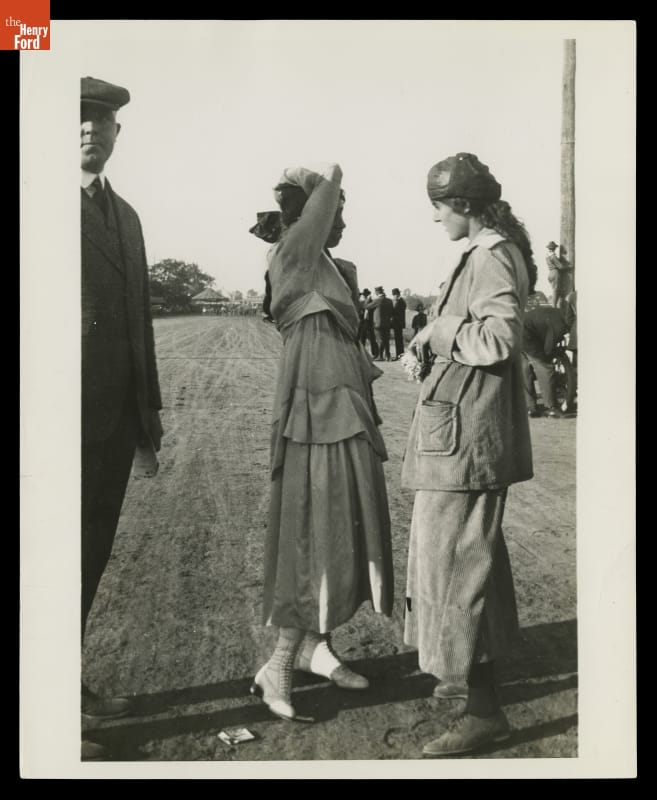
- Katherine Stinson and Elfreida Mais on the Racetrack during the Tri-State Fair, Memphis, TN, October 1916 - Katherine Stinson was only the fourth American woman to receive a pilot's license when she earned hers, at age 21, in 1912. Stinson went on to achieve several more firsts: the first woman authorized to carry U.S. air mail, the first woman to fly a complete vertical loop, and the first woman to fly in Japan and China.
- October 01, 1916
- Collections - Artifact
Katherine Stinson and Elfreida Mais on the Racetrack during the Tri-State Fair, Memphis, TN, October 1916
Katherine Stinson was only the fourth American woman to receive a pilot's license when she earned hers, at age 21, in 1912. Stinson went on to achieve several more firsts: the first woman authorized to carry U.S. air mail, the first woman to fly a complete vertical loop, and the first woman to fly in Japan and China.
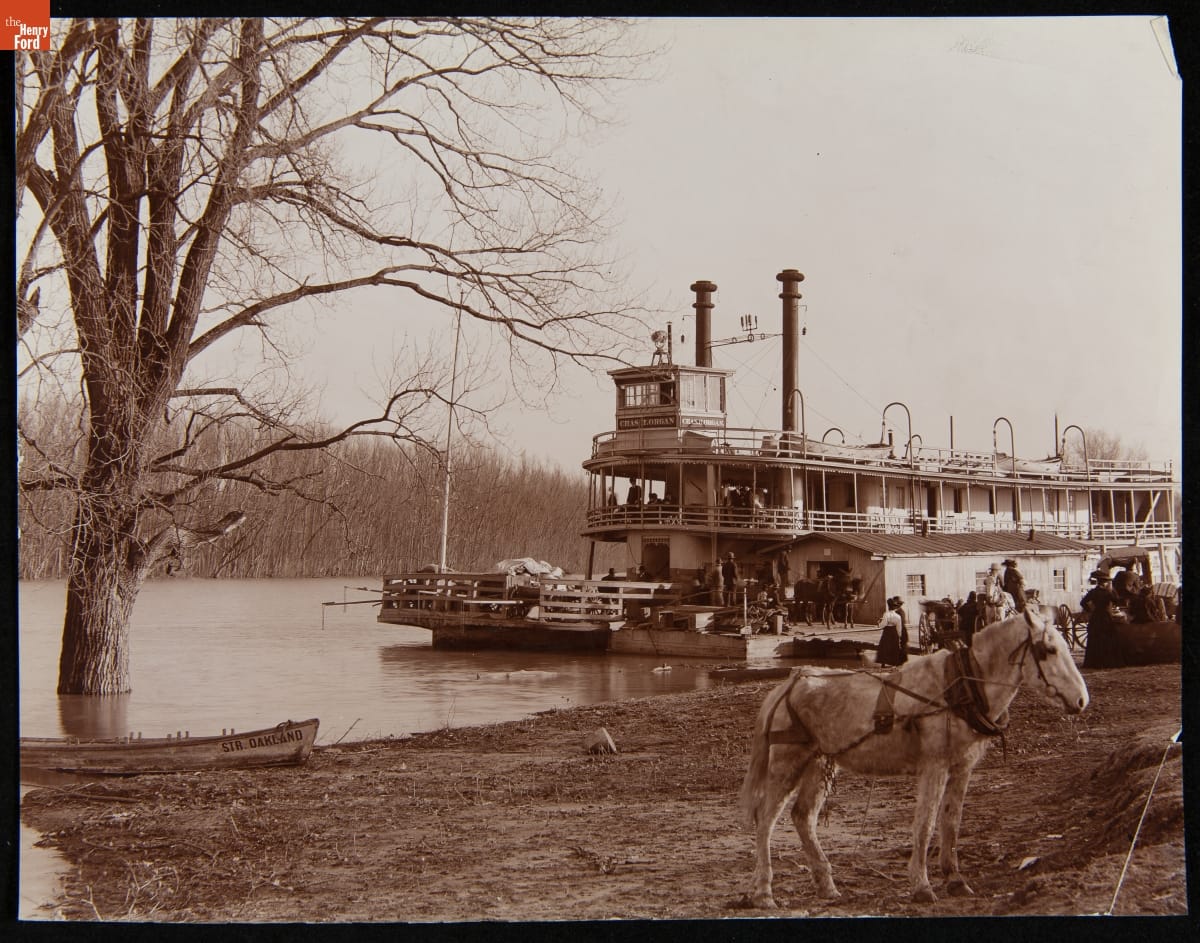
- Landing River Packet, "Chas. H. Organ," at Mound City during High Water, Memphis, Tennessee, 1900-1915 -
- 1900-1915
- Collections - Artifact
Landing River Packet, "Chas. H. Organ," at Mound City during High Water, Memphis, Tennessee, 1900-1915
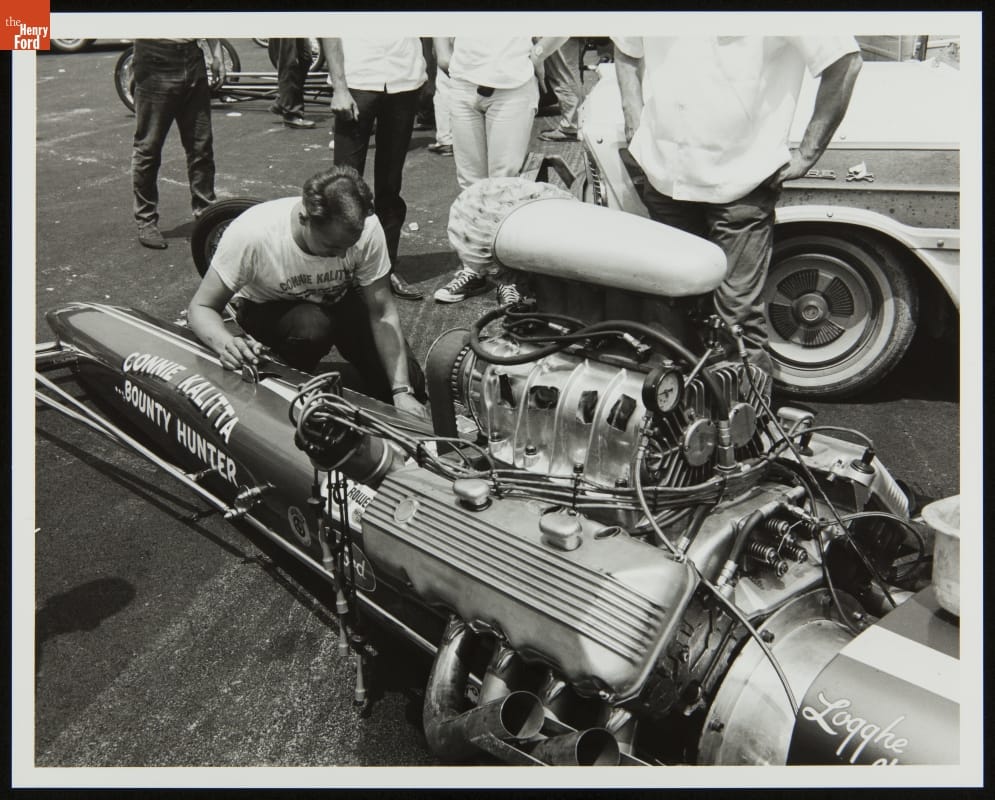
- Bristol Dragway, 1965--Item 3 - Bristol Dragway opened next to Bristol Motor Speedway near Bristol, Tennessee, in 1965. Fans nicknamed the drag strip "Thunder Valley" to describe the way that engine noises echoed off the surrounding mountains. NHRA held its Spring Nationals at Bristol Dragway in June 1965, shortly after the facility opened.
- 1965
- Collections - Artifact
Bristol Dragway, 1965--Item 3
Bristol Dragway opened next to Bristol Motor Speedway near Bristol, Tennessee, in 1965. Fans nicknamed the drag strip "Thunder Valley" to describe the way that engine noises echoed off the surrounding mountains. NHRA held its Spring Nationals at Bristol Dragway in June 1965, shortly after the facility opened.
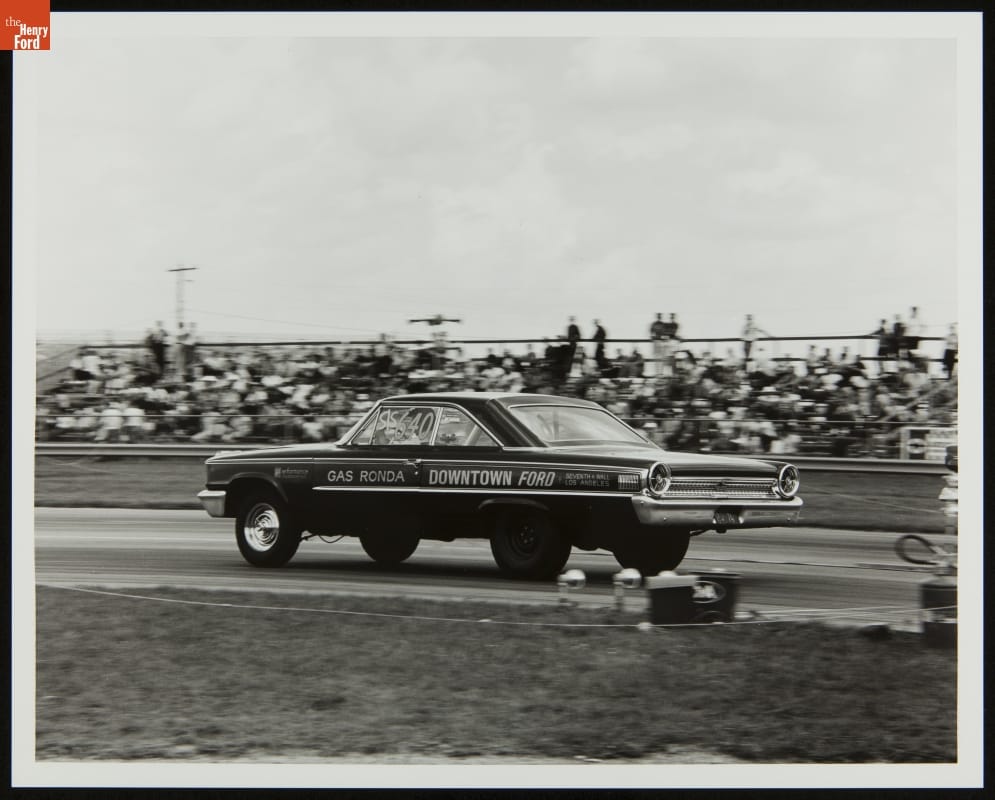
- Bristol Dragway, 1965--Item 6 - Bristol Dragway opened next to Bristol Motor Speedway near Bristol, Tennessee, in 1965. Fans nicknamed the drag strip "Thunder Valley" to describe the way that engine noises echoed off the surrounding mountains. NHRA held its Spring Nationals at Bristol Dragway in June 1965, shortly after the facility opened.
- 1965
- Collections - Artifact
Bristol Dragway, 1965--Item 6
Bristol Dragway opened next to Bristol Motor Speedway near Bristol, Tennessee, in 1965. Fans nicknamed the drag strip "Thunder Valley" to describe the way that engine noises echoed off the surrounding mountains. NHRA held its Spring Nationals at Bristol Dragway in June 1965, shortly after the facility opened.