
Search
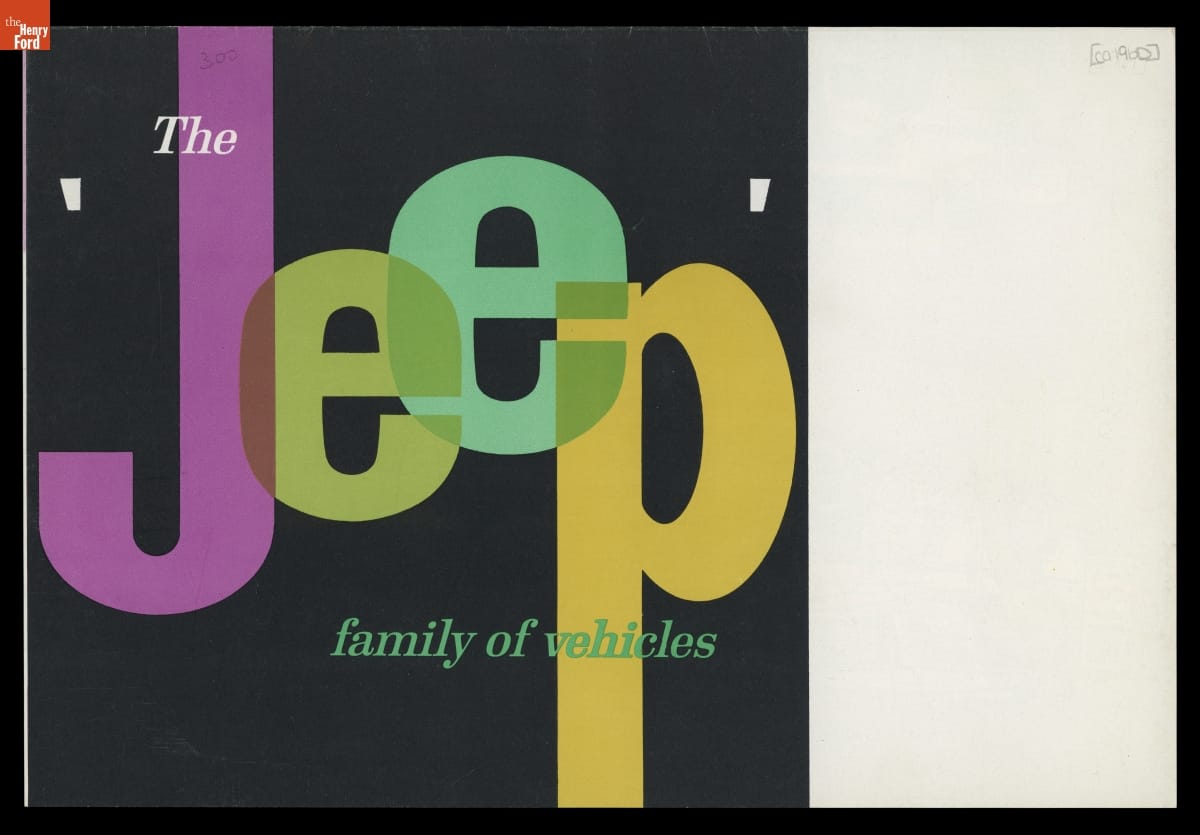
- "The Jeep Family of Vehicles," 1961 - Kaiser Motors purchased Willys-Overland, including its successful Jeep brand, in 1953. Kaiser ended passenger car production to focus on Jeep runabout, truck, and van models. Under Kaiser's ownership, Jeep introduced important models like the CJ-5, the Wagoneer and luxury Super Wagoneer, the Gladiator pickup, and the Jeepster and Jeepster Commando. American Motors purchased Kaiser Jeep in 1970.
- 1961
- Collections - Artifact
"The Jeep Family of Vehicles," 1961
Kaiser Motors purchased Willys-Overland, including its successful Jeep brand, in 1953. Kaiser ended passenger car production to focus on Jeep runabout, truck, and van models. Under Kaiser's ownership, Jeep introduced important models like the CJ-5, the Wagoneer and luxury Super Wagoneer, the Gladiator pickup, and the Jeepster and Jeepster Commando. American Motors purchased Kaiser Jeep in 1970.
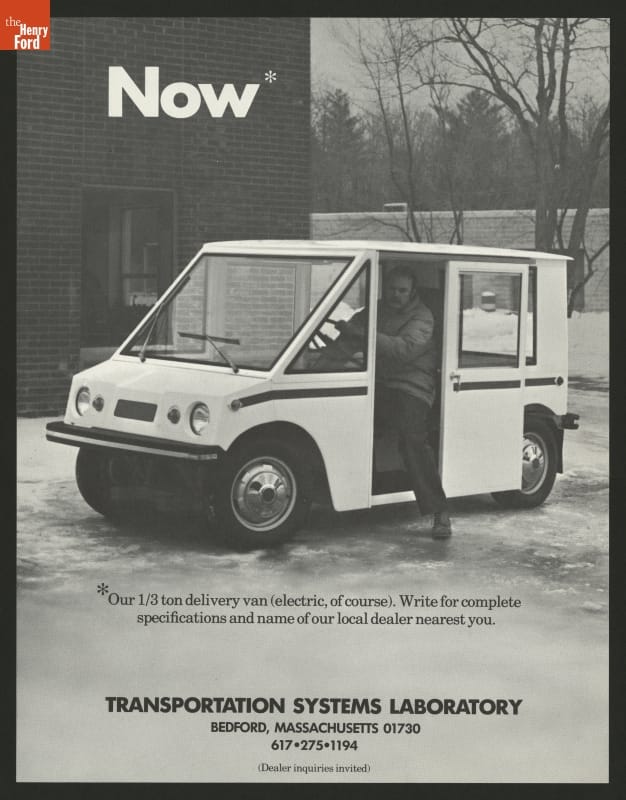
- Transportation Systems Laboratory Promotional Materials, 1973 - Transportation Systems Laboratory produced this press kit in 1973. The company manufactured electric delivery vans. The vans used a battery pack of 14 six-volt batteries. Like earlier electric vehicles, these vans had a limited range -- 35 miles from a single charge. The U.S. Postal Service tested a number of these vehicles.
- 1973
- Collections - Artifact
Transportation Systems Laboratory Promotional Materials, 1973
Transportation Systems Laboratory produced this press kit in 1973. The company manufactured electric delivery vans. The vans used a battery pack of 14 six-volt batteries. Like earlier electric vehicles, these vans had a limited range -- 35 miles from a single charge. The U.S. Postal Service tested a number of these vehicles.
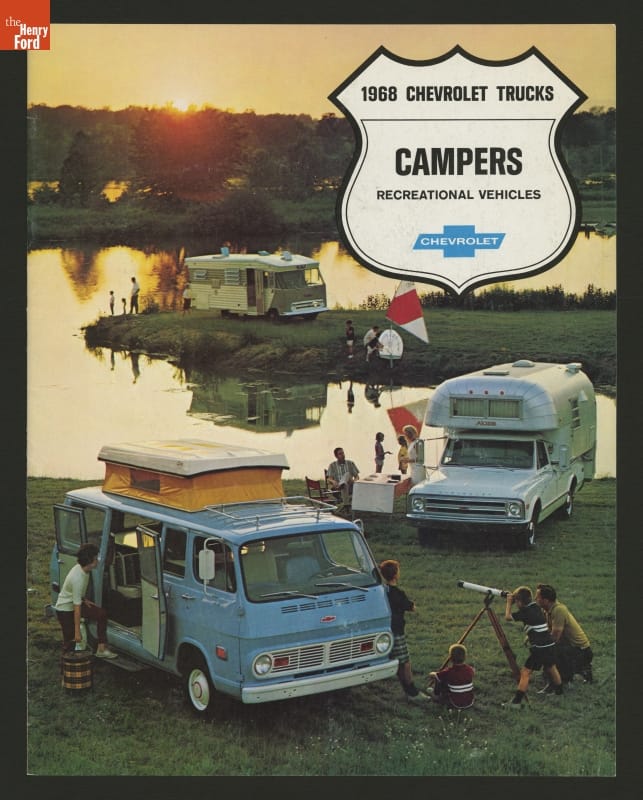
- Catalog for 1968 Chevrolet Trucks, Campers and Recreational Vehicles - Auto manufacturers embraced the market potential of campers and motorhomes in the 1960s, creating their own versions. This 1968 Chevrolet recreational vehicle catalog provided potential buyers with needed information and a variety of available choices.
- August 01, 1967
- Collections - Artifact
Catalog for 1968 Chevrolet Trucks, Campers and Recreational Vehicles
Auto manufacturers embraced the market potential of campers and motorhomes in the 1960s, creating their own versions. This 1968 Chevrolet recreational vehicle catalog provided potential buyers with needed information and a variety of available choices.
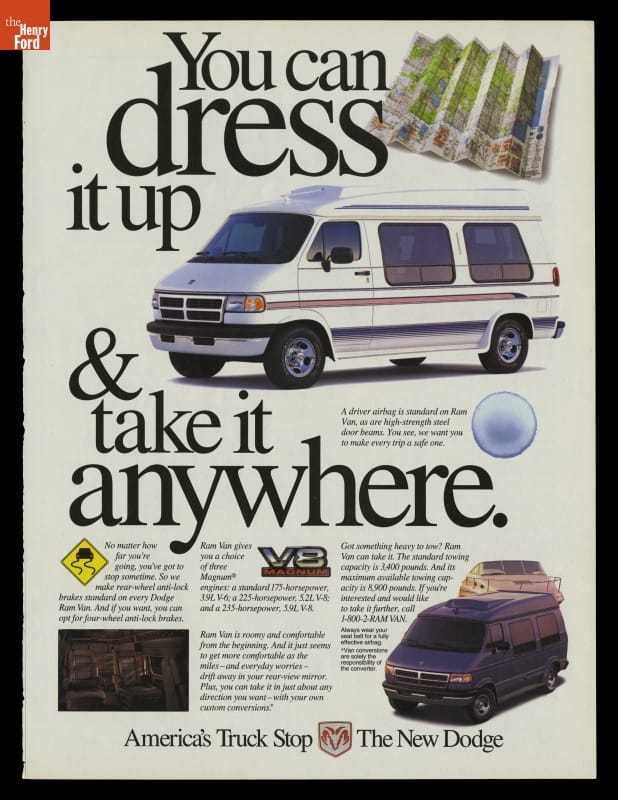
- Dodge Ram Van, "You Can Dress It Up & Take It Anywhere," 1997 - The automobile is a paradox -- a practical tool that plays host to both human needs and fantasies. Like car consumers, automotive ads seem to land somewhere between fantasy and reality, emotions and rationality. Many ads incorporate apparent opposites: fantasy can sell practicality, and vice versa. Sometimes the car has disappeared completely -- an emotional appeal prompts us to complete the ad.
- 1997
- Collections - Artifact
Dodge Ram Van, "You Can Dress It Up & Take It Anywhere," 1997
The automobile is a paradox -- a practical tool that plays host to both human needs and fantasies. Like car consumers, automotive ads seem to land somewhere between fantasy and reality, emotions and rationality. Many ads incorporate apparent opposites: fantasy can sell practicality, and vice versa. Sometimes the car has disappeared completely -- an emotional appeal prompts us to complete the ad.
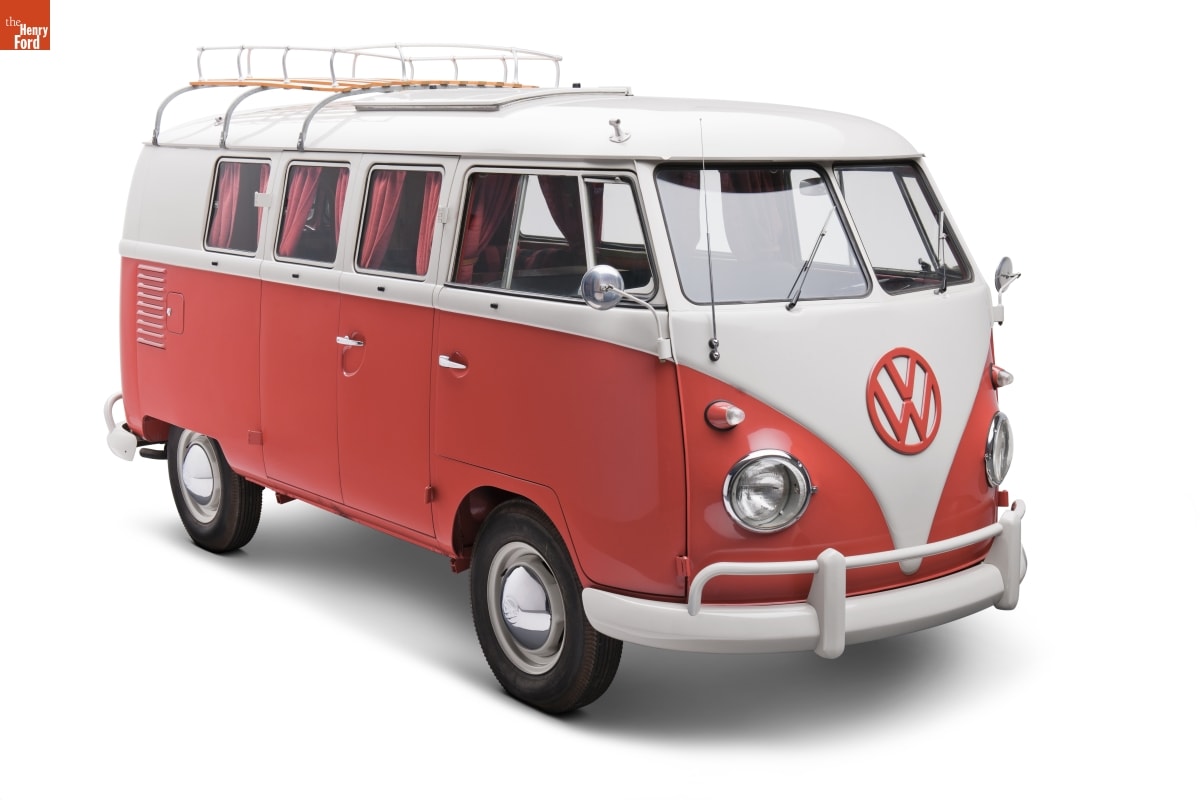
- 1959 Volkswagen Westfalia Camper - Volkswagen introduced its "box on wheels," the VW Type 2 Bus, in 1949. A few years later, VW contracted with Westfalia and introduced converted campers. First exported to the U.S. in 1956, Westfalia campers provided home-like camping comfort and created a postwar recreational-vehicle lifestyle. This soon-to-be cultural icon transported Americans down highways and byways and into the great outdoors.
- 1959
- Collections - Artifact
1959 Volkswagen Westfalia Camper
Volkswagen introduced its "box on wheels," the VW Type 2 Bus, in 1949. A few years later, VW contracted with Westfalia and introduced converted campers. First exported to the U.S. in 1956, Westfalia campers provided home-like camping comfort and created a postwar recreational-vehicle lifestyle. This soon-to-be cultural icon transported Americans down highways and byways and into the great outdoors.
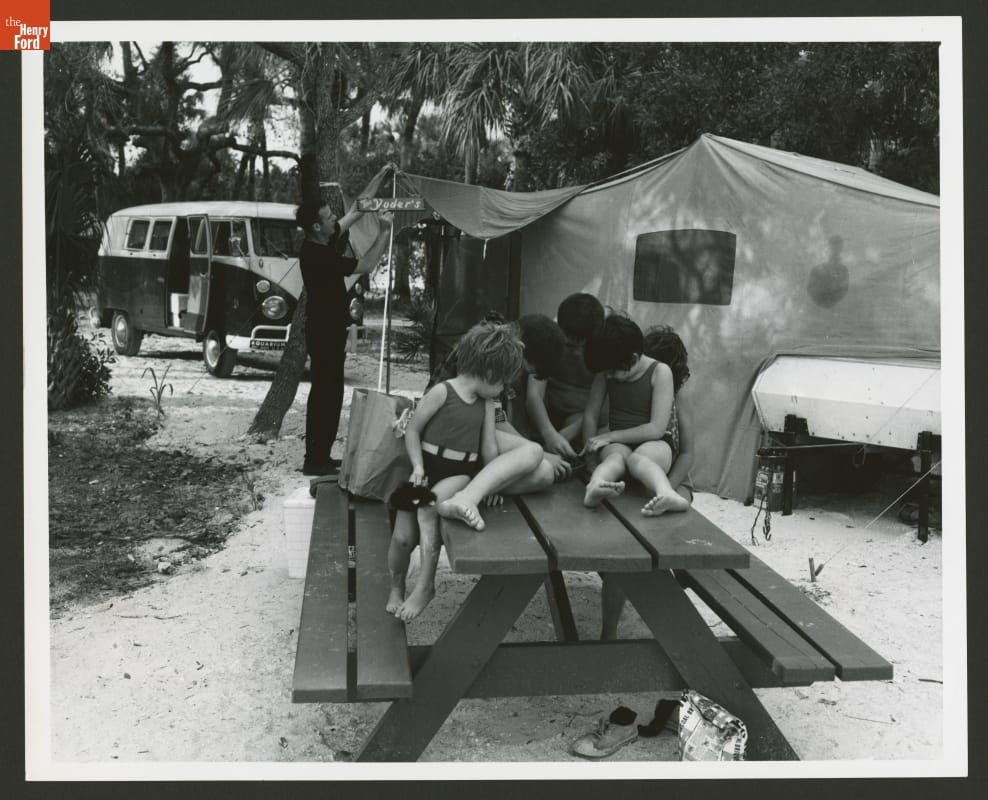
- Family Camping with Tent and Volkswagen Bus, Saint Petersburg, Florida, circa 1965 - Beginning in the 1930s, trailers promised family togetherness in a stylish unit that could be conveniently detached from the car. Even after manufacturers introduced fully integrated motorhomes, tourists enjoyed the comforts of home on the road with tent trailers like this one in Florida's Fort De Soto Park.
- circa 1965
- Collections - Artifact
Family Camping with Tent and Volkswagen Bus, Saint Petersburg, Florida, circa 1965
Beginning in the 1930s, trailers promised family togetherness in a stylish unit that could be conveniently detached from the car. Even after manufacturers introduced fully integrated motorhomes, tourists enjoyed the comforts of home on the road with tent trailers like this one in Florida's Fort De Soto Park.
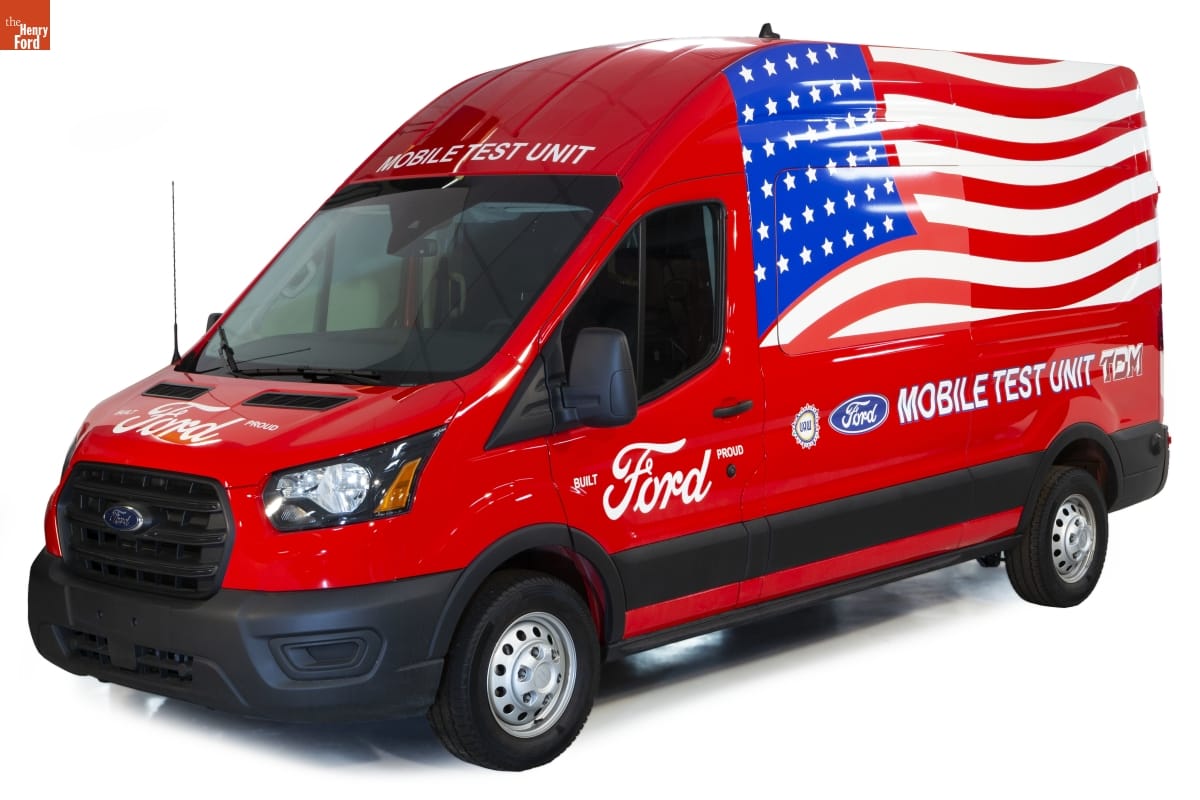
- Ford Transit Van, Modified for Use as a COVID-19 Mobile Testing Facility, 2020 - In spring 2020, early in America's COVID-19 pandemic, Ford Motor Company and Troy Design & Manufacturing converted four Ford Transit vans into mobile test units. The vehicles collected genetic samples in the field and transported them to labs for testing. Free tests were given to first responders, nursing home residents, and people at substance abuse centers and community shelters in Michigan.
- 2020
- Collections - Artifact
Ford Transit Van, Modified for Use as a COVID-19 Mobile Testing Facility, 2020
In spring 2020, early in America's COVID-19 pandemic, Ford Motor Company and Troy Design & Manufacturing converted four Ford Transit vans into mobile test units. The vehicles collected genetic samples in the field and transported them to labs for testing. Free tests were given to first responders, nursing home residents, and people at substance abuse centers and community shelters in Michigan.
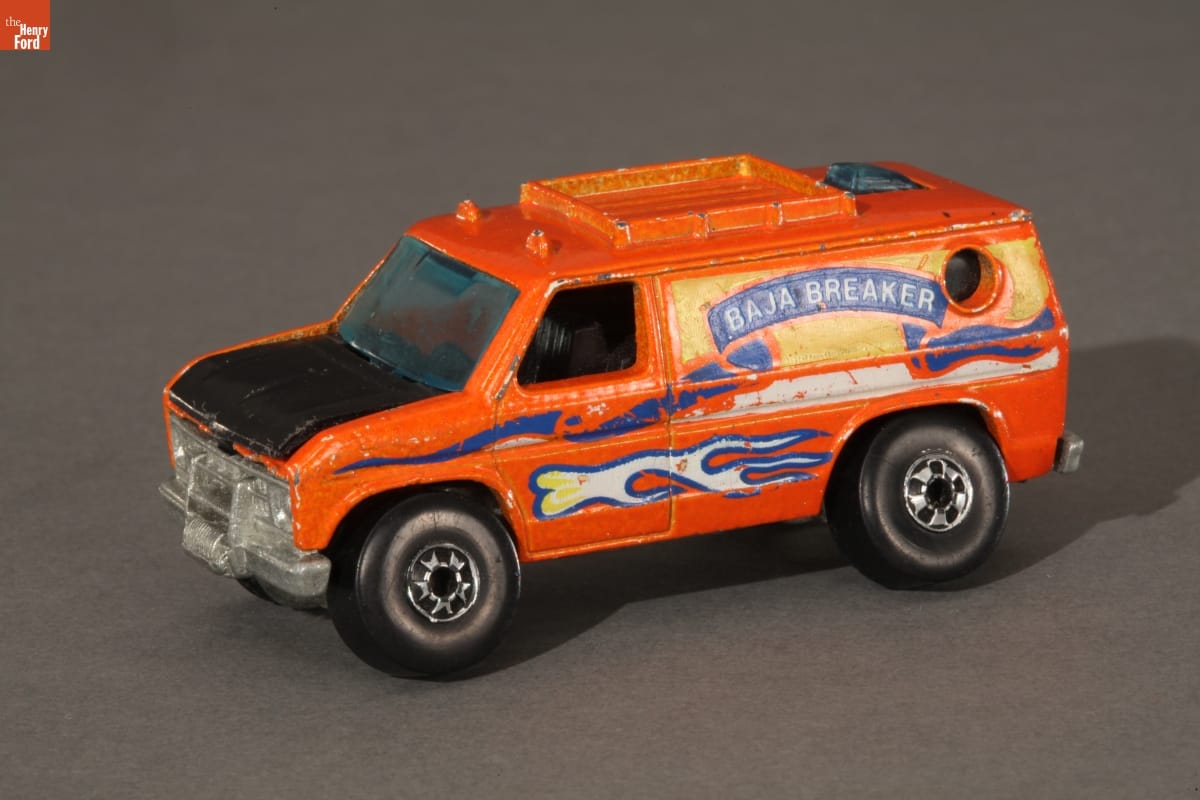
- Hot Wheels "Baja Breaker" Van, 1982 - Imaginative children do not need manufactured, travel-specific toys to occupy themselves while on long road trips. Two boys played with this Hot Wheels Baja Breaker van and other typical playthings while traveling with their parents.
- 1982
- Collections - Artifact
Hot Wheels "Baja Breaker" Van, 1982
Imaginative children do not need manufactured, travel-specific toys to occupy themselves while on long road trips. Two boys played with this Hot Wheels Baja Breaker van and other typical playthings while traveling with their parents.
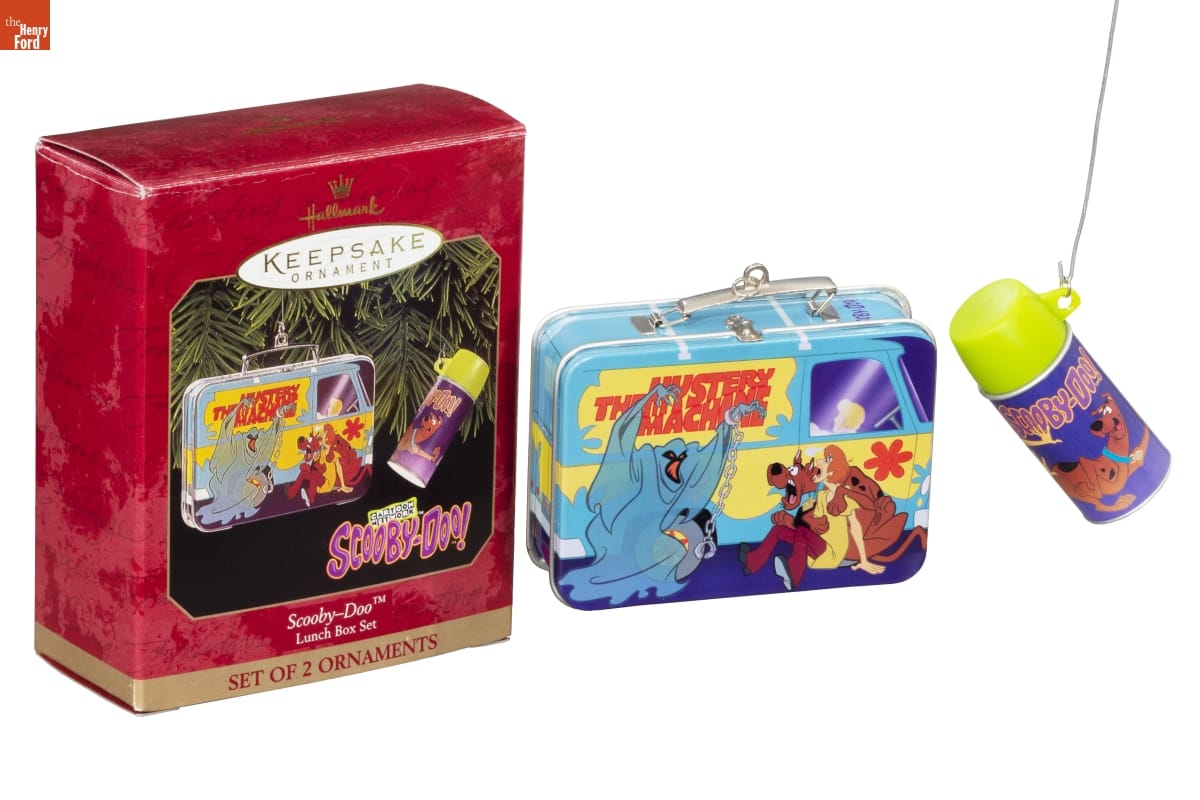
- Hallmark "Scooby-Doo Lunch Box Set" Christmas Ornaments, 1999 - Hallmark began producing ornaments featuring Scooby-Doo in 1999, thirty years after the easily frightened and always-hungry animated Great Dane premiered in the popular Saturday-morning cartoon series <em>Scooby-Doo Where Are You!</em> In the series, Scooby accompanies a group of mystery-solving teenagers--Fred, Daphne, Velma, and Shaggy--as they foil criminals disguised as monsters, ghosts, or other supernatural villains.
- 1999
- Collections - Artifact
Hallmark "Scooby-Doo Lunch Box Set" Christmas Ornaments, 1999
Hallmark began producing ornaments featuring Scooby-Doo in 1999, thirty years after the easily frightened and always-hungry animated Great Dane premiered in the popular Saturday-morning cartoon series Scooby-Doo Where Are You! In the series, Scooby accompanies a group of mystery-solving teenagers--Fred, Daphne, Velma, and Shaggy--as they foil criminals disguised as monsters, ghosts, or other supernatural villains.
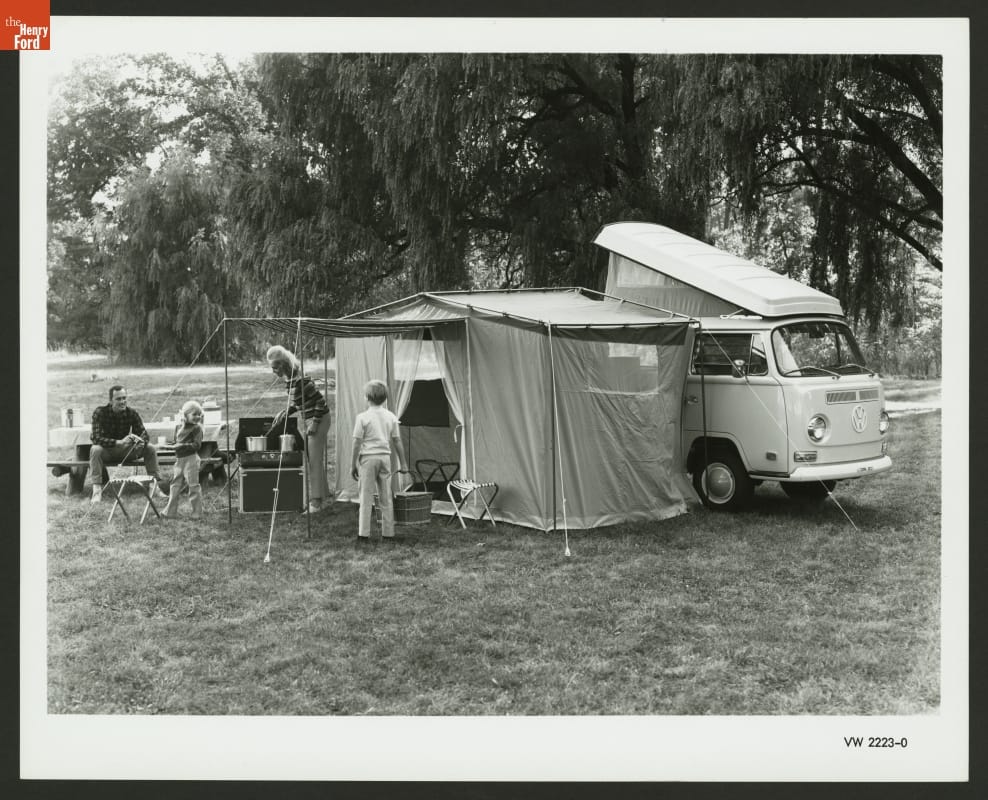
- Family Camping with Volkswagen Bus, circa 1975 - Volkswagen introduced the first van campers in the 1950s. By the mid-1970s, Americans had embraced the ingeniously compact, versatile vehicles. This family demonstrates the functionality of the Volkswagen Westfalia Camper, which included amenities such as an icebox and foldout seat arrangements for sleeping. This model is shown with optional pop up top, side tent, and awning.
- circa 1975
- Collections - Artifact
Family Camping with Volkswagen Bus, circa 1975
Volkswagen introduced the first van campers in the 1950s. By the mid-1970s, Americans had embraced the ingeniously compact, versatile vehicles. This family demonstrates the functionality of the Volkswagen Westfalia Camper, which included amenities such as an icebox and foldout seat arrangements for sleeping. This model is shown with optional pop up top, side tent, and awning.