
1959 Volkswagen Westfalia Camper

THF90143 / 1959 Volkswagen Westfalia Camper
01
Artifact Overview
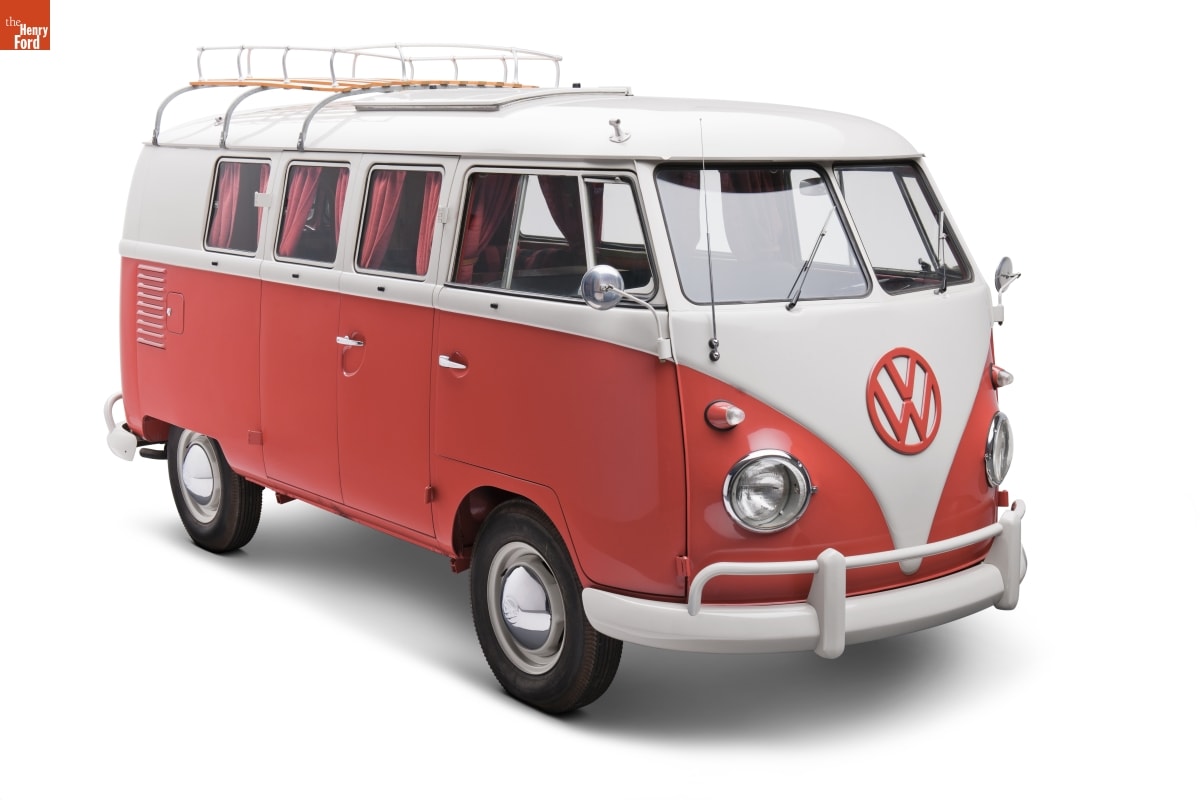
Volkswagen introduced its "box on wheels," the VW Type 2 Bus, in 1949. A few years later, VW contracted with Westfalia and introduced converted campers. First exported to the U.S. in 1956, Westfalia campers provided home-like camping comfort and created a postwar recreational-vehicle lifestyle. This soon-to-be cultural icon transported Americans down highways and byways and into the great outdoors.
Artifact Details
Artifact
Camper (Vehicle)
Date Made
1959
Creators
Place of Creation
Location
at Henry Ford Museum in Driving America
Object ID
87.153.1
Credit
From the Collections of The Henry Ford. Gift of Volkswagen of America, Inc.
Material
Metal
Glass (Material)
Wood (Plant material)
Rubber (Material)
Color
Peach (Color)
White (Color)
Inscriptions
Hubs: VW
Center front: VW peach-colored emblem
Specifications
Make & Model: 1959 Volkswagen Westfalia camper
Maker: Volkswagen GmbH, Wolfsburg, West Germany | Camping equipment by Westfalia-Werke, Wiedenbruck, West Germany
Engine: horizontally opposed 4, 73 cubic inches
Transmission: 4-speed manual
Height: 76.5 inches
Width: 69 inches
Wheelbase: 94.5 inches
Overall length: 166 inches
Weight: 2569 pounds
Horsepower: 36 at 3700 revolutions per minute
Pounds per horsepower: 71.4
Price: $2,737
Average 1959 wage: $4,965 per year
Time you'd work to buy this car: about 7-1/2 months
Keywords |
|---|
02
Related Content
Set
Recreational Vehicles
- 22 Artifacts
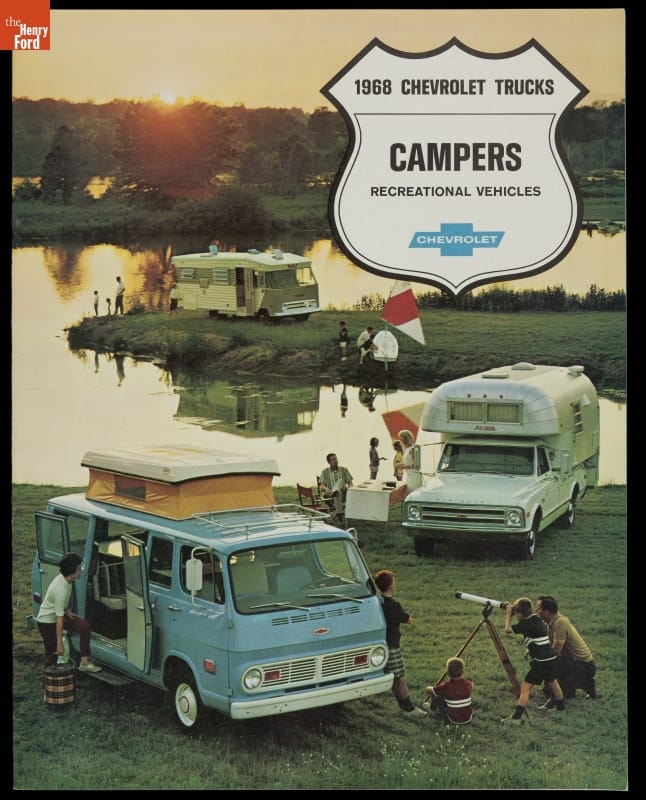
Auto manufacturers embraced the market potential of campers and motorhomes in the 1960s, creating their own versions. This 1968 Chevrolet recreational vehicle catalog provided potential buyers with needed information and a variety of available choices.
Set
Rear Engines
- 20 Artifacts
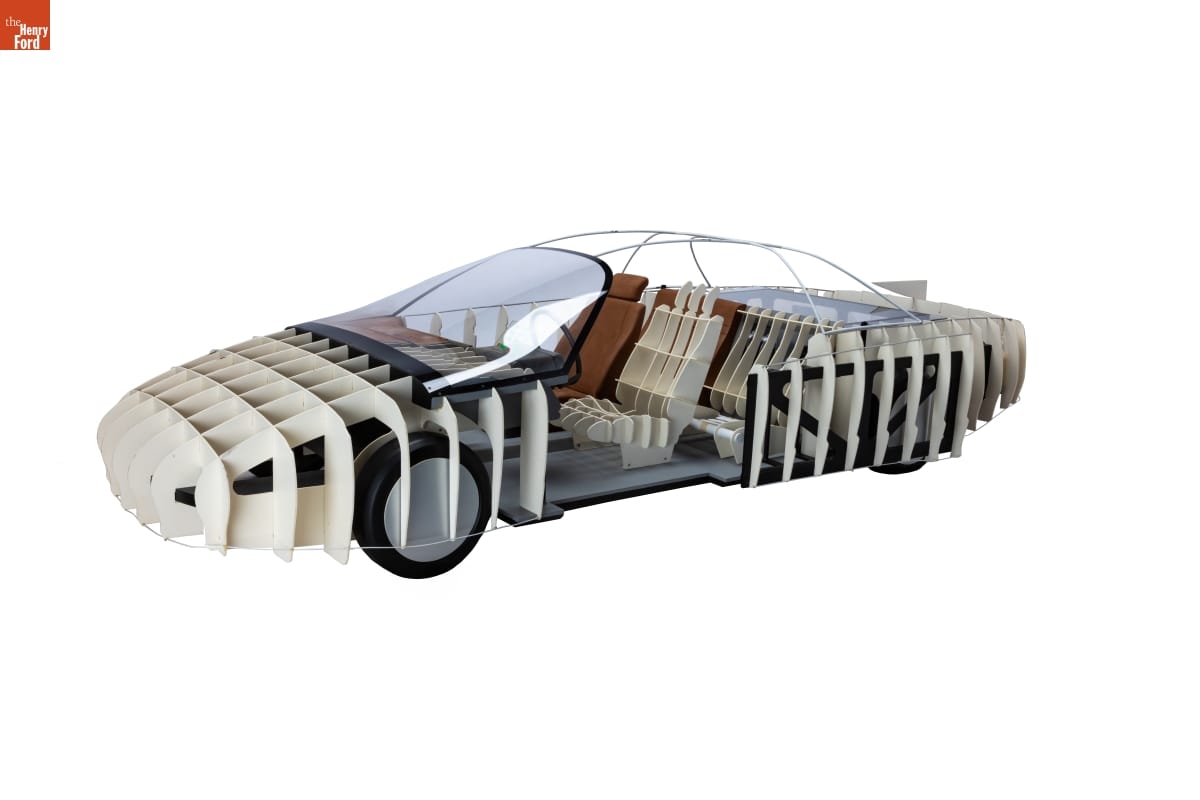
The "Probe" name had a long history at Ford Motor Company. It appeared on a series of five advanced concept cars from 1979 to 1984, including the mid-engine Probe V represented by this model. "Probe" then appeared on a production vehicle from 1989 to 1997 -- a sporty front-engine, front-wheel-drive car initially designed as the fourth-generation Mustang.
Set
Featured on The Henry Ford's Innovation Nation: Season 2
- 26 Artifacts
Volkswagen introduced its "box on wheels," the VW Type 2 Bus, in 1949. A few years later, VW contracted with Westfalia and introduced converted campers. First exported to the U.S. in 1956, Westfalia campers provided home-like camping comfort and created a postwar recreational-vehicle lifestyle. This soon-to-be cultural icon transported Americans down highways and byways and into the great outdoors.

Set
Vehicle Viewer
- 99 Artifacts
Americans didn't invent the automobile, but we embraced it and quickly made it our own. Cars cruise through our music, movies, and dreams. They drive innovation and create frustration. They are objects of beauty and sources of blight. The vehicles in the "Driving America" exhibit reveal how the car reshaped our culture and landscape. The decisions we make now, individually and collectively, will define our automotive future.

article
Book Review: "Driving America"
Our new book Driving America, like the collection it documents, honors not only The Henry Ford’s focus on the everyday extraordinary, but the automobile’s defining role in our lives.