
Radio Receiver Used in the Piccards' Stratospheric Balloon Ascension, 1934
THF155560 / Radio Receiver Used in the Piccards' Stratospheric Balloon Ascension, 1934
01
Artifact Overview
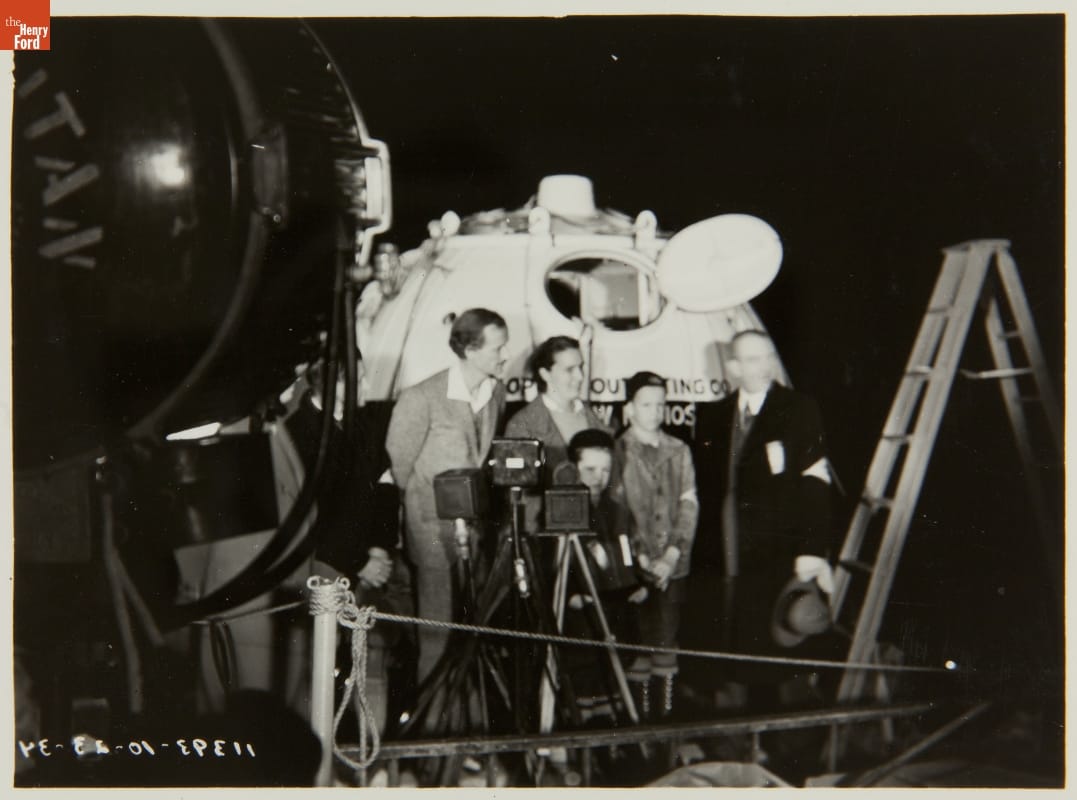
The Piccard stratosphere flight departed Ford Airport field on October 23, 1934. Spouses Jean and Jeannette Piccard ascended 10.9 miles in a metal gondola carried by a hydrogen balloon. To maintain ground communication, William Duckwitz built this radio transceiver, installing it in the "radio car" that trailed the flight. Duckwitz's call sign, W8CJT, is burned into its base.
Artifact Details
Artifact
Transceiver
Date Made
1934
Subject Date
23 October 1934
Place of Creation
Creator Notes
Made by Ford employees William Gassett, assisted by William Duckwitz on behalf of Ford Motor Company.
Location
Not on exhibit to the public.
Object ID
62.48.1
Credit
From the Collections of The Henry Ford. Gift of William M. Duckwitz.
Material
Copper (Metal)
Porcelain (Material)
Wood (Plant material)
Dimensions
Height: 7 in
Width: 5.75 in
Length: 19.5 in
Keywords |
|---|
02
Related Content
 Set
SetA Flight of Firsts: The Piccard Stratosphere Ascension
- 16 Artifacts
In October 1934, Jean and Jeannette Piccard set a new altitude record, ascending 10.9 miles in a metal gondola carried by a hydrogen balloon. Jeannette -- the first American woman licensed as a balloonist -- piloted, while Jean gathered scientific data. On this historic flight, Jeannette became the first woman to reach the stratosphere.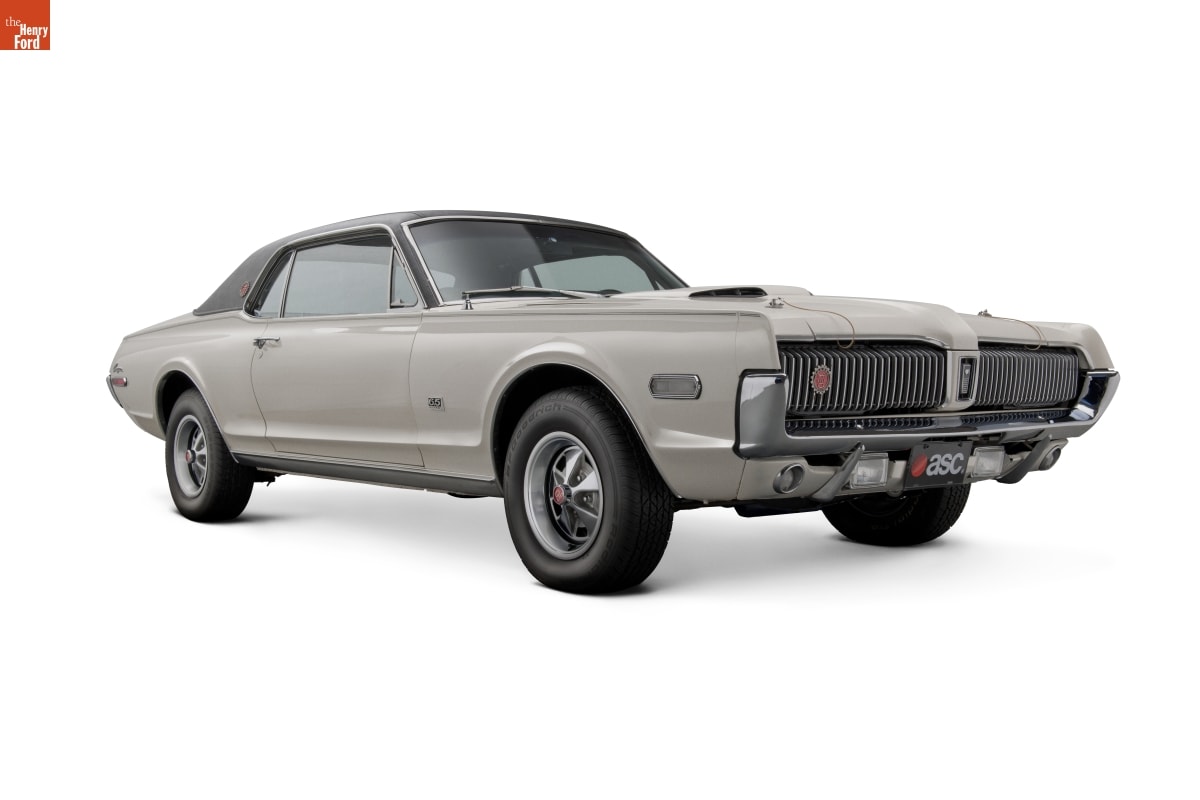 Set
SetFeatured on The Henry Ford's Innovation Nation: Season 4
- 26 Artifacts
Ford Motor Company's Mustang, introduced in 1964, was such a success that other car makers soon copied it, including Ford itself. Mercury's Cougar was based on the Mustang, but with more upscale styling and interior appointments that made it something of a "poor man's Jaguar." This Cougar has the rare XR7-G package with a hood scoop, sun roof, and other special trim features. Set
SetAir-to-Ground Communication
- 10 Artifacts
During his polar expeditions, Richard E. Byrd relied on navigational instruments not much changed in 200 years. Byrd's sextant measured the angle between an astronomical object -- the Sun or a star -- and the horizon. Based on the time of day it was measured, this angle was used to determine Byrd's position on a navigational chart.