
2011 Ford Fusion Stock Car, Driven by Trevor Bayne. On Loan from Wood Brothers Racing.
THF137316 / 2011 Ford Fusion Stock Car, Driven by Trevor Bayne. On Loan from Wood Brothers Racing.
01
Artifact Overview
Formed in 1950, Wood Brothers Racing is the oldest active team in NASCAR. That legacy continued when Trevor Bayne drove #21 to victory at the 2011 Daytona 500. Wood Brothers is noted for quick, rehearsed pit stops and exclusive use of Ford Motor Company cars. Bayne, who turned 20 the day before the race, became the Daytona 500's youngest winner.
Artifact Details
Artifact
Stock car (Racing car)
Date Made
2011
Subject Date
2011
Creator Notes
Made by Ford Motor Company and the Wood Brothers Racing team.
Location
at Henry Ford Museum in Driven to Win: Racing in America
Object ID
IL.241.1
Dimensions
Length: 202 in
Width: 75 in
Height: 58 in
Specifications
Make & Model: 2011 Ford Fusion (stock car racing)
Maker: Ford Motor Company, Dearborn, Michigan
Engine: Ford V-8, overhead valves, 357 cubic inches
Transmission: 4-speed manual
Height: 60 inches
Width: 75.5 inches
Wheelbase: 110 inches
Overall length: 200.5 inches
Weight: 3475 pounds
Horsepower: 450
Pounds per horsepower: 7.7
Competition History: Winner, 2011 Daytona 500, Daytona Beach, Florida
Keywords |
|---|
02
Related Content
 Set
SetRacing
- 50 Artifacts
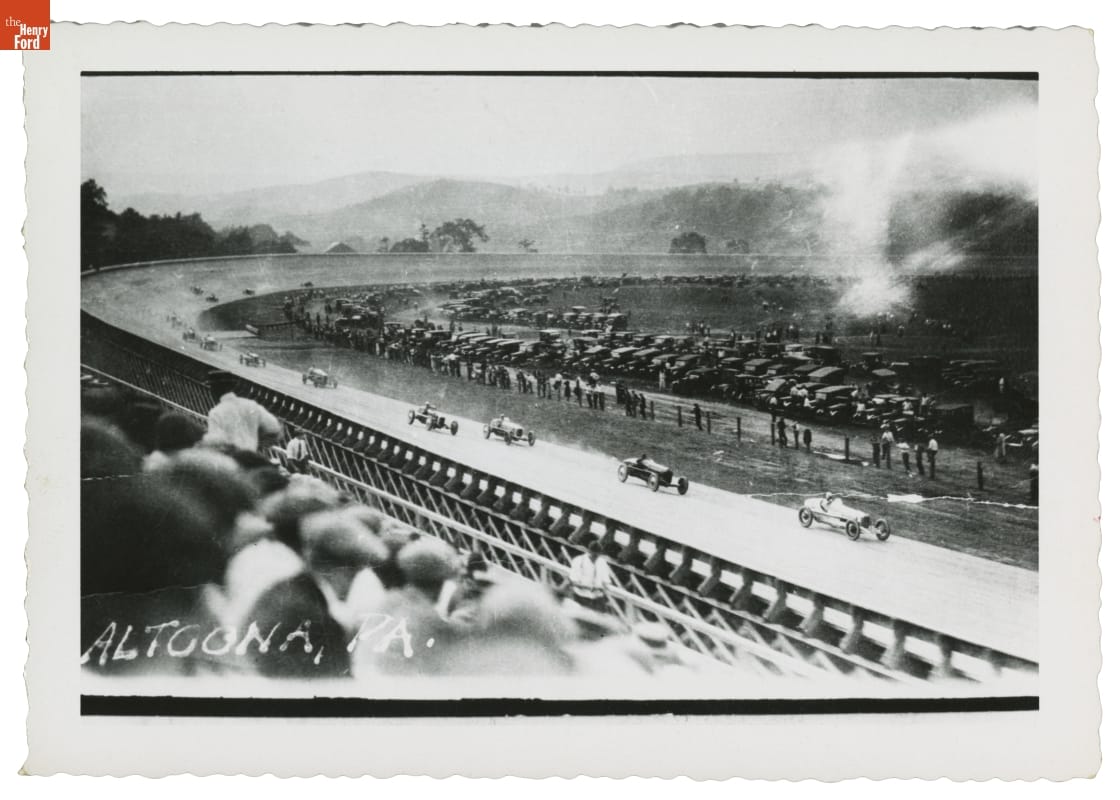
As automobile racing speeds increased, repurposed dirt horse tracks became inadequate. In the 1910s promoters turned to wooden boards, which provided a smooth road surface and were less expensive than bricks or concrete. But rotting wood required frequent replacement. Improvements in concrete and asphalt made board tracks obsolete in the 1930s. The 1.25-mile board track at Altoona, Pennsylvania, operated from 1923-1931.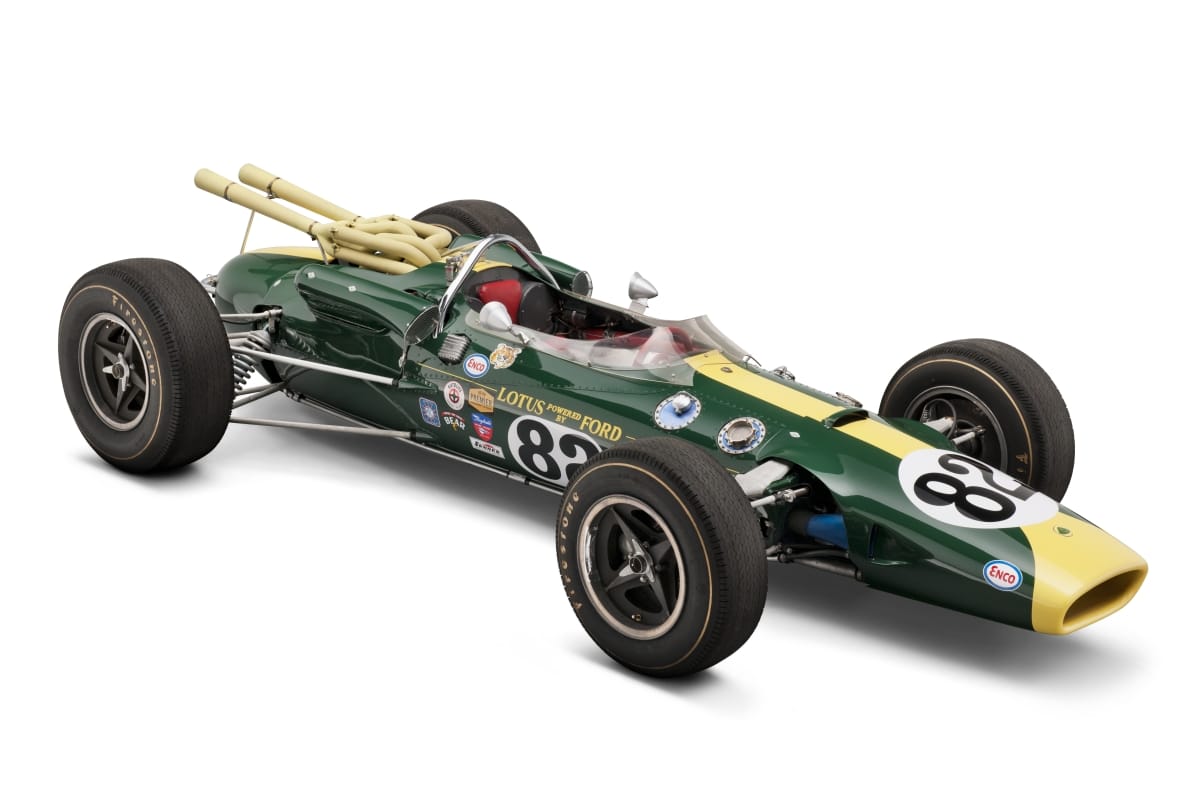 Set
SetRace Cars of Driven to Win
- 23 Artifacts
Scotsman Jim Clark won the Indianapolis 500 with this rear-engine car in 1965. After his victory, a traditional front-engine car never won that race again. The Lotus-Ford combined a European Formula One-inspired lightweight chassis with a big Ford V-8 engine. The Lotus-Ford's success effectively killed the traditional Indy roadster and established a new design for American race cars.