
1974 Ford C-700 Truck, Used by Roadway Express
Artifact Overview
Roadway Express, Inc. purchased this Ford 707E C-Series truck in 1974. Designated unit 23704, this truck served as a pickup and delivery vehicle in and around Lexington, Kentucky. The truck made 13.5 stops per day on average and drivers logged over 120,000 miles without an accident. By the time of its retirement in 1990, Number 23704 carried 73,940 shipments totaling over 44.3 million pounds of freight. Roadway Express operated 3200 similar Ford trucks in other cities.
Ford's C-series truck relied on functionality not style. The truck sports a flat front, cab-over-engine design. The cab tilts forward to provide easy access for engine and chassis maintenance. Its set-back front axle allows the truck a tight turning radius for greater maneuverability. And the expansive glassed-in cab offers the driver greater visibility. Introduced in 1957, Ford produced the trucks until 1990.
Artifact Details
Artifact
Date Made
Place of Creation
Creator Notes
Location
Object ID
90.191.1
Credit
Material
Metal
Glass (Material)
Rubber (Material)
Color
Gray (Color)
Orange (Color)
Black (Color)
Dimensions
Width: 95 in
Length: 356 in
Inscriptions
Specifications
Keywords |
|---|
Related Content
 Set
SetVehicle Viewer
- 99 Artifacts
Americans didn't invent the automobile, but we embraced it and quickly made it our own. Cars cruise through our music, movies, and dreams. They drive innovation and create frustration. They are objects of beauty and sources of blight. The vehicles in the "Driving America" exhibit reveal how the car reshaped our culture and landscape. The decisions we make now, individually and collectively, will define our automotive future.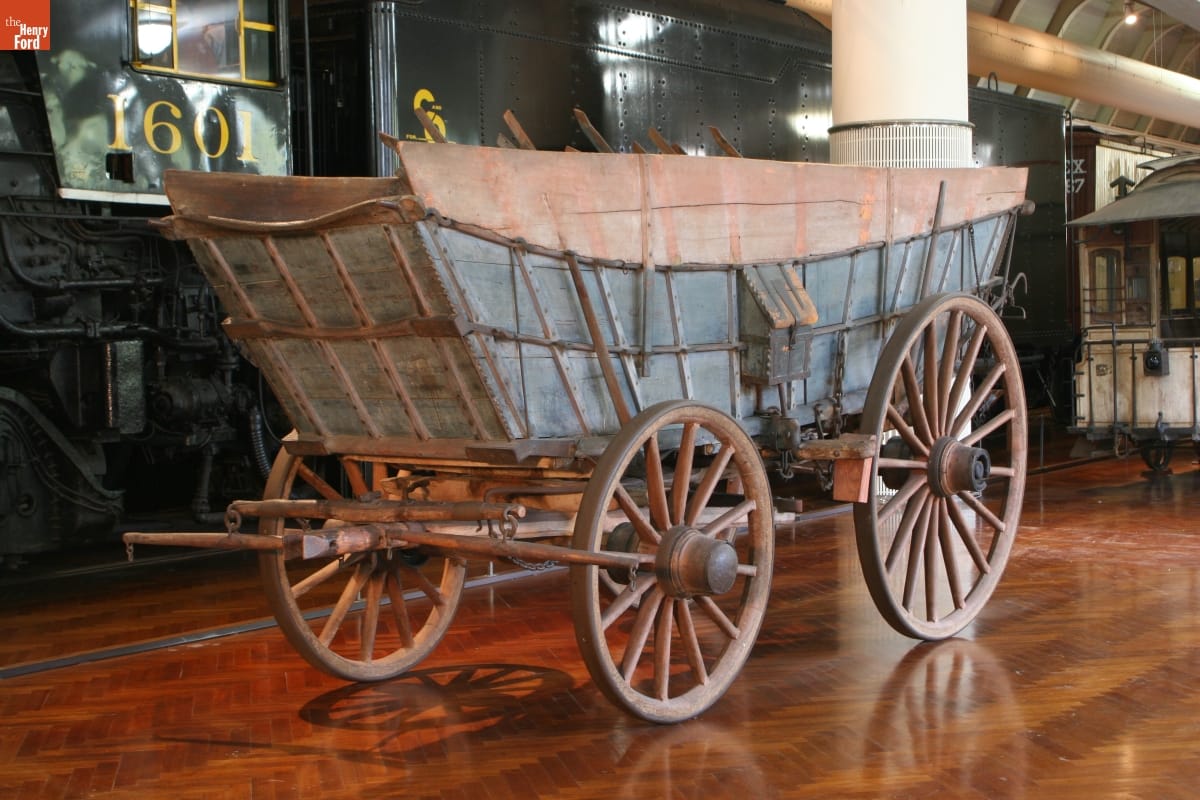 Set
SetLesson: Transportation of Goods and Consumption
- 8 Artifacts
Conestoga wagons first appeared in Pennsylvania's Conestoga River valley about 1750. Designed for freight, the Conestoga's curved body tended to keep the load in the center, rather than shifting it toward the rear. The Conestoga's popularity peaked in the first half of the 19th century -- before railroads replaced it for hauling agricultural products and manufactured goods.