
Owl Night Lunch Wagon Used by Henry Ford, circa 1890
THF88956 / Owl Night Lunch Wagon Used by Henry Ford, circa 1890
01
Artifact Overview
The Henry Ford's Owl Night Lunch wagon is thought to be the last remaining horse-drawn lunch wagon in America. It served food to nighttime workers in downtown Detroit, and attracted such diverse clientele as reporters, politicians, policemen, factory workers, and supposedly even underworld characters! Among its customers was Henry Ford, a young engineer working at Edison Illuminating Company during the 1890s.
Artifact Details
Artifact
Lunch wagon
Subject Date
circa 1890
Place of Creation
Location
at Greenfield Village in Detroit Central Market
Object ID
27.291.1
Credit
From the Collections of The Henry Ford.
Material
Wood (Plant Material)
Paint (Coating)
Steel (Alloy)
Metal
Glass (Material)
Color
White (Color)
Red
Yellow (Color)
Blue
Dimensions
Height: 116 in (approx)
Width: 79 in
Length: 186 in
Keywords |
|---|
02
Related Content
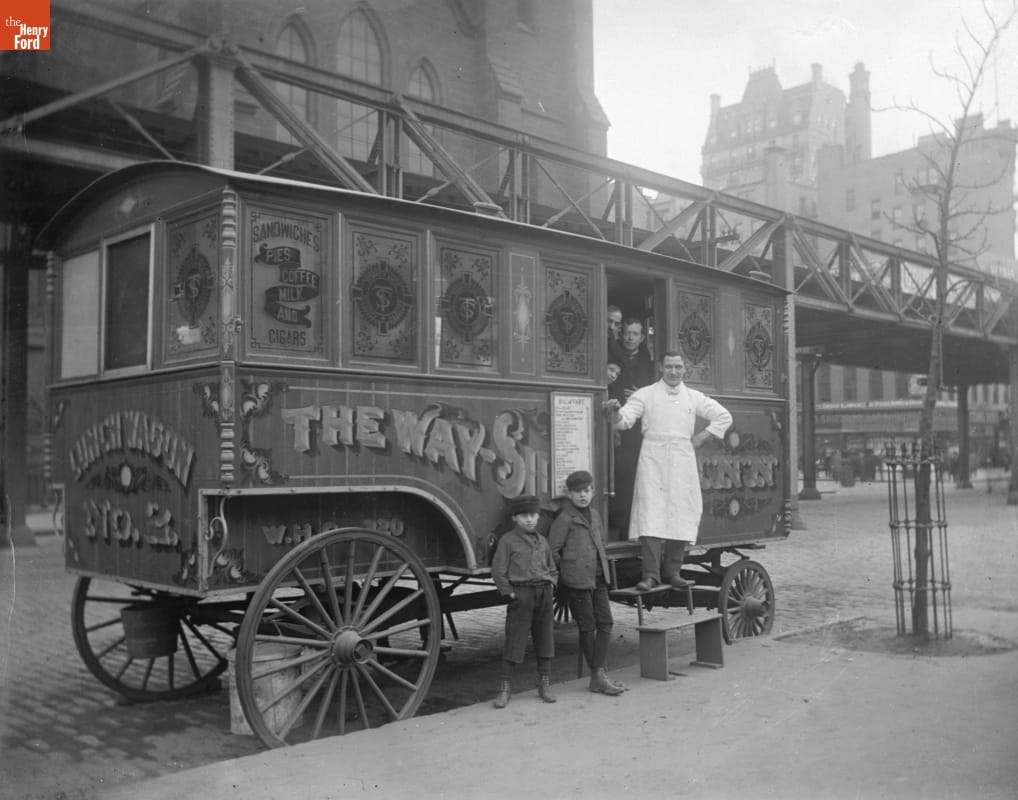
Set
Lunch Wagons: The Business of Mobile Food
- 5 Artifacts
Horse-drawn lunch wagons, brought out onto city streets at night, served simple, affordable food after regular restaurants closed for the night. This night lunch wagon, established by the Church Temperance Society in New York City, attempted to discourage patrons from frequenting nighttime saloons by offering food and drink in a convenient location and attractive setting.
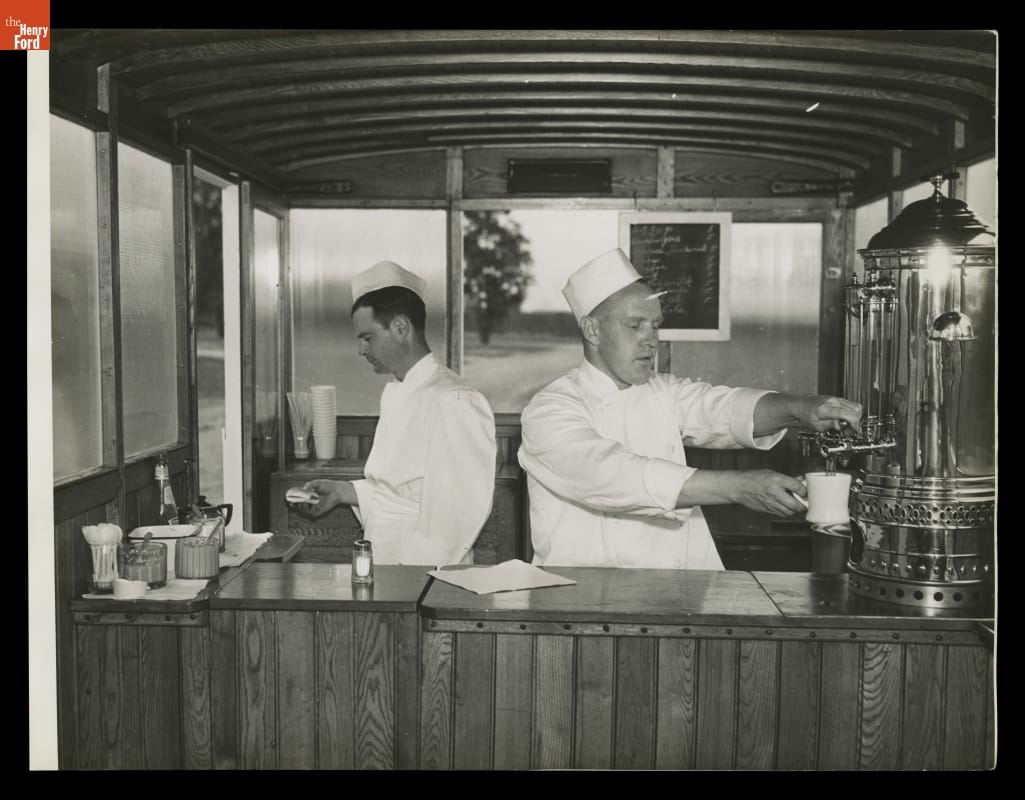
Set
Henry Ford’s Owl Night Lunch Wagon
- 12 Artifacts
The Henry Ford's Owl Night Lunch wagon served nighttime workers in Detroit in the late 19th and early 20th centuries. Among its customers was Henry Ford, a young engineer working at Edison Illuminating Company during the 1890s. Ford acquired the Owl in 1927 and moved it to Greenfield Village, where it served as the first food service operation.
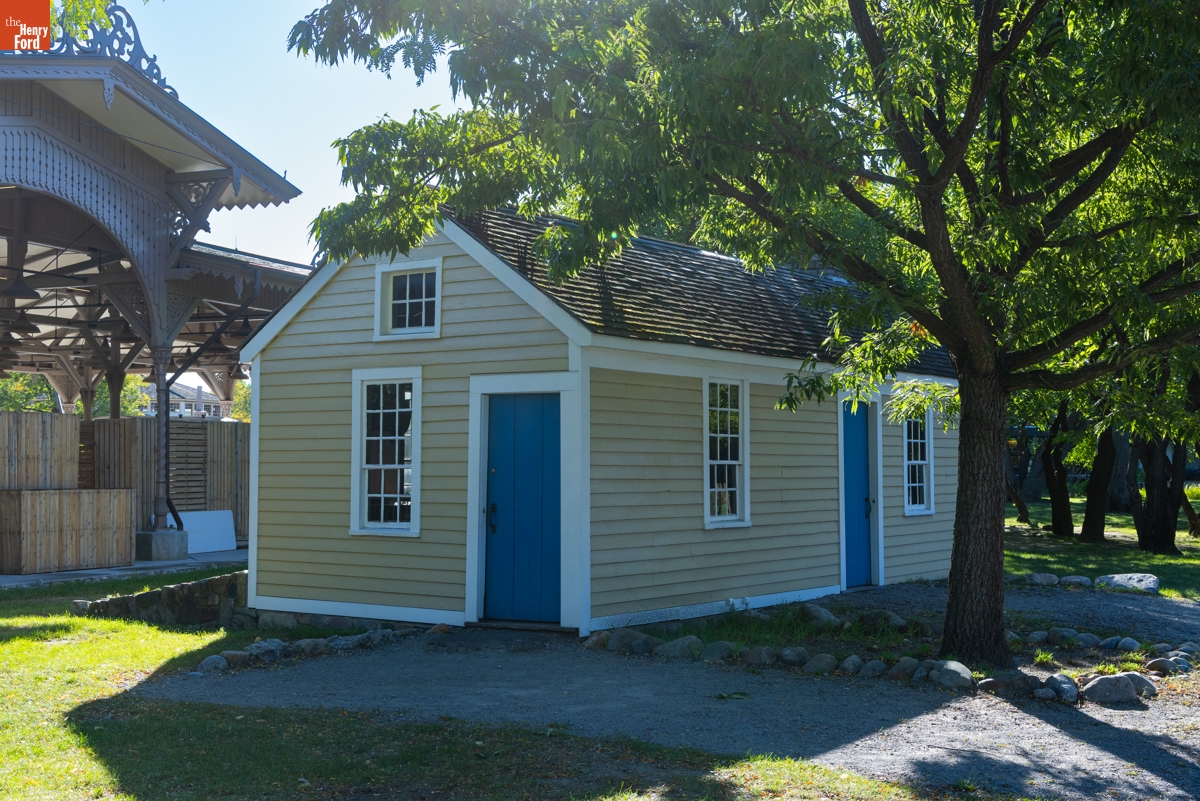
Set
Greenfield Village Buildings
- 84 Artifacts
As America was taking its first steps towards industrialization, the Hanks family of Mansfield, Connecticut, made early attempts to mechanize the production of silk thread. Rodney Hanks and his nephew Horatio Hanks built this mill in 1810. It was the first silk mill in America, producing some of the first silk with machines that were powered by a waterwheel.
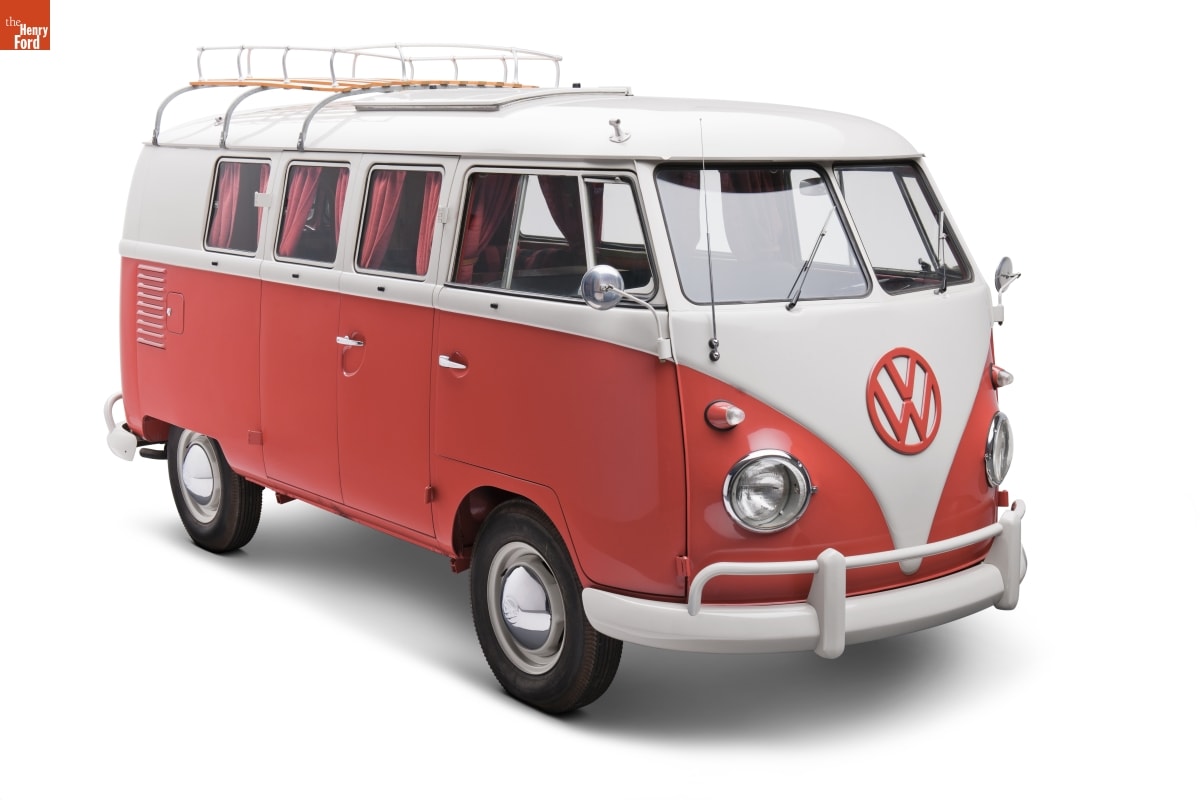
Set
Featured on The Henry Ford's Innovation Nation: Season 2
- 26 Artifacts
Volkswagen introduced its "box on wheels," the VW Type 2 Bus, in 1949. A few years later, VW contracted with Westfalia and introduced converted campers. First exported to the U.S. in 1956, Westfalia campers provided home-like camping comfort and created a postwar recreational-vehicle lifestyle. This soon-to-be cultural icon transported Americans down highways and byways and into the great outdoors.

article
Hoo Am I? A Look at the Owl Night Lunch Wagon
Learn a bit about Greenfield Village's circa 1890 Owl Night Lunch Wagon, believed to be the last remaining horse-drawn lunch wagon in America.