
1984 Plymouth Voyager Minivan

THF90891 / 1984 Plymouth Voyager Minivan
01
Artifact Overview
Plymouth Voyager advertising called this the "all-new space-age American family wagon," and it really was a new kind of vehicle. Shorter than typical sedans, station wagons, or large vans, the new "mini-vans" were easy to drive but could carry seven people, plus lots of luggage, camping gear, or sports equipment. They were instantly popular with buyers and were immediately copied by other manufacturers, foreign and domestic.
Artifact Details
Artifact
Automobile
Date Made
1984
Creators
Place of Creation
Location
at Henry Ford Museum in Driving America
Object ID
90.248.1
Credit
From the Collections of The Henry Ford. Gift of Chrysler Motors Corporation.
Material
Metal
Steel (Alloy)
Glass (Material)
Leather
Plastic
Color
Red
Dimensions
Height: 65 in
Width: 67 in
Length: 165 in
Specifications
Make & Model: 1984 Plymouth Voyager minivan
Maker: Chrysler Corporation, Highland Park, Michigan
Engine: inline-4, overhead cam, 135 cubic inches
Transmission: 3-speed automatic
Height: 64 inches
Width: 69 inches
Wheelbase: 112 inches
Overall length: 176 inches
Weight: 2911 pounds
Horsepower: 101 at 5600 revolutions per minute
Pounds per horsepower: 28.8
Price: $12,309
Average 1984 wage: $18,356 per year
Time you'd work to buy this car: about 8-1/2 months
Keywords |
|---|
02
Related Content
 Set
SetVehicle Viewer
- 99 Artifacts
Americans didn't invent the automobile, but we embraced it and quickly made it our own. Cars cruise through our music, movies, and dreams. They drive innovation and create frustration. They are objects of beauty and sources of blight. The vehicles in the "Driving America" exhibit reveal how the car reshaped our culture and landscape. The decisions we make now, individually and collectively, will define our automotive future.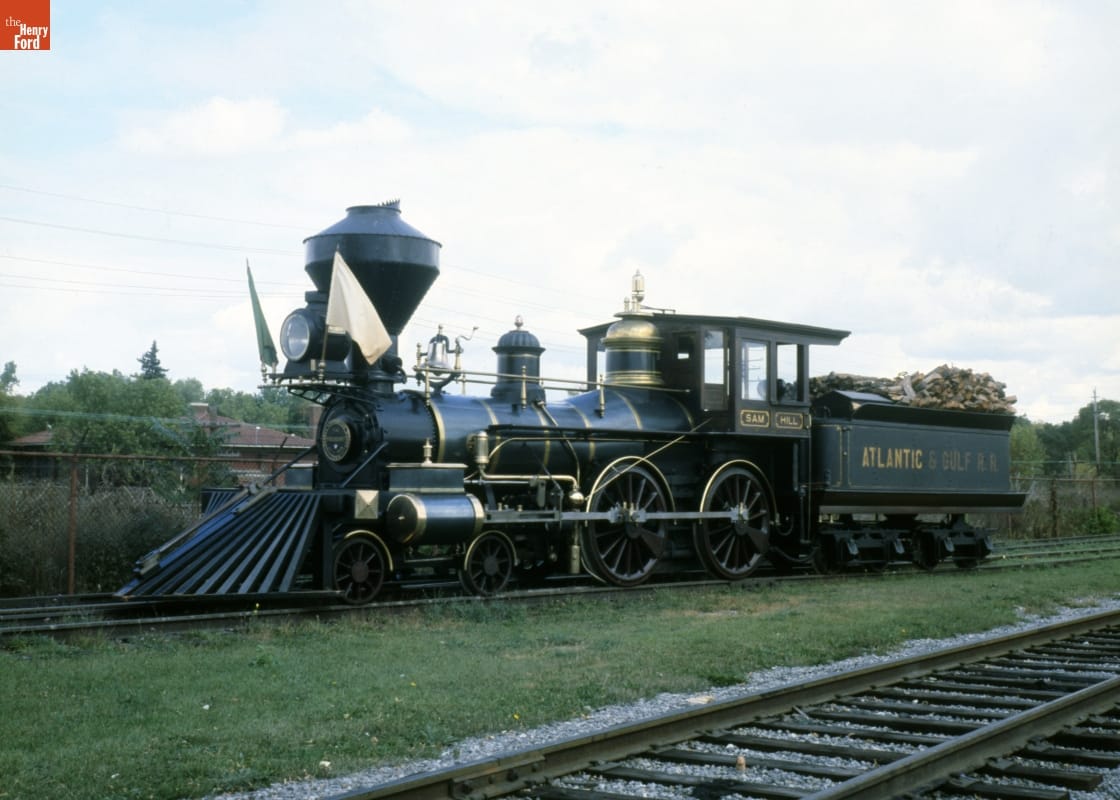 Set
SetMobility
- 49 Artifacts
This 1858 Rogers steam locomotive is typical of those used in the United States in the second half of the 19th century. Its flexible wheel arrangement, high power output, and light weight were well suited to the tight curves, steep grades, and hastily constructed track that characterized American railroads. This locomotive struck an agreeable balance between practicality, safety, and economy.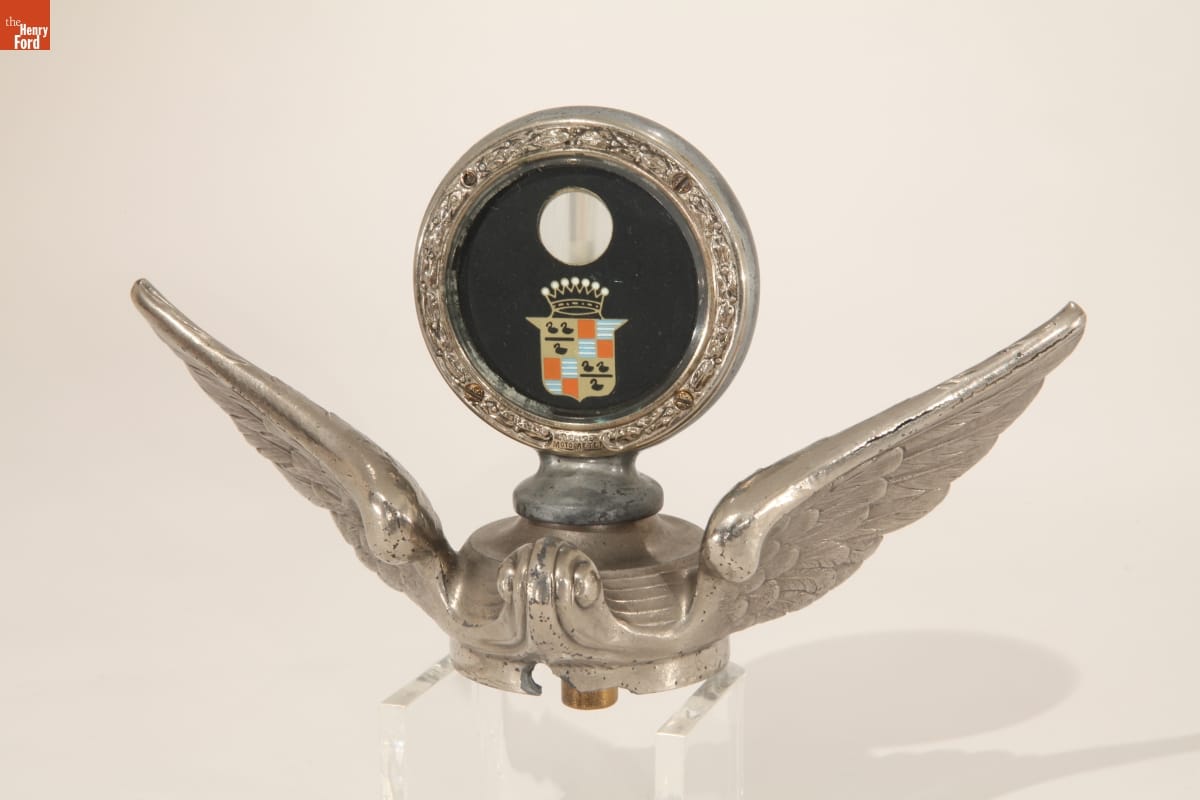 Set
SetMotor Mascots
- 18 Artifacts
Hood ornaments -- formally called mascots -- are among the most prominent decorative elements on an automobile's exterior. Manufacturers designed mascots that communicated speed, power, or prestige. Some motorists replaced factory ornaments with aftermarket pieces that conveyed wealth and taste. More practical drivers capped their radiators with functional motometers to measure engine temperature. In any form, mascots made a statement. article
Book Review: "Driving America"
Our new book Driving America, like the collection it documents, honors not only The Henry Ford’s focus on the everyday extraordinary, but the automobile’s defining role in our lives.