
1931 Duesenberg Model J Convertible Victoria
THF90796 / 1931 Duesenberg Model J Convertible Victoria
01
Artifact Overview
Fred Duesenberg set out to build an automotive masterpiece. Its superlative engineering included a 265-horsepower engine that could push the car to a 116 mph top speed. Duesenberg built only 472 Model Js between 1928 and 1935. No two are identical because independent coachbuilders crafted each body to the buyer's specifications.
Artifact Details
Artifact
Automobile
Date Made
1931
Creator Notes
Chassis manufactured by Duesenberg Automobile & Motors Co., Indianapolis, Indiana; body made by Rollston Company in New York City, New York.
Location
at Henry Ford Museum in Driving America
Object ID
62.9.2
Credit
From the Collections of The Henry Ford. Gift of John Warren Watson.
Material
Metal
Steel (Alloy)
Canvas
Glass (Material)
Leather
Rubber (Material)
Chromium
Color
Tan (Color)
Light brown
Red
Cream (Color)
Dimensions
Height: 62.75 in
Width: 74 in
Length: 216 in
Wheelbase: 155.5 in
Inscriptions
Plates on each side by hood and in each door frame: ROLLSTON / NEW YORK
Plate on firewall: DUESENBERG / STRAIGHT/ 8 / DUESENBERG / INCORPORATED / INDIANAPOLIS/ MADE IN U.S.A.
Stamped on firewall: 2413
Specifications
Make & Model: 1931 Duesenberg Model J convertible victoria
Maker: Duesenberg, Inc., Indianapolis, Indiana.
Body maker: Rollston, New York, New York.
Engine: inline-8, double overhead cams, 420 cubic inches
Transmission: 3-speed manual, nonsynchromesh
Height: 68 inches
Wheelbase: 153.5 inches
Width: 72 inches
Overall length: 211.5 inches
Weight: 4900 pounds
Horsepower: 265 at 4200 revolutions per minutes
Pounds per horsepower: 18.5
Price: $13,000 (estimate)
Average 1931 wage: $1,298 per year
Time you'd work to buy this car: about 10 years
Keywords |
|---|
02
Related Content
 Set
SetConvertibles
- 22 Artifacts
This car symbolizes 1950s America: a time of exuberance, self-confidence, excess, and self-indulgence. Cadillac designers drew on jet aircraft for ideas, from the sharp, swept-back tailfins to the front parking lights that resemble B-52 bomber air intakes. Under that jet-inspired skin is a 345 horsepower engine, air suspension, and a host of luxury options, including an automatic headlight dimmer. We are unlikely to ever see such cars again. Set
SetVehicle Viewer
- 99 Artifacts
Americans didn't invent the automobile, but we embraced it and quickly made it our own. Cars cruise through our music, movies, and dreams. They drive innovation and create frustration. They are objects of beauty and sources of blight. The vehicles in the "Driving America" exhibit reveal how the car reshaped our culture and landscape. The decisions we make now, individually and collectively, will define our automotive future.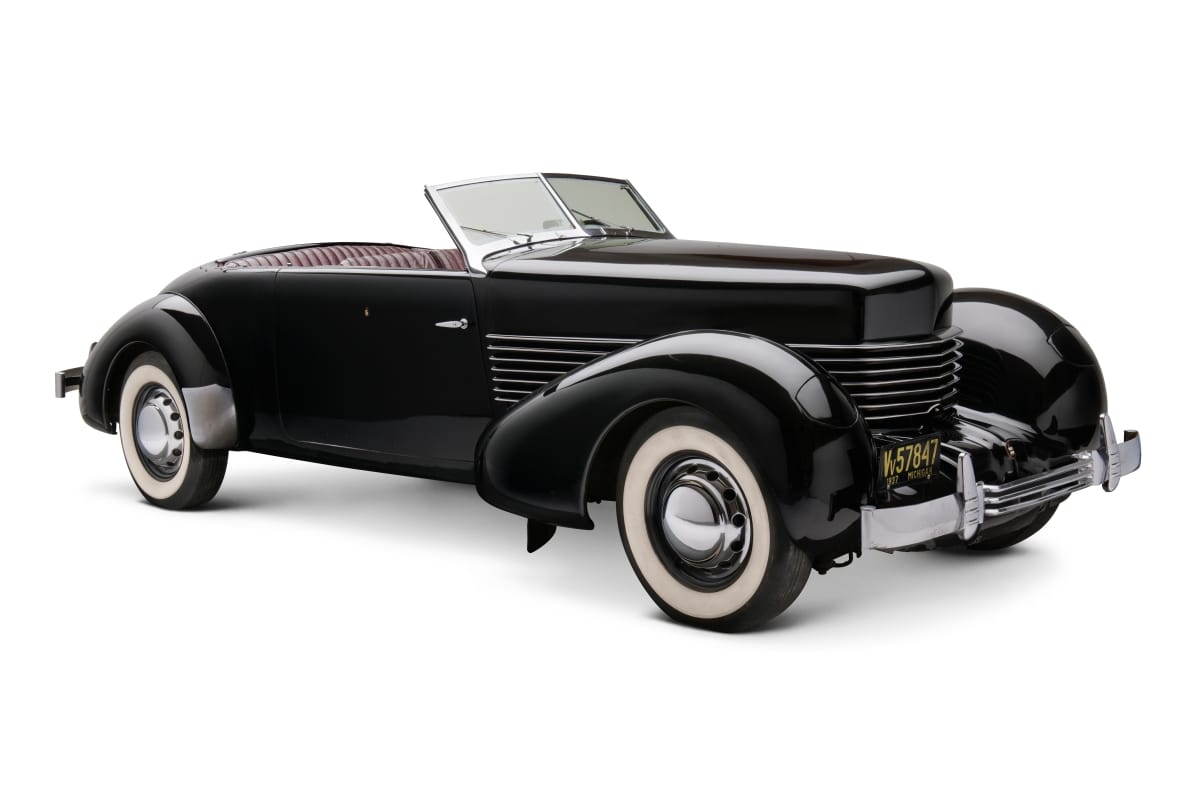 Set
SetLuxury Cars
- 18 Artifacts
Luxury cars offered the greatest in comfort and the latest in technology. They also provided status -- a large part of their attraction. Builders like Rolls-Royce specialized in extravagant cars with corresponding prices, while mass-market manufacturers like General Motors and Ford offered Cadillacs and Lincolns for customers of more modest means. Sport sedans and SUVs may have replaced carriage-inspired Victoria bodies, but luxury still sells.