
Pocket Watch, 1850-1875
THF95541 / Pocket Watch, 1850-1875
01
Artifact Overview
Pocket watches were the first mechanical devices to catch Henry Ford's fancy. He made his first successful repair at the age of 13, when he removed the casing on schoolmate Albert Hutchings's watch and extracted a sliver from the works. Hutchings's family donated this watch, believed to be the original, to the Henry Ford Museum in 1933.
Artifact Details
Artifact
Pocket watch
Date Made
1850-1875
Creators
Place of Creation
Location
Object ID
33.164.3
Credit
From the Collections of The Henry Ford. Gift of Myrta Hutchings
Material
Silver (Metal)
Brass (Alloy)
Dimensions
Diameter: 2.048 in
Inscriptions
Dial: ROB'T ROSKELL / LIVERPOOL
Case: 6007
Dust Cover: ROB'T ROSKELL/LIVERPOOL/PATENT LEVER
Dust Cover Inside: JW/6007
Keywords |
|---|
02
Related Content
 Set
SetHenry Ford
- 49 Artifacts
The Quadricycle was Henry Ford's first attempt to build a gasoline-powered automobile. It utilized commonly available materials: angle iron for the frame, a leather belt and chain drive for the transmission, and a buggy seat. Ford had to devise his own ignition system. He sold his Quadricycle for $200, then used the money to build his second car.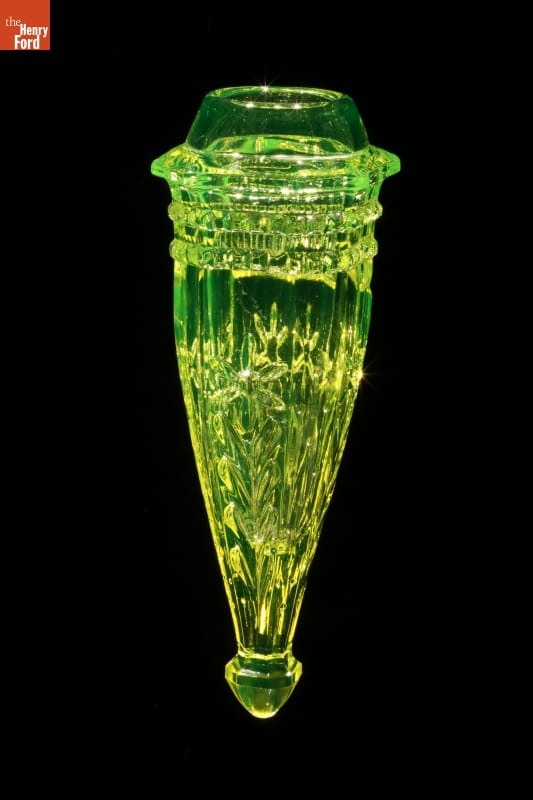 Set
SetThe Most Popular Digital Collections Artifacts of 2018
- 50 Artifacts
Early luxury vehicles sometimes contained bud vases for flowers. The flowers, whether real or silk, freshened up the interior. This pressed glass bud vase from The Henry Ford's 1922 Detroit Electric car has molded flowers on its sides.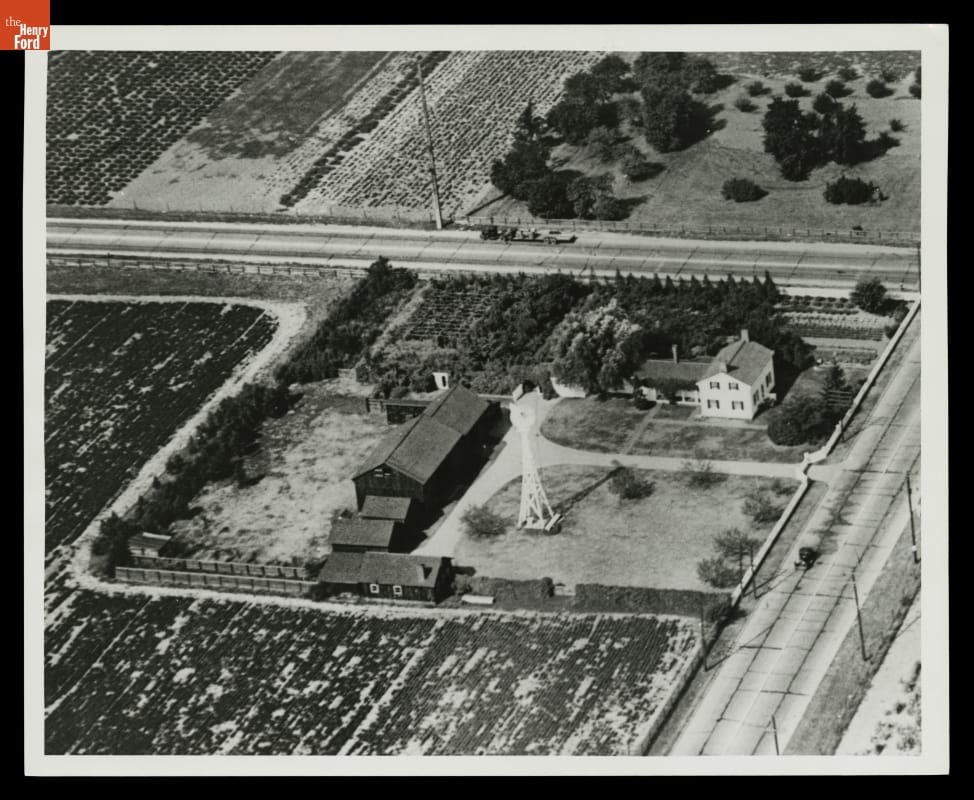 Set
SetHenry Ford: Youth
- 19 Artifacts
Henry Ford began restoration of his Dearborn, Michigan, birthplace in 1919. He repaired or replaced the farm buildings and filled the small, white clapboard house with original or similar furnishings he remembered from his boyhood. He dedicated the restoration to the memory of his beloved mother, Mary Litogot Ford, who died in 1876. In 1944, the house and outbuildings were moved to Greenfield Village.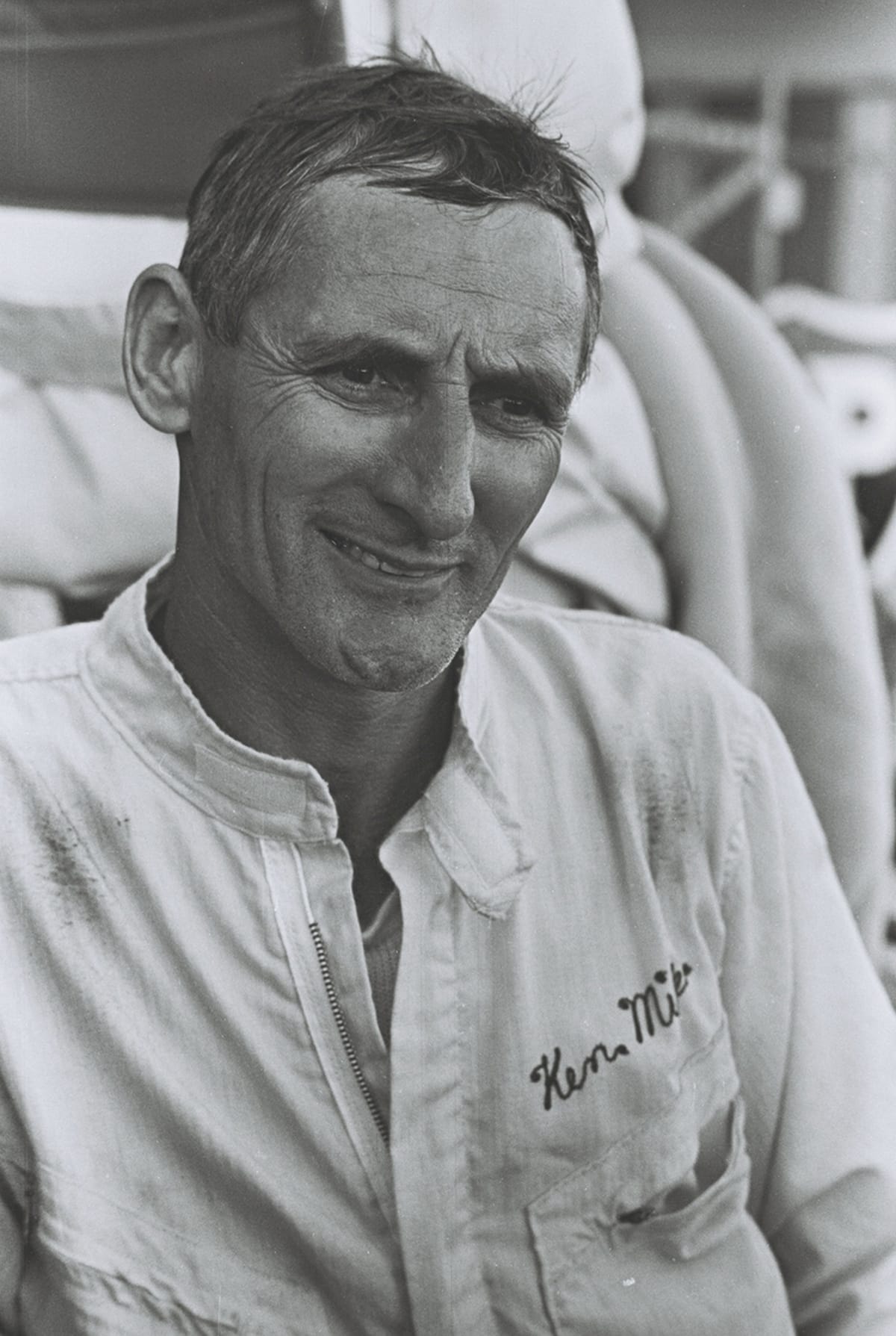 Set
SetOur Most-Viewed Digitized Artifacts of All Time
- 100 Artifacts
British-born Ken Miles was a gifted race car engineer and driver. Through his work for Carroll Shelby, Miles got involved in Ford's GT racing program. Miles won the 24 Hours of Daytona and the 12 Hours of Sebring in 1966, and he placed second at Le Mans. Miles died in a crash while testing Ford's J-Car later that year.