
1927 Plymouth Gasoline-Mechanical Locomotive
THF15919 / 1927 Plymouth Gasoline-Mechanical Locomotive
01
Artifact Overview
Because they didn't use the coal and water required by steam engines, Plymouth gasoline locomotives were well suited to small industrial railroads. This engine shuttled coal cars at the Mistersky Power Plant in Detroit. Unlike modern diesel locomotives, which operate via electric motors powered by on-board generators, this locomotive's gas engine is mechanically connected to its wheels.
Artifact Details
Artifact
Locomotive
Date Made
1927
Creators
Place of Creation
Location
at Greenfield Village in Railroad Junction District
Object ID
79.121.1
Credit
From the Collections of The Henry Ford.
Material
Steel (Alloy)
Metal
Wood (Plant material)
Color
Orange (Color)
Black (Color)
White (Color)
Dimensions
Height: 9.9 ft
Width: 9 ft
Length: 18.8 ft
Wheelbase: 63 in
Inscriptions
Side of cab: PLYMOUTH
Keywords |
|---|
02
Related Content
 Set
SetFeatured on The Henry Ford’s Innovation Nation: Season 10
- 18 Artifacts
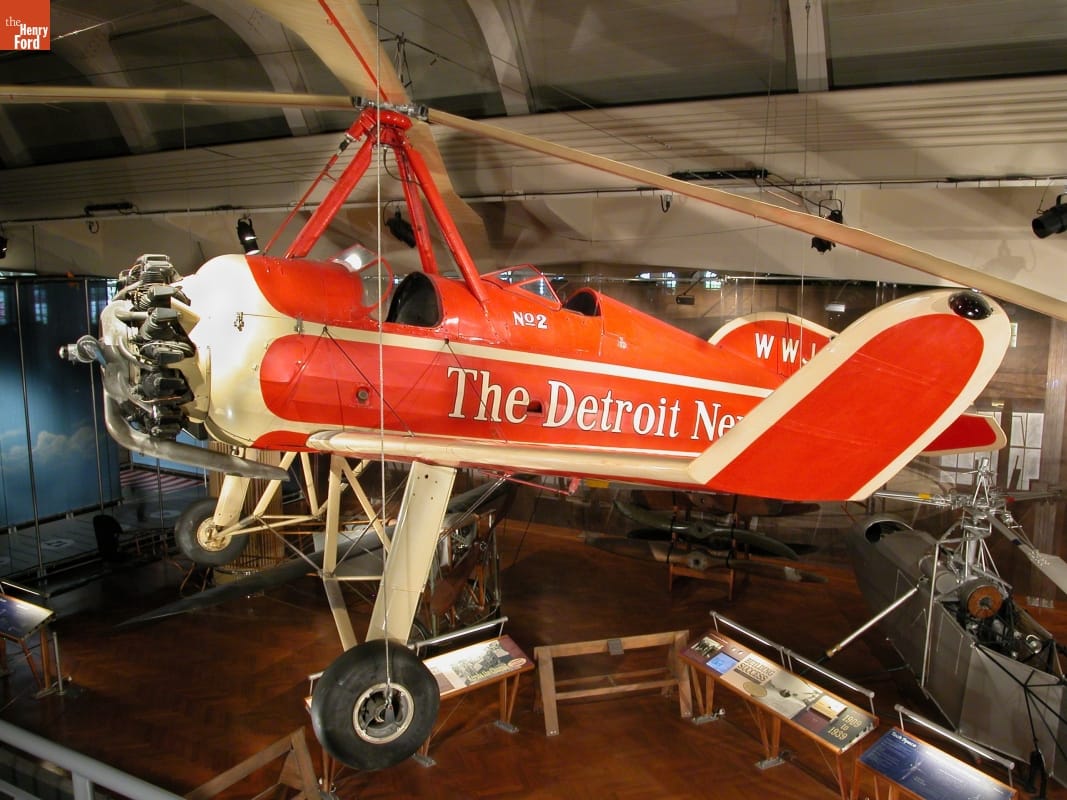
Like an airplane, the autogiro is moved by an engine-powered propeller, but like a helicopter, lift is provided by a rotor. The rotor is not powered, and while the aircraft can land vertically, it cannot take off vertically. The Detroit News purchased this autogiro to gather news. The novel aircraft probably was better at making news!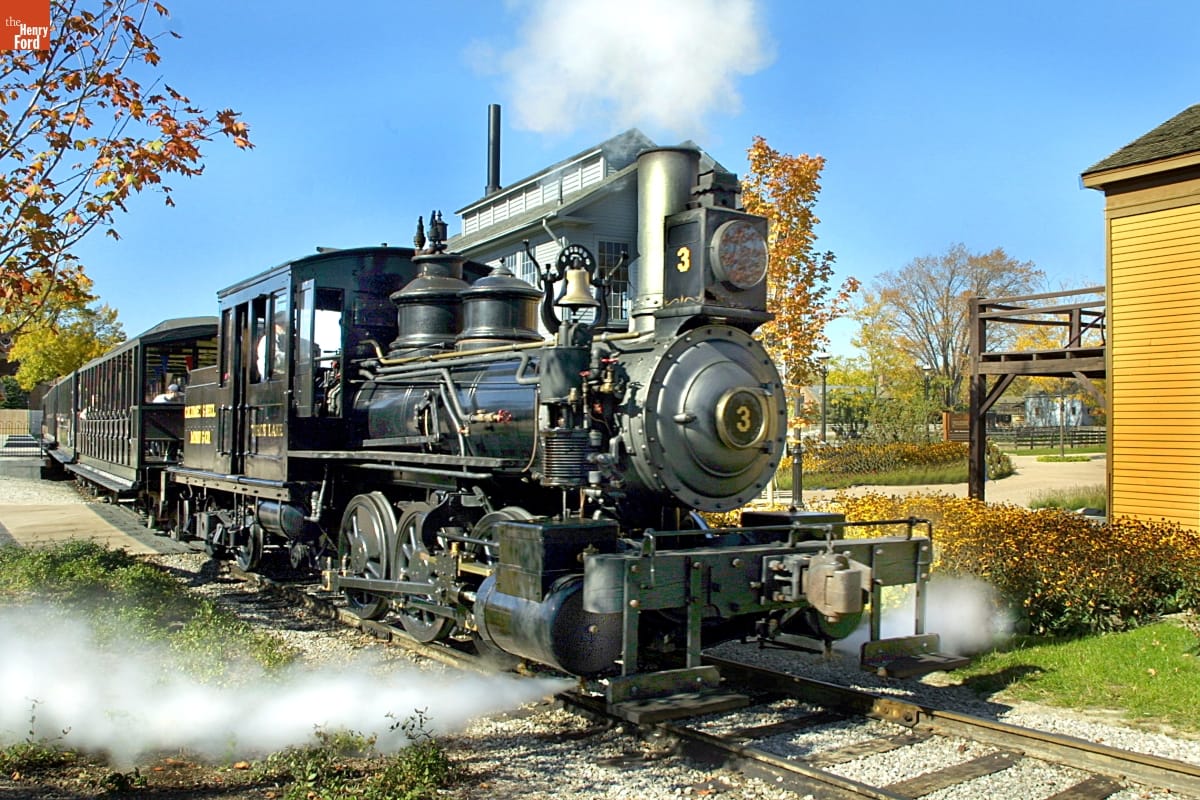 Set
SetLocomotives of Greenfield Village
- 6 Artifacts
Torch Lake, built by Mason Machine Works in 1873, hauled ore for the Calumet and Hecla Mining Company on Michigan's Keweenaw Peninsula. The engine is an articulated design. The driving wheels pivot under the boiler, allowing the locomotive to handle sharp curves. Torch Lake joined The Henry Ford's collection in 1969. article
1927 Plymouth Gasoline-Mechanical Locomotive
Have you ever noticed a small orange locomotive at the roundhouse in Greenfield Village? Learn the history of our 1927 Plymouth gasoline-mechanical locomotive.