
Mail Wagon Used for Rural Delivery in Missouri, 1902-1925
THF75675a / Mail Wagon Used for Rural Delivery in Missouri, 1902-1925
01
Artifact Overview
Letter carrier August Edinger used this horse-drawn wagon to deliver mail around Kimmswick, Missouri, for more than 20 years. Sliding doors offered ventilation in summer, and a tiny coal stove provided heat in winter. Rural Free Delivery, instituted by the U.S. Post Office in 1896, eased the isolation felt by rural Americans and boosted mail-order businesses as well.
Artifact Details
Artifact
Mail wagon
Date Made
1901-1902
Subject Date
1902-1925
Place of Creation
Location
Not on exhibit to the public.
Object ID
34.150.1
Credit
From the Collections of The Henry Ford. Gift of August Edinger.
Material
Paint (Coating)
Wood (Plant material)
Color
Red
White (Color)
Dimensions
Height: 82 in
Width: 69 in
Length: 213 in
Wheelbase: 58 in
Diameter: 40 in (Wheel Diameter)
Diameter: 43.5 in (Wheel Diameter)
Inscriptions
Painted on side of wagon and on back of box in rear: U. S. / MAIL
Keywords |
|---|
02
Related Artifacts
 Artifact
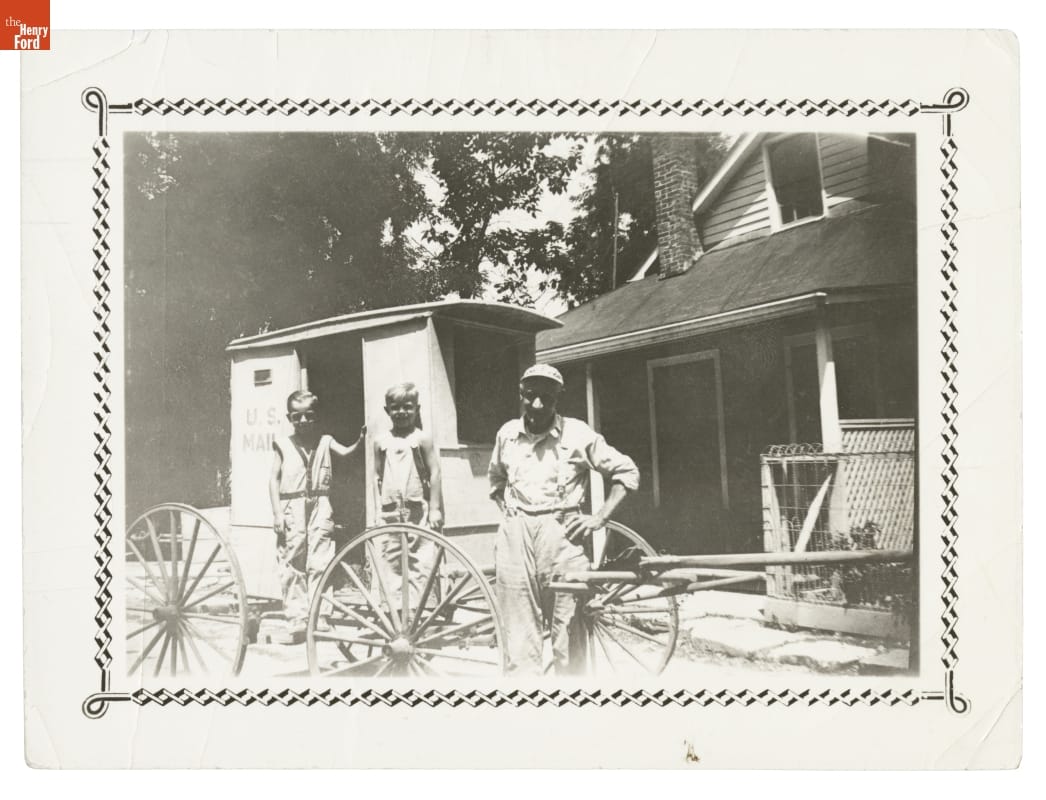
August Edinger with Horse-Drawn Mail Wagon, circa 1933
Officially adopted in 1896, Rural Free Delivery was a boon to residents who were previously required to collect their mail in the nearest town. Rural routes were long and served hundreds of customers, so carriers often purchased horse-drawn wagons to facilitate their perennial labor. Here, August Edinger of Kimmswick, Missouri, poses with the wagon he used from 1902 to 1925.
03
Related Content
Set
Online Horse-Drawn Vehicles Collection
- 29 Artifacts
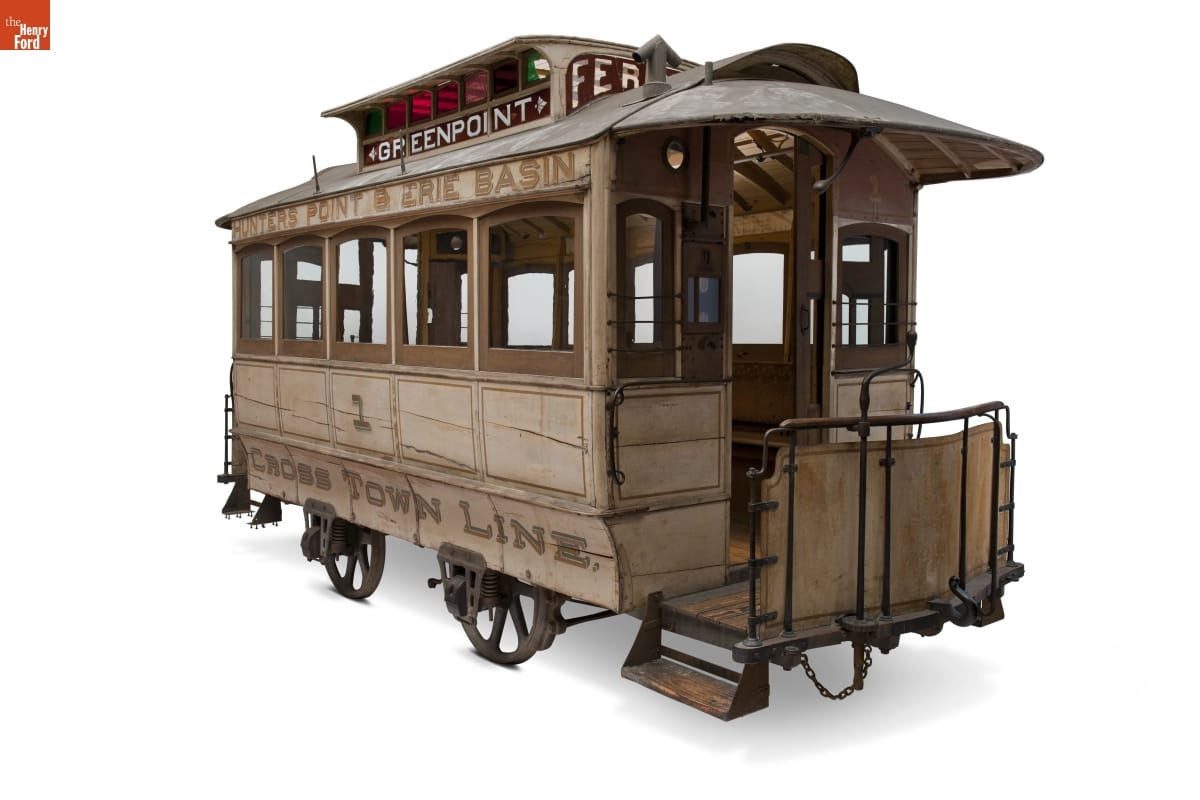
The horse-drawn streetcar was an important means of public transportation in 19th-century American cities. New York's Brooklyn City Railroad ran this car on its line between Hunters Point in Long Island City, and Erie Basin in South Brooklyn. But horses were expensive to stable and feed -- and messy too. Operators embraced electric streetcars starting in the late 1880s.
Set
Horse-drawn Deliveries
- 11 Artifacts
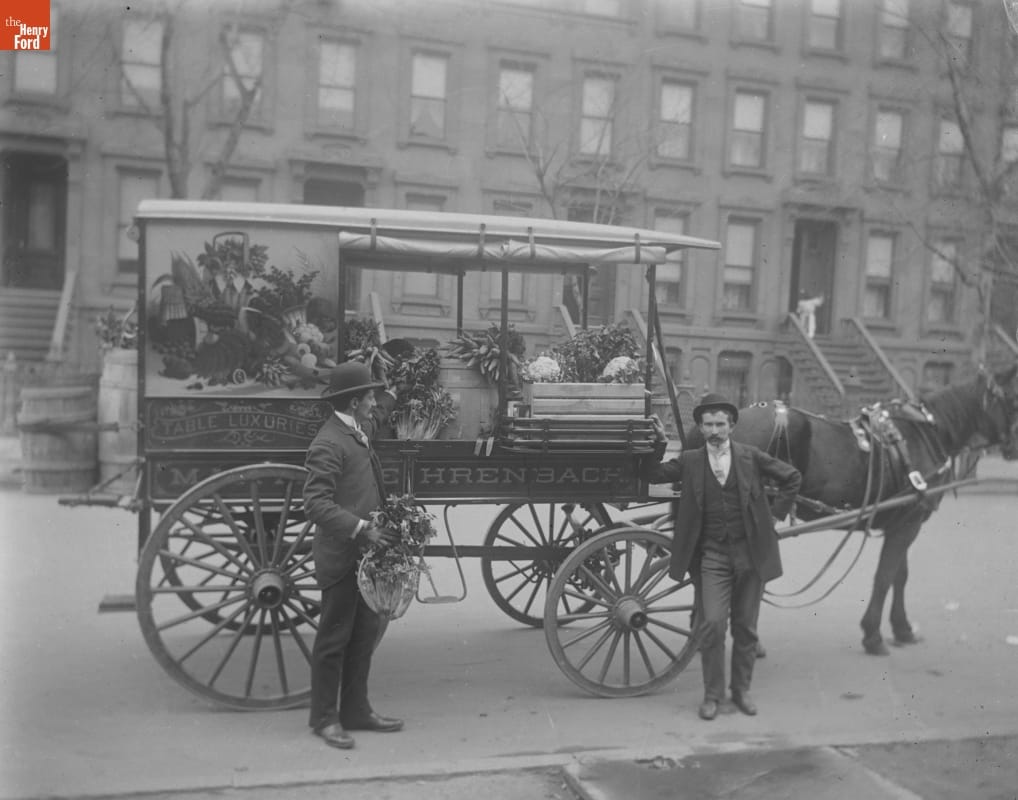
Horse-drawn delivery wagons remained in use well into the automobile age. Even in the 1920s, it wasn't unusual to see milk, ice, or produce delivered by horse--especially in smaller towns. Horses were well suited to the frequent stops and starts along a route and could negotiate poor roads better than early motorized vehicles. As roads improved and trucks became less expensive to operate and maintain, the horse-drawn delivery wagon faded away.

Set
Funding the Interstate Highway System
- 25 Artifacts
The 48,000-mile Interstate Highway System connects all corners of the United States with high-speed, limited-access roadways. Funding for new construction and ongoing maintenance comes from taxes on vehicles, tires, and -- mostly -- fuel. But as cars get more efficient and drivers shift to hybrids and electrics, gas tax revenues get smaller. Highway funds shrink as the costs of caring for an aging system grow.

Set
America's Industrial Revolution
- 61 Artifacts
The Model T's distinction as a landmark car design can be traced in large part to machines like this -- a high capacity precision machine tool that performed just two production steps on the car engine's cylinder block. The Model T as a design achievement is inseparable from many hundreds of engineering, materials, and production innovations.
article
Horse-Drawn Vehicles in the Country
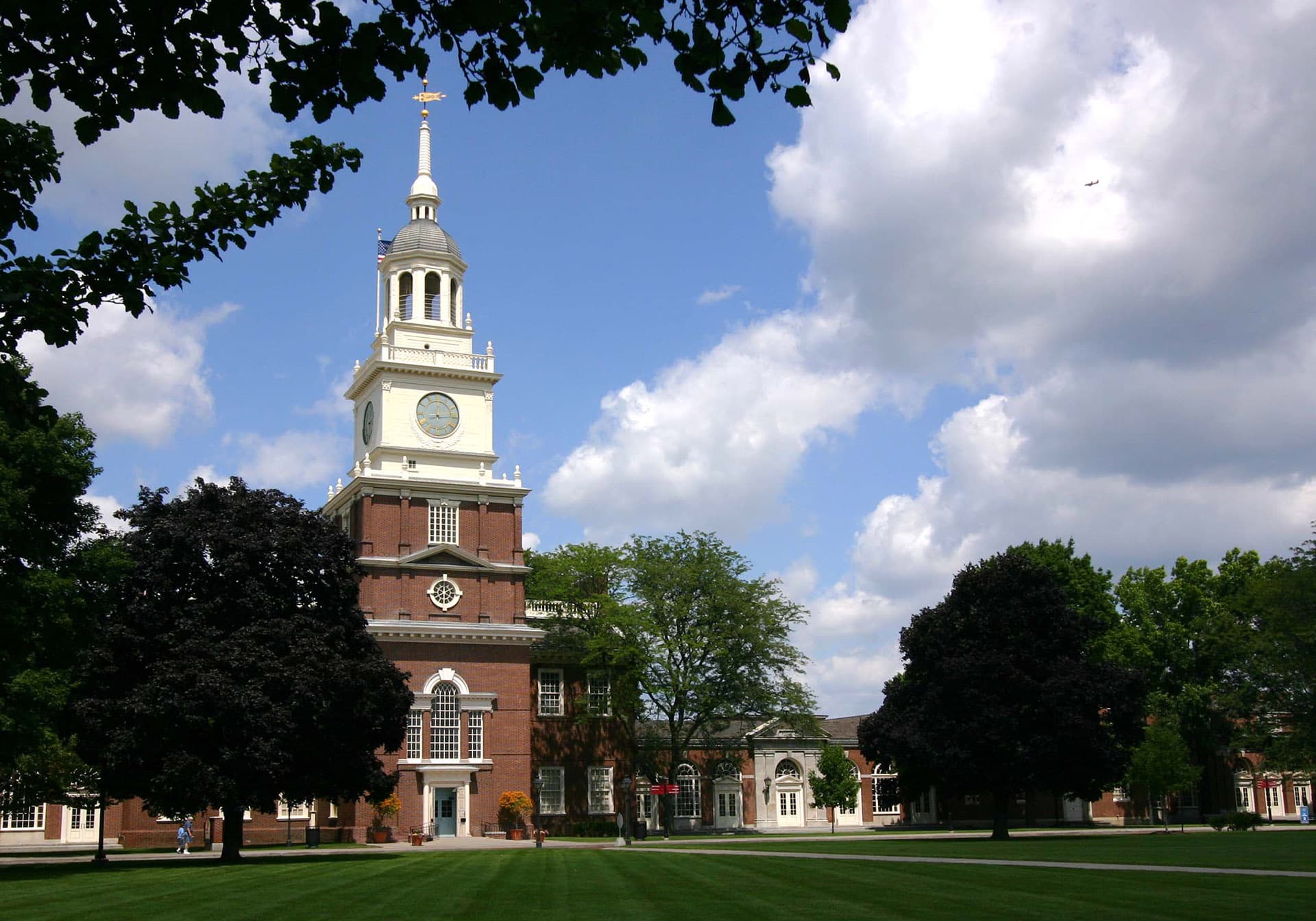
During the Carriage Era, rural areas had fewer horses than cities, but they were just as important--to pull farm equipment and to haul wagons loaded with hay, grain, cotton, or freight.