
Curtiss Motorcycle, circa 1910
THF189714 / Curtiss Motorcycle, circa 1910
01
Artifact Overview
Today Glenn Curtiss is best remembered for his pioneering work in aviation, but he built and raced motorcycles from 1901 to 1913. Curtiss personally set a speed record of 136.36 mph with a 40-horsepower V-8 racing motorcycle in 1907. This circa 1910 production model is powered by a gentler single-cylinder engine good for about four horsepower.
Artifact Details
Artifact
Motorcycle
Date Made
circa 1910
Place of Creation
Location
Not on exhibit to the public.
Object ID
29.1843.1
Credit
From the Collections of The Henry Ford.
Material
Metal
Rubber (Material)
Leather
Color
Olive green
Black (Color)
Gold (Color)
Red
Dimensions
Height: 42.5 in
Width: 24 in
Length: 85 in
Wheelbase: 57 in
Inscriptions
Each side of tank in gold with red outline: CURTISS MOTORCYCLE / MFG. CO. / HAMMONDSPORT N.Y.U.S.A.
Engine: CURTISS MOTOR / MODEL G. NO. 6030
Specifications
Make & Model: Curtiss Motorcycle
Maker: G.H. Curtiss Manufacturing Company, Hammondsport, New York
Engine: 1-cylinder, overhead valves, 30 cubic inches
Transmission: 1-speed, belt drive
Height: 42.5 inches
Width: 24 inches
Overall Length: 85 inches
Wheelbase: 57 inches
Weight: 125 pounds
Horsepower: 4
Pounds per Horsepower: 31.3
Price: $200
Keywords |
|---|
02
Related Content
 Set
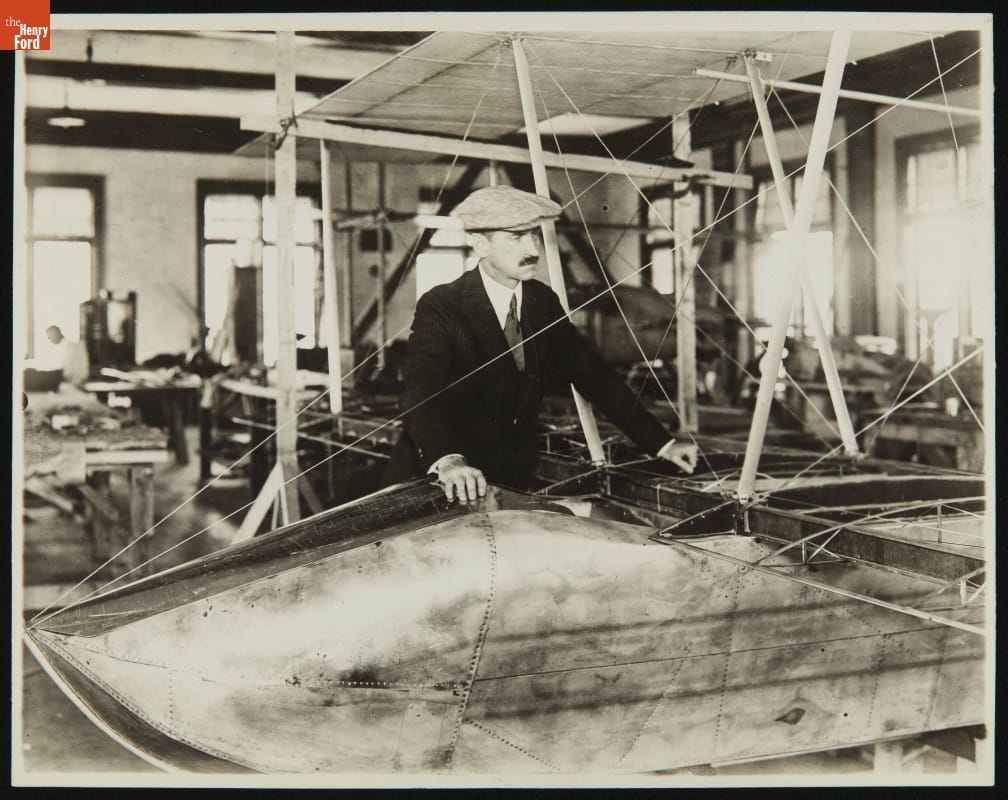
SetGlenn Curtiss: Architect of American Aviation
- 17 Artifacts
Already a pioneering builder and record-setting racer of motorcycles, Glenn Hammond Curtiss (1878-1930) was making a name for himself in the engine manufacturing business when he turned his eyes to the skies. Curtiss would continue developing innovative machines and setting records on his way to helping make aviation a practical industry.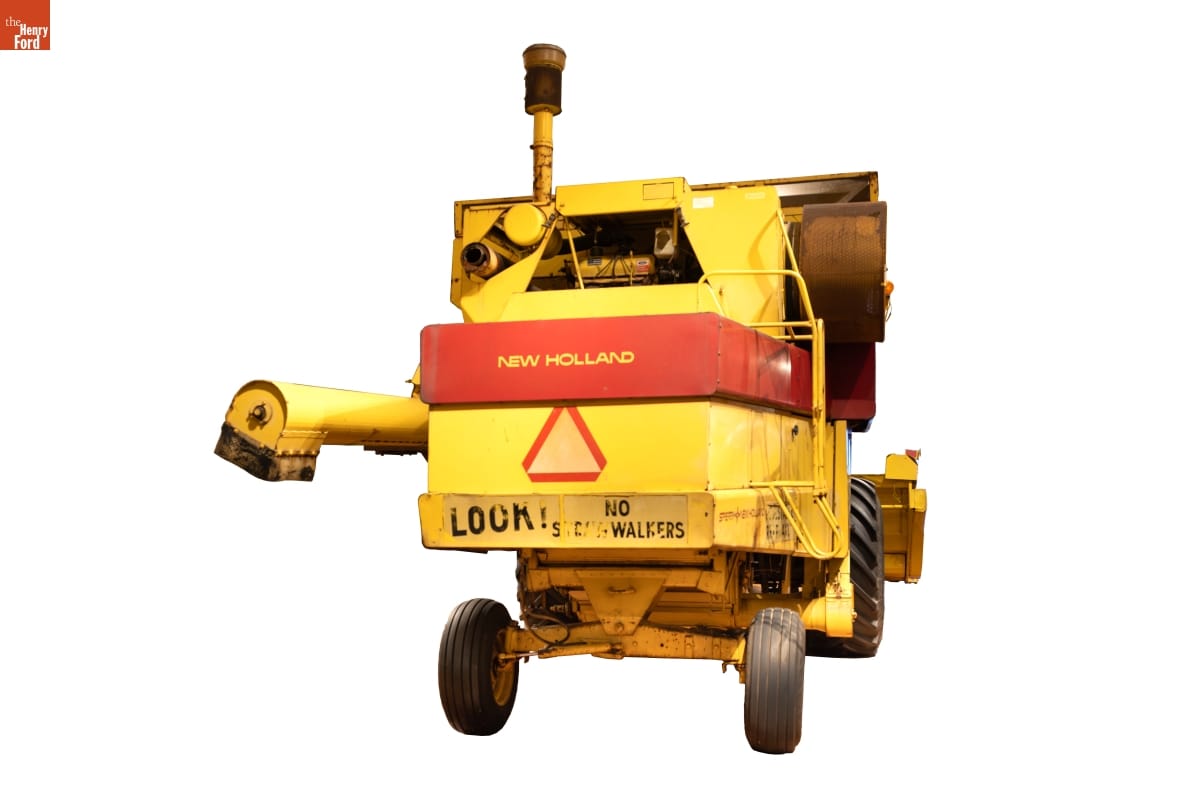 Set
SetFeatured on The Henry Ford’s Innovation Nation: Season 9
- 26 Artifacts
Engineers designed the TR70 as a compact machine suitable for hilly terrain. The twin rotors (TR) shelled corn or threshed grain and moved it through the combine's body. Setting the rotors at an angle (axial) shortened the machine. Farmers changed the front-end attachment to harvest corn, beans, or wheat. Stencils on this prototype, exhibited at trade shows, explained additional features.