
Eagle Tavern (Then Known as Smith's Hotel) at Its Original Site, Clinton, Michigan, circa 1890
THF110473 / Eagle Tavern (Then Known as Smith's Hotel) at Its Original Site, Clinton, Michigan, circa 1890
01
Artifact Overview
Walter and Mary Smith (shown here about 1890 with their daughter Ella) operated the Clinton, Michigan, Eagle Tavern -- renamed Smith's Hotel -- from the late 1860s into the 1890s. Though this 1830s tavern's days as a bustling stagecoach stop were long past, the Smiths offered hospitality to the locals and to the fewer travelers who still passed through the rural village.
Artifact Details
Artifact
Photographic print
Subject Date
circa 1890
Collection Title
Location
Not on exhibit to the public.
Object ID
EI.1929.P.O.5030
Credit
From the Collections of The Henry Ford.
Material
Paper (Fiber product)
Technique
Gelatin silver process
Color
Black-and-white (Colors)
Dimensions
Height: 8 in
Width: 10 in
Keywords |
|---|
02
Related Artifacts
 Artifact
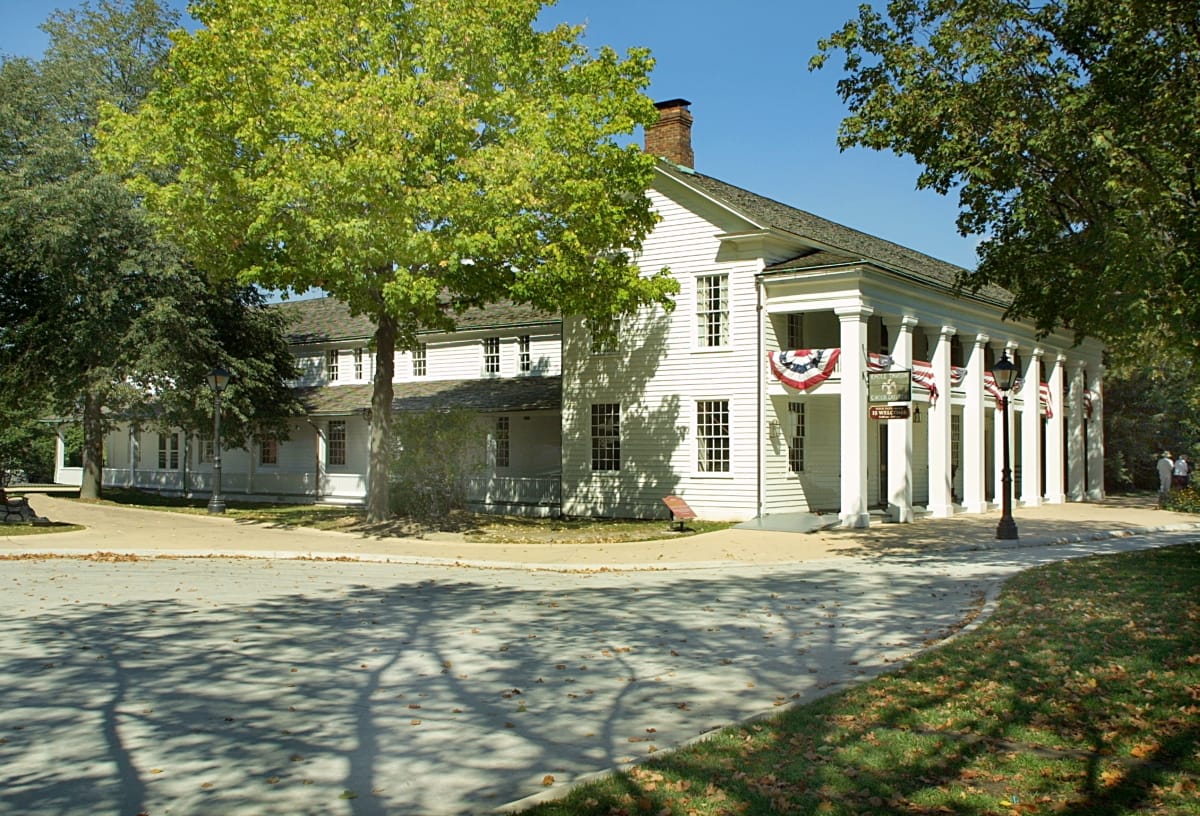
Eagle Tavern
This stagecoach tavern was built in 1831 in Clinton, Michigan, 50 miles west of Detroit. Taverns dotted the American countryside during the first half of the 1800s, a period of massive migration, new settlement, and rapid change in a young America. From 1849-1854, farmer Calvin Wood operated this tavern, offering food, drink, and accommodations to travelers who passed through his village.
03
Related Content
 Set
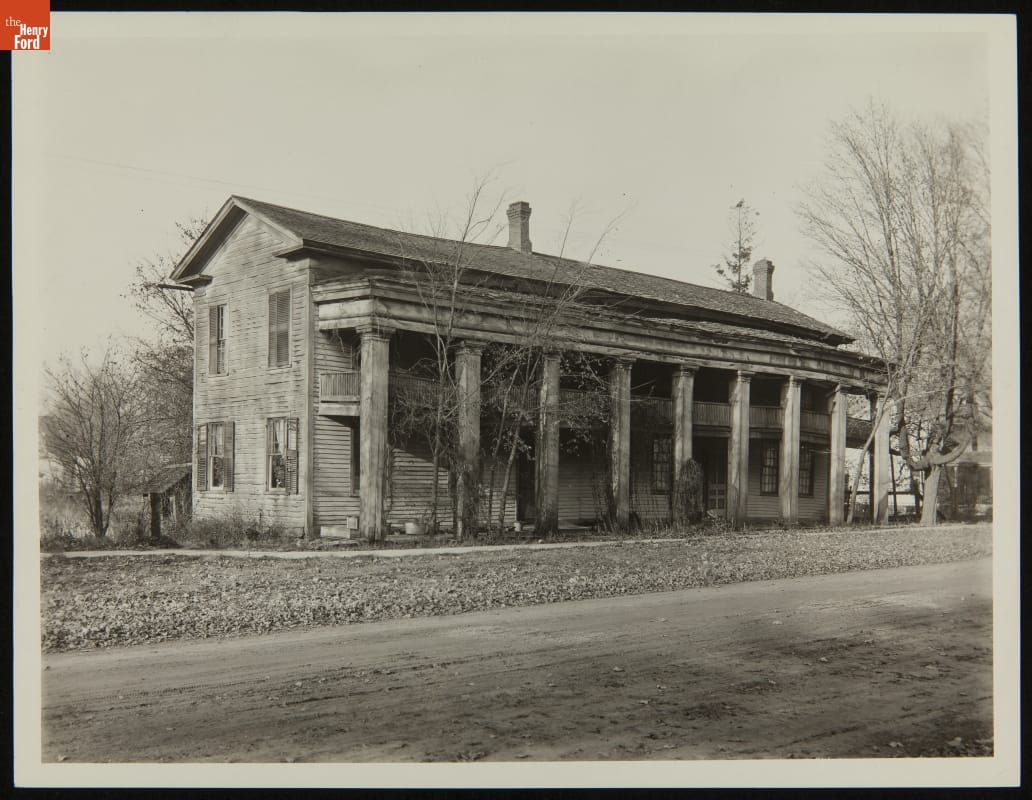
SetPast Lives of the Eagle Tavern
- 19 Artifacts
This tavern, constructed 1831-2 in Clinton, Michigan, was originally a stagecoach stop on the Detroit-to-Chicago road. In 1927, Henry Ford purchased the run-down building from resident Ella Smith -- the daughter of Walter Smith, who had run the hostelry as Smith's Hotel between 1868 and 1896. Moved to Greenfield Village, the restored and renamed Clinton Inn opened in 1929.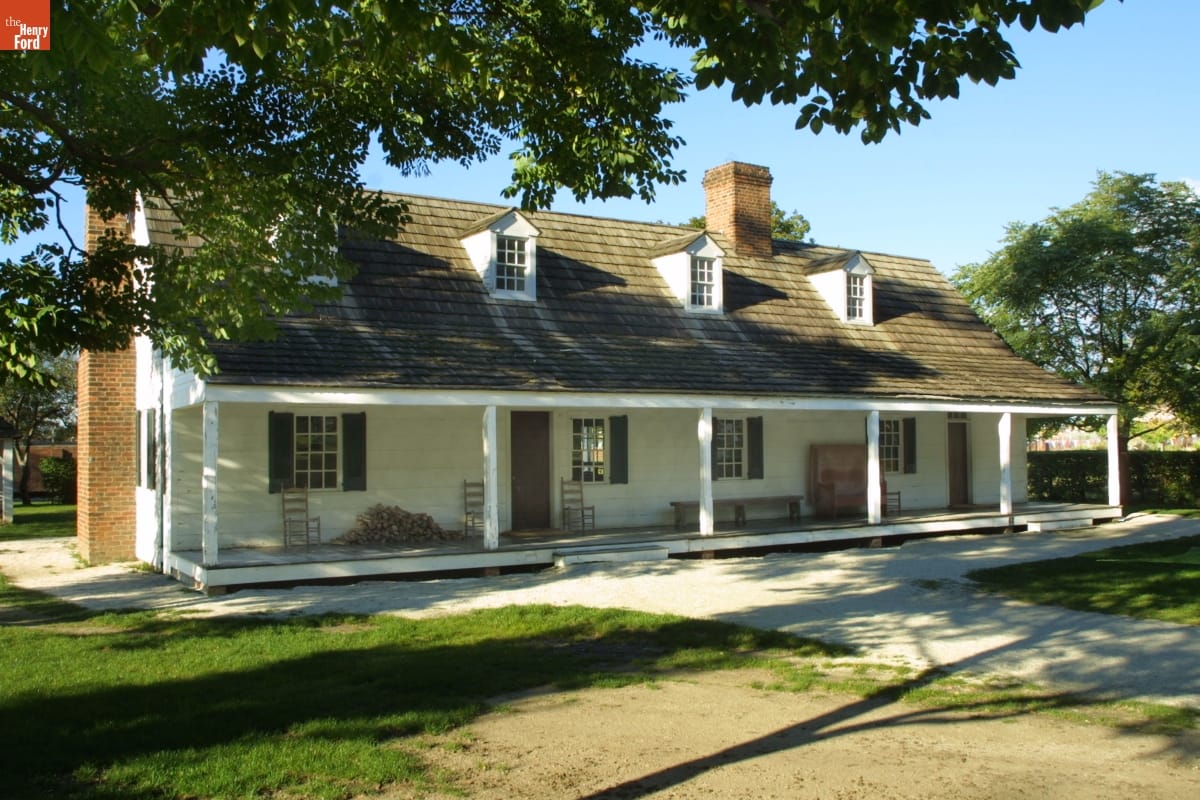 Set
SetPorches of Greenfield Village
- 12 Artifacts
During the 19th century, the front porch was a popular feature on many buildings in American towns, crossroads villages, and rural areas. Porches served a multitude of purposes--from providing cooling breezes to bringing friends and family members together to welcoming outside guests. The porches on Greenfield Village buildings represent many different styles, eras, and places.