
Dragon Weathervane from the Sir John Bennett Shop, 1850-1900
THF124992 / Dragon Weathervane from the Sir John Bennett Shop, 1850-1900
01
Artifact Overview
This dragon weathervane is one of the most vivid elements of Sir John Bennett's shop in Greenfield Village. Made of hammered copper in striking detail, it is a quiet masterpiece of design, craftsmanship, and balance. During restoration work in 2005, The Henry Ford staff made structural repairs and returned the dragon to its original splendor with a coat of gold leaf.
Artifact Details
Artifact
Weathervane
Date Made
1850-1900
Location
Not on exhibit to the public.
Object ID
31.2048.1.11
Credit
From the Collections of The Henry Ford.
Material
Copper (Metal)
Gold leaf
Color
Gold (Color)
Keywords |
|---|
02
Related Artifacts
 Artifact
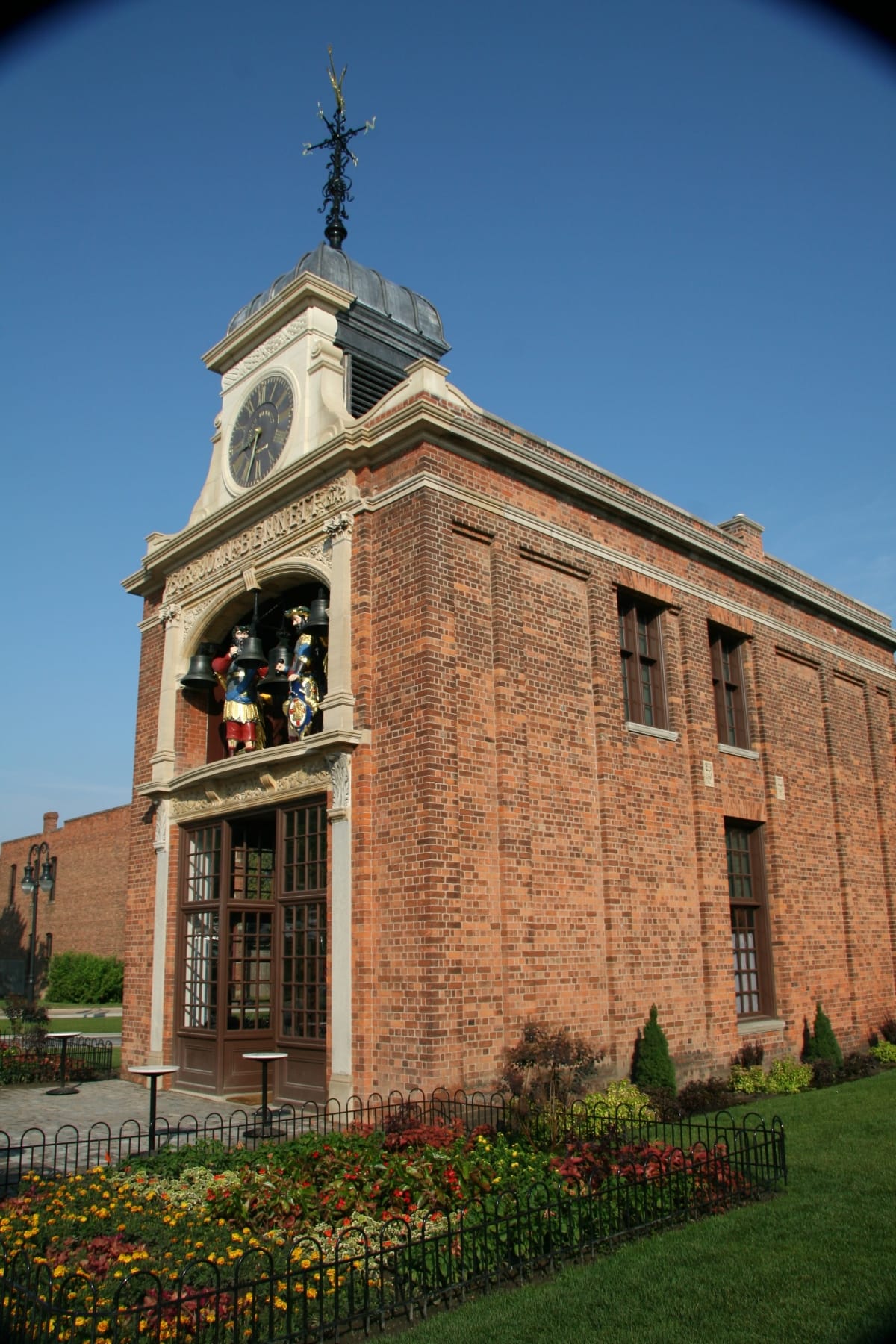
Sir John Bennett
Sir John Bennett's clock, watch and jewelry store in London, England, originally stood five stories. Mr. Ford was especially attracted to the Gog and Magog figures, who strike the clock. Henry Ford, a watch enthusiast, purchased the building for his historical village in 1928. Village architect Edward Cutler reassembled the structure in a two-story scale, making it compatible with other buildings in the Village.
03
Related Content
 Set
SetFeatured on The Henry Ford's Innovation Nation: Season 7
- 26 Artifacts
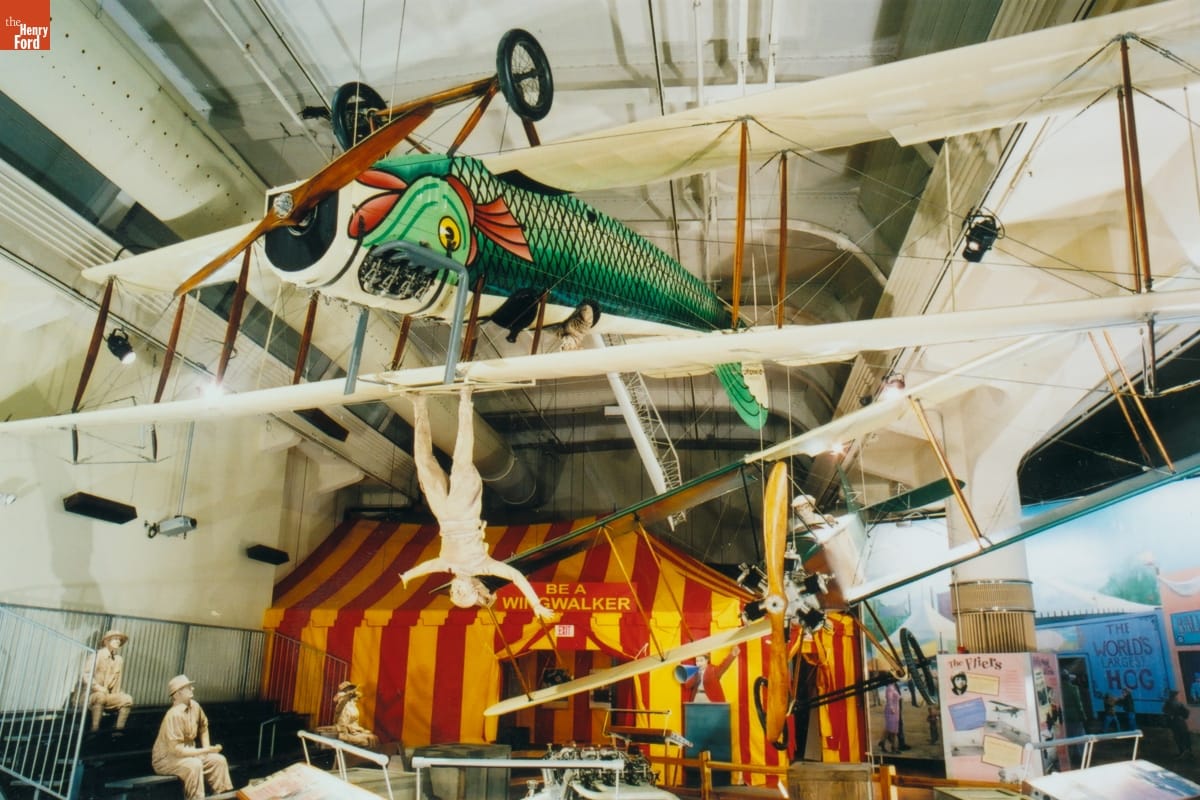
The Curtiss JN-4 "Jenny" was the U.S. Army's primary training aircraft in the World War I era. After the war, surplus Jennys formed the core of America's barnstorming fleet. The JN-4D variation employed a control stick rather than the wheel used in the standard version. The JN-4D originally was built for the Canadian market, explaining its "Canuck" nickname. Set
SetWeathervane Ornaments from the Collections of The Henry Ford
- 14 Artifacts
Manufacturers – first around Boston, Massachusetts, and then elsewhere — produced weathervanes commercially by the 1850s. They featured large-scale ornaments depicting a broad range of subjects. As weathervanes became obsolete meteorological tools during the early 20th century, their ornaments became prized collectibles. These examples help us understand weathervanes' rich history of craftsmanship, symbolism, and public engagement with the past.
 article
Engineering a Bigger Dragon
Learn how Heavy Meta enlarged the wings of Canada's 30-foot long fire-breathing dragon just in time to bring the heat to Maker Faire Detroit!